8 Agave Care Tips For Outdoor Containers In Nevada That Actually Work
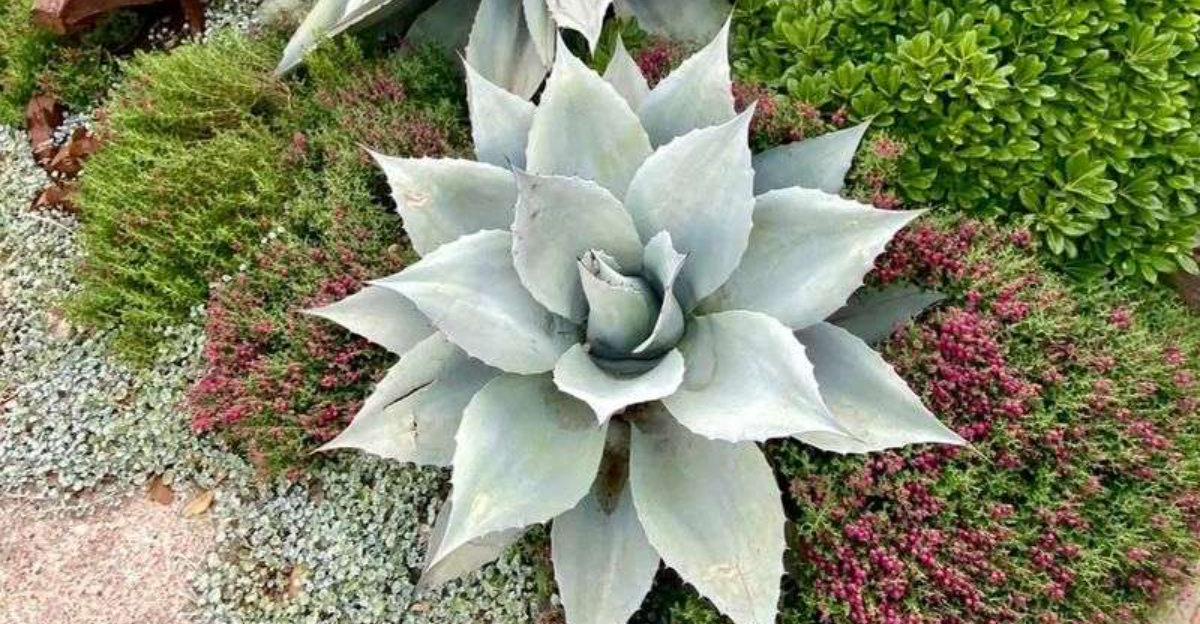
Agaves are desert stars—dramatic, low-maintenance, and perfect for Nevada’s blazing sun and dry climate.
But when grown in containers, even these hardy plants need a little extra care to thrive.
Without the right attention, they can struggle, rot, or fail to reach their full sculptural potential.
These spiky beauties are tough—but only if you treat them right!
From choosing the perfect pot and soil mix to providing proper drainage, sun exposure, and minimal watering, these eight tips help Nevada gardeners keep their container agaves healthy and striking.
Proper care prevents overwatering, protects roots from heat stress, and encourages bold growth that makes a statement in any landscape.
Container agaves can be the crown jewel of your yard—if you know how to care for them.
For outdoor container gardening in Nevada, following these proven strategies ensures your agaves stay strong, vibrant, and low-maintenance while standing up to the desert sun.
With the right approach, your agave collection can thrive year after year.
Treat them smartly, and your agaves will be showstoppers in your desert garden.
1. Choose Agave Varieties That Stay Compact
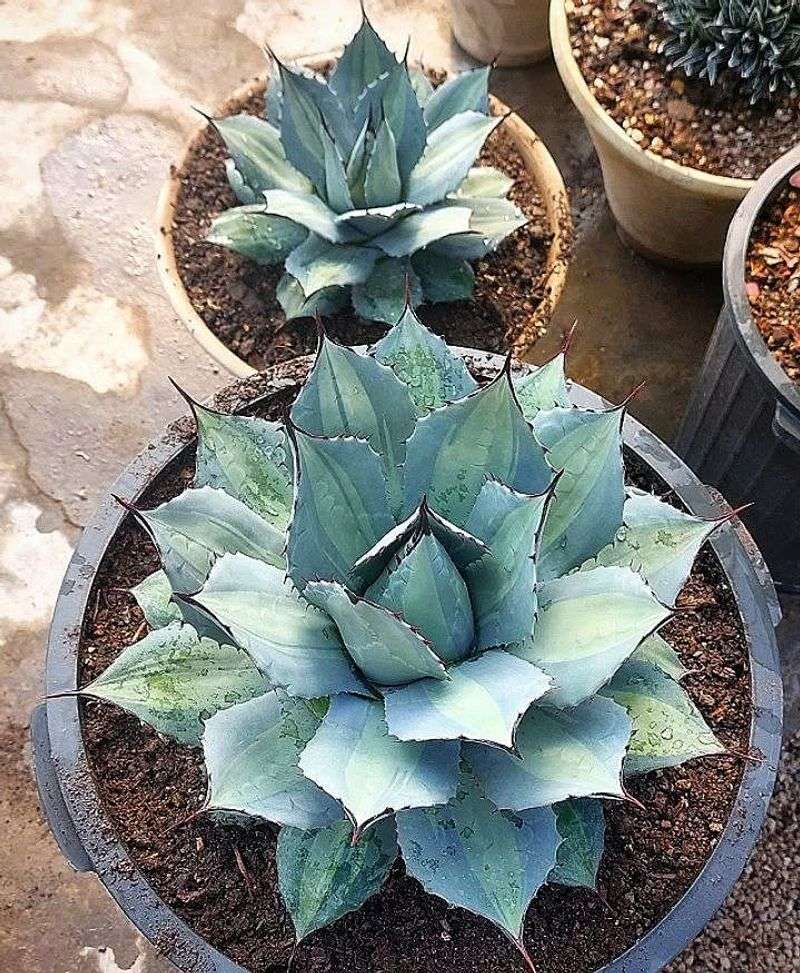
Selecting the right agave species from the start saves you countless headaches down the road, especially when you’re working with the limited space that containers provide.
Many agave varieties grow massive over time, reaching sizes that simply overwhelm pots and make them impossible to manage or move when needed.
Compact species, on the other hand, maintain reasonable dimensions while still delivering that dramatic architectural presence that makes agaves so desirable in desert landscapes.
Nevada’s scorching summers and temperature swings demand tough, heat-tolerant varieties that won’t wilt under pressure.
Agave parryi, often called Parry’s agave, stays beautifully compact with stunning blue-gray rosettes that rarely exceed two feet across, making it perfect for medium-sized containers on sunny patios.
Agave victoriae-reginae, known as Queen Victoria agave, offers incredible geometric patterns in its leaves and maintains a tidy football-sized shape even after years of growth.
Another excellent choice is Agave bracteosa, the spider agave, which brings a softer texture with its arching, spineless leaves while staying manageable in containers.
These smaller varieties handle Nevada’s intense heat brilliantly, developing vibrant colors and tight growth habits that showcase their natural beauty without outgrowing their homes.
Container gardening works best when your plants fit their space naturally, allowing you to enjoy their presence without constant repotting or wrestling with unwieldy specimens that have become too large to handle safely.
2. Use Gritty, Fast-Draining Potting Mix
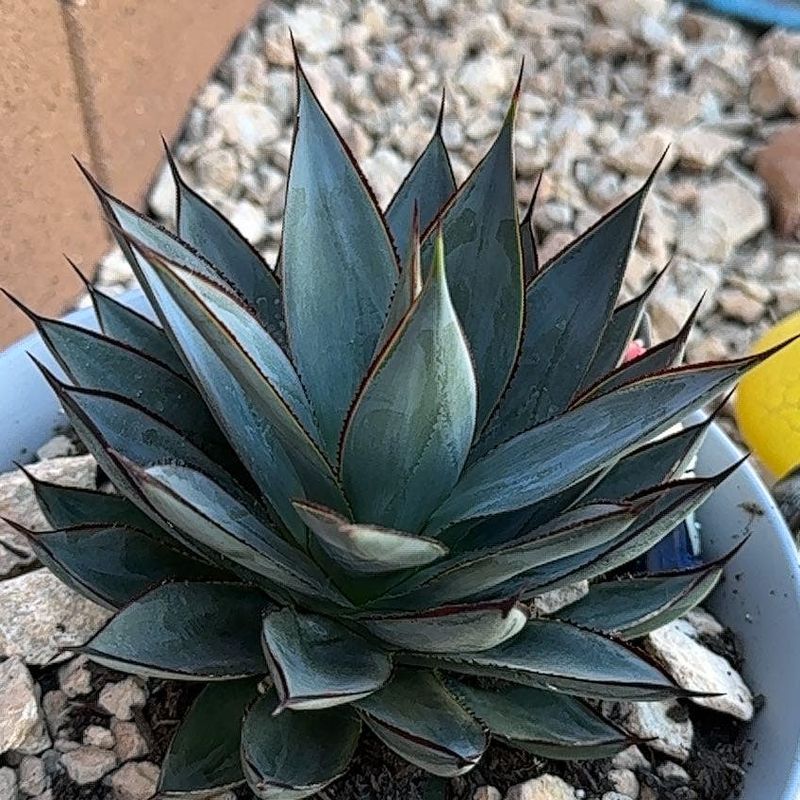
Regular potting soil spells disaster for container-grown agaves because it holds far too much moisture around their sensitive root systems, creating conditions that encourage rot within days of heavy watering.
Agaves evolved in harsh, rocky environments where water drains away almost immediately, leaving their roots exposed to air between infrequent rain events.
When you trap them in dense, moisture-retentive soil mixes, you’re essentially drowning these desert survivors in an environment they simply cannot tolerate for long.
Creating the perfect potting mix for Nevada agaves means thinking more like you’re building a rocky hillside than a traditional garden bed.
Start with a base of quality cactus and succulent soil, then dramatically increase the drainage by adding equal parts pumice, coarse sand, or perlite to the mixture.
Some experienced Nevada gardeners go even further, mixing one part potting soil with two or even three parts gritty amendments to ensure water rushes through the container rapidly.
The result should feel gritty and loose in your hands, almost like a gravelly mixture rather than fluffy potting soil you’d use for tomatoes or flowers.
This texture allows water to penetrate deeply when you irrigate while preventing any soggy pockets from forming around the roots.
Your agave’s roots need oxygen just as much as they need occasional moisture, and a fast-draining mix delivers both perfectly suited to Nevada’s climate and container growing conditions.
3. Pick Containers With Large Drainage Holes
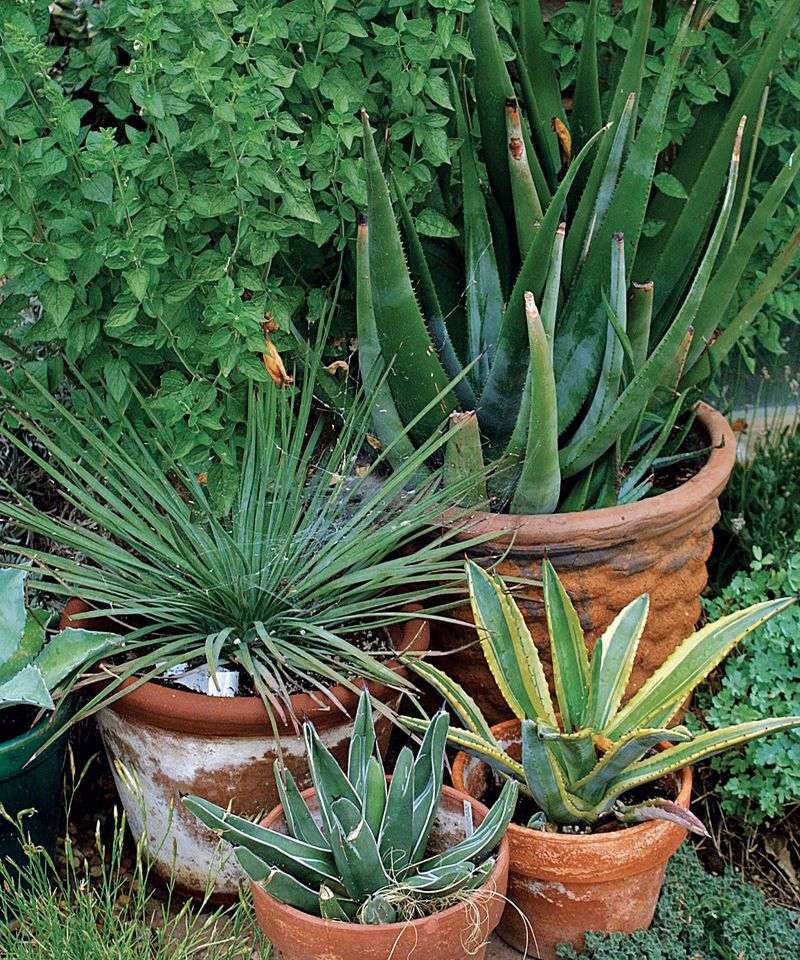
Beautiful containers catch your eye at garden centers, but if they lack adequate drainage holes, they become waterlogged traps that spell trouble for your agaves no matter how perfect everything else might be.
Even Nevada’s typically arid climate surprises gardeners with occasional downpours during monsoon season, and when heavy rain hits, water needs somewhere to escape quickly from your pots.
A single small drainage hole simply cannot evacuate water fast enough, leaving your agave sitting in a puddle that encourages root rot within hours.
Look for containers with multiple large drainage holes or a single opening at least an inch in diameter that allows water to rush out freely.
Terracotta and unglazed ceramic pots offer the added benefit of breathability through their porous walls, helping soil dry out faster between waterings while providing excellent drainage through their bottom holes.
If you’ve fallen in love with a gorgeous pot that lacks proper drainage, consider using it as a decorative cache pot that holds a properly draining nursery container inside.
Never place saucers under outdoor agave containers or let them sit in standing water, even briefly after summer thunderstorms roll through your Nevada neighborhood.
The combination of gritty soil mix and excellent container drainage creates an environment where excess moisture evacuates immediately, mimicking the natural rocky slopes where agaves thrive in the wild.
This simple equipment choice prevents more problems than almost any other care decision you’ll make, protecting your investment in these stunning architectural plants for years to come.
4. Give Agaves Full Sun With Some Afternoon Protection
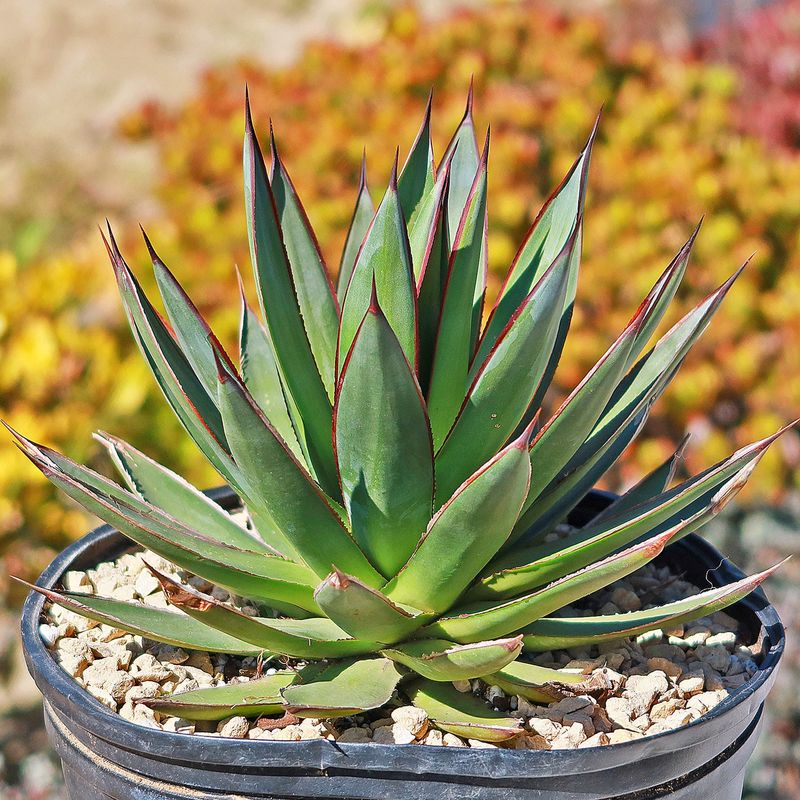
Agaves love sunshine and actually require intense light to develop their best colors and compact growth habits, but Nevada’s brutal afternoon sun can sometimes push even these desert warriors beyond their comfort zone when they’re growing in containers.
Unlike agaves planted in the ground, which benefit from cooler soil temperatures and more stable root environments, container-grown specimens heat up dramatically during peak afternoon hours.
Their pots absorb and radiate heat while their roots have nowhere to escape the temperature spike, occasionally leading to stress that shows up as bleached or scorched leaf tips.
Morning sun provides all the intense light your agaves crave while staying gentler on plants still adjusting to container life or newly introduced to your Nevada garden.
Positioning containers where they receive six to eight hours of morning and midday sun, then enjoy dappled shade or reflected light during the hottest 2-4 PM window, gives them optimal growing conditions.
East-facing patios, locations near walls that block late afternoon rays, or spots under high tree canopies that filter harsh overhead sun work beautifully.
Watch your specific agave varieties for signs they’re getting exactly what they need—leaves should show vibrant colors without bleaching, and growth should remain tight and symmetrical rather than stretching awkwardly toward light sources.
Container mobility offers a huge advantage here, letting you experiment with different locations until you discover that sweet spot where your agaves absolutely glow with health and beauty throughout Nevada’s long, intense growing season.
5. Water Deeply But Infrequently
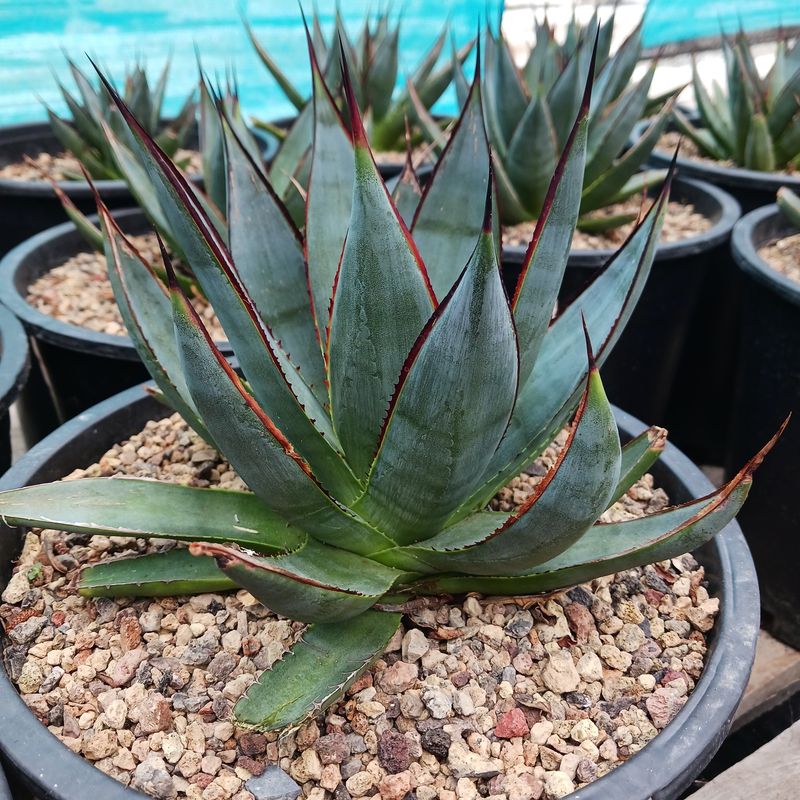
Understanding how agaves store and use water completely changes your approach to irrigation and prevents the single most common mistake that container gardeners make with these remarkable plants.
Each thick, fleshy leaf functions as a water reservoir, storing moisture that the plant draws upon during extended dry periods just like it would in its native rocky habitat.
When you water too frequently, you’re essentially telling the plant it lives in a swamp rather than a desert, triggering rot problems that compromise root health faster than almost anything else.
During Nevada’s scorching summer months, aim to water your container agaves approximately once every ten to fourteen days, allowing the soil to dry out completely between sessions.
When you do irrigate, water thoroughly until liquid runs freely from those drainage holes you carefully selected, ensuring moisture penetrates throughout the entire root zone.
This deep watering encourages roots to spread throughout the container rather than clustering near the surface where they’re more vulnerable to temperature extremes.
Spring and fall require even less frequent watering, perhaps once every three weeks, while winter might mean watering only once monthly or skipping it entirely if your area receives occasional precipitation.
Stick your finger two inches into the potting mix before watering—if it feels even slightly moist, wait several more days before checking again.
This patient approach mimics natural rainfall patterns and keeps your agaves thriving rather than struggling, allowing them to display their full desert-adapted glory throughout the seasons in your Nevada container garden.
6. Keep Mulch Away From The Base Of The Plant
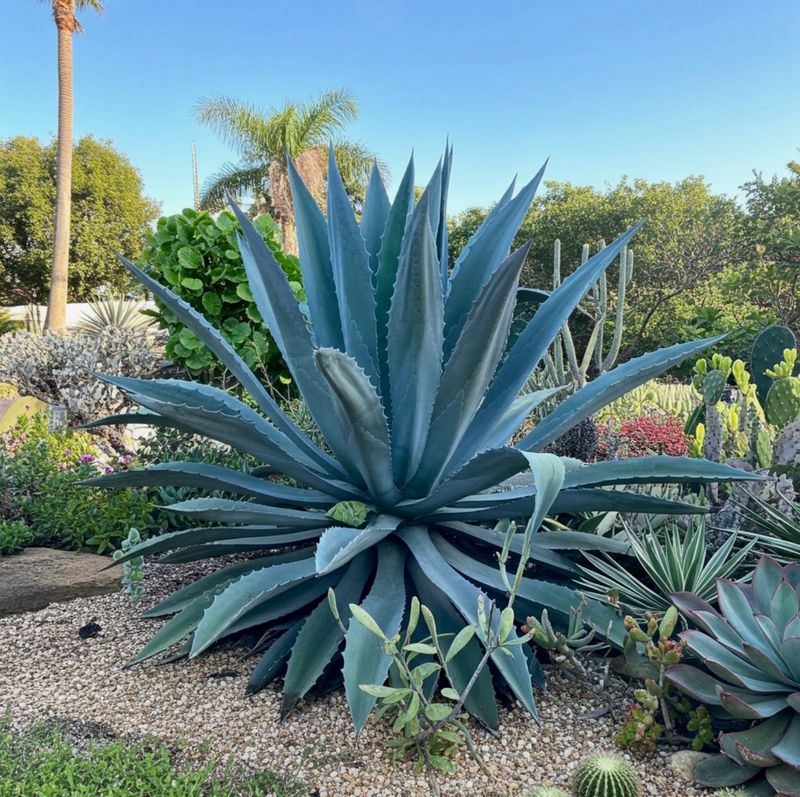
Organic mulches like wood chips or bark that work wonderfully for roses and perennials become dangerous moisture traps when piled against agave crowns and lower leaves in container settings.
These materials hold water against the plant’s most vulnerable point where leaves emerge from the central growing point, creating persistently damp conditions that invite fungal problems and crown rot.
Agaves need their crowns exposed to air circulation and quick drying after any moisture contact, whether from rain, irrigation, or morning dew that settles across your Nevada landscape.
Rather than traditional mulches, top-dress your agave containers with decorative gravel, crushed rock, or small stones that complement your desert aesthetic while providing practical benefits.
These inorganic materials allow water to drain away from the plant base immediately while still suppressing any stray weeds that might sprout in your potting mix.
They also add thermal mass that moderates soil temperature swings and gives your containers a polished, finished appearance that showcases your agaves beautifully.
Choose rock colors that enhance your agave’s natural hues—light-colored gravels reflect heat and highlight blue-gray varieties, while darker stones create dramatic contrast with pale green species.
Layer these stones about one to two inches deep across the soil surface, keeping them pulled back at least an inch from where leaves meet the crown to ensure perfect air circulation.
This simple topdressing strategy protects your investment while creating that authentic desert container garden look that makes Nevada landscapes so visually striking and distinctly Southwestern in character.
7. Protect Containers From Winter Cold
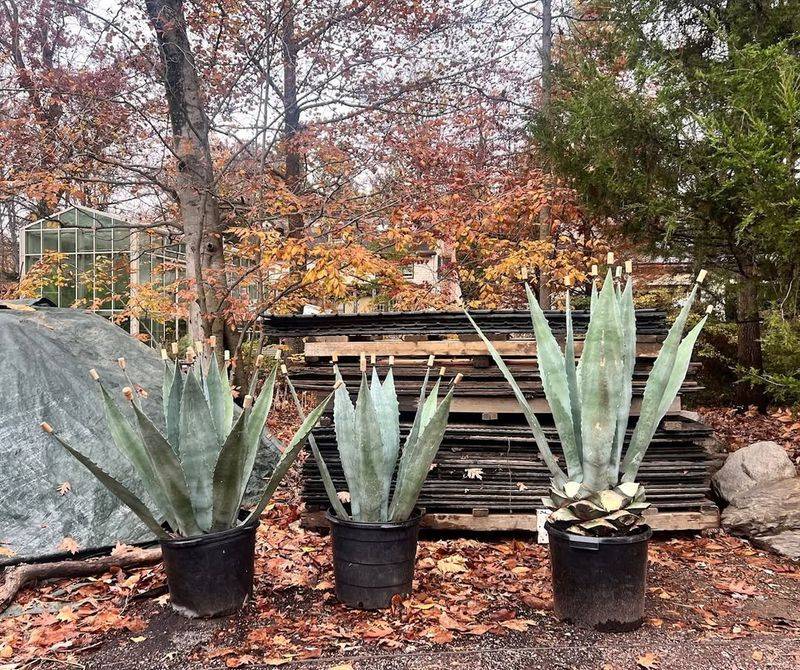
Nevada’s winter temperatures surprise many newcomers who expect year-round warmth in the desert, but nighttime lows frequently drop well below freezing across much of the state from November through February.
Container-grown agaves face greater cold vulnerability than their in-ground cousins because their roots lack the insulating protection of deep soil, making them susceptible to freeze damage when temperatures plummet.
Roots exposed to prolonged freezing can suffer injury that compromises the entire plant’s health, even if the above-ground portions appear unaffected initially.
Moving containers against south-facing walls or under covered patios provides significant protection by trapping radiant heat and blocking cold north winds that amplify temperature drops.
For particularly cold-sensitive varieties or during extreme cold snaps, wrapping containers in burlap or insulating blankets helps maintain more stable root zone temperatures without much effort.
Some Nevada gardeners temporarily move their most prized agave containers into unheated garages or covered porches during the coldest weeks, providing just enough shelter to prevent freeze damage.
Avoid watering your container agaves once nighttime temperatures consistently drop below 45 degrees Fahrenheit, as wet soil freezes more readily and causes more root damage than dry potting mix.
Most agaves can handle brief cold snaps into the mid-20s without significant harm when their containers are properly protected and their soil stays on the dry side.
These simple winter precautions ensure your agaves emerge healthy and vigorous when spring warmth returns, ready to resume their stunning growth and continue beautifying your Nevada outdoor spaces for many seasons ahead.
8. Let Agaves Grow Without Overhandling
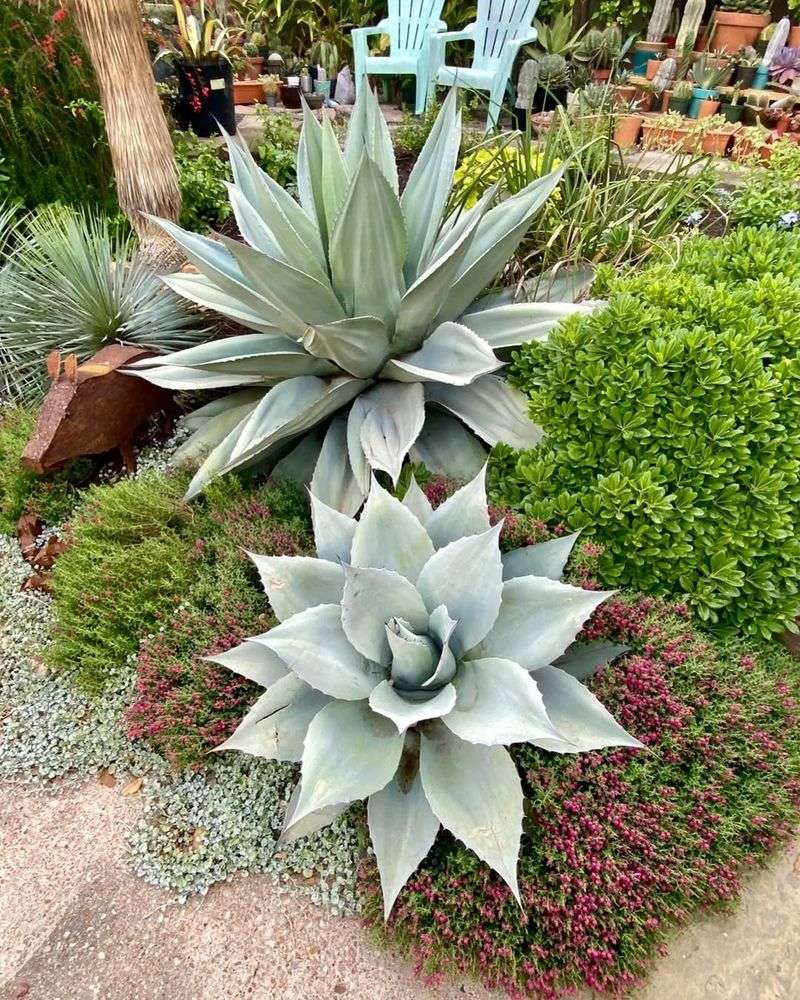
Perhaps the most liberating aspect of growing agaves in containers is that these independent plants absolutely thrive when you resist the urge to fuss over them constantly.
Many gardeners accustomed to high-maintenance flowers struggle with the concept that less intervention actually produces better results with succulents, but agaves genuinely prefer benign neglect over constant attention.
Frequent repotting, unnecessary pruning, excessive fertilizing, or continually moving containers disrupts their growth patterns and stresses plants that evolved to survive in harsh, stable environments where change happens slowly.
Agaves grow deliberately and methodically, putting energy into developing strong root systems and perfectly symmetrical rosettes rather than racing toward maturity.
Allow your container specimens to remain undisturbed in the same pot for several years until they truly outgrow their space, as frequent transplanting interrupts this natural rhythm.
Avoid trimming lower leaves unless they’re completely withered and brown, since even slightly damaged foliage still contributes to the plant’s energy production through photosynthesis.
Fertilizing once in early spring with a diluted, low-nitrogen succulent formula provides all the nutrition these efficient plants need for an entire growing season in Nevada’s nutrient-poor desert conditions.
Step back and appreciate your agaves as the self-sufficient survivors they are, checking them occasionally for problems but otherwise letting them do what they do best—growing slowly into magnificent architectural specimens that reward your patience with years of stunning, effortless beauty in your container garden.