10 Aggressive Plants You’ll Regret Planting In Your Ohio Yard
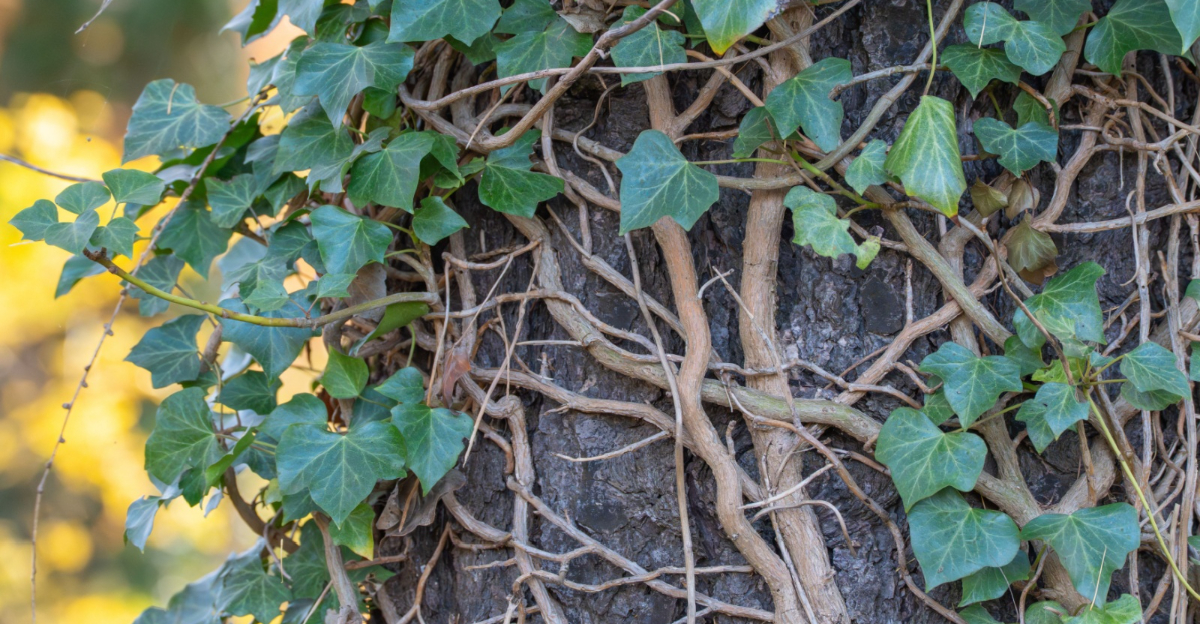
Think your garden is under control? One wrong plant can turn a peaceful Ohio yard into a relentless battlefield.
Some species look harmless at first glance, then spread fast, choke flowers, crack pavement, and invade every inch of soil.
Homeowners across the state spend years and thousands of dollars to fight back after a single bad choice at the nursery. Roots creep deep, shoots return stronger, and removal feels almost impossible.
Beauty can hide a ruthless nature that destroys lawns, fences, and nearby ecosystems. Before you dig another hole, you need to know which plants cause the most chaos in Ohio landscapes.
Some notorious offenders refuse to stay in bounds and punish anyone who underestimates their power.
Learn their names now, protect your yard, and avoid a mistake that can haunt your property for decades to come. Act today and save your future self from regret.
1. Mint Quietly Takes Over Beds And Keeps Spreading
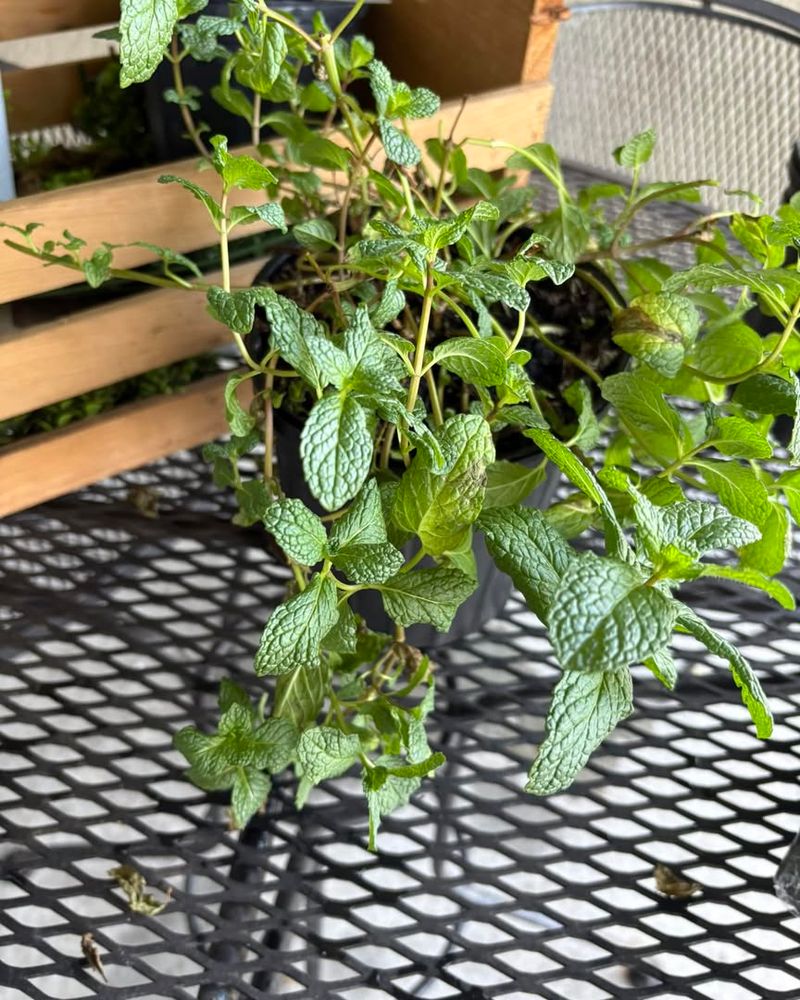
Most gardeners plant mint thinking they can control it, only to find it everywhere within a single growing season. Mint sends out runners both above and below ground that travel surprisingly far from the original plant.
Before you know it, mint appears in flower beds, lawn edges, and even cracks in sidewalks.
Ohio’s moist spring weather gives mint the perfect conditions to spread rapidly. The plant thrives in sun or shade and tolerates almost any soil type.
Once established, mint roots break into tiny pieces when you try to remove them, and each piece grows into a new plant.
Pulling mint feels endless because new shoots emerge from underground runners you cannot see. The roots travel under mulch and between other plants, making complete removal very difficult without digging deeply and repeatedly.
Even small root fragments left behind regenerate quickly.
Container growing offers the only reliable way to enjoy mint without the invasion. Plant mint in pots sunk into the ground, checking regularly that roots have not escaped through drainage holes.
For ground covers that stay put, try native wild ginger or creeping phlox instead. These alternatives spread slowly, form attractive mats, and respect boundaries much better than mint ever will in Ohio gardens.
2. Running Bamboo Spreads Underground And Escapes Control
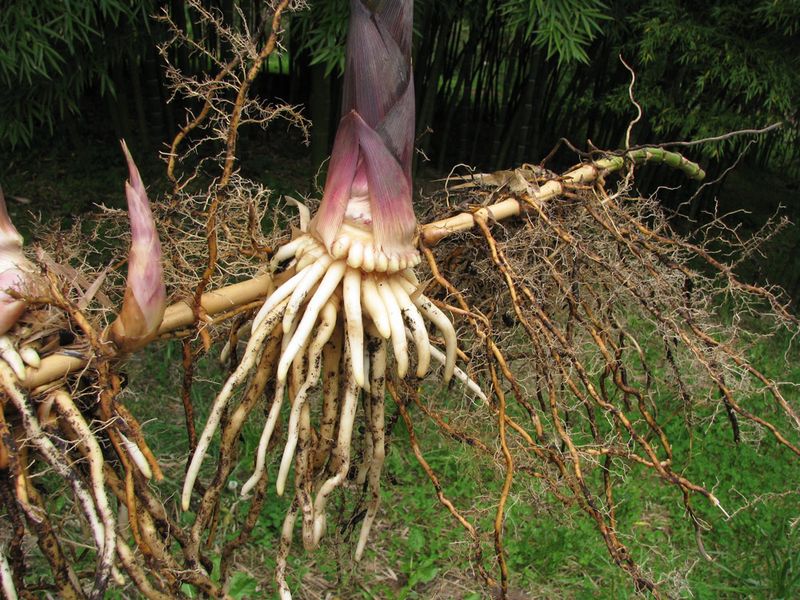
Bamboo seems like an exotic addition that creates instant privacy and tropical flair. Running varieties spread through underground stems called rhizomes that travel several feet each year in every direction.
What looks like a contained clump quickly becomes a neighborhood problem as shoots emerge in lawns, garden beds, and paved areas, sometimes forcing their way through cracks in hard surfaces.
Ohio gardeners often underestimate how aggressive running bamboo behaves in our climate. Cold winters slow growth but rarely stop it completely.
Spring brings dozens of new shoots that grow several inches daily, and the rhizomes travel deeper than most barriers can block.
Removing established bamboo requires years of persistent effort and often professional help. Digging out rhizomes means excavating several feet down and outward in all directions.
Cutting visible canes does nothing to stop underground spread, and herbicides take multiple applications over several seasons to work.
Barriers must extend at least three feet deep and be checked yearly for breaches. Even small gaps let rhizomes escape and start new colonies.
For tall screening without the invasion, plant clumping bamboo varieties, native river birch, or columnar arborvitae instead. These options provide height and privacy while staying exactly where you plant them, saving you from expensive removal projects and angry neighbors down the road.
3. English Ivy Climbs Smothers And Invades Quickly
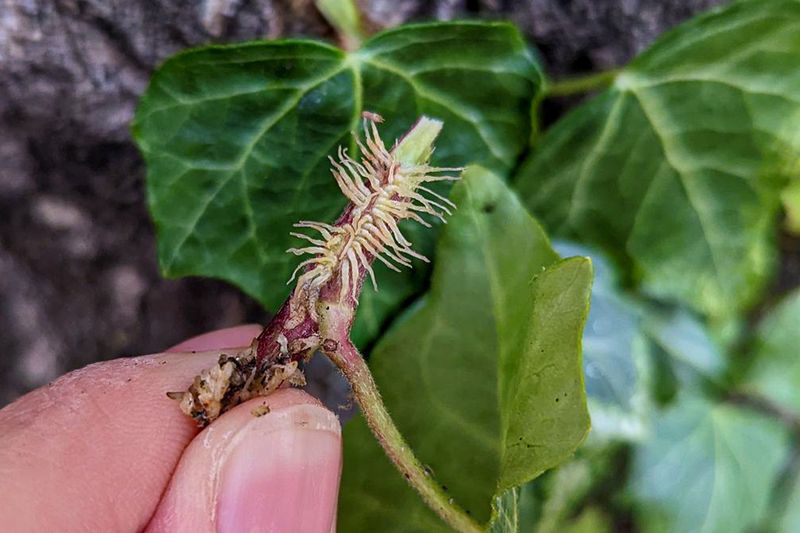
Garden centers sell English ivy as an elegant ground cover or climbing vine for shaded areas. This plant grows far too well in Ohio, covering everything in its path and refusing to respect any boundaries.
Ivy climbs trees, clings to house siding, and forms impenetrable mats across the ground that nothing else can grow through.
The vines damage trees by blocking sunlight and adding weight that breaks branches during storms. Ivy can cling to mortar and siding and may worsen existing cracks or damage over time.
On the ground, the dense foliage smothers native wildflowers and prevents tree seedlings from establishing.
Ohio’s moderate winters rarely slow English ivy, which stays green year-round and spreads aggressively through both vines and seeds. Birds eat the berries and deposit seeds throughout neighborhoods, starting new infestations far from the original planting.
Mature ivy produces thousands of berries each year.
Removal requires cutting vines at ground level, then carefully pulling them from trees and structures without causing damage. Roots must be dug out or repeatedly treated with herbicide.
For evergreen ground cover that behaves, plant Allegheny spurge or Christmas fern instead. These stay contained, support local wildlife, and never climb or invade surrounding areas like English ivy does across Ohio landscapes.
4. Wintercreeper Forms Thick Mats That Are Hard To Remove
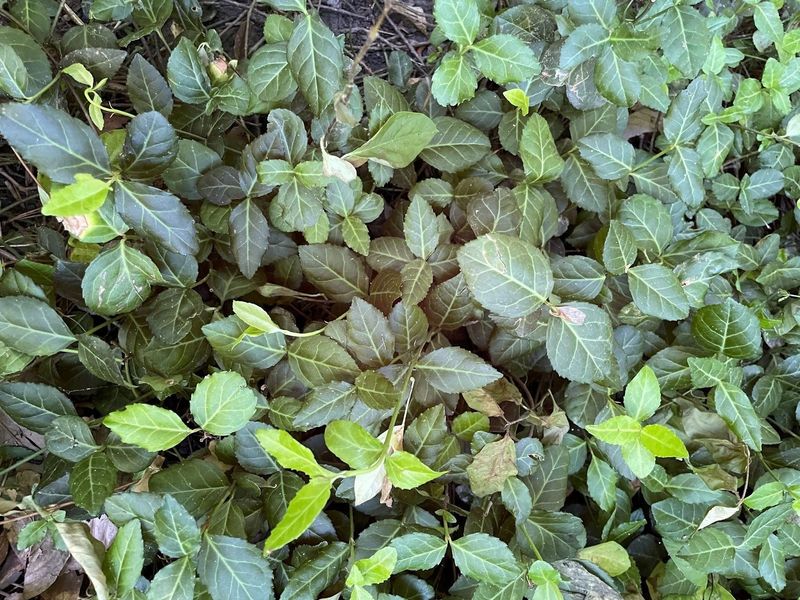
Landscapers once recommended wintercreeper as a tough evergreen ground cover for difficult sites. This plant proves too tough for its own good, spreading across yards and into natural areas with alarming speed.
Wintercreeper tolerates deep shade, full sun, poor soil, and drought, thriving almost anywhere in Ohio without any care whatsoever.
The vines root wherever stems touch soil, creating a dense network that chokes out everything underneath. Wintercreeper climbs like ivy, scaling trees and buildings while spreading horizontally at the same time.
A small planting quickly expands into hundreds of square feet of solid coverage.
Ohio forests face serious threats from wintercreeper escaping yards and invading woodlands. The plant smothers native wildflowers and tree seedlings, reducing biodiversity and disrupting natural ecosystems.
Seeds spread through birds, starting new colonies far from original plantings.
Pulling wintercreeper requires removing every bit of stem and root because tiny fragments resprout readily. The roots intertwine with desirable plants, making selective removal extremely difficult.
Multiple herbicide treatments over several years may be needed for large infestations. For ground cover that stays manageable, choose native options like wild ginger, Pennsylvania sedge, or foamflower instead.
These spread slowly, support beneficial insects, and never escape into natural areas like wintercreeper does throughout Ohio.
5. Purple Loosestrife Overtakes Wet Areas And Crowds Out Natives
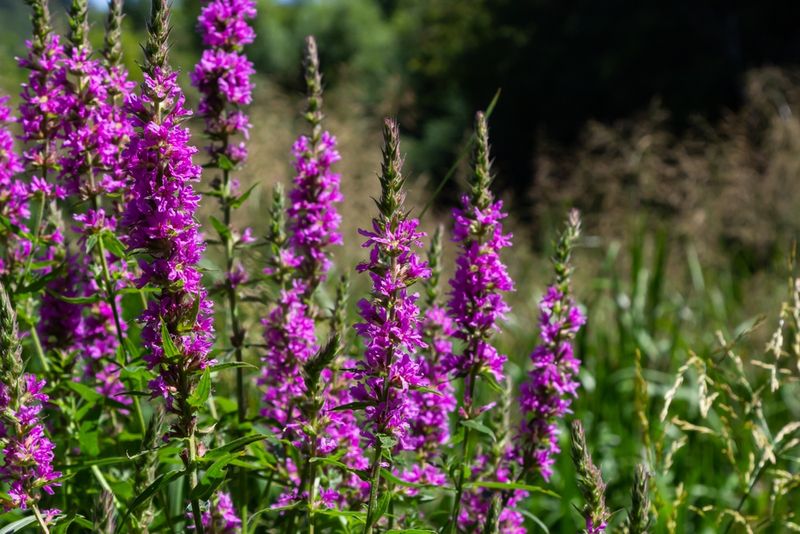
Garden catalogs feature purple loosestrife for its stunning magenta flower spikes that bloom throughout summer. This beauty hides a serious problem, as the plant aggressively invades wetlands, pond edges, and any moist soil in Ohio.
A mature plant can produce hundreds of thousands to over a million seeds each year, and established colonies quickly dominate entire wetland areas.
Ohio’s native wetland plants cannot compete with purple loosestrife’s aggressive growth. The invader forms dense stands that exclude cattails, sedges, and native wildflowers that waterfowl and wildlife depend on.
Wetland habitats lose their ecological value when purple loosestrife takes over completely.
The plant spreads both by seed and creeping roots that expand the colony outward each year. Seeds remain viable in soil for years, making eradication extremely difficult once loosestrife establishes.
Water carries seeds downstream, spreading infestations to new wetlands throughout watersheds.
Many states, including Ohio, prohibit selling or planting purple loosestrife due to its environmental damage. Removing established plants requires digging entire root systems before seed production or using repeated herbicide treatments.
For beautiful wetland gardens, plant native alternatives like swamp milkweed, Joe Pye weed, or cardinal flower instead. These provide spectacular blooms, support pollinators and beneficial insects, and never invade or damage Ohio’s valuable wetland ecosystems like purple loosestrife continues to do statewide.
6. Bishops Weed Spreads Fast And Returns Every Year
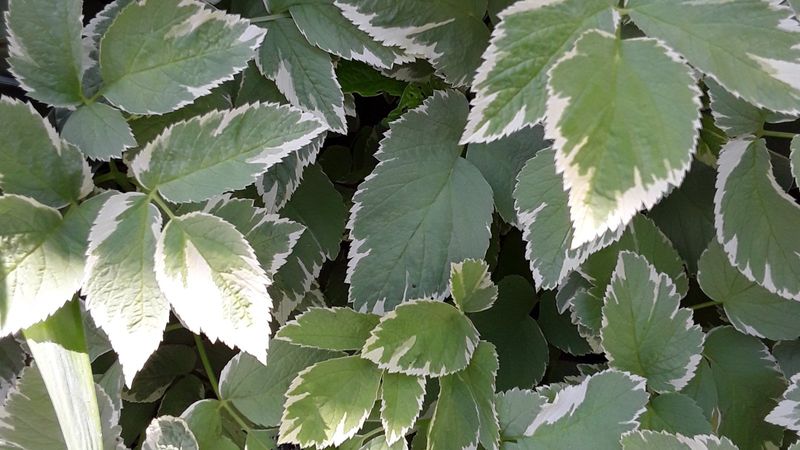
Variegated bishops weed looks attractive in garden centers with its white-edged leaves that brighten shady spots. Gardeners soon discover this plant spreads faster than almost anything else they have ever grown.
Underground rhizomes travel in all directions, sending up new shoots that quickly form solid mats of foliage.
Ohio’s climate suits bishops weed perfectly, allowing vigorous growth from early spring through fall. The plant tolerates any soil, grows in sun or shade, and laughs at drought or flooding.
Nothing seems to slow it down once established in your yard.
Bishops weed invades flower beds, vegetable gardens, and lawns with equal enthusiasm. The roots intertwine with perennials, making removal without damaging desirable plants nearly impossible.
Even tiny root pieces left in soil regenerate into new plants within weeks.
Digging out bishops weed requires excavating entire beds and sifting through soil to remove every root fragment. Most gardeners find themselves battling regrowth for years after initial removal attempts.
Herbicides work slowly and require multiple applications because the plant stores energy in deep roots. For well-behaved ground cover in shade, plant native options like wild ginger, Canadian ginger, or green-and-gold instead.
These spread at reasonable rates, stay where planted, and never become the neighborhood nuisance that bishops weed inevitably becomes across Ohio landscapes.
7. Japanese Knotweed Pushes Through Soil And Refuses To Leave
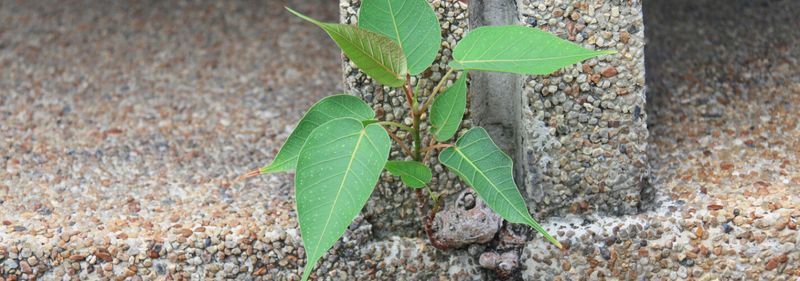
Few plants inspire as much regret as Japanese knotweed among Ohio homeowners. This aggressive invader can grow through cracks in asphalt, concrete, and hard surfaces, expanding existing weak points over time.
The bamboo-like stems shoot up several feet in spring, and underground rhizomes spread twenty feet or more in all directions annually.
Japanese knotweed tolerates any growing condition Ohio offers, thriving in sun or shade, wet or dry soil, and disturbed or undisturbed ground. The plant colonizes stream banks, roadsides, and yards with equal vigor.
Stands become so dense that nothing else survives underneath the canopy.
Root systems extend ten feet deep and spread horizontally far beyond visible stems. Tiny root fragments as small as your fingernail regenerate into new plants, making removal extraordinarily difficult.
Digging spreads the problem by breaking roots into hundreds of pieces that each grow independently.
Professional removal often costs thousands of dollars and requires years of follow-up treatments. Herbicides must be applied repeatedly during specific growth stages to be effective.
Some lenders may flag properties with severe knotweed infestations due to potential long-term structural risks. For tall screening plants that behave, choose native options like switchgrass, Joe Pye weed, or elderberry instead.
These provide height and visual interest while staying exactly where you plant them without threatening foundations or property values across Ohio.
8. Amur Honeysuckle Dominates Yards And Spreads By Seed
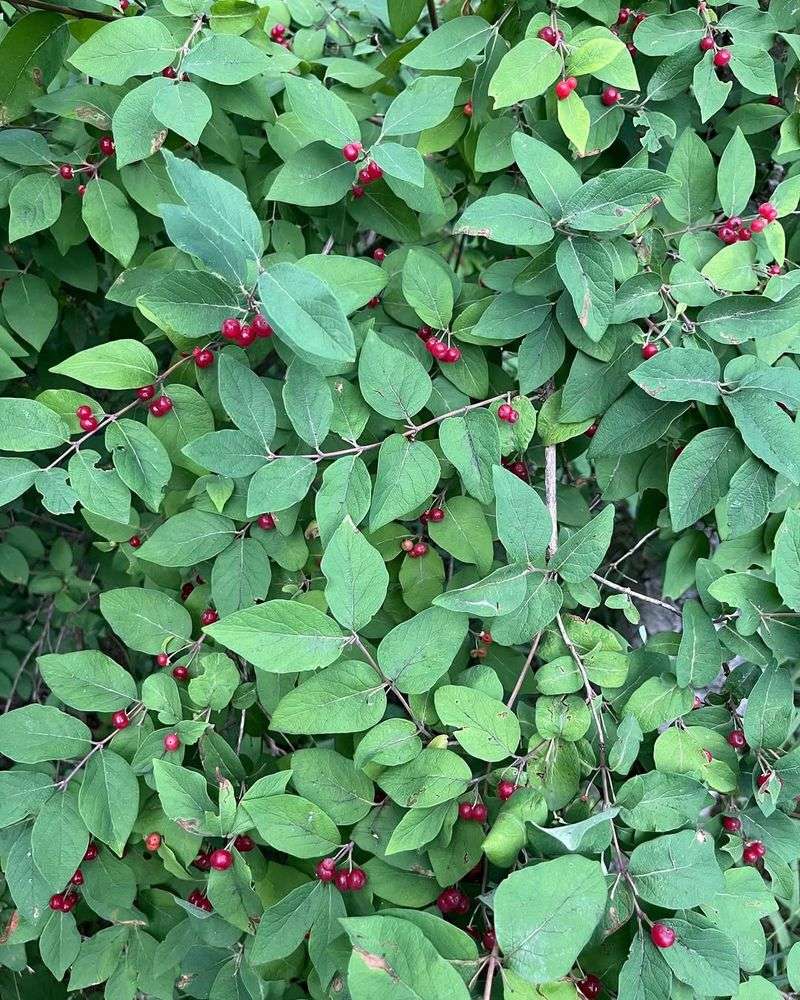
Amur honeysuckle once appeared in nearly every Ohio landscape as a popular hedge and screening plant. This shrub grows far too aggressively, forming impenetrable thickets that exclude all other vegetation.
Birds eat the abundant red berries and spread seeds throughout neighborhoods and natural areas, creating new infestations constantly.
The shrub leafs out weeks before native plants in spring and holds foliage late into fall. This extended growing season gives honeysuckle a huge competitive advantage over native species.
Dense shade beneath honeysuckle prevents tree seedlings and wildflowers from establishing, reducing plant diversity dramatically.
Ohio forests suffer serious ecological damage from honeysuckle invasions that started with landscape plantings decades ago. The shrub now dominates woodland understories across the state, displacing native species that wildlife depends on for food and shelter.
Honeysuckle berries provide less nutritional value for wildlife compared to many native shrubs.
Removing established honeysuckle requires cutting stems and treating stumps with herbicide to prevent resprouting. Large infestations need years of persistent effort because seeds remain viable in soil and new seedlings emerge constantly.
Simply cutting without herbicide treatment results in vigorous regrowth from roots. For screening and hedges that stay contained, plant native alternatives like serviceberry, spicebush, or American cranberrybush viburnum instead.
These support local wildlife with nutritious berries, provide beautiful seasonal interest, and never invade or dominate landscapes like Amur honeysuckle continues doing throughout Ohio.
9. Periwinkle Forms Dense Carpets That Smother Other Plants
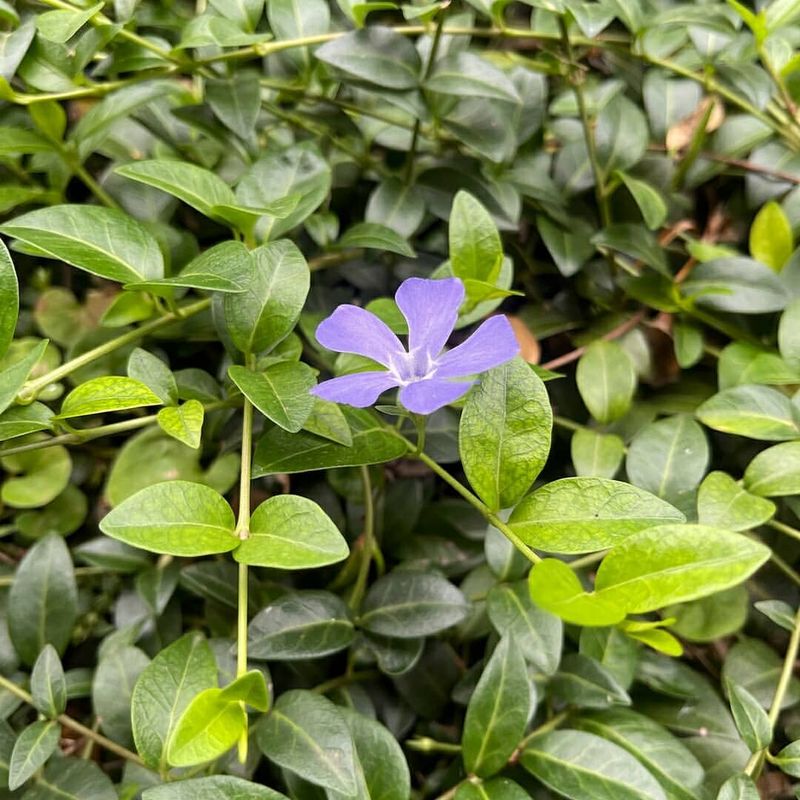
Periwinkle seems perfect for shady spots where grass struggles to grow. This evergreen ground cover spreads more aggressively than most gardeners anticipate, forming solid mats that prevent anything else from growing.
The trailing stems root wherever they touch soil, expanding the colony in all directions continuously.
Periwinkle often stays evergreen in Ohio and can resume spreading quickly during mild winter and early spring periods. The plant tolerates deep shade, dry soil under trees, and competition from tree roots that defeat most other ground covers.
This toughness makes it nearly unstoppable once established.
Periwinkle escapes yards and invades natural areas, smothering native wildflowers and preventing forest regeneration. The dense foliage blocks light and moisture from reaching soil, creating biological deserts where nothing else survives.
Ohio woodlands lose biodiversity when periwinkle takes over forest floors.
Removing established periwinkle requires raking up all stems and roots, then monitoring for regrowth over several seasons. The stems intertwine so thoroughly that removal often damages desirable plants growing nearby.
Even small stem pieces left behind reroot and restart the colony. For shade ground cover that behaves, plant native alternatives like wild ginger, woodland phlox, or Pennsylvania sedge instead.
These spread at manageable rates, support beneficial insects and wildlife, and never escape into natural areas like periwinkle does across Ohio landscapes and forests statewide.
10. Trumpet Vine Sends Up Shoots Far From Where You Planted
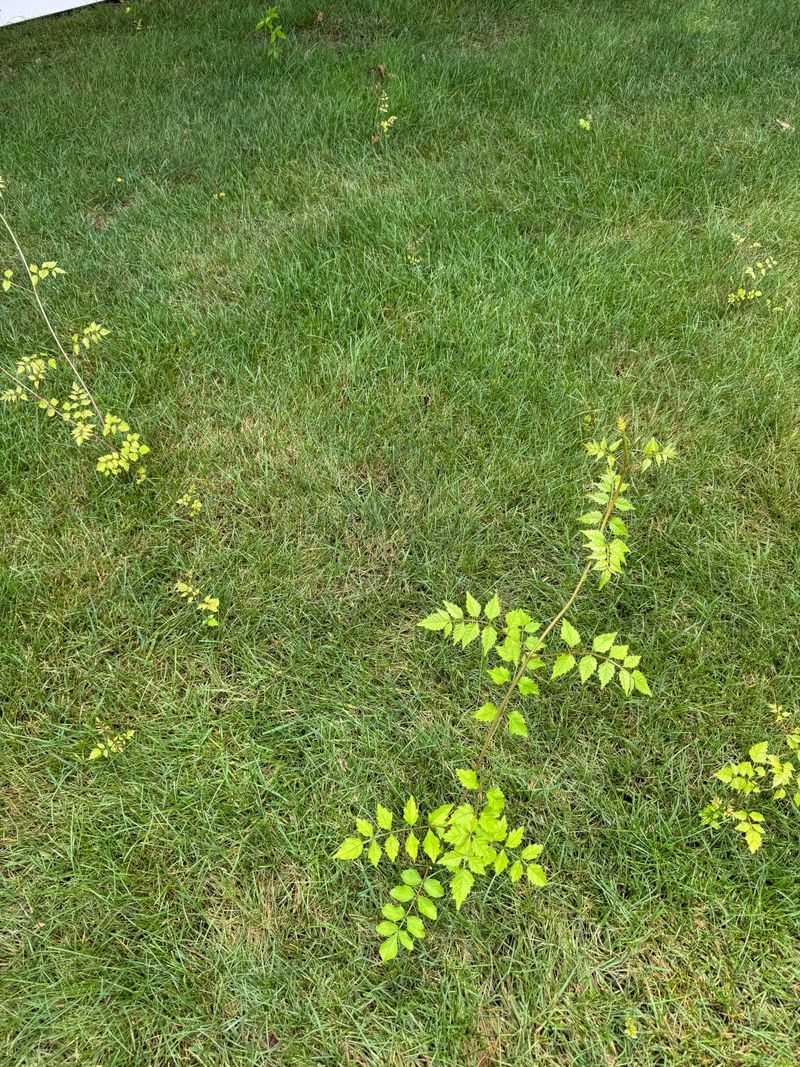
Trumpet vine attracts hummingbirds with spectacular orange flowers that bloom throughout summer. This vigorous grower quickly becomes a monster that most Ohio gardeners deeply regret planting.
Underground roots can spread widely and send up shoots many feet away from the original plant.
The vine climbs aggressively using aerial rootlets that damage wood siding, gutters, and trim. Weight from mature vines pulls down fences and arbors not built to support such mass.
Trumpet vine grows several feet weekly during peak season, requiring constant pruning just to keep it somewhat contained.
Shoots emerge unpredictably across entire yards, often appearing twenty feet from the original plant. Mowing shoots in lawns stimulates more vigorous regrowth from spreading roots.
The plant tolerates any soil, full sun to part shade, and both drought and flooding without slowing down.
Removing trumpet vine takes years of persistent effort digging roots and treating regrowth with herbicide. Roots extend deep into soil and break into pieces when dug, with each fragment capable of generating new plants.
Simply cutting vines results in dozens of new shoots emerging from roots. For hummingbird-friendly vines that behave, plant native alternatives like coral honeysuckle or trumpet honeysuckle instead.
These provide beautiful tubular flowers, attract hummingbirds reliably, and stay exactly where you plant them without invading the entire neighborhood like trumpet vine does across Ohio.