8 Alabama Native Plants Perfect For Pruning In March
Spring is coming! It is time to shape your garden!
March in Alabama is prime time for pruning native plants. The warm, humid climate helps them thrive, but a little attention now can mean bigger blooms, healthier roots, and a yard that looks incredible all season.
Native plants already know how to handle this weather. They are built for the state’s soils, heat, humidity, and shifting seasons, which makes them some of the most reliable choices you can grow from the northern hills to the Gulf Coast.
March is the perfect time to shape them up for the season ahead. With the right pruning, these hardy plants can grow fuller, bloom better, and keep your garden looking lively without turning into a high-maintenance project.
Spend a little time this March, and you’ll enjoy a garden that’s strong, beautiful, and unmistakably Southern all year long.
1. Eastern Redbud (Cercis Canadensis)
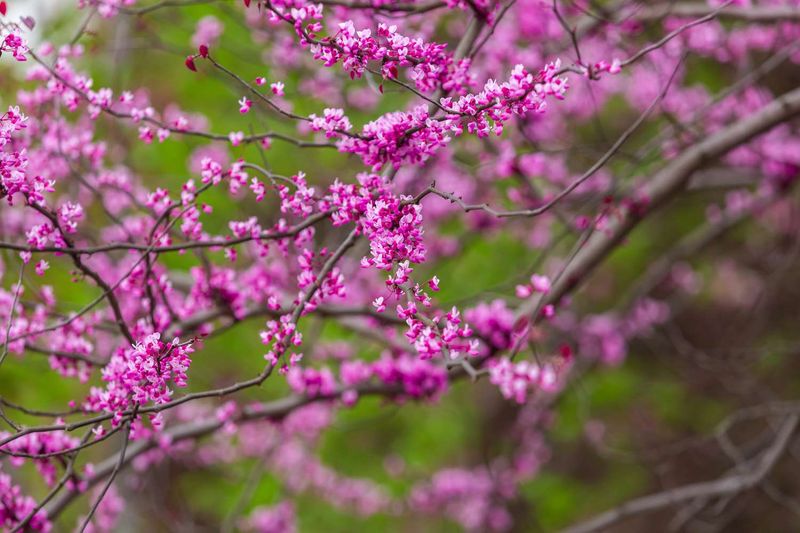
Few sights say “spring has arrived” quite like the Eastern Redbud bursting into its signature pink-purple bloom. This beloved native tree is found all across the state, from the Tennessee Valley in the north to the Coastal Plain in the south, and it is one of the most recognizable trees in any neighborhood or woodland edge.
Pruning the Eastern Redbud in March, just before new growth begins, helps keep its shape tidy and removes any branches that crossed or rubbed during winter. Because Redbuds bloom on old wood, you want to be careful not to cut too aggressively or you might reduce the number of flowers you see that season.
A light shaping is usually all it needs.
Redbuds are also pollinators favorites, attracting early bees and butterflies when not much else is blooming yet. Keeping the tree well-pruned improves airflow through the canopy, which helps reduce fungal issues that can pop up in Alabama’s humid spring weather.
Removing any water sprouts or crossing limbs goes a long way toward keeping this tree healthy for decades to come.
If you have a young Redbud, March is also a great time to train its structure while branches are still flexible. With just a little annual attention, this native will reward you with a spectacular floral show every single spring.
2. Oakleaf Hydrangea (Hydrangea Quercifolia)
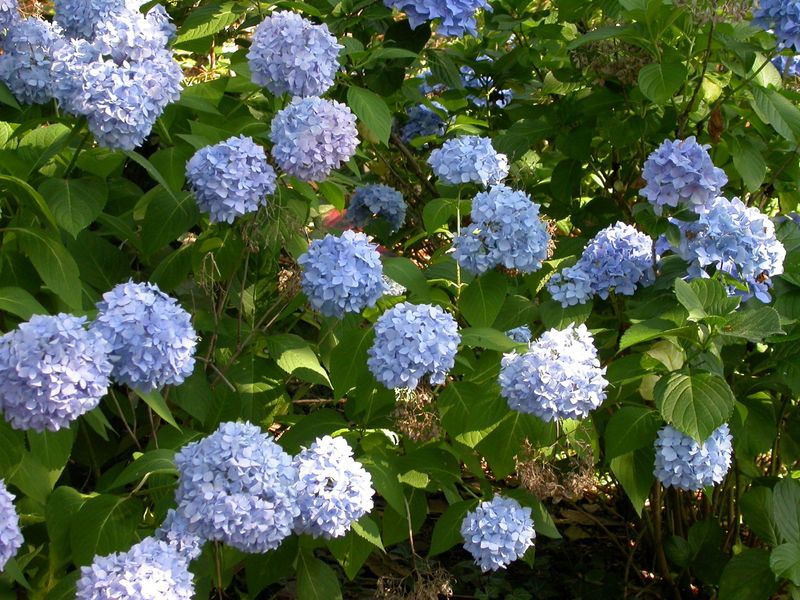
Bold and dramatic, oakleaf hydrangea looks right at home in Alabama. It is a native shrub that gardeners across the state love.
Native to the southeastern United States, this plant thrives in Alabama’s woodland edges and shaded garden beds, offering stunning white flower clusters in summer and rich burgundy foliage in fall.
March is actually a tricky month for Oakleaf Hydrangea pruning, and here is why: this shrub blooms on old wood, meaning the flower buds for summer were already set last fall. Cutting too much in early spring will remove those buds and leave you with a leafy but bloomless shrub come June.
The smart move is to only remove dead, damaged, or crossing stems in March and save any major reshaping for right after it finishes blooming.
That said, clearing out old flower heads from last year and snipping away any winter-damaged tips in March is perfectly fine and actually encourages a cleaner look as new leaves emerge. Gardeners in shaded yards especially love this plant because it handles low-light conditions better than most flowering shrubs.
The exfoliating cinnamon-colored bark adds winter interest even when leaves are gone, making it a year-round standout. With minimal pruning and the right location, Oakleaf Hydrangea can become one of the most stunning plants in any garden for many years.
3. American Beautyberry (Callicarpa Americana)
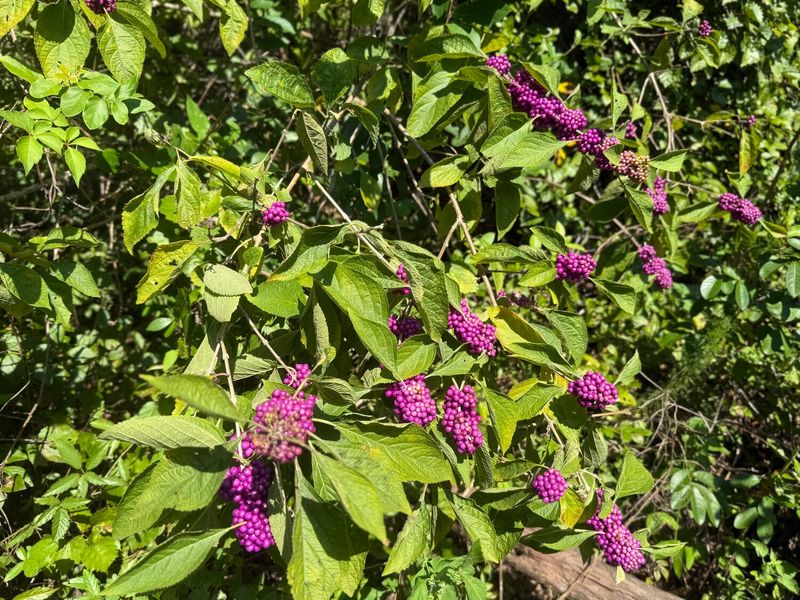
There is something almost magical about American Beautyberry in the fall when its branches are loaded with clusters of vivid purple berries, but the real secret to that spectacular show starts with a bold pruning in March. This native shrub is one of the few plants that actually benefits from being cut back hard, sometimes all the way down to about 12 inches from the ground.
Cutting it back aggressively in early spring encourages vigorous new growth that produces the most berries by late summer and fall. Gardeners who skip this step often end up with a leggy, open shrub that does not perform nearly as well.
Think of it like giving the plant a fresh start so it can put all its energy into new productive stems.
American Beautyberry is found naturally in woodlands and forest edges throughout the state, and it is incredibly tough once established. It tolerates a range of soil types and even handles partial shade, making it a versatile choice for many different yard situations across the state.
Birds and wildlife absolutely love the berries, so you are also supporting local Alabama ecosystems by growing this plant. After pruning in March, expect the shrub to bounce back quickly as temperatures warm up.
By summer it will be lush and full, and by fall it will put on one of the most eye-catching berry displays in the entire garden.
4. Yaupon Holly (Ilex Vomitoria)
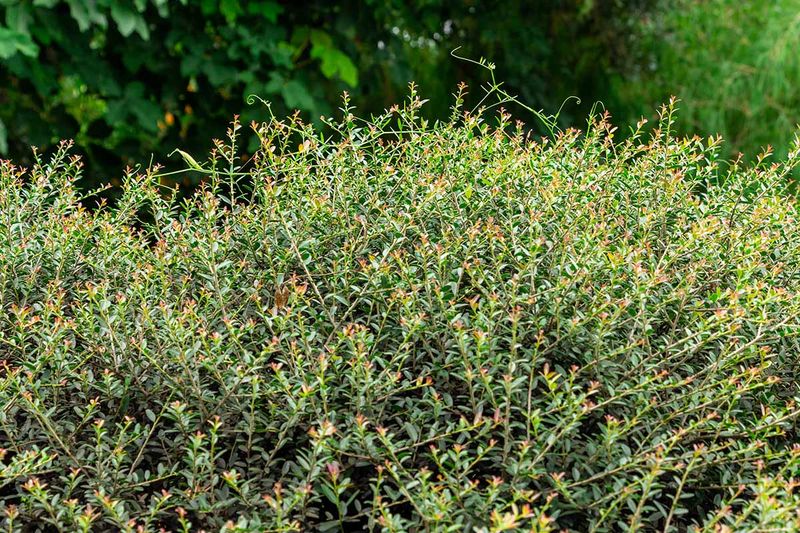
Tough, adaptable, and loaded with personality, Yaupon Holly is one of the most underrated native plants. It grows wild across much of the state, from coastal areas near Mobile Bay all the way up through the Piedmont region, thriving in conditions that would challenge many other shrubs.
March is a fantastic time to prune Yaupon Holly because the plant is just waking up from its winter rest and ready to push out fresh new growth. Pruning at this point lets you shape the shrub before the new leaves emerge, giving you a clear view of the branch structure.
Whether you want a formal hedge, a naturalistic screen, or a sculptural specimen plant, Yaupon Holly responds well to almost any pruning style.
One of the best things about this plant is its resilience. Even if you make a mistake with your pruning cuts, Yaupon Holly will typically recover quickly and fill back in with healthy new growth.
Gardeners appreciate this forgiving quality, especially those who are still building their pruning confidence.
Female plants produce bright red berries that birds love, so leaving some berry-bearing branches intact while you shape the rest is a smart strategy. Yaupon Holly also tolerates summer heat and humidity extremely well, requiring very little extra water once it is established.
It is truly one of the hardest-working native plants you can add to any yard.
5. Wild Azalea (Rhododendron Canescens)
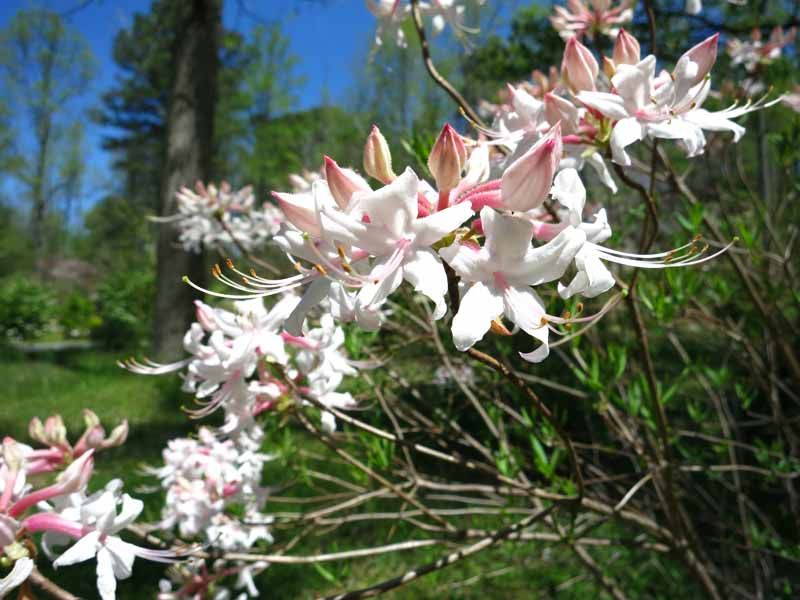
Ask any gardener about their favorite spring sight and Wild Azalea is almost always near the top of the list. Also called Piedmont Azalea or Honeysuckle Azalea, this native beauty fills woodlands with fragrant pink blooms in early spring, often before the leaves even fully emerge.
Pruning Wild Azalea in March requires a light touch and careful timing. Because it blooms so early in the season, sometimes as early as late February or early March in southern Alabama, you want to wait until right after the flowers fade before doing any significant shaping.
Pruning too early risks cutting off the flower buds you have been waiting all year to enjoy.
However, removing any obviously dead or broken branches in early March is perfectly fine and actually benefits the plant. Clearing out old deadwood improves airflow and helps prevent fungal diseases, which can be a concern in humid spring climate.
Always use clean, sharp pruning shears to make smooth cuts that heal quickly.
Wild Azalea prefers partial shade and well-drained, acidic soil, conditions that are easy to find in many woodland gardens. It is also a host plant for certain native moth species, adding ecological value beyond its obvious visual appeal.
Letting it naturalize in a shaded corner of your yard can create a stunning, low-maintenance display that feels authentically connected to native landscape every single spring.
6. Sweetshrub (Calycanthus Floridus)
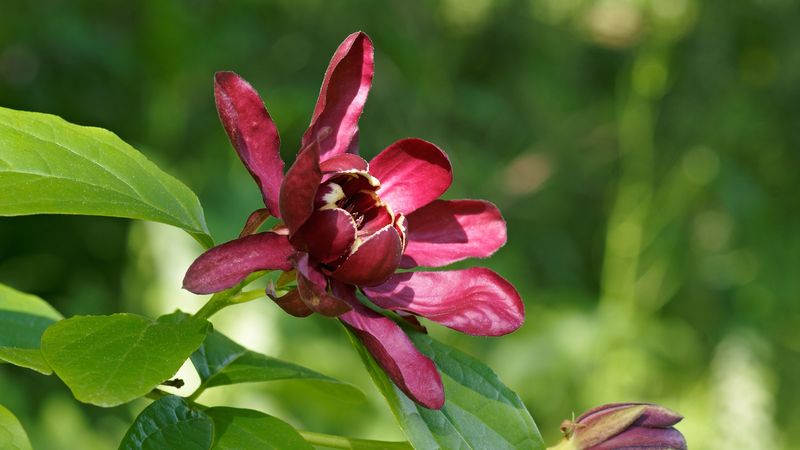
Sweetshrub might just be most pleasantly surprising native plant. Crush a leaf or snap a twig and you are greeted with a spicy, fruity fragrance that gardeners have loved for generations.
This old-fashioned shrub has been grown in Alabama yards and cottage gardens since colonial times, and it is still going strong today for very good reason.
March is an ideal time to prune Sweetshrub because it is just coming out of dormancy and the branch structure is easy to see before leaves fill in. Focus on removing the oldest, woodiest stems at the base to encourage fresh new growth from the ground up.
This technique, called renewal pruning, keeps the shrub looking youthful and productive rather than crowded and overgrown.
Sweetshrub naturally grows in moist, shaded areas along stream banks and woodland edges throughout Alabama, so it is a wonderful choice for low spots in the yard that stay a little damp. It handles humidity without complaint and rarely needs much extra attention beyond that annual March pruning session.
The deep burgundy-red flowers that appear in late spring and early summer are unique and fascinating up close, with a texture almost like suede petals. Pollinators visit the blooms regularly, adding to the plant’s ecological value in gardens.
Once established, Sweetshrub can spread slowly into a graceful multi-stemmed clump that becomes a true heirloom feature of your landscape.
7. Possumhaw Holly (Ilex Decidua)
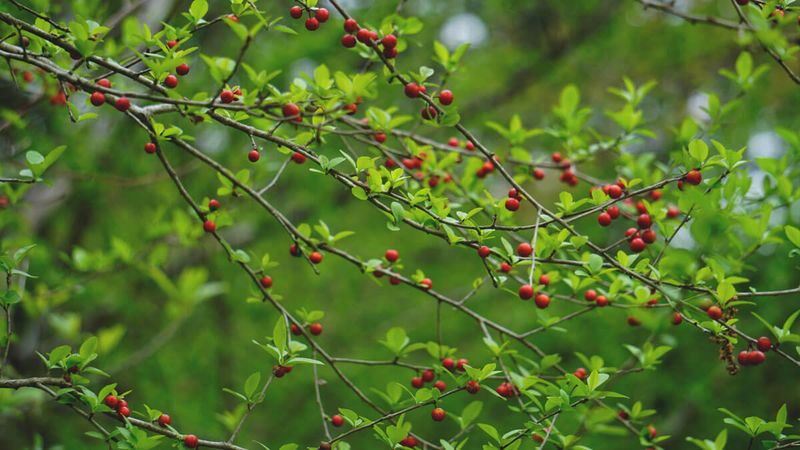
Winter in Alabama would not be the same without the fiery red berries of Possumhaw Holly dotting the landscape. This deciduous native holly loses its leaves in fall, leaving behind a stunning display of bright red or orange berries that cling to the bare branches all winter long, providing a critical food source for birds.
Pruning Possumhaw Holly in March, just as new growth is about to begin, is the perfect timing. By this point, most of the berries have been eaten by birds and the plant is ready to redirect its energy into producing new leaves and setting up for next year’s berry crop.
Removing crossing branches, dead wood, and any stems that disrupt the natural vase-like shape will keep the plant looking its best.
One thing gardeners should know is that only female plants produce berries, and a male plant needs to be nearby for pollination. If your Possumhaw is not producing many berries, check whether there is a male plant within range, since this is often the reason for poor fruit set.
Possumhaw Holly grows naturally in moist, low-lying areas throughout the state, especially along creek banks and in bottomland forests. In the garden, it tolerates both wet and dry conditions once established, making it surprisingly versatile.
With a clean March pruning every year, this reliable native will continue delivering its spectacular winter berry show season after season without much fuss.
8. Virginia Sweetspire (Itea Virginica)
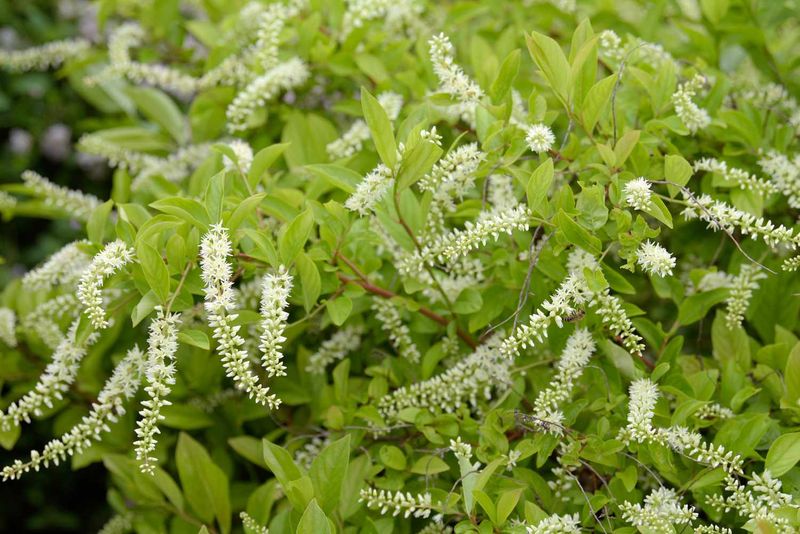
Virginia Sweetspire is one of those native plants that earns its keep in every single season. In summer it produces fragrant white flower spikes that attract butterflies and bees.
In fall the foliage turns brilliant shades of red, orange, and burgundy. And in winter its arching stems add graceful structure to the garden even after the leaves drop.
Pruning Virginia Sweetspire in March sets it up for its best performance of the year. The goal is to remove about one-third of the oldest stems at the base each spring, which encourages the plant to produce vigorous new arching branches that will carry the most flowers.
Avoid shearing it into a tight ball shape, as this removes the natural arching form that makes Sweetspire so attractive.
Found naturally along stream banks and in moist woodlands across Alabama, Virginia Sweetspire is remarkably adaptable in the garden. It handles full sun to partial shade and tolerates both wet soils and occasional drought once its roots are established, which is a huge plus in Alabama where weather can swing from soggy spring rains to scorching summer dry spells.
Alabama gardeners who want a low-maintenance but high-impact native shrub consistently come back to Virginia Sweetspire as a top recommendation. It spreads slowly by suckers to form a graceful colony, which you can manage during your March pruning session by removing any stems that wander too far from the main clump.
It is truly one of the most rewarding native shrubs to grow.