9 Amazing Uses For Black Eyed Susans Every North Carolina Gardener Should Know
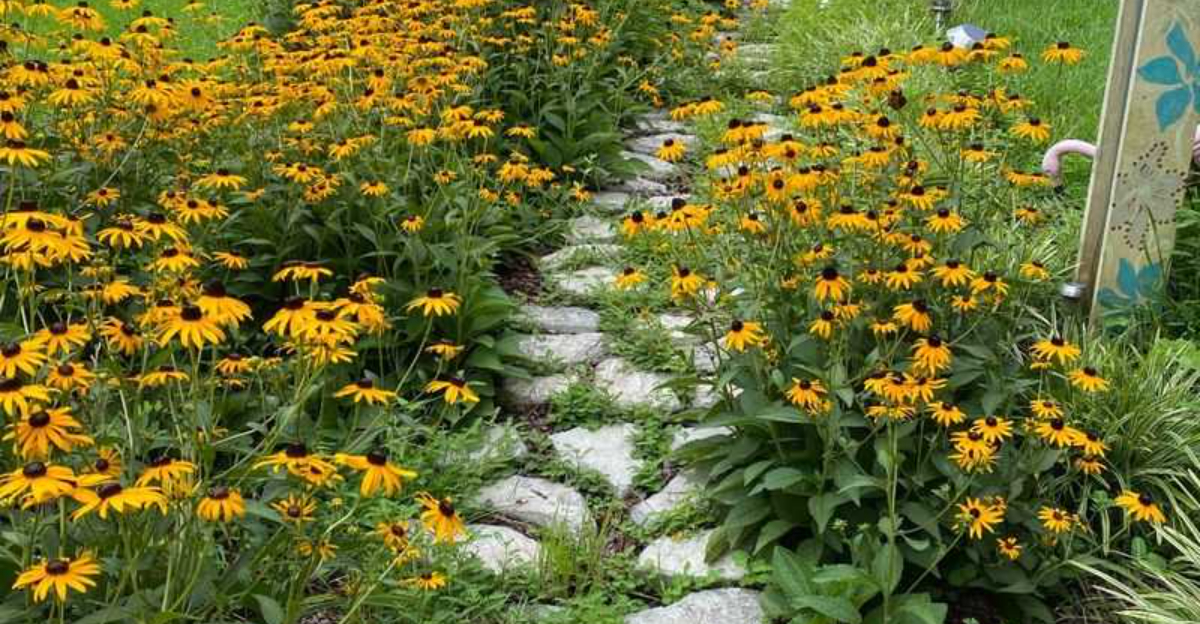
Black-eyed Susans are cheerful yellow flowers that bloom across North Carolina gardens from summer through fall, bringing bright color and practical benefits to any yard.
These native wildflowers aren’t just pretty—they work hard to support wildlife, improve your landscape, and make gardening easier for everyone from beginners to experts.
Whether you’re looking to attract butterflies, feed birds, or simply fill empty spots with low-maintenance beauty, black-eyed Susans offer solutions that fit perfectly into the North Carolina climate.
Here are nine amazing ways these golden blooms can transform your garden into a thriving, beautiful space.
1. Supporting Native Pollinators
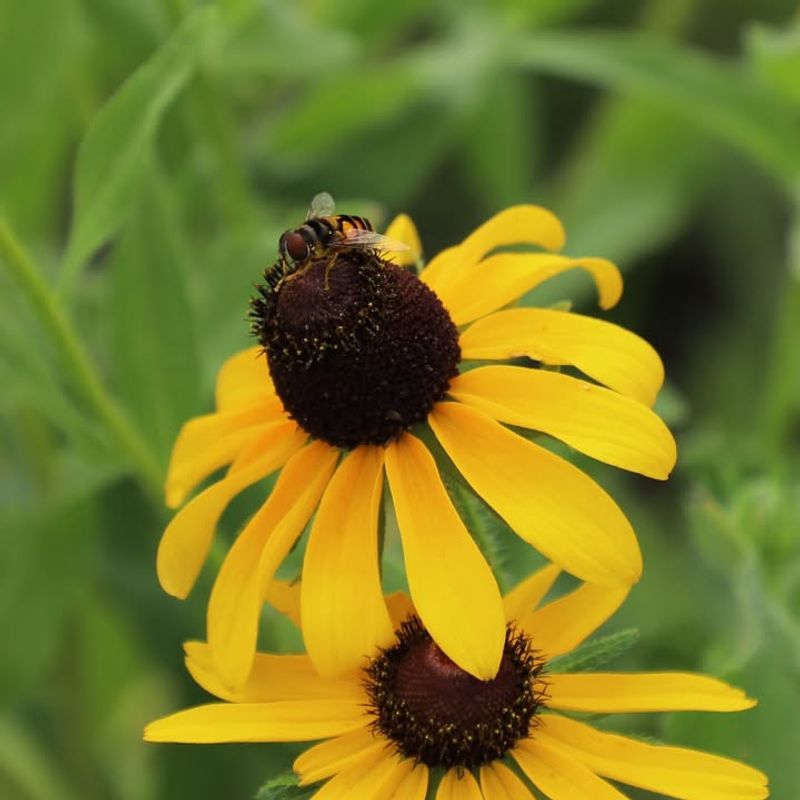
Native bees buzz happily around black-eyed Susan blooms from June through October, collecting pollen and nectar that fuel their colonies throughout North Carolina’s long growing season.
Rudbeckia hirta produces abundant nectar that attracts dozens of pollinator species including bumblebees, sweat bees, and various butterfly species.
The open flower structure makes it easy for insects of all sizes to access food, unlike some cultivated flowers with complex petals.
Monarch butterflies, swallowtails, and skippers visit these golden blooms regularly during their migration periods.
Beneficial native bees depend on wildflowers like black-eyed Susans to survive, especially as habitat loss reduces their natural food sources.
Planting these flowers creates vital corridors for pollinators moving through residential areas and farmland.
Each bloom can support multiple insect visits per day, making your garden a bustling hub of activity.
Watching bees work the flowers provides endless entertainment and teaches children about the importance of pollinators in our ecosystem.
By growing black-eyed Susans, you’re directly contributing to pollinator conservation efforts without any special equipment or expertise.
Your garden becomes part of a larger network supporting the insects that pollinate one-third of the food we eat daily.
2. Feeding Songbirds In Fall And Winter
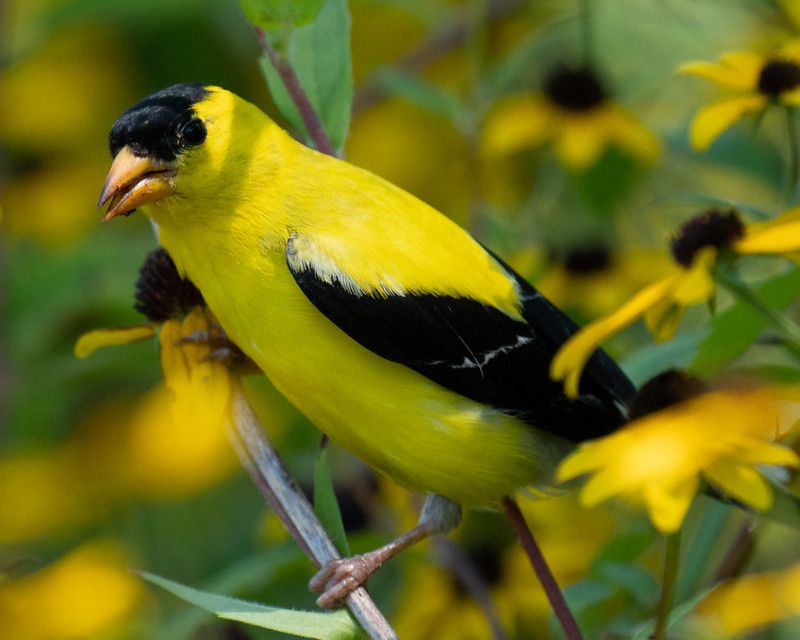
Goldfinches perch delicately on dried black-eyed Susan stems throughout winter months, plucking nutritious seeds from the cone-shaped heads that remain standing after blooming ends.
Leaving seed heads intact instead of cutting them down provides natural bird feeders that require zero maintenance or refilling.
Chickadees, sparrows, and finches all rely on native seed sources when insects become scarce during colder months.
The seeds contain oils and proteins that help birds maintain energy levels and body heat through North Carolina’s winter temperature drops.
Watching birds visit your garden during the dormant season brings life and movement to an otherwise quiet landscape.
Seed heads stand tall above snow or frost, remaining accessible even during winter weather events.
This natural feeding strategy costs nothing and eliminates the need for purchased birdseed or feeders that require cleaning.
Birds also distribute seeds around your property, helping black-eyed Susans naturalize and spread to new areas.
The sturdy stems hold up well through rain and wind, providing reliable food sources from November through March.
By simply resisting the urge to tidy up your garden in fall, you create a welcoming habitat that supports local bird populations year-round.
3. Low-Maintenance Native Landscaping
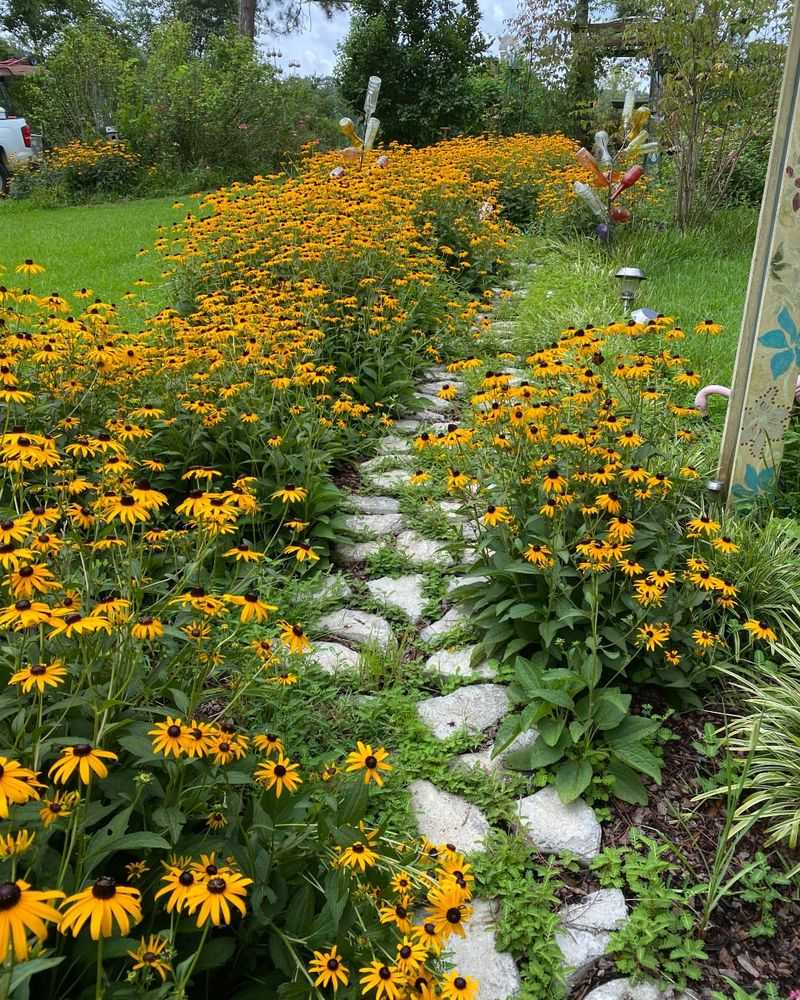
Forget about fussy plants that demand constant attention—black-eyed Susans practically take care of themselves once established in North Carolina soil.
These native wildflowers evolved in our regional climate, meaning they’re perfectly adapted to handle hot, humid summers without wilting or requiring daily watering.
Drought tolerance makes them ideal for gardeners who travel frequently or simply don’t want to spend hours with a hose.
They thrive in various soil types from clay to sandy loam, eliminating the need for expensive soil amendments or complicated preparation.
Pests and diseases rarely bother black-eyed Susans because they developed natural defenses over thousands of years in this environment.
Beginners find success with these flowers even if they’ve never gardened before, building confidence for future planting projects.
No fertilizing schedule is necessary—these plants find the nutrients they need from ordinary garden soil.
They self-seed readily, creating new plants each year without any effort on your part.
The long blooming period from early summer through fall means extended color without replanting or rotating seasonal flowers.
For busy families, seniors, or anyone wanting beautiful results without constant work, black-eyed Susans deliver reliable performance that makes gardening feel easy and rewarding.
4. Erosion Control On Slopes And Open Areas
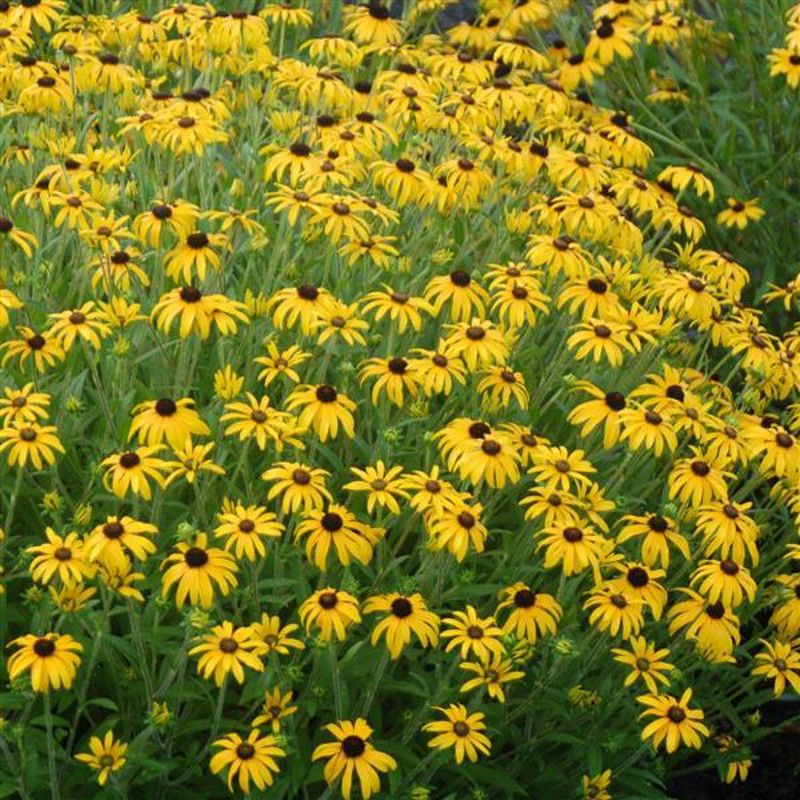
Hillsides and banks throughout North Carolina face constant erosion challenges from heavy rains, but black-eyed Susans offer an attractive solution that holds soil firmly in place.
Their fibrous root systems spread horizontally and vertically, creating underground networks that bind soil particles together.
Unlike shallow-rooted annuals, these perennials establish deep roots that anchor into slopes and prevent washouts during storms.
Roadside ditches, driveway edges, and property boundaries benefit from plantings that stabilize soil while adding visual appeal.
The plants tolerate the challenging conditions found on slopes, including reduced moisture and exposure to wind.
Once established, they spread gradually to cover bare spots where erosion typically begins.
Their dense growth crowds out weeds that would otherwise leave soil exposed and vulnerable.
Municipal landscapers and highway departments frequently use black-eyed Susans for roadside plantings because they require no mowing or maintenance after establishment.
Homeowners with sloped yards discover these flowers eliminate the need for expensive retaining walls or complicated terracing projects.
The cheerful blooms transform problem areas into garden features rather than eyesores.
Planting black-eyed Susans on slopes protects your property from soil loss while creating habitat and beauty in spaces that might otherwise remain bare and unproductive.
5. Natural Meadow And Prairie Gardens
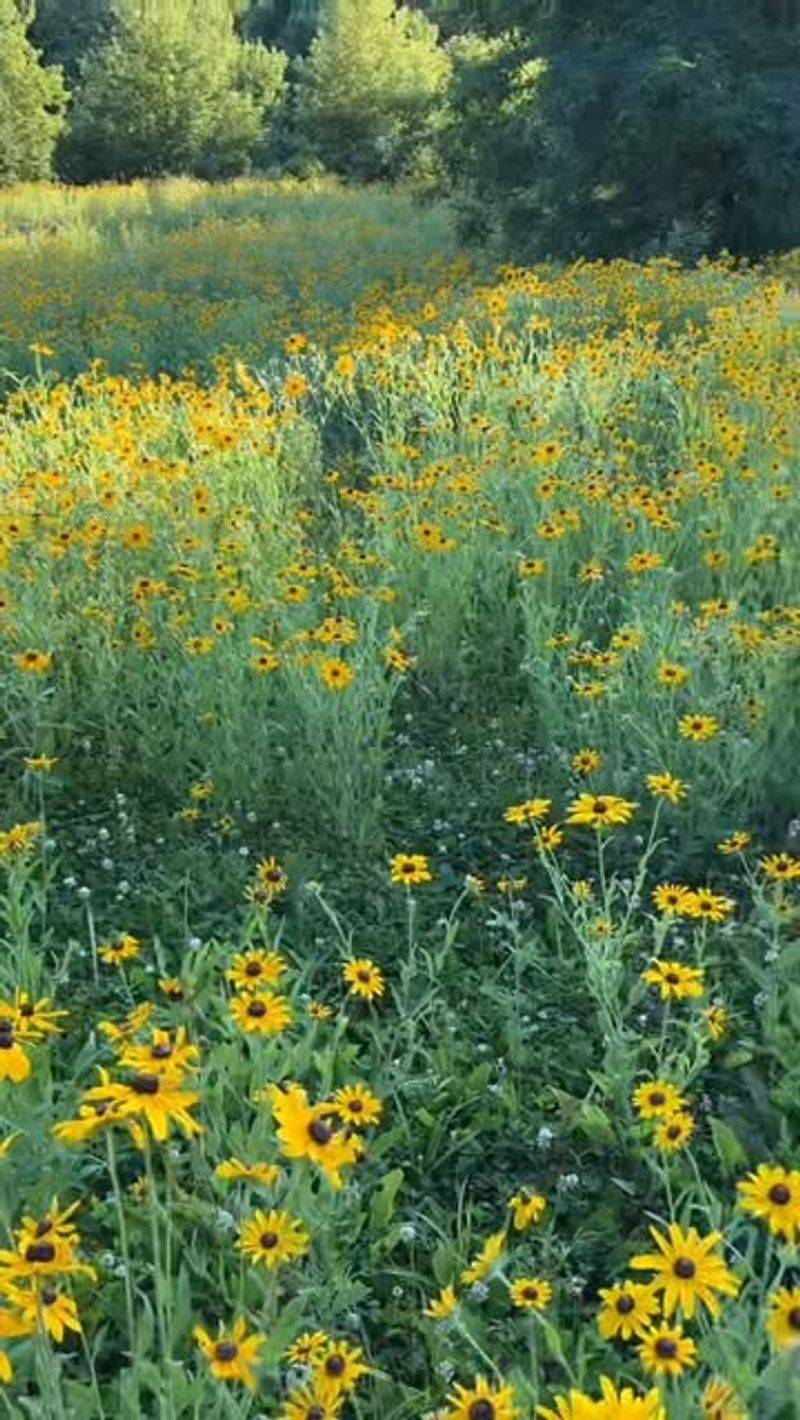
Meadow gardens capture the wild beauty of North Carolina’s native landscapes, and black-eyed Susans serve as the golden foundation that holds these naturalistic plantings together.
Their upright form and bright blooms create focal points among flowing native grasses like little bluestem and switchgrass.
The flowers bloom at the perfect height—two to three feet—to complement both shorter groundcovers and taller meadow plants.
Companion wildflowers such as purple coneflower, butterfly weed, and coreopsis blend beautifully with the golden-yellow petals.
Meadow plantings require far less maintenance than traditional lawns, eliminating weekly mowing and reducing water consumption dramatically.
Black-eyed Susans self-seed throughout the meadow, filling in gaps and creating that relaxed, natural appearance that defines prairie-style gardens.
Their long blooming season ensures the meadow remains colorful from summer through fall rather than peaking briefly.
Wildlife thrives in meadow environments, with birds nesting in grasses and insects finding shelter among diverse plant stems.
Converting even a small lawn section into a meadow garden reduces environmental impact while increasing biodiversity on your property.
The movement of grasses and flowers in the breeze creates a peaceful, ever-changing landscape that connects your yard to North Carolina’s natural heritage and provides year-round interest with minimal intervention.
6. Cut Flowers For Summer Arrangements
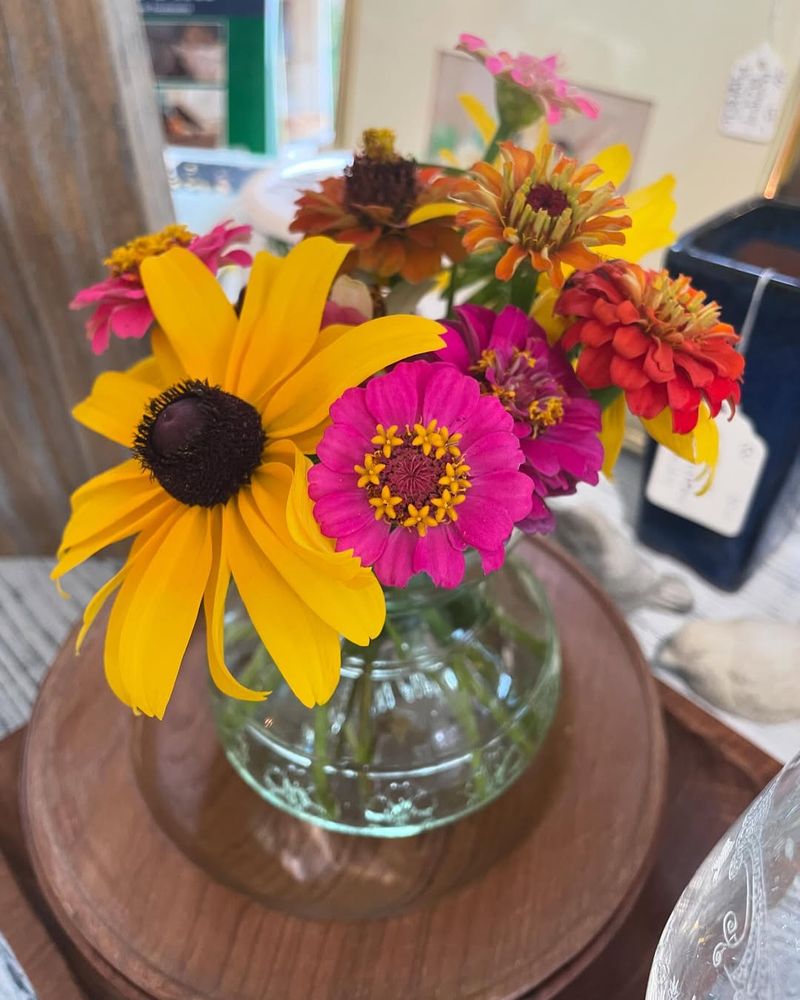
Bringing the garden indoors becomes effortless when black-eyed Susans bloom prolifically, offering armloads of cheerful stems perfect for casual summer arrangements.
Cut flowers in the morning when stems are fully hydrated, choosing blooms that have just opened for maximum vase life.
These sturdy flowers last seven to ten days in water, outlasting many expensive florist options.
Their bright yellow petals and dark centers create instant visual impact whether displayed alone or mixed with other garden flowers.
The informal, cottage-garden style suits farmhouse kitchens, casual dining spaces, and relaxed gathering areas.
Children enjoy picking their own bouquets, learning to cut stems at an angle and arrange flowers independently.
Black-eyed Susans pair beautifully with blue hydrangeas, white daisies, or purple salvia for patriotic summer displays.
Frequent cutting actually encourages plants to produce more blooms, creating a win-win situation for both garden and home.
No floral foam or complicated techniques are needed—simply place stems in a clean vase with fresh water.
Guests always compliment these homegrown arrangements, which carry more meaning than store-bought flowers.
Growing your own cut flowers saves money throughout the summer while reducing the environmental impact of commercial flower production and long-distance shipping that most florist blooms require.
7. Dried Flowers For Fall And Winter Décor
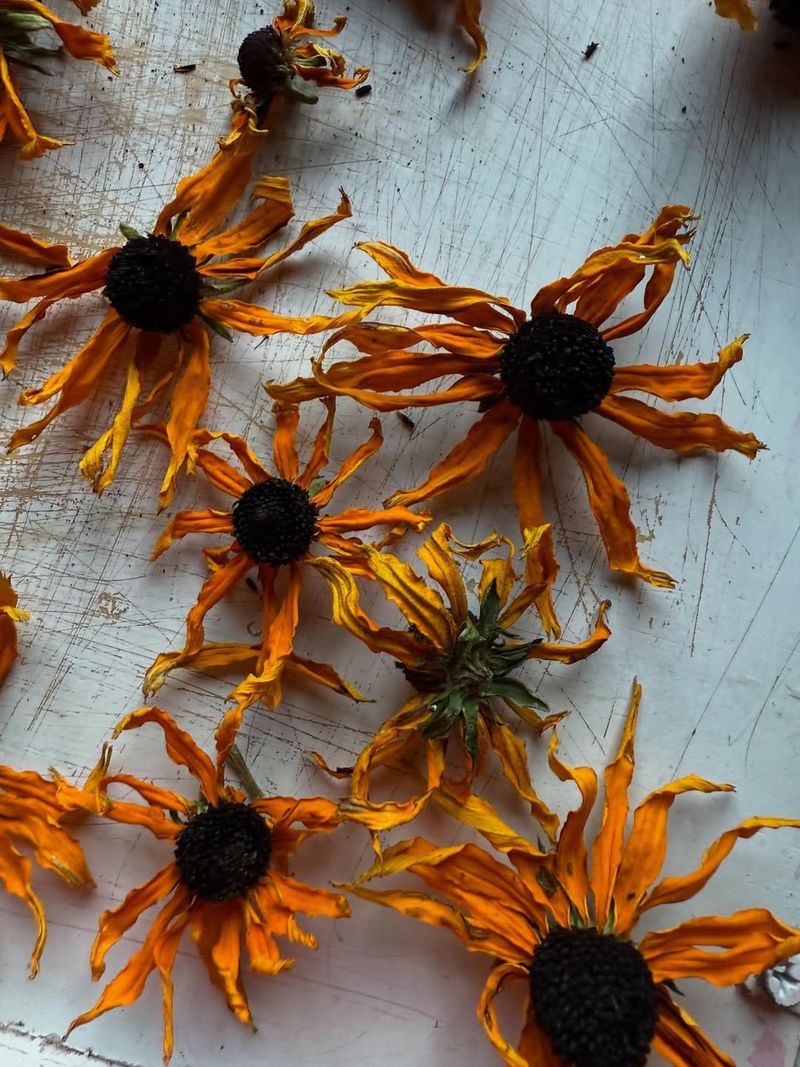
Crafters and decorators treasure black-eyed Susans long after fresh blooms fade, transforming dried flowers and seed heads into rustic wreaths, arrangements, and seasonal displays.
Harvest stems when blooms begin to fade but before petals drop completely, hanging them upside down in a dry, dark space for two weeks.
The distinctive cone-shaped seed heads retain their texture and form beautifully, adding natural elements to fall and winter décor.
Dried black-eyed Susans bring warm golden tones to Thanksgiving centerpieces and autumn mantel displays.
Their sturdy stems hold up well in dried arrangements, unlike more delicate flowers that crumble or fade quickly.
Combine dried seed heads with preserved grasses, wheat stalks, and other natural materials for textured compositions.
Wreaths featuring black-eyed Susan seed heads welcome guests with a distinctly North Carolina, farm-inspired aesthetic.
Children enjoy collecting and drying flowers for craft projects, learning about plant life cycles and preservation techniques.
The dried materials cost nothing and can be composted after the season ends, making them environmentally friendly décor choices.
Many crafters spray dried blooms with clear sealant to preserve color and prevent shattering.
Using materials from your own garden creates deeply personal decorations that reflect your landscape and connect indoor spaces to the natural world outside your windows throughout the colder months.
8. Filling Gaps In Sunny Garden Beds
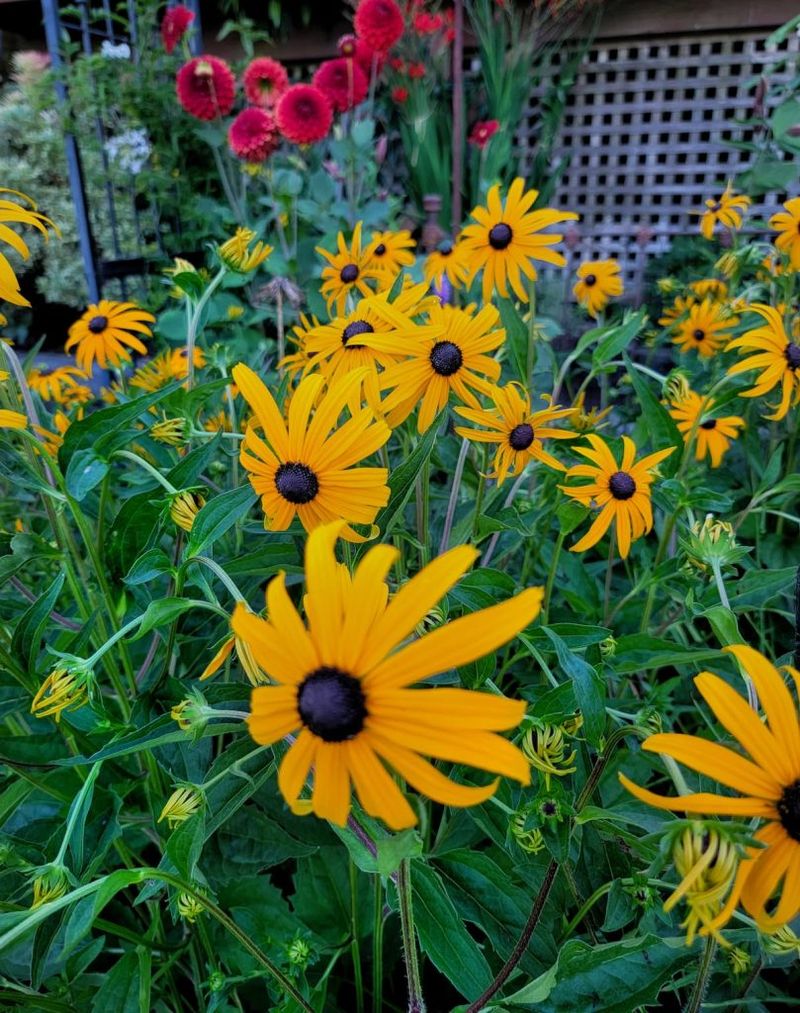
Empty spaces in garden beds invite weeds and create visual holes that disrupt the overall design, but black-eyed Susans quickly solve this common landscaping challenge.
Their vigorous growth fills bare spots within a single growing season, establishing dense clumps that prevent weed seeds from germinating.
Plant them between spring bulbs that go dormant in summer, providing continuous color after tulips and daffodils finish blooming.
The flowers complement virtually every other sun-loving perennial, blending seamlessly with existing plantings rather than clashing.
Their informal growth habit softens edges and creates transitions between different garden areas or plant groupings.
Gardeners appreciate how black-eyed Susans adapt to available space, growing fuller in wide gaps and remaining more compact in tighter spots.
They tolerate competition from neighboring plants better than many species, thriving even when roots intermingle with other perennials.
Quick establishment means you won’t wait years for a mature appearance—first-year plants bloom reliably.
The vertical flower stems add height variation to beds dominated by low-growing groundcovers or sprawling plants.
Using black-eyed Susans as filler plants costs less than purchasing multiple specimens of pricier perennials.
Their spreading habit means initial plantings multiply over time, providing divisions you can move to other garden areas or share with friends who admire your thriving, weed-free beds.
9. Attracting Beneficial Insects For Pest Control
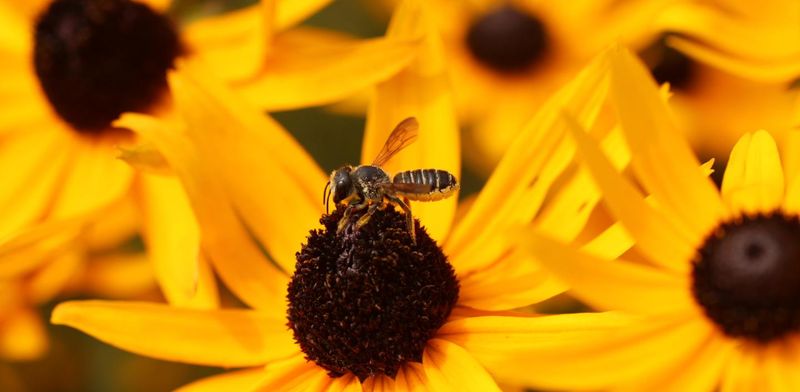
Lady beetles patrol black-eyed Susan blooms hunting for aphids and other soft-bodied pests, turning your flower garden into a natural pest management system.
Parasitic wasps—tiny beneficial insects that never sting humans—visit the flowers for nectar while searching for caterpillars and pest larvae to parasitize.
Hoverflies, which resemble small bees, feed on black-eyed Susan pollen as adults while their larvae consume hundreds of aphids during development.
Lacewings and minute pirate bugs also frequent these flowers, establishing populations that patrol nearby vegetable gardens for pests.
Providing nectar sources for beneficial insects ensures they remain in your garden rather than moving elsewhere to find food.
This biological pest control reduces or eliminates the need for chemical sprays that harm both beneficial and harmful insects indiscriminately.
Children learn about food webs and natural pest management by observing the diverse insect life on black-eyed Susan flowers.
The flat, open flower structure makes it easy to spot and identify various beneficial species, turning your garden into an outdoor classroom.
Establishing populations of helpful insects takes time, but black-eyed Susans provide the foundation for long-term, sustainable pest management.
Gardeners who plant these flowers report fewer pest problems in adjacent vegetable beds and ornamental plantings, proving that working with nature produces better results than fighting against it with chemicals.