An Armadillo Is Digging Holes In Your South Carolina Yard? Here’s What To Do
Spotted an armadillo digging in your South Carolina yard? These nocturnal mammals are common in the region, and while fascinating to watch, their digging can damage lawns, gardens, and landscaping.
Knowing how to respond can protect your yard while keeping the animals safe. Those small holes may be cute, but they can quickly become a bigger problem.
Experts suggest several strategies, including removing food sources, securing compost, using barriers, and discouraging repeated visits. Trapping or relocation should only be done according to local regulations.
Understanding armadillo behavior helps homeowners prevent damage without harming the animal. Smart steps can protect your garden while respecting local wildlife.
South Carolina homeowners who take proactive measures can minimize damage and coexist peacefully with armadillos in their yards. Protect your lawn and plants while keeping armadillos safe.
Identify The Animal Correctly
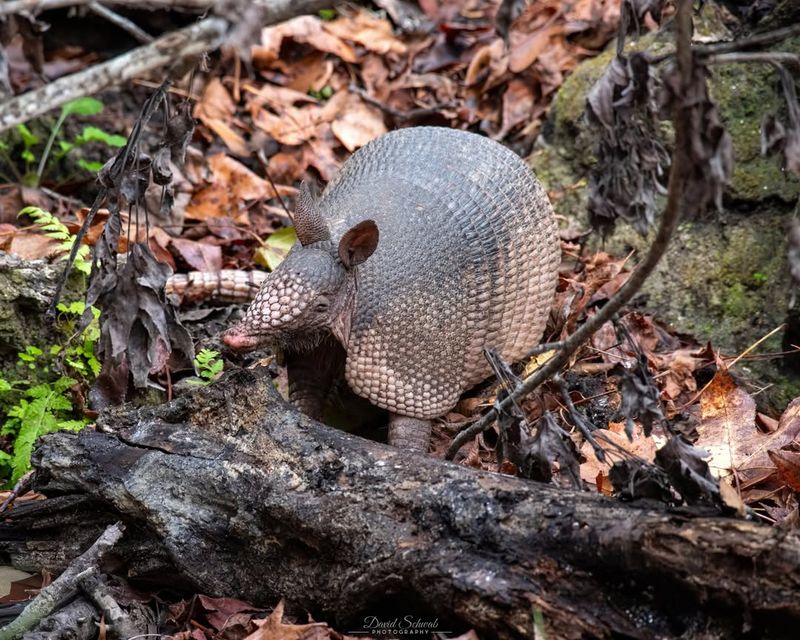
Knowing exactly what animal is tearing up your lawn makes all the difference in how you respond.
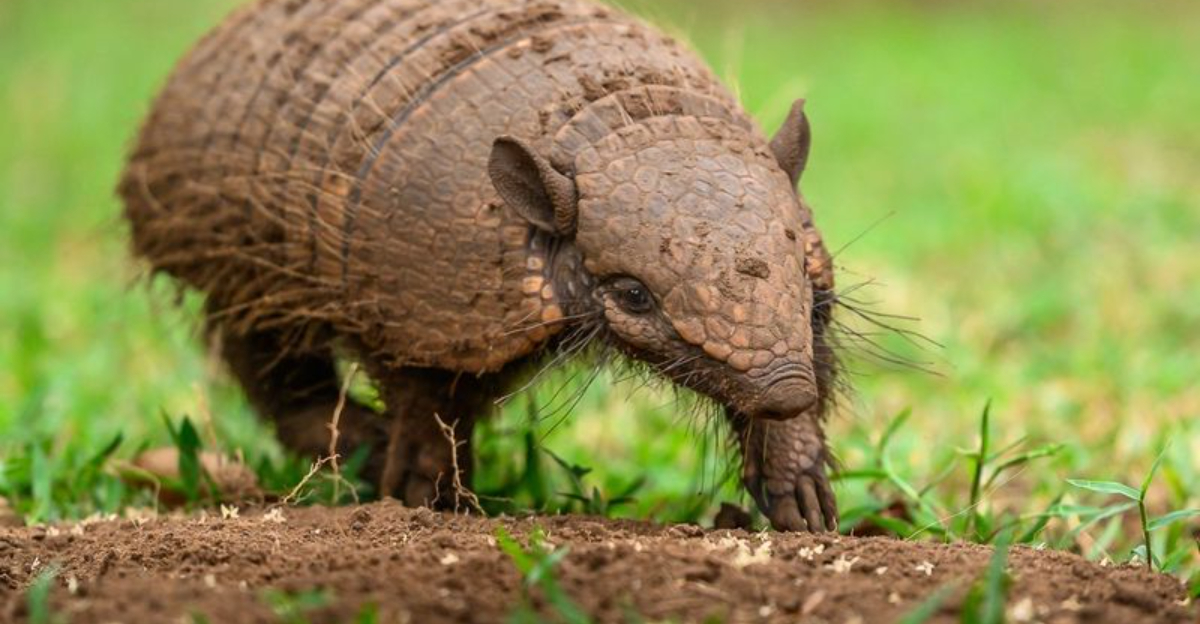
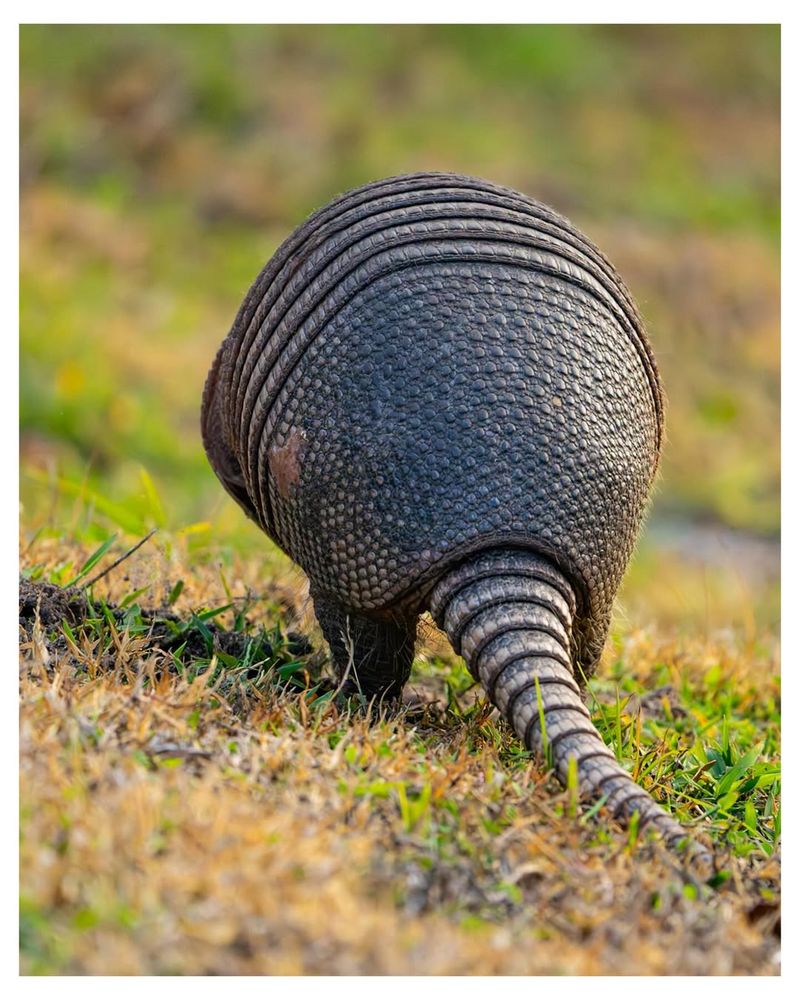
South Carolina is home to the nine-banded armadillo, a distinctive creature with bony plates covering its body and a long snout perfect for rooting through soil.
These animals are about the size of a house cat and have four toes on their back feet, leaving unique tracks that help confirm their presence. Proper identification ensures you follow the right legal guidelines for management.
Each state has specific regulations about which animals can be trapped, relocated, or deterred, and using the wrong approach could land you in legal trouble.
The nine-banded armadillo is the only species found in South Carolina, making identification relatively straightforward once you know what to look for. Observing their behavior patterns helps too.
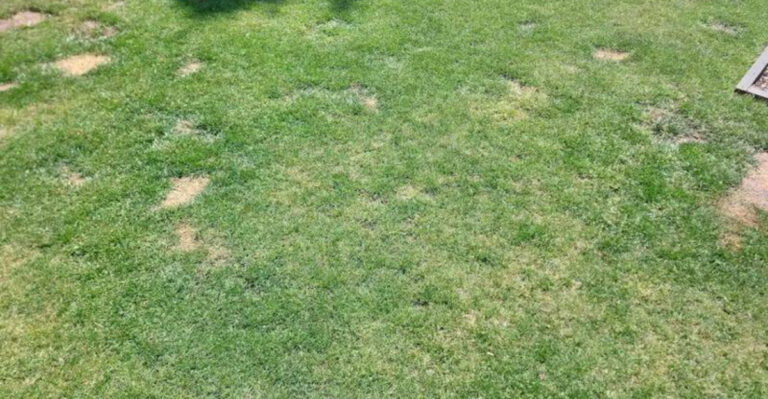
Armadillos are most active during dawn and dusk, though they sometimes forage at night. They leave cone-shaped holes about three to five inches wide as they search for insects and grubs.
Understanding these habits allows you to choose the most effective management strategies while staying within legal boundaries and treating the animals humanely throughout the entire process.
Remove Attractants
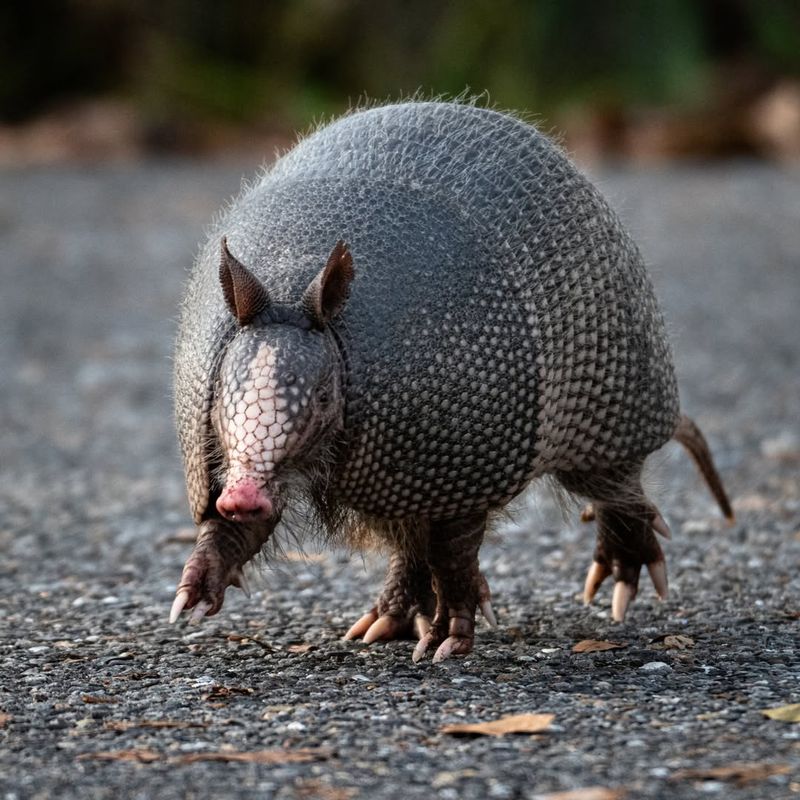
Armadillos visit your yard for one simple reason: food. These creatures have an incredible appetite for insects, grubs, earthworms, and other invertebrates living in your soil.
When you eliminate or reduce these food sources, your lawn becomes far less appealing to hungry armadillos searching for their next meal.
Pet food left outside overnight acts like a welcome sign for various wildlife, including armadillos. Bringing bowls inside after feeding time removes this temptation completely.
Compost bins should have secure, tight-fitting lids that prevent access to decomposing materials that attract insects and worms. Even fallen fruit from trees can draw armadillos, so regular cleanup of your yard helps tremendously.
Treating your lawn for grubs and other soil-dwelling insects reduces the primary food source that brings armadillos around in the first place. Beneficial nematodes offer an organic solution that targets grubs without harsh chemicals.
When armadillos discover that your yard no longer provides easy meals, they typically move on to more productive foraging grounds.
This approach takes patience but creates lasting results by addressing the root cause rather than just the symptoms of your armadillo problem.
Maintain A Well-Mowed Yard
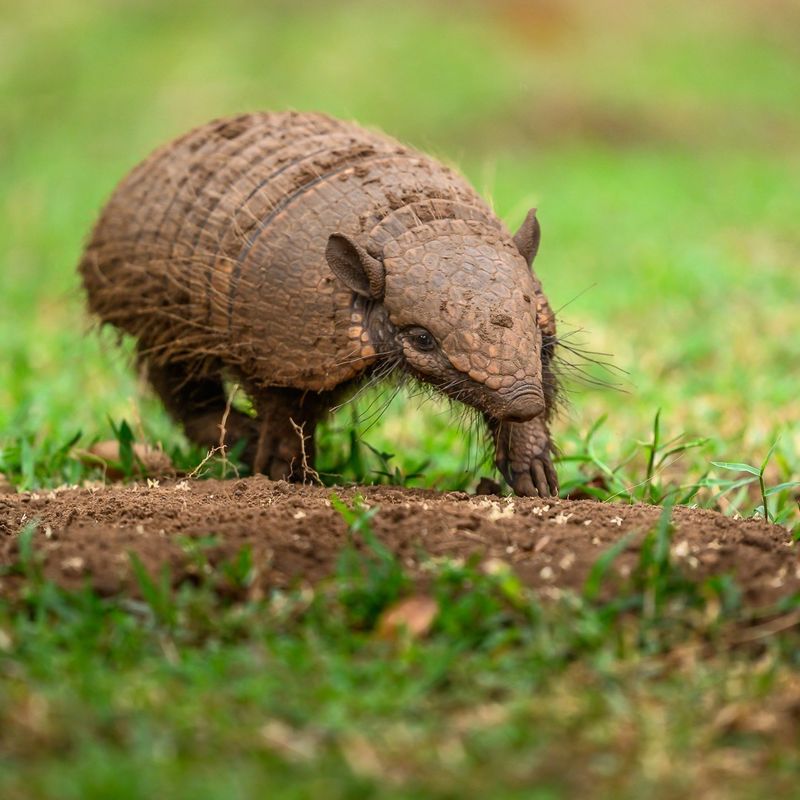
Short grass might seem like a simple landscaping choice, but it serves as an excellent armadillo deterrent.
These animals prefer areas with taller vegetation where they feel protected from predators while foraging.
When your lawn is neatly trimmed, armadillos feel exposed and vulnerable, making them less likely to spend time digging around your property.
Keeping grass at a height of two to three inches also reduces the insect and grub populations that armadillos find so irresistible.
Shorter grass allows more sunlight to reach the soil surface, creating conditions that many soil-dwelling insects find less hospitable.
The combination of reduced cover and fewer food sources makes your yard significantly less attractive to these persistent diggers. Regular mowing schedules provide the best results.
Weekly cutting during growing season maintains the ideal grass height and prevents overgrowth that could invite armadillos back. Pay special attention to areas near fences, foundations, and garden beds where grass tends to grow longer.
A well-maintained lawn not only discourages armadillos but also improves your property’s overall appearance and health, creating a win-win situation for homeowners dealing with these unexpected visitors.
Install Physical Barriers
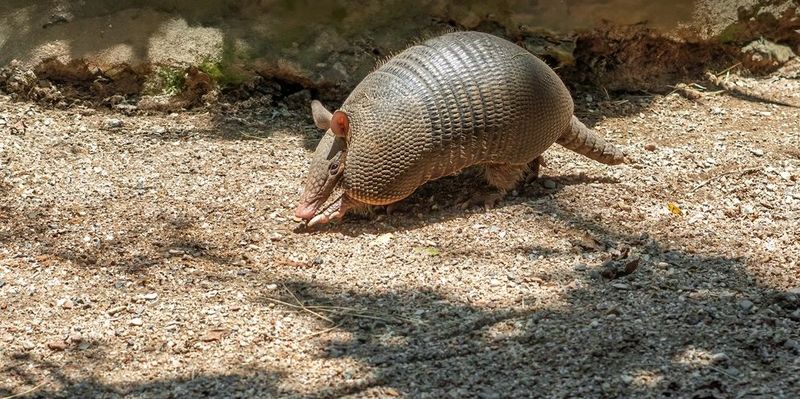
Fencing provides one of the most reliable long-term solutions for keeping armadillos out of specific areas. However, standard fencing alone will not work since armadillos are excellent diggers who can tunnel underneath obstacles.
The key is burying your fence at least six to twelve inches below ground level, creating an underground barrier they cannot bypass easily.
Hardware cloth with half-inch mesh works exceptionally well for protecting garden beds and flower borders. This sturdy material resists chewing and digging while allowing water and nutrients to pass through to plant roots.
Installing it around the perimeter of vulnerable areas creates a protective shield that armadillos find impossible to penetrate.
The edges should be bent outward at a ninety-degree angle underground to further discourage tunneling attempts. For larger areas, consider electric fencing designed specifically for wildlife management.
These systems deliver a mild shock that trains armadillos to avoid your property without causing lasting harm. Whatever barrier method you choose, regular inspection ensures it remains effective.
Check for signs of digging along fence lines and repair any damage promptly to maintain the integrity of your protective barrier system.
Use Motion-Activated Deterrents
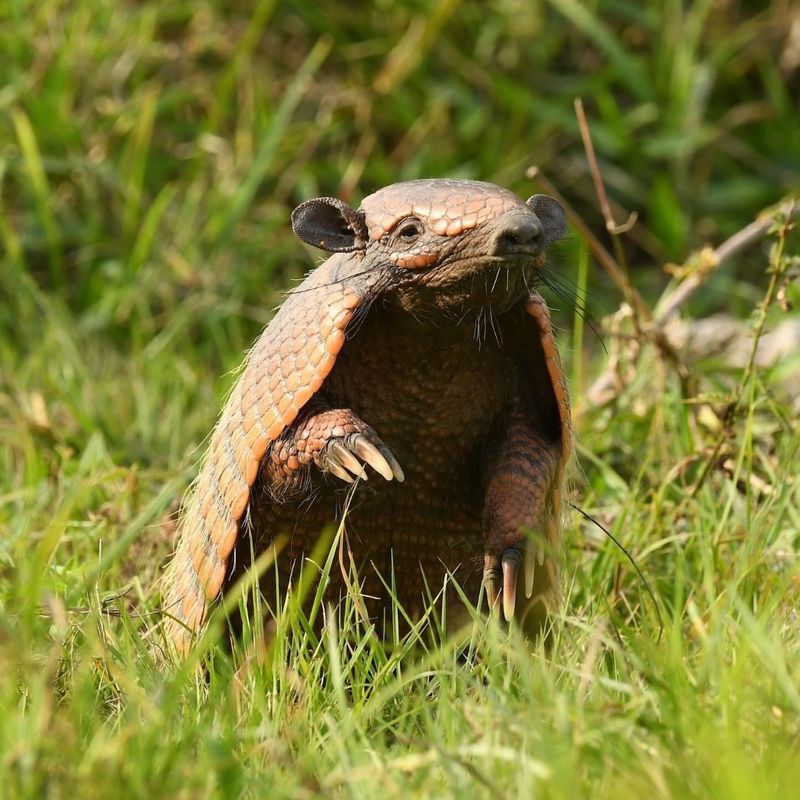
Technology offers humane solutions that startle armadillos without causing them any harm. Motion-activated sprinklers detect movement and release sudden bursts of water, creating an unpleasant surprise that teaches armadillos to avoid your yard.
These devices work especially well because armadillos have poor eyesight and rely heavily on their sense of touch, making unexpected water spray particularly effective.
Motion-activated lights serve a similar purpose by flooding areas with bright illumination when movement is detected.
While armadillos have limited vision, sudden changes in light conditions still disturb them enough to seek quieter foraging spots.
Positioning these lights near known entry points or favorite digging areas maximizes their effectiveness throughout the night when armadillos are most active. The beauty of motion-activated deterrents lies in their automatic operation and versatility.
Once installed, they require minimal maintenance and work continuously without your involvement. Many models allow you to adjust sensitivity settings and spray patterns to target specific problem areas.
Combining motion-activated sprinklers with lights creates a multi-sensory defense system that reinforces the message that your yard is not a welcoming place for armadillo activity, encouraging them to relocate their foraging efforts elsewhere.
Fill Holes Promptly
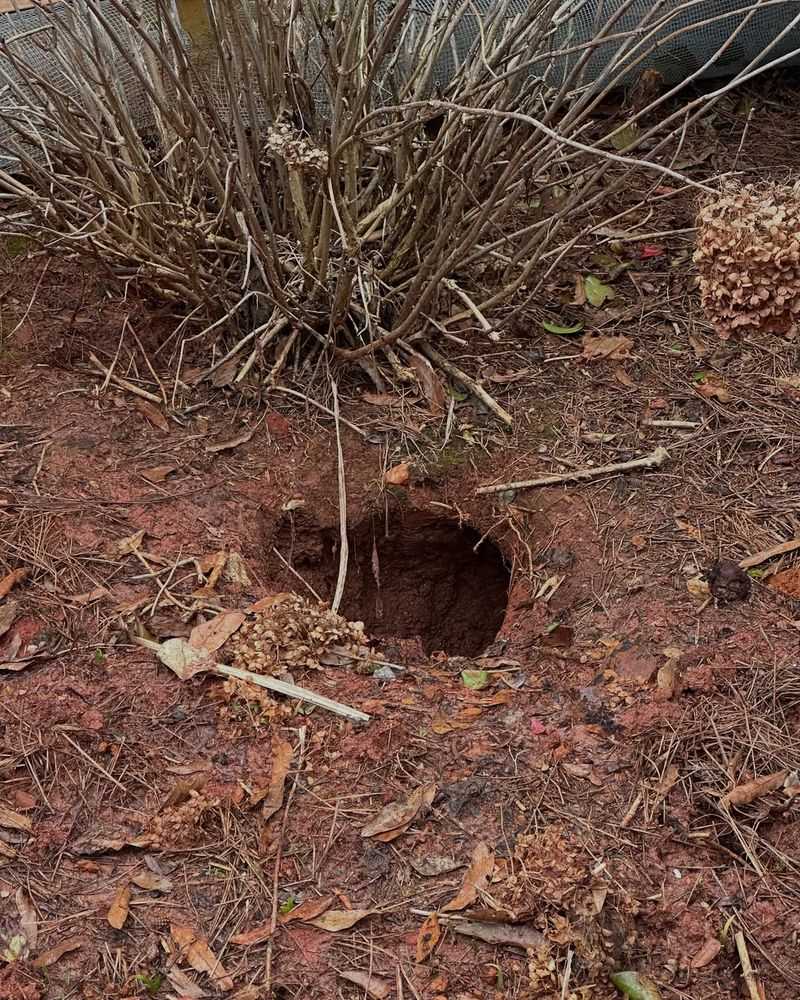
Every hole an armadillo digs represents a potential hazard for people and pets walking across your lawn. Twisted ankles and tripping accidents happen easily when unexpected depressions dot your yard.
Beyond safety concerns, unfilled holes signal to armadillos that your property offers productive foraging grounds, encouraging them to return night after night for more digging sessions.
Filling holes quickly sends the opposite message. When armadillos return and find their previous work erased, they often decide the effort is not worth the reward.
Use quality topsoil mixed with existing lawn soil to fill holes completely, then tamp it down firmly to prevent settling. Water the area lightly to help the soil settle naturally and blend with surrounding terrain.
Consider adding grass seed or sod patches to filled areas to restore your lawn’s appearance faster. This extra step not only improves aesthetics but also helps stabilize the soil and prevent erosion.
Check your yard daily during active armadillo periods, filling any new holes you discover. Consistency is crucial because armadillos are creatures of habit who return to productive feeding spots.
Breaking this pattern through persistent hole-filling eventually convinces them to seek easier foraging opportunities in other locations.
Encourage Natural Predators
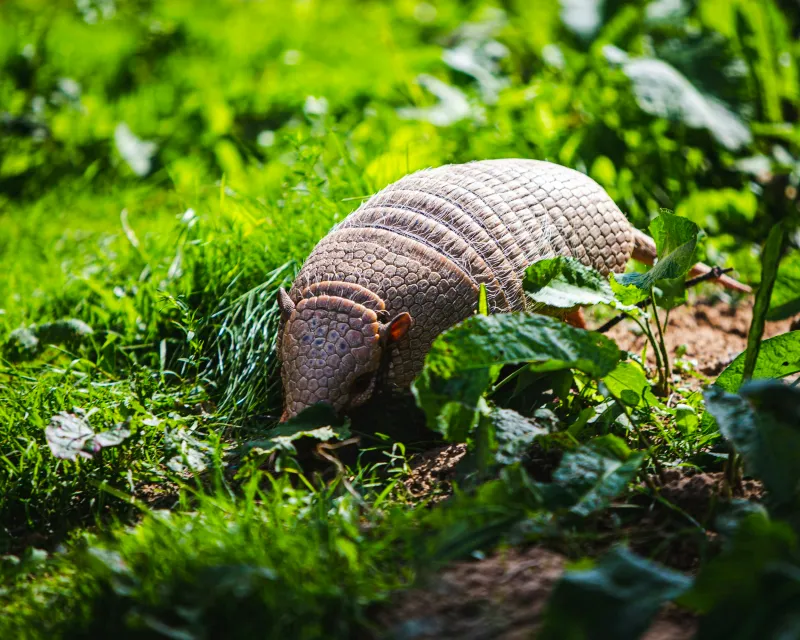
Nature provides its own pest control system when given the opportunity. Owls, hawks, foxes, coyotes, and bobcats all view armadillos as potential prey, especially younger or smaller individuals.
Creating an environment that welcomes these natural predators can help keep armadillo populations in check without any direct intervention on your part. Installing owl boxes or hawk perches encourages birds of prey to hunt on your property.
These raptors patrol from above, spotting armadillos during their vulnerable foraging periods. Maintaining brush piles and natural areas at the edges of your property provides habitat for foxes and other mammalian predators.
Just be mindful that attracting larger predators might affect other aspects of your property, including pets who spend time outdoors.
Avoid using rodenticides or other poisons that could harm predators feeding on affected animals. A healthy, balanced ecosystem naturally regulates wildlife populations more effectively than any single control method.
While natural predation alone might not completely solve your armadillo problem, it contributes to a comprehensive management strategy that works with nature rather than against it.
Observing these predator-prey relationships in action offers educational opportunities and reconnects you with the natural cycles happening right in your own backyard environment.
Consider Live Trapping Only If Legal
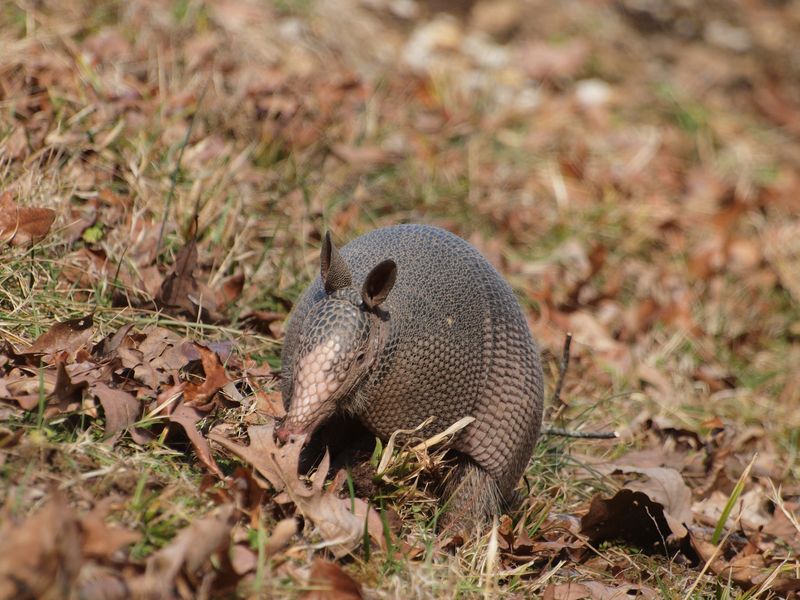
Trapping seems like an obvious solution, but South Carolina has specific regulations governing wildlife trapping and relocation.
Before purchasing or setting any trap, contact the South Carolina Department of Natural Resources to understand current laws and permit requirements. Regulations change periodically, and what was legal last year might not be allowed today.
Live cage traps designed for armadillo-sized animals typically measure about twelve by ten by thirty-two inches. Placing them along known armadillo pathways increases success rates dramatically.
Effective baits include overripe fruit, earthworms, or meal worms positioned at the far end of the trap. Check traps frequently, preferably twice daily, to minimize stress on any captured animals.
Relocation presents its own challenges and legal considerations.
Many areas prohibit releasing trapped wildlife in new locations because it spreads diseases, disrupts local ecosystems, and simply moves the problem to someone else’s property.
Some jurisdictions require professional wildlife control operators to handle relocation. Even when legal, relocated armadillos often struggle to survive in unfamiliar territory.
Understanding these complexities before trapping helps you make informed, responsible decisions that comply with regulations while addressing your yard damage concerns effectively and ethically.
Consult Local Wildlife Authorities
Sometimes the best action involves calling in the experts.
The South Carolina Department of Natural Resources employs wildlife specialists who understand local armadillo behavior, legal management options, and effective long-term solutions.
These professionals offer guidance tailored to your specific situation, often free of charge or for minimal fees that prove worthwhile given their expertise.
Wildlife authorities stay current on the latest research and management techniques that homeowners might not know about.
They can assess your property, identify factors attracting armadillos, and recommend comprehensive strategies combining multiple approaches.
Many agencies also maintain lists of licensed wildlife control operators who can handle situations requiring professional intervention, ensuring you work with reputable, qualified individuals.
Building a relationship with local wildlife authorities benefits you beyond the immediate armadillo issue.
These connections provide resources for future wildlife encounters and educational opportunities about coexisting with South Carolina’s diverse animal populations.
State wildlife agencies often publish helpful guides, host workshops, and maintain websites with valuable information about managing common wildlife conflicts.
Taking advantage of these resources demonstrates responsible property stewardship while ensuring your management strategies remain legal, effective, and humane throughout the entire process of addressing persistent armadillo problems.