An Unusual Green Caterpillar Is Spreading Through South Carolina Gardens — And It Looks Hazardous
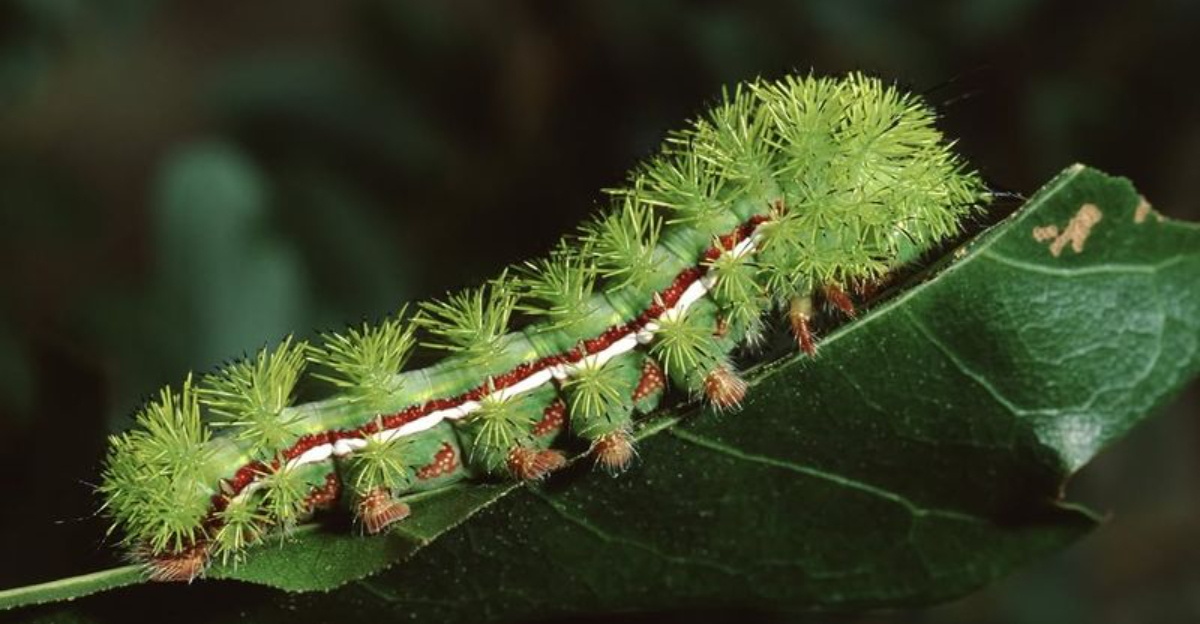
A wave of Io moth caterpillars is sliding through South Carolina gardens right now, and they’re making every leaf look like a runway.
I’ve had friends message me saying it showed up out of nowhere, sitting on plants like it pays rent.
It may look harmless, but one brush with those spines is enough to understand why its rapid spread has everyone talking.
1. Bright Green Color Signals Danger
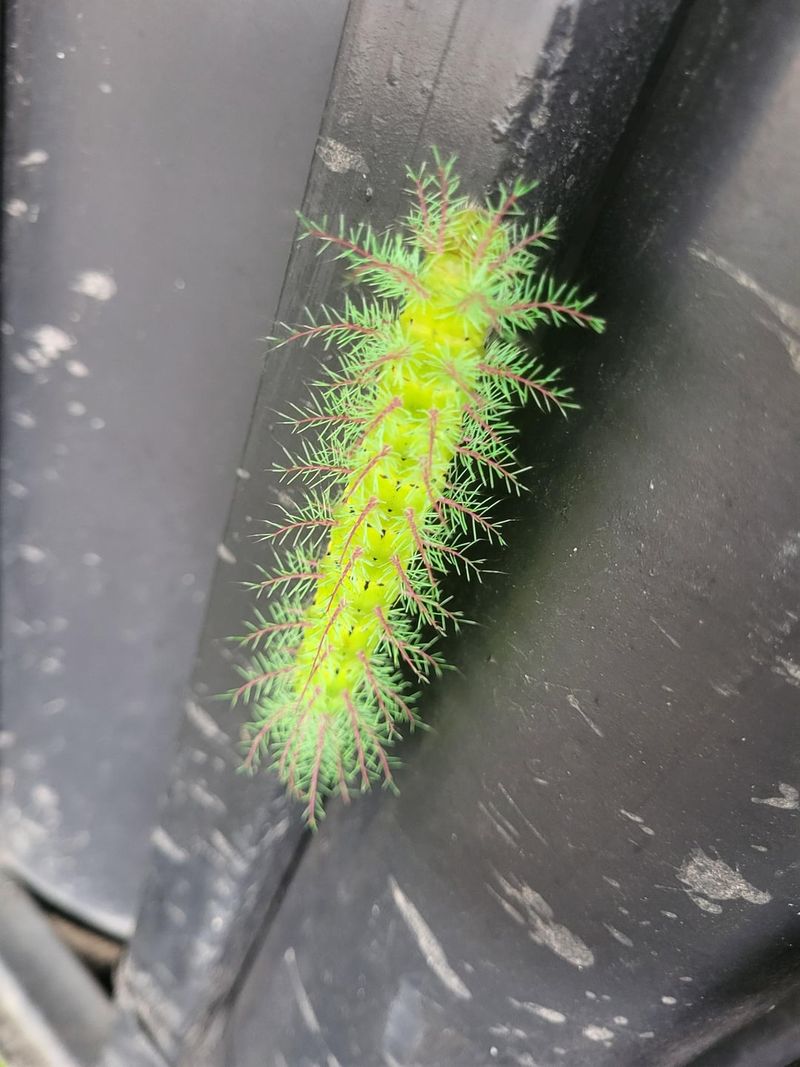
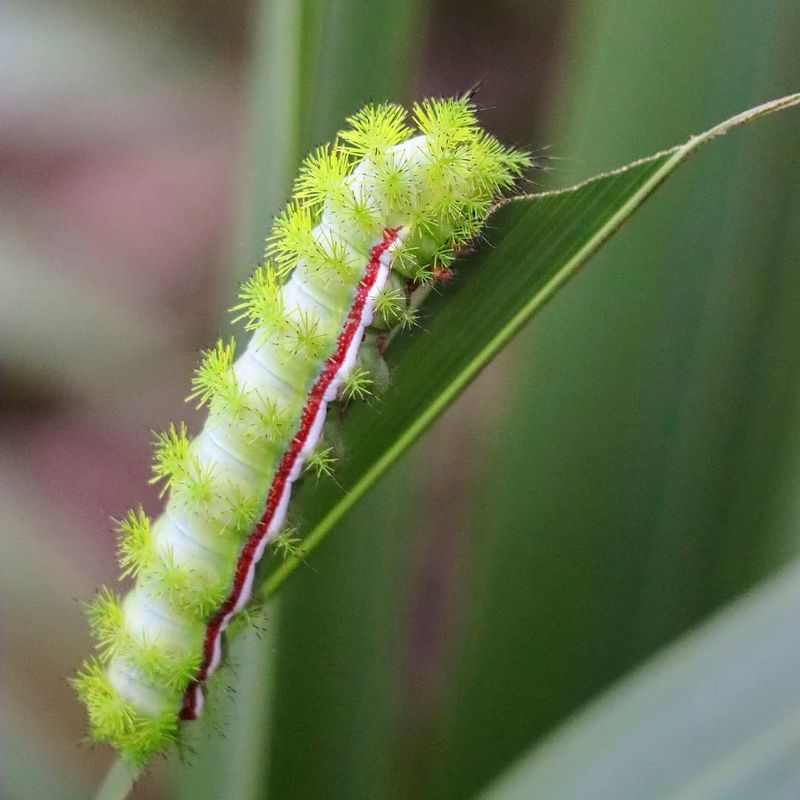
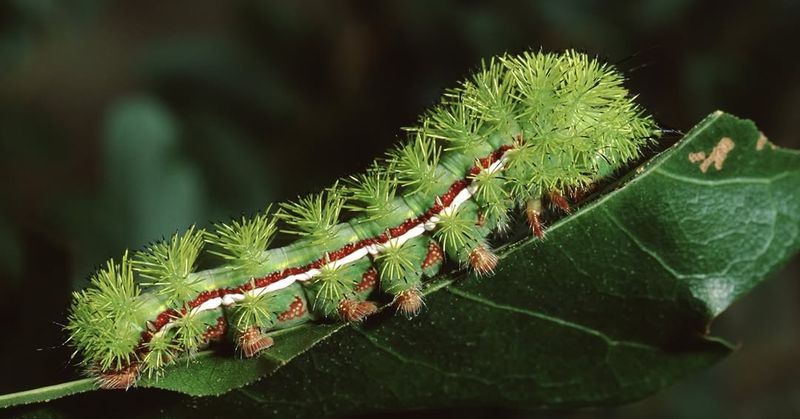
Io moth caterpillars display a stunning lime green color that makes them stand out in any South Carolina garden bed.
Their vibrant appearance might seem inviting, but nature uses bright colors as warning signs to predators.
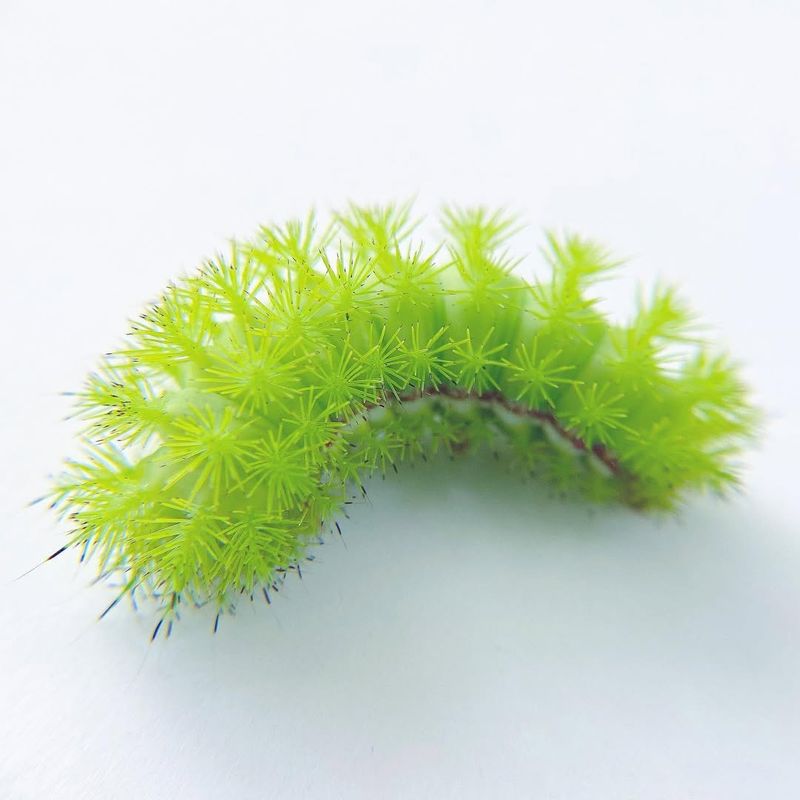
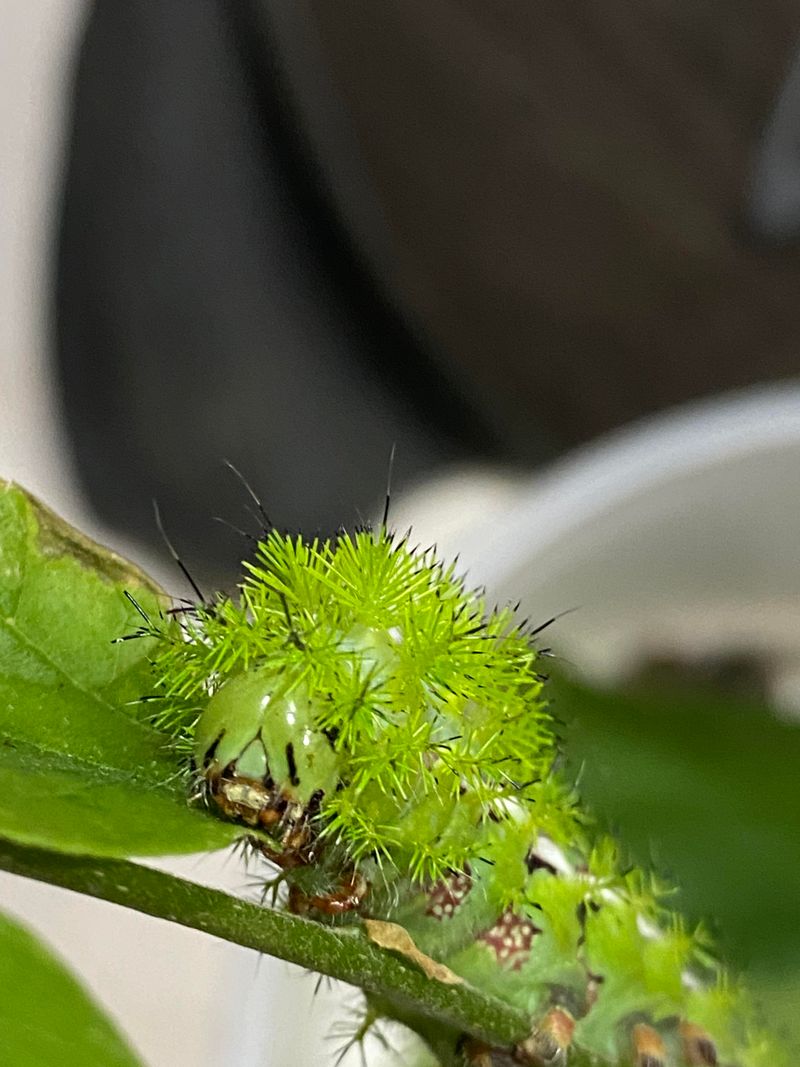
Those neon green bodies are covered with clusters of spiky spines that contain venom.
When you spot one crawling on your plants, resist the urge to pick it up no matter how interesting it looks.
The bright coloring serves as nature’s way of saying stay away, protecting the caterpillar from birds and other animals.
Gardeners across South Carolina have learned to admire these creatures from a safe distance instead of handling them directly.
Teaching children to recognize this warning color helps keep everyone safe during outdoor activities.
The green shade blends with leaves but still stands out enough to catch your eye when you are weeding or harvesting vegetables.
Remember that beautiful does not always mean safe in the natural world around us.
2. Venomous Spines Cause Painful Stings
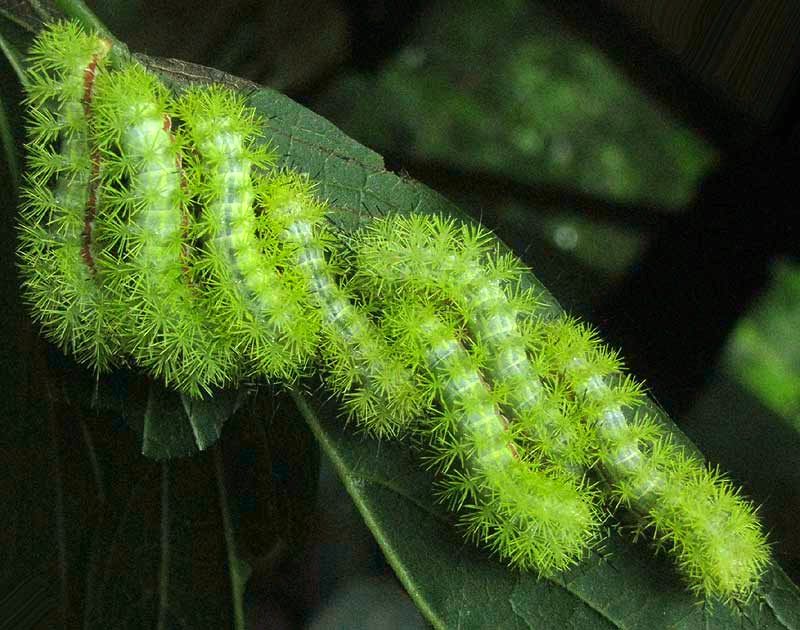
Each Io moth caterpillar carries venomous spines along its body that deliver an intensely painful sting upon contact.
These spines are not just for show—they break off easily and embed themselves into skin when touched.
South Carolina residents who have accidentally brushed against them describe the pain as burning and throbbing.
The venom causes an immediate reaction that can last several hours or even days depending on sensitivity.
Unlike bee stings that involve one point of contact, these caterpillars have hundreds of tiny spines that can affect you.
Wearing gloves while gardening offers some protection, but the spines can penetrate thin fabric easily.
The pain typically stays localized to the area that made contact, but some people experience swelling beyond the initial site.
Avoiding direct contact remains the best strategy when you discover one munching on your plants.
Understanding the danger these spines present helps you take proper precautions in your yard.
3. They Feed on Many Common Plants
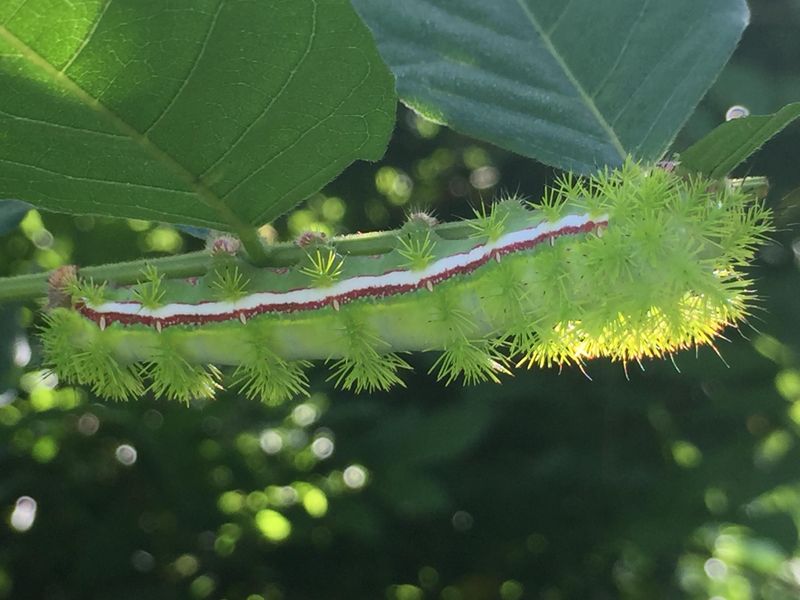
Io moth caterpillars have appetites for a wide variety of plants found in typical South Carolina gardens and landscapes.
Oak trees, willow trees, and maple trees rank among their favorite natural food sources throughout the region.
Your roses, corn plants, and even clover patches might attract these hungry caterpillars during their growing season.
They also munch on dogwood, elm, and redbud trees that many homeowners plant for shade and beauty.
Garden vegetables are not safe either, as these caterpillars sometimes appear on tomato plants and other crops.
The variety of plants they consume means you might find them almost anywhere in your yard.
Checking your plants regularly helps you spot them before they cause significant damage to your favorite flowers or shrubs.
South Carolina gardeners often discover them while tending to their landscape during late summer and early fall months.
Knowing which plants attract them helps you stay alert in those specific areas of your property.
4. Population Increases During Late Summer
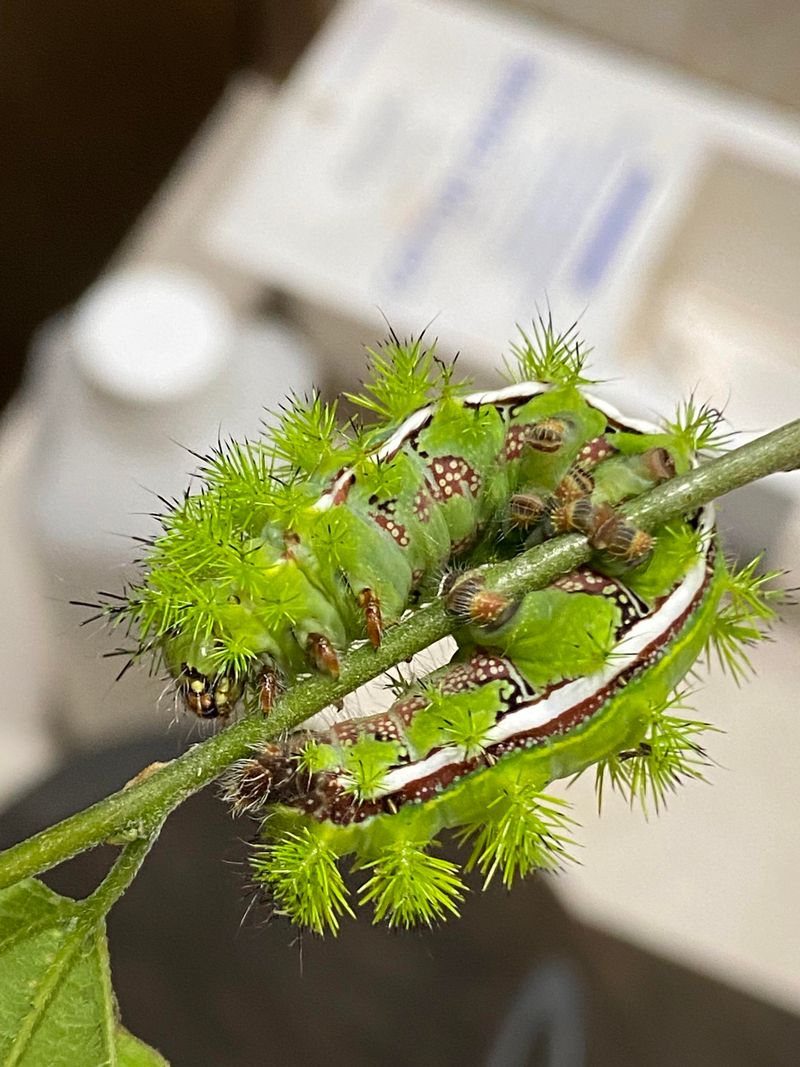
Late summer brings the peak season for Io moth caterpillars across South Carolina, when their numbers noticeably increase.
August and September mark the months when gardeners report the most sightings of these spiny creatures.
Female Io moths lay clusters of eggs on host plants, and when they hatch, dozens of caterpillars appear together.
Warm weather and abundant plant growth create perfect conditions for their rapid development during this time.
You might not see any for weeks, then suddenly discover several on a single tree or shrub.
Their population cycles naturally fluctuate from year to year based on weather patterns and food availability.
Some summers bring larger outbreaks than others, causing more concern among South Carolina homeowners and farmers.
Being extra vigilant during late summer helps you protect yourself and manage any infestations before they spread.
Understanding their seasonal patterns allows you to prepare and take preventive measures at the right time.
5. First Aid Steps After Contact
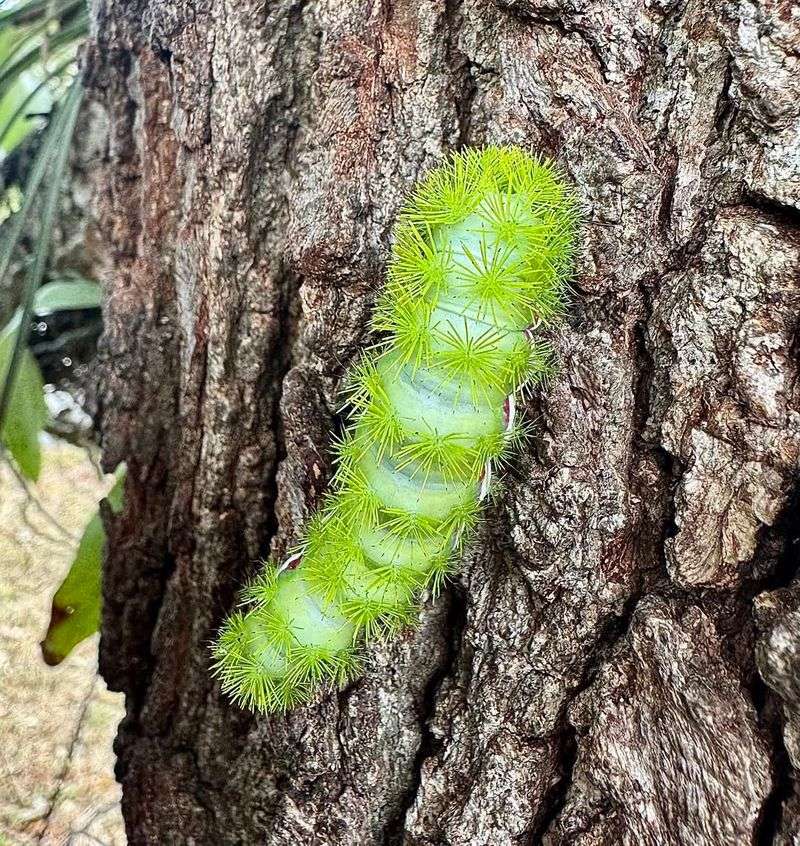
Acting quickly after touching an Io moth caterpillar can reduce pain and prevent complications from the sting.
Immediately apply sticky tape to the affected area and pull it off to remove any embedded spines.
Wash the site thoroughly with soap and cool water to clean away venom and prevent infection.
Applying ice packs wrapped in cloth helps reduce swelling and numbs the burning sensation many South Carolina residents experience.
Over-the-counter pain relievers and antihistamines can ease discomfort and reduce allergic reactions to the venom.
Avoid rubbing or scratching the area, as this pushes spines deeper into your skin and spreads venom.
Some people find that applying a paste of baking soda and water provides additional relief from itching.
Monitor the sting site for signs of infection or severe allergic reactions that might require medical attention.
Keeping the area clean and covered prevents further irritation while your body heals naturally.
6. They Transform Into Beautiful Moths
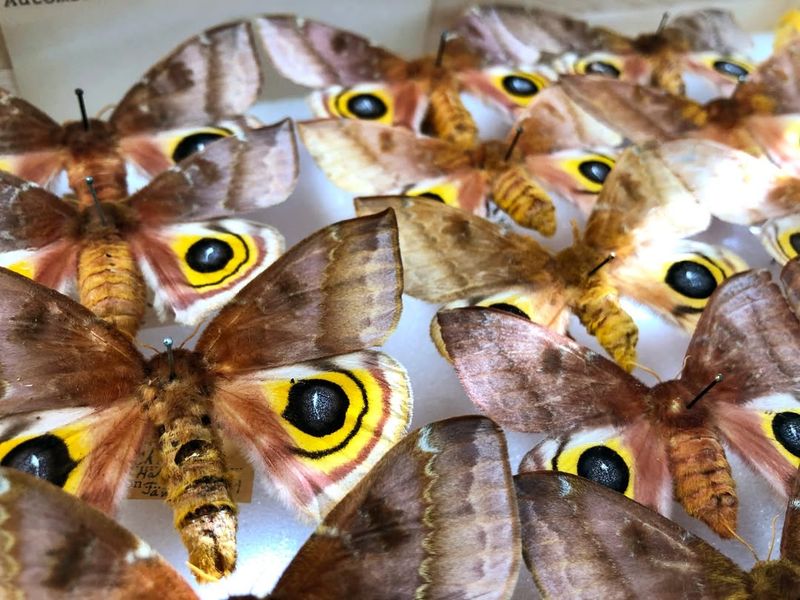
Despite their hazardous caterpillar stage, Io moths emerge as stunning adults with impressive yellow and eyespot-patterned wings.
Male Io moths display bright yellow forewings while females show reddish-brown coloring across their wing surfaces.
Both sexes feature large eyespots on their hindwings that startle predators and protect them from danger.
The transformation from dangerous caterpillar to harmless moth takes several weeks inside a papery brown cocoon.
Adult moths lack the venomous spines and pose no threat to South Carolina gardeners who encounter them.
Their wingspan reaches three inches across, making them one of the more noticeable moth species in the region.
Io moths are most active at night, attracted to porch lights and outdoor fixtures around homes and businesses.
Watching this complete metamorphosis reminds us how dramatically insects change throughout their life cycles.
Appreciating the adult moth stage helps balance concerns about the caterpillar form found in gardens.
7. Safe Removal Methods for Gardens
Removing Io moth caterpillars from your South Carolina garden requires careful planning and proper protective equipment.
Wear thick leather gloves and long sleeves before attempting to handle plants where caterpillars are feeding.
Using long tweezers or wooden sticks allows you to knock caterpillars into a bucket without making direct contact.
Some gardeners prefer spraying them off plants with a strong stream of water from the garden hose.
Relocating them to wild areas away from your garden gives them a chance to complete their life cycle safely.
Chemical sprays designed for caterpillars work but should be used carefully to avoid harming beneficial insects nearby.
Handpicking remains effective for small infestations, but always maintain your distance and use proper tools.
Never crush or squash them directly, as broken spines can still cause painful reactions even after the caterpillar stops moving.
Consistent monitoring and early removal prevent large populations from establishing themselves on your property.
8. Children and Pets Are Most Vulnerable
Young children playing outdoors in South Carolina yards face higher risks because they naturally explore and touch interesting things.
Their curiosity about colorful caterpillars often leads to painful encounters before they understand the danger involved.
Teaching kids to look but never touch unfamiliar insects creates safer habits during outdoor playtime and exploration.
Dogs and cats sometimes investigate or try to eat Io moth caterpillars, resulting in stings around their mouth and paws.
Pets may paw at their face, drool excessively, or show signs of distress after contact with these venomous creatures.
Supervising children and pets during garden activities helps prevent accidental contact with caterpillars hiding among plants.
Creating clear boundaries around areas where you have spotted caterpillars protects vulnerable family members from painful experiences.
Quick education about garden safety makes everyone more aware and cautious around unfamiliar insects they might encounter.
Keeping first aid supplies readily available ensures fast response if someone does accidentally touch one.
9. Natural Predators Keep Populations Controlled
Several natural predators help manage Io moth caterpillar numbers throughout South Carolina without human intervention needed.
Certain wasp species lay their eggs inside caterpillars, and the developing wasp larvae eventually consume their host.
Birds with thick beaks can sometimes eat these caterpillars despite their venomous spines offering some protection.
Ground beetles and assassin bugs prey on smaller caterpillars before they reach their full size and maximum spine development.
Spiders catch adult Io moths in their webs, reducing the number of eggs laid for the next generation.
Encouraging beneficial insects in your South Carolina garden creates a natural balance that limits pest populations.
Avoiding broad-spectrum pesticides helps preserve these helpful predators that work constantly to control caterpillar numbers.
Understanding this ecological balance shows why complete elimination is neither necessary nor beneficial for your landscape.
Nature provides its own pest management system when given the opportunity to function properly.
10. When to Seek Medical Attention
Most Io moth caterpillar stings cause temporary pain that resolves without professional medical care needed.
However, some South Carolina residents experience severe allergic reactions that require immediate attention from healthcare providers.
Difficulty breathing, chest tightness, or swelling of the face and throat indicate serious allergic responses requiring emergency services.
Intense pain that worsens after several hours or spreads beyond the contact area warrants a doctor visit.
Signs of infection like increasing redness, warmth, pus, or red streaks mean you need medical evaluation and possible antibiotics.
People with known insect allergies should seek medical advice even for seemingly minor reactions to caterpillar stings.
Young children and elderly individuals may need closer monitoring since their immune systems respond differently to venom.
Documenting the reaction with photos helps doctors assess severity if symptoms develop after your initial contact.
Trusting your instincts about seeking help ensures proper care when home treatment does not provide adequate relief.