12 Animals Found In Minnesota Yards That Carry A Message Of Hope
Minnesota yards transform into magical spaces where nature delivers powerful reminders that better days always arrive when we pay close attention to signs around us.
Watching wildlife in your backyard offers more than entertainment because these creatures carry symbolic meanings that inspire us to keep moving forward through tough times.
From colorful butterflies to graceful birds, each animal brings unique lessons about resilience, transformation, and the beauty of embracing change in our daily lives.
These twelve backyard visitors remind us that hope springs eternal, even during Minnesota’s coldest winters, when life seems frozen and impossibly distant from warmth.
1. American Robin
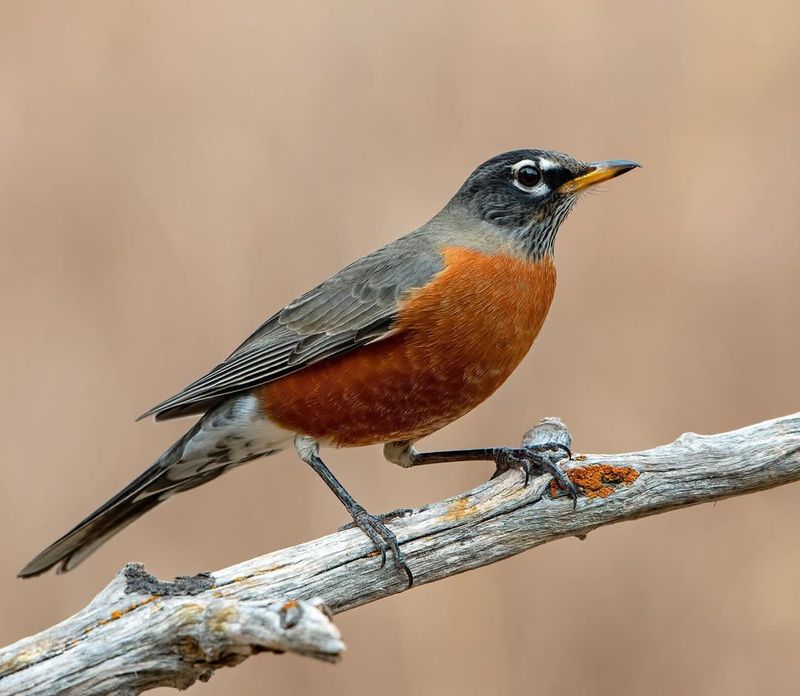
Every spring, the American Robin returns to Minnesota yards, signaling that warmer weather and brighter days are finally approaching after long winter months.
Their cheerful songs fill morning air with melodies that lift spirits and remind homeowners that nature follows dependable cycles of renewal and rebirth.
Robins build nests with determination, carefully selecting materials and constructing homes that protect their young from harsh elements and potential predators nearby.
Watching these birds hunt for earthworms teaches patience because they tilt their heads, listen carefully, and wait for the perfect moment to strike successfully.
Their orange breasts symbolize the warm sunrise, bringing light after darkness and encouraging everyone to embrace new beginnings with enthusiasm and positive energy.
Minnesota families often spot robins hopping across lawns, a sight that connects generations through shared memories of observing nature’s simple yet profound beauty.
These birds demonstrate resilience by adapting to urban environments, finding food and shelter even when natural habitats face challenges from development and climate shifts.
Spotting a robin in your yard serves as a gentle reminder that persistence pays off and that each season brings opportunities for growth.
2. Northern Cardinal
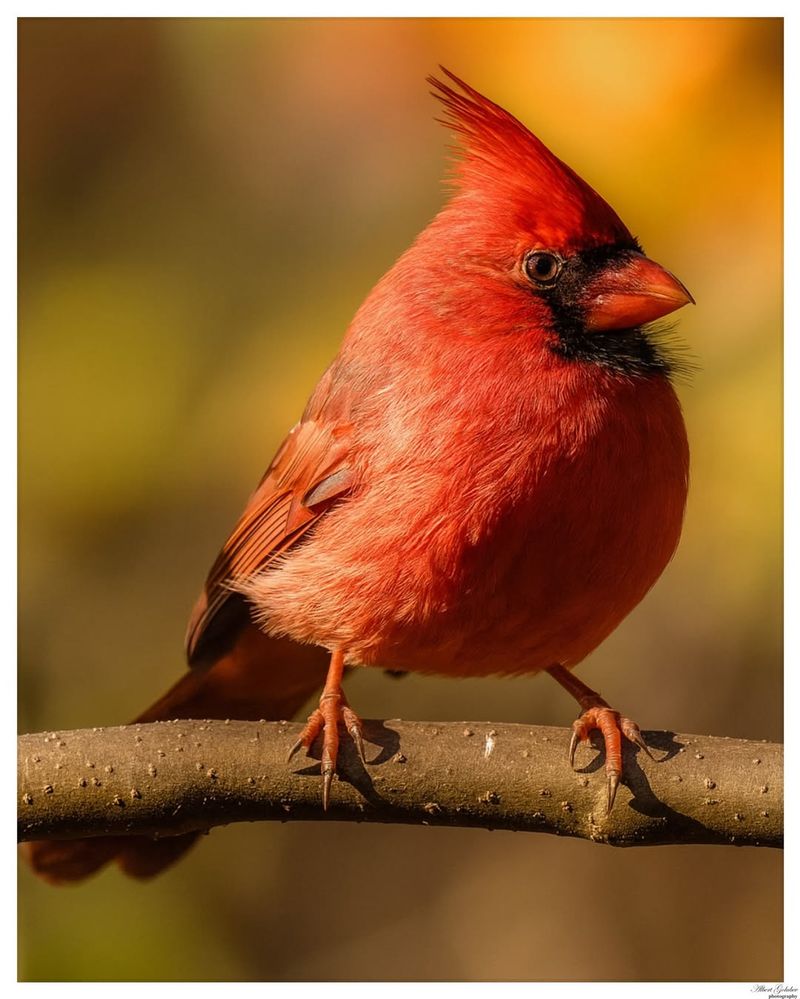
Brilliant red feathers make the Northern Cardinal impossible to miss, especially when snow blankets Minnesota yards and creates a stunning backdrop for their vibrant appearance.
Males sing year-round, their clear whistles cutting through cold air and offering reassurance that life continues even when temperatures drop below freezing outside.
Cardinals mate for life, symbolizing loyalty and commitment, values that inspire humans to cherish relationships and support loved ones through challenging periods of uncertainty.
Females sport softer brown plumage with red highlights, proving that beauty comes in many forms and that every individual contributes uniquely to their community.
These birds visit feeders daily, providing consistent entertainment and reminding homeowners that small acts of kindness, like filling birdseed, create meaningful connections with wildlife.
Their presence during winter months offers comfort because they refuse to migrate south, choosing instead to brave harsh conditions alongside Minnesota residents who endure similar struggles.
Watching cardinals crack sunflower seeds with powerful beaks demonstrates strength and resourcefulness, traits that help all creatures survive and thrive despite environmental obstacles.
Their territorial songs establish boundaries while also celebrating their existence, teaching listeners to stand confident and proud in their own unique spaces and identities.
3. Eastern Bluebird
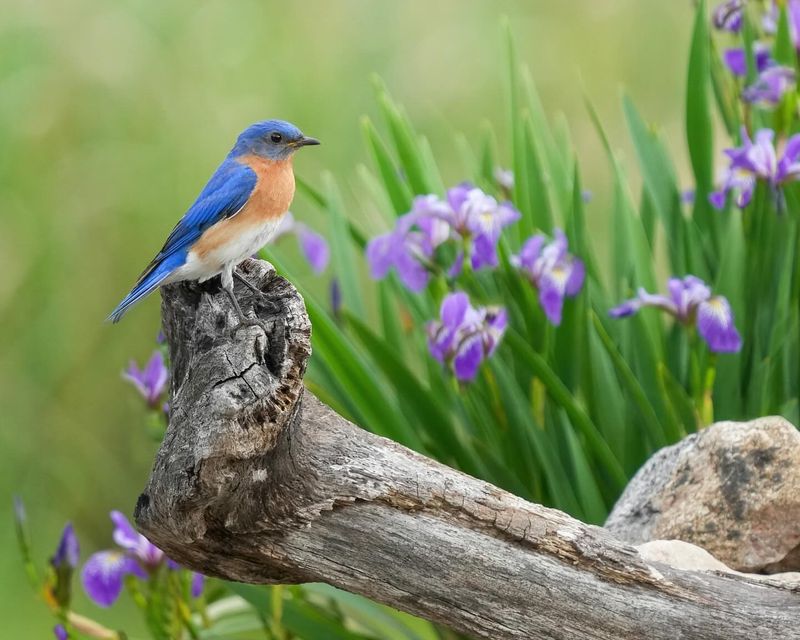
Spotting an Eastern Bluebird brings instant joy because their sky-colored feathers seem to carry pieces of heaven directly into Minnesota yards during pleasant weather.
These birds prefer open spaces with scattered trees, thriving in suburban areas where residents maintain lawns and provide nest boxes for their growing families.
Bluebirds faced population declines decades ago but recovered thanks to conservation efforts, proving that collective action creates positive change and restores balance to ecosystems.
Their diet includes insects and berries, helping control pests while spreading seeds that grow into new plants, demonstrating how every creature plays important ecological roles.
Males display brighter blue plumage than females, yet both parents share nesting duties equally, modeling partnership and cooperation that strengthens family units significantly.
Their soft warbling songs sound gentle and melodic, creating peaceful atmospheres that help people relax and appreciate quiet moments away from daily stresses and worries.
Bluebirds symbolize happiness across many cultures, making their appearance feel like a personal message from nature that better times are coming soon and inevitably.
Installing nest boxes encourages bluebirds to settle nearby, offering homeowners front-row seats to witness family dynamics and the miracle of new life unfolding naturally.
4. Monarch Butterfly
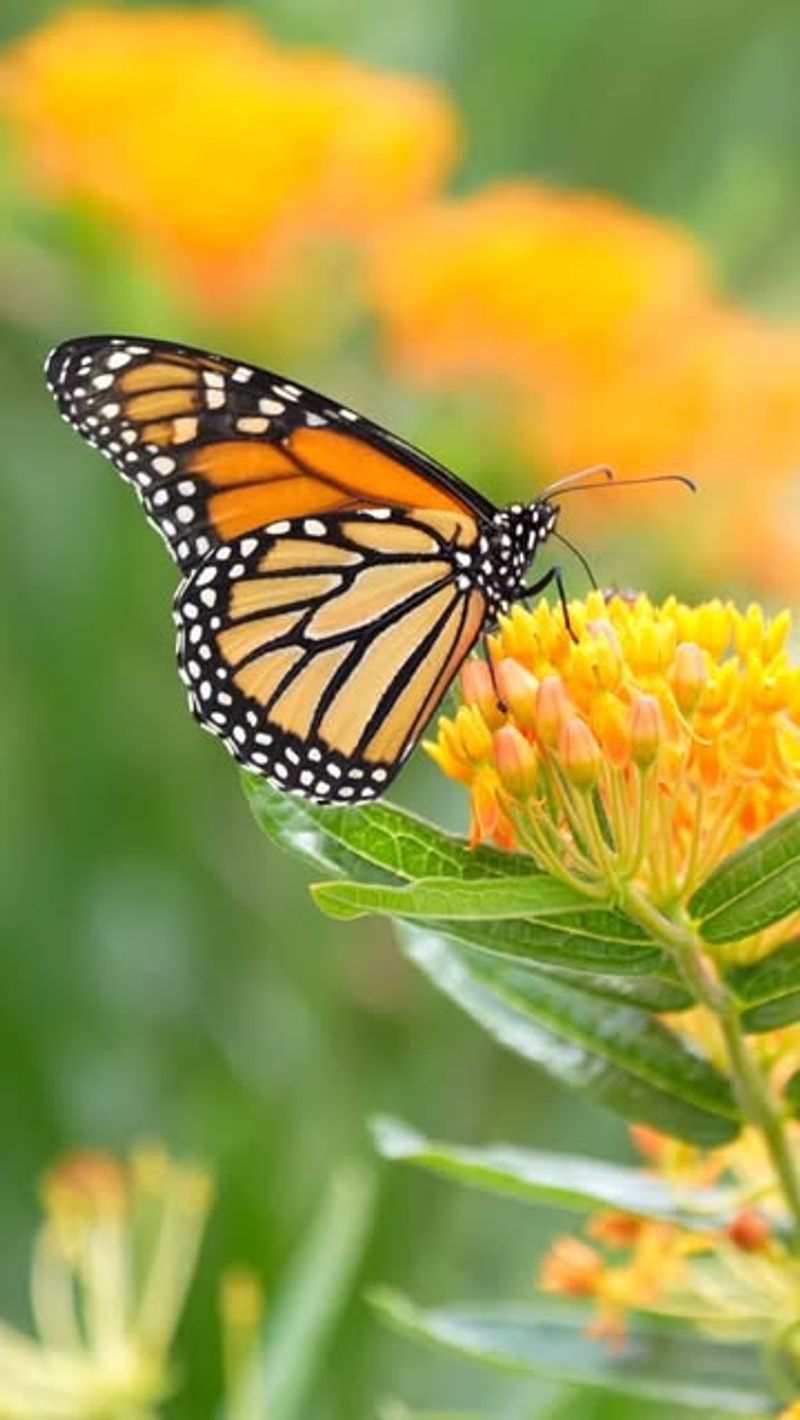
Monarch butterflies undergo complete transformation, changing from crawling caterpillars into graceful fliers, a process that perfectly illustrates hope and the possibility of dramatic personal change.
Their migration spans thousands of miles, traveling between Mexico and Minnesota, showing incredible determination and proving that even delicate creatures accomplish seemingly impossible journeys.
Orange and black wings create striking patterns that warn predators of toxicity, teaching observers that beauty often serves protective purposes beyond mere aesthetic appeal.
Milkweed plants serve as essential food sources for monarch caterpillars, reminding gardeners that supporting native species creates ripples of positive impact throughout entire ecosystems.
Watching monarchs flutter through yards feels magical because their presence seems fleeting and precious, encouraging mindfulness and appreciation for temporary moments of natural wonder.
These butterflies face habitat loss and climate challenges, yet conservation groups work tirelessly to protect migration routes and ensure future generations witness their remarkable journeys.
Metamorphosis takes weeks inside chrysalises, hidden processes that result in breathtaking transformations, symbolizing how patience and faith lead to beautiful outcomes worth waiting for.
Planting pollinator gardens attracts monarchs while supporting bees and other beneficial insects, creating vibrant spaces that celebrate biodiversity and ecological health in Minnesota neighborhoods.
5. White-Tailed Deer
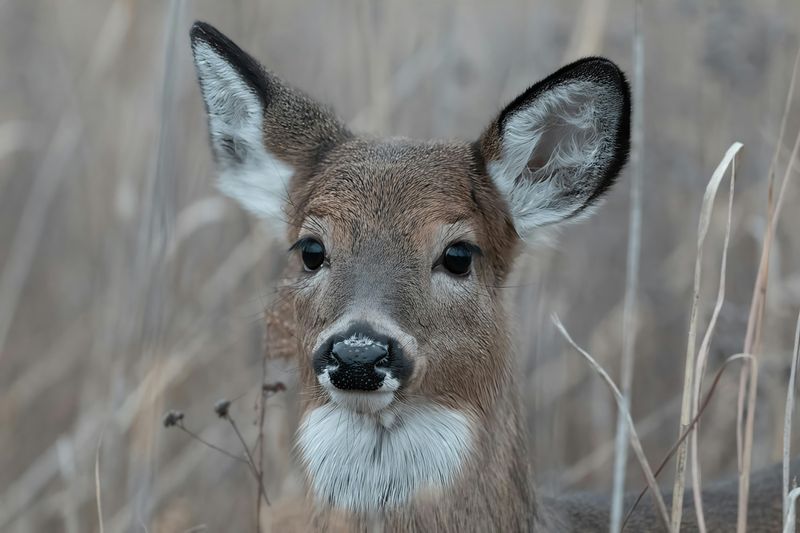
White-tailed deer move gracefully through Minnesota yards, their cautious steps and alert ears demonstrating constant awareness and the importance of staying mindful of surroundings.
Does care for fawns with tender attention, licking them clean and hiding them in tall grass, showing protective instincts that mirror human parental devotion.
Their white tails flash upward when alarmed, signaling danger to other deer and reminding observers that communication helps communities stay safe and informed together.
Deer browse on plants and shrubs, sometimes frustrating gardeners, yet their presence indicates healthy ecosystems where wildlife corridors connect fragmented habitats successfully across regions.
During autumn, bucks grow impressive antlers that symbolize strength and seasonal change, illustrating how living things adapt physically to meet different environmental demands throughout years.
Spotting deer at dawn or dusk creates memorable moments because their appearance feels like encountering wilderness magic right outside kitchen windows in suburban neighborhoods.
These animals survive harsh winters by conserving energy and seeking sheltered areas, teaching lessons about endurance and making smart choices during difficult circumstances.
Their adaptability allows them to thrive near human developments, proving that coexistence remains possible when people respect wildlife needs and maintain thoughtful landscape practices.
6. Snowshoe Hare
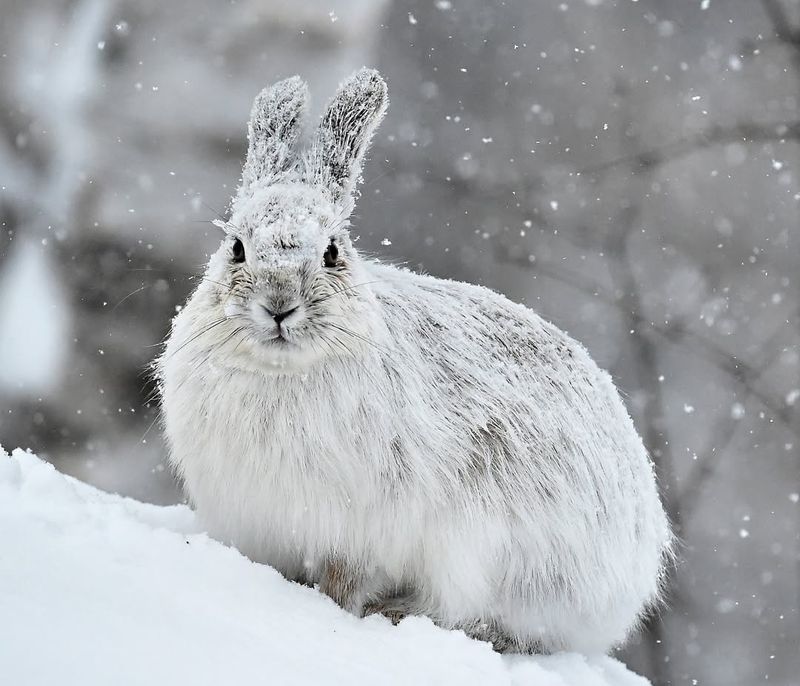
Snowshoe hares change coat colors seasonally, turning white in winter and brown in summer, demonstrating remarkable adaptation that helps them survive Minnesota’s extreme temperature swings.
Their oversized hind feet act like natural snowshoes, distributing weight across snowy surfaces and allowing them to move efficiently where other animals struggle terribly.
Hares remain active throughout winter instead of hibernating, showing that staying engaged and maintaining routines helps creatures endure long periods of cold darkness successfully.
Their diet shifts with seasons, eating tender shoots in summer and gnawing bark in winter, illustrating flexibility and resourcefulness when preferred foods become unavailable.
Predators constantly hunt snowshoe hares, yet their populations persist through high reproduction rates, teaching that resilience often involves bouncing back after setbacks and losses.
Watching hares bound across snowy yards delights observers because their energetic movements contrast sharply with winter’s stillness, injecting vitality into frozen landscapes that seem lifeless.
Their camouflage abilities remind people that sometimes blending in and staying quiet offers the best strategy for navigating dangerous or uncertain situations with minimal risk.
Snowshoe hares symbolize transformation because their color changes represent adaptation, a hopeful message that we too can adjust ourselves to meet whatever challenges life presents.
7. Firefly
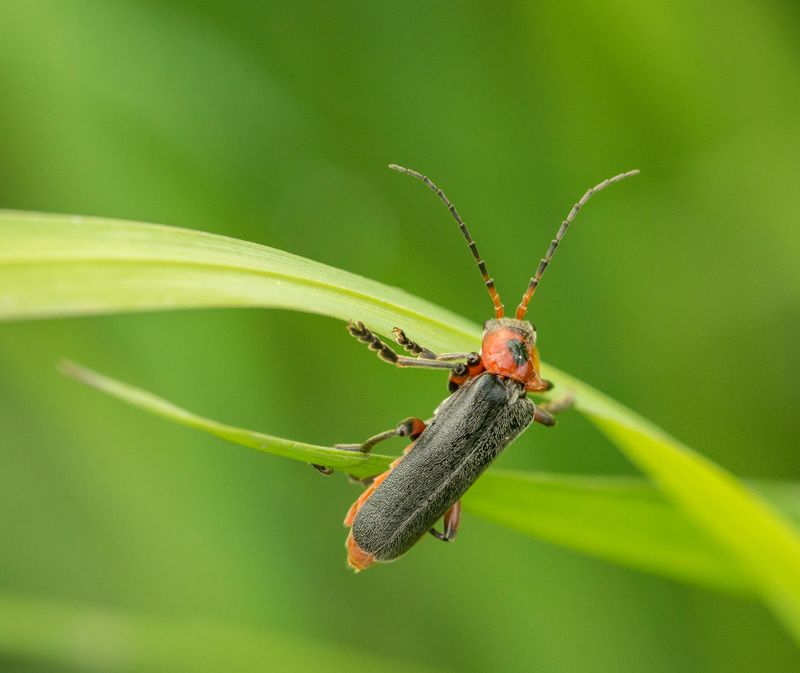
Fireflies illuminate Minnesota yards on summer evenings, their bioluminescent flashes creating natural light shows that captivate children and adults alike with simple magic.
These beetles produce light through chemical reactions, a fascinating biological process that demonstrates how nature engineers solutions far beyond current human technological capabilities today.
Males flash specific patterns to attract females, communicating through light language that proves connection happens in countless creative ways across different species and environments.
Firefly populations decline in areas with excessive artificial lighting, reminding communities that preserving darkness matters for wildlife and that small environmental changes impact ecosystems significantly.
Their larvae glow too, earning the nickname glowworms, and they feed on snails and slugs, providing natural pest control while developing into their famous adult forms.
Watching fireflies blink across lawns evokes nostalgia and wonder, transporting observers back to childhood memories when catching lightning bugs in jars felt like capturing starlight itself.
Their brief adult lives last only weeks, yet they make those moments count through brilliant displays, teaching that quality matters more than quantity in experiences.
Fireflies symbolize hope because they literally bring light to darkness, offering visual reminders that even tiny creatures can illuminate surroundings and inspire awe and joy.
8. Painted Turtle
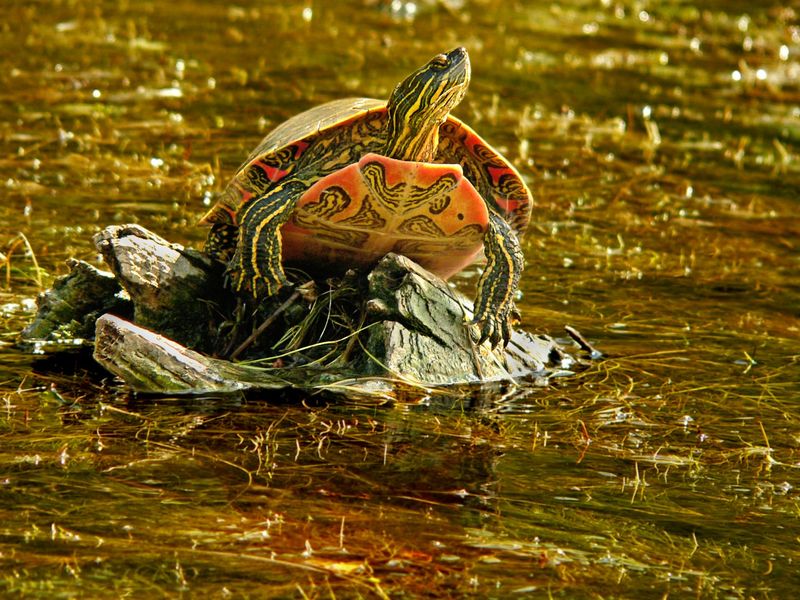
Painted turtles bask on logs in backyard ponds, soaking up sunlight that warms their bodies and regulates metabolism, showing how rest and recharging energy remain essential.
Their colorful shells feature red and yellow markings that brighten aquatic environments, proving that even slow-moving creatures carry vibrant beauty beneath unassuming exterior appearances at first glance.
These turtles survive Minnesota winters by burying themselves in pond mud and slowing bodily functions dramatically, demonstrating that sometimes withdrawing and conserving energy ensures long-term survival.
Females travel surprising distances to lay eggs in sandy soil, exhibiting determination and maternal instinct that drives them to seek perfect nesting locations despite risks.
Hatchlings face numerous predators, yet enough survive to maintain populations, illustrating that persistence and numbers help species overcome tremendous odds stacked heavily against them.
Watching turtles glide through water with webbed feet reveals grace that contradicts their clumsy land movements, reminding observers that everyone has environments where they excel naturally.
Painted turtles can live decades, their longevity symbolizing endurance and the rewards of patience, as they witness countless seasons change around their aquatic homes peacefully.
Creating turtle-friendly ponds with basking spots and native plants supports these reptiles while adding tranquil focal points that enhance backyard landscapes and encourage wildlife diversity.
9. Sandhill Crane
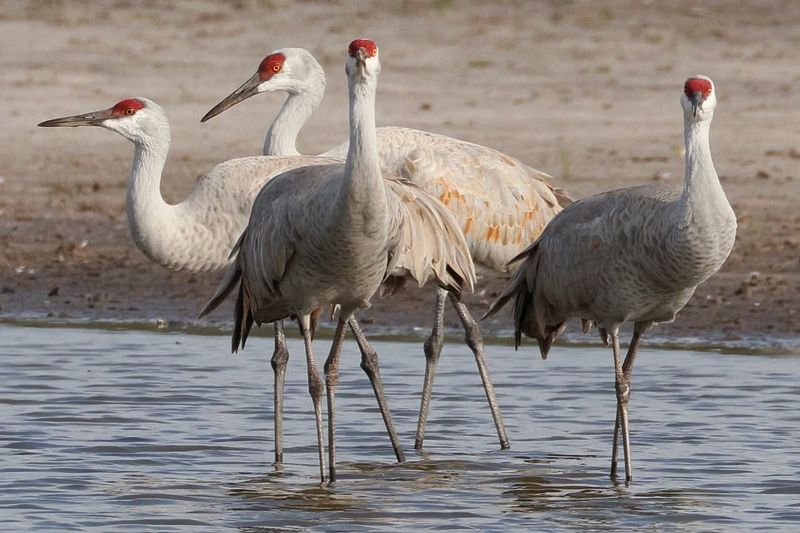
Sandhill cranes stand nearly four feet tall, their impressive size and elegant posture commanding attention whenever they appear in Minnesota yards near wetland areas.
Their rattling calls carry across long distances, ancient sounds that connect modern listeners to prehistoric times when similar crane species roamed Earth alongside dinosaurs long ago.
These birds mate for life and perform elaborate courtship dances, leaping and bowing in synchronized movements that celebrate partnership and the joy of committed relationships.
Cranes migrate in large flocks, their V-formations crossing skies during spring and fall, demonstrating that traveling together provides support and efficiency for long journeys.
They feed on grains, insects, and small animals, showing dietary flexibility that allows them to adapt to various habitats and food availability throughout different seasons.
Watching cranes forage in fields or marshes offers glimpses into wild behaviors that seem both foreign and familiar, bridging gaps between human and animal experiences.
Conservation efforts helped sandhill crane populations recover after historical declines, proving that dedicated protection work reverses negative trends and restores species to healthy numbers successfully.
Their presence symbolizes hope because cranes represent longevity and good fortune in many cultures, making their visits feel like blessings delivered directly from nature itself.
10. Honeybee
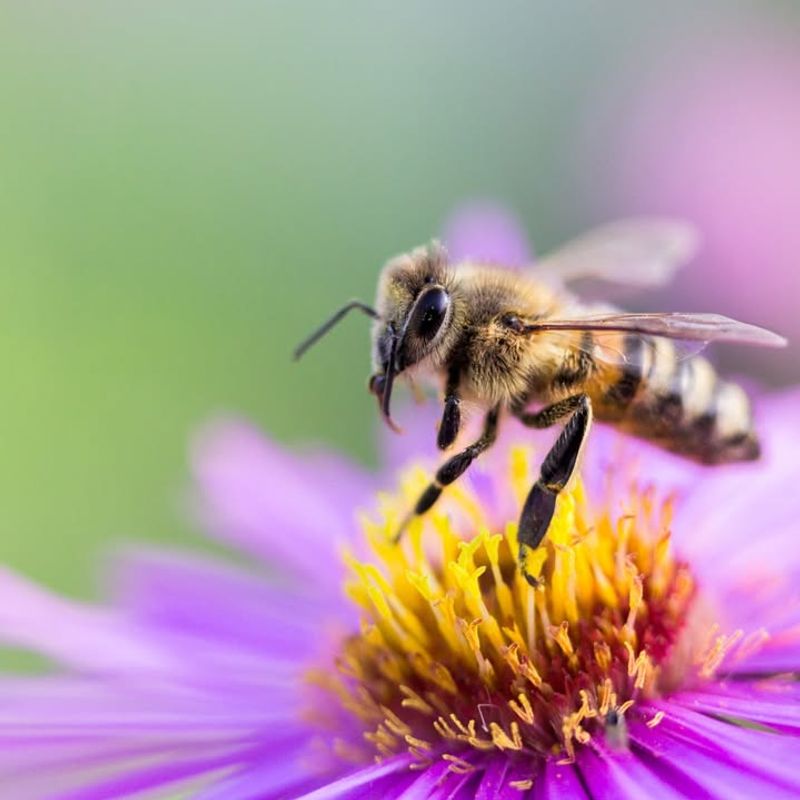
Honeybees buzz through Minnesota gardens, visiting flowers and collecting pollen that sustains their colonies while simultaneously pollinating plants that produce fruits and vegetables humans enjoy.
Their complex social structures include queens, workers, and drones, each fulfilling specific roles that demonstrate how cooperation and specialization create thriving, efficient communities successfully.
Bees communicate through waggle dances, sharing information about flower locations with remarkable precision, proving that effective communication transcends language and takes many creative forms naturally.
Colonies survive winter by clustering together and vibrating muscles to generate heat, showing that unity and shared effort help groups endure harsh conditions cooperatively.
Honeybees face threats from pesticides, diseases, and habitat loss, yet beekeepers and conservationists work tirelessly to protect these essential pollinators and ensure food security.
Watching bees work tirelessly from flower to flower inspires admiration for their dedication and industriousness, qualities that remind people about the value of hard work.
Their production of honey provides sweet rewards that result from collective effort, symbolizing how patience and collaboration yield benefits that individuals alone could never achieve.
Planting bee-friendly flowers supports pollinators while beautifying yards, creating colorful spaces that buzz with life and contribute positively to local ecosystems and global food systems.
11. Red Fox
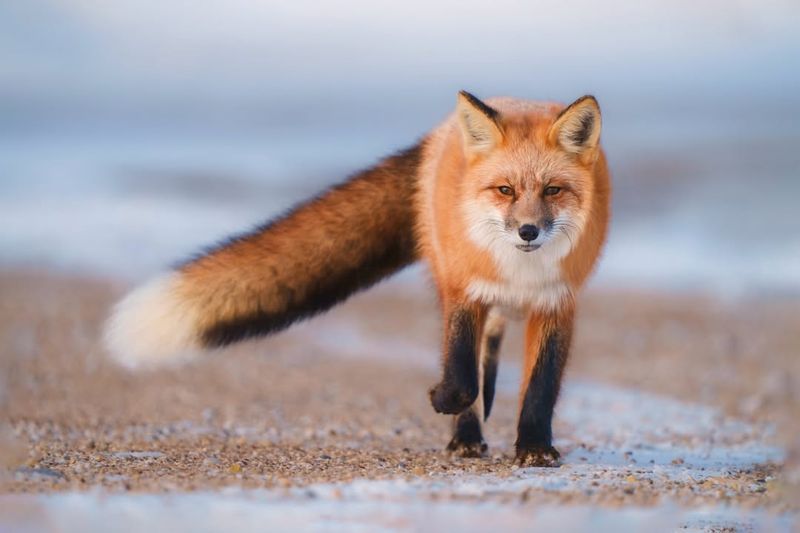
Red foxes possess striking rusty coats and bushy tails tipped with white, creating memorable silhouettes when they trot through Minnesota yards during dawn or dusk hours.
These clever animals adapt to urban environments remarkably well, finding food and shelter in areas where wilderness meets human development, proving that intelligence fosters successful adaptation.
Foxes hunt rodents and rabbits, providing natural pest control that benefits homeowners while maintaining ecological balance between predator and prey populations in local neighborhoods effectively.
Their playful behavior, especially when young kits tumble and wrestle near dens, entertains observers and reminds everyone that joy and play remain important throughout life.
Foxes communicate through various vocalizations including barks and screams, sounds that sometimes startle people unfamiliar with their wide range of vocal expressions at nighttime.
Solitary hunters, foxes demonstrate self-reliance and confidence, traits that inspire admiration and respect for creatures that thrive independently without large social groups supporting them constantly.
Their ability to survive harsh winters through thick fur and cached food supplies teaches lessons about preparation and foresight that apply to human planning efforts.
Spotting a red fox feels special because these elusive animals rarely show themselves openly, making each sighting a gift that reinforces connections between humans and wildlife.
12. Mourning Dove
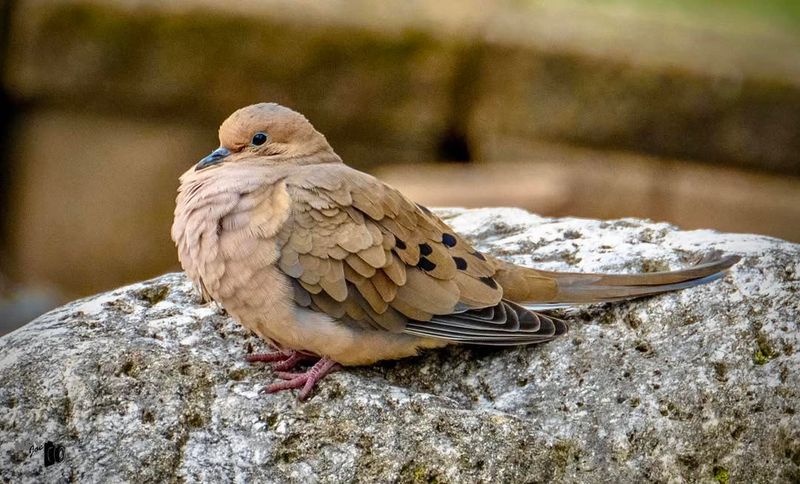
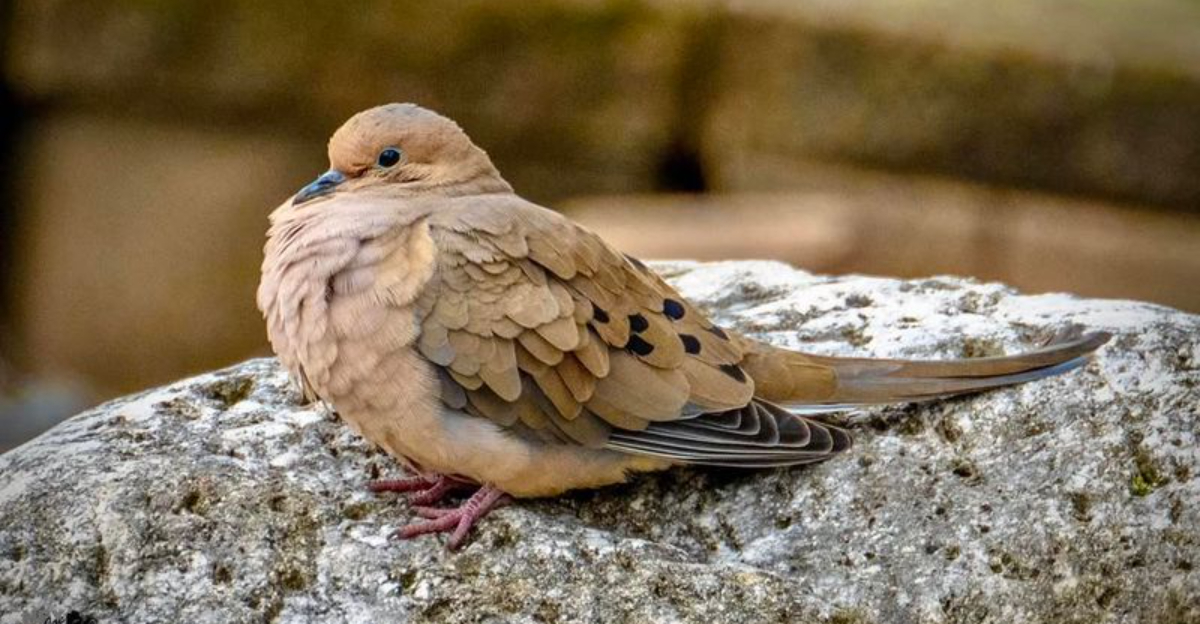
Mourning doves produce soft, melancholy calls that drift through Minnesota mornings, creating soundtracks that evoke peace and reflection despite their somewhat sad-sounding tones initially heard.
Their gentle nature and calm demeanor make them popular backyard visitors, as they feed quietly on the ground and rarely display aggressive behaviors toward other birds.
Doves mate for life and share parenting duties equally, with both parents producing crop milk to feed their young, demonstrating partnership and shared responsibility beautifully.
Their rapid, whistling wing beats create distinctive sounds during flight, alerting observers to their presence even when the birds themselves remain partially hidden by foliage.
Mourning doves adapt to various habitats, from forests to cities, showing remarkable flexibility that allows them to thrive across diverse landscapes throughout North America successfully.
They symbolize peace and hope across numerous cultures, making their presence feel spiritually significant and comforting to people seeking reassurance during troubling times or transitions.
Watching doves preen and rest together on branches illustrates contentment and companionship, reminding viewers that simple moments shared with loved ones create profound happiness.
Their year-round presence in Minnesota provides consistency and familiarity, offering steady reminders that some things remain constant even when everything else seems to change rapidly.