10 Animals In Your New York Yard That Quietly Symbolize Hope
Hope has a funny way of showing up when you least expect it, sometimes right outside your window.
In New York yards, everyday animals often carry deeper meaning, quietly reminding people that brighter days are ahead.
These small visitors come and go without much fuss, yet their presence can feel like a gentle nod from nature.
A bird returning after a long winter, a rabbit nibbling fresh grass, or a butterfly drifting through the air can stir something familiar.
For generations, people have linked animals like these to renewal, resilience, and fresh starts.
They appear during moments of change, turning ordinary yard sightings into something more meaningful.
It is not about superstition, but about patterns that have stood the test of time.
City noise and busy schedules make it easy to miss these moments.
Still, when you slow down and take a closer look, these animals seem to arrive right on cue.
They remind us that life keeps moving forward, even after tough seasons.
In a place as fast paced as New York, these quiet symbols offer comfort without saying a word.
Sometimes, hope does not need a grand entrance. It simply wanders into the yard and waits to be noticed.
1. American Robin
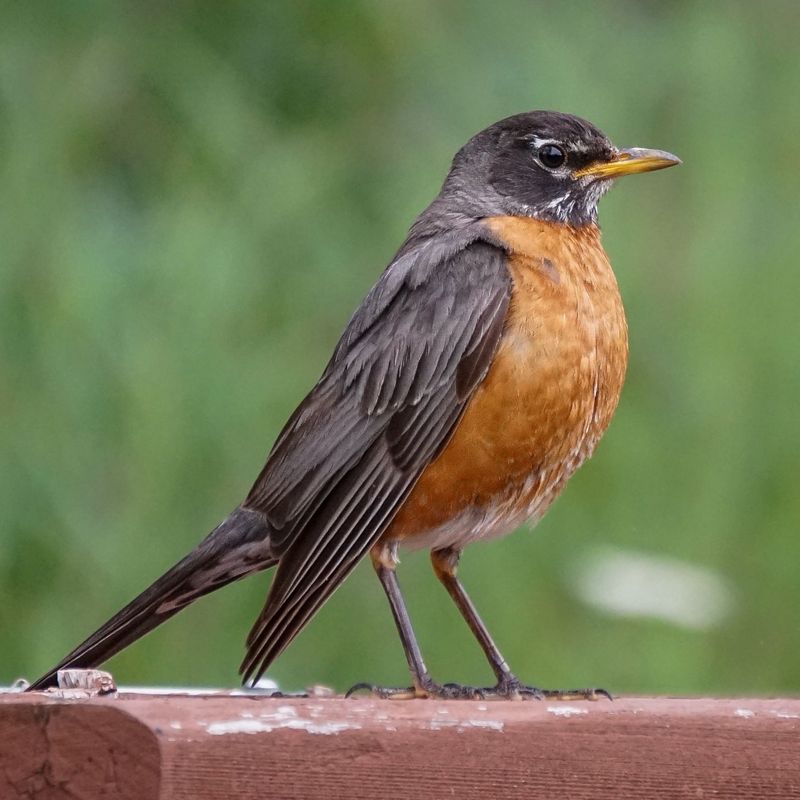
Robins show up when winter finally loosens its grip on New York, bringing the first real signs that warmer weather is coming.
Their bright orange chests stand out against brown earth and green grass, making them easy to spot as they hop around searching for worms.
People across New York have watched robins for generations, knowing their arrival means spring has truly begun.
Seeing one in your yard feels like getting a personal message that tough times are ending.
They build their nests with mud and grass, creating safe homes for their babies right in trees you pass every day.
Robins work hard, pulling worms from the soil with determination that shows real persistence.
Their cheerful song fills early mornings with sound that feels like nature is celebrating.
When everything seems stuck or difficult, a robin reminds you that change is always possible.
They return year after year to the same neighborhoods, showing loyalty and consistency.
In New York yards from Long Island to the Finger Lakes, robins represent the promise that better seasons always follow the hard ones.
Their presence says that renewal is not just possible but guaranteed.
Watching them raise their young teaches patience and care.
Every robin you see is proof that hope returns, just like spring always does.
2. Monarch Butterfly
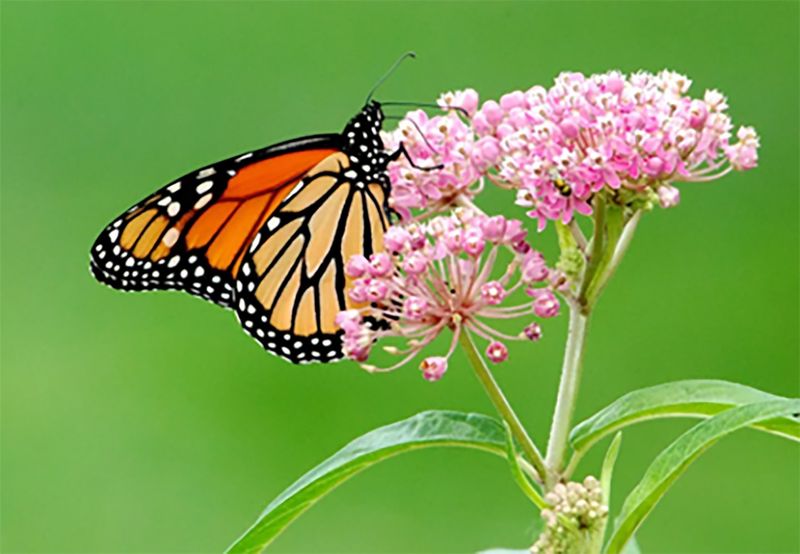
Few creatures transform as dramatically as the monarch butterfly, making it a living example of complete change and new beginnings.
Starting as a tiny caterpillar munching on milkweed leaves, it eventually wraps itself in a chrysalis and emerges as something entirely different.
This incredible journey from crawling insect to flying beauty shows that transformation is real and possible.
New York gardens that have milkweed plants often attract these stunning visitors during summer months.
Their orange and black wings seem to glow in sunlight, catching your eye immediately.
Monarchs travel thousands of miles during migration, showing courage and endurance that seems impossible for something so delicate.
When you spot one floating through your yard, it serves as a reminder that you can also become something new.
The struggles you face now are just one stage of your story.
Monarchs teach us that waiting through difficult times leads to beautiful outcomes.
Their fragile appearance hides surprising strength and determination.
Across New York, from city community gardens to rural flower patches, these butterflies bring messages of personal growth.
They prove that even the smallest creatures can accomplish amazing journeys.
Watching a monarch rest on a flower reminds you to trust your own process of change.
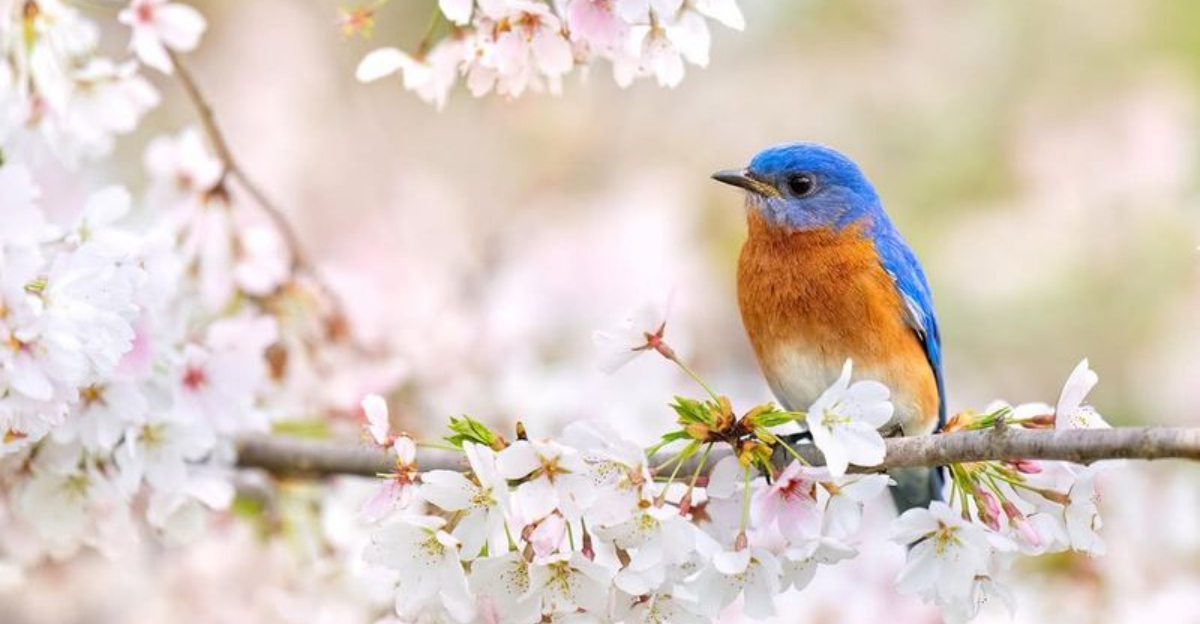
3. Eastern Bluebird
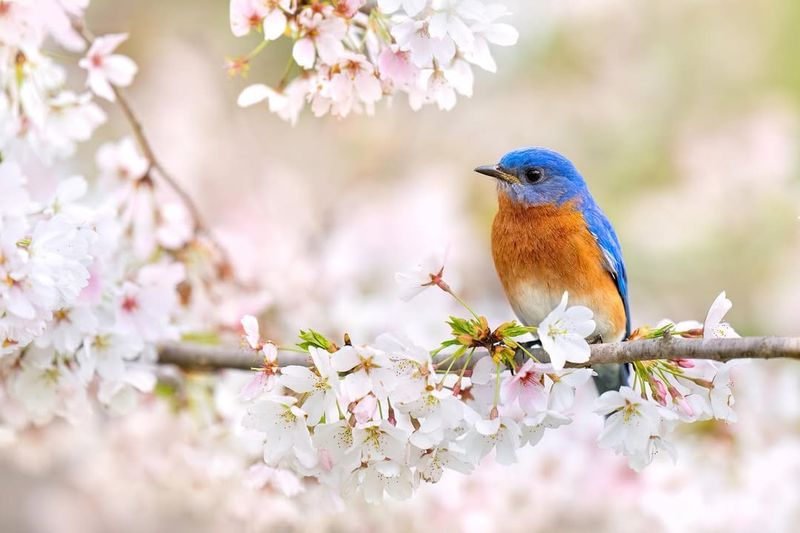
Bluebirds carry happiness in their very name, and their stunning azure feathers make them one of the most beautiful visitors to New York yards.
Spotting one perched on a fence post or birdhouse feels like discovering a small piece of sky has come down to visit you personally.
These birds faced serious population declines decades ago but have made a remarkable comeback thanks to conservation efforts across the state.
Their recovery story is itself a tale of hope and human care making a real difference.
Bluebirds prefer open spaces with scattered trees, which makes suburban New York neighborhoods perfect for them.
Males display brilliant blue backs and rusty-orange breasts that seem almost too colorful to be real.
They hunt insects from perches, watching carefully before swooping down to catch their meals.
Families often compete for the best nesting boxes, showing us that home and family matter deeply.
Their soft warbling songs add gentle music to spring and summer days.
When a bluebird visits your yard, it brings a reminder that setbacks can be overcome.
Their presence across New York proves that with effort and care, populations can recover and thrive again.
Watching them successfully raise their young in backyard nest boxes shows that providing help creates real results.
4. Red Fox
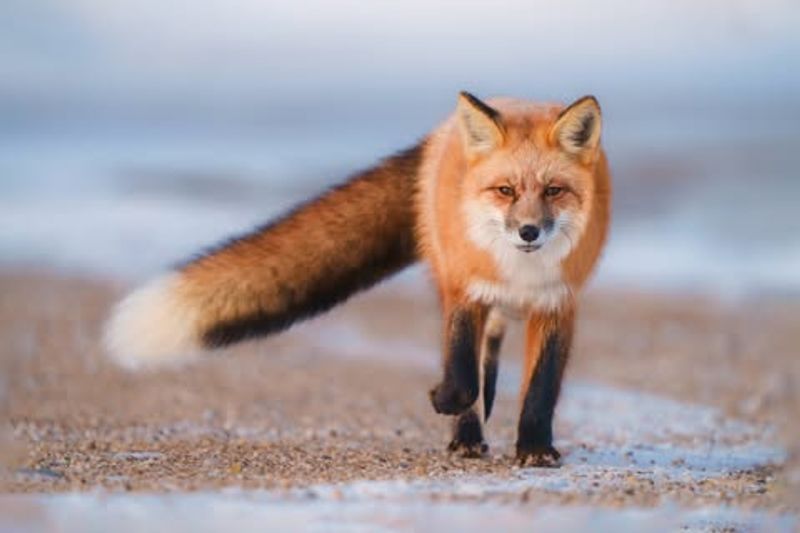
Foxes have learned to live alongside humans throughout New York, showing remarkable adaptability even as cities and suburbs expand into their territory.
Their russet coats and bushy white-tipped tails make them unmistakable when they trot through yards at dawn or dusk.
Seeing a fox reminds you that wildlife finds ways to survive and even thrive despite major changes to their world.
They’re clever problem-solvers who figure out how to find food and shelter in neighborhoods that didn’t exist when their grandparents roamed.
Foxes represent intelligence and resourcefulness, qualities that help during challenging times.
They move with confidence through spaces that belong to both nature and people, creating a balance between two worlds.
Many New York homeowners report spotting foxes near their properties, especially in areas bordering parks or wooded spaces.
Rather than running away from change, foxes embrace it and adjust their behavior accordingly.
Watching one navigate your yard with careful steps teaches lessons about flexibility and courage.
They raise their kits in dens that might be surprisingly close to human homes, showing trust in their ability to coexist.
Their survival across New York, from Westchester suburbs to rural farmlands, proves that adapting to new situations is possible.
A fox sighting reminds you that intelligence and flexibility help overcome obstacles that seem impossible at first.
5. Ruby-Throated Hummingbird
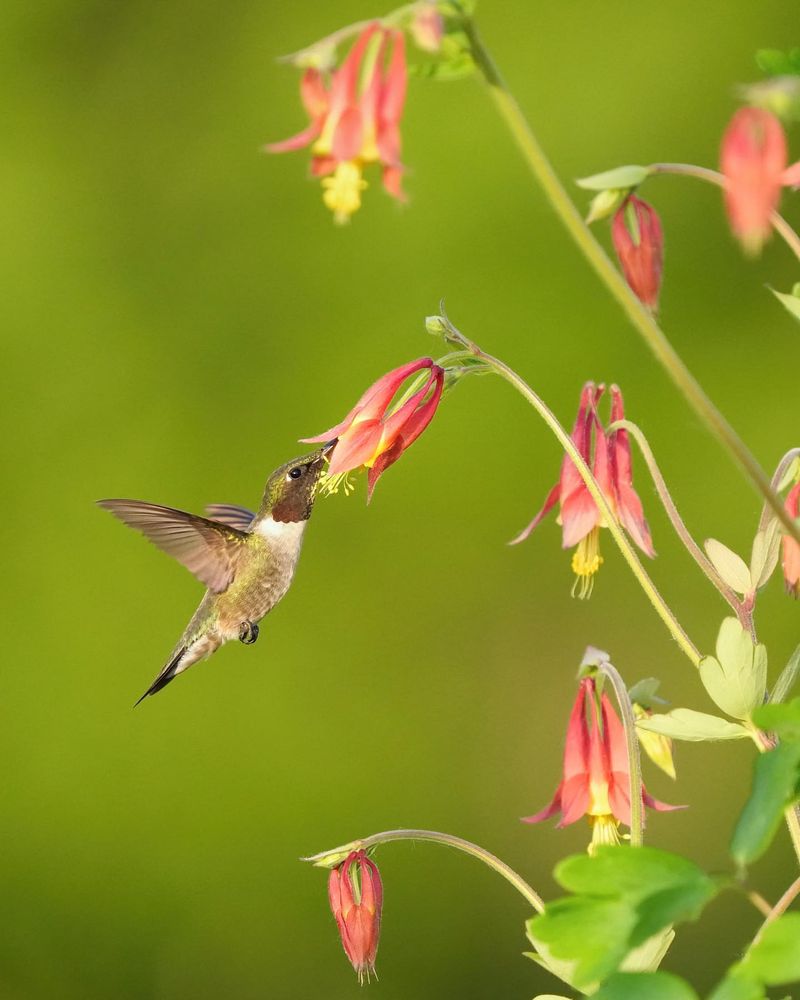
Hummingbirds seem to defy physics as they hover in mid-air, their wings beating so fast they become invisible blurs.
The ruby-throated variety visits New York each summer, traveling from Central America in a journey that seems impossible for something weighing less than a nickel.
Males flash brilliant red throats that shimmer like jewels when sunlight hits them at the right angle.
These tiny birds burn energy incredibly fast, needing to eat constantly throughout the day just to survive.
Despite their small size, they’re fiercely territorial and will chase away birds many times larger.
Watching a hummingbird visit your flowers or feeder brings instant joy and amazement to any moment.
Their fearless nature reminds you that size doesn’t determine courage or capability.
They migrate alone rather than in flocks, showing independence and self-reliance that’s truly impressive.
Some even cross the Gulf of Mexico in a single non-stop flight, proving that determination can carry you through seemingly impossible challenges.
New York gardeners who plant tubular flowers often attract these aerial acrobats throughout summer months.
Their presence says that even the smallest among us can accomplish extraordinary things.
Hummingbirds teach that constant movement and persistence keep you alive and thriving.
When you feel too small to make a difference, remember these mighty little creatures and their incredible journeys.
6. Eastern Cottontail Rabbit
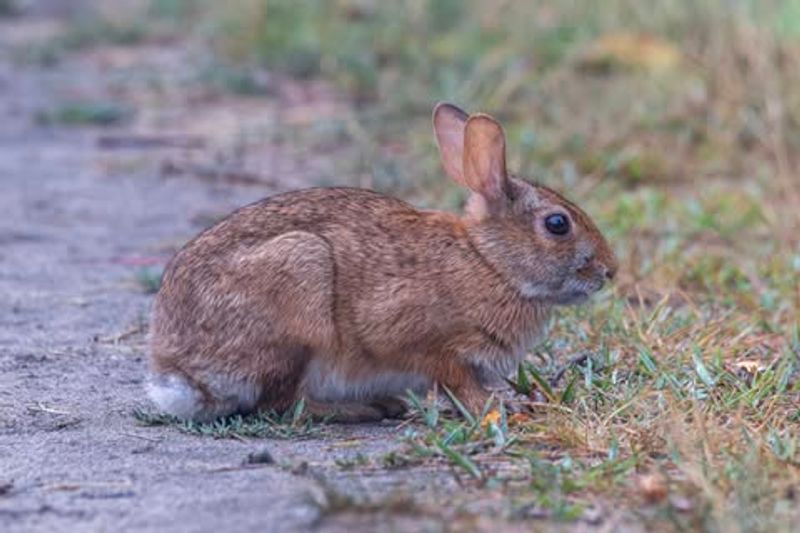
Cottontail rabbits are among the most common yard visitors across New York, yet they never lose their charm or the smiles they bring to people who spot them.
Their soft gray-brown fur and distinctive white cotton-ball tails make them instantly recognizable as they nibble clover or freeze motionless when sensing danger.
Rabbits symbolize fertility and abundance in many cultures, representing the idea that life continues and multiplies even during hard times.
They have large families, with mothers raising multiple litters each year in nests hidden in tall grass or under bushes.
This productivity reminds us that life finds ways to continue and flourish.
Cottontails are most active during dawn and dusk, those in-between times when day transitions to night.
Their presence in your yard shows that your space provides what they need to survive and raise their young.
Baby bunnies, called kits, are born helpless but grow quickly into independent rabbits within weeks.
Watching this rapid development teaches lessons about growth and reaching your potential.
Throughout New York neighborhoods, from Albany to Buffalo, cottontails quietly go about their lives, representing renewal and the cycles of nature.
They’ve lived alongside humans for generations, adapting to lawns and gardens while maintaining their wild nature.
A rabbit munching peacefully in your yard reminds you that life’s simple pleasures matter most.
7. Mourning Dove
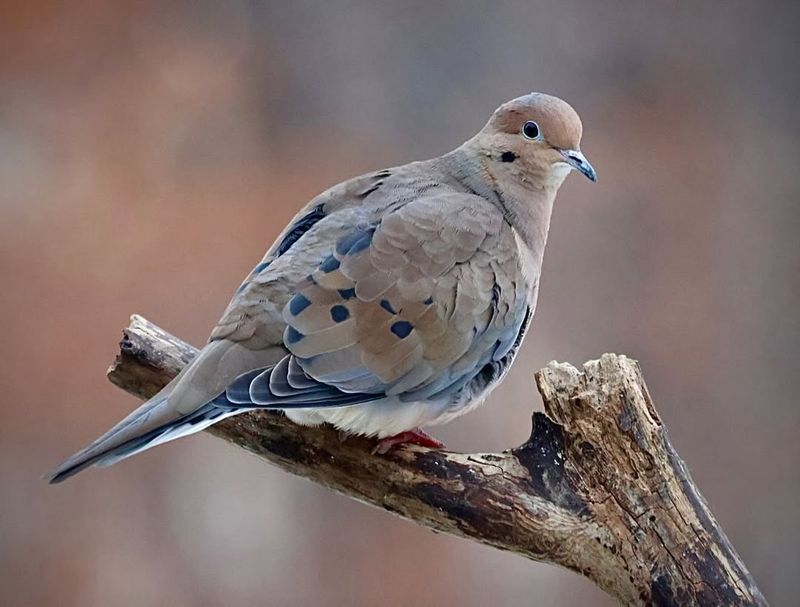
Despite their name suggesting sadness, mourning doves actually represent peace, love, and the comfort of companionship.
Their gentle cooing sounds fill New York mornings and evenings with soft music that many people find soothing and calming.
Doves mate for life, staying with the same partner year after year and working together to build nests and raise their young.
This loyalty makes them powerful symbols of lasting commitment and faithful love.
You’ll often see them in pairs, sitting close together on wires or foraging on the ground side by side.
Their soft gray-brown feathers help them blend into trees and fences, but their distinctive calls always give away their presence.
Mourning doves are year-round residents in many parts of New York, providing constant companionship through all seasons.
They eat seeds from the ground, cleaning up spilled birdseed under feeders and helping keep yards tidy.
When startled, their wings make a whistling sound as they take flight, a distinctive noise that’s instantly recognizable.
Their calm demeanor and peaceful nature bring a sense of tranquility to any space they occupy.
Across New York, from Rochester to the Hudson Valley, these doves remind us that gentle persistence and partnership help us through life’s challenges.
Their presence says that companionship and loyalty are gifts that sustain us through difficult times.
8. Painted Lady Butterfly
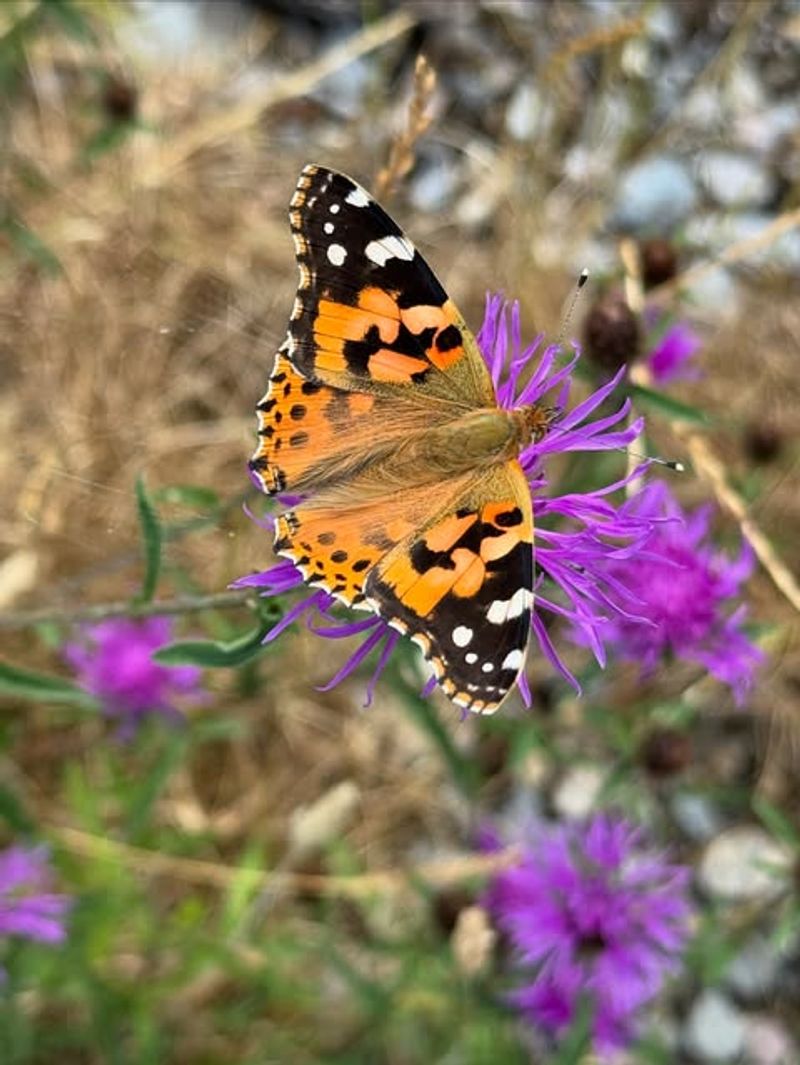
Painted ladies earn their name through the beautiful patterns decorating their wings in shades of orange, brown, black, and white.
These butterflies are true world travelers, found on every continent except Antarctica, making them one of the most widespread butterfly species on Earth.
They migrate in huge numbers, sometimes appearing across New York in spectacular waves that fill gardens and fields with fluttering wings.
Unlike monarchs who follow the same routes annually, painted ladies travel more unpredictably, reminding us that not all journeys follow straight paths.
Their caterpillars eat thistle plants and other common weeds, turning plants many people consider nuisances into beautiful butterflies.
This transformation from unwanted to admired mirrors how perspectives can shift completely when you look at situations differently.
Painted ladies don’t live long as adults, usually just a few weeks, but they make the most of their time by traveling vast distances and producing the next generation.
Their brief but purposeful lives teach us to make each moment count.
When dozens or hundreds appear in your New York yard during migration years, it feels like nature is throwing a celebration.
They visit many different flowers, spreading pollen and helping gardens grow.
Their global presence and ability to thrive almost anywhere shows that resilience and adaptability open up the entire world as your home.
9. Eastern Chipmunk
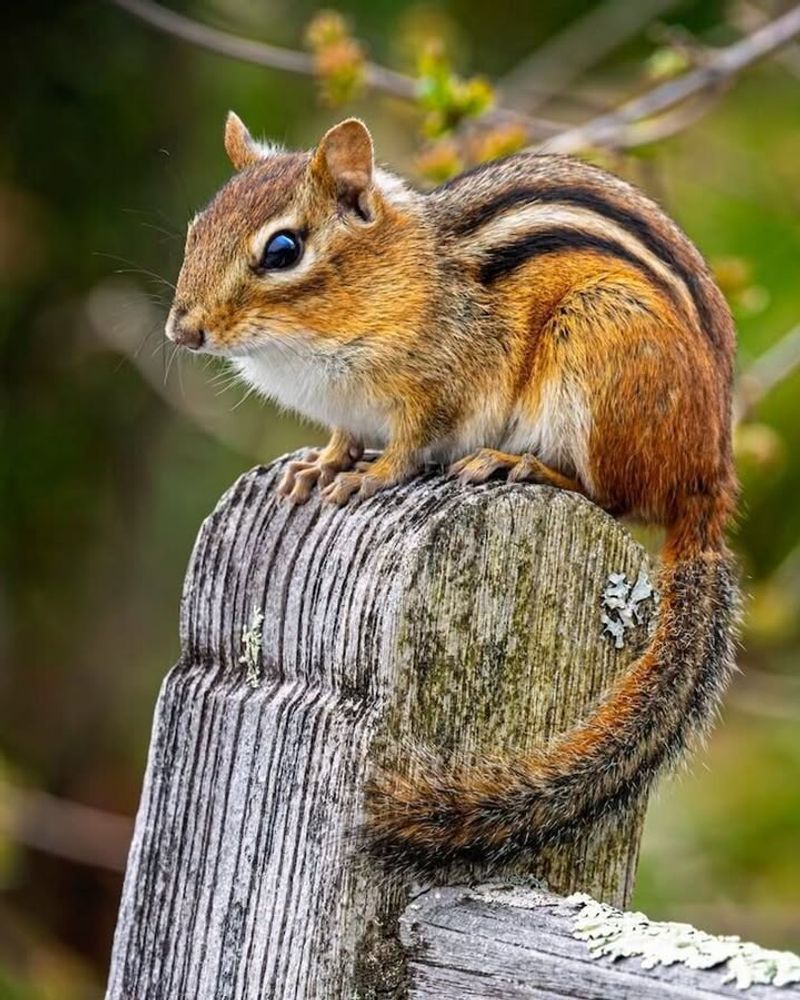
Chipmunks bring energy and entertainment to New York yards with their constant activity and adorable cheek-stuffing antics.
Their distinctive stripes and perky tails make them easy to identify as they scamper along fences, dash up trees, or disappear into underground burrows.
These small rodents spend much of their time gathering and storing food, preparing for winter with impressive dedication and planning.
Watching a chipmunk work reminds you that preparing for tough times ahead is wise and necessary.
They can carry surprising amounts of food in their expandable cheek pouches, sometimes stuffing them so full their heads look twice the normal size.
This resourcefulness and forward-thinking behavior symbolizes hope because it shows confidence that the future will come and you’ll be ready for it.
Chipmunks hibernate during New York’s coldest months, sleeping through the harshest weather in cozy underground chambers.
They wake periodically to eat from their stored food supplies, then return to sleep until spring arrives.
This survival strategy teaches that sometimes the best response to difficult periods is to rest and rely on the preparations you’ve made.
Their cheerful chirping calls and playful chasing games bring life and movement to quiet yards.
Throughout New York, from the Catskills to Long Island, chipmunks represent the wisdom of planning ahead and the joy of staying active and engaged with the world around you.
10. Black-Capped Chickadee
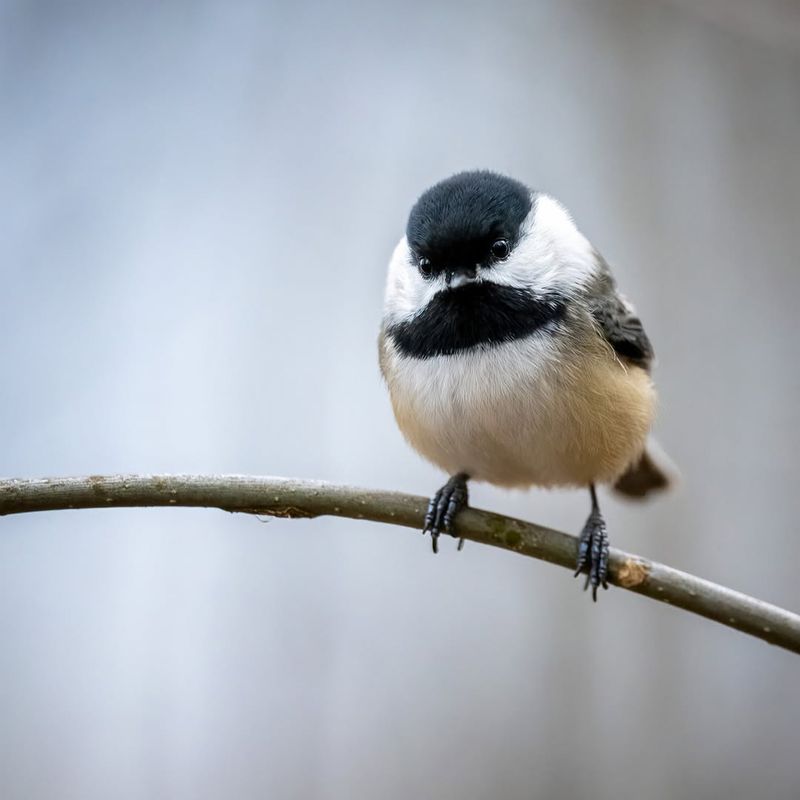
Chickadees stay in New York through the harshest winters, bringing cheerful songs and acrobatic antics to snowy yards when many other birds have fled south.
Their distinctive black caps and bibs combined with white cheeks make them instantly recognizable at any feeder.
These tiny birds lower their body temperature at night and can survive temperatures that are dangerous to such small creatures.
Their ability to endure brutal New York winters symbolizes toughness hidden in small packages.
Chickadees cache food in hundreds of locations throughout their territory, remembering where they hid seeds even months later.
This incredible memory and planning shows intelligence and foresight that ensures survival through lean times.
Their name comes from their distinctive call that sounds like they’re saying their own name over and over.
This cheerful vocalization continues even on the coldest, grayest days, providing soundtrack to winter when other birds stay silent.
Chickadees are curious and bold, often approaching humans more closely than other wild birds.
They can even be trained to eat from your hand with patience and consistency.
Their social nature means they often travel in small flocks, supporting each other through difficult seasons.
Across New York, these small birds represent the power of community, preparation, and maintaining cheerfulness despite harsh conditions that surround you.