11 Animals In Your Pennsylvania Yard That Carry A Message Of Hope
Pennsylvania backyards host incredible wildlife that brings more than beauty—they carry symbols of hope, renewal, and positive transformation right to your doorstep.
Watching these creatures move through your outdoor space can remind you that nature constantly heals, adapts, and thrives despite challenges we face.
From colorful birds to gentle mammals, each animal offers a unique message about resilience, new beginnings, and the promise of brighter days ahead.
Let’s explore eleven remarkable creatures that might visit your yard and discover the uplifting meanings they bring to your everyday life outdoors.
1. American Robin
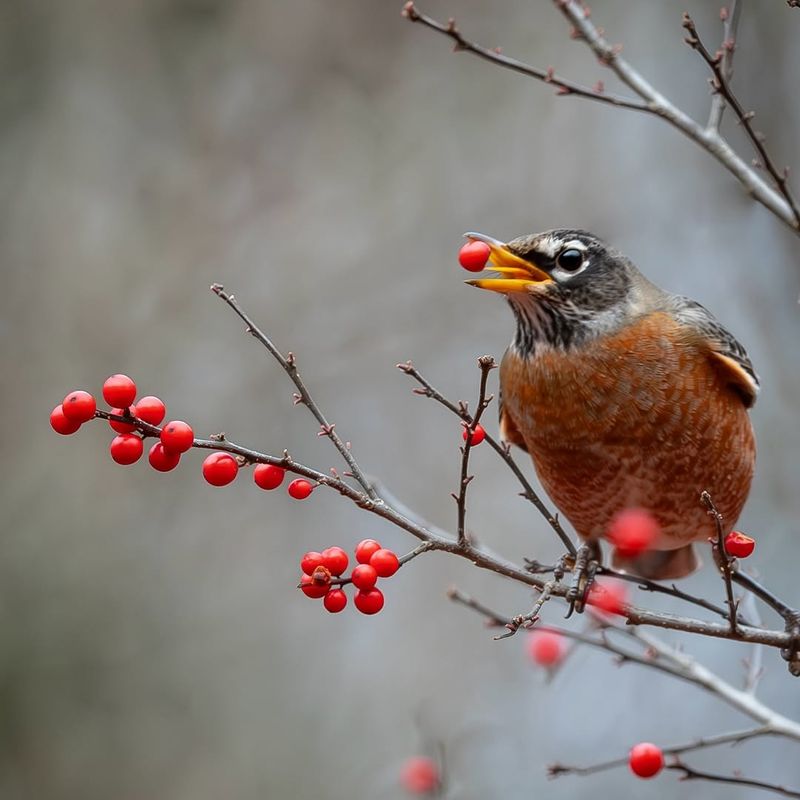
Orange-breasted robins appear each spring across Pennsylvania lawns, signaling that winter’s grip has finally loosened and warmer weather approaches with certainty and joy.
Their cheerful songs fill morning air with melodies that lift spirits and remind us that difficult seasons always pass, making room for renewal ahead.
Robins build mud-lined nests with determination, showing how patience and hard work create safe spaces for new life to flourish and grow strong.
Watching them hop across your grass searching for earthworms demonstrates persistence pays off when you keep trying despite setbacks or temporary failures encountered.
These birds return year after year to familiar territories, proving that home and stability matter even when circumstances change around us constantly.
Their bright coloring stands out against gray skies, reminding observers that hope shines brightest when surroundings feel dark, cold, or uncertain at times.
Pennsylvania residents often spot robins as the first true sign of spring, making them powerful symbols of fresh starts and optimistic outlooks ahead.
Their presence in your yard suggests better days are coming, encouraging you to embrace change with open hearts and renewed energy for life.
2. Eastern Bluebird
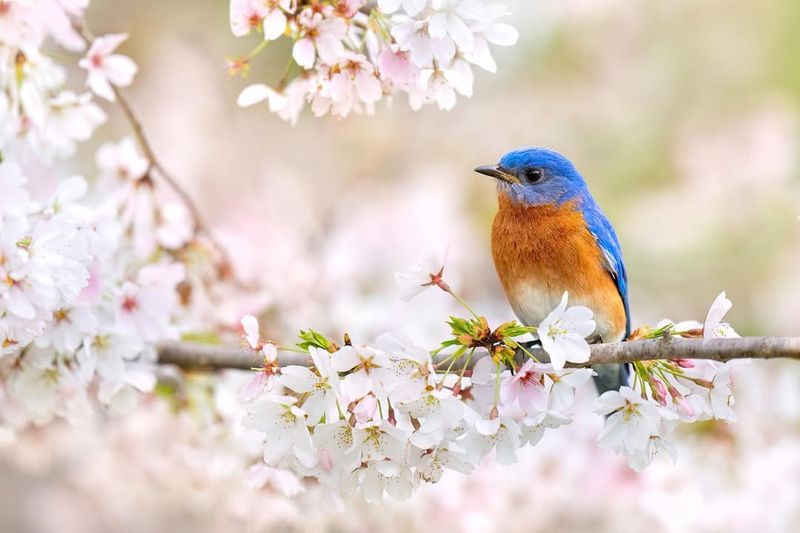
Brilliant blue feathers catch sunlight in ways that make Eastern Bluebirds look like flying pieces of sky, bringing joy to anyone lucky enough to witness them.
Pennsylvania yards with open spaces and scattered trees often attract these gentle creatures, especially when nest boxes provide safe places for raising their young families.
Bluebirds faced serious population declines decades ago but bounced back thanks to conservation efforts, proving that dedicated action can reverse troubling trends successfully.
Their recovery story inspires hope that damaged ecosystems can heal when communities work together toward shared goals with commitment and consistent care over time.
Males sing soft warbling songs while perched on fence posts, creating peaceful soundtracks that calm anxious minds and encourage reflection on life’s simpler pleasures.
Watching bluebird parents feed their nestlings shows how nurturing relationships and providing support helps younger generations thrive despite challenges they might eventually face.
These birds prefer open areas with short grass, so maintaining parts of your yard naturally can invite them to visit regularly throughout warmer months.
Spotting an Eastern Bluebird reminds you that happiness often arrives in small, unexpected moments when you take time to notice beauty surrounding you daily.
3. Monarch Butterfly
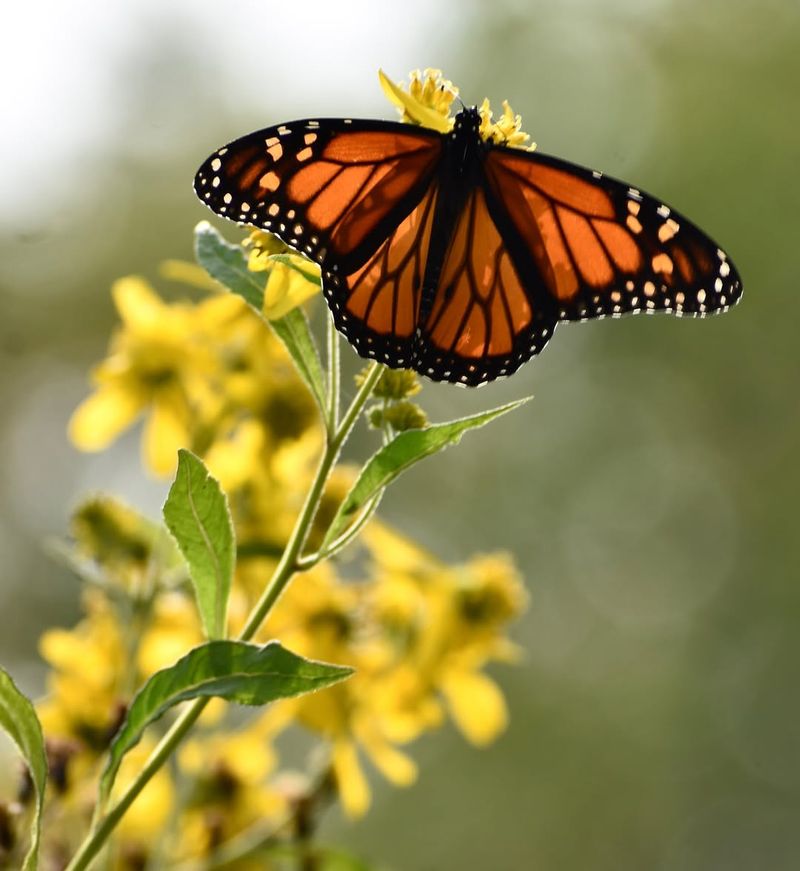
Delicate wings painted orange and black make Monarch Butterflies unmistakable visitors to Pennsylvania gardens filled with nectar-rich flowers like milkweed and coneflowers blooming brightly.
These insects undertake incredible migrations spanning thousands of miles, demonstrating that even small creatures accomplish extraordinary feats through instinct, determination, and natural guidance systems.
Monarchs begin life as tiny caterpillars, transform inside chrysalises, then emerge as flying beauties—a perfect metaphor for personal growth and dramatic positive changes.
Their metamorphosis reminds us that difficult transitions often lead to stunning outcomes, encouraging patience during times when progress feels slow or invisible to observers.
Planting native milkweed in your yard supports Monarch populations while creating habitats that help struggling species recover from habitat loss and environmental pressures.
Watching butterflies flutter from bloom to bloom teaches lessons about finding nourishment and joy in many places rather than relying on single sources alone.
Pennsylvania sits along their migration route, making your backyard a rest stop for travelers heading toward distant wintering grounds in Mexican mountain forests.
Seeing Monarchs signals that nature’s cycles continue despite human interference, offering reassurance that life adapts and persists through changing conditions with remarkable resilience always.
4. White-Tailed Deer
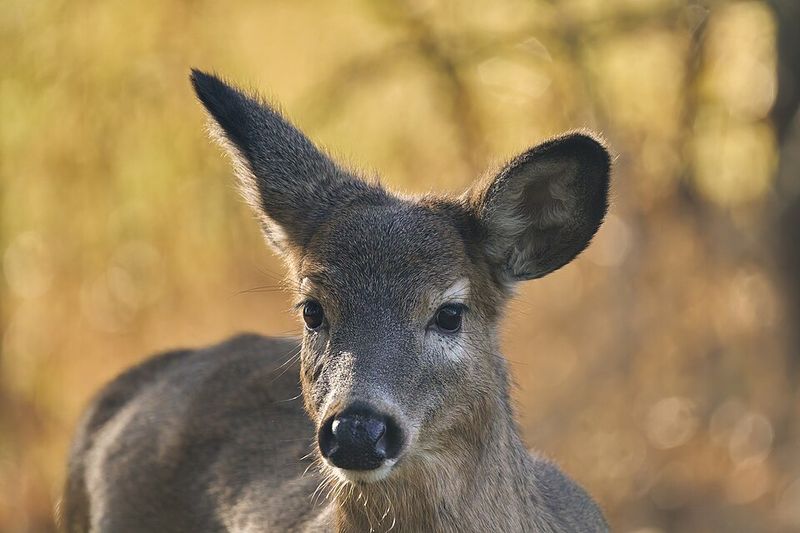
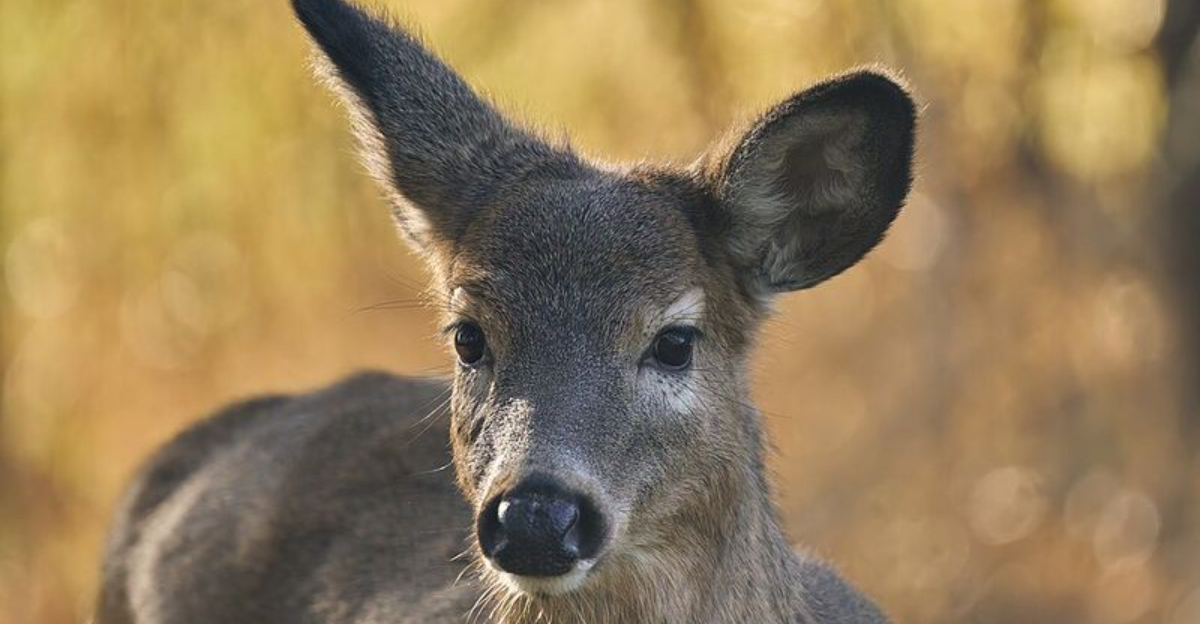
Graceful movements and alert eyes make White-Tailed Deer captivating visitors to Pennsylvania yards, especially properties bordering wooded areas where they feel safest during daylight.
Their distinctive white tail flashes upward when startled, serving as warning signals to other deer while creating memorable moments for human observers watching nearby.
Deer adapt remarkably well to suburban environments, showing how wildlife finds ways to coexist with human development when given opportunities and suitable habitat patches.
Watching fawns stay close to protective mothers throughout summer illustrates the importance of guidance, patience, and nurturing during vulnerable early stages of growth.
These animals browse on various plants, demonstrating flexibility in food choices helps survival when preferred resources become scarce or unavailable during harsh seasons.
Pennsylvania hosts healthy deer populations that rebound from past overhunting, proving that conservation regulations and wildlife management can restore balance to damaged ecosystems effectively.
Their presence reminds us that wildness still exists close to home, encouraging appreciation for natural neighbors who share landscapes we inhabit every single day.
Spotting deer encourages mindfulness about living harmoniously with nature, respecting boundaries, and finding peaceful ways to share space with creatures different from ourselves always.
5. Eastern Cottontail Rabbit
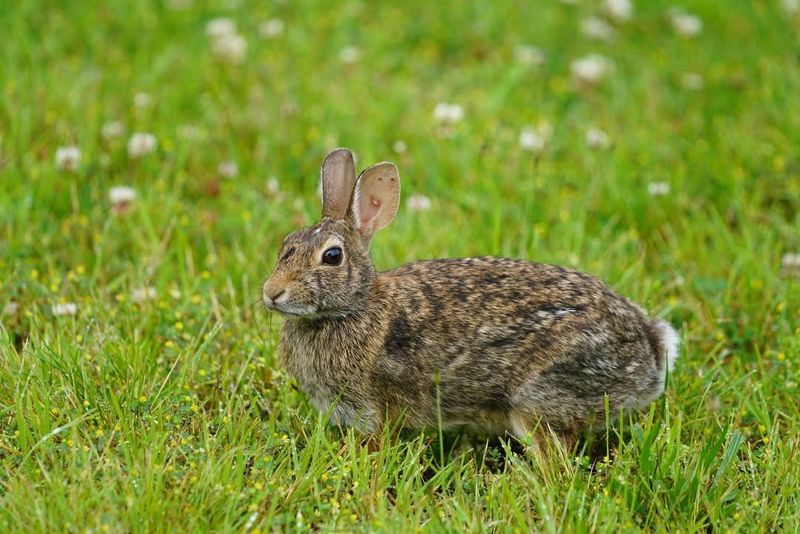
Soft fur and twitching noses make Eastern Cottontail Rabbits adorable additions to Pennsylvania yards, where they often appear during dawn and dusk feeding times.
These rabbits freeze when sensing danger, relying on stillness and camouflage rather than speed alone—teaching valuable lessons about knowing when action or patience works best.
Cottontails raise multiple litters yearly, symbolizing fertility, abundance, and the continuous renewal of life even in places facing environmental pressures or habitat changes over time.
Their ability to thrive near human homes shows adaptability and resourcefulness, qualities that inspire hope when facing personal challenges requiring creative solutions and flexible thinking.
Watching rabbits munch clover and dandelions reminds us that simple pleasures and basic needs often bring the greatest satisfaction without requiring complexity or excess.
Pennsylvania gardens often attract cottontails seeking tender vegetation, creating opportunities for quiet observation that connects people with wildlife in meaningful, accessible ways daily.
These creatures remain alert yet calm, balancing caution with curiosity—a reminder that awareness and openness can coexist when approaching unfamiliar situations thoughtfully.
Seeing rabbits hop through your yard brings smiles and lightness, proving that small moments of natural beauty can brighten days and lift moods instantly.
6. Firefly
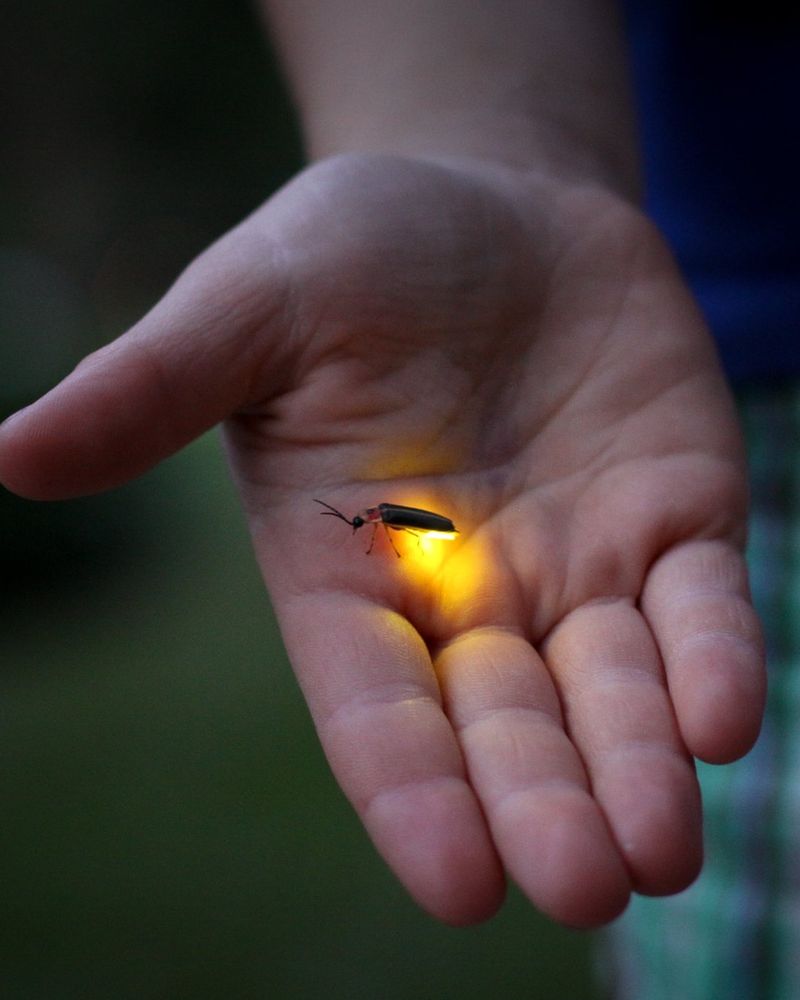
Magical flashes of light transform Pennsylvania summer evenings into enchanted experiences when fireflies begin their courtship displays across darkening lawns and gardens everywhere.
These beetles produce bioluminescence through chemical reactions, proving that nature creates wonders more spectacular than anything humans could design or imagine with technology alone.
Firefly populations have declined in some areas due to light pollution and habitat loss, making their presence a precious reminder to protect darkness.
Watching their synchronized blinking patterns encourages reflection on communication, connection, and finding others who share your wavelength despite surrounding noise and distractions constantly present.
Children delight in catching fireflies gently then releasing them, learning early lessons about appreciating beauty without possessing or harming what brings joy to observers.
Their glow symbolizes inner light and authentic expression, encouraging people to shine brightly even when surroundings feel overwhelming, dark, or filled with uncertainty ahead.
Pennsylvania yards with less artificial lighting and natural vegetation support healthier firefly populations, rewarding conservation-minded homeowners with spectacular evening shows throughout June and July.
Spotting fireflies signals warm weather has fully arrived, bringing nostalgia for carefree summer nights and hope that simple magic still exists in everyday life.
7. Northern Cardinal
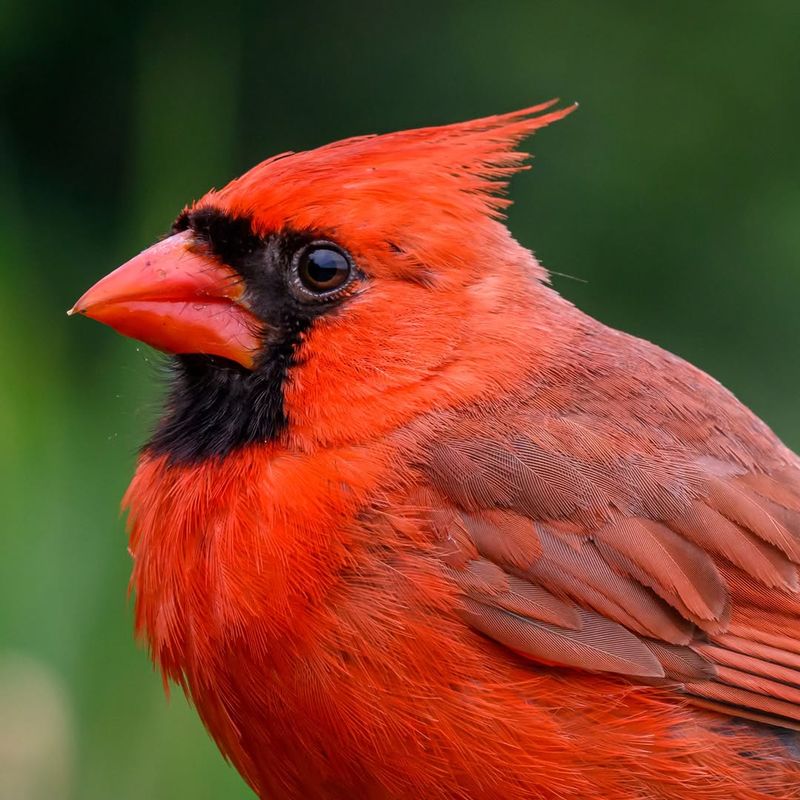
Brilliant red plumage makes male Northern Cardinals impossible to miss against Pennsylvania’s winter landscapes, where their vibrant coloring offers visual warmth during coldest months.
Cardinals remain year-round residents rather than migrating south, demonstrating loyalty, commitment, and the courage to weather difficult seasons instead of seeking easier circumstances elsewhere.
Their cheerful whistling songs pierce through winter silence, reminding listeners that beauty and joy persist even when conditions feel harsh, bleak, or uninviting to others.
Mated cardinal pairs often stay together throughout the year, symbolizing partnership, devotion, and the strength found in supportive relationships during both challenging and prosperous times.
Pennsylvania designated the Northern Cardinal as its state bird, recognizing how these beloved creatures represent resilience and the enduring spirit of communities facing adversity.
Watching cardinals visit feeders during snowstorms shows how preparation and resourcefulness help survival, encouraging people to plan ahead while remaining adaptable to changing situations.
Their striking appearance against white snow creates stunning contrasts that photographers and nature lovers cherish, proving that standing out can be beautiful rather than problematic.
Spotting cardinals brings messages of vitality and passion, encouraging observers to embrace life fully and express themselves authentically regardless of external judgments or expectations.
8. Honeybee
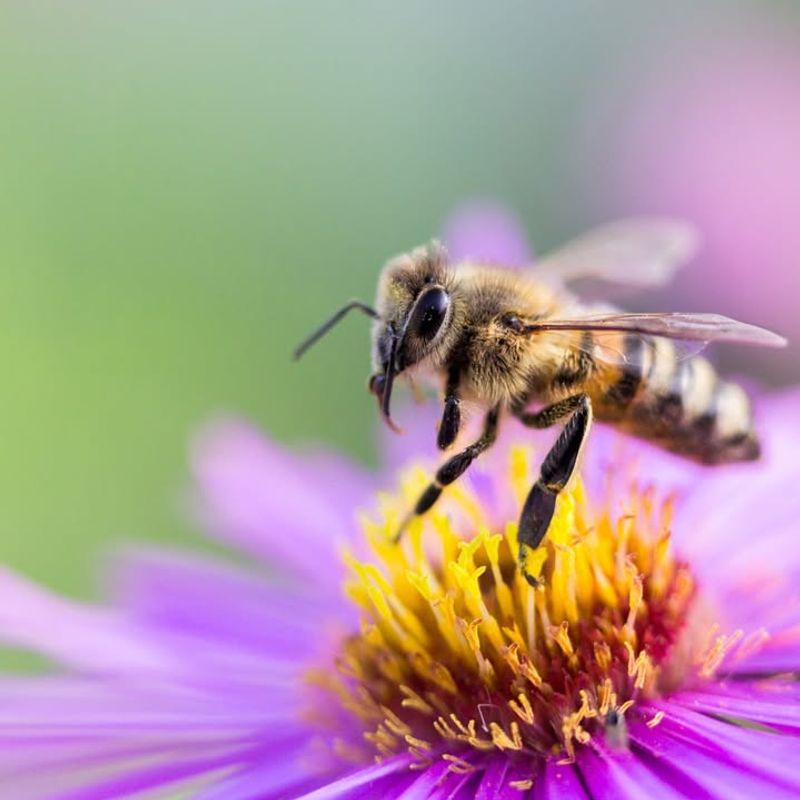
Busy honeybees visit Pennsylvania flowers throughout warm months, collecting nectar and pollen while performing essential pollination services that support entire ecosystems and food systems.
Their tireless work ethic symbolizes dedication, community contribution, and the importance of every individual’s role in creating collective success and abundance for all members.
Honeybee colonies function through cooperation and communication, teaching valuable lessons about teamwork, organization, and working toward common goals despite individual differences or preferences.
These insects face numerous threats including pesticides and habitat loss, yet they persist in their vital work—offering hope that determination overcomes obstacles with support.
Watching bees gather resources reminds us that consistent small efforts accumulate into significant results over time, encouraging patience with slow but steady progress toward goals.
Pennsylvania gardeners can help honeybees by planting diverse flowering plants that bloom sequentially, providing continuous food sources from early spring through late autumn months.
Their ability to find flowers and return home using complex navigation shows that even small creatures possess remarkable intelligence and capabilities often underestimated by observers.
Seeing honeybees in your yard signals a healthy environment where pollinators thrive, suggesting that your space contributes positively to broader ecological health and balance.
9. Mourning Dove
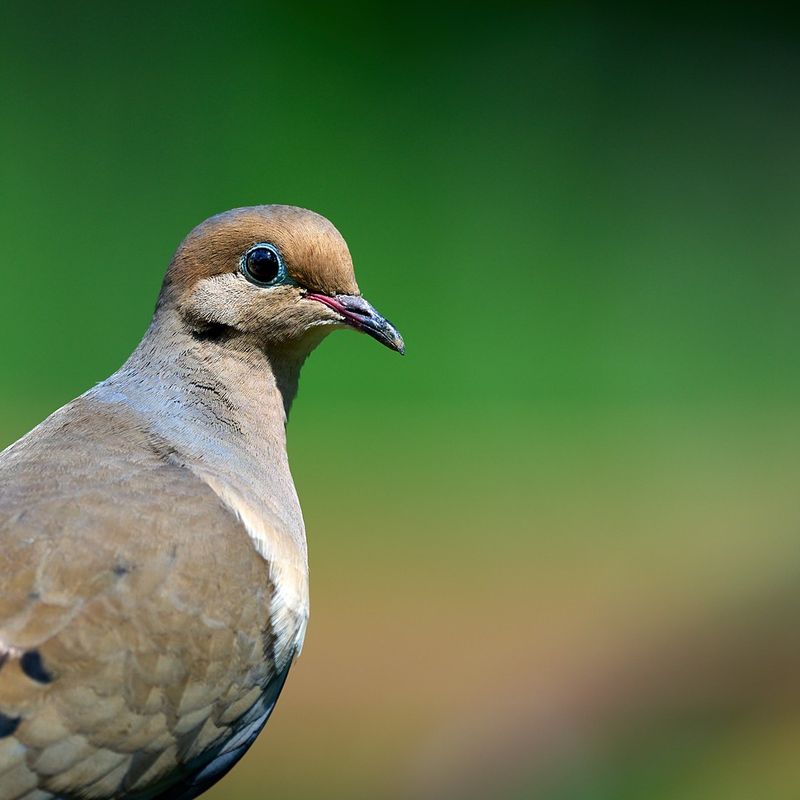
Soft cooing calls give Mourning Doves their name, creating gentle soundtracks across Pennsylvania mornings that soothe anxious minds and invite peaceful contemplation naturally.
These birds mate for life and share parenting duties equally, modeling partnership and balanced responsibilities that strengthen relationships and ensure offspring receive consistent care.
Mourning Doves adapt to various habitats from rural farms to urban parks, showing that flexibility and openness help success in changing environments and circumstances.
Their plump bodies and small heads create endearing silhouettes on power lines and fence posts, making them familiar and comforting presences in everyday outdoor scenes.
Pennsylvania yards with ground-level feeders attract mourning doves who prefer eating seeds from flat surfaces rather than clinging to hanging feeders like other species.
Watching them waddle across lawns pecking at fallen seeds demonstrates that opportunities often lie right at our feet, requiring only attention and willingness to notice.
Despite their melancholic name, these doves symbolize peace, hope, and new beginnings—reminding observers that gentle strength carries its own power and effectiveness always.
Their presence encourages slowing down, breathing deeply, and finding calm amid chaos, offering daily reminders that tranquility remains accessible even during stressful periods in life.
10. Painted Turtle
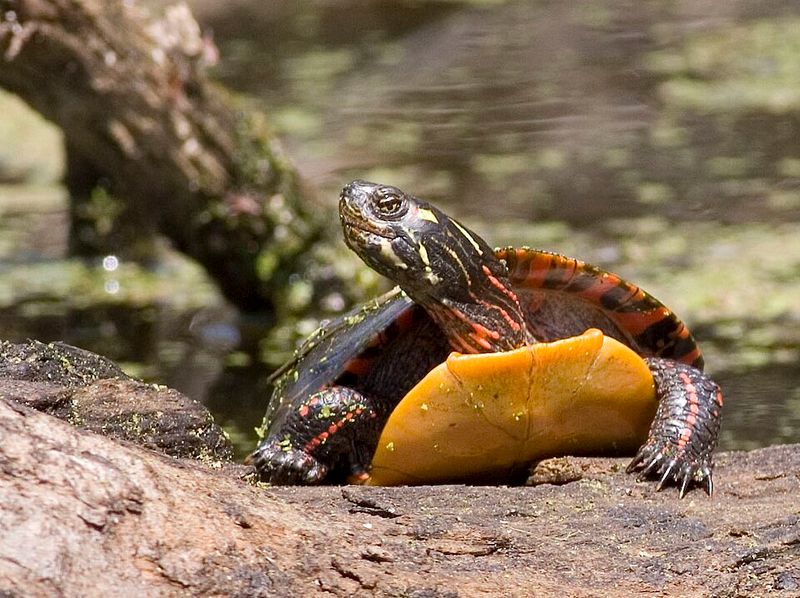
Colorful markings on shells and skin make Painted Turtles living treasures in Pennsylvania ponds, streams, and wetlands near residential areas with water features present.
These reptiles bask on logs and rocks absorbing sunlight, demonstrating the importance of rest, warmth, and taking time to recharge energy when feeling depleted.
Painted Turtles can live for decades, symbolizing longevity, patience, and the wisdom that comes from experiencing many seasons and witnessing countless changes over time.
Their slow, deliberate movements teach that rushing isn’t always necessary—sometimes steady, thoughtful progress leads to better outcomes than frantic, hurried actions without direction.
Pennsylvania wetlands support healthy turtle populations when water quality remains good, showing how environmental stewardship protects diverse wildlife for future generations to appreciate and enjoy.
Watching turtles slide into water when approached reminds us that healthy boundaries and knowing when to retreat protect wellbeing without requiring aggression or confrontation.
These creatures survive cold winters by slowing their metabolism dramatically, proving that adaptation and acceptance help endurance through difficult periods beyond our control completely.
Spotting Painted Turtles in your yard’s water features brings messages about carrying your home within yourself, staying grounded, and moving through life at your own comfortable pace always.
11. Red Fox
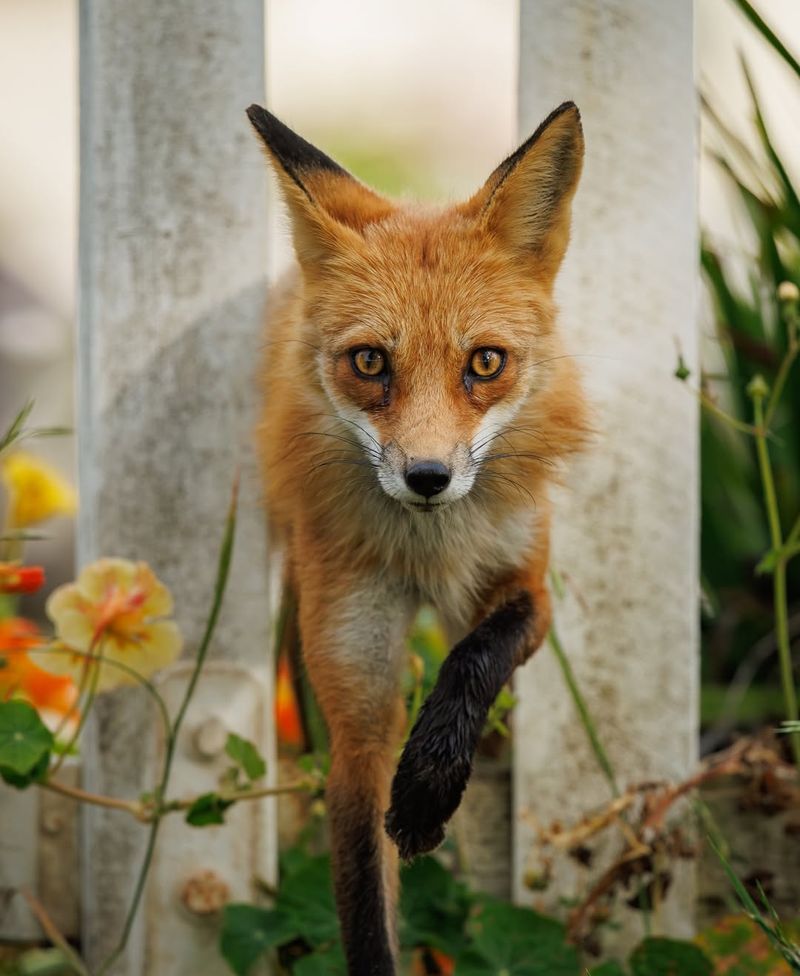
Rusty orange fur and bushy tails make Red Foxes stunning visitors to Pennsylvania yards bordering wooded areas, where these clever hunters search for mice and other small prey.
Foxes demonstrate remarkable intelligence and adaptability, solving problems creatively and adjusting behaviors based on circumstances—traits that inspire hope during challenging times requiring innovation.
Their ability to thrive near human settlements shows that coexistence is possible when both parties respect boundaries and understand each other’s needs and behaviors.
Pennsylvania fox populations remain stable despite habitat changes, proving that some wildlife species can adapt successfully to landscapes altered by human development and expansion over decades.
Watching foxes hunt teaches lessons about focus, patience, and timing—knowing when to wait quietly and when to pounce decisively makes the difference between success.
These animals mate in winter and raise pups in spring, with both parents participating in care—modeling family cooperation and shared responsibility for nurturing young.
Their playful behavior and curious nature remind observers that maintaining wonder and exploration keeps life interesting regardless of age or experience accumulated through years lived.
Spotting a Red Fox brings messages about cleverness, resourcefulness, and trusting instincts when navigating unfamiliar territory or facing situations requiring quick thinking and adaptability always.