10 Annual Flowers For Upcoming Summer Garden To Attract Butterflies In North Carolina
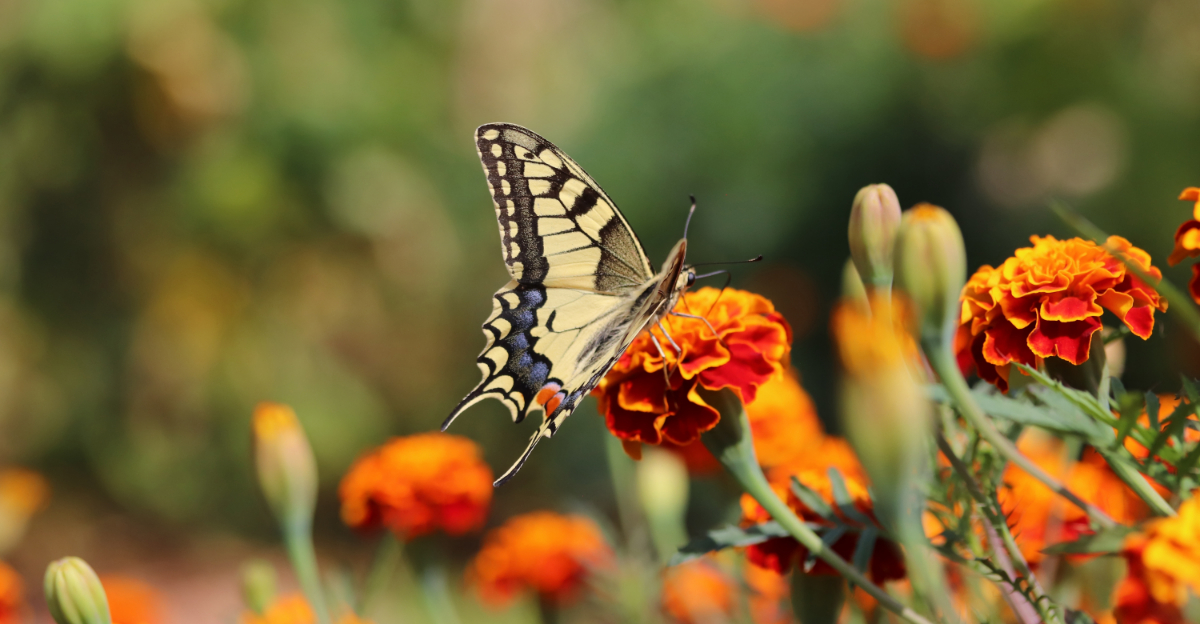
North Carolina summers bring long, sunny days that are perfect for spending time outdoors.
You’ve probably noticed butterflies darting among flowers, adding movement, color, and a little magic to patios, decks, and garden beds.
Their gentle flutters are one of those small joys that instantly make a backyard feel alive and connected to nature.
Planting the right annual flowers can turn even a modest garden into a lively butterfly destination. Annuals bloom reliably throughout the season, tolerate North Carolina heat, and provide the nectar that pollinators love, ensuring your garden stays vibrant and full of energy.
Choosing varieties that thrive in your climate means less maintenance and more enjoyment as you watch butterflies, hummingbirds, and other pollinators visit your blooms day after day.
If you’re ready to invite more fluttering friends into your yard, these butterfly-attracting annuals will help you transform a sunny corner into a colorful, dynamic space buzzing with life.
1. Zinnias With Bright, Bold Blooms
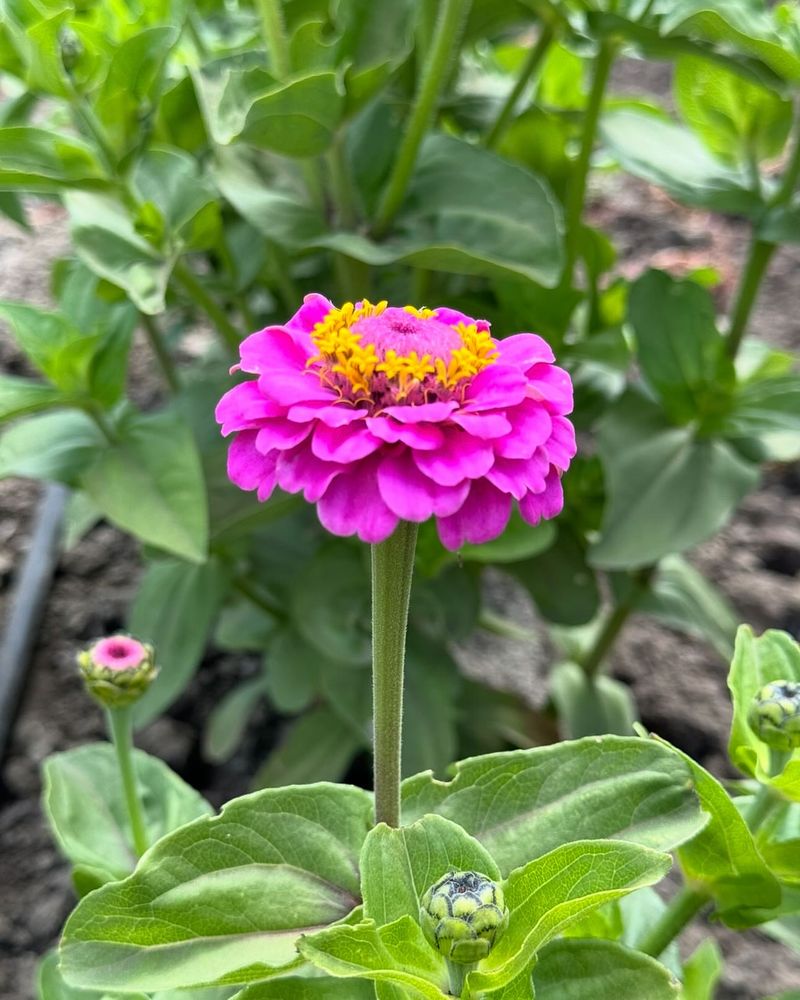
Few flowers put on a show quite like zinnias. With bold, round blooms in almost every color of the rainbow, these annuals are like a buffet for butterflies passing through North Carolina gardens.
Monarchs, swallowtails, and painted ladies are particularly attracted to zinnias’ wide, flat flower heads.
Zinnias are incredibly easy to grow from seed, making them a favorite for beginner gardeners. Direct sow them in your garden after the last frost, usually around late April in North Carolina, in a spot that gets full sun.
Zinnias thrive in warm weather and can bloom continuously from early summer into fall.
To keep your zinnias blooming their best, deadhead spent flowers regularly by snipping them off at the stem. This encourages the plant to push out fresh blooms rather than putting energy into seed production.
Water at the base of the plant to reduce the chance of powdery mildew on the leaves. Zinnias also make gorgeous cut flowers, so you can bring some of that butterfly-friendly beauty indoors too.
2. Cosmos With Delicate, Airy Flowers
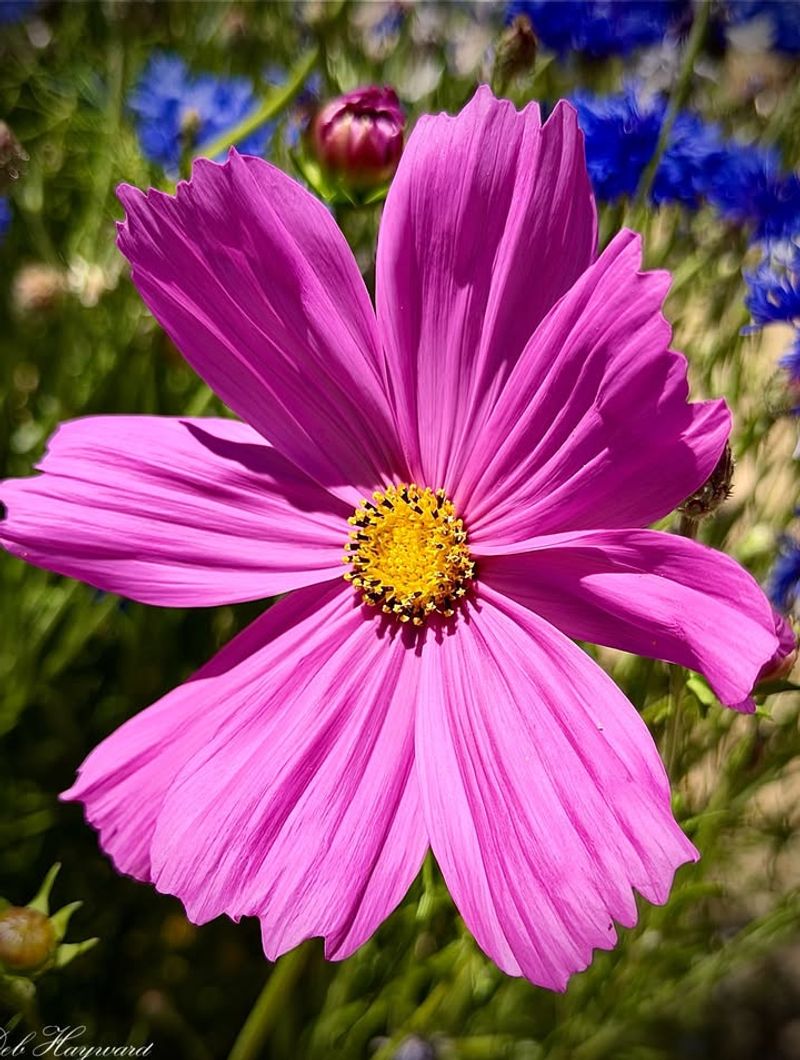
Cosmos have a breezy, wildflower charm that feels right at home in a North Carolina summer garden. Their feathery, fern-like leaves and daisy-shaped blooms in shades of pink, white, magenta, and red create an airy display that butterflies absolutely cannot resist.
Swallowtails and skippers are frequent visitors to cosmos patches. Cosmos are low-maintenance and easy to care for in the garden.
They actually prefer poor to average soil, so you do not need to load up on fertilizer. In fact, too much fertilizer can cause lots of leafy growth with fewer flowers.
Plant them in full sun after the last frost date in North Carolina, and they will reward you with blooms from summer right into fall.
Cosmos can reach four to six feet tall, so plant them at the back of a flower bed to avoid shading shorter plants. They self-seed readily, which means you may find new plants popping up in the same spot next year without any extra effort.
Thin out seedlings as they sprout to give each plant enough room to spread out and thrive throughout the season.
3. Lantana With Colorful, Sun-Loving Clusters
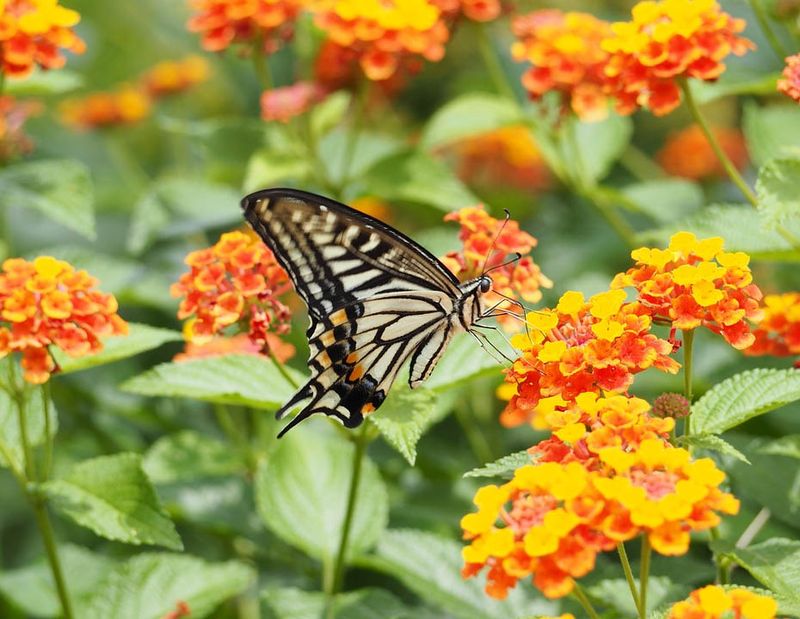
This heat-loving annual thrives in the kind of hot, humid weather that can stress out other garden plants, making it a reliable performer from June through September. Its clusters of tiny, multi-colored flowers shift shades as they age, creating a rainbow-like effect on each stem that butterflies find irresistible.
Gulf fritillaries, monarchs, and zebra longwings are just a few of the butterfly species that flock to lantana. Beyond butterflies, hummingbirds also stop by for a sip of nectar, giving you double the wildlife entertainment.
Plant lantana in full sun and well-drained soil, and once it is established, it handles dry spells surprisingly well without much fuss.
Lantana is available in trailing varieties, which look stunning in hanging baskets or spilling over container edges, as well as upright forms that work well in garden beds. Keep in mind that the berries produced by lantana can be harmful to pets, so place plants thoughtfully if you have animals in your yard.
Lantana requires little maintenance and attracts butterflies, making it an excellent choice for North Carolina gardens.
4. Sweet Alyssum With Fragrant, Tiny Blossoms
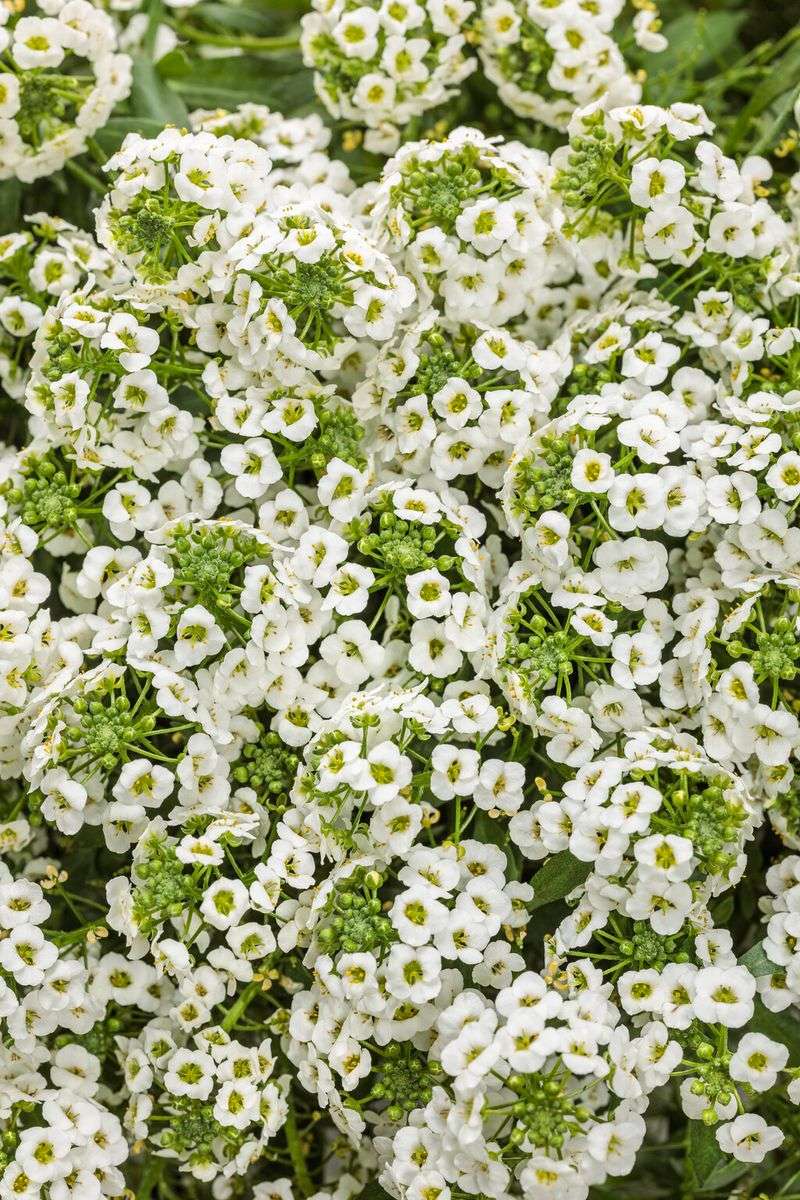
Sweet alyssum may be small, but it packs a serious punch when it comes to attracting butterflies and other pollinators. Its honey-scented clusters of tiny white, pink, or purple flowers create a carpet of fragrance that draws in cabbage whites, sulfurs, and other small butterfly species that are common throughout North Carolina during the summer months.
Sweet alyssum grows well as a ground cover or border plant along flower beds. It fills in quickly and creates a lush, full look without taking up much vertical space.
Plant it in full sun to partial shade after the danger of frost has passed, and water regularly during dry stretches to keep it blooming strong.
One fun trick with sweet alyssum is to let it spill over the edges of raised beds or container gardens for a cascading, cottage-garden effect. If plants start to look scraggly in midsummer, give them a light trim and they will bounce back with fresh blooms in just a couple of weeks.
For North Carolina gardeners looking for a fragrant, low-effort flower that butterflies genuinely love, sweet alyssum is a top pick every single season.
5. Calendula With Cheerful Golden Flowers
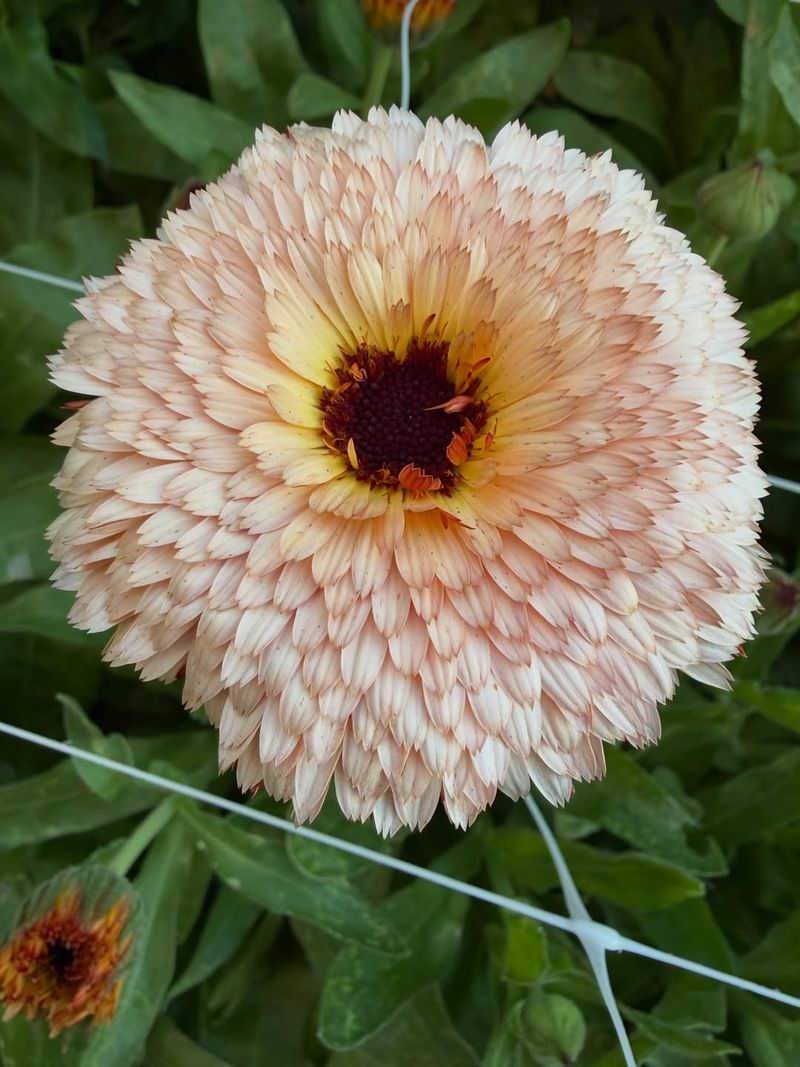
Also called pot marigold, calendula adds bright orange and yellow blooms to the garden. While it is not related to the common marigold, it shares that same cheerful energy and a strong ability to attract butterflies, bees, and other beneficial pollinators to North Carolina gardens early in the season.
What makes calendula stand out is that it actually prefers cooler temperatures, which means it shines brightest in the early part of summer and again in early fall. In North Carolina, you can start seeds indoors in late winter and transplant them outside after the last frost for a head start on the season.
Plant them in full sun with well-drained soil, and they will bloom reliably for weeks.
Calendula flowers are also edible, with a mildly spicy, tangy flavor that works well in salads or as a colorful garnish. Medicinally, the petals have been used for centuries in skin-soothing creams and teas, giving this flower a fascinating history beyond its garden beauty.
Deadhead regularly to extend the bloom period, and enjoy watching painted ladies and sulfur butterflies stop by for a visit throughout the summer.
6. Bog Sage With Nectar-Rich Blooms
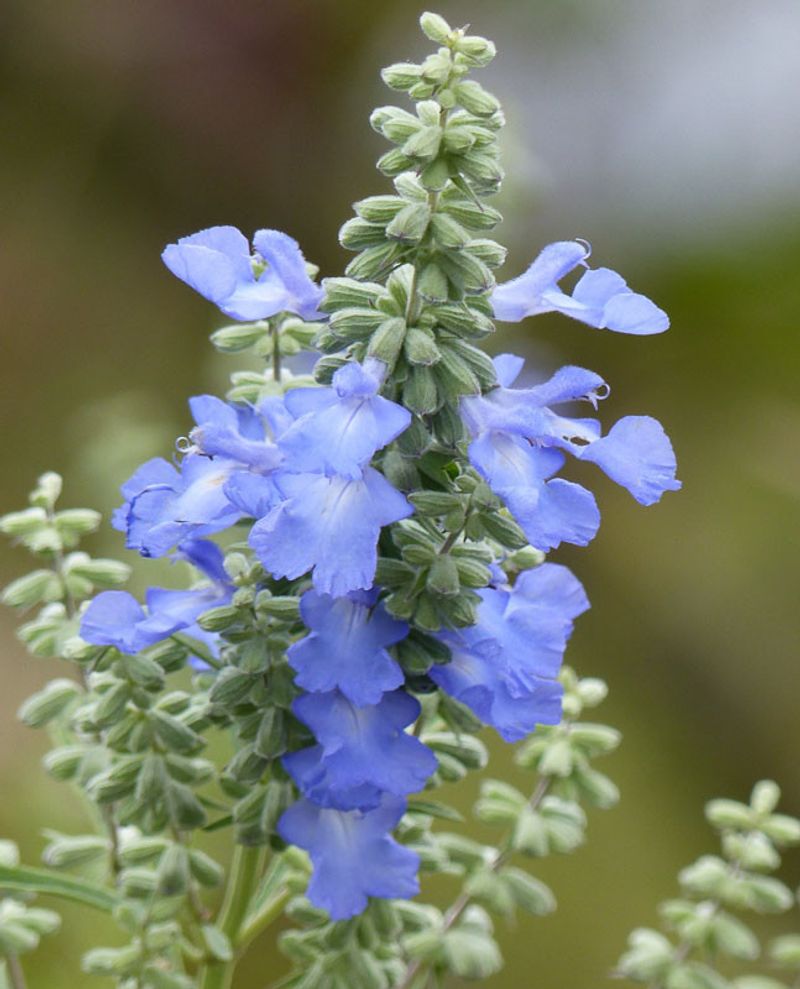
Its striking spikes of electric blue flowers are rare in the garden world, and butterflies seem just as captivated by them as humans are. It blooms from midsummer through fall in North Carolina, providing abundant color for the garden.
Swallowtail butterflies are particularly drawn to bog sage, often hovering around the tubular blue blooms to collect nectar. The plant grows best in moist, well-drained soil and can even handle areas that stay a bit wet after rain, which makes it useful for garden spots where other plants struggle.
It does best in full sun but can tolerate a little afternoon shade.
Bog sage grows two to four feet tall and works well as a mid-border plant surrounded by lower-growing flowers like sweet alyssum or marigolds. It is a fast grower and will fill out quickly once the summer heat arrives in North Carolina.
Pinch back the tips early in the season to encourage bushier growth and more flower spikes, giving butterflies even more blooms to explore all summer long.
7. Mexican Sunflower With Tall, Vibrant Heads
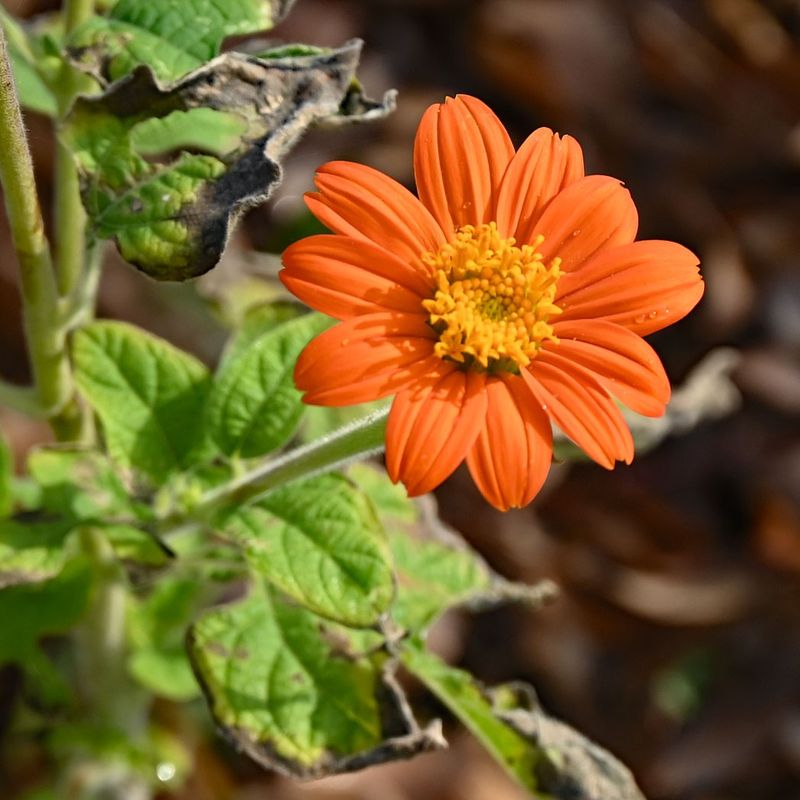
If you want a flower that makes a dramatic statement while feeding butterflies, Mexican sunflower is your answer. Growing up to six feet tall with brilliant orange blooms the size of your fist, this annual commands attention in any North Carolina garden.
Monarchs, swallowtails, and bumblebees frequently visit Mexican sunflower, attracted to its abundant nectar.
Mexican sunflower loves heat and humidity, which makes it a natural fit for North Carolina’s summer climate. Start seeds indoors about six to eight weeks before the last frost, or direct sow them in the garden after the soil has warmed up.
Choose a spot in full sun with enough space to let the plants spread out, as they can get quite wide as the season progresses.
The tropical-looking foliage and bold orange flowers pair beautifully with purple or blue flowers like bog sage or salvia for a striking color contrast in the garden. Stake taller plants if your area gets strong summer thunderstorms to prevent them from toppling over.
Regular deadheading keeps the blooms coming steadily, and the cut flowers look gorgeous in vases, bringing that warm butterfly-garden energy right inside your North Carolina home.
8. Pentas With Star-Shaped, Pollinator-Friendly Flowers
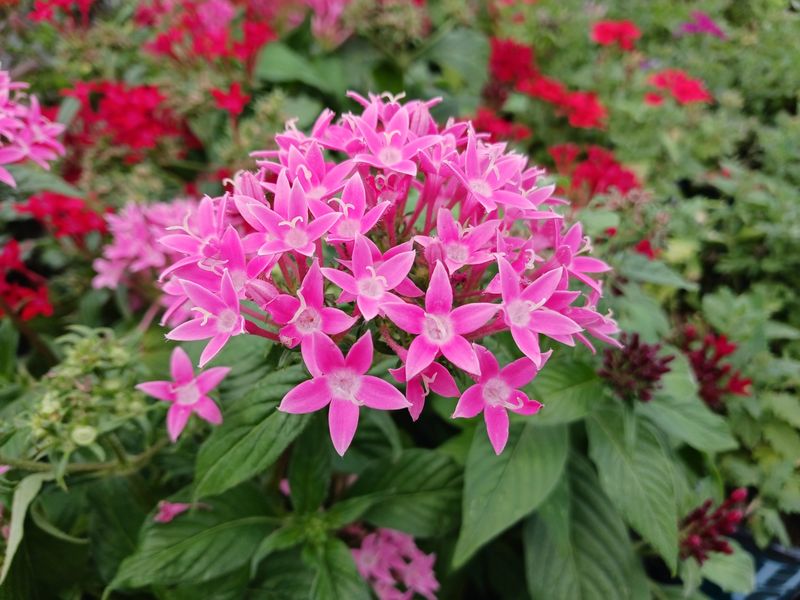
Pentas, or Egyptian star flower, attracts butterflies and grows well in North Carolina’s hot, humid summers. Its clusters of small, star-shaped flowers come in shades of red, pink, white, and lavender, and they bloom continuously from late spring all the way until the first frost arrives in fall.
Monarch butterflies and Gulf fritillaries are especially attracted to pentas, making it a must-have if you are trying to support migrating butterfly populations in North Carolina. The plant grows well in containers and in garden beds, and it pairs beautifully with other summer annuals like zinnias and lantana for a layered, butterfly-friendly planting scheme.
Pentas prefers full sun and well-drained soil, and it handles heat and humidity without skipping a beat. Water regularly during dry periods, but avoid overwatering since the roots do not enjoy sitting in soggy soil for long.
Fertilize every few weeks with a balanced, slow-release fertilizer to keep the blooms coming strong. For North Carolina gardeners who want a reliable, showy annual that butterflies genuinely flock to all season, pentas is one of the smartest choices you can make for your summer garden.
9. Scaevola With Cascading Fan-Shaped Blooms
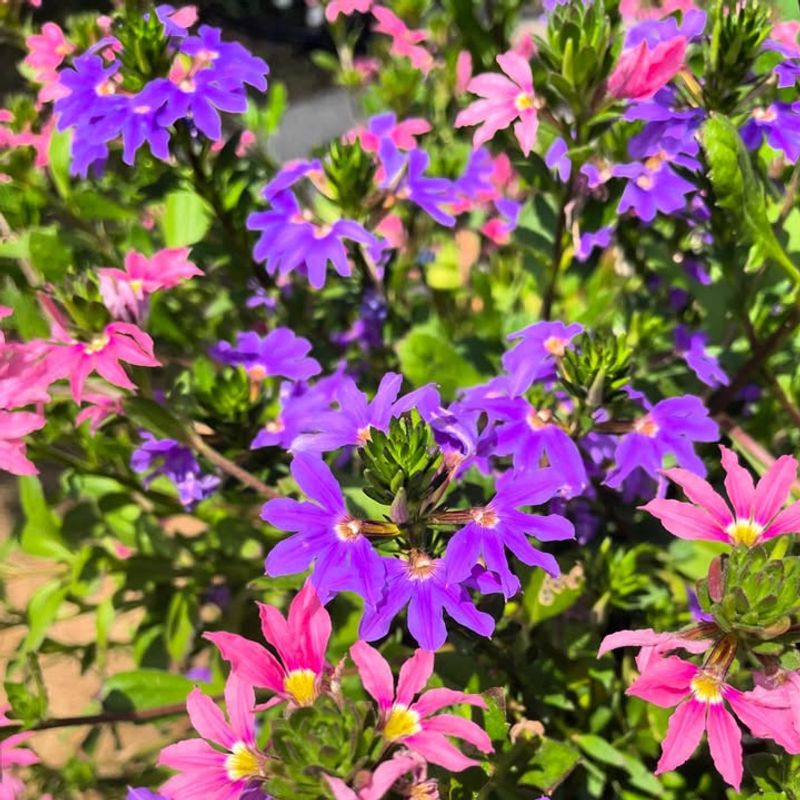
This is one of the more unique-looking annuals you can add to a North Carolina butterfly garden. Each bloom is shaped like a half-circle or fan, which gives the plant a distinctive, eye-catching appearance unlike anything else in the garden.
Despite its exotic look, scaevola is surprisingly tough and thrives in the heat and humidity of a North Carolina summer.
Scaevola’s nectar-rich blooms attract butterflies, and its trailing habit suits hanging baskets, window boxes, or raised garden edges. It blooms continuously throughout the summer without needing deadheading, which is a huge bonus for busy gardeners who want beauty without a lot of daily upkeep.
Plant scaevola in full sun to partial shade in well-drained soil or a quality potting mix if growing in containers. Water consistently, especially during hot, dry stretches, and feed with a balanced liquid fertilizer every two weeks to encourage lush, continuous blooming.
The soft purple and white varieties are particularly popular, though pink options are also available at most garden centers across North Carolina. Mixing scaevola with zinnias or pentas creates a stunning, butterfly-friendly combination that looks beautiful all summer.
10. Marigolds With Long-Lasting Color
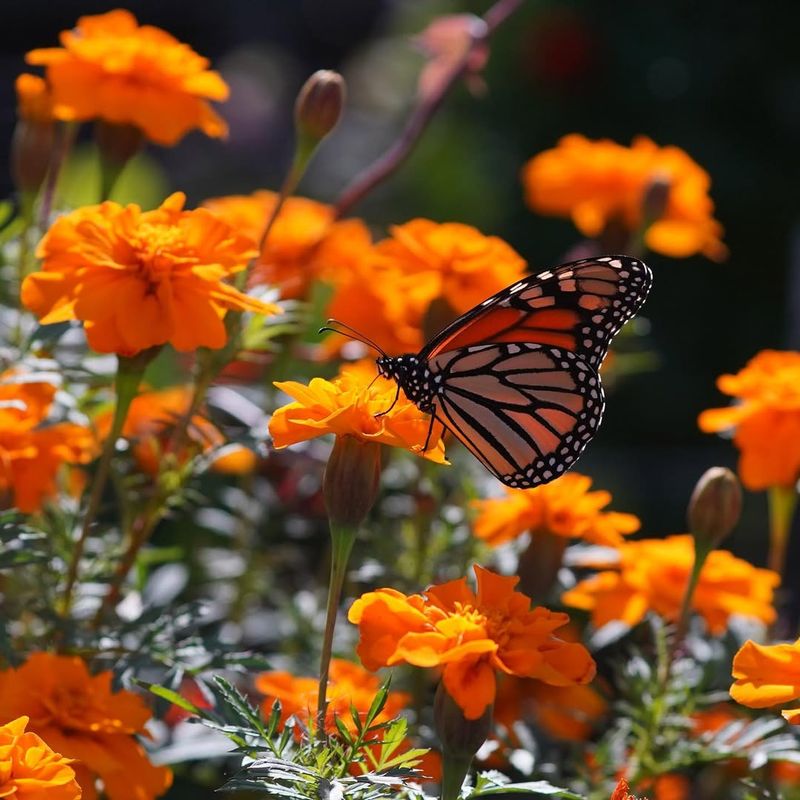
Hardy and productive, marigolds thrive in North Carolina summers. Marigolds’ bright orange, yellow, and red flowers provide nectar that painted ladies, sulfur butterflies, and skippers enjoy during summer.
Beyond their butterfly appeal, marigolds have a well-known ability to repel certain garden pests like aphids and whiteflies, making them a smart companion plant for vegetables and other flowers. Tuck them along the borders of your garden beds or between tomato plants to get both pest control and pollinator attraction working in your favor at the same time.
Marigolds grow best in full sun and well-drained soil, and they are remarkably tolerant of the heat waves that roll through North Carolina in July and August. Plant them after the last frost in late April, and keep up with deadheading to encourage a steady stream of fresh blooms all the way through fall.
African marigold varieties grow tall and dramatic, while French marigolds stay compact and bushy, giving you options for every spot in your butterfly garden this summer.