Aphids Are Arriving Early And Spreading Through Pennsylvania Gardens
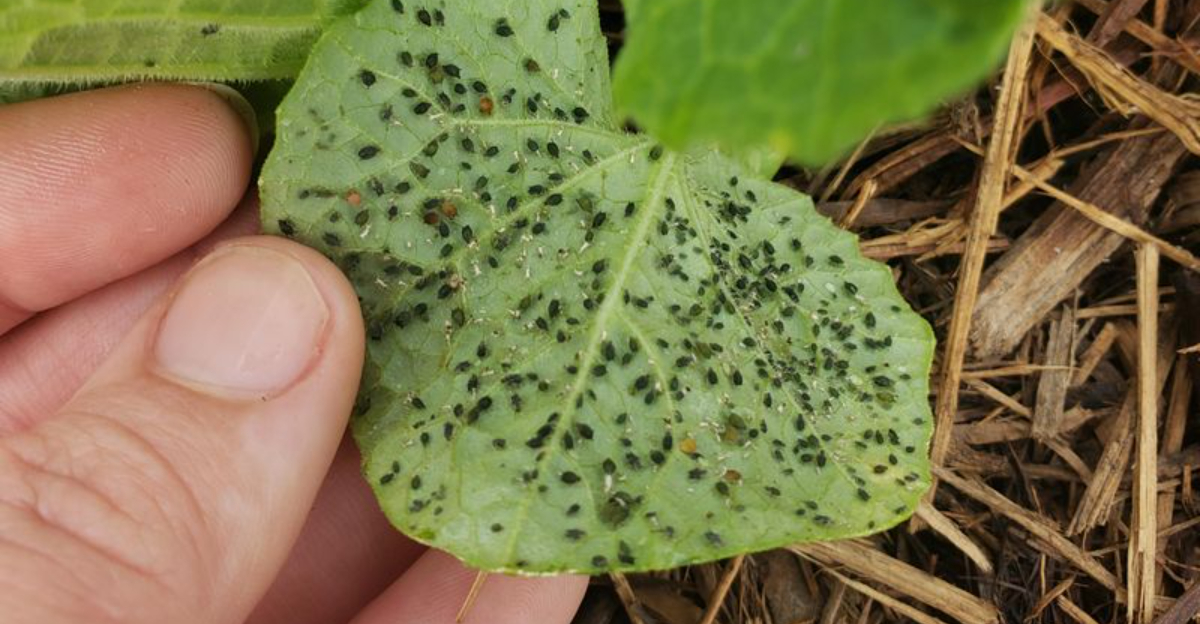
Pennsylvania gardeners are surprised to see aphids showing up ahead of schedule this season, and the early activity is already stirring plenty of chatter across backyards and patios.
Many people are noticing how quickly these tiny pests settle onto tender stems and fresh leaves, creating a wave of concern that feels unusual for this time of year.
The sudden increase has everyone comparing notes and paying closer attention to the little details that hint at what might come next for their winter gardens.
1. Warmer Winters Are Changing Bug Schedules
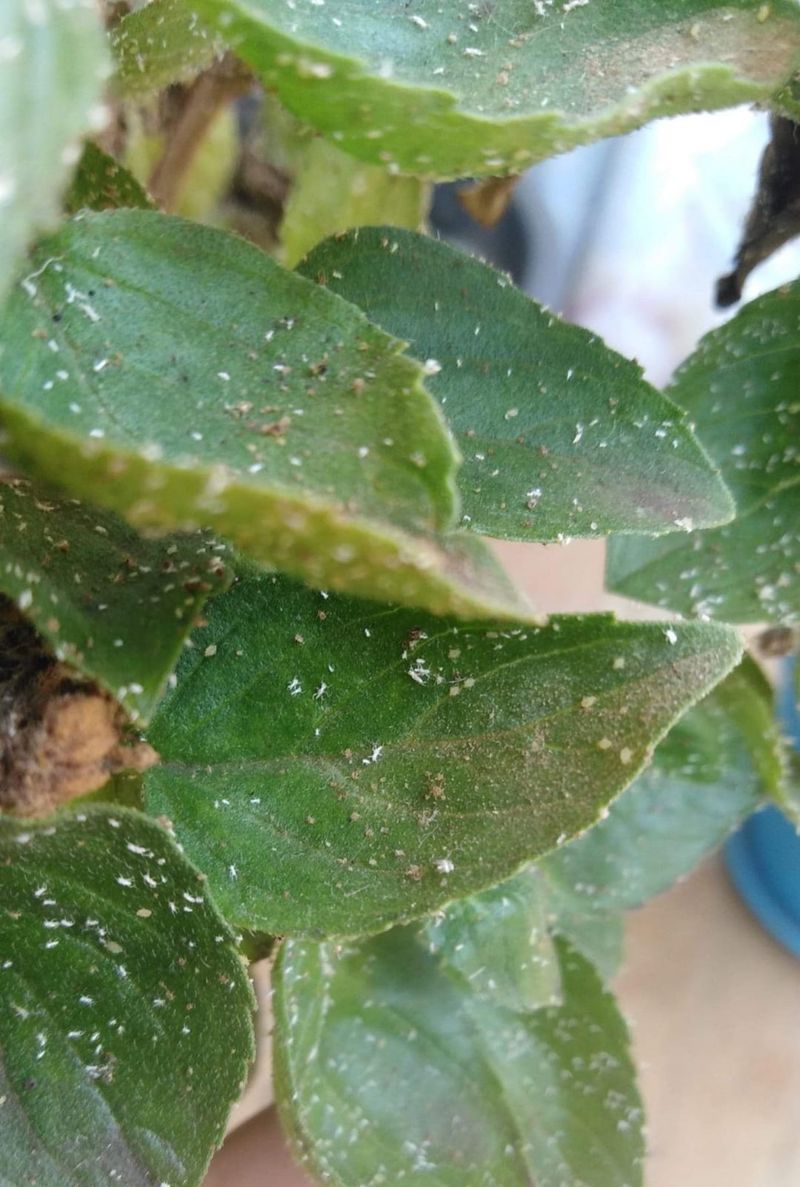
Climate patterns across Pennsylvania have shifted noticeably over the past few years, bringing milder temperatures during what used to be freezing months.
When winter stays warmer, aphid eggs that normally would not survive the cold actually make it through to spring in much larger numbers than before.
This early survival means gardeners in places like Philadelphia, Pittsburgh, and Harrisburg are seeing aphid populations explode before they even plant their tomatoes.
Warmer soil temperatures also encourage plants to leaf out sooner, giving hungry aphids the perfect buffet right when they hatch from their winter hiding spots.
Scientists studying insect behavior have noticed that even a few degrees of temperature change can push aphid activity forward by several weeks each season.
Pennsylvania residents need to start checking their gardens earlier now, sometimes as soon as late March instead of waiting until May like in previous decades.
2. Aphids Multiply Incredibly Fast
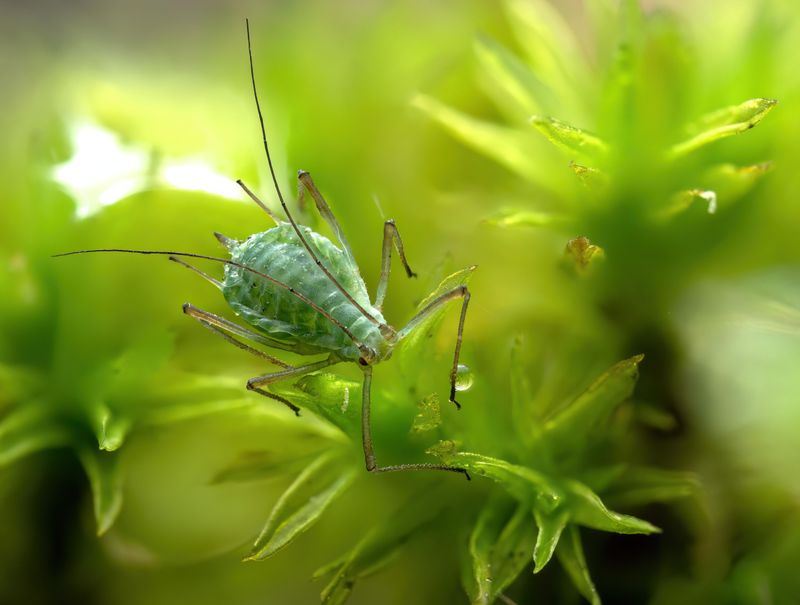
One female aphid can produce up to eighty babies in just one week without even needing a mate, which sounds like something from a science fiction movie.
This reproductive superpower means a small aphid problem on Monday can become a full-blown infestation covering entire plants by the following weekend.
Each of those baby aphids reaches maturity in about seven to ten days and immediately starts producing its own offspring, creating exponential growth that overwhelms gardens quickly.
Pennsylvania gardeners often miss the first few aphids because they are so tiny, but within two weeks those few bugs become thousands crawling over roses and vegetables.
The speed of reproduction explains why checking plants every few days matters so much during peak aphid season from April through June across the state.
Catching aphids early, before they establish large colonies, makes management much easier and prevents the kind of widespread damage that frustrates gardeners throughout Pennsylvania every summer.
3. They Target New Growth First
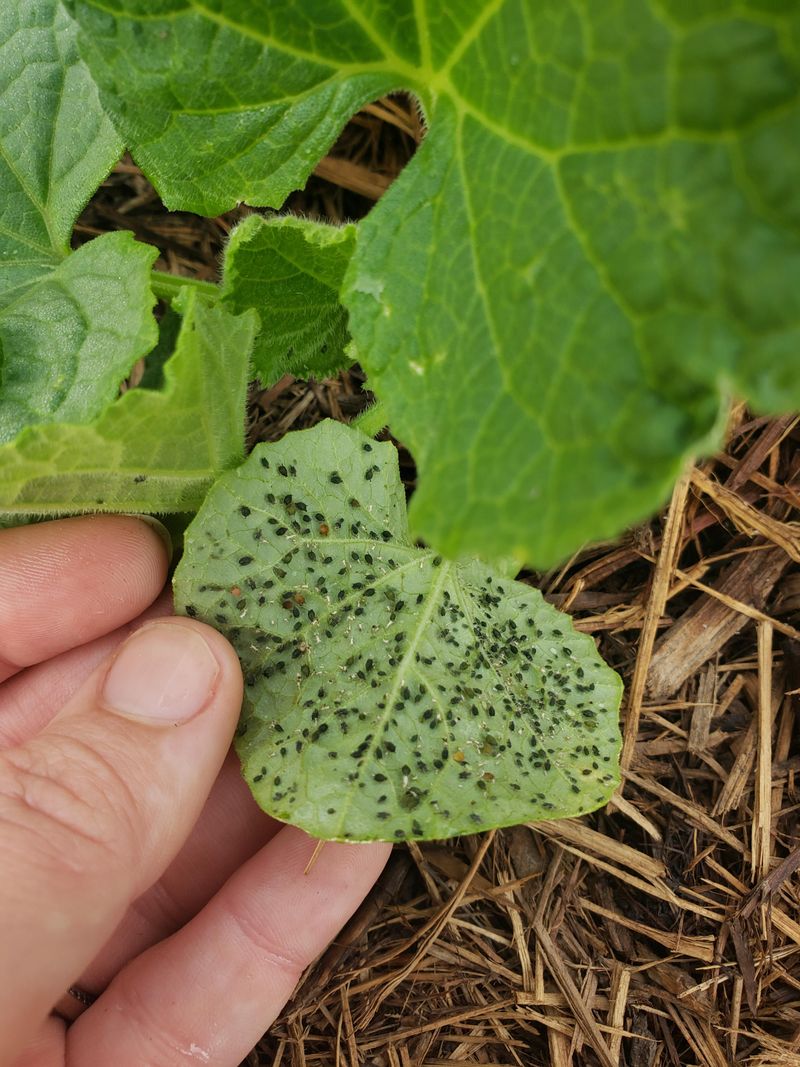
Aphids have a strong preference for the softest, most tender parts of plants, which means they go straight for brand-new leaves and shoots emerging in spring.
The sap in young growth contains higher concentrations of nutrients and amino acids that aphids need, making it like premium fuel compared to older, tougher leaves.
Gardeners across Pennsylvania notice aphids clustering at growing tips of roses, beans, peppers, and ornamental shrubs where the tissue is most vulnerable and easiest to pierce.
This feeding pattern causes new leaves to curl, twist, or become deformed, which can stunt plant growth and reduce flower or fruit production throughout the season.
Young vegetable seedlings are especially at risk because heavy aphid feeding can weaken them so much that they struggle to establish strong root systems in garden soil.
Inspecting the newest growth on your plants every few days helps you spot aphid colonies before they cause permanent damage to the parts that determine your harvest success.
4. Sticky Honeydew Creates Secondary Problems
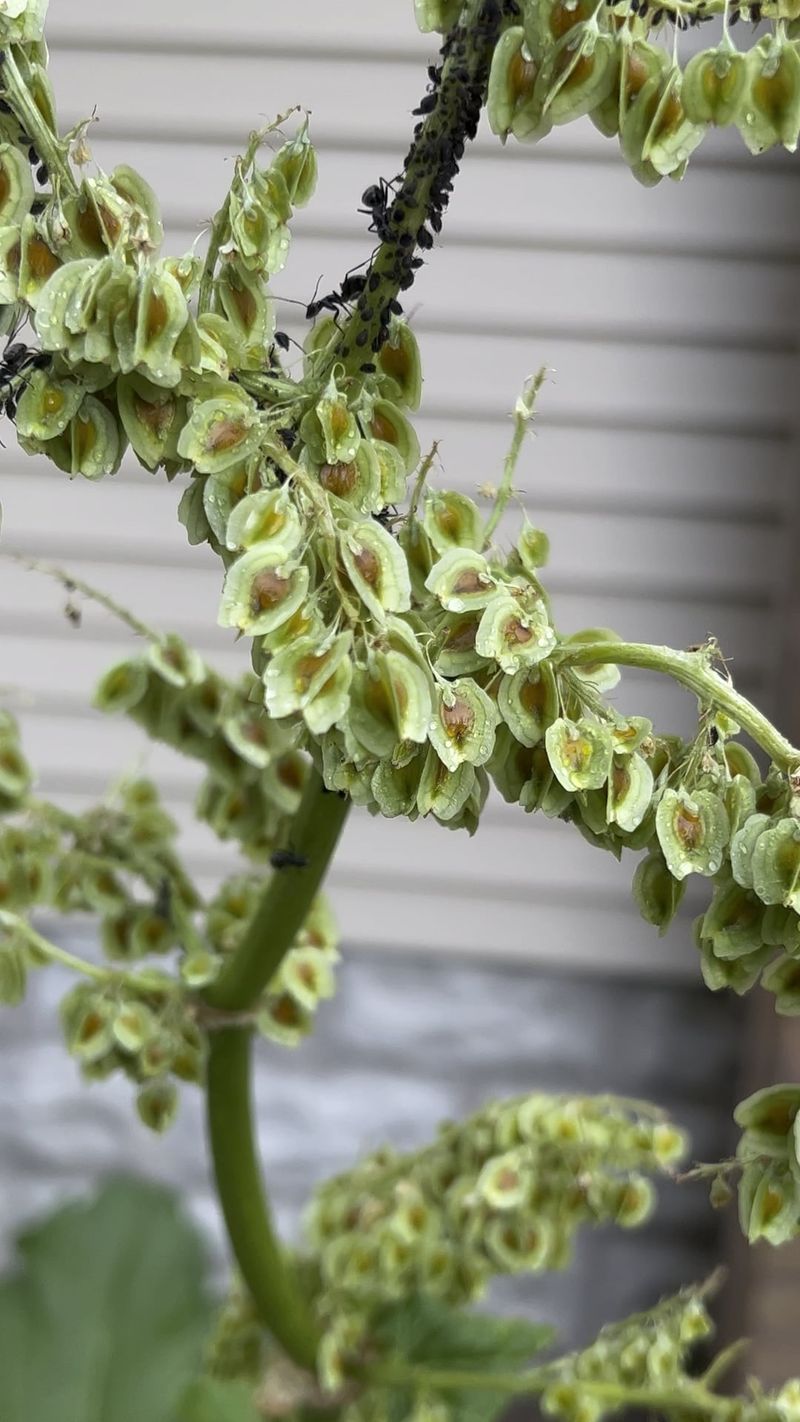
As aphids feed on plant sap, they excrete a sugary waste product called honeydew that coats leaves, stems, and anything underneath the infested plant with a sticky film.
This gooey substance attracts ants that actually protect aphid colonies from predators because they want to harvest the honeydew for their own food source.
Pennsylvania gardeners often notice their patio furniture, cars, or walkways becoming mysteriously sticky when aphid populations explode in trees and shrubs overhead during late spring.
Even worse, a black fungus called sooty mold grows on the honeydew, covering leaves with a dark coating that blocks sunlight and reduces the plant’s ability to photosynthesize properly.
While sooty mold does not directly harm plants, it weakens them by interfering with their food production, making them more susceptible to other stresses like drought or disease.
Washing honeydew off plants with a strong spray of water helps prevent sooty mold from establishing and makes your garden look cleaner and healthier throughout the growing season.
5. Beneficial Insects Are Natural Predators
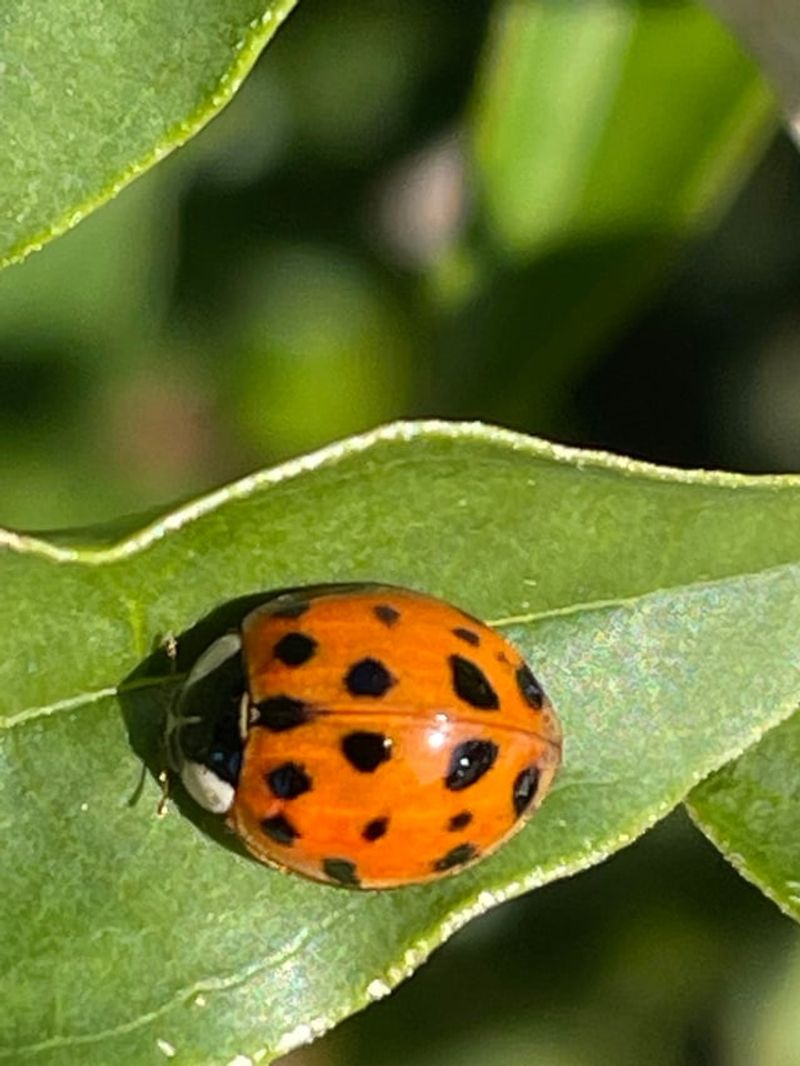
Ladybugs are famous for their appetite for aphids, with a single adult capable of consuming fifty or more of these pests in just one day of feeding.
Lacewing larvae, which look like tiny alligators, are even more voracious and can clear aphid colonies from plants faster than almost any other beneficial insect in Pennsylvania gardens.
Hoverflies, which resemble small bees but actually feed on nectar as adults, lay eggs near aphid colonies so their larvae can feast on the abundant food source.
Encouraging these helpful predators means planting flowers like alyssum, yarrow, and dill that provide nectar and pollen to support their populations throughout the growing season.
Many Pennsylvania garden centers now sell beneficial insects that you can release directly into your garden to establish populations that will patrol for aphids all summer long.
Avoiding broad-spectrum pesticides protects these natural allies, allowing them to keep aphid numbers under control without you having to spray chemicals that might harm other garden inhabitants.
6. Water Spray Can Dislodge Colonies
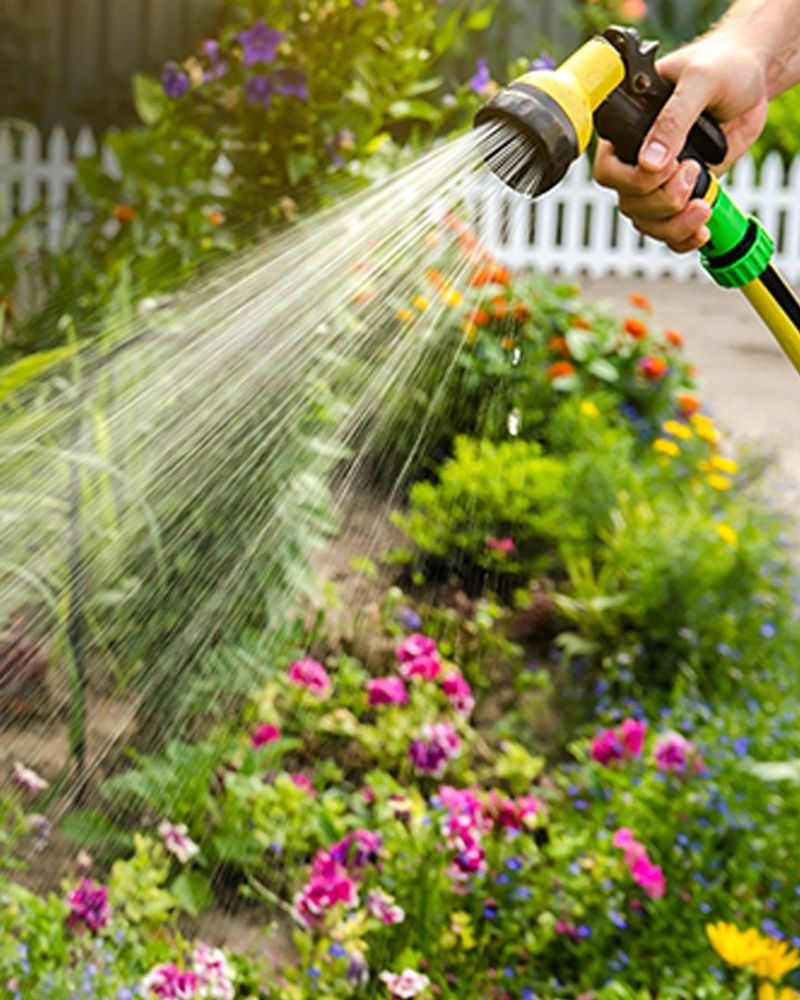
A strong jet of water from your garden hose can knock aphids off plant leaves and stems, and once on the ground they usually cannot climb back up.
This simple mechanical control method works best early in the morning when aphids are less active and before beneficial insects like bees start visiting flowers in your Pennsylvania garden.
Aphids have weak legs and soft bodies, so the force of water is often enough to injure them or separate them permanently from their food source.
Repeating this water treatment every two or three days for a couple of weeks can significantly reduce aphid populations without using any chemicals or spending money on products.
Focus the spray on the undersides of leaves and growing tips where aphids congregate most heavily, being careful not to damage delicate flowers or very young seedlings.
This technique works particularly well on sturdy plants like roses, shrubs, and established vegetable plants that can handle the water pressure without suffering damage to their foliage or structure.
7. Companion Planting Offers Protection
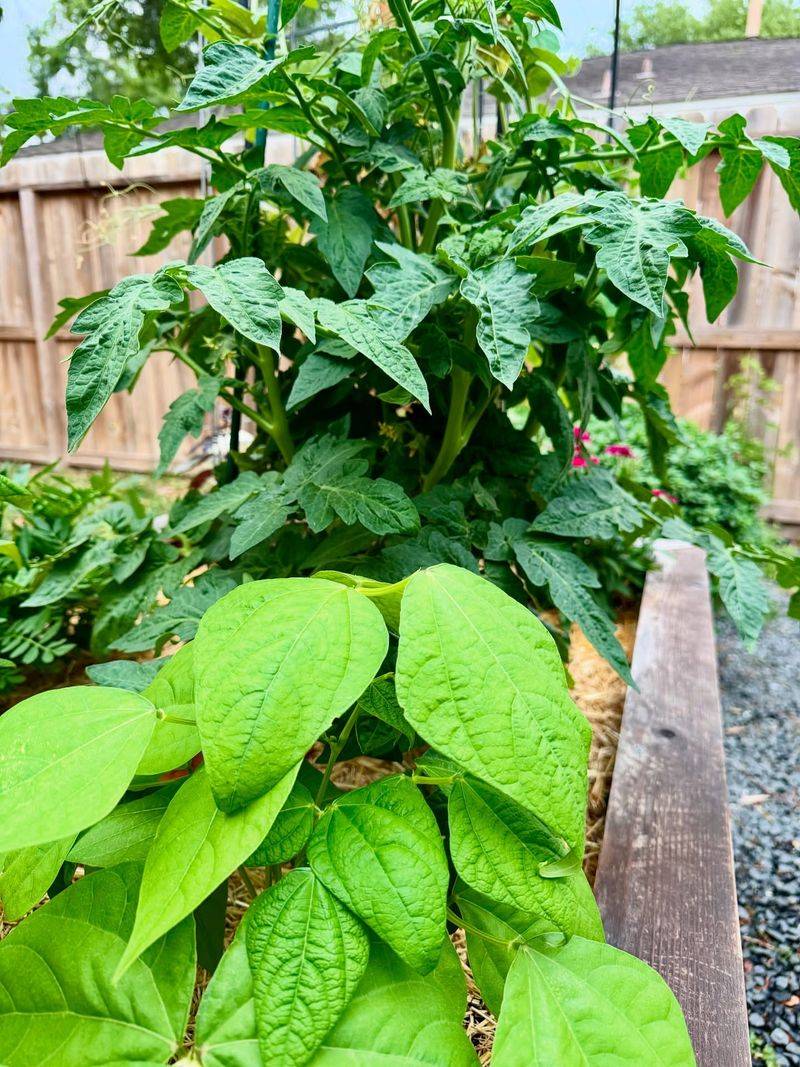
Certain plants release natural chemicals or scents that aphids find unpleasant, making them less likely to settle in areas where these companion plants grow abundantly.
Planting garlic, chives, and onions throughout your Pennsylvania vegetable garden can help mask the attractive scents that aphids use to locate their favorite host plants like peppers and beans.
Strongly scented herbs including mint, basil, and oregano also confuse aphids and make it harder for them to find the vegetables they want to colonize and feed upon.
Marigolds and nasturtiums are popular companion flowers that either repel aphids or act as trap crops, attracting the pests away from your more valuable plants to sacrifice varieties instead.
Mixing different plant types together creates a diverse garden ecosystem that supports beneficial insects while making it harder for aphid populations to locate and overwhelm single crop types.
Pennsylvania gardeners who practice companion planting often report fewer pest problems overall because the variety of scents and plant defenses creates natural barriers that disrupt insect behavior patterns effectively.
8. Insecticidal Soap Works Safely
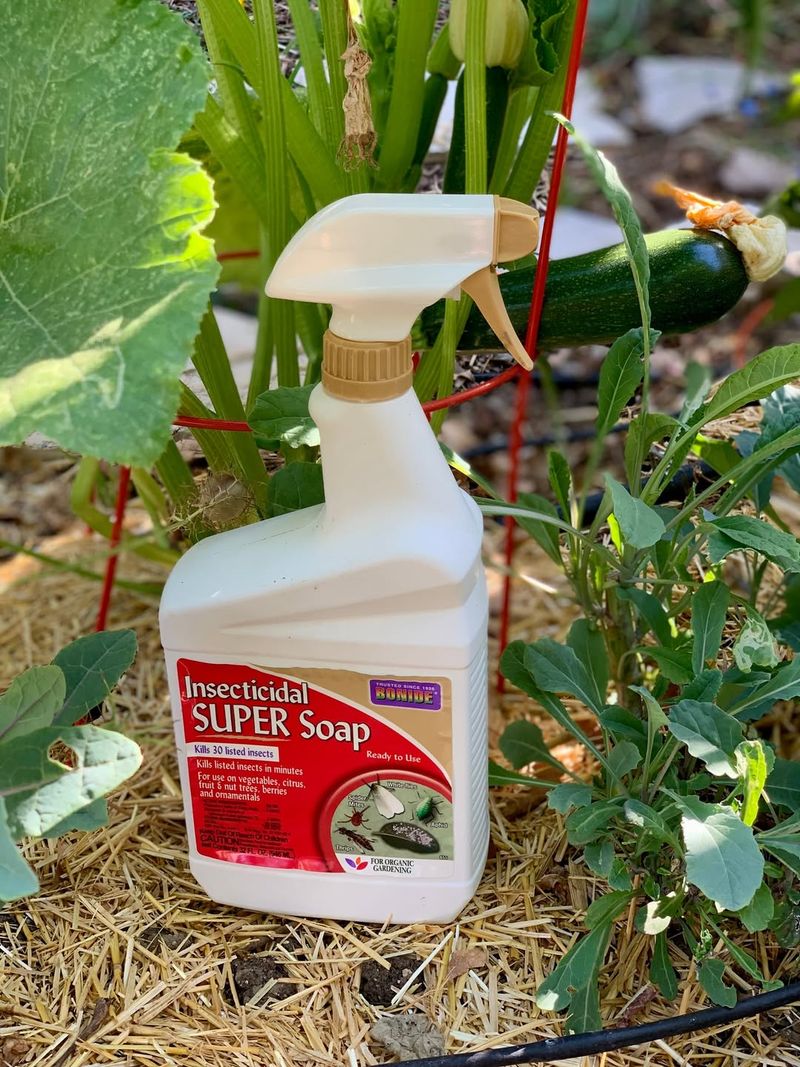
Insecticidal soaps contain fatty acids that dissolve the protective outer coating of soft-bodied insects like aphids, causing them to dehydrate and stop feeding within hours of contact.
These products are considered safe for use around children, pets, and beneficial insects because they only work when wet and break down quickly into harmless components once they dry.
Pennsylvania gardeners appreciate that insecticidal soap leaves no toxic residue on vegetables or fruits, meaning you can harvest and eat produce shortly after treating aphid infestations on edible plants.
For best results, spray plants thoroughly in the early morning or evening, making sure to coat the undersides of leaves where aphids hide and feed most actively during the day.
Insecticidal soap must make direct contact with aphids to work, so repeated applications every five to seven days are usually necessary to control new generations that hatch after the initial treatment.
You can even make a homemade version using a few tablespoons of pure liquid soap mixed with water, though commercial formulations are specifically designed to be most effective against pests.
9. Healthy Plants Resist Damage Better
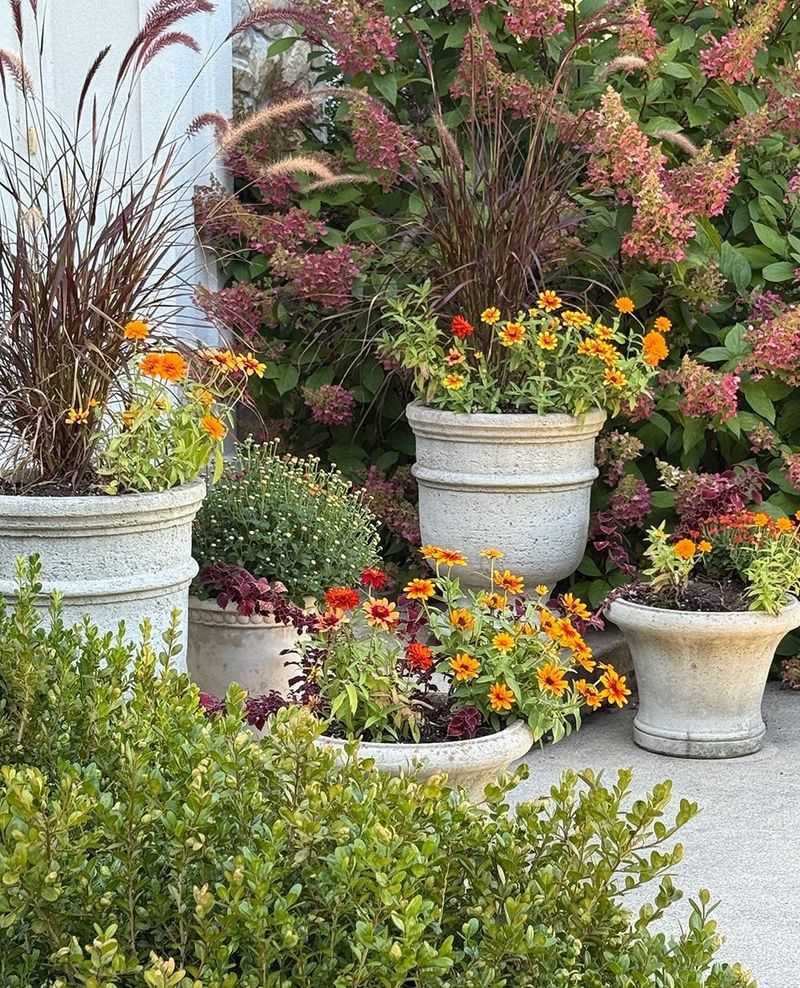
Plants growing in nutrient-rich soil with adequate water and sunlight develop stronger cell walls and more robust immune systems that help them tolerate and recover from aphid feeding pressure.
Stressed plants, whether from drought, poor soil, or lack of nutrients, release chemical signals that actually attract more aphids, creating a cycle that makes infestations worse over time.
Pennsylvania gardeners who regularly amend their soil with compost and provide consistent watering notice that their plants suffer less visible damage even when aphids are present in the neighborhood.
Fertilizing appropriately matters too—too much nitrogen causes plants to produce excessive tender new growth that aphids find irresistible, while balanced nutrition creates moderate, healthier growth patterns.
Proper plant spacing allows good air circulation that helps foliage dry quickly after rain or morning dew, reducing the humid conditions that aphids and fungal diseases both prefer for colonization.
Investing time in soil preparation and ongoing plant care creates a garden environment where even moderate aphid populations cause minimal harm, letting plants continue growing productively despite pest presence.
10. Monitor Regularly For Early Detection
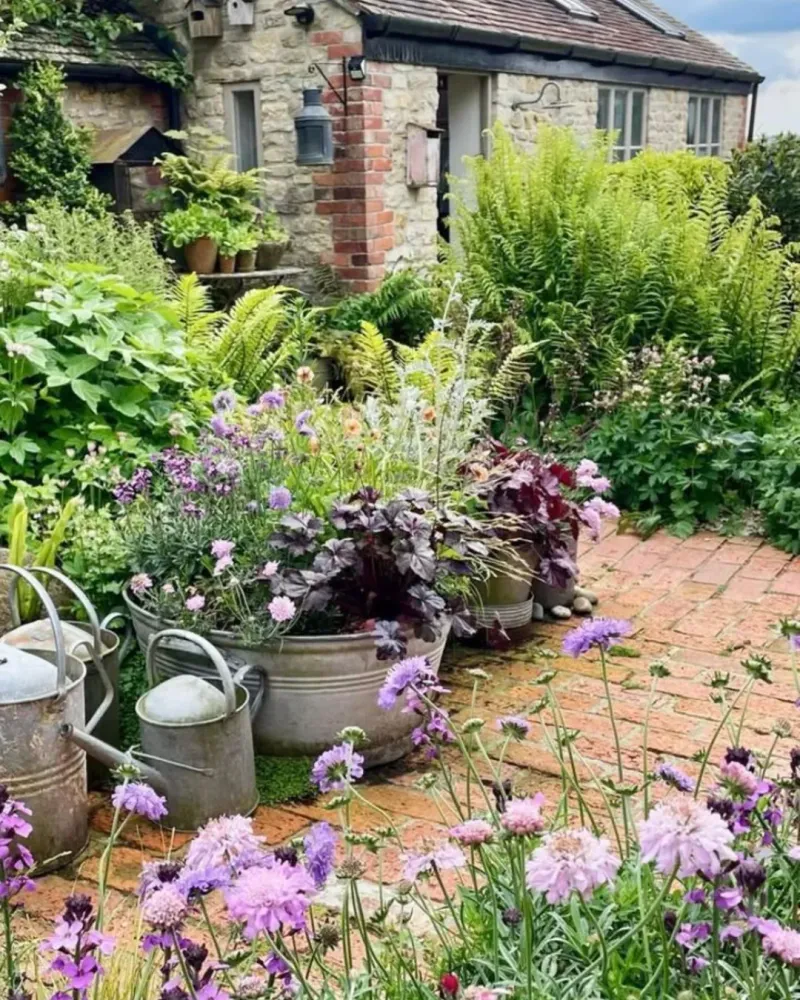
Walking through your garden every few days with a close eye on plant health helps you spot the first few aphids before they multiply into overwhelming numbers.
Look carefully at the undersides of leaves, along stems, and especially at growing tips where aphids prefer to congregate and begin establishing their colonies in vulnerable plant tissue.
Pennsylvania gardeners who make inspection a routine habit catch problems early enough that simple solutions like water spray or hand-picking can solve the issue without needing stronger interventions.
Bringing a small notebook or using a phone app to track when and where you find aphids helps you identify patterns and predict future problems in specific garden areas.
Early detection also allows you to remove heavily infested leaves or plants before aphids spread to neighboring specimens, containing the problem to a manageable size and preventing garden-wide infestations.
Regular monitoring becomes especially important during April and May across Pennsylvania when warming temperatures trigger rapid aphid reproduction and populations can explode within just a week or two of initial colonization.