7 April Gardening Tasks In Georgia You Shouldn’t Skip
Some things in a Georgia garden can slide for a bit, but April is not that kind of month. Growth is picking up fast, and what gets done now shows up later in how everything looks and performs.
It is easy to focus on what is already planted and forget a few key things that quietly keep everything on track.
Skipping them does not seem like a big deal at first, but it often catches up once plants start pushing harder and the weather shifts.
Georgia conditions move quickly this time of year, and small gaps in care can turn into bigger issues before you even notice. A little attention now keeps things steady, helps plants settle in, and makes the rest of the season feel far less stressful.
1. Finish Planting Warm-Season Vegetables After The Last Frost Passes
Georgia’s last frost date sneaks past most gardeners faster than they expect. In central Georgia, that window typically closes by mid-April, while folks in the southern part of the state may be clear even earlier.
Once you’re confident the cold nights are behind you, get those warm-season transplants in the ground without delay.
Tomatoes, peppers, cucumbers, and squash all need soil temperatures above 60 degrees Fahrenheit to really take off. Planting too early when the ground is still cold slows root development and leaves your plants sitting there looking miserable for weeks.
A cheap soil thermometer takes the guesswork out of it completely.
If you started seeds indoors back in February or March, harden them off for about a week before transplanting. Set them outside in a shaded spot for a few hours each day, gradually increasing sun exposure.
Skipping this step often shocks transplants and sets them back.
Spacing matters more than most beginners realize. Crowded plants compete for water and nutrients, and poor airflow between them invites fungal problems that are especially common in Georgia’s humid summers.
Follow the spacing recommendations on your seed packet or plant tag and resist the urge to squeeze in extras.
Give new transplants a good, deep watering right after planting and consider adding a thin layer of mulch around them immediately. Georgia April sun can be surprisingly intense, and young roots need consistent moisture while they’re getting established in their new spot.
2. Direct Sow Beans, Corn, And Squash As Soil Warms Up
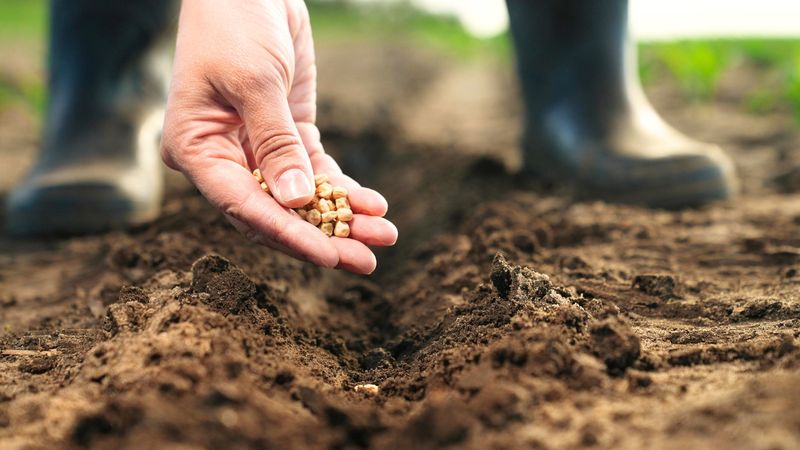
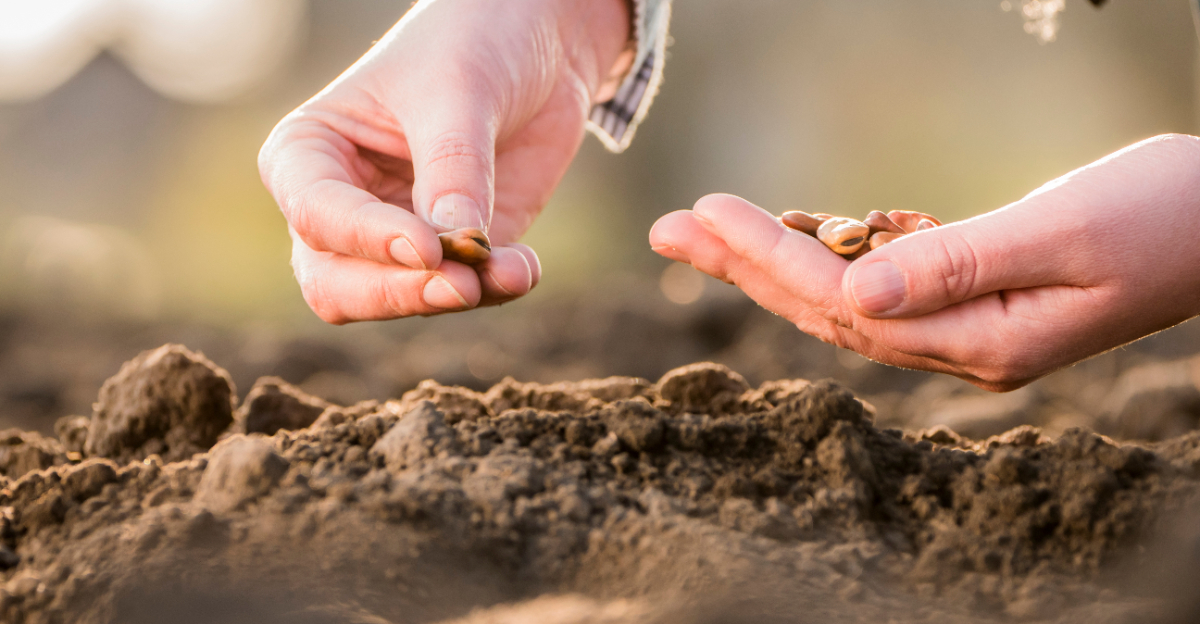
Beans, corn, and squash don’t like being transplanted. Root disturbance sets them back, and they almost always do better when you sow them right where they’re going to grow.
April is exactly the right time for this across most of Georgia, especially once soil temps are consistently above 60 degrees.
Bush beans are one of the most rewarding direct-sow crops you can plant this month. Drop seeds about an inch deep and four to six inches apart in rows.
They sprout fast, usually within a week if the soil is warm enough, and you’ll be harvesting in about 50 days. Succession plant every two weeks for a longer harvest window.
Corn needs a block planting pattern rather than a single long row. Wind pollination works best when plants are close together in multiple short rows.
A minimum of four rows side by side gives you much better pollination and fuller ears. Skimping on this step leads to spotty, half-filled cobs.
Summer squash practically grows itself once conditions are right. Plant seeds about an inch deep and give each plant plenty of room, at least three feet in every direction.
In Georgia’s warm climate, squash can get aggressive fast. Keeping up with harvesting encourages the plant to keep producing instead of putting all its energy into one oversized fruit.
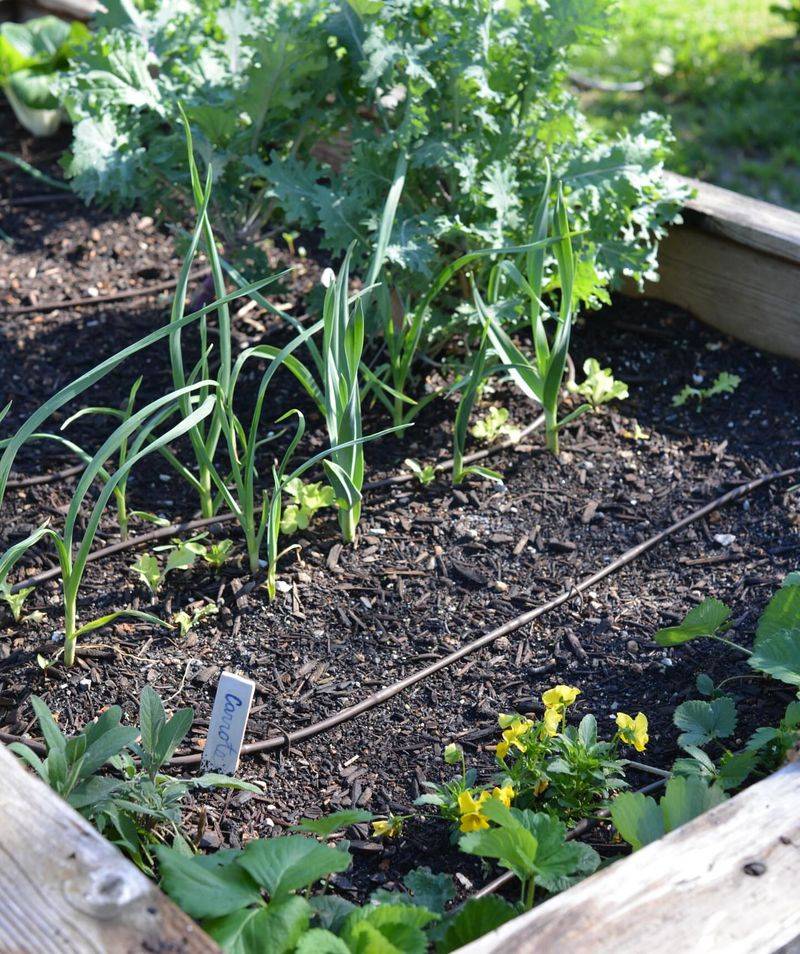
Water gently after sowing so you don’t wash seeds out of position, and mark your rows clearly. It’s easy to forget what’s planted where once the soil looks the same all over.
3. Apply Mulch To Hold Moisture And Keep Soil Temperature Steady
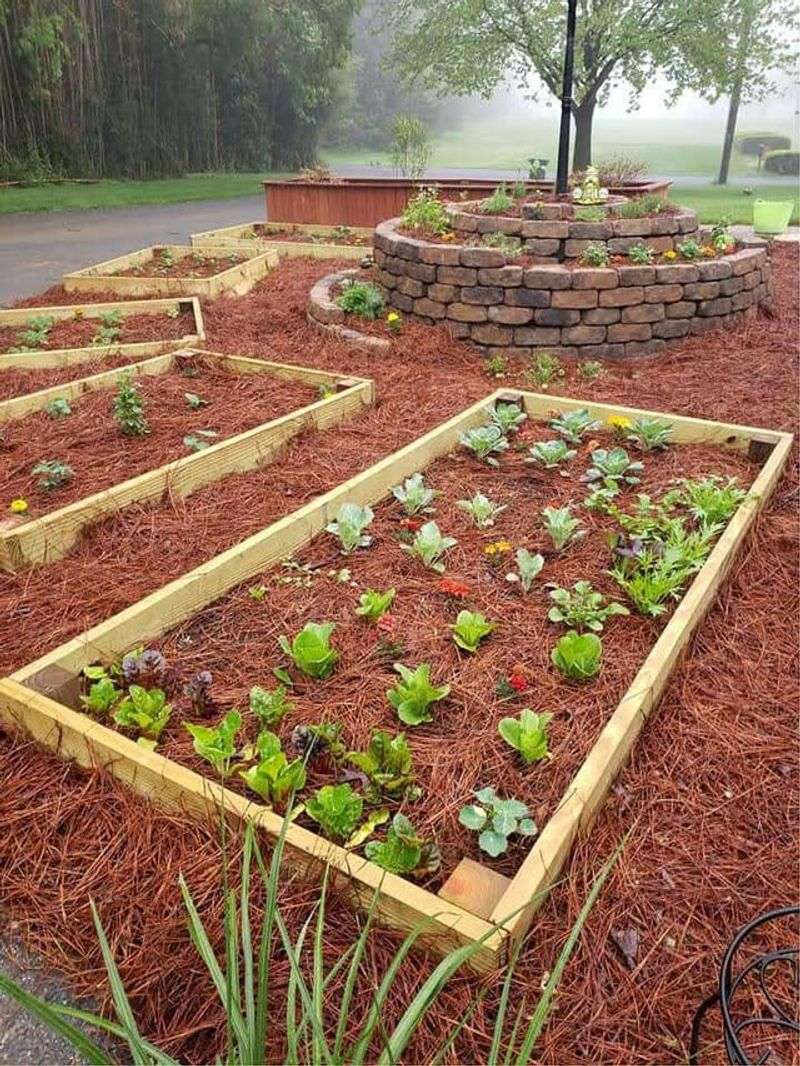
Pine straw is practically a Georgia gardening tradition, and there’s a real reason for that. It breaks down slowly, doesn’t compact like wood chips, and is cheap and widely available throughout the state.
Spreading a two to three inch layer around your plants this month does more for your garden than almost anything else you can do in April.
Mulch slows water evaporation from the soil surface, which matters a lot once Georgia’s May and June heat kicks in. Less evaporation means you’re watering less often, which saves time and money.
It also keeps soil temperatures more stable, which roots genuinely appreciate during those swings between cool nights and warm April afternoons.
Weed suppression is another huge benefit. A proper layer of mulch blocks sunlight from reaching weed seeds sitting in the soil.
You’ll still get some weeds poking through, but the number drops dramatically compared to bare soil. Less weeding means more time doing the parts of gardening you actually enjoy.
Keep mulch a couple of inches away from plant stems and tree trunks. Piling it up against the base traps moisture against the stem and creates conditions that can lead to rot and pest problems over time.
A small gap around each plant is all it takes to avoid that issue.
Refresh old mulch before adding new material. Sometimes existing mulch compacts into a layer that actually repels water.
Fluffing it up first or raking it aside and starting fresh ensures water moves through to the soil where it belongs.
4. Fertilize Shrubs And Wait Until Active Lawn Growth Before Feeding Grass
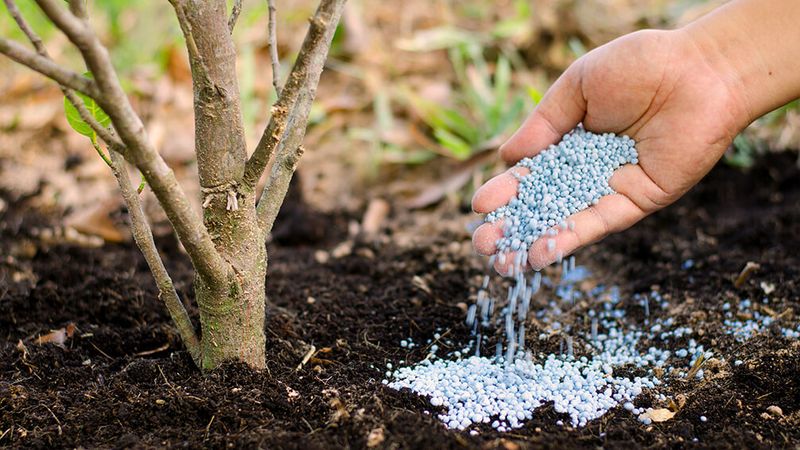
Azaleas, gardenias, and camellias are finishing up their blooms right about now across Georgia, and that’s the perfect moment to feed them. A slow-release, acid-forming fertilizer works well for most flowering shrubs here.
Scratch it into the soil lightly around the drip line and water it in thoroughly so nutrients can start moving toward the roots.
Avoid fertilizing shrubs while they’re actively blooming. Feeding at that stage pushes leafy green growth instead of supporting the flowers you’re waiting on.
Right after blooming ends is the sweet spot, and it gives the plant fuel for the rest of the growing season.
Lawn fertilizing in Georgia is a different story and requires a bit more patience. Warm-season grasses like Bermuda, Zoysia, and Centipede shouldn’t be fed until they’re actively growing and have greened up fully.
Fertilizing too early, when grass is still coming out of dormancy, pushes tender new growth that’s more vulnerable to any late cold snap.
Watch your lawn closely in April. Once it’s consistently green and growing, usually by late April in most parts of Georgia, that’s your signal to apply a balanced fertilizer.
Centipede in particular is sensitive to over-fertilizing, so follow label rates carefully and don’t assume more is better.
Soil testing before you fertilize anything is honestly the smartest move. The University of Georgia Extension Service offers affordable soil tests that tell you exactly what your yard needs, so you’re not guessing or wasting money on nutrients the soil already has in plenty.
5. Watch For Early Pests On New Spring Growth And Act Quickly
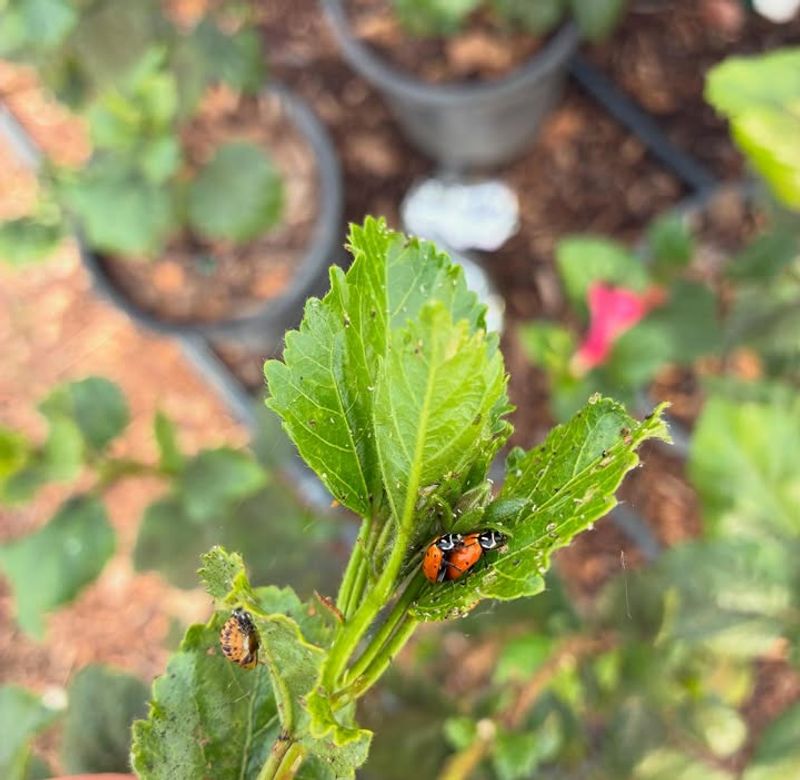
Aphids show up fast in Georgia April gardens, and they almost always target the newest, softest growth first. Check the undersides of leaves on roses, vegetables, and young shrubs every few days starting now.
A strong blast of water from a hose knocks most of them off without any chemical intervention at all.
Caterpillars are another early-season issue worth watching. Cabbage loopers and tomato hornworm eggs can already be present on transplants you just put in the ground.
Look for tiny holes in leaves and check both sides carefully. Catching them early, when caterpillars are small, makes control much easier and less damaging to the plant.
Squash vine borers are a Georgia summer nightmare, but their eggs start appearing earlier than most people expect. Adult moths lay eggs at the base of squash stems in late spring.
Checking stems weekly and wrapping them loosely with row cover fabric early in the season can delay infestation and buy you extra weeks of harvest time.
Slugs love the wet, mild conditions that Georgia April often brings. If you’re finding ragged holes in leaves with no obvious insect present, check around plant bases at night with a flashlight.
Diatomaceous earth sprinkled around vulnerable plants creates a barrier they don’t want to cross.
Staying observant is the whole game with pest management. Problems caught early are manageable.
Waiting until a plant is heavily infested makes control much harder and puts neighboring plants at risk too. A quick daily walk through the garden is worth more than any spray.
6. Water Deeply But Less Often To Help Roots Grow Strong
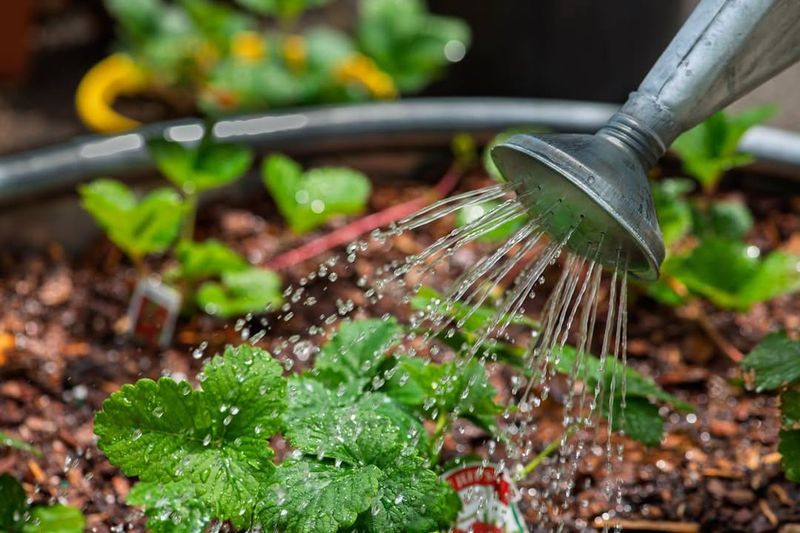
Shallow, frequent watering trains roots to stay near the soil surface, where they’re far more vulnerable to heat and drought stress. Watering deeply and less often pushes roots downward in search of moisture, building a stronger, more resilient plant overall.
It’s one of those habits that pays off big once summer heat arrives in Georgia.
A general rule that works well in Georgia’s April climate is to give garden beds about an inch of water per week, either from rainfall or supplemental irrigation. Stick a rain gauge in your garden to track what nature is providing.
If you’re hitting an inch naturally, you may not need to water at all that week.
Drip irrigation or soaker hoses are worth every penny for Georgia vegetable gardens. Overhead watering wets foliage, and wet leaves in humid conditions invite fungal diseases that can spread quickly.
Keeping water at the root zone instead of on the leaves makes a real difference in plant health through the season.
Water in the morning when possible. Morning watering gives foliage time to dry out during the day, and it puts moisture in the soil right before the warmest part of the day when evaporation is highest.
Evening watering leaves plants wet overnight, which encourages the kind of fungal problems Georgia gardeners know all too well.
Sandy soils in South Georgia drain fast and may need more frequent watering than the clay-heavy soils in the north. Know what you’re working with and adjust accordingly rather than following a rigid schedule that doesn’t match your actual soil type.
7. Stake And Support Fast-Growing Plants Before They Get Too Tall
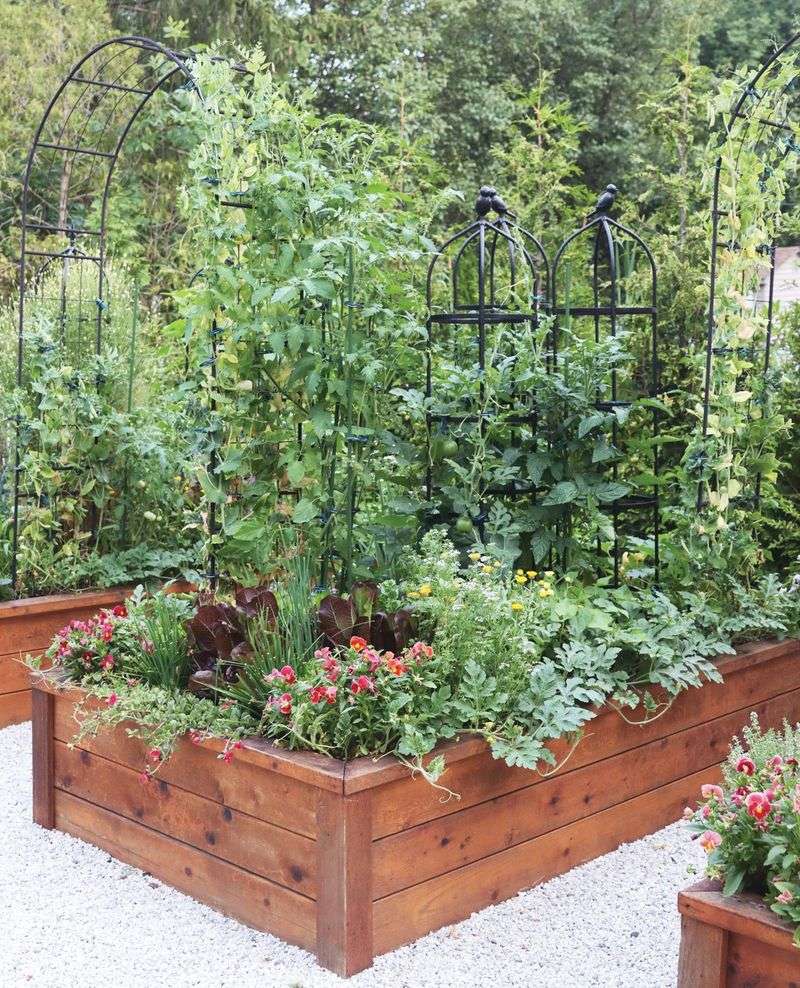
Putting stakes in after a plant has already flopped over is a frustrating experience most Georgia gardeners have been through at least once.
Branches that have bent or snapped under their own weight don’t fully recover, and fruit that touches the soil is much more prone to rot and pest damage.
Getting supports in place early prevents all of that.
Tomatoes are the obvious candidate for staking, but don’t overlook peppers, tall varieties of basil, and any vining plants you’re training vertically.
Even beans benefit from a simple trellis when you’re growing pole varieties, which are generally more productive than bush types over a longer harvest window.
Concrete reinforcing wire bent into a cylinder makes one of the best tomato cages available. Store-bought cages are usually too short and too flimsy for the large indeterminate varieties that grow well in Georgia.
A homemade cage from concrete wire is sturdier, lasts for years, and actually keeps up with how big those plants get.
Drive stakes deep enough that they won’t tip over when a summer thunderstorm rolls through. Georgia gets some serious afternoon storms starting in late spring, and a stake that’s only a few inches in the ground won’t hold anything when the wind picks up.
At least a foot of depth is a reasonable minimum for most support stakes.
Use soft ties, strips of old t-shirt fabric, or garden velcro to attach plants to supports. Wire or string tied too tightly cuts into stems as the plant grows and can restrict water and nutrient flow up the plant over time.