8 April Mistakes North Carolina Gardeners Make Every Year And How To Avoid Them
April can feel like the month when everything needs to happen at once in a North Carolina garden. The weather warms up, plants start pushing new growth, and it suddenly feels like the whole yard is calling for attention.
That is also why so many gardening mistakes happen right now. People plant too early, prune at the wrong time, fertilize plants that do not need it, or rush to clean up damage before plants have a chance to recover.
Some of these mistakes seem small at first, but they can affect blooms, growth, and plant health for weeks or even months. North Carolina spring weather can change fast, which makes timing even more important.
A few wrong moves in April can set the garden back just when it should be taking off. Knowing what to avoid now can help your yard look stronger, fuller, and healthier for the rest of the season.
1. Planting Warm-Season Crops Too Early
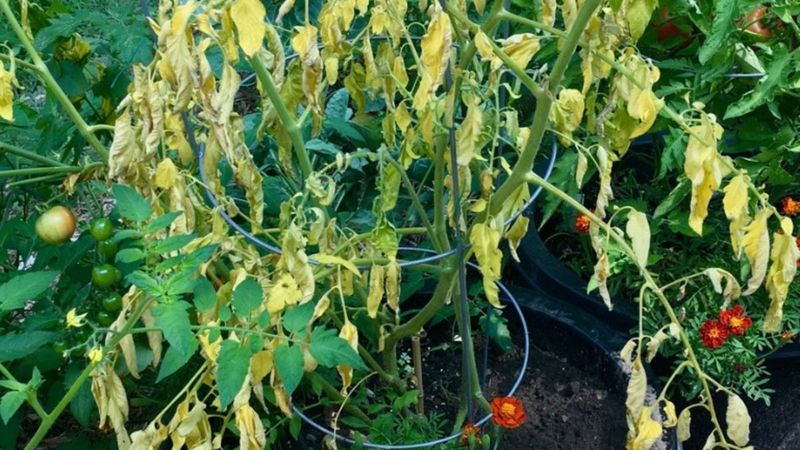
Every spring, the excitement of warmer days tricks North Carolina gardeners into rushing tomatoes and peppers into the ground way too soon.
Solanum lycopersicum and Capsicum annuum are both warm-season crops that simply cannot handle cold nights, and April in NC can still surprise you with frost.
The Piedmont and mountain regions are especially risky, where late freezes are far more common than people expect.
Coastal areas might get away with planting by early April, but gardeners in Raleigh, Asheville, or anywhere in the foothills should hold off until mid to late April at the earliest. Even a single cold night can set back young seedlings by weeks.
Waiting just a little longer gives plants a much stronger start in the soil.
The general rule is to wait until after your area’s average last frost date before transplanting warm-season crops outdoors. For most of the Piedmont, that falls between mid-April and early May.
Check the NC State Extension frost date guide for your specific county, because a few extra days of patience pays off in healthier, stronger plants all season long.
2. Ignoring Soil Temperature
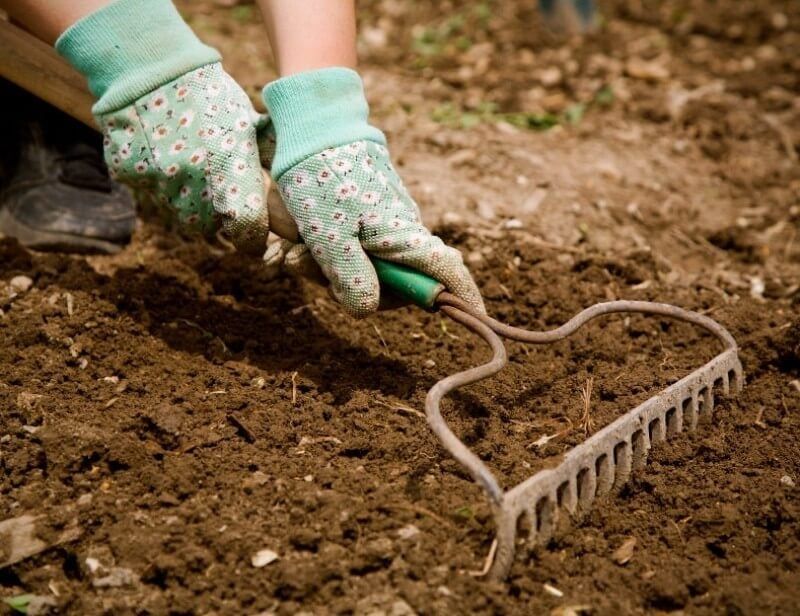
Most gardeners watch the weather forecast and assume warm air means the soil is ready too, but that is rarely the case in early April across North Carolina.
Soil temperature lags behind air temperature, sometimes by several weeks, and planting into cold soil stresses seeds and roots right from the start.
Warm-season crops need soil consistently above 60 degrees Fahrenheit before they will thrive.
Cool-season crops like Spinacia oleracea, or spinach, can handle soil temperatures closer to 40 to 50 degrees, which makes them a smarter choice for early April planting.
Warm-season plants sitting in cold soil tend to sulk, grow slowly, and become more vulnerable to rot and disease. Getting the timing right based on actual soil conditions makes a huge difference in how well your garden performs.
A simple soil thermometer is one of the most useful and affordable tools any North Carolina gardener can own. Push it about two to three inches into the ground in the morning for the most accurate reading.
Taking the guesswork out of planting dates with real data means your seeds and transplants go in at exactly the right moment, giving every plant the best possible chance to grow strong and healthy throughout the season.
3. Overwatering During Spring Rains
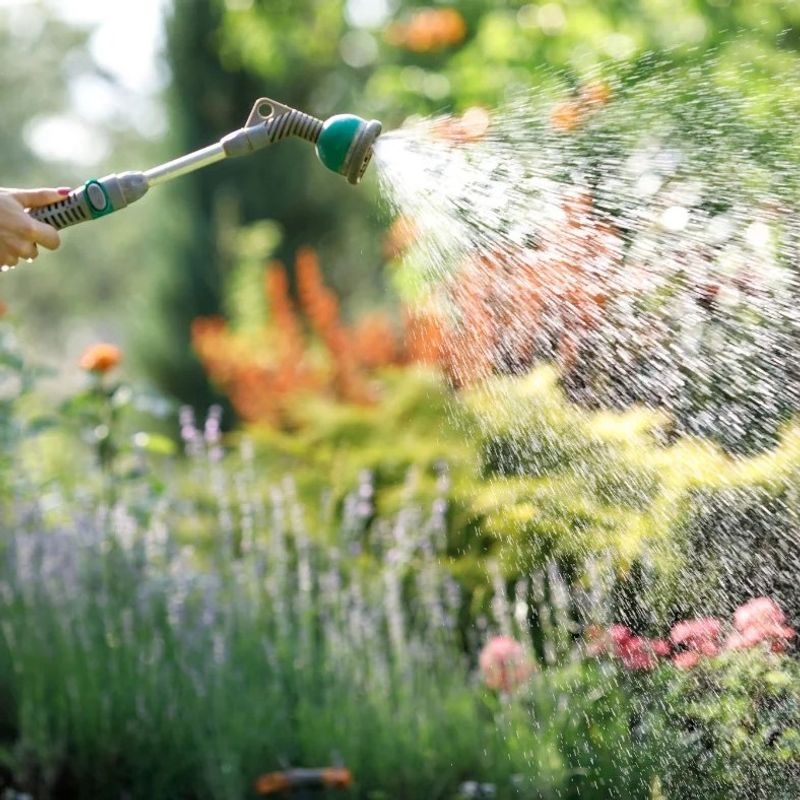
North Carolina gets a solid amount of rainfall in April, and while that is generally great for gardens, it leads many well-meaning gardeners into a common trap. Watering on a fixed schedule without checking actual soil moisture means plants often end up sitting in soggy, oversaturated ground.
Roots need oxygen as much as they need water, and waterlogged soil cuts off that oxygen supply fast.
Clay-heavy soils, which are extremely common throughout the Piedmont region, drain slowly and hold moisture for much longer than sandy or loamy soils. When you add regular watering on top of April rain in clay soil, root rot becomes a real and frustrating problem.
Plants start to look wilted even though the soil is wet, which confuses gardeners into watering even more and making the situation worse.
Before you reach for the hose or turn on the drip system, push your finger about two inches into the soil near your plants. If it feels moist, skip watering that day entirely.
Tracking rainfall with a simple rain gauge also helps you stay informed about how much water your garden is actually receiving.
Adjusting your watering habits to match real conditions rather than a calendar keeps roots healthy and plants growing strong all through the NC spring season.
4. Skipping Mulch For Too Long
Skipping mulch in April might not seem like a big deal at first, but the consequences sneak up on you fast.
As temperatures start climbing across North Carolina, unmulched soil loses moisture quickly, weeds take hold almost overnight, and soil temperatures swing wildly from morning to afternoon.
That kind of stress on young roots slows growth and makes plants work much harder than they should have to.
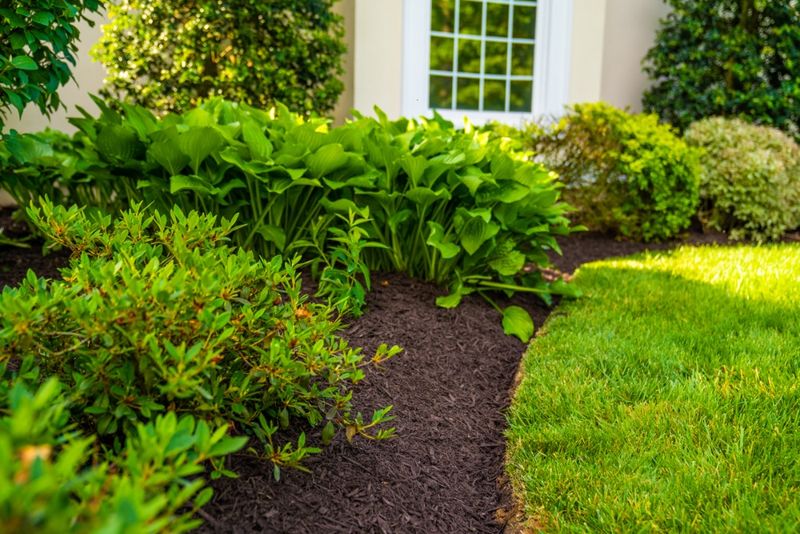
Adding just two to three inches of organic mulch around your plants in April creates a protective layer that works in multiple ways at once.
It holds soil moisture so you water less often, it keeps soil temperature more stable as spring heats up, and it blocks sunlight from reaching weed seeds waiting just below the surface.
Pine straw, shredded hardwood, and wood chips are all popular and effective choices throughout North Carolina gardens.
One important detail many gardeners miss is keeping mulch a few inches away from plant stems and tree trunks. Piling mulch directly against stems traps moisture and creates a perfect environment for rot and fungal issues.
Pull the mulch back slightly to leave a small gap around each plant base. Taking an afternoon in mid-April to mulch your beds properly saves hours of weeding, watering, and plant rescue work throughout the rest of the growing season.
5. Pruning Spring-Blooming Shrubs At The Wrong Time

Few gardening mistakes sting quite like grabbing your pruning shears in April and accidentally removing all the flower buds you spent all winter waiting for.
Azaleas, known botanically as Rhododendron spp., and forsythia, or Forsythia x intermedia, are two of the most beloved spring-blooming shrubs across North Carolina landscapes.
Both of these plants bloom on old wood, meaning the flower buds formed during the previous growing season.
Pruning them in April, even with the best intentions of shaping them up, removes exactly those buds and leaves you with a tidy shrub that produces zero flowers.
It feels like a clean and productive garden task in the moment, but the result is a full season without the blooms you were counting on.
Many NC gardeners have made this mistake at least once, and it is a frustrating lesson that sticks with you.
The correct approach is simple once you know it: wait until your spring-blooming shrubs have completely finished flowering, then prune within four to six weeks after blooming ends.
That window gives the shrub enough time to set new buds on the fresh growth before fall arrives.
Timing your pruning correctly means your azaleas and forsythia will reward you with a full, colorful display every single spring for years to come.
6. Not Preparing For Sudden Cold Snaps
April in North Carolina has a sneaky reputation for pulling out one last cold snap just when gardeners start feeling confident.
Even after several warm, sunny days, temperatures can drop sharply overnight, especially in the Piedmont and mountain regions where elevation plays a big role.
A brief dip below freezing is all it takes to damage tender blooms and young seedlings that you just spent weeks nurturing from seed.
The tricky part about April cold snaps is how little warning they sometimes give. A forecast might look mild all week, then suddenly drop overnight by Thursday.
Gardeners who are not prepared end up scrambling in the dark trying to cover plants with whatever they can find, which rarely works as well as having the right supplies already on hand and ready to go.
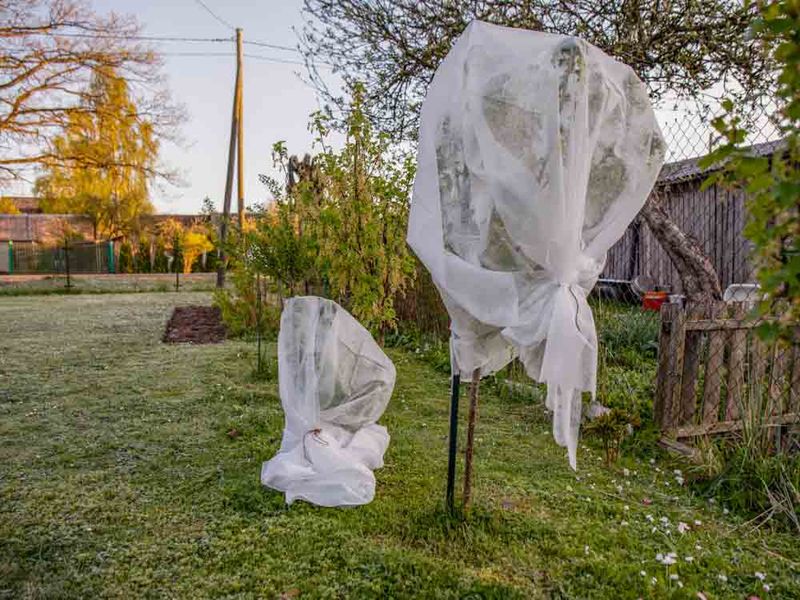
Keeping a supply of frost cloth, row covers, or even old bedsheets in your garage through April is one of the smartest habits any North Carolina gardener can build. When a cold snap warning pops up, you can cover vulnerable plants in minutes rather than panicking.
Remove the covers during the day so plants still get sunlight and airflow. Staying one step ahead of unpredictable April weather across NC is the difference between a thriving spring garden and one that needs to start over from scratch.
7. Fertilizing Too Early Or Too Heavily
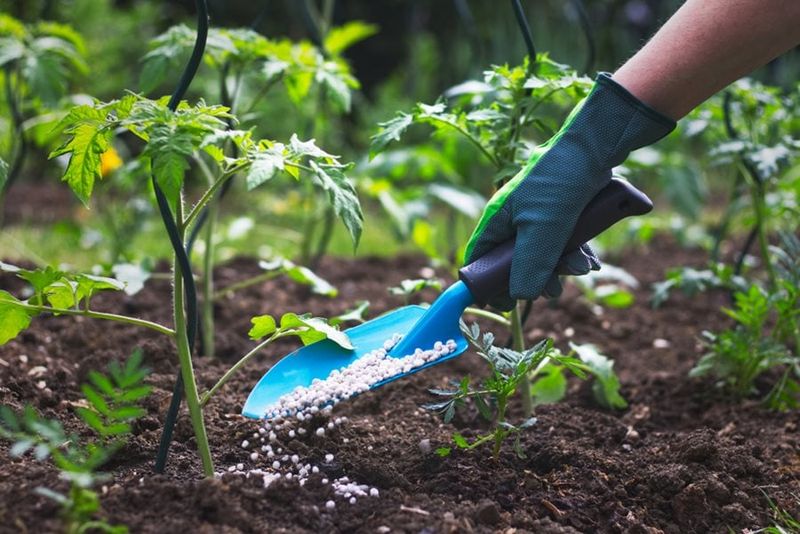
Early April energy is contagious, and many North Carolina gardeners channel it straight into the fertilizer bag. The logic seems sound, more nutrients should mean faster, stronger plants, but the reality is quite different when plants are just waking up from winter.
Pouring heavy nitrogen fertilizer onto plants that are barely beginning active growth pushes a flush of soft, leafy growth that looks impressive but is actually weak and vulnerable.
Excess nitrogen early in the season draws energy away from root development and toward above-ground growth that the plant cannot fully support yet.
That soft, lush growth also attracts insects and becomes more susceptible to fungal problems, which are already a concern in the moist April climate of North Carolina.
Strong roots built up in early spring are what carry plants through the heat of summer.
A light, balanced fertilizer applied at the correct rate is a much smarter move for early April. Look for a balanced formula like a 10-10-10 blend and apply it at half the recommended rate if plants are still small and just getting established.
As plants grow and show signs of active, healthy development, you can increase feeding gradually.
Matching fertilizer timing and amount to what your plants actually need, rather than what feels productive, leads to a stronger, more productive North Carolina garden all season long.
8. Not Controlling Weeds Early In April
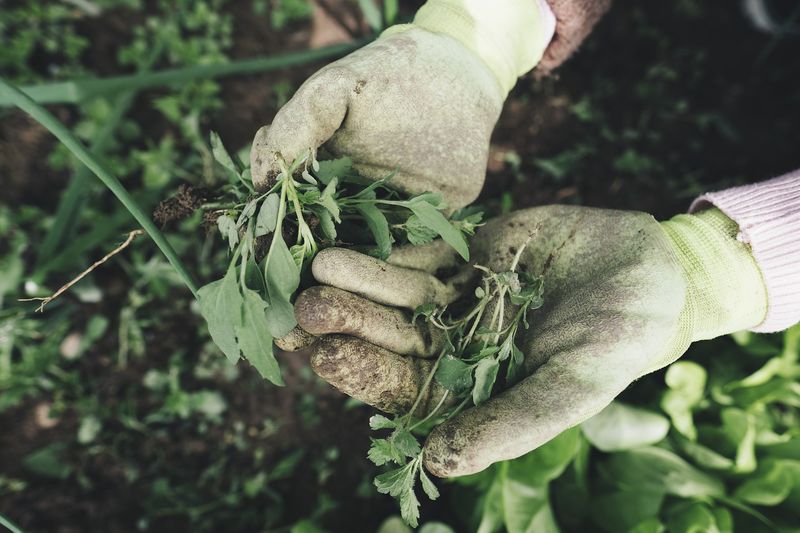
Weeds in April look harmless at first, just a few small sprouts scattered here and there between your garden rows.
But North Carolina’s warming spring soil is basically a welcome mat for fast-growing weeds, and what looks manageable on April 1st can turn into a full-blown invasion by April 20th.
Waiting even a week or two to deal with early weeds gives them time to root deeply and spread aggressively.
The real problem with established weeds is not just how they look. They compete directly with your garden plants for water, nutrients, and sunlight, and they almost always win that competition if left unchecked.
Some weeds also go to seed surprisingly fast in warm spring conditions, meaning one ignored plant can scatter hundreds of seeds across your beds before you even notice what happened.
Getting ahead of weeds in early April is one of the highest-return tasks you can do in your entire gardening year. Hand-pulling young weeds when the soil is moist after rain is quick and satisfying work.
Laying down mulch right after weeding blocks new sprouts from getting the sunlight they need to grow. A pre-emergent herbicide applied to non-vegetable areas can also stop weed seeds from sprouting in the first place.
Staying consistent with weed control in April keeps your North Carolina garden cleaner, healthier, and far more enjoyable to work in all spring and summer.