April Tasks That Trigger Bigger Hydrangea Blooms In Pennsyvania Gardens
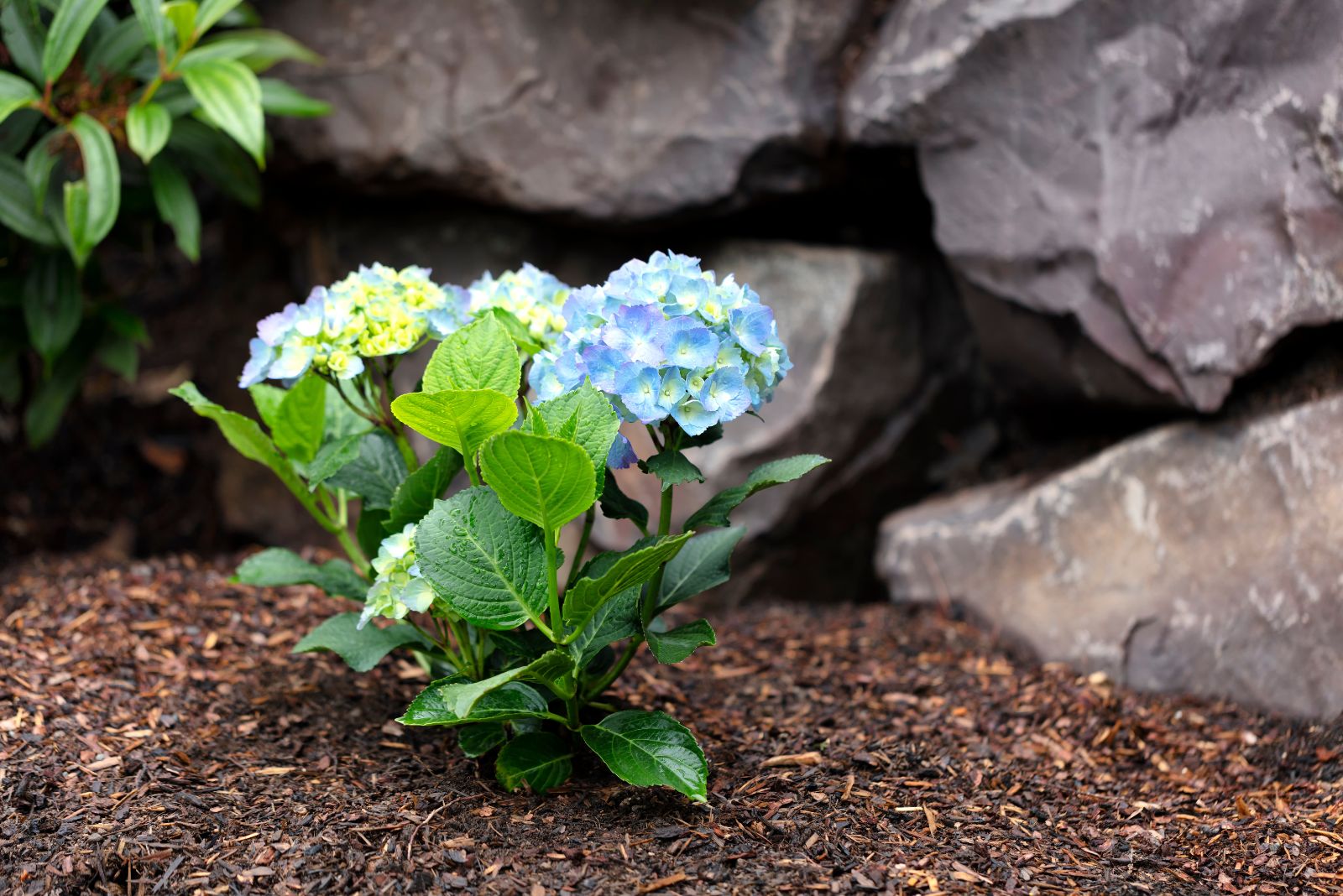
Hydrangeas already know how to steal the show, but in Pennsylvania gardens, they do not always reach their full potential without a little spring help. April is when things start to get interesting.
The garden is waking up, new growth is on the way, and the small tasks you handle now can shape how impressive those blooms look later on.
Skip the timing, prune the wrong stems, or ignore what winter left behind, and your hydrangeas may give you a much less exciting performance than you hoped for.
That is why April matters so much. It is the moment to clean plants up, check for damage, and give them the kind of support that sets the stage for bigger, healthier flower heads.
In Pennsylvania, where spring weather can swing from chilly and damp to suddenly warm, hydrangeas benefit from a little attention before the season takes off. The good news is that you do not need a complicated routine to get results.
A few smart moves in April can help your plants put more energy into strong growth, fuller stems, and the kind of blooms that make people stop and stare.
1. Prune Carefully (Know Your Type)
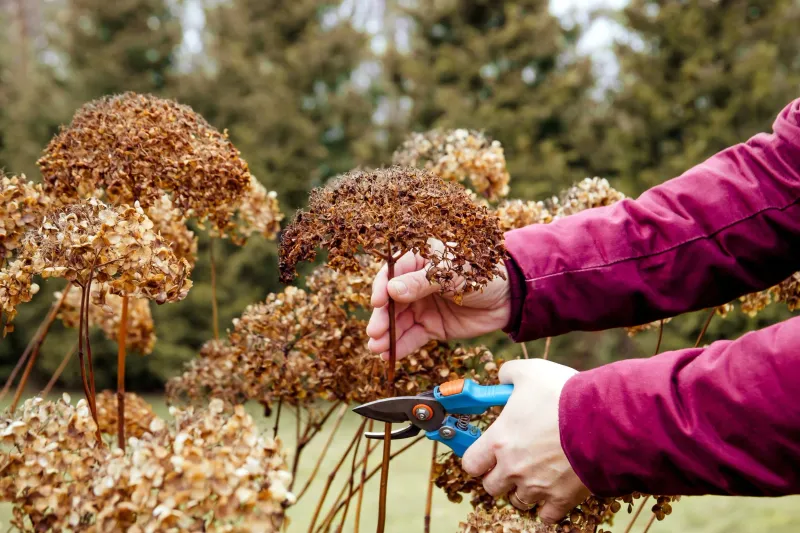
Not all hydrangeas play by the same rules, and pruning the wrong type at the wrong time is one of the most common mistakes Pennsylvania gardeners make. Knowing your hydrangea variety before picking up those shears can literally save your entire bloom season.
Bigleaf hydrangeas (the classic mopheads and lacecaps) and oakleaf hydrangeas bloom on old wood. That means their flower buds formed last fall and are already sitting on those stems right now.
If you cut these back hard in April, you will remove all those future blooms. Instead, just snip off any clearly dry or damaged wood, and lightly shape the plant without going overboard.
Smooth hydrangeas, like the popular Annabelle variety, bloom on new wood. You can cut these back fairly hard in early spring, around 12 to 18 inches from the ground, and they will bounce back with strong, fresh stems loaded with flowers.
Panicle hydrangeas, such as Limelight, also bloom on new wood and respond well to trimming back by about one-third.
Always use clean, sharp pruning shears to make smooth cuts. Ragged cuts invite disease, especially as Pennsylvania weather shifts between warm and wet days in April. Cut just above a healthy pair of buds to encourage the best regrowth.
Take a moment to walk around each plant and assess it before you start cutting. A thoughtful approach to pruning in April pays off big when those blooms open up in July and August across your Pennsylvania garden.
2. Clean Up Around The Base
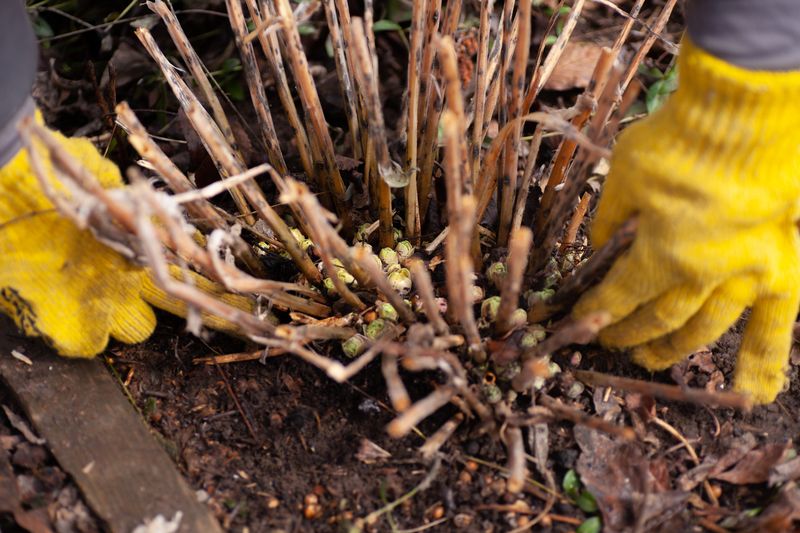
Old leaves piled up around your hydrangeas might look harmless, but they can actually cause real problems once spring warmth arrives.
Leftover debris from last season creates a cozy hiding spot for fungal spores, slugs, and other pests that love to attack hydrangeas right when they start pushing out new growth.
April is the perfect time to get down and do a thorough cleanup around the base of each plant. Gently rake away any dry leaves, broken stems, and leftover mulch that has become matted and soggy over the winter months.
Toss all of that material into your yard waste bin rather than your compost pile, especially if you noticed any disease on your plants last year.
Good airflow around the base of a hydrangea is a big deal in Pennsylvania, where spring humidity can creep up fast. Fungal diseases like leaf spot and powdery mildew thrive when air cannot move freely around the stems and lower leaves.
Removing that layer of debris opens things up and gives your plant a much healthier start to the growing season.
While you are cleaning up, take a close look at the soil surface. Check for any signs of rot, unusual discoloration, or pest activity near the crown of the plant.
Catching these issues early in April means you can address them before they get out of hand.
A clean garden bed also just looks better. Fresh soil around your hydrangeas signals that your garden is awake, tended, and ready for another gorgeous Pennsylvania summer full of color.
3. Refresh The Soil With Compost
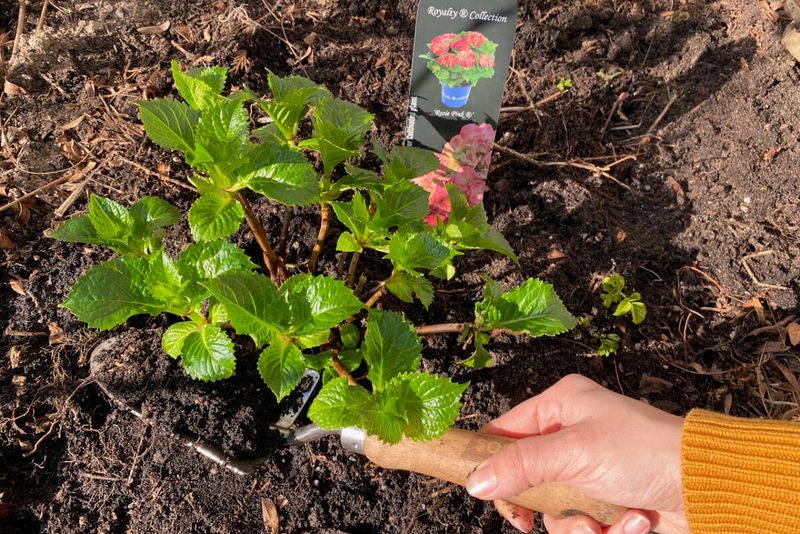
Compost is basically a superfood for your garden soil, and your hydrangeas will absolutely love a fresh layer added right in April.
After a long Pennsylvania winter, the soil around your shrubs can become compacted, depleted, and less able to hold the moisture that hydrangeas depend on to produce big blooms.
Spread a one to two inch layer of finished compost around the base of each hydrangea, starting a few inches away from the main stem and working outward to the drip line. The drip line is roughly where the outermost branches end.
This is where the feeder roots are most active, so that is where the nutrients will do the most good.
Unlike synthetic fertilizers, compost releases nutrients slowly and gently. It feeds your plants without shocking them or pushing out a burst of leafy green growth that comes at the expense of flowers.
It also improves the texture of Pennsylvania’s heavy clay soils, which can drain poorly and suffocate roots when they get waterlogged after spring rains.
Compost also encourages beneficial microbial activity in the soil. Those tiny organisms break down organic matter and make nutrients more available to plant roots over time.
A healthy soil ecosystem under your hydrangeas makes a noticeable difference in plant strength and bloom size throughout the summer.
You can use homemade compost from your backyard bin or pick up a bag from your local Pennsylvania garden center.
Either way, this one simple step in April can set your hydrangeas up for one of their best bloom seasons yet, with richer color and fuller flower heads.
4. Check And Adjust Soil PH (If Desired)
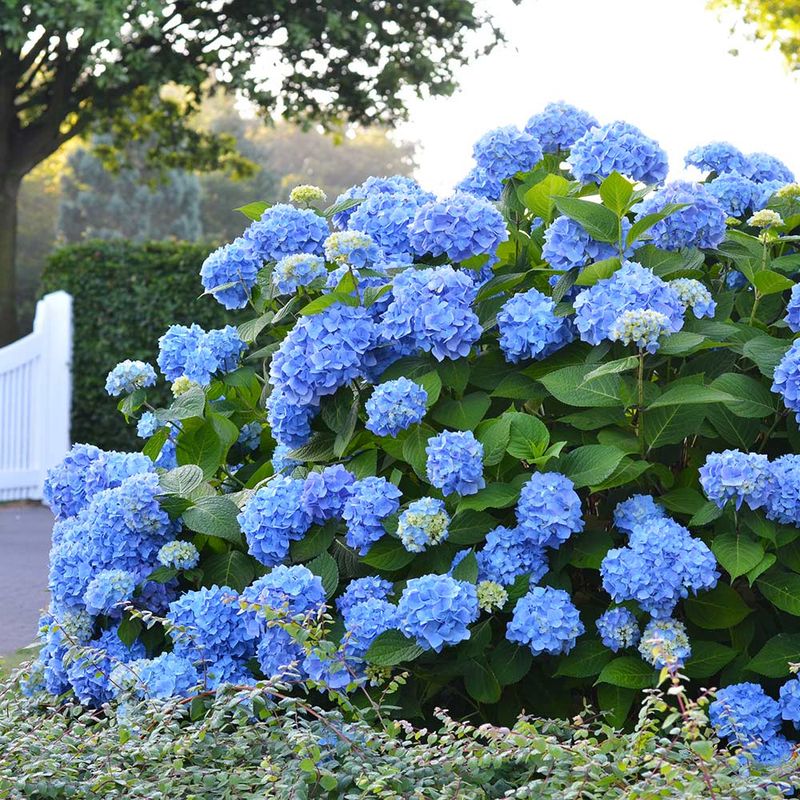
Here is something that surprises a lot of first-time hydrangea growers: you can actually change the color of your blooms by adjusting the soil.
Bigleaf hydrangeas, those gorgeous mophead and lacecap types, shift their flower color based on the pH level of the soil they are growing in.
April is a smart time to test and adjust if you want to influence what color shows up this summer.
Acidic soil with a pH below 6.0 tends to produce blue or purple flowers. More alkaline soil with a pH above 7.0 pushes blooms toward pink and red tones.
Pennsylvania soil varies quite a bit across the state, so testing your specific garden bed is always worth doing before making any changes.
Pick up an inexpensive soil pH test kit from your local garden center. They are easy to use and give you results in just a few minutes.
If you want bluer flowers, work some garden sulfur into the soil around your plants. If you prefer pink blooms, add garden lime to raise the pH level.
Keep in mind that soil pH changes gradually. You probably will not see a dramatic color shift overnight.
Making adjustments in April gives the soil time to change before your hydrangeas hit their peak blooming period in midsummer.
White hydrangeas, like Annabelle and PeeGee types, do not change color based on pH, so this tip applies specifically to bigleaf varieties. It is a fun and creative way to personalize your Pennsylvania garden and make your hydrangea display feel truly your own every single season.
5. Apply A Balanced, Slow-Release Fertilizer
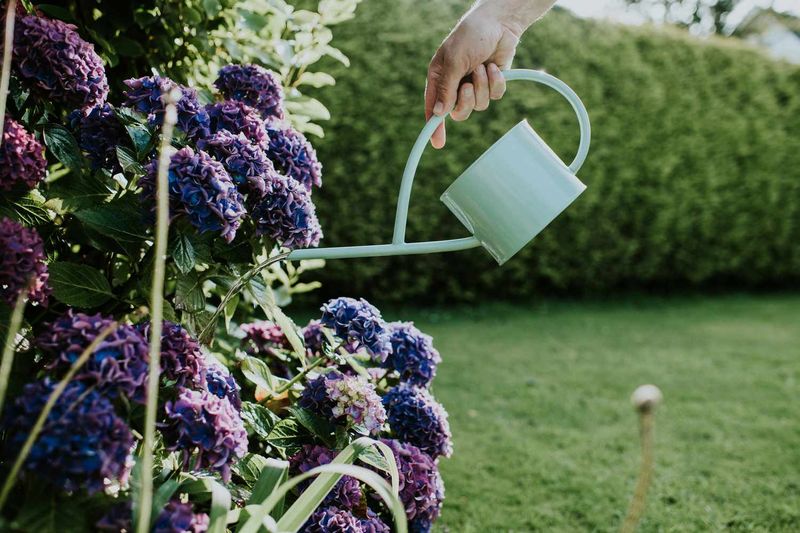
Feeding your hydrangeas at the right time in April can make the difference between average blooms and truly spectacular ones.
But timing and product choice matter a lot more than most people realize. The goal is to give your plants steady, supportive nutrition without overdoing it.
Look for a balanced, slow-release granular fertilizer with roughly equal amounts of nitrogen, phosphorus, and potassium, something like a 10-10-10 formula.
Slow-release formulas are ideal because they break down gradually, feeding your hydrangeas over several weeks instead of all at once.
This steady supply of nutrients supports both strong root development and healthy flower bud formation.
Avoid fertilizers that are very high in nitrogen. Too much nitrogen pushes plants to produce lots of big, lush leaves instead of putting energy into flowers.
You want blooms, not just foliage. A balanced formula keeps things in proportion and helps your plant stay focused on making those big, beautiful flower heads.
Apply the fertilizer according to the package directions, spreading it evenly around the drip line of each plant.
Water it in well after application so the nutrients start moving into the soil where the roots can reach them. In Pennsylvania, April rains will often help with this naturally.
Do not fertilize too early if the ground is still cold and plants have not started showing any signs of new growth. Wait until you can see buds clearly swelling on the stems before you feed.
One light application in early April and another in early June is usually plenty to keep your Pennsylvania hydrangeas blooming strong all season long.
6. Mulch To Lock In Moisture
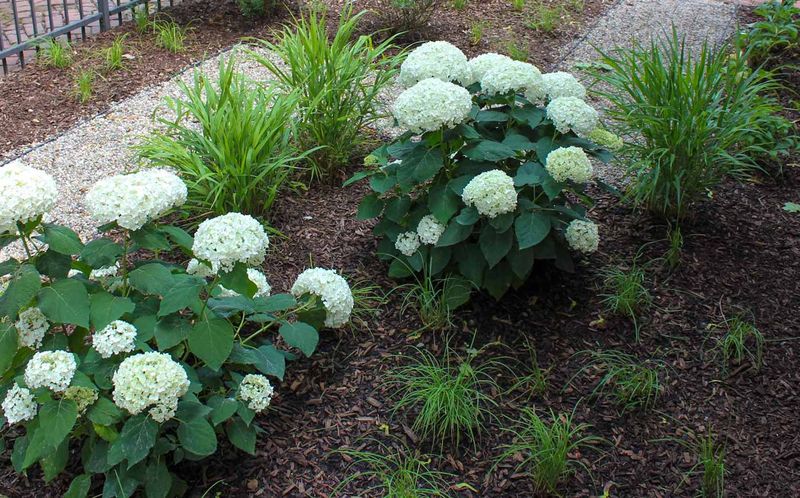
Mulching might seem like a simple finishing touch, but it is honestly one of the most powerful things you can do for your hydrangeas in April.
A good layer of mulch does several important jobs all at once, and your plants will reward you with noticeably bigger, healthier blooms because of it.
Spread a two to three inch layer of organic mulch around each hydrangea, keeping it a few inches away from the main stems to prevent rot. Shredded bark, wood chips, or shredded leaves all work great.
These materials break down slowly over the season and add a little extra organic matter to your Pennsylvania garden soil as they decompose.
Moisture retention is the biggest benefit, especially for hydrangeas. The name hydrangea actually comes from the Greek word for water vessel, and these plants genuinely love consistent moisture.
Pennsylvania summers can bring stretches of dry weather, and mulch acts like a sponge, slowing down evaporation and keeping the soil around the roots cooler and more consistently moist between rain showers.
Mulch also helps regulate soil temperature. In April, Pennsylvania nights can still dip close to freezing.
A layer of mulch insulates the shallow roots and protects them from those sudden temperature swings that can stress plants right as they are starting to grow.
As a bonus, mulch suppresses weeds that would otherwise compete with your hydrangeas for water and nutrients. Fewer weeds means less work for you and more resources for your plants.
It is a small effort in April that pays dividends all the way through your Pennsylvania garden’s summer bloom season.