Are Arkansas Homeowners Responsible For Damage Caused By A Neighbors Fallen Branch
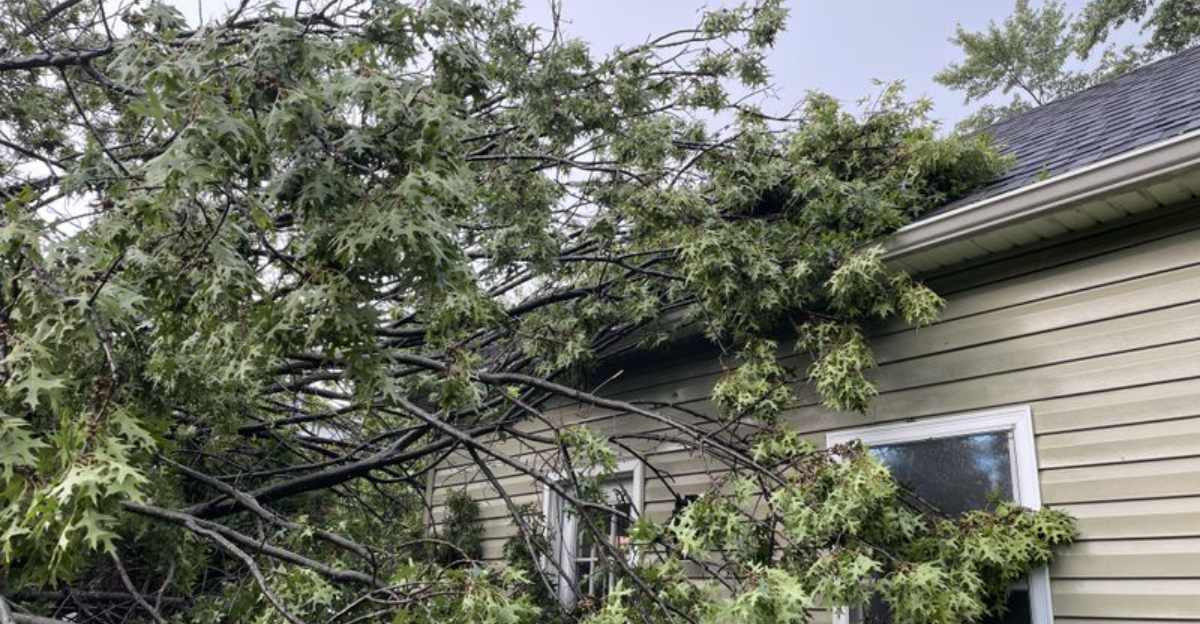
A fallen branch in Arkansas can stir up more trouble than a summer storm, especially once it crashes onto a roof, fence, or car.
Homeowners often look at the debris and wonder who shoulders the blame—the person who owns the damaged property or the neighbor whose tree dropped the surprise.
A friendly chat may smooth things over, but the law draws its own boundaries long before tempers flare.
Arkansas rules on liability carry a few twists that catch many residents off guard, turning an everyday mishap into a lesson in property rights and responsibility.
Before frustration takes root, a clear understanding of the legal landscape offers peace of mind, prevents expensive misunderstandings, and keeps neighborly relations from snapping like the branch that started it all.
Arkansas Follows The Act Of God Rule For Natural Tree Falls

Most people assume their neighbor must pay when a branch falls on their property, but Arkansas law sees things differently.
The state follows what lawyers call the “Act of God” rule, which means natural events like storms, high winds, or ice can release property owners from liability.
If a healthy tree drops a branch during a storm, your neighbor typically won’t be responsible for your damages.
This rule exists because weather events are unpredictable and beyond anyone’s control.
Courts recognize that even well-maintained trees can lose branches during severe conditions.
Homeowners cannot prevent every possible branch from breaking during a tornado or ice storm.
Your own homeowner’s insurance usually covers damage from naturally falling branches.
This means you’ll file a claim with your insurance company rather than seeking payment from your neighbor.
Your insurance may have a deductible you’ll need to pay before coverage kicks in.
Understanding this rule helps set realistic expectations after storm damage.
Many neighbors have remained friendly because they knew the law before accusations started flying.
The Act of God rule protects homeowners from being blamed for uncontrollable natural events that affect trees.
Negligence Changes Everything About Liability

Negligence flips the responsibility script completely when it comes to tree damage in Arkansas.
If your neighbor knew their tree was diseased, damaged, or dangerous and did nothing about it, they can be held liable for any resulting damage.
This exception to the Act of God rule protects homeowners from neighbors who ignore obvious hazards.
Proving negligence requires showing your neighbor had warning about the tree’s condition.
Maybe the tree had visible rot, large cracks, or leaned severely toward your property.
Perhaps you sent written notices asking them to address the hazardous tree before it caused damage.
Documentation becomes your best friend in negligence cases.
Photographs of the diseased tree, copies of letters you sent, and arborist reports all strengthen your position.
Witnesses who saw the tree’s condition before it fell can also support your claim.
Courts look at whether a reasonable person would have recognized the danger.
If the tree showed obvious warning signs that your neighbor ignored, they may be financially responsible.
This legal principle encourages property owners to maintain their trees and address problems before they cause harm to others.
Negligence claims can help you recover costs when preventable tree problems damage your property.
Property Lines Determine Tree Ownership and Responsibility

Figuring out who owns a tree determines who handles maintenance and potential liability issues.
In Arkansas, trees are owned by whoever’s property contains the trunk.
If the trunk sits entirely on your neighbor’s side of the property line, it’s their tree regardless of where branches extend.
Boundary trees create a special situation that affects both neighbors equally.
When a tree trunk straddles the property line, both homeowners share ownership.
This shared ownership means both parties have rights to the tree and share responsibility for its care.
You have the right to trim branches that cross onto your property.
Arkansas law allows you to cut back overhanging branches up to the property line.
However, you cannot go onto your neighbor’s property without permission, and you must not harm the tree’s health.
Property surveys can resolve disputes about tree ownership.
If you’re unsure where your property line runs, hiring a surveyor provides definitive answers.
Knowing the exact boundary helps you understand your rights and responsibilities regarding nearby trees.
Many tree disputes could be avoided if neighbors simply confirmed property lines before disagreements escalated into legal battles.
Homeowners Insurance Typically Covers Tree Damage to Your Property
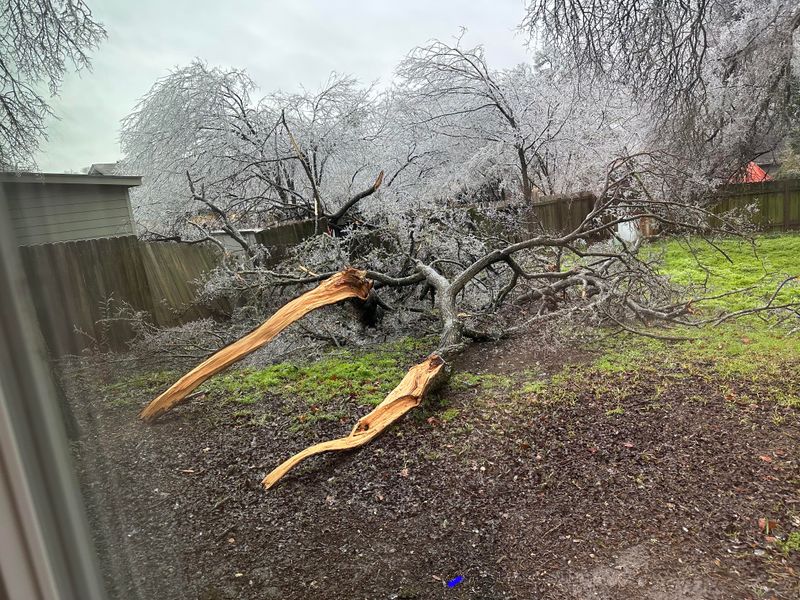
Your homeowner’s insurance policy likely provides the first line of financial protection against tree damage.
Most standard policies cover damage to your home, garage, fence, and other structures when trees or branches fall on them.
This coverage applies regardless of whether the tree came from your property or your neighbor’s yard.
Insurance companies typically won’t ask who owned the tree if natural causes brought it down.
They focus on repairing your property and getting your life back to normal quickly.
Your policy may also cover debris removal, which can be expensive when dealing with large trees.
Deductibles affect how much you’ll pay out of pocket before insurance coverage begins.
If damage costs less than your deductible, filing a claim might not make financial sense.
Some policies also have specific limits on tree removal costs, so review your coverage carefully.
Vehicle damage from falling branches falls under your auto insurance, not homeowner’s coverage.
Comprehensive auto insurance handles tree damage to cars parked at your home.
Understanding which policy covers what helps you file claims correctly and get reimbursed faster.
Reviewing your insurance policies before disaster strikes helps you know exactly what protection you have when tree damage occurs.
Written Warnings Create Legal Documentation Of Hazardous Trees

Sending a written warning to your neighbor about a dangerous tree creates important legal evidence.
If you notice a tree on their property that looks hazardous, document your concerns in writing.
This notification establishes that your neighbor was aware of the potential problem before any damage occurred.
Your letter should describe specific concerns about the tree’s condition.
Mention visible problems like large cracks, hollow sections, significant lean, or extensive branch loss.
Include the tree’s location on their property so there’s no confusion about which tree concerns you.
Sending the letter via certified mail provides proof of delivery.
This receipt shows exactly when your neighbor received your warning.
If the tree later causes damage, this documentation can prove negligence in court.
Keep copies of all correspondence and photographs showing the tree’s condition.
These records become valuable if you need to pursue a claim against your neighbor.
Some homeowners also hire arborists to assess dangerous trees and provide professional reports.
Written warnings give neighbors the opportunity to address problems before damage occurs.
Many people genuinely don’t notice tree problems until someone points them out.
A friendly letter can protect both properties and maintain good neighbor relationships while creating necessary legal documentation for future reference.
Municipalities Have Ordinances About Tree Maintenance And Hazards
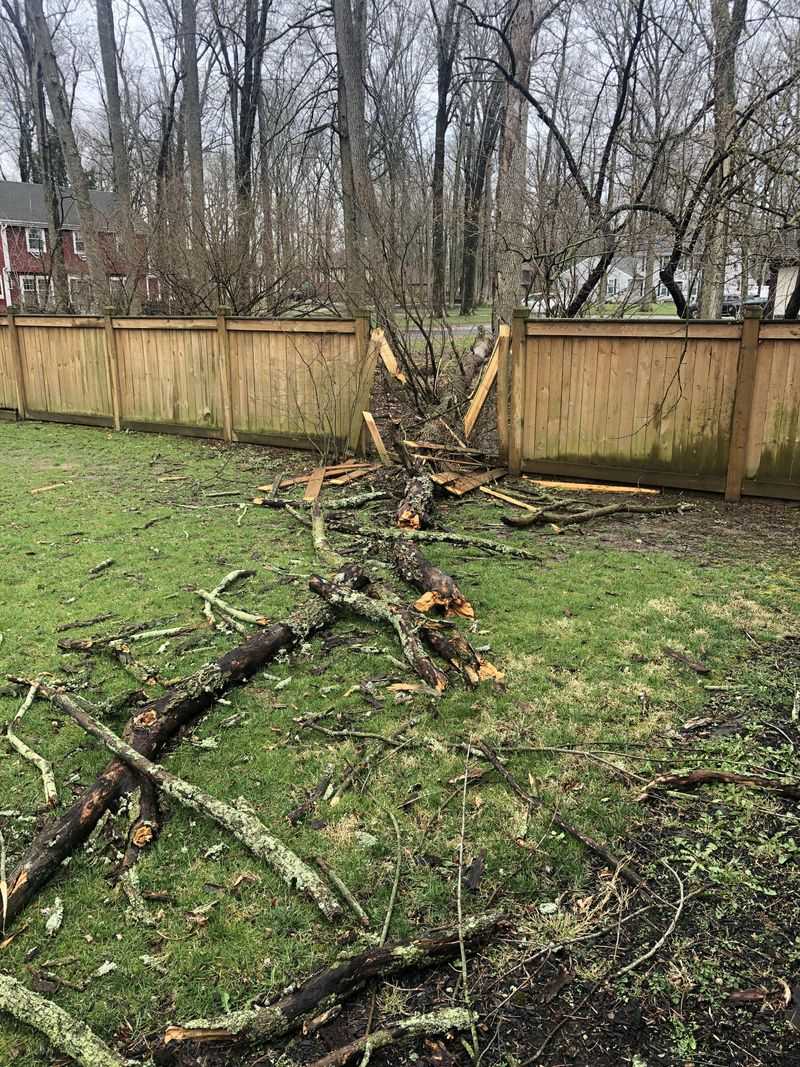
Cities and counties throughout Arkansas maintain local ordinances that regulate tree care and hazardous vegetation.
These local laws often require property owners to maintain trees in safe condition.
Violating these ordinances can result in fines and may strengthen your case if a neighbor’s tree damages your property.
Some municipalities empower code enforcement officers to order removal of dangerous trees.
If your neighbor refuses to address a hazardous tree, contacting local code enforcement might prompt action.
These officials can inspect the tree and issue violation notices requiring the owner to remove or trim it.
Urban areas typically have stricter tree regulations than rural locations.
Cities worry about trees damaging power lines, blocking streets, or threatening public safety.
These concerns lead to more comprehensive tree maintenance requirements for property owners.
Homeowners associations may have additional rules beyond city ordinances.
Many HOAs require members to maintain landscaping, including trees, in good condition.
Violating HOA rules can result in fines or legal action from the association.
Checking your local ordinances helps you understand what standards apply in your area.
Most city websites provide access to municipal codes, or you can call city hall for information.
Knowing local tree regulations empowers you to take appropriate action when neighbors neglect dangerous trees on their property.
Small Claims Court Offers An Affordable Option For Minor Damage Disputes
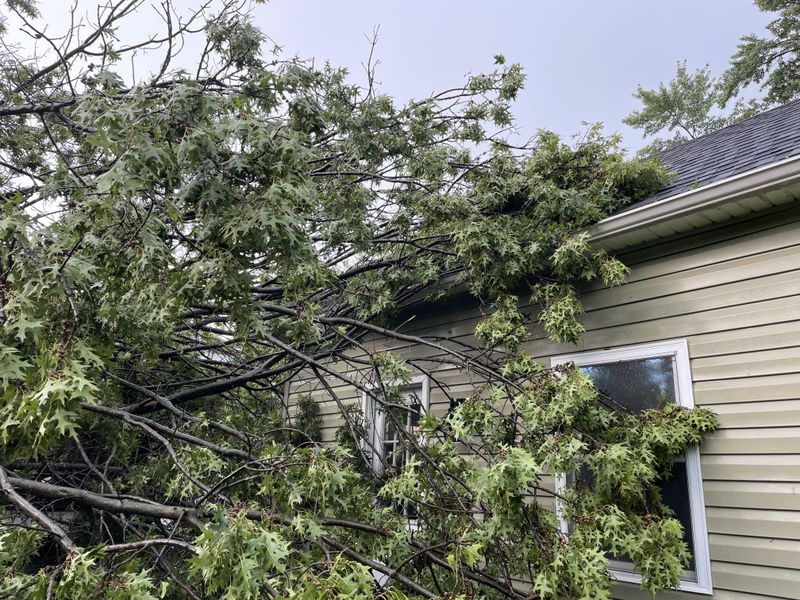
When negotiation fails and damage costs stay relatively low, small claims court provides an accessible solution.
Arkansas small claims courts handle disputes involving amounts up to five thousand dollars.
This option works well for fence damage, minor roof repairs, or other limited property damage from fallen branches.
Small claims court doesn’t require hiring an attorney, which keeps costs manageable.
You present your case directly to a judge who makes a decision after hearing both sides.
The informal process makes legal action less intimidating for ordinary homeowners.
Winning your case requires presenting clear evidence of negligence and damages.
Bring photographs of the damaged tree before it fell, repair estimates, and any written warnings you sent.
Receipts for repairs you’ve already completed help establish the financial impact.
Filing fees for small claims court remain relatively low, usually under one hundred dollars.
The court clerk can explain the filing process and what documents you need.
Many counties provide forms and instructions online to make filing easier.
Even if you win a judgment, collecting the money can sometimes prove challenging.
The court doesn’t collect payments for you but provides legal tools to enforce judgments.
Despite this limitation, small claims court gives homeowners an affordable path to resolve tree damage disputes when neighbors refuse reasonable settlement offers.