Are California Homeowners Liable For Damage From A Neighbors Overhanging Tree Limbs
Questions about tree limbs that extend across a property line stir debate up and down California neighborhoods.
A single branch can spark tension, reveal gaps in local knowledge, and test the patience of homeowners already juggling drought, storms, and fast-shifting rules.
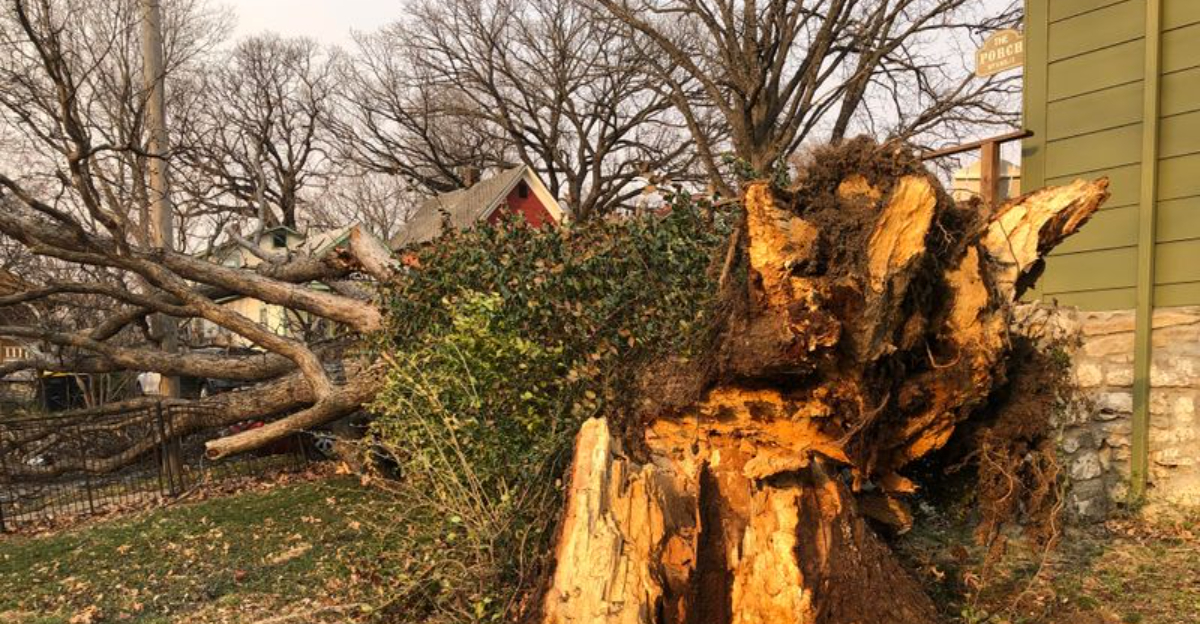
A limb may cross a fence without fanfare, yet fallout arrives in a heartbeat once a storm snaps wood, dents a roof, or scatters debris across a yard.
Folks often drift from calm to anxious as fast as a summer squall when damage shows up with no clear culprit.
California law adds layers that feel as twisty as coastal roads.
Responsibility does not float in midair; it sits on specific facts, long-standing doctrines, and court decisions that many residents never see.
Some assume the owner of the trunk controls the story.
Others insist the neighbor must shoulder the burden once a limb crosses into new territory.
Confusion grows, and myths travel farther than truth.
Property Owners Can Trim Overhanging Branches
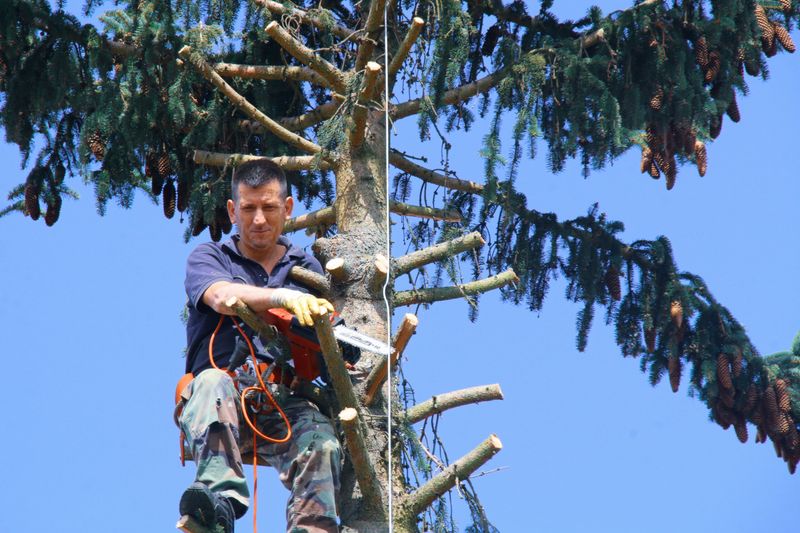
California law gives property owners the right to cut back branches that cross onto their land.
You don’t need permission from your neighbor to trim the parts of their tree that hang over your property line.
This right is called “self-help” and it applies to both branches and roots that invade your space.
However, there are important limits to this right.
You can only cut the portions that are on your side of the property line, and you must be careful not to harm the overall health of the tree.
If your trimming causes the tree to become unstable or unhealthy, you could be held responsible for damages.
Most experts recommend hiring a professional arborist to do the trimming work.
They understand how to cut branches properly without harming the tree.
Before you start cutting, take photos of the overhanging branches and consider talking to your neighbor about the situation.
Good communication can prevent disputes and maintain friendly relationships.
Remember that you cannot go onto your neighbor’s property to trim their tree without permission, even if branches are causing problems for you.
The self-help remedy only applies to what crosses your property boundary.
Tree Owners Are Not Automatically Liable
Just because a tree belongs to your neighbor doesn’t mean they automatically have to pay for any damage it causes to your property.
California courts have ruled that tree owners are only liable under certain conditions.
The most important factor is whether the tree owner knew or should have known that the tree posed a danger.
For example, if a healthy tree drops branches during a severe storm, the tree owner typically won’t be held responsible.
Natural events that cause damage from otherwise healthy trees are usually considered acts of nature.
No one can be blamed for unforeseeable accidents caused by weather or other natural forces.
The situation changes when a tree is obviously diseased, damaged, or unstable.
If your neighbor knows their tree has problems and does nothing to fix them, they may be liable for resulting damage.
This is called negligence, and it requires proof that the owner was aware of the hazard.
Documentation becomes crucial in these cases.
If you notice a dangerous tree on your neighbor’s property, send them a written notice describing the problem.
Keep a copy of this letter along with photos of the tree.
This creates a record showing that the owner was informed about the potential danger.
Negligence Must Be Proven For Liability
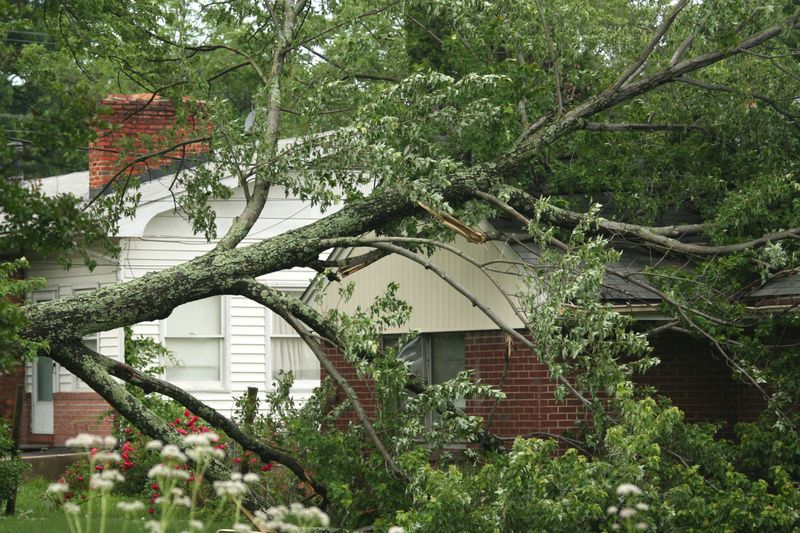
To hold a tree owner liable for damage in California, you must prove they were negligent.
Negligence means the owner failed to take reasonable care of their tree, and this failure caused harm to your property.
Simply showing that damage occurred is not enough to win a liability claim.
Courts look at several factors when determining negligence.
Did the tree show visible signs of disease or damage?
Would a reasonable person have noticed these warning signs?
Was the owner informed about the dangerous condition?
Did they have enough time to address the problem before damage occurred?
These questions help establish whether the owner acted responsibly.
Evidence plays a vital role in negligence cases.
Photos showing rot, large cracks, leaning trunks, or extensive hollow areas can demonstrate that a tree was dangerous.
Reports from certified arborists provide expert opinions about the tree’s condition and whether problems were obvious.
Witness statements from other neighbors can also support your claim.
Keep records of any communication with your neighbor about the tree.
Emails, letters, and text messages showing you warned them about the danger strengthen your case.
Without proof of negligence, courts will likely rule that the damage was an unfortunate accident rather than the result of careless behavior.
Written Notice Creates Legal Protection
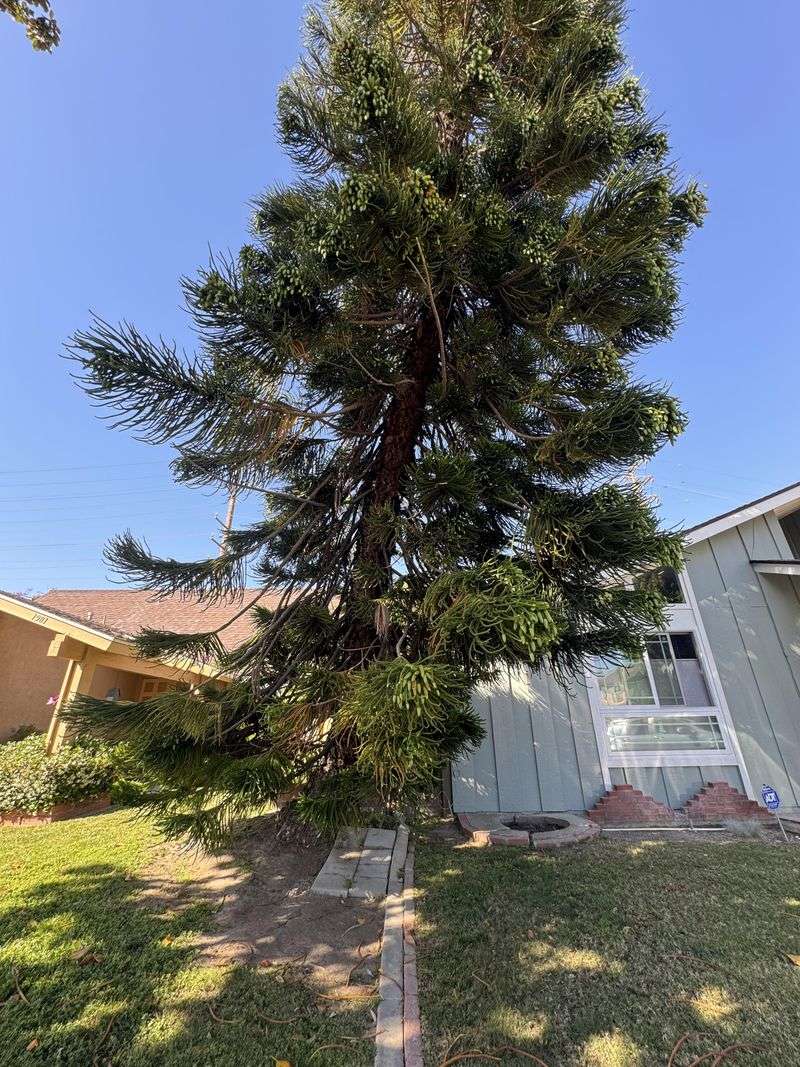
Sending your neighbor a written notice about a dangerous tree is one of the smartest steps you can take.
Once they receive your letter, they can no longer claim they didn’t know about the problem.
This notice creates what lawyers call “actual knowledge” of the hazard.
Your letter should clearly describe the tree’s location and explain what concerns you.
Include specific details like visible rot, large cracks, leaning, or branches that look ready to fall.
Attach photos if possible to document the current condition.
Request that your neighbor inspect the tree and take appropriate action to address the safety issues.
Be polite but firm in your communication.
Send the notice by certified mail with return receipt requested so you have proof of delivery.
Keep a copy of everything you send for your records.
If damage occurs after your neighbor receives this notice and they took no action, you have strong evidence of negligence.
The written warning shows they had reasonable time to fix the problem but chose not to do so.
Many insurance companies also require this type of documentation before they will pursue claims against neighbors.
Even if your neighbor responds defensively, the notice protects your legal position.
It transforms a situation where liability might be unclear into one where responsibility is much easier to establish.
Insurance Coverage Varies By Policy
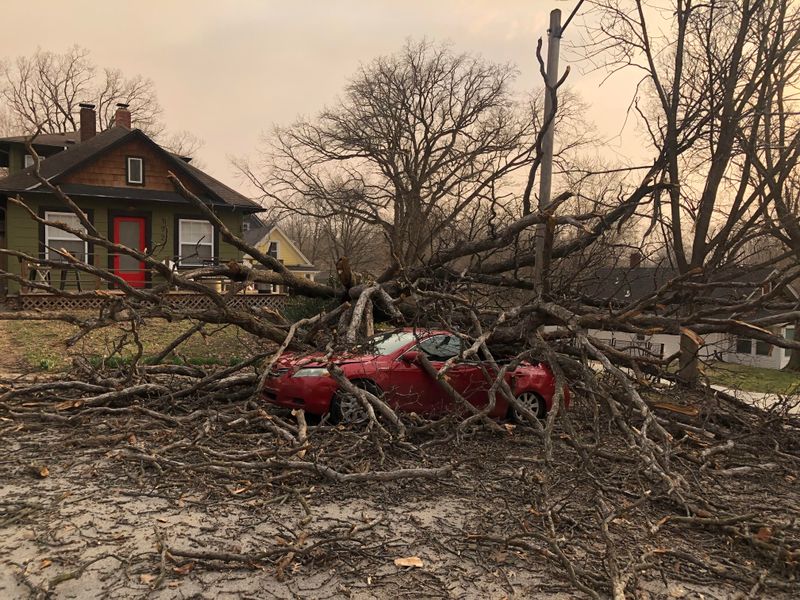
Understanding how insurance handles tree damage can save you from unpleasant surprises.
Most homeowners insurance policies in California cover damage to your property from falling trees or branches.
However, the coverage details and who pays the deductible depend on several factors.
Your own insurance typically covers damage to your home and structures on your property regardless of where the tree came from.
This means if your neighbor’s tree falls on your house, your insurance will likely pay for repairs after you pay your deductible.
Your insurance company may then try to recover the money from your neighbor’s insurance if negligence can be proven.
This process is called subrogation.
Your insurer becomes your advocate, pursuing the claim against the responsible party.
If they succeed in collecting from the neighbor’s insurance, you may get your deductible back.
Some policies have specific exclusions or limits for tree damage.
Review your policy carefully to understand what is covered and what isn’t.
Damage from gradual issues like roots slowly cracking your foundation may not be covered the same way as sudden storm damage.
Contact your insurance agent to discuss your coverage before problems occur.
Knowing what to expect helps you make informed decisions about whether to file claims or pursue other options when tree damage happens.
Roots Receive The Same Legal Treatment
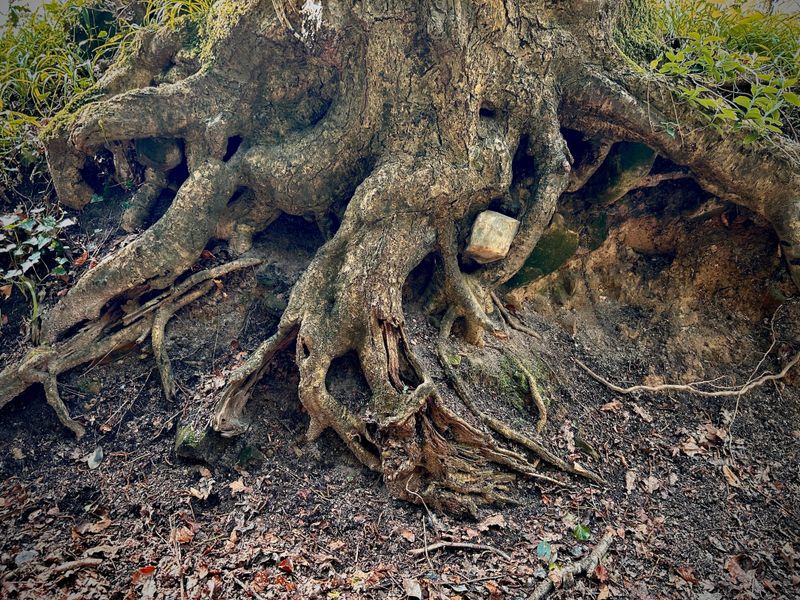
Tree roots that invade your property follow the same legal rules as overhanging branches.
You have the right to cut roots that cross onto your land, but you must be careful not to destabilize or harm the tree.
Root damage to foundations, pipes, and driveways is a common source of neighbor disputes.
Roots naturally seek water and nutrients, often spreading far beyond the tree’s canopy.
When they encounter your sewer lines, water pipes, or foundation, they can cause expensive damage.
Unfortunately, proving that a neighbor’s tree caused the problem can be challenging.
Professional inspection reports become essential evidence in root damage cases.
Plumbers and foundation experts can often trace the source of damage back to specific trees.
Arborists can identify roots by species and determine which tree they came from.
The same negligence standards apply to roots as to branches.
If your neighbor knew or should have known their tree’s roots were causing damage and did nothing, they may be liable.
Sending written notice about root problems creates the same legal protection as notice about dangerous branches.
Prevention works better than legal action in most cases.
Root barriers installed between properties can stop invasive roots before they cause problems.
Regular inspection of older sewer lines in areas with large trees can catch issues early.
When disputes arise, mediation often provides faster and cheaper resolution than lawsuits.
Municipal Trees Have Different Rules
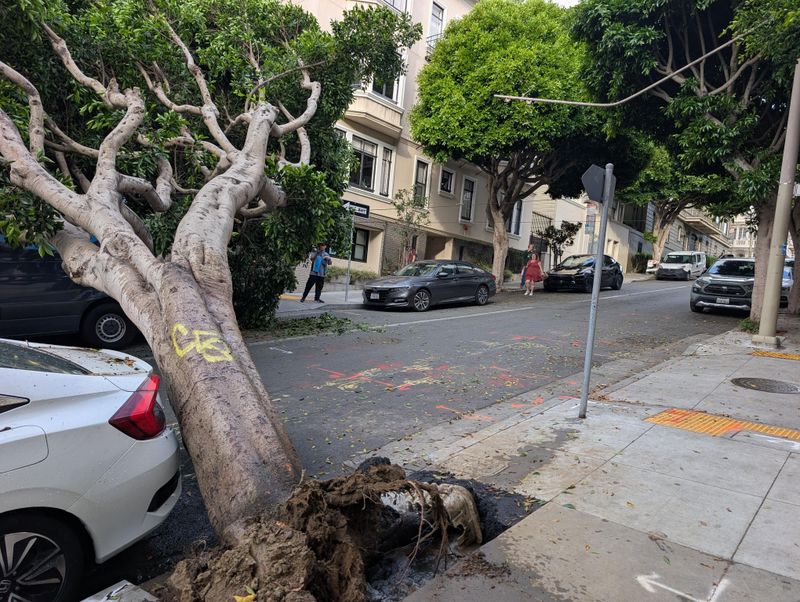
Trees planted in public spaces like sidewalks, parks, or street medians belong to the city or county, not private property owners.
Different rules apply when these municipal trees cause damage to private property.
You cannot simply trim city trees without permission, even if branches hang over your property.
California law requires cities to maintain their trees in a reasonably safe condition.
If a municipal tree damages your property, you may be able to file a claim against the local government.
However, government claims have strict deadlines and special procedures.
You typically must file a formal claim within six months of the damage occurring.
Missing this deadline can prevent you from recovering any compensation.
The claim must go to the city clerk or county clerk’s office, depending on which government entity owns the tree.
Government liability also requires proof of negligence, just like claims against private owners.
You must show the city knew or should have known about the dangerous condition.
Previous complaints to the city about the tree, visible signs of disease, or lack of regular maintenance can support your claim.
Many cities have tree management programs that include regular inspections and maintenance schedules.
If you notice a dangerous city tree, report it through official channels.
Call the public works department or use the city’s online reporting system.
This creates a record of the problem and gives the city a chance to address it.
Mediation Often Beats Litigation
Taking your neighbor to court over tree damage should be your last resort, not your first choice.
Lawsuits are expensive, time-consuming, and can permanently damage neighborhood relationships.
Mediation offers a better alternative for resolving most tree disputes.
Mediation involves a neutral third party who helps both sides reach an agreement.
The mediator doesn’t make decisions but guides the conversation toward compromise.
Many California counties offer low-cost or free mediation services specifically for neighbor disputes.
The process is usually informal and much faster than court.
Both parties can explain their perspectives and work together to find solutions that satisfy everyone.
Common outcomes include agreements to share trimming costs, payment plans for damages, or scheduled tree maintenance.
Mediation also preserves privacy since the discussions are confidential.
Court cases become public records that anyone can access.
Settlements reached through mediation can be tailored to your specific situation rather than limited to what a judge can legally order.
Even if mediation doesn’t resolve everything, it often narrows the issues in dispute.
This makes any subsequent legal action faster and less expensive.
Many judges look favorably on parties who attempted mediation before filing lawsuits.
Contact your county’s dispute resolution center or local bar association to find mediation services.
Approaching your neighbor with a mediation proposal shows good faith and willingness to find reasonable solutions.