Are Fallen Leaves From A Neighbors Tree Your Problem In Illinois
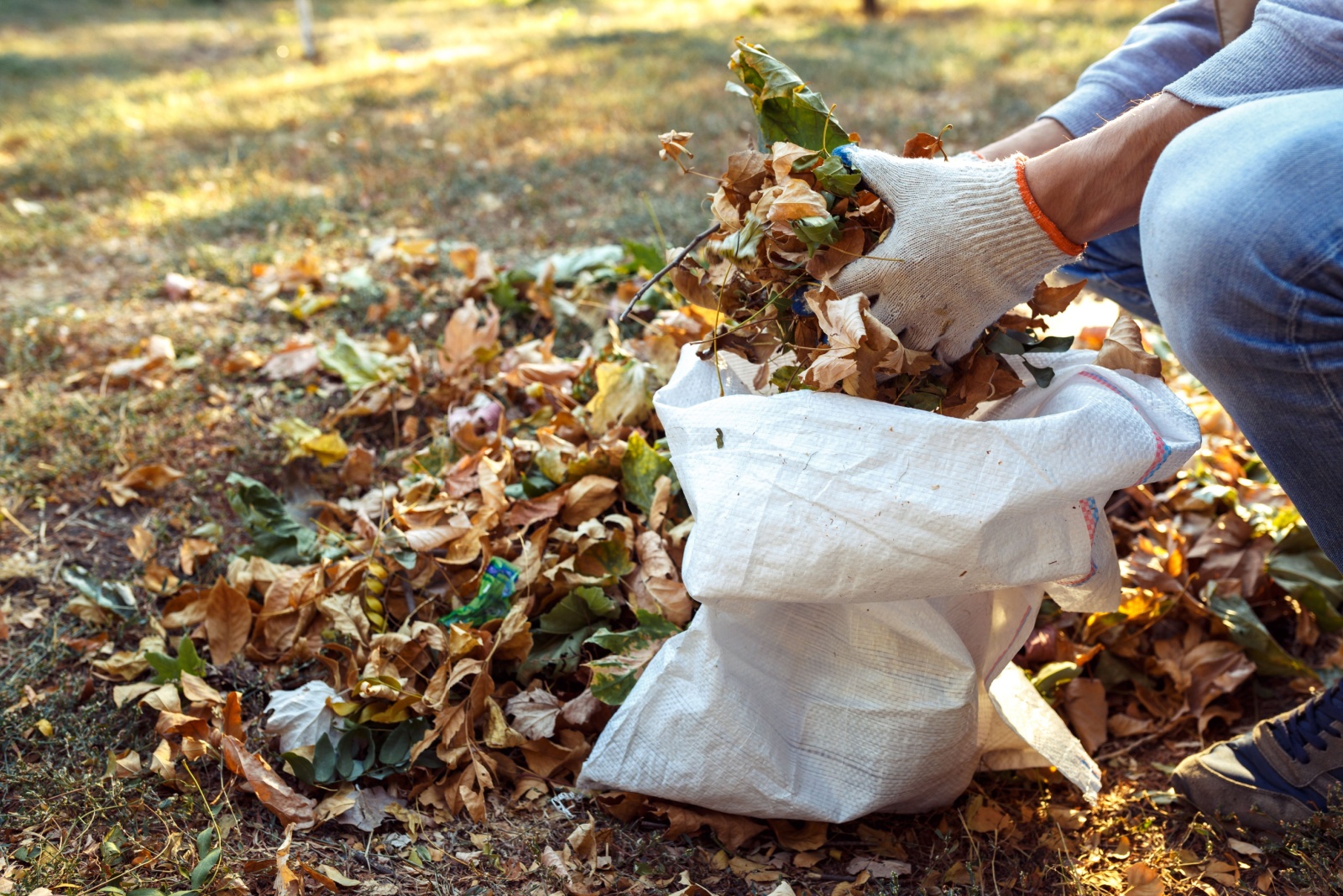
Autumn brings beautiful colors across Illinois, but it also creates questions about who cleans up leaves that drift between neighboring properties and yards.
When branches hang over fences and leaves scatter across lawns, homeowners often wonder about their rights, responsibilities, and what the law actually requires from them.
Understanding Illinois property law helps neighbors avoid unnecessary conflict while keeping yards clean, boundaries clear, and relationships friendly throughout the fall season and beyond.
This guide explains what Illinois law says about fallen leaves, tree ownership, cleanup duties, and practical steps to resolve disputes without going to court.
What Illinois Property Law Says About Fallen Leaves
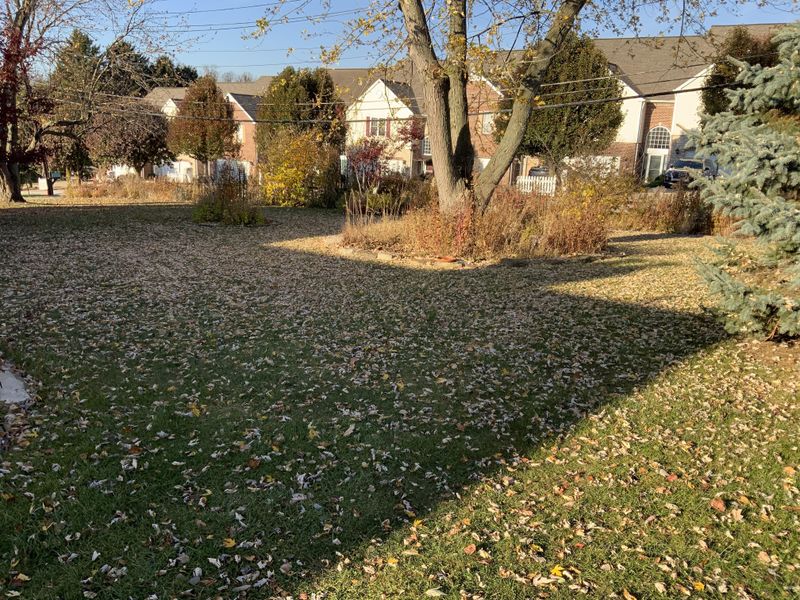
Illinois follows traditional property law principles that generally place responsibility on landowners to maintain their own property, regardless of where debris originates from nearby areas.
Leaves that fall from a neighbor’s tree onto your yard typically become your responsibility once they land on your property, even though the source is elsewhere.
Courts in Illinois usually view fallen leaves as a natural occurrence rather than a legal nuisance, meaning neighbors cannot be forced to clean up every leaf.
Property owners have the right to trim branches that extend over their boundary line, but they must do so carefully without damaging the tree itself.
No specific Illinois statute addresses fallen leaves directly, so courts rely on common law principles developed over many years through various cases and judicial interpretations.
Homeowners cannot typically sue neighbors simply because leaves cross property lines, as this is considered part of living in a residential area with trees.
Local ordinances may impose requirements about yard maintenance, but these rules usually apply to the property owner rather than the tree owner in most cases.
Who Is Responsible For Yard Cleanup In Illinois
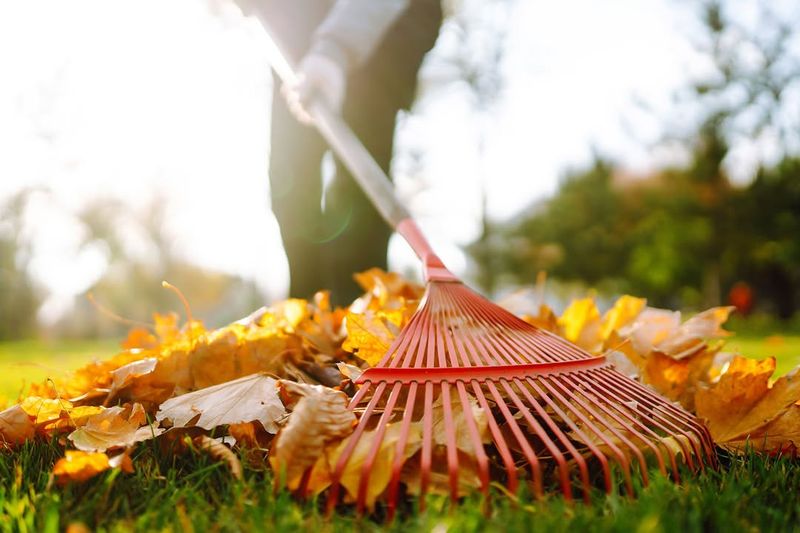
Each property owner in Illinois bears the primary duty to keep their own yard clean and maintained according to local standards and community expectations throughout seasons.
Fallen leaves, regardless of their origin, become part of your property once they land within your boundaries, making cleanup your task under most circumstances and situations.
Neighbors who own trees are not legally obligated to rake leaves that blow onto adjacent properties, even if those leaves came directly from their trees.
Municipal codes often require residents to maintain yards in a way that prevents health hazards, fire risks, or violations of community appearance standards in neighborhoods.
Homeowners associations may have stricter rules about leaf removal and yard maintenance that go beyond what state law requires, so checking HOA documents is important.
Renters should check their lease agreements to determine whether they or their landlords are responsible for seasonal yard work like raking and bagging leaves regularly.
Shared driveways or common areas may have special agreements that specify how maintenance responsibilities are divided between multiple property owners in Illinois communities.
How Boundary Lines Affect Tree Leaf Responsibility
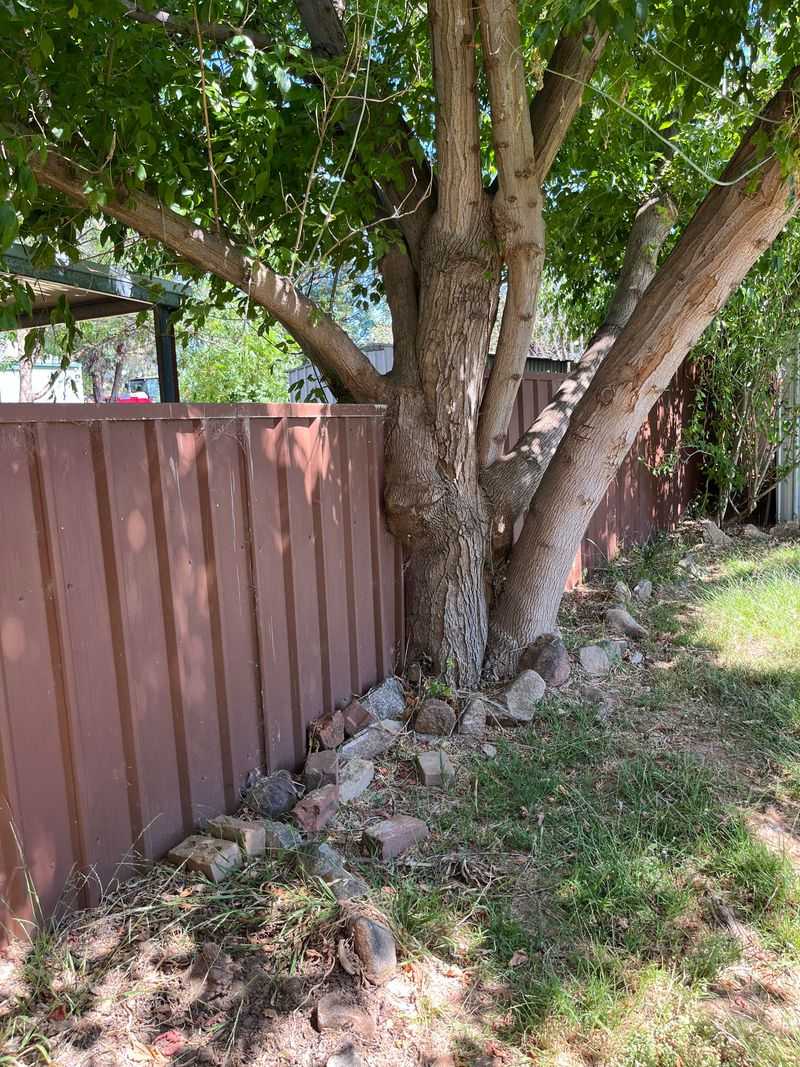
Property boundaries play a crucial role in determining ownership of trees and the legal rights each neighbor has regarding branches, roots, and falling leaves.
Trees planted entirely on one property belong to that owner, even if branches extend over the boundary line and drop leaves onto neighboring land regularly.
When a tree trunk straddles the property line, both neighbors share ownership and must cooperate on decisions about trimming, removal, or maintenance activities together.
Landowners may trim branches that cross onto their property at the boundary line, but they cannot enter a neighbor’s yard without permission to perform work.
Cutting roots or branches improperly can harm or weaken a tree, potentially creating liability if the tree becomes unstable or unhealthy as a result.
Leaves that fall onto your side of the boundary become your responsibility to clean up, even if the tree itself is rooted in your neighbor’s yard.
Accurate surveys and clearly marked boundaries help prevent disputes by making it obvious where one property ends and another begins in residential areas across Illinois.
When Leaves Become A Legal Issue Between Neighbors
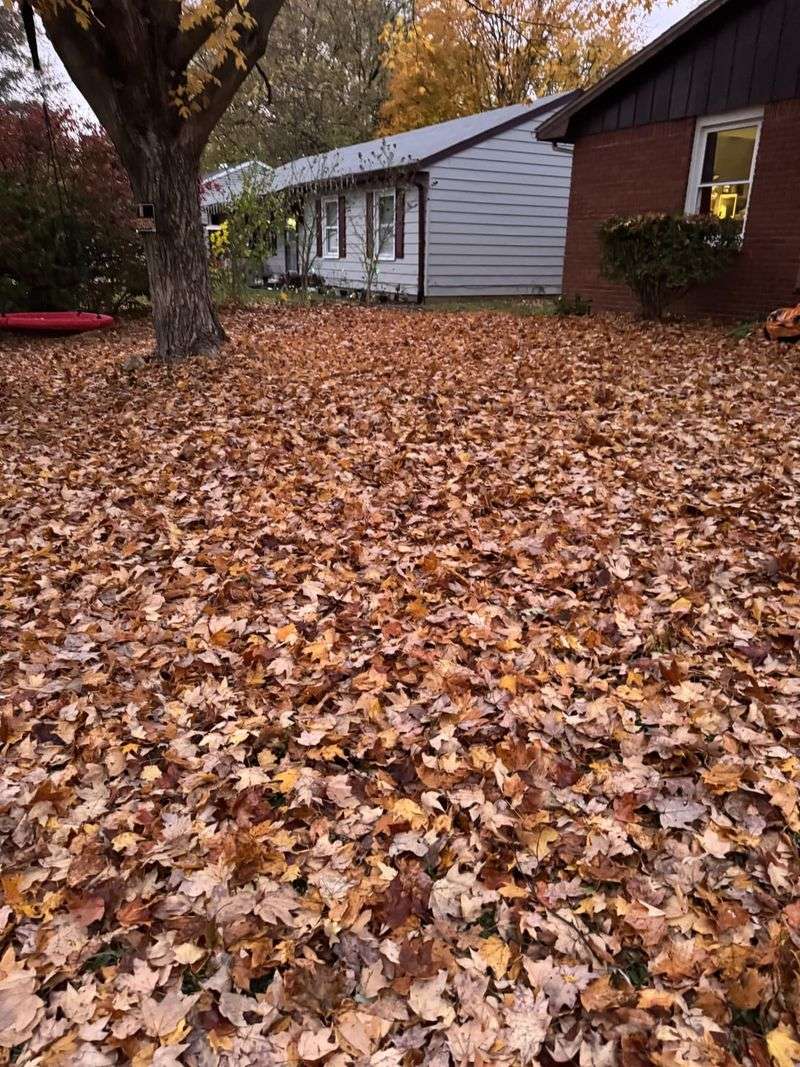
Fallen leaves rarely rise to the level of a legal nuisance, but certain circumstances can transform a minor annoyance into a legitimate dispute requiring intervention.
Excessive accumulation of leaves that creates fire hazards, blocks drainage systems, or attracts pests may qualify as a nuisance under Illinois law in some situations.
Neighbors can pursue legal action if leaves cause actual property damage, such as clogging gutters that lead to water damage or roof problems over time.
Repeated refusal to address hazardous conditions on one’s property, even if involving natural debris, can sometimes result in municipal code violations and fines from authorities.
If a tree is diseased, unstable, or poses a danger to neighboring properties, owners may have a duty to address the problem before it causes harm.
Documentation through photographs, written communication, and records of attempts to resolve issues amicably strengthens any potential legal claim if court becomes necessary later on.
Most disputes can be resolved through conversation, mediation, or local community resources before escalating to formal legal proceedings or costly litigation in Illinois courts.
What Homeowners Can And Cannot Do Under Illinois Law
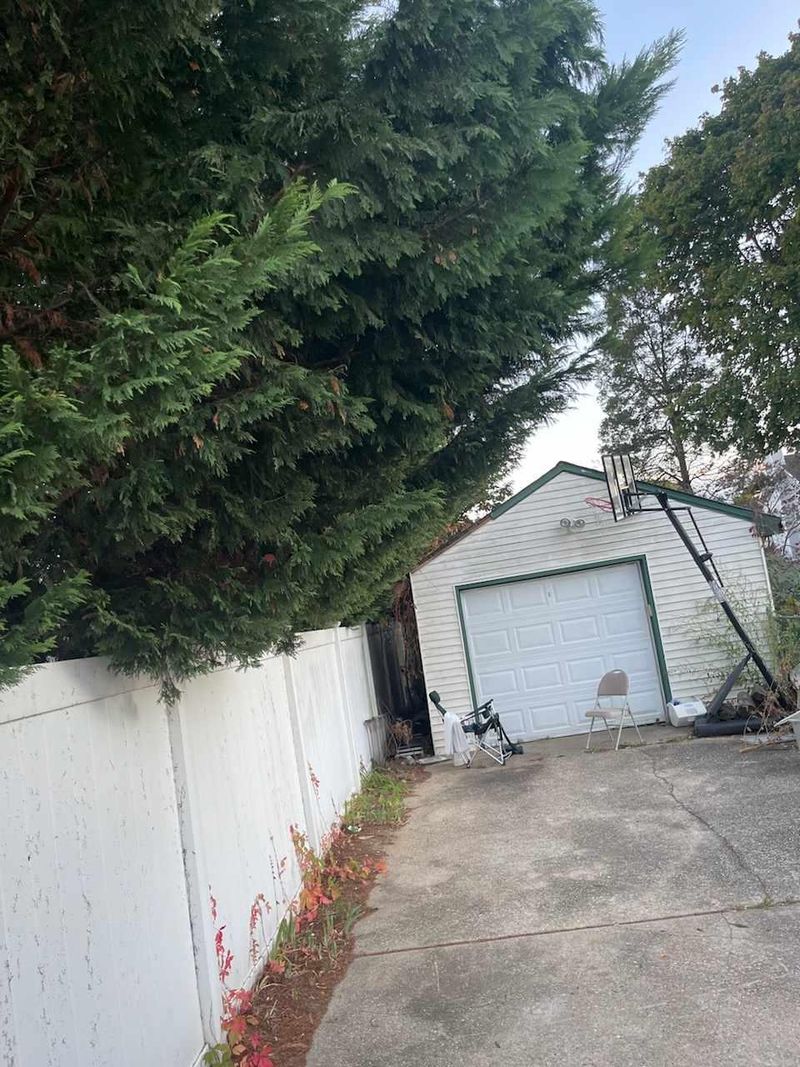
Illinois law grants homeowners the right to trim tree branches and roots that cross onto their property, provided they do not trespass or harm the tree.
Cutting must be done at the property line, and homeowners cannot go onto a neighbor’s land to perform trimming without explicit permission from the owner.
Damaging a neighbor’s tree through improper trimming or poisoning can result in liability for the tree’s value, which can be substantial for mature, healthy specimens.
Property owners cannot demand that neighbors remove trees simply because they drop leaves, seeds, or other natural debris onto adjacent yards during seasonal changes throughout the year.
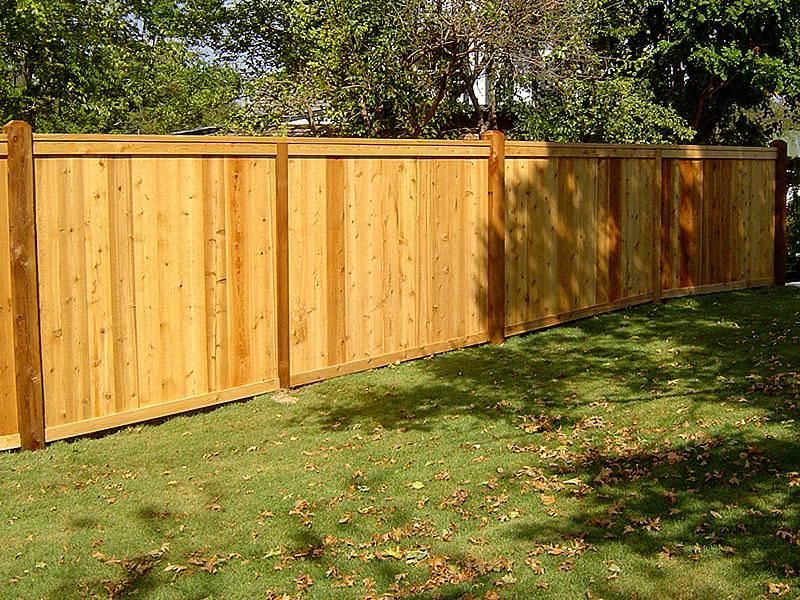
Installing barriers like fences or hedges on your own property to catch leaves is permissible, as long as structures comply with local zoning and height regulations.
Blowing or raking leaves back onto a neighbor’s property is generally considered improper and can escalate tensions, potentially leading to harassment claims or neighborhood disputes over time.
Consulting with a tree care professional before trimming ensures that cuts are made properly, preserving tree health and avoiding legal complications with neighbors in Illinois.
Are Tree Owners Ever Liable For Fallen Leaves

Generally, tree owners in Illinois are not held liable simply because their trees shed leaves onto neighboring properties during autumn or other seasons naturally.
Liability may arise if a tree owner’s negligence causes harm, such as failing to remove a dangerously unstable tree that later drops branches or leaves in excess.
Courts typically view falling leaves as a natural consequence of tree ownership and not something that creates legal responsibility for cleanup on adjacent properties under law.
If leaves contribute to a hazardous condition, like blocking storm drains that cause flooding, and the tree owner was aware but did nothing, liability could exist.
Homeowners who plant trees too close to property lines or fail to maintain them properly might face claims if their actions directly cause foreseeable damage or harm.
Proving negligence requires showing that the tree owner knew or should have known about a risk and failed to take reasonable steps to prevent foreseeable harm.
Most disputes over leaves do not meet the legal threshold for negligence, so tree owners rarely face liability unless extraordinary circumstances exist in specific situations across Illinois.
How Illinois Courts Typically Handle Tree Disputes
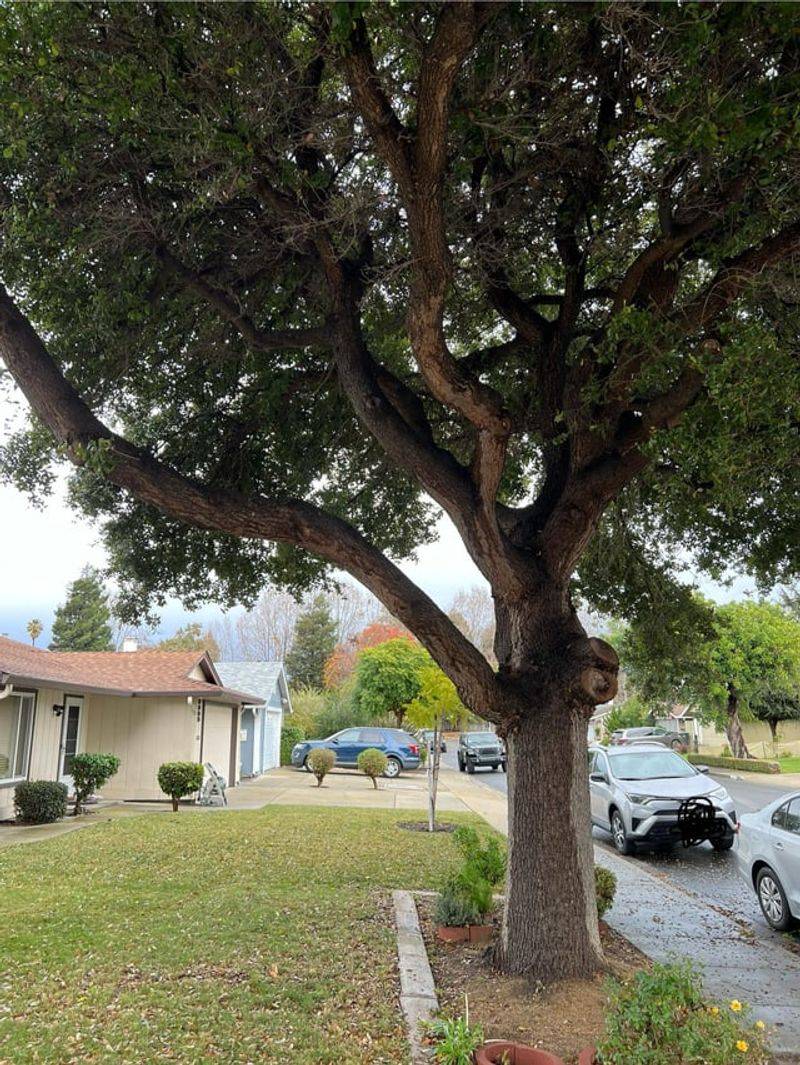
Illinois courts generally favor common law principles that balance property rights with the realities of living near trees and natural vegetation in residential communities and areas.
Judges often dismiss cases involving fallen leaves alone, viewing them as a minor inconvenience rather than a legal wrong that warrants court intervention or damages.
When tree disputes reach court, judges examine whether actual damage occurred, whether the tree owner acted negligently, and whether the harm was foreseeable and preventable.
Courts may award damages if a tree owner ignored warnings about a dangerous tree that later caused property damage, personal injury, or significant financial loss.
Injunctions requiring tree removal or trimming are rare and typically reserved for situations where trees pose clear, imminent danger to people or structures on neighboring properties.
Mediation and alternative dispute resolution are often encouraged by judges before allowing tree-related cases to proceed to full trial, saving time and expense for everyone.
Precedents set in Illinois appellate cases guide lower courts, but each situation is evaluated individually based on specific facts, evidence, and circumstances presented during hearings.
Practical Steps To Resolve Leaf Issues With A Neighbor
Starting with a friendly, face-to-face conversation is often the most effective way to address concerns about leaves and maintain positive relationships in neighborhoods across Illinois.
Approaching your neighbor calmly and respectfully, without accusations, helps set a cooperative tone and increases the likelihood of finding a mutually agreeable solution together quickly.
Offering to share the cost of tree trimming or yard cleanup can demonstrate goodwill and encourage your neighbor to participate in resolving the issue collaboratively.
Written communication, such as a polite letter or email, provides documentation and can be useful if informal discussions do not lead to satisfactory results over time.
Community mediation services, available in many Illinois counties, offer neutral third-party assistance to help neighbors reach agreements without involving lawyers or courts in disputes.
Consulting local ordinances and homeowners association rules before approaching your neighbor ensures you understand your rights and any applicable regulations that might apply to situations.
If all else fails and significant damage or hazards exist, seeking legal advice from an attorney experienced in property disputes can clarify your options and next steps.