Are Georgia Homeowners Responsible For Damage From A Neighbors Fallen Branch
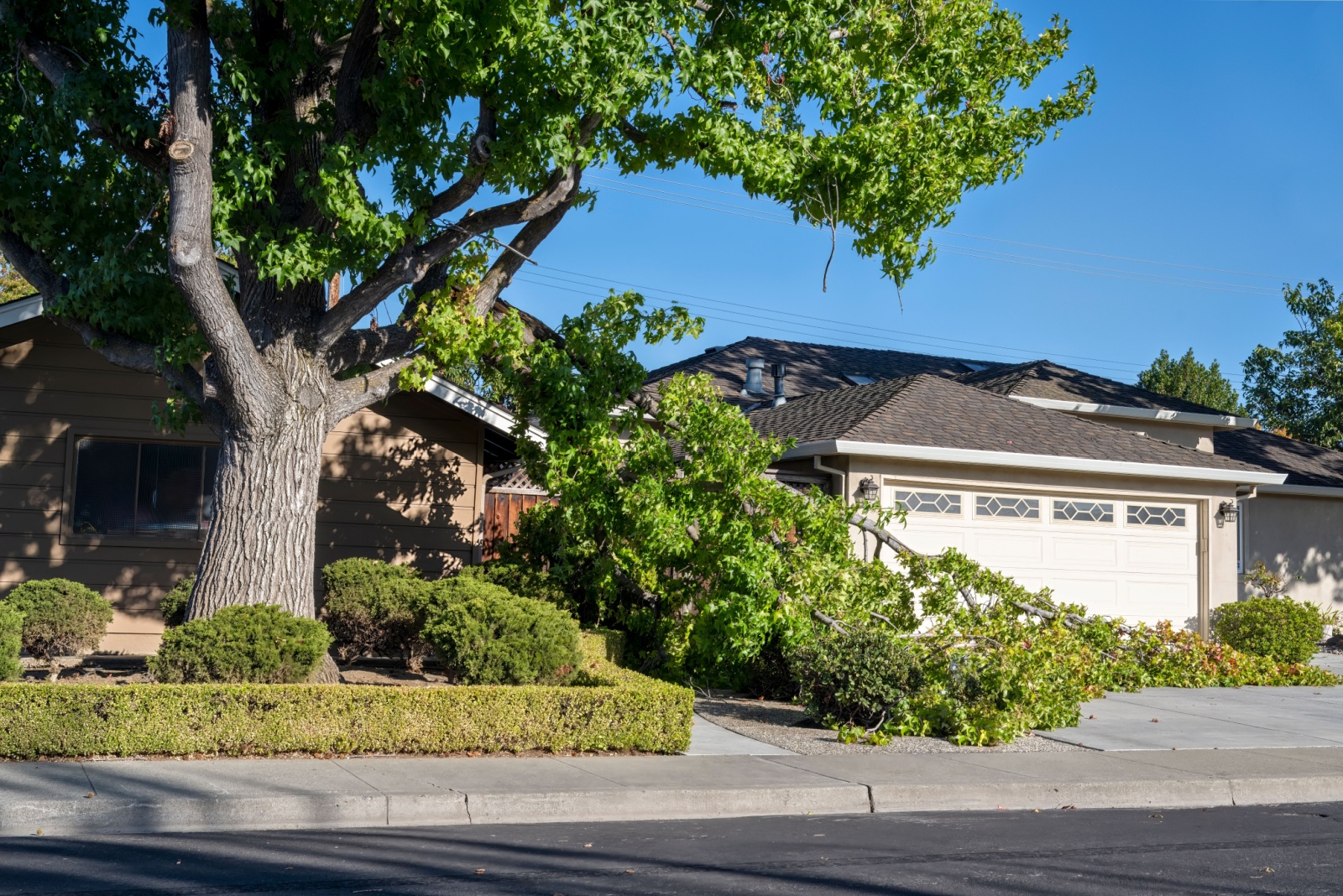
A quiet Georgia afternoon turns upside down once a neighbor’s branch crashes onto your property like an uninvited guest with no manners.
One moment the yard sits in perfect peace, and the next a splintered limb sprawls across the lawn as if it owns the deed.
Confusion rises fast, and questions shoot through the air with the force of a summer thunderclap.
Does the bill land on your doorstep, or does your neighbor shoulder the blame?
In a state where property lines carry real weight, the answer draws sharp boundaries and clears the fog around responsibility before tensions flare across the fence.
Neighbors often trust close ties to smooth out rough patches, yet a fallen branch pushes that goodwill to the limit.
Insurance agents, municipal codes, and long-standing customs each step into the spotlight, and the truth often surprises anyone new to Georgia’s approach.
A solid understanding of local rules keeps tempers cool and ensures that a simple mishap stays far from a full-blown feud.
Georgia Follows The Act Of God Defense
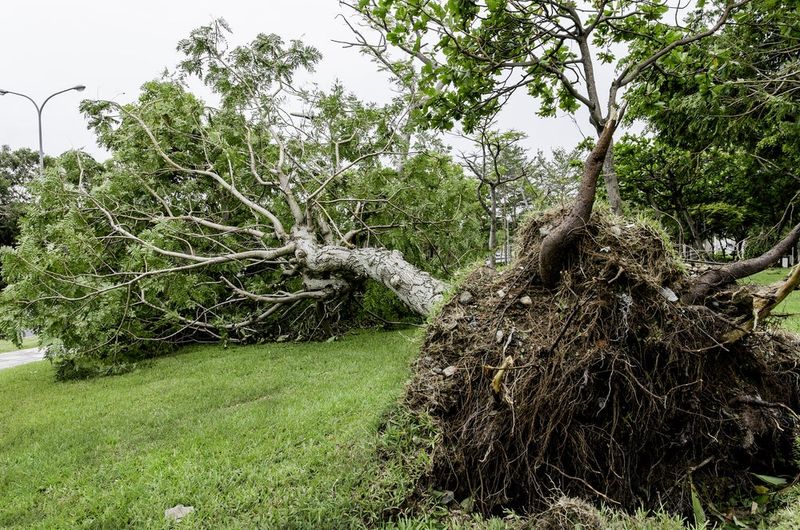
Georgia law recognizes something called the “Act of God” defense when it comes to tree damage.
This means if a healthy tree or branch falls during a storm or other natural event, your neighbor typically is not responsible for the damage to your property.
Courts consider events like hurricanes, tornadoes, lightning strikes, and severe windstorms as acts of nature that no one could prevent.
Insurance companies in Georgia usually handle these cases under your own homeowner’s policy rather than your neighbor’s.
The reasoning is simple: if the tree was healthy and the weather caused it to fall, your neighbor did nothing wrong.
They could not have predicted or prevented the branch from breaking during extreme conditions.
This defense protects property owners from being held liable for every natural occurrence on their land.
However, this protection only applies when the tree was in good condition before the storm hit.
If the tree showed signs of disease or damage beforehand, the Act of God defense might not work.
Many homeowners feel frustrated by this rule, but it reflects a fair approach to unpredictable weather events.
Georgia courts have consistently upheld this principle for decades.
Negligence Changes Everything
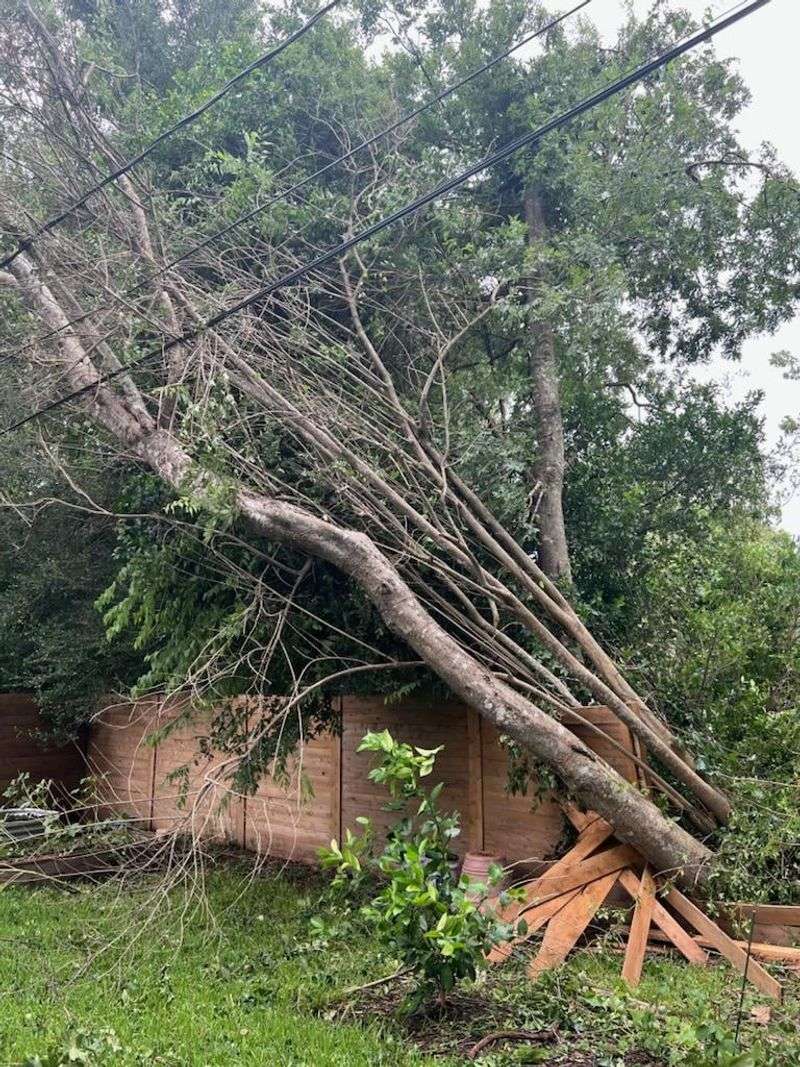
Did you know that your neighbor becomes responsible if they were negligent about tree maintenance?
Negligence means they knew or should have known the tree was dangerous but did nothing about it.
A rotting trunk, visible cracks, leaning at a severe angle, or obvious disease are all warning signs that create responsibility.
Georgia courts have ruled that property owners must reasonably maintain trees on their land.
If your neighbor ignored a clearly hazardous tree and it later damaged your property, they can be held liable.
You would need to prove they had knowledge of the problem or that the danger was obvious enough that they should have noticed.
Photographs of the tree’s condition before it fell become valuable evidence in these situations.
Witness statements from other neighbors who noticed the problem also help establish negligence.
Professional arborist reports can document that the tree posed a clear risk.
Some homeowners send written notices to neighbors about dangerous trees, creating a paper trail.
This documentation proves the neighbor had actual knowledge of the hazard.
Negligence shifts the financial burden from your insurance to your neighbor’s liability coverage.
Your Insurance Usually Pays First
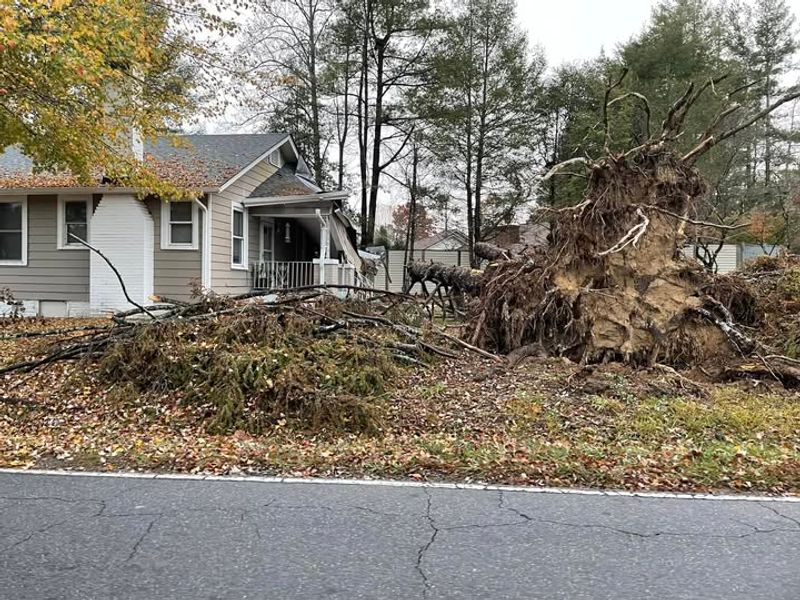
Most Georgia homeowners discover their own insurance company handles the initial damage payment.
Your homeowner’s policy typically covers damage to your property regardless of where the tree came from.
This approach gets repairs started quickly without waiting for lengthy legal disputes about fault.
After paying your claim, your insurance company might pursue your neighbor’s insurance through a process called subrogation.
Subrogation happens when your insurer believes the neighbor was negligent and tries to recover the money they paid you.
You usually do not need to involve yourself in this process once you file your claim.
Your deductible still applies even though the tree came from next door.
Many homeowners feel this seems unfair, but it reflects how property insurance works in Georgia.
The benefit is faster repairs without proving fault first.
Some policies include coverage for debris removal, which helps with cleanup costs.
Review your policy carefully to understand exactly what protection you have.
Good insurance coverage protects you regardless of who owns the tree that caused damage.
Contact your agent promptly after damage occurs to start the claims process efficiently.
Prior Written Notice Creates Liability
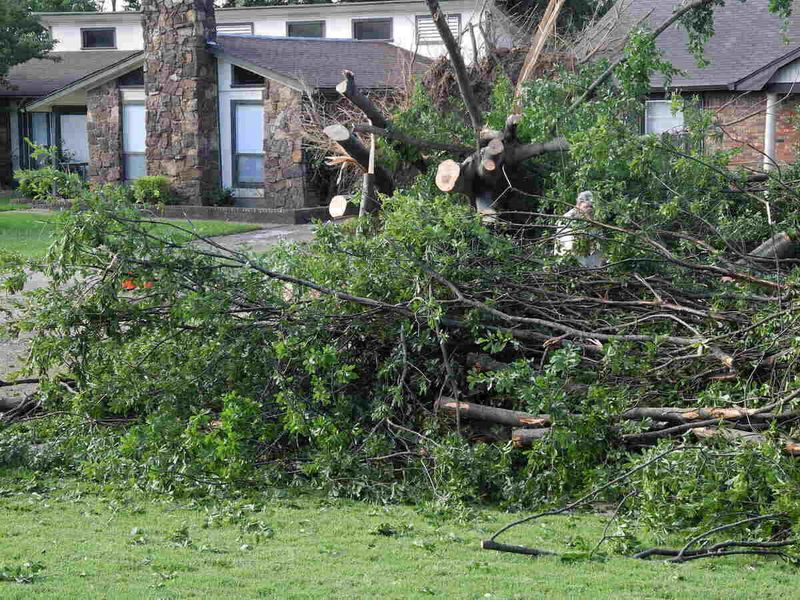
Sending your neighbor a written warning about a dangerous tree creates legal responsibility if damage occurs later.
Georgia courts recognize that once a property owner receives formal notice of a hazard, they have a duty to address it.
Certified mail with return receipt provides proof that your neighbor received your concerns.
Your letter should describe the tree’s location, explain the specific dangers you observe, and request appropriate action.
Include photographs if possible and keep copies of everything you send.
This documentation becomes crucial evidence if the tree later causes damage.
After receiving notice, your neighbor has a reasonable time to respond by having the tree inspected or removed.
What counts as “reasonable time” depends on the urgency of the danger.
A tree actively leaning toward your house requires faster action than one with minor concerns.
Many neighbors appreciate the heads-up and take care of the problem promptly.
Others might ignore the warning, which strengthens your legal position if damage happens.
Never trim branches on your neighbor’s property without permission, even after sending notice.
That could make you liable for trespassing or property damage instead.
Property Line Rules Matter
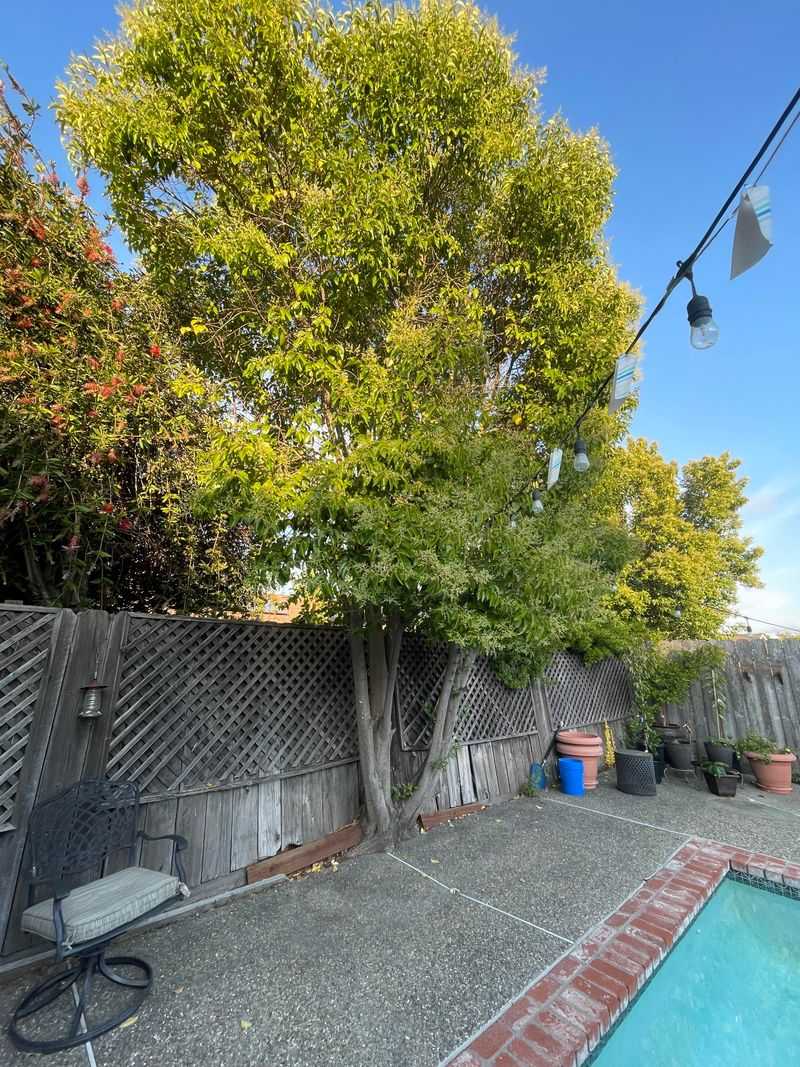
Trees growing exactly on the property line belong to both neighbors equally under Georgia law.
Both property owners share responsibility for maintenance and liability for any damage the tree causes.
This shared ownership means you cannot remove or significantly trim a boundary tree without your neighbor’s agreement.
Disputes about boundary trees often require surveyor involvement to determine the exact property line.
A survey costs money but provides definitive answers about tree ownership.
Old fences do not always mark the true legal boundary between properties.
If a boundary tree damages either property, both owners typically share the costs and insurance claims.
This can get complicated when one neighbor wants to remove the tree and the other wants to keep it.
Georgia courts generally require mutual agreement for major decisions about shared trees.
You do have the right to trim branches that extend over your property line.
However, you must do so carefully without harming the tree’s overall health.
Excessive trimming that damages or destroys the tree can create liability for you.
Consult an arborist before cutting branches from a boundary tree to avoid legal problems.
Documentation Protects Your Interests
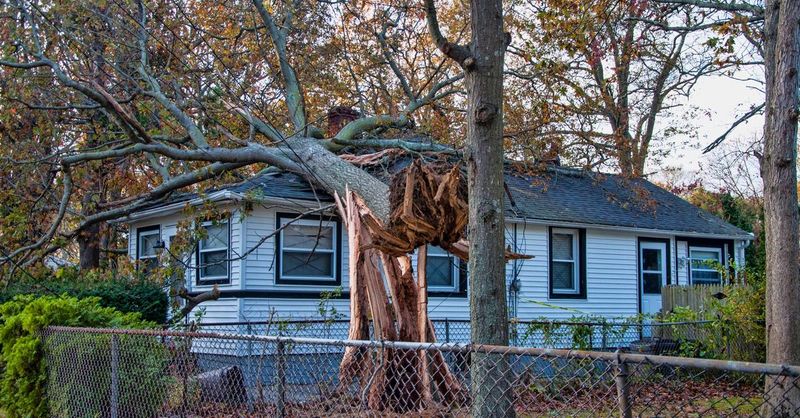
Keeping detailed records of tree conditions and damage proves essential when disputes arise.
Photograph your neighbor’s trees regularly, especially if you notice concerning changes in their health or stability.
Date-stamped photos from your phone provide timeline evidence that courts find credible.
After damage occurs, document everything before cleanup begins.
Take pictures from multiple angles showing where the branch came from and what it damaged.
Photograph the tree trunk and remaining branches to show disease or decay.
Write down the date, time, and weather conditions when the damage happened.
Note any previous conversations you had with your neighbor about the tree.
Save text messages, emails, or letters related to the tree or property concerns.
Get estimates from contractors for repair costs before your insurance adjuster arrives.
This helps ensure the insurance company provides adequate coverage for all damage.
Professional arborist reports add credibility to claims about tree condition and negligence.
Good documentation makes insurance claims smoother and strengthens your position if legal action becomes necessary.
Most disputes never reach court, but being prepared protects your financial interests completely.
Small Claims Court Offers A Solution
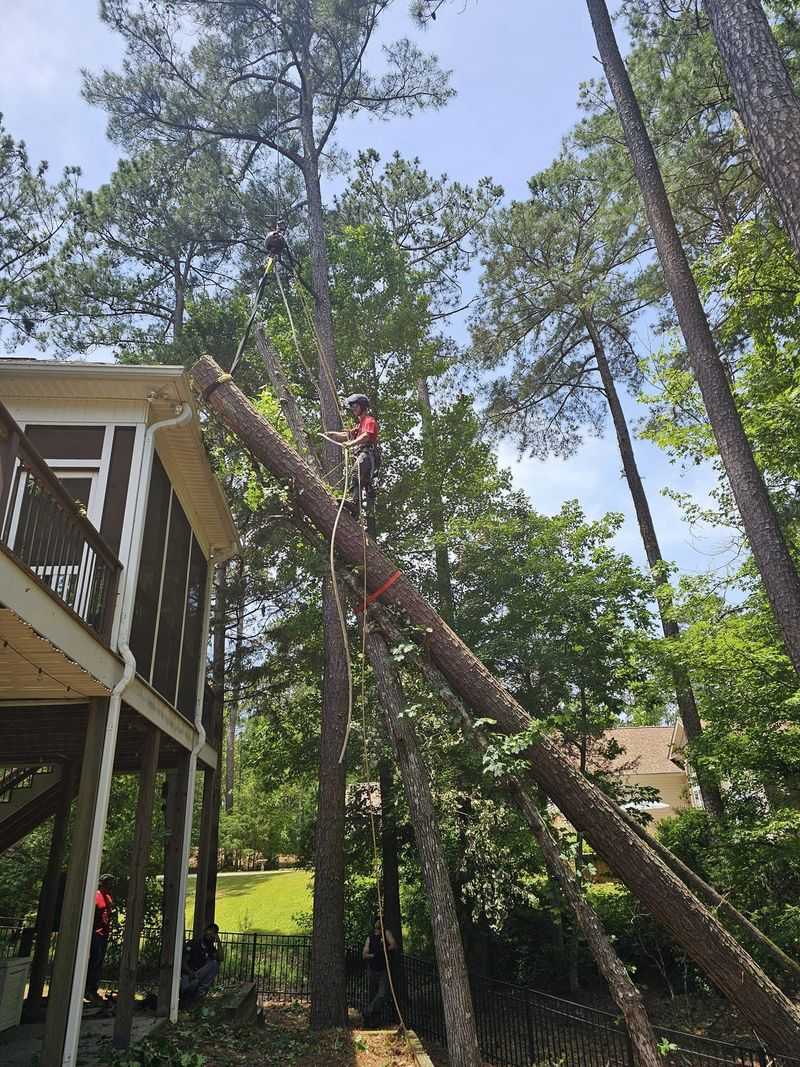
Georgia’s small claims court provides an affordable way to resolve tree damage disputes without expensive lawyers.
You can file claims up to $15,000 in magistrate court, which covers most residential tree damage situations.
The filing fee is relatively low, and the process is designed for people to represent themselves.
Small claims court works best when you have clear evidence of negligence and documented damages.
Bring your photographs, written notices, repair estimates, and any expert opinions to your hearing.
Judges appreciate organized presentations with timeline summaries and cost breakdowns.
The hearing is less formal than regular court, but you still need to prove your neighbor was negligent.
Show that the tree was obviously dangerous and your neighbor knew or should have known about it.
Demonstrate the connection between their negligence and your property damage.
Many cases settle before the actual hearing once both parties understand the evidence.
Your neighbor’s insurance company might negotiate a settlement to avoid court costs.
Even if you win in small claims court, collecting the judgment can sometimes prove challenging.
Consider this option when insurance does not cover your losses and negligence is clear.