Are New Mexico Residents Allowed To Block A Neighbor’s Draining Water That Floods Their Garden
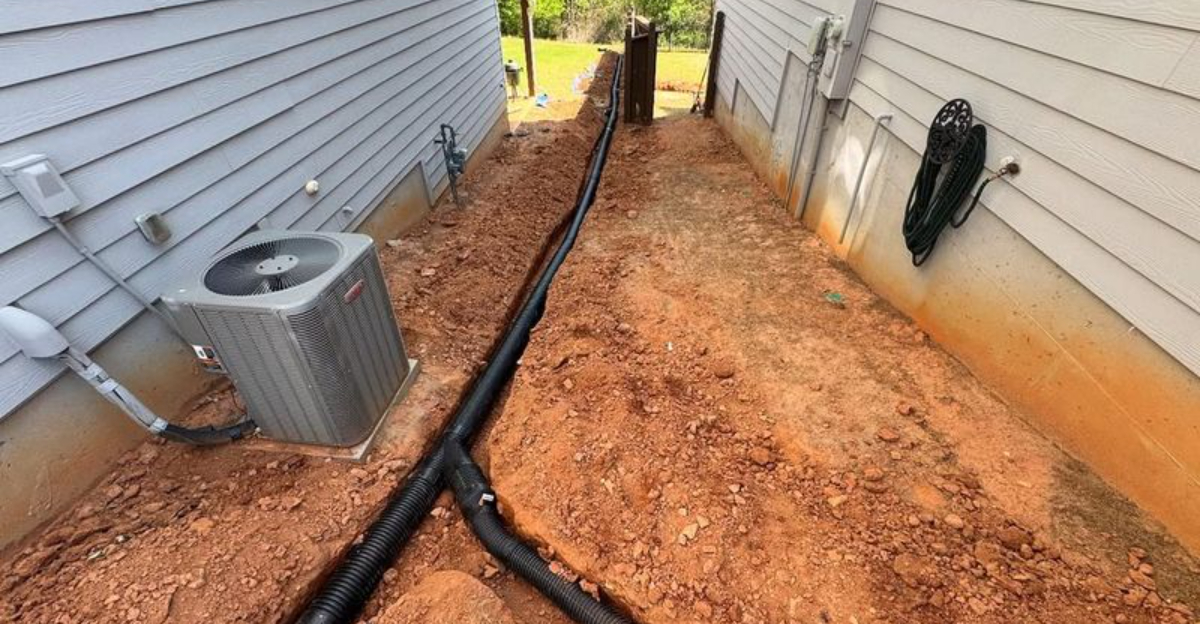
Across New Mexico, more homeowners are facing a frustrating — and sometimes costly — problem: a neighbor’s runoff water pouring onto their property and flooding their gardens.
What starts as a simple drainage issue can quickly turn into drowned plants, eroded soil, and rising tension between households.
But many residents aren’t sure where the legal boundaries lie.
Can you block the water?
Is your neighbor responsible for redirecting it?
And what does New Mexico law actually say about altered drainage, property rights, and damage caused by runoff?
Here’s what homeowners need to know before taking action, from practical solutions to the rules that determine who’s accountable.
Common Law Water Rights Apply In New Mexico
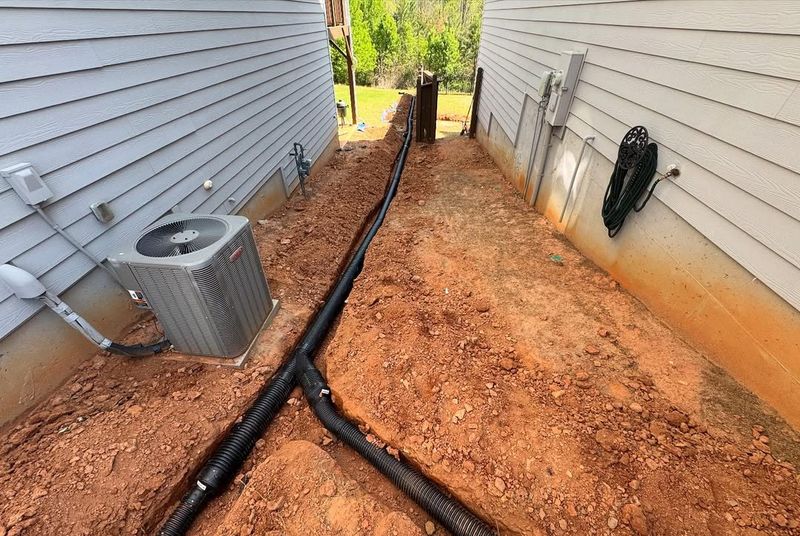
New Mexico follows a mix of legal principles when it comes to water drainage between properties, and common law plays a significant role.
Under traditional common law, landowners have certain responsibilities about how water flows across their land.
Lower properties must generally accept natural water flow from higher ground, which means you cannot always block water that naturally drains downhill.
However, this rule only applies to water flowing in its natural state and pattern.
If your neighbor has altered their property in ways that change how water drains, different rules may apply.
New Mexico courts recognize that property owners have rights to reasonable use of their land without causing harm to others.
The challenge comes when determining what counts as natural drainage versus artificial changes.
Many neighborhoods in Albuquerque and Santa Fe deal with these issues regularly, especially during monsoon season.
Understanding these foundational principles helps you know where you stand legally.
Before taking action to block water, you should consider whether the drainage follows natural patterns or results from your neighbor’s modifications.
Reasonable Use Doctrine Protects Both Parties
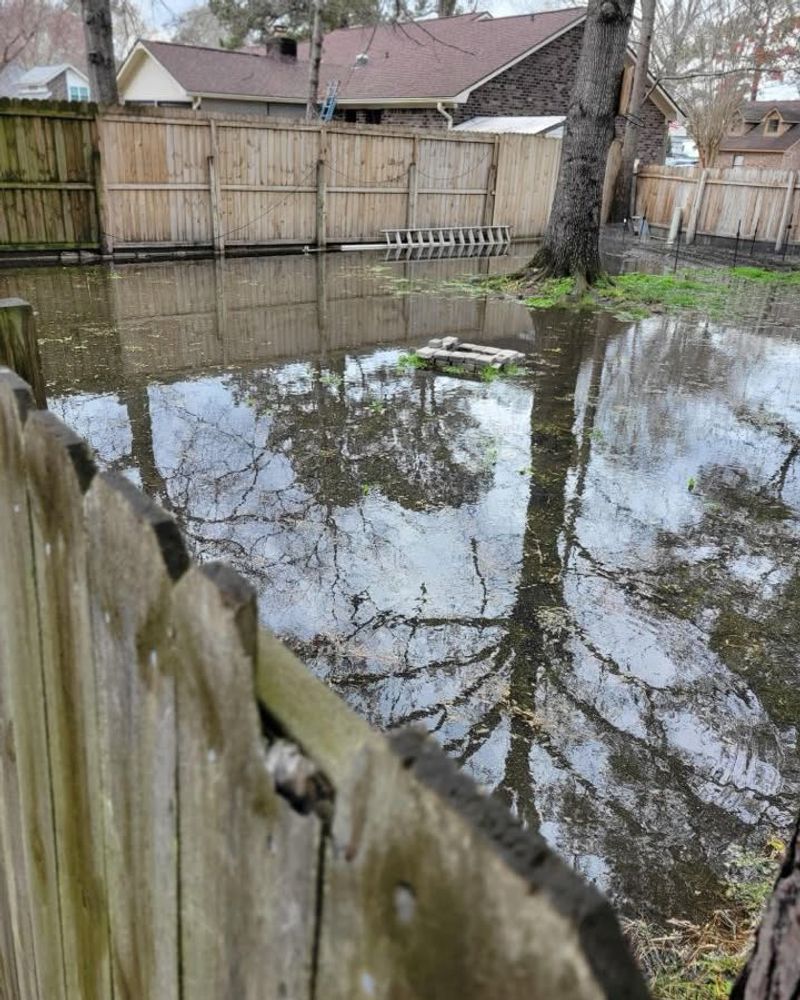
The reasonable use doctrine balances the rights of both property owners in drainage disputes.
This legal principle states that landowners can make reasonable changes to their property even if it affects water drainage, as long as the changes are not excessive or malicious.
Courts in New Mexico evaluate several factors when deciding if water drainage is reasonable.
They look at the necessity of the drainage, the amount of harm caused, and whether less damaging alternatives exist.
Your neighbor has the right to grade their land, install patios, and make improvements that might affect water flow.
At the same time, you have the right to protection from unreasonable flooding that damages your property.
The key word here is reasonable, which can be subjective and depends on specific circumstances.
If your garden floods because your neighbor installed a large concrete driveway that directs all runoff toward your property, this might exceed reasonable use.
However, if water naturally flows downhill and your neighbor has not made significant changes, blocking it could violate their rights.
Documentation of the flooding and any property modifications becomes crucial evidence.
Surface Water Versus Defined Watercourses Matter
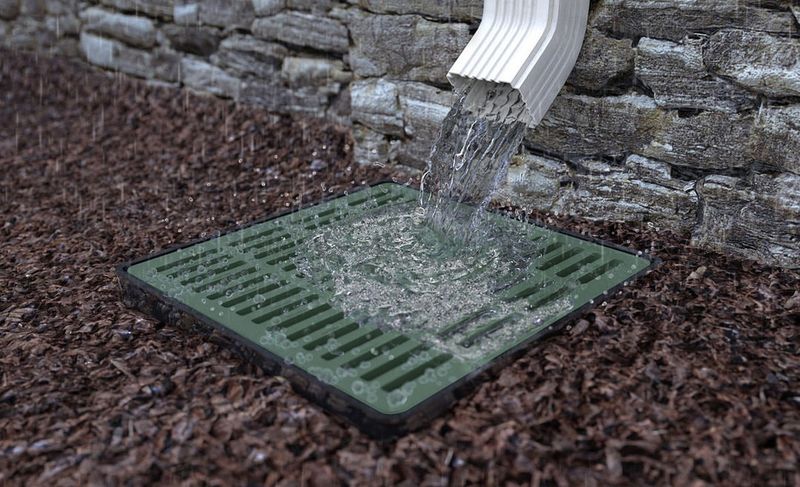
New Mexico law treats surface water differently from water flowing in defined watercourses, and this distinction matters greatly.
Surface water refers to rainwater or snowmelt that flows over land without a defined channel.
Defined watercourses include streams, creeks, ditches, or any channel with a bed and banks where water regularly flows.
If water from your neighbor’s property is surface runoff, you generally have more freedom to manage it on your property.
However, if the water flows through a defined channel or ditch, water rights laws become much more complicated.
New Mexico has strict prior appropriation laws governing water in defined watercourses, meaning the first person to use the water has priority rights.
Blocking a defined watercourse without permission can result in serious legal consequences.
Many older neighborhoods, especially in Rio Rancho and Las Cruces, have historic irrigation ditches called acequias that carry water rights dating back centuries.
Interfering with these systems is illegal and can bring heavy fines.
Before blocking any water, determine whether it qualifies as surface runoff or flows through a defined channel.
This classification will guide your legal options significantly.
Documentation Strengthens Your Legal Position
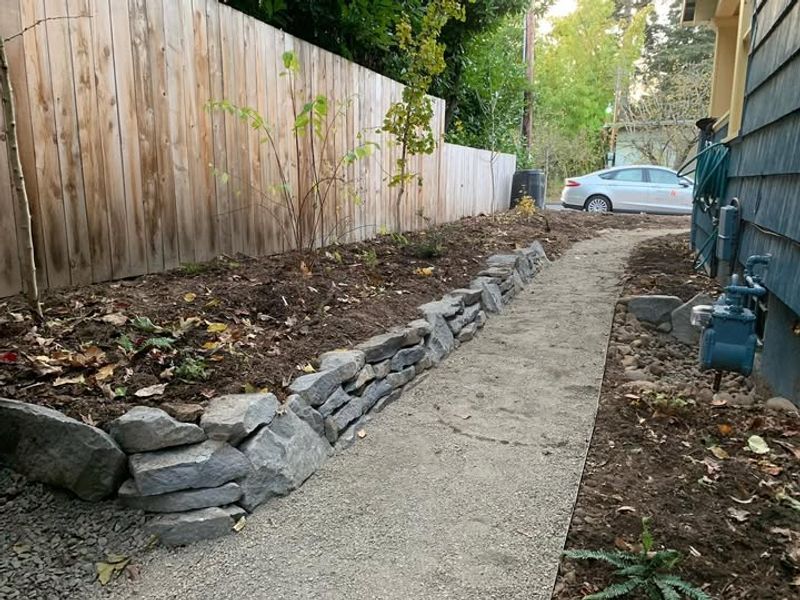
Building a strong case requires thorough documentation of the flooding problem and its effects on your property.
Start by taking dated photographs and videos of the flooding each time it occurs, showing the water source and damage caused.
Keep a written log noting dates, times, weather conditions, and the severity of each flooding incident.
Photograph your garden before and after flooding to demonstrate the harm to plants, soil erosion, and standing water issues.
If possible, take pictures of your neighbor’s property showing any modifications that might contribute to the drainage problem, such as new pavement, grading changes, or removed vegetation.
Save any communication with your neighbor about the issue, including emails, text messages, and notes from conversations.
This documentation becomes essential evidence if you need to pursue legal action or defend yourself if your neighbor objects to your drainage solutions.
Many New Mexico residents have successfully resolved disputes by presenting clear evidence to mediators or courts.
Consider having a professional survey done to establish property lines and elevation changes.
The investment in documentation often pays off by strengthening your negotiating position or supporting your case in court.
Communication Should Come Before Legal Action
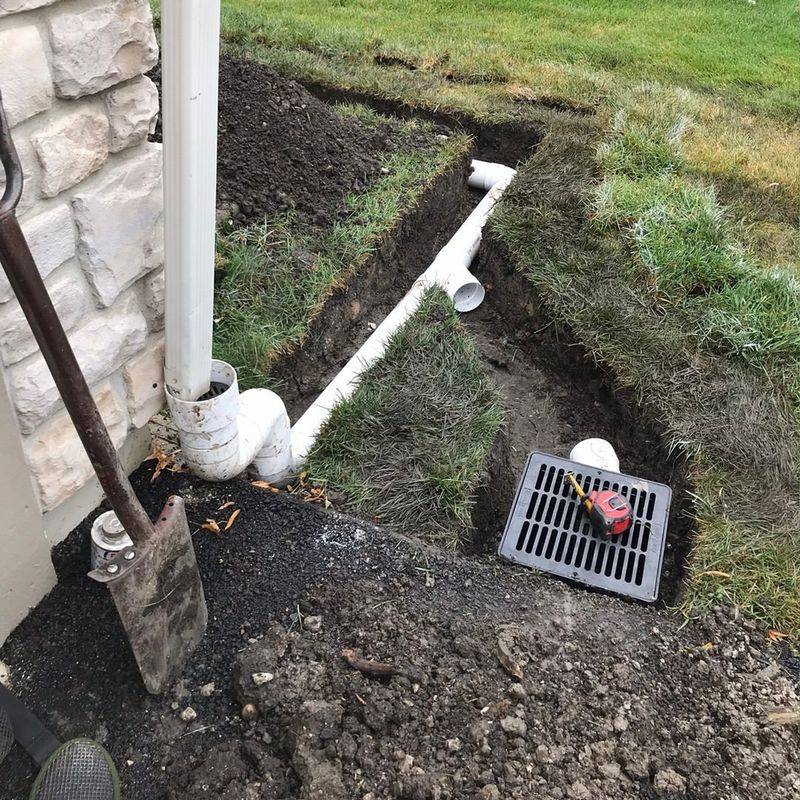
Talking with your neighbor before taking legal steps or installing barriers often resolves drainage issues more effectively and preserves relationships.
Many people are unaware that their property modifications are causing problems for others.
Approach the conversation calmly and focus on finding solutions rather than assigning blame.
Explain specifically how the water affects your garden, using your documentation to show the problem clearly.
Suggest collaborative solutions like redirecting downspouts, installing a French drain, or sharing the cost of drainage improvements that benefit both properties.
In many New Mexico communities, neighbors have successfully worked together to create drainage solutions that prevent flooding while respecting both properties.
If direct conversation feels uncomfortable, consider sending a friendly letter explaining the situation and requesting a meeting.
Sometimes involving a neutral third party, such as a mediator or community association representative, helps facilitate productive discussions.
Keep records of all communication attempts, as courts often look favorably on parties who tried to resolve disputes amicably.
Rushing to install barriers without discussion can escalate conflicts and may weaken your legal position if the matter goes to court.
Good-faith communication demonstrates reasonableness and responsibility.
Permitted Drainage Solutions Versus Illegal Blockages
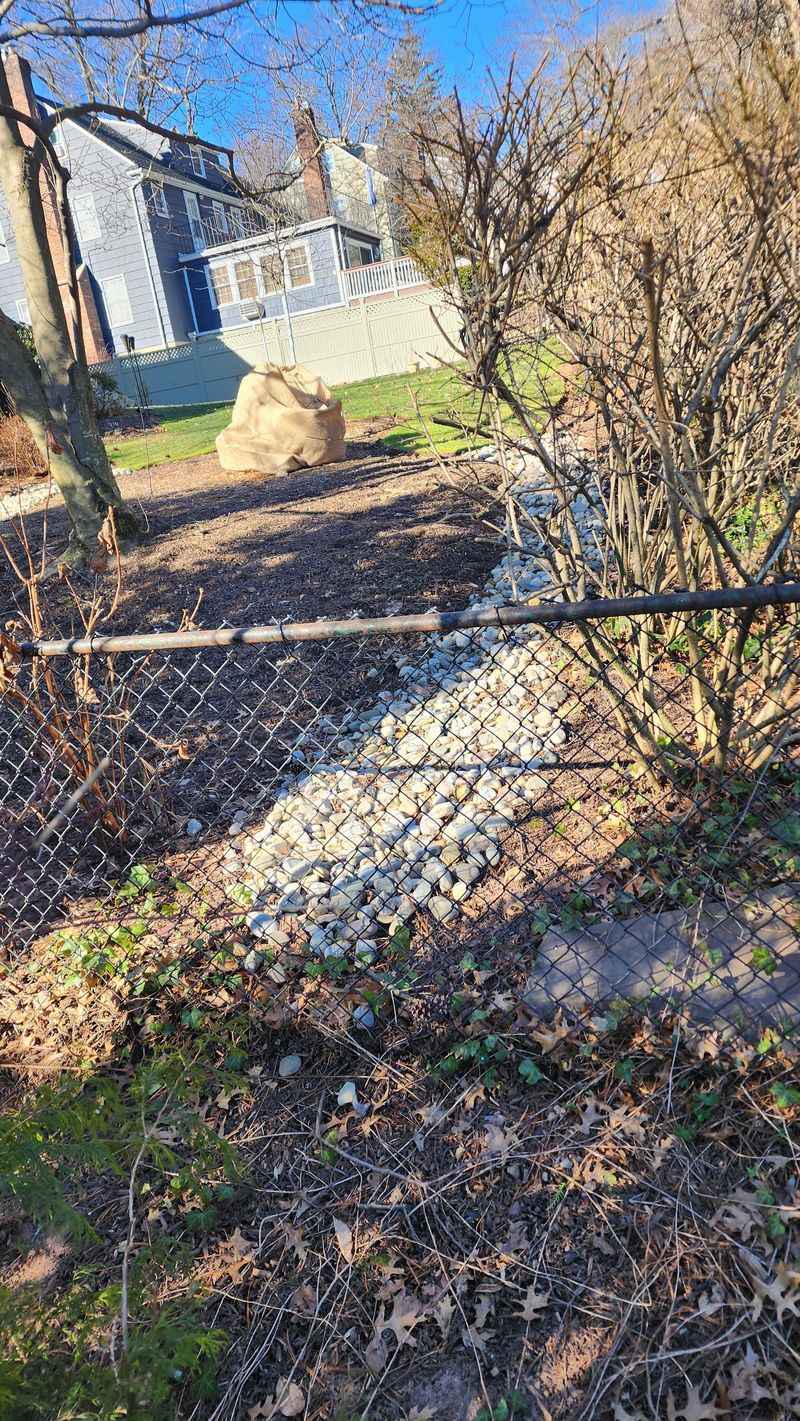
Not all methods of managing drainage water are legally acceptable, so understanding the difference between permitted solutions and illegal blockages is vital.
You generally can install drainage systems on your own property that redirect water, such as French drains, swales, or catch basins.
These solutions manage water flow without completely blocking it, which courts view more favorably.
Building a solid wall or berm that completely blocks water and forces it back onto your neighbor’s property or toward other neighbors typically violates reasonable use principles.
New Mexico law expects property owners to handle drainage responsibly without simply pushing the problem elsewhere.
Installing gutters, downspout extensions, or rain gardens on your property to capture and absorb runoff is usually acceptable.
Some solutions may require permits from your local government, especially if they involve grading changes or structures.
Cities like Albuquerque have stormwater management regulations that apply to residential properties.
Before installing any drainage solution, check with your city or county planning department about permit requirements.
Working with a landscaping professional who understands New Mexico drainage laws can help you design effective, legal solutions.
Proper drainage management protects your garden while respecting legal boundaries.
Local Ordinances May Provide Additional Protection
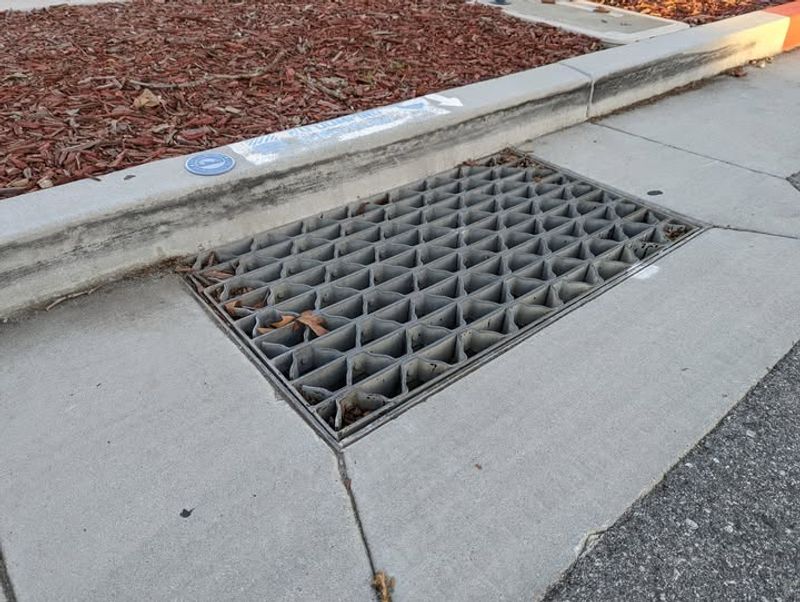
Beyond state law, your city or county may have specific ordinances addressing drainage issues that provide additional protection for your property.
Many New Mexico municipalities have enacted stormwater management regulations that require property owners to handle runoff responsibly.
These local rules often specify how much impervious surface is allowed, require drainage plans for new construction, and prohibit actions that harm neighboring properties.
Albuquerque, for example, has detailed stormwater ordinances that regulate how development projects must manage drainage.
Santa Fe County has similar regulations designed to prevent erosion and flooding problems.
Your local code enforcement office can investigate complaints about drainage issues and may order your neighbor to correct problems that violate ordinances.
Some homeowners associations also have rules about drainage and landscaping that apply to your situation.
Reviewing your HOA covenants might reveal requirements that support your position.
Contacting your city or county planning department is a smart step before taking any action.
They can explain what local regulations apply and whether your neighbor’s drainage practices violate any codes.
Local ordinances sometimes offer faster, less expensive remedies than pursuing civil litigation.
Understanding these rules gives you additional tools for resolving the problem.
Professional Assessment Can Clarify Your Options
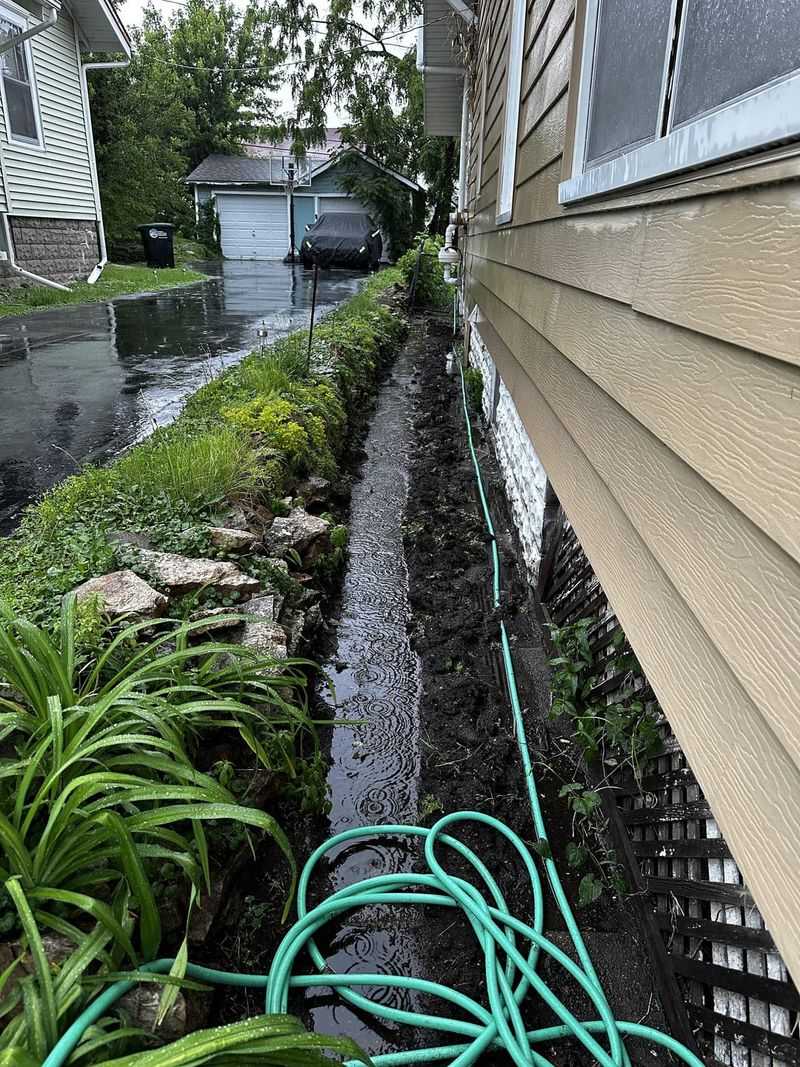
Hiring professionals to assess your drainage situation provides valuable information that can guide your decisions and strengthen your case.
A civil engineer or drainage specialist can evaluate how water flows across both properties, identify the source of problems, and recommend effective solutions.
These experts can determine whether your neighbor’s modifications significantly changed natural drainage patterns, which is crucial legal information.
A professional report carries weight in negotiations with neighbors and in court proceedings if necessary.
Landscape architects familiar with New Mexico conditions can design drainage solutions that work with the local climate, soil types, and vegetation.
Surveyors can establish exact property boundaries and elevation differences, which often clarify responsibility for drainage issues.
Some professionals offer consultation services that are relatively affordable and can save you from costly mistakes.
In complex situations involving significant property damage, the investment in professional assessment is usually worthwhile.
Many New Mexico residents have found that presenting a professional drainage report to their neighbor helps facilitate productive conversations.
The neutral, expert opinion often breaks through disagreements and points toward practical solutions.
When selecting professionals, look for those with experience in New Mexico drainage issues and familiarity with local regulations.
Legal Remedies Available Through Civil Court
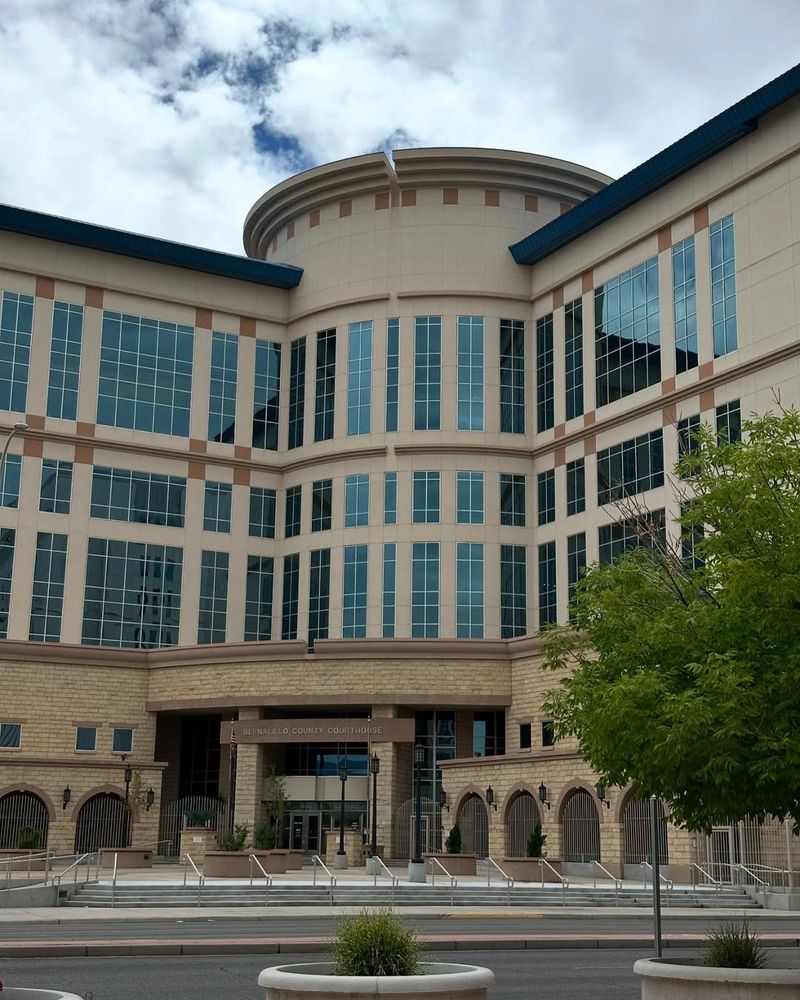
When communication and other efforts fail, civil court offers legal remedies for drainage disputes, though litigation should be a last resort.
You can file a nuisance claim if your neighbor’s drainage practices unreasonably interfere with your use and enjoyment of your property.
New Mexico courts can order your neighbor to modify their property to correct drainage problems causing you harm.
You may also seek monetary damages for harm to your garden, including the cost of replacing plants, repairing soil erosion, and other losses.
In some cases, courts issue injunctions requiring neighbors to stop certain activities or make specific changes to their property.
The burden of proof falls on you to demonstrate that the drainage problem results from your neighbor’s unreasonable actions rather than natural conditions.
This is where your documentation, professional assessments, and evidence of communication attempts become critical.
Litigation can be expensive and time-consuming, often taking months or years to resolve.
Many New Mexico attorneys recommend mediation or arbitration as alternatives to full court trials.
These processes are typically faster, less costly, and preserve neighborly relationships better than adversarial litigation.
Consulting with a property law attorney helps you understand your likelihood of success and the potential costs involved.
Prevention Through Proper Property Maintenance
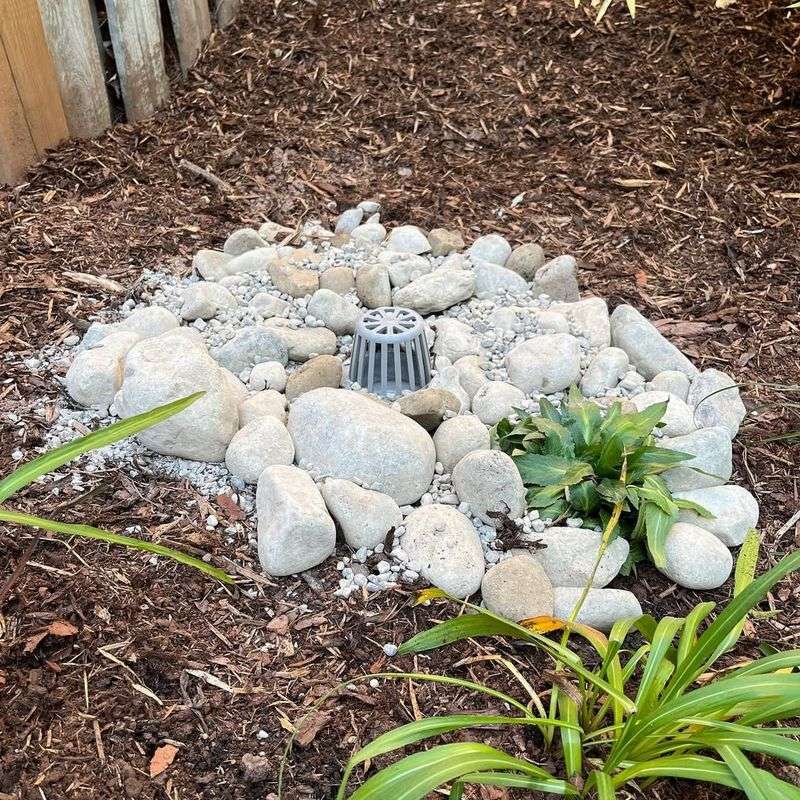
Taking proactive steps to maintain your property properly can prevent drainage problems from becoming serious issues.
Ensure your garden has appropriate grading that directs water away from structures and toward suitable drainage areas.
Installing rain gardens or bioswales on your property can absorb significant amounts of runoff naturally.
Healthy soil with good organic content absorbs water better than compacted or clay-heavy soil common in parts of New Mexico.
Adding compost and mulch to your garden improves drainage and reduces flooding damage.
Consider planting native New Mexico plants that tolerate both drought and occasional flooding, making your garden more resilient.
Regular maintenance of gutters, downspouts, and drainage features keeps water flowing properly.
If you plan any property modifications like patios, driveways, or sheds, design them to avoid creating drainage problems for yourself or neighbors.
Being a responsible property owner who manages drainage well strengthens your position if disputes arise.
Some New Mexico communities offer workshops on water management and xeriscaping that provide useful information.
Prevention is always easier and less expensive than dealing with established drainage conflicts.
Good property stewardship benefits everyone in the neighborhood and reduces the likelihood of disputes.