Are Pennsylvania Homeowners Responsible For Damage From A Neighbor’s Fallen Branch
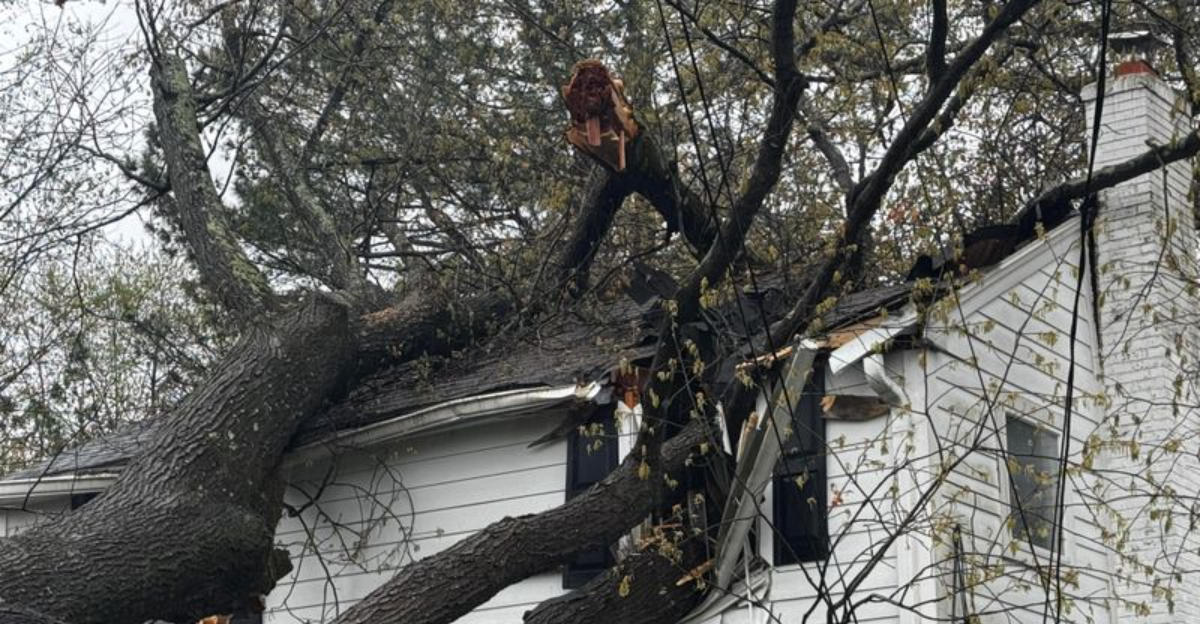
I’ve heard so many Pennsylvania homeowners swapping stories about surprise branches landing in their yards, and it always turns into a mixed moment of shock and curiosity.
It’s the kind of situation that makes everyone glance at their neighbor’s trees a little differently, especially when storms roll through.
I love how these conversations spark that classic question people whisper every winter about who’s actually responsible when a branch finally snaps.
1. Pennsylvania Follows the Act of God Rule for Natural Tree Falls
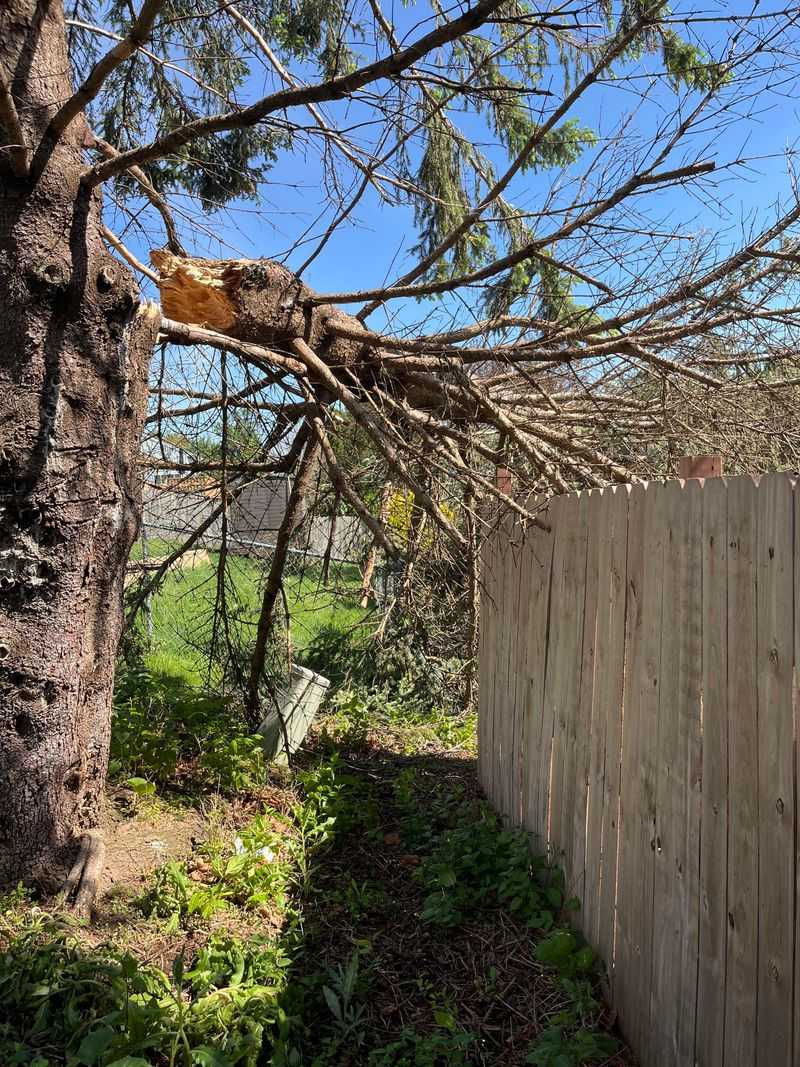
Pennsylvania courts generally apply what lawyers call the Act of God rule when healthy trees fall during storms.
This means if a perfectly healthy tree or branch falls naturally without warning, your neighbor typically is not responsible for damage to your property.
The reasoning is simple: nature caused the problem, not human neglect.
Pennsylvania homeowners usually need to file claims with their own insurance companies after storm damage from healthy trees.
This rule protects neighbors from being held liable for events they could not control or prevent.
However, this protection only applies when the tree was in good condition before it fell.
Many Pennsylvania residents are surprised to learn they cannot automatically blame their neighbor when a branch crashes onto their garage during a thunderstorm.
Courts throughout Pennsylvania have upheld this principle for decades, making it well-established law in the state.
Understanding this rule helps homeowners set realistic expectations about who will pay for repairs after natural weather events cause tree damage.
2. Negligence Changes Everything About Liability
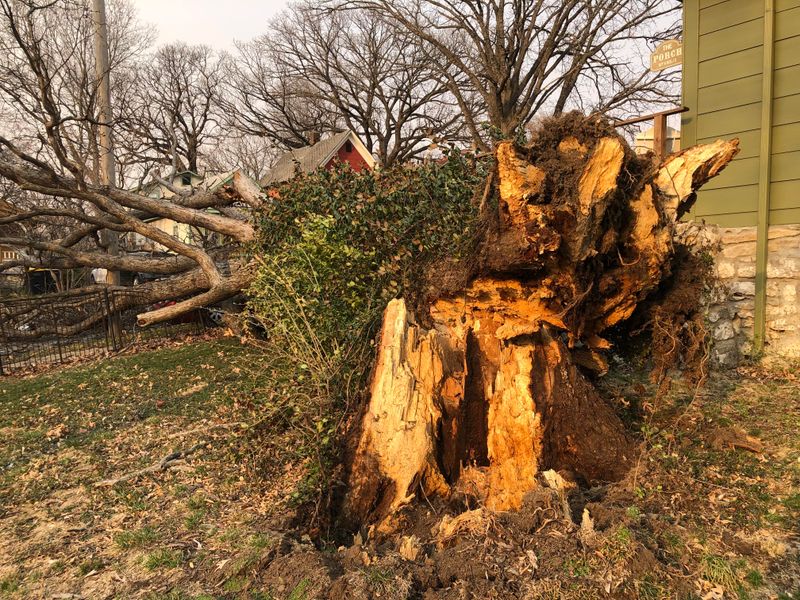
If your neighbor knew their tree was sick, damaged, or dangerous but did nothing about it, they can be held responsible for damage in Pennsylvania.
Negligence means the property owner failed to take reasonable care of a known hazard.
Visible signs like large dead branches, hollow trunks, or obvious disease put neighbors on notice that action is needed.
Pennsylvania law expects property owners to regularly inspect their trees and address clear dangers.
When a diseased branch falls and crushes your car, you may have grounds to seek compensation from the tree owner.
Proving negligence requires showing the neighbor knew or should have known about the problem.
Written warnings you sent previously, photographs of the dangerous condition, or testimony from arborists can support your case.
Pennsylvania courts take tree maintenance seriously when there is evidence of carelessness.
Homeowners cannot ignore obvious hazards and then claim the Act of God defense when predictable damage occurs to neighboring properties.
3. Your Own Insurance Usually Covers Storm Damage First
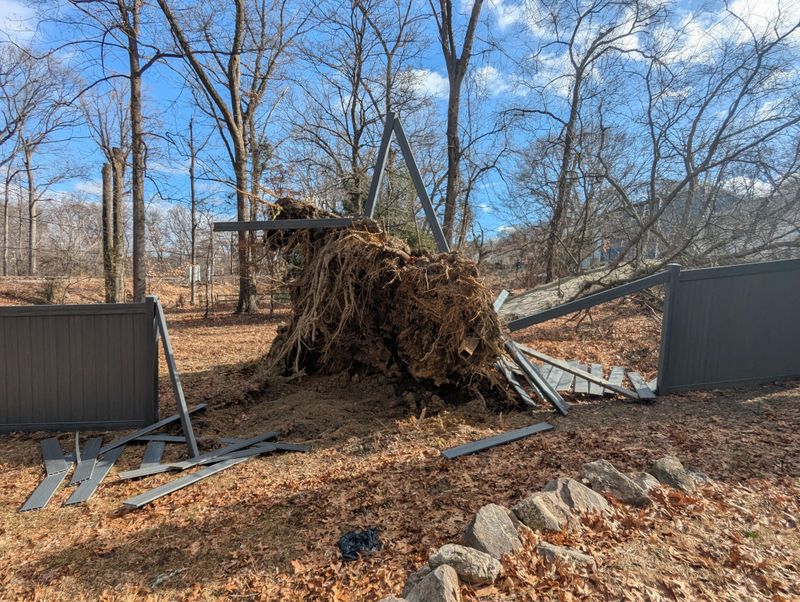
Most Pennsylvania homeowners discover their own insurance policy is the first place to turn after tree damage.
Standard homeowners insurance typically covers damage from falling trees or branches, regardless of where the tree was rooted.
Your insurance company will assess the damage and determine coverage based on your policy terms.
Filing with your own insurer is usually faster and simpler than pursuing a claim against a neighbor.
Pennsylvania insurance policies often include provisions specifically for tree damage from storms and natural events.
Deductibles apply, so you will pay the first portion of repair costs before insurance coverage kicks in.
After paying your claim, your insurance company might investigate whether the neighbor was negligent and pursue subrogation to recover their costs.
This means your insurer does the legal work of going after the neighbor if negligence is found.
Understanding your coverage before problems arise helps Pennsylvania homeowners respond quickly and appropriately when branches fall and cause damage to their homes or vehicles.
4. Warning Your Neighbor About Dangerous Trees Matters Legally
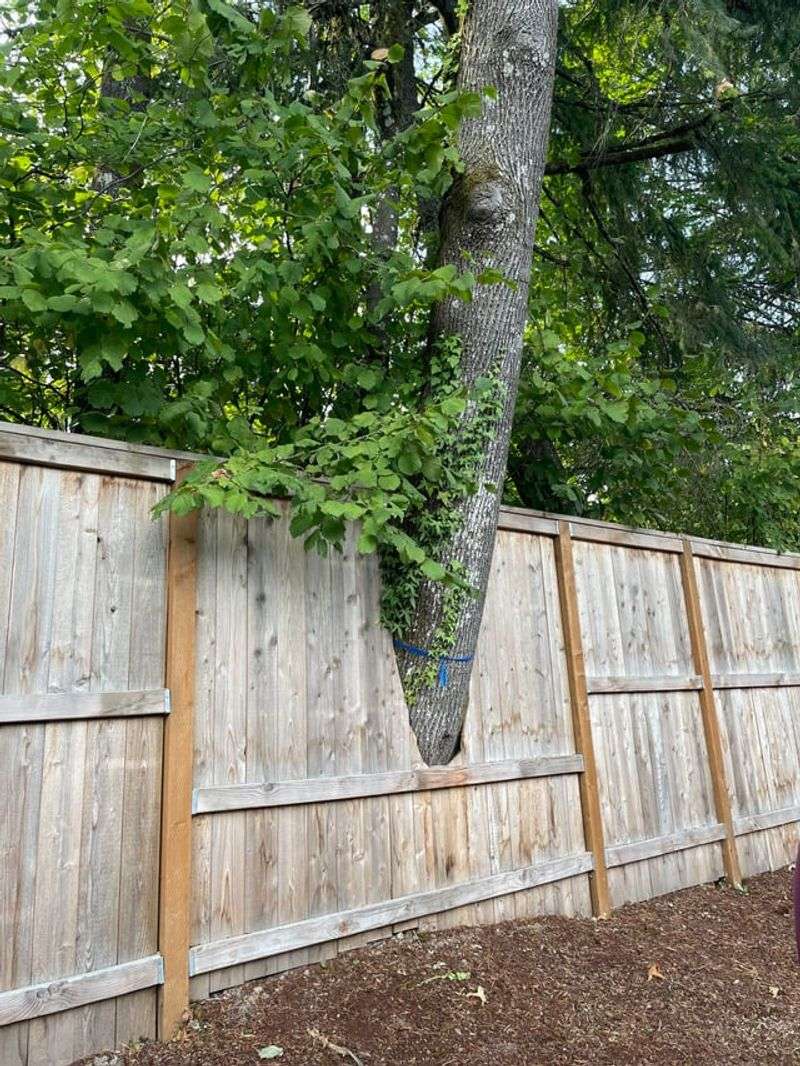
Putting your concerns in writing creates important documentation if a dangerous tree later causes damage in Pennsylvania.
A polite letter or email describing the hazardous condition establishes that your neighbor had notice of the problem.
Taking photographs and including them with your warning strengthens your documentation significantly.
Pennsylvania courts consider whether the tree owner had knowledge of the danger when determining liability.
Your written warning removes any doubt that the neighbor was aware of the risk.
Certified mail provides proof that your neighbor received the notice, which can be valuable evidence later.
Even if your neighbor ignores your warning, you have created a paper trail showing you acted responsibly.
Many Pennsylvania homeowners find that a friendly conversation combined with a follow-up letter encourages neighbors to address tree problems before damage occurs.
This proactive approach protects both your property and your legal position if the worst happens and the dangerous branch eventually falls onto your house or car.
5. Property Lines Determine Tree Ownership and Responsibility
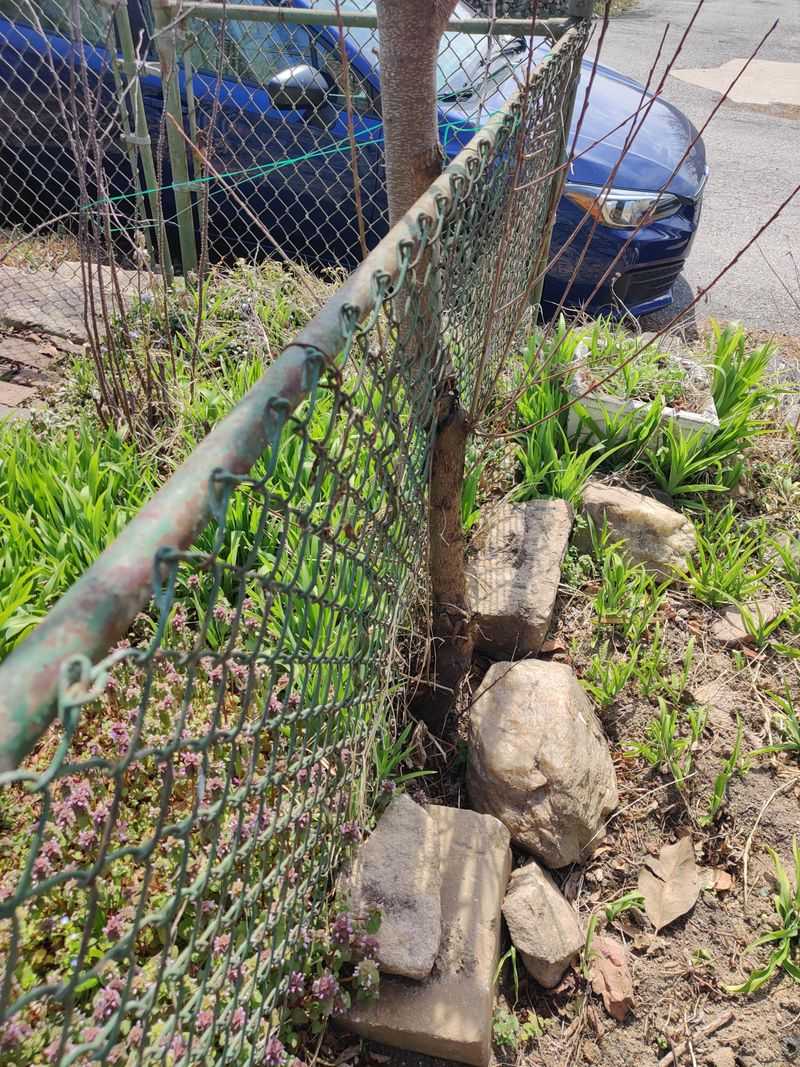
Trees rooted entirely on your neighbor’s property belong to them, even if branches hang over your yard in Pennsylvania.
Boundary trees with trunks that straddle the property line are legally owned by both neighbors as tenants in common.
This shared ownership means both parties have rights and responsibilities for the tree’s maintenance and care.
Pennsylvania law gives you the right to trim branches that extend over your property line, but only up to the boundary.
You cannot cross onto your neighbor’s land to cut their tree without permission, even if branches overhang your house.
Determining exact property lines sometimes requires hiring a surveyor to avoid disputes.
When trees sit right on the boundary, both Pennsylvania homeowners should cooperate on maintenance decisions and share costs for necessary work.
Removing a boundary tree without your neighbor’s consent can lead to legal trouble.
Understanding who owns which trees prevents misunderstandings and helps Pennsylvania neighbors work
together when tree issues arise along their shared property lines.
6. You Can Trim Overhanging Branches on Your Side
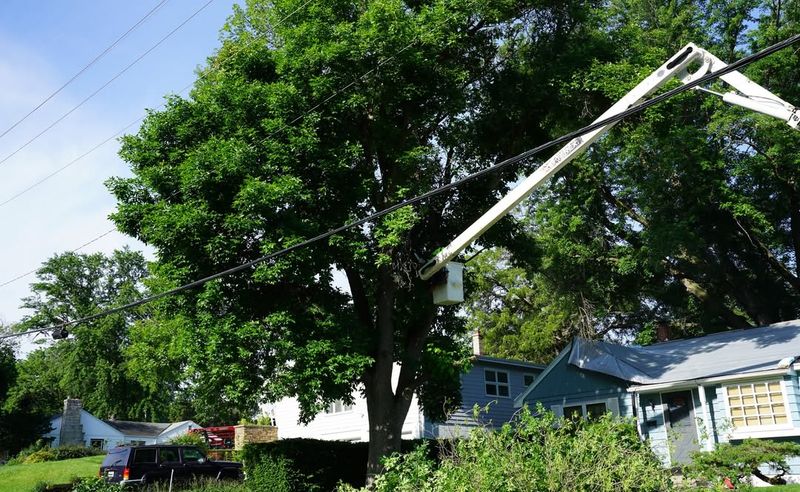
Pennsylvania law allows you to cut branches that extend over your property line, providing relief when trees encroach on your space.
This right comes with important limitations that homeowners must respect.
You can only trim up to the property boundary and cannot go onto your neighbor’s land without permission.
Cutting must be done carefully to avoid harming the tree’s health, as you could be liable for damage.
Pennsylvania courts have ruled that property owners who carelessly harm a neighbor’s tree through improper trimming may face legal consequences.
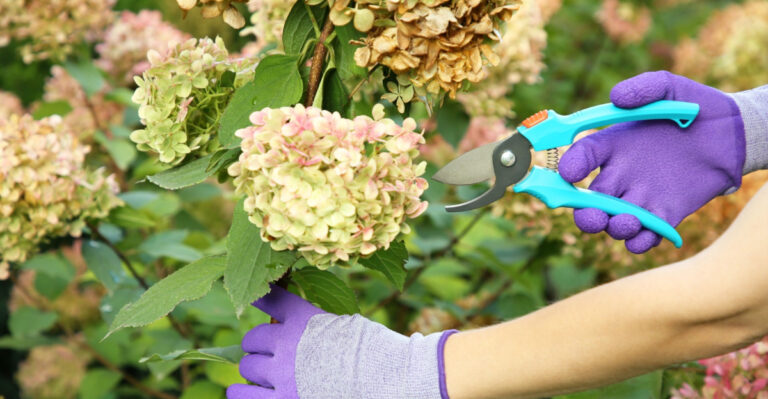
Hiring a professional arborist ensures the work is done correctly and safely.
You are responsible for disposing of the branches you cut, even though they came from your neighbor’s tree.
Some Pennsylvania municipalities have ordinances about tree trimming that add extra requirements beyond state law.
Before climbing a ladder with a saw, check local rules and consider discussing your plans with your neighbor to maintain good relations while exercising your legal rights.
7. Municipal Tree Ordinances Add Extra Rules to Follow
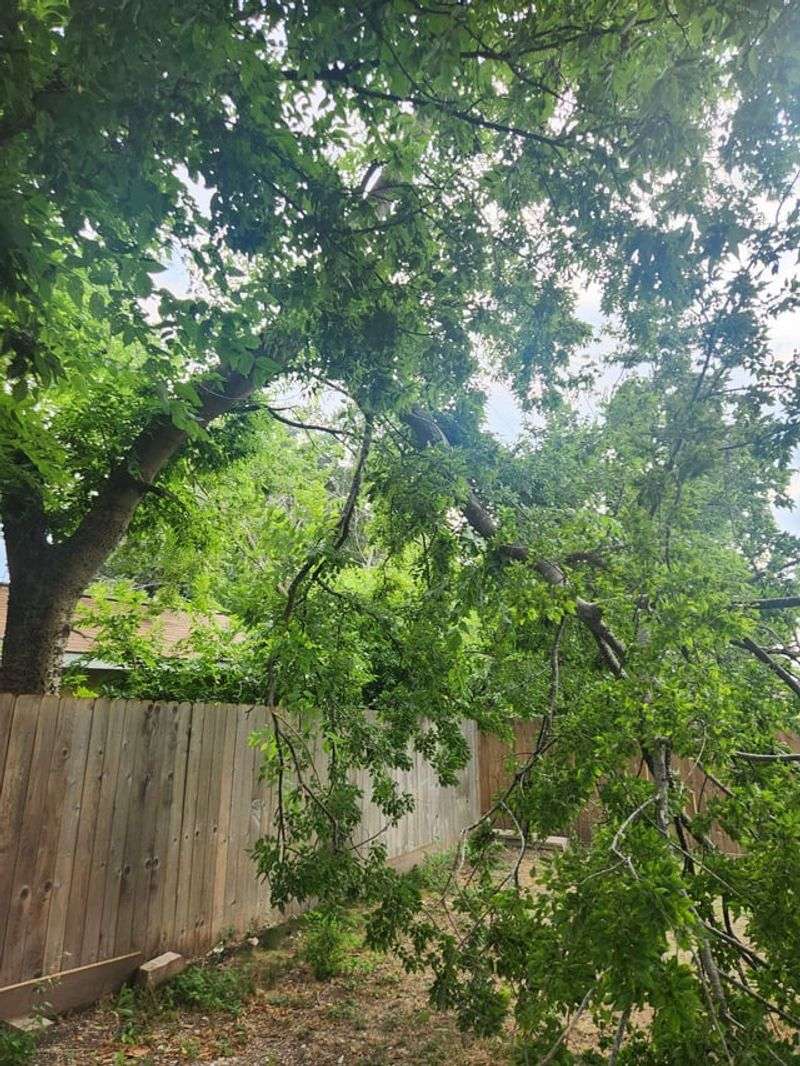
Many Pennsylvania cities and townships have local ordinances that regulate tree removal, trimming, and maintenance beyond state law.
These rules often require permits before cutting down trees over certain sizes, even on your own property.
Protected species or trees in historic districts may have additional restrictions.
Pennsylvania municipalities use these ordinances to preserve community character and environmental benefits.
Violating local tree ordinances can result in fines and orders to plant replacement trees.
Before addressing tree problems, check with your local code enforcement office about applicable rules.
Some Pennsylvania communities require professional arborists to do certain types of tree work.
Homeowners associations may impose even stricter requirements than municipal codes.
Understanding these layers of regulation prevents Pennsylvania homeowners from accidentally breaking rules while trying to maintain their property or address hazards from neighboring trees that pose risks to their homes.
8. Documentation Protects Your Interests Before and After Damage
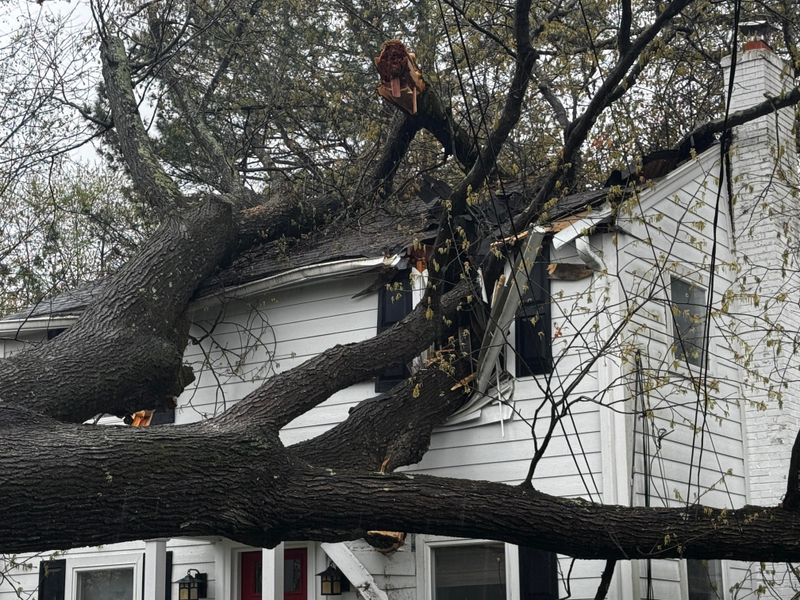
Keeping detailed records of tree conditions and communications with neighbors provides crucial evidence if disputes arise in Pennsylvania.
Photographs with dates showing the progression of tree problems document the history clearly.
Save all letters, emails, and text messages about tree concerns between you and your neighbor.
Pennsylvania homeowners should photograph damage immediately after it occurs, before cleanup begins.
Videos can capture the extent of problems that still photos might miss.
Obtaining written estimates from tree services and contractors creates a record of professional opinions about hazards.
Insurance companies and courts in Pennsylvania rely heavily on documentation when determining liability and appropriate compensation.
Creating a simple file folder or digital album specifically for tree-related issues keeps everything organized.
This preparation takes just minutes but can save Pennsylvania homeowners thousands of dollars and countless hours of frustration when tree damage leads to insurance claims or legal disputes with neighbors over responsibility.
9. Hiring an Arborist Provides Professional Assessment and Solutions
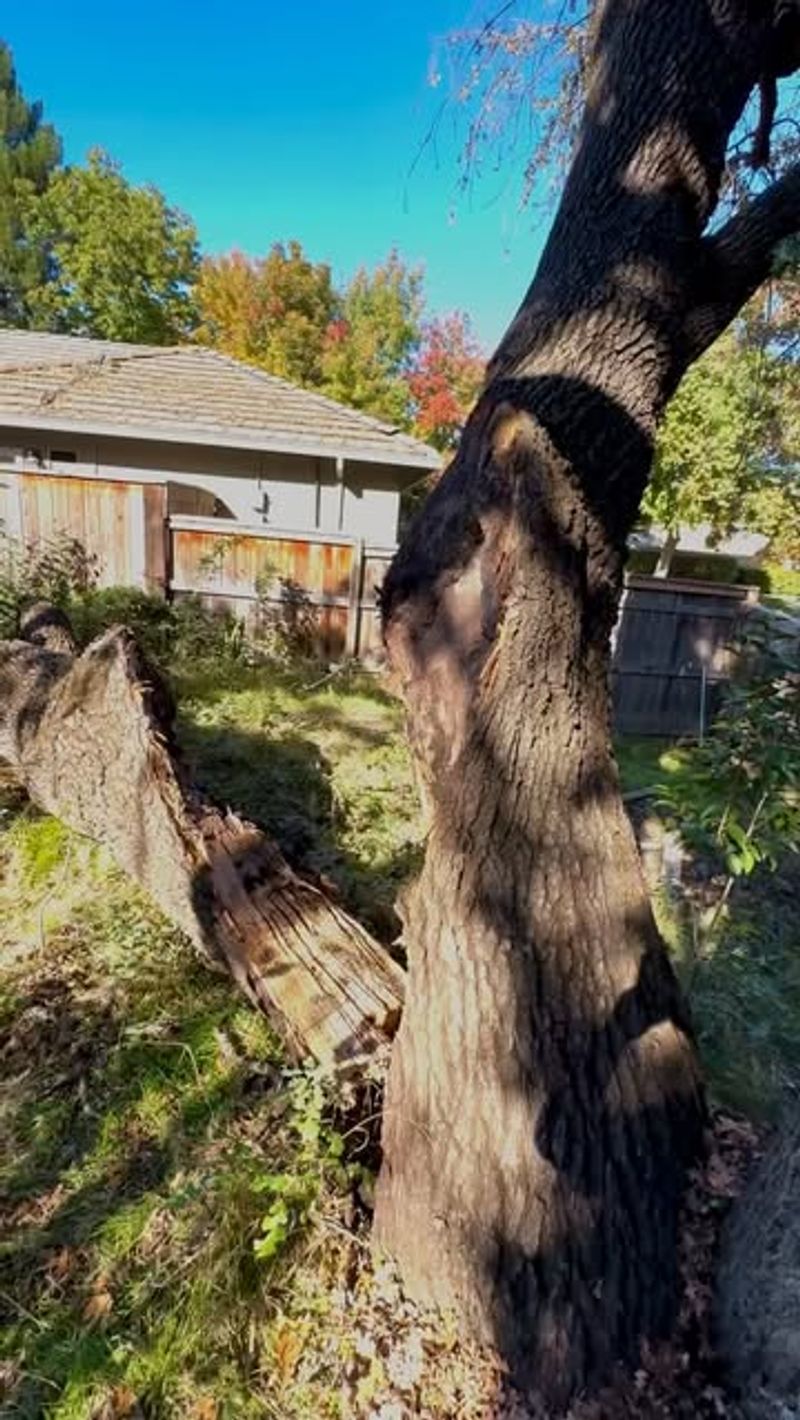
Professional arborists bring expertise that Pennsylvania homeowners lack when evaluating tree health and safety risks.
These specialists can identify diseases, structural weaknesses, and hazards that are not obvious to untrained eyes.
Written reports from certified arborists carry significant weight in insurance claims and legal proceedings.
Pennsylvania has many qualified arborists who understand local tree species and common problems in the region.
An arborist’s assessment can either confirm your concerns about a neighbor’s tree or provide reassurance that it is actually safe.
The cost of an inspection is usually modest compared to potential damage from a falling tree.
Professional tree care companies can safely remove hazardous branches or entire trees when necessary.
Sharing an arborist’s report with your neighbor sometimes motivates them to take action before damage occurs.
Pennsylvania homeowners who invest in professional tree assessments demonstrate reasonable care for their property and can make informed decisions about risks from trees on their land or neighboring properties.
10. Good Communication Prevents Most Neighbor Tree Disputes
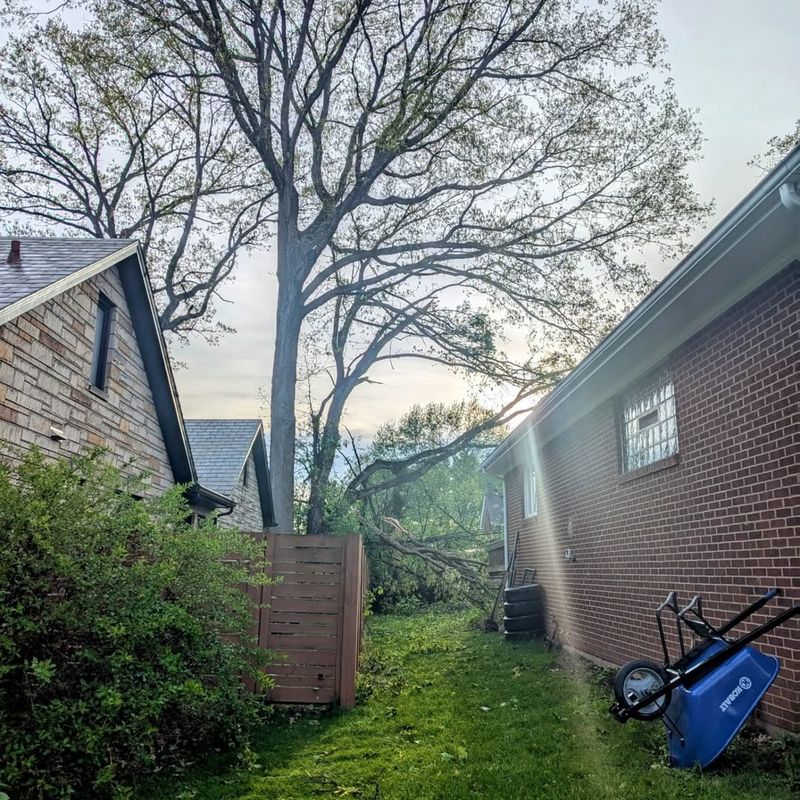
Most tree problems between Pennsylvania neighbors can be resolved through respectful conversation before involving lawyers or insurance companies.
Approaching your neighbor with concerns shows courtesy and often leads to cooperative solutions.
Explaining how overhanging branches or a leaning tree worries you helps neighbors understand your perspective.
Pennsylvania homeowners who maintain good relationships with neighbors find it easier to address property issues as they arise.
Offering to share costs for tree work that benefits both properties encourages cooperation.
Some neighbors simply have not noticed the problem until you point it out politely.
Avoiding accusatory language and focusing on finding solutions together prevents defensive reactions.
When friendly discussion does not work, mediation services available in many Pennsylvania communities can help resolve disputes without expensive litigation.
Taking a collaborative approach first preserves neighborly relations while still protecting your property interests and ensuring that hazardous trees receive proper attention before causing damage.