Are You Allowed To Cut A Neighbor’s Overhanging Shrubs In Ohio

Overhanging shrubs from a neighbor’s yard can quietly become a problem in Ohio, especially once branches start creeping into personal space.
What begins as a small nuisance often turns into a bigger question about rights, boundaries, and responsibility.
Ohio homeowners regularly wonder where personal property rights end and where a neighbor’s landscaping begins. Trimming seems like a simple solution until legal concerns enter the picture.
State rules, property lines, and intent all play a role in what is actually allowed.
Many people are surprised to learn that good intentions do not always protect against disputes.
Conversations with neighbors can feel awkward when plants are involved, even when damage or obstruction is obvious.
Knowing the general rules ahead of time helps Ohio homeowners avoid conflict while protecting their own property.
1. Overhanging Shrubs And Shared Property Spaces
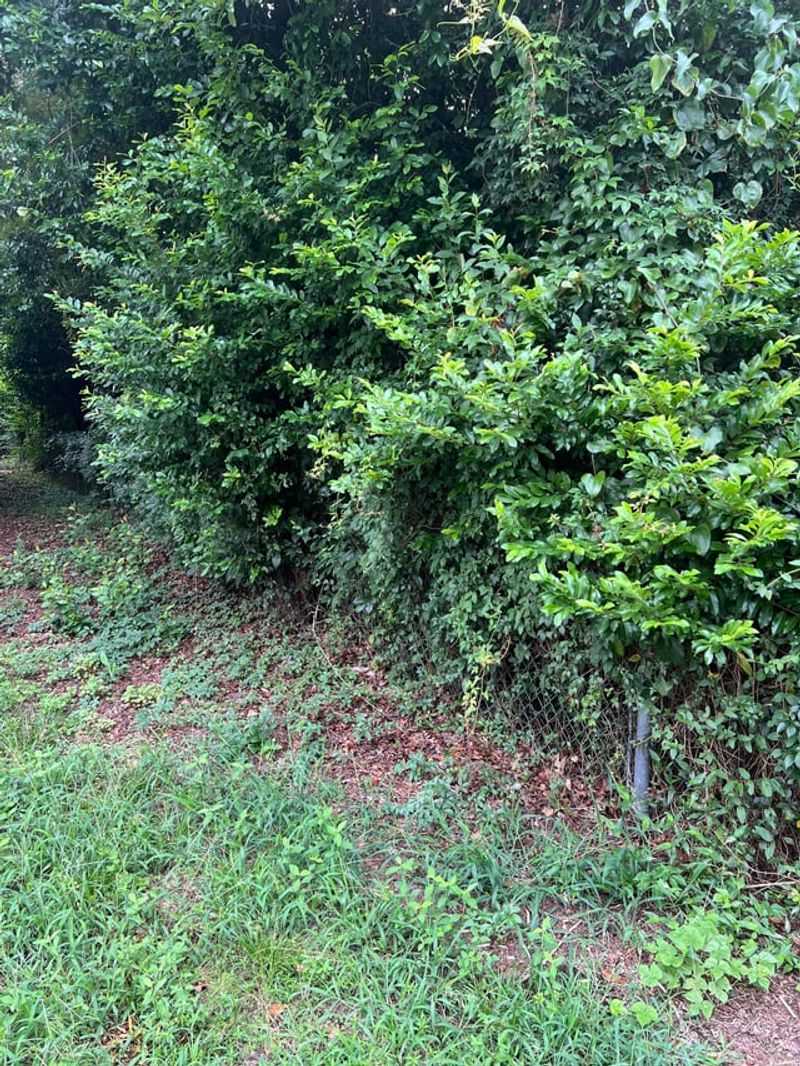
Plants naturally grow in all directions, and sometimes they ignore the invisible lines that separate one yard from another. When a neighbor’s shrub stretches its branches across the boundary and into your space, it can block sunlight, drop leaves, or just look messy.
Many people in Ohio face this situation and feel unsure about what action they can take without causing trouble. Your property line is the key to understanding your rights.
If branches hang over that line, they’re technically on your side, even though the roots and trunk belong to someone else. This setup can feel confusing because the plant itself isn’t yours, but the part invading your space might be something you can address.
Ohio law generally allows homeowners to trim branches or roots that cross onto their property, as long as the trimming does not seriously damage the plant or cause long-term decline. You can cut branches or roots that extend into your yard, as long as you don’t harm the overall health of the plant.
This means you can’t chop down the whole shrub or damage it in a way that causes it to wither. Homeowners should remember that trimming is a right, not a requirement.
2. How Property Boundaries Can Be Interpreted
Knowing exactly where your property ends and your neighbor’s begins is crucial when dealing with overhanging plants. Many homeowners assume they know the boundary, but without an official survey, it’s easy to be off by a few feet.
In Ohio, property lines are legal descriptions recorded in county offices, and they define who owns what land.
Old fences and hedges don’t always mark the true boundary. Sometimes a fence was built for convenience or aesthetics, not according to the legal property line.
Relying on these features alone can lead to mistakes when you start trimming.
Getting a professional survey is the most accurate way to find your boundary. A licensed surveyor will measure and mark the exact line, giving you confidence about where you can and can’t trim.
This step might cost a bit of money, but it can save you from future disputes.
Neighbors sometimes agree on an informal boundary that differs from the legal one. While this can work for a while, it’s not legally binding unless properly documented.
If you and your neighbor have a shared understanding, putting it in writing can help avoid confusion later.
Ohio courts respect legal property descriptions over informal agreements or assumptions. If a disagreement goes to court, judges will look at the official records.
That’s why having clear documentation of your boundary is so important.
Encroachment happens when structures or plants cross property lines without permission. If a neighbor’s shrub has been overhanging for many years, they may believe it gives them certain rights, but long-term overgrowth alone usually does not create legal ownership or permission in Ohio.
3. Common Questions Ohio Homeowners Have
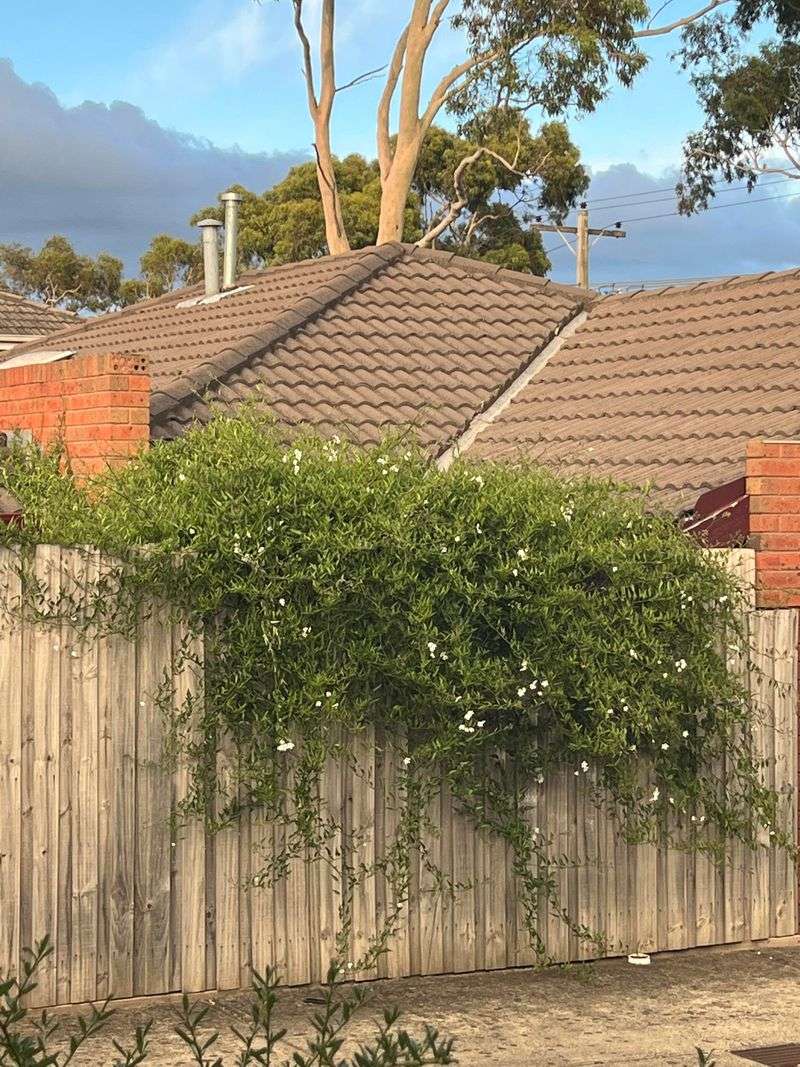
People often wonder if they need permission before trimming a neighbor’s overhanging branches. In Ohio, homeowners generally do not need permission to trim branches that cross onto their property, as long as the trimming is reasonable and does not negatively affect the plant’s health.
However, asking first is a polite gesture that can help maintain good relations.
Another frequent question is about who pays for the trimming. Since the branches are on your property, you’re usually responsible for the cost of cutting them back.
Your neighbor isn’t required to pay for work done on your side of the line, even if it’s their plant.
Homeowners also ask if they can throw the trimmed branches back into their neighbor’s yard. Legally, the answer is no. You need to dispose of the trimmings yourself, as tossing them over the fence could be considered littering or trespassing.
Some worry about what happens if they accidentally damage the shrub while trimming. If you stay on your property and trim carefully, you are less likely to face legal issues.
But if you cut too much and harm the plant’s health, your neighbor might have grounds to sue for damages in Ohio.
Many people are curious about roots that cross property lines. Just like branches, you can trim roots that invade your space.
4. Why Trimming Can Sometimes Cause Issues
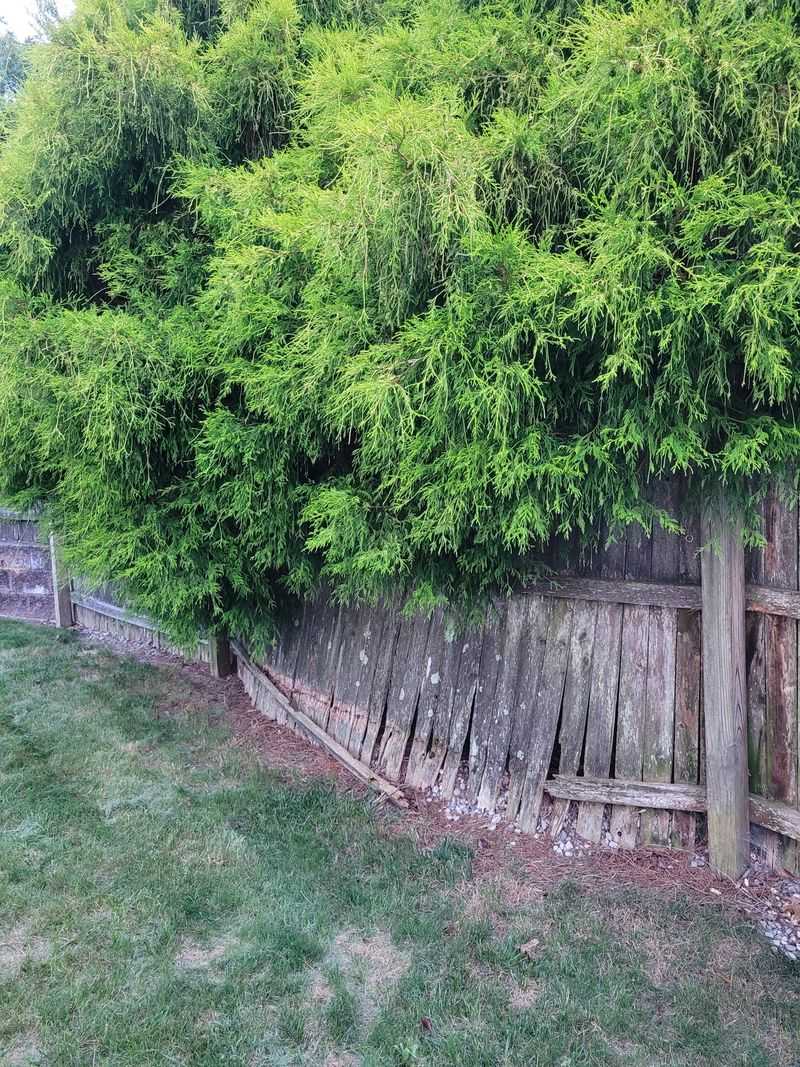
Cutting back a neighbor’s overhanging shrub might seem straightforward, but it can lead to unexpected problems. One major issue is that trimming can change the appearance of the plant.
If you cut unevenly or remove too much, the shrub might look lopsided or unhealthy, which can upset your neighbor.
Some plants are more sensitive than others. Certain shrubs and trees can suffer serious harm if trimmed at the wrong time or in the wrong way.
In Ohio, this is especially true for species that are already stressed by weather or disease. Damaging a valuable plant can result in financial liability.
Neighbors often have emotional attachments to their plants. A shrub that’s been growing for decades might hold sentimental value, and even a small trim can feel like a personal attack.
Understanding this emotional side can help you approach the situation with more care.
Trimming can also expose underlying tensions between neighbors. If there’s already a history of disputes, cutting branches might escalate the conflict.
What starts as a simple trim can turn into a bigger argument about property rights and respect.
Legal disputes can arise if the trimming is done improperly. In Ohio, crossing onto a neighbor’s property or causing unreasonable harm to a plant may lead to legal disputes.
Court cases can be expensive and time-consuming, so it’s best to avoid them.
5. Things That May Be Affected By Cutting Shrubs
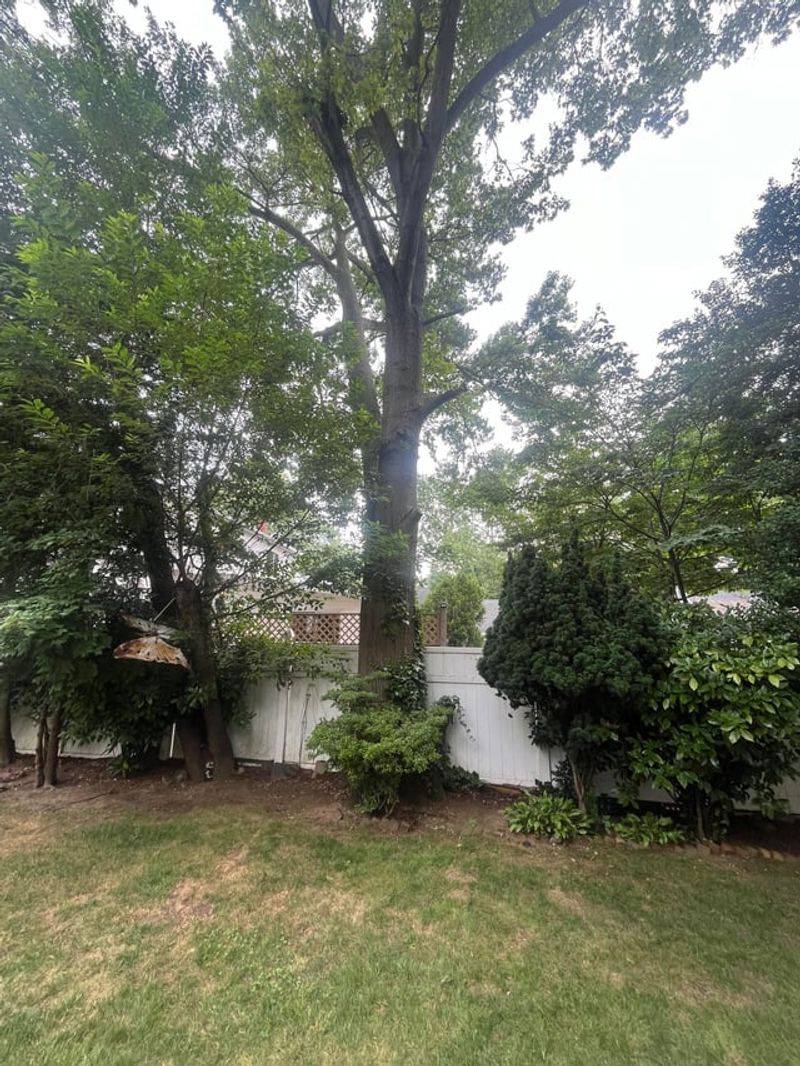
Trimming overhanging shrubs can have a ripple effect on your yard and the surrounding environment. One immediate impact is on sunlight.
Removing branches can let more light into your garden, which might help your plants grow better. However, it can also remove shade that was keeping other areas cool in Ohio’s hot summers.
Wildlife is another consideration. Birds, squirrels, and insects often make homes in dense shrubs.
Cutting back branches can disturb or reduce these habitats, which might not be something you want to do if you enjoy watching wildlife.
The appearance of your yard can change significantly. A neatly trimmed boundary can look clean and organized, but it can also make your yard feel more exposed.
Some people prefer the privacy and natural look that overhanging greenery provides.
Water drainage might be affected as well. Plant roots help absorb rainwater and prevent erosion.
Trimming roots that cross into your property can reduce this natural drainage, potentially leading to puddles or muddy spots in Ohio’s rainy seasons.
In some situations, the appearance of trimmed shrubs may affect how a neighboring property is perceived. If trimming makes their shrubs appear damaged or unattractive, it may reduce the curb appeal of their home.
This can cause resentment and strain your relationship.
6. How Neighbor Concerns Often Develop
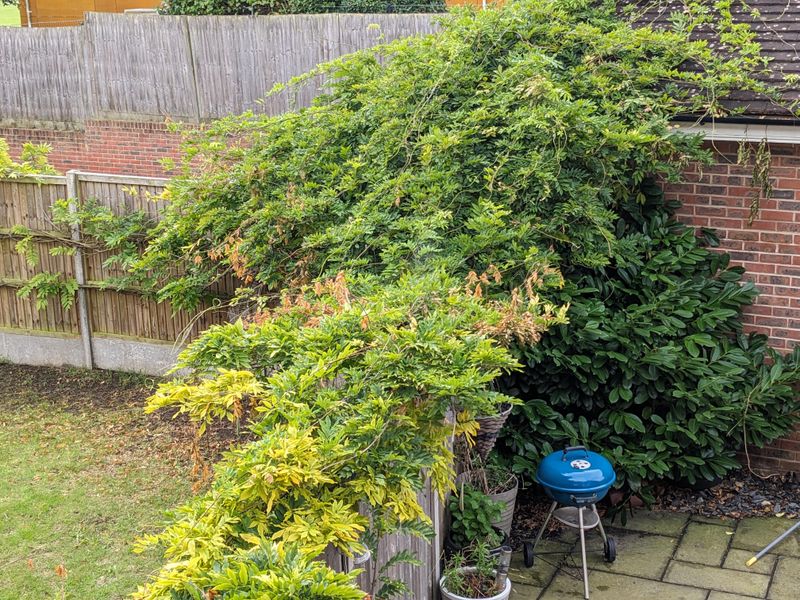
Disputes over overhanging shrubs usually don’t start overnight. They often build slowly over time as small annoyances pile up.
Maybe the branches block your view, or the leaves constantly clog your gutters. In Ohio, these little frustrations can grow into bigger issues if they’re not addressed early.
Lack of communication is a major reason why concerns escalate. If you never mention the overhanging shrub to your neighbor, they might not even realize it bothers you.
They could assume everything is fine, and then be shocked when you suddenly start trimming.
Different priorities can also lead to conflict. Your neighbor might value the natural, wild look of their yard, while you prefer a tidy, controlled appearance.
These clashing preferences can make it hard to find common ground.
Financial stress can play a role too. If your neighbor can’t afford to maintain their shrubs, they might let them grow unchecked.
You might see this as neglect, but they might be doing the best they can with limited resources.
Personality differences matter. Some people are easygoing and don’t mind a little mess, while others are very particular about boundaries and neatness.
Understanding your neighbor’s personality can help you approach the situation in a way that’s more likely to succeed in Ohio.
7. Local Practices That Can Play A Role

Every community in Ohio has its own unwritten rules about yard maintenance and neighborly behavior. In some areas, people are very hands-off and let nature take its course.
In others, there’s a strong expectation that everyone will keep their yards neat and tidy. Understanding these local norms can guide your actions.
Rural areas often have different attitudes than suburban ones. In the countryside, properties are larger, and a few overhanging branches might not be a big deal.
In tightly packed suburbs, every inch of space matters, and people are more likely to care about boundaries.
Historical practices can influence current expectations. If a neighborhood has a long tradition of mature trees and lush gardens, trimming might be seen as disruptive.
Newer developments with strict landscaping rules might have the opposite culture.
Local landscaping professionals can offer insight into what’s normal in your Ohio community. Talking to a gardener or tree service that works in your area can give you a sense of how others handle similar situations.
Municipal services sometimes get involved in plant maintenance. Some Ohio cities have programs to trim trees near power lines or sidewalks.
Knowing what the city will and won’t do can help you decide how to handle private property issues.
8. Community And HOA Considerations In Ohio
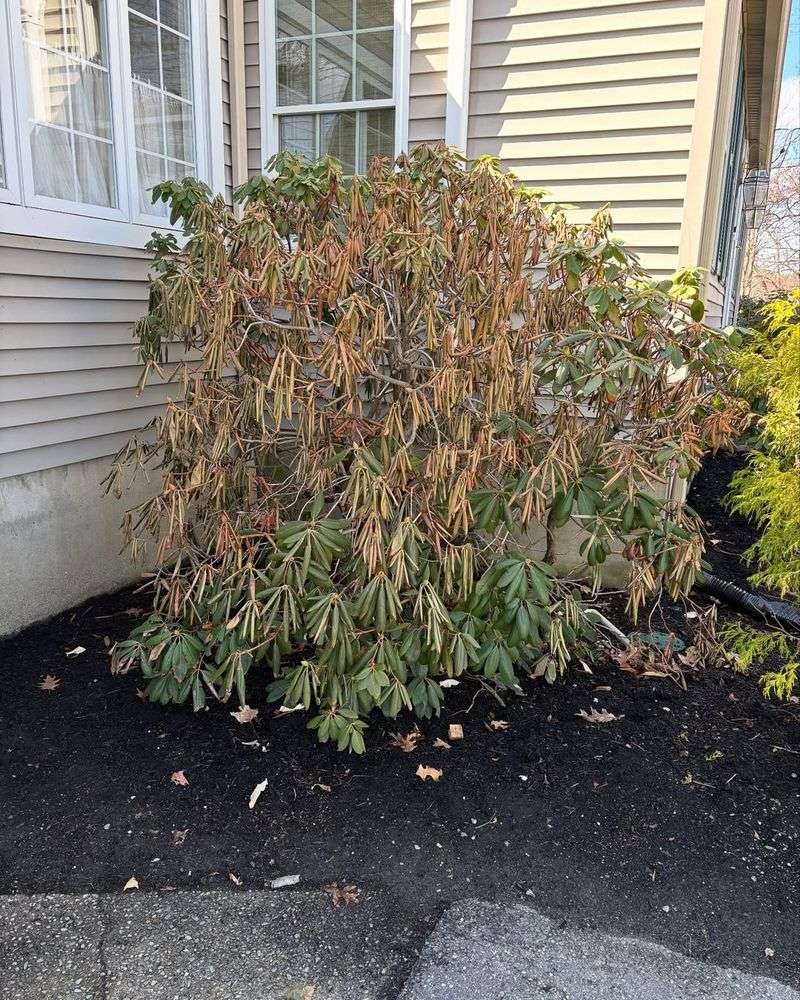
Homeowners associations (HOAs) add another layer of rules to the question of trimming overhanging shrubs. If you live in a neighborhood with an HOA in Ohio, there might be specific guidelines about plant maintenance, height limits, and how to handle disputes.
Ignoring these rules can lead to fines or other penalties.
Some HOAs may require approval before certain types of trimming, even when the work is done on your own property. This might seem excessive, but it’s meant to keep the neighborhood looking uniform.
Checking your HOA’s bylaws before you act can save you trouble.
HOAs often have dispute resolution processes. Instead of going straight to court, you might be able to work through the HOA’s mediation services.
This can be faster and less expensive than a lawsuit, and it keeps things more civil.
Community standards enforced by HOAs can be stricter than Ohio state law. Even if state law allows you to trim overhanging branches, your HOA might have additional restrictions.
Balancing these different sets of rules requires careful attention.
Some HOAs take responsibility for common area landscaping. If the overhanging shrub is in a shared space, the HOA might handle trimming for you.
9. When Additional Guidance May Be Useful
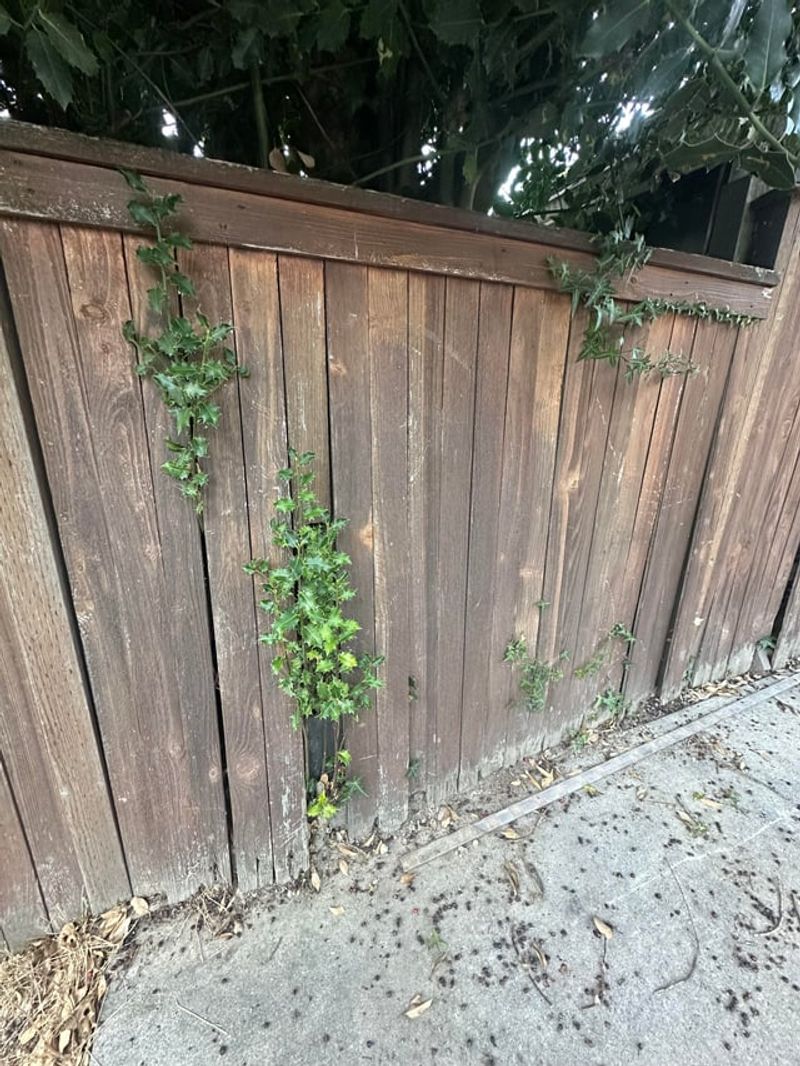
Sometimes the situation with overhanging shrubs is too complex to handle on your own. If you’re facing a particularly stubborn neighbor, significant property damage, or unclear boundaries in Ohio, it might be time to seek professional help.
Knowing when to ask for guidance can prevent small problems from becoming big ones.
Real estate attorneys specialize in property disputes and can explain your rights under Ohio law. They can also help you understand the potential consequences of trimming and advise you on the best course of action.
A consultation might cost money, but it can provide peace of mind.
Mediators offer a neutral way to resolve conflicts without going to court. A trained mediator can help you and your neighbor communicate better and find a solution that works for both of you.
Many Ohio communities have low-cost or free mediation services available.
Arborists and horticulturists can assess the health of the shrub and recommend safe trimming practices. They can tell you how much you can cut without harming the plant, which protects you from liability.
Hiring a professional to do the actual trimming can also ensure it’s done correctly.
Local government offices can provide information about zoning laws, easements, and property records. Calling your city or county clerk’s office can answer basic questions and point you toward additional resources in Ohio.