Are You Allowed To Cut Back A Neighbor’s Overhanging Shrub In North Carolina
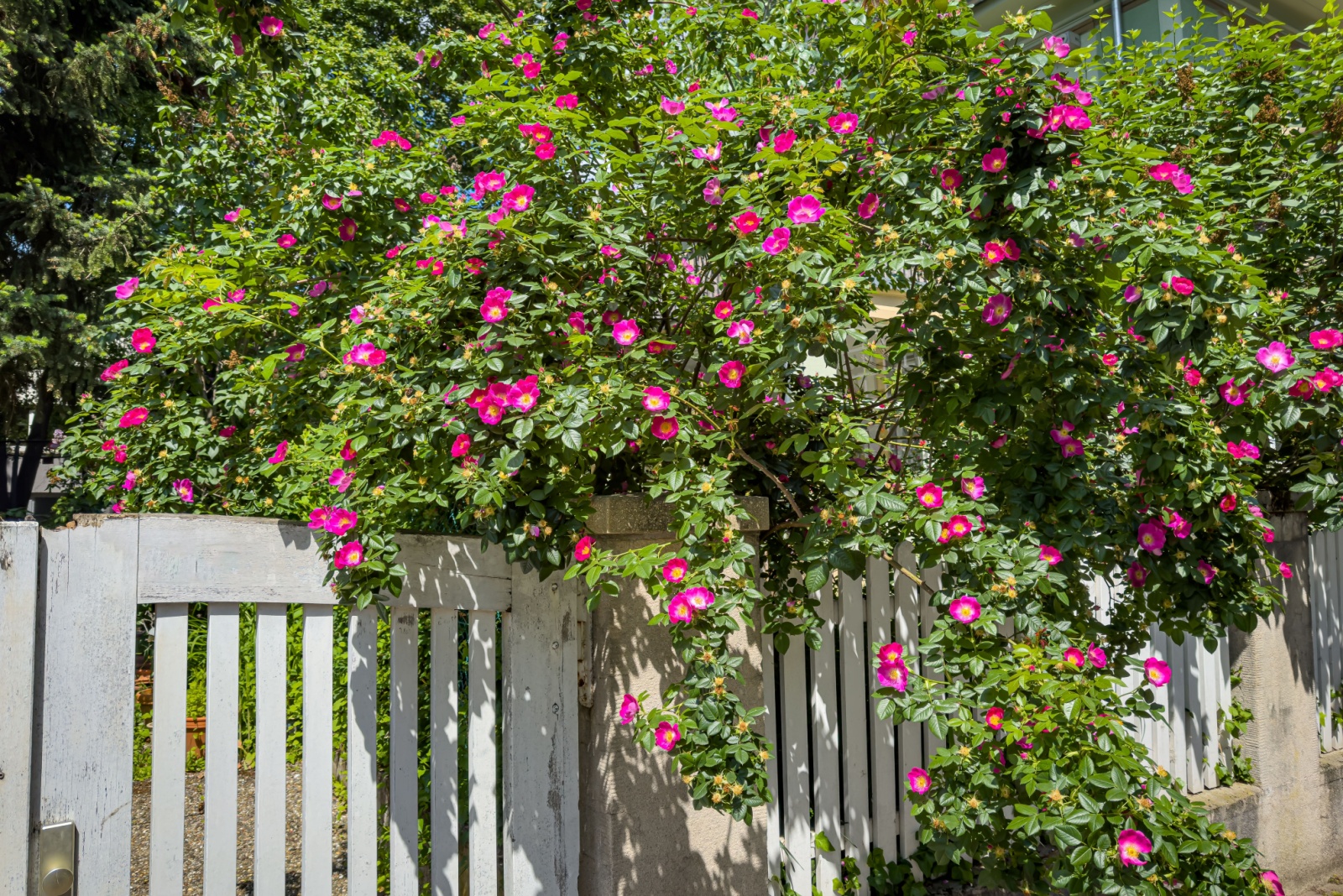
Overhanging shrubs are a common source of tension between neighbors in North Carolina.
A hedge that creeps across a fence line or branches that spill into a yard can interfere with walkways, block sunlight, or damage property.
Many homeowners feel tempted to trim what crosses onto their side, yet hesitation often follows.
One wrong cut could spark a dispute or create legal trouble.
State rules, property boundaries, and long-standing legal principles all shape what actions are allowed.
Courtesy and communication matter just as much as the law itself.
Before reaching for pruning shears, it helps to be clear on where rights begin and end.
This guide explains how North Carolina handles overhanging shrubs and what homeowners should consider before taking action.
What North Carolina Property Law Says About Overhanging Shrubs
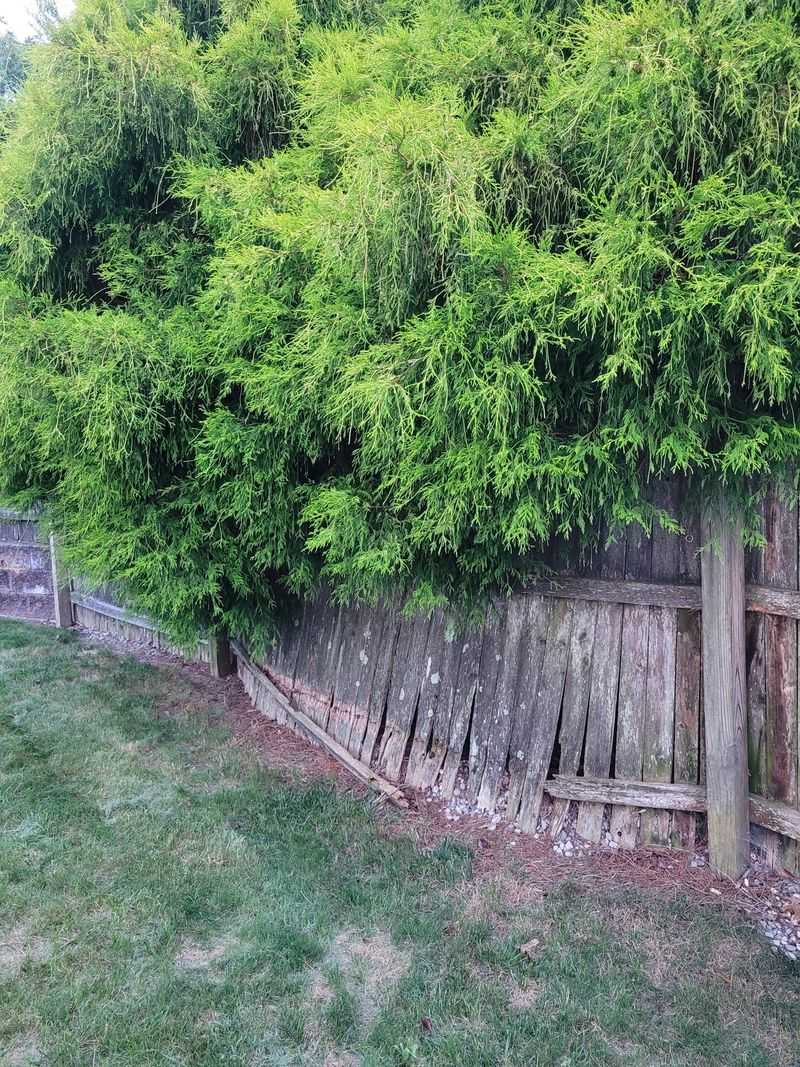
North Carolina follows common law principles that give homeowners certain rights when dealing with plants that cross property boundaries from neighboring yards.
Property owners can trim branches and roots that extend onto their land, but only up to the exact line that divides properties.
Courts in the state have upheld this right for many years, recognizing that homeowners should control what happens on their side.
However, this right comes with important limitations that prevent people from causing harm to the plant or acting out of spite.
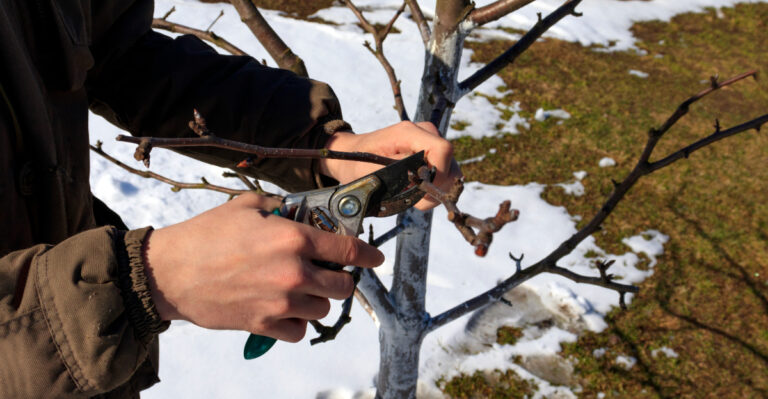
Landowners must be careful not to damage the health of the shrub or tree when they trim overhanging parts on their side.
Cutting too aggressively or at the wrong time of year could harm the plant and create legal problems for the trimmer.
State law protects property owners from trespassing vegetation while also protecting the rights of the plant owner to keep their greenery healthy.
Understanding this balance helps prevent conflicts and keeps everyone within their legal boundaries when dealing with overhanging shrubs in North Carolina communities.
Where Property Lines Matter When Trimming Shrub Branches
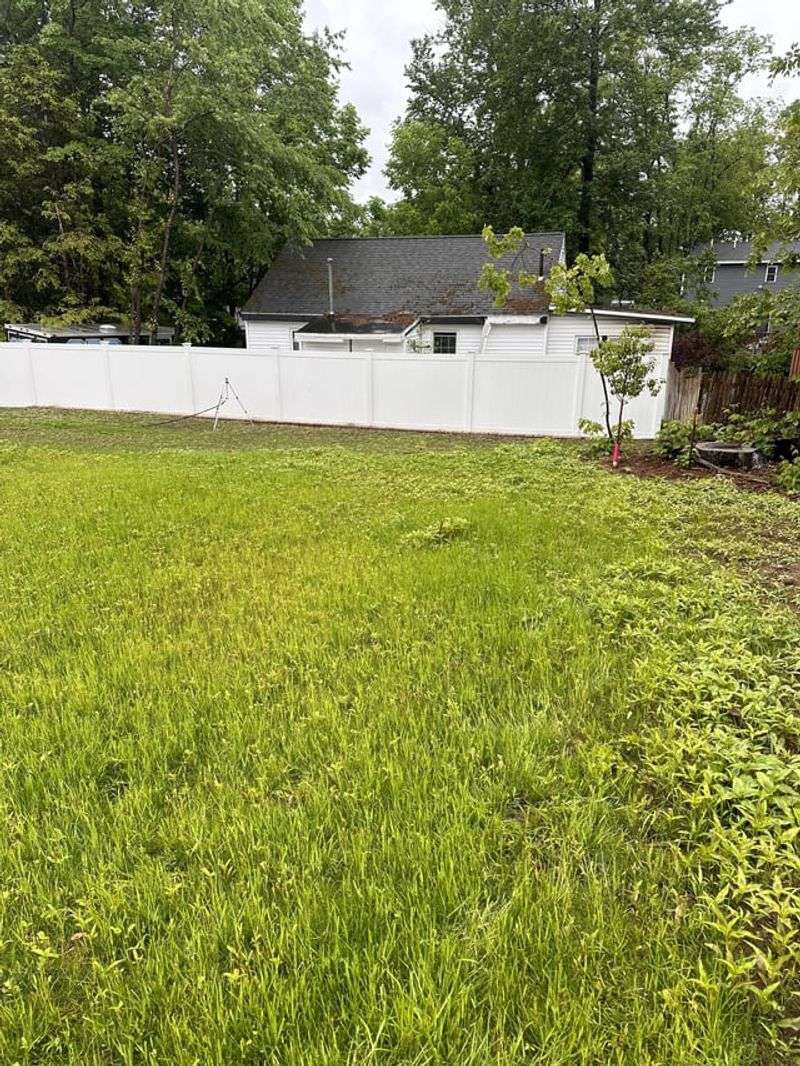
Knowing exactly where your property ends and your neighbor’s begins is absolutely essential before you start cutting any overhanging branches or leaves.
Many homeowners make the mistake of guessing where the line falls, which can lead to accidentally trespassing onto the neighbor’s property.
Professional surveys provide the most accurate information, showing precise measurements and markers that indicate the true boundary between two pieces of land.
Old surveys might not be reliable if boundaries have shifted or markers have moved over time due to weather or construction.
Hiring a licensed surveyor costs money but prevents expensive legal disputes that could arise from cutting plants on someone else’s property.
Some counties in North Carolina keep records of property surveys that homeowners can access to verify their boundaries before taking action.
Respecting the property line means you can only trim what actually crosses onto your side, not what you think looks better.
Crossing that invisible line to cut branches still rooted in your neighbor’s soil counts as trespassing and could result in lawsuits.
What Homeowners Are Legally Allowed To Cut
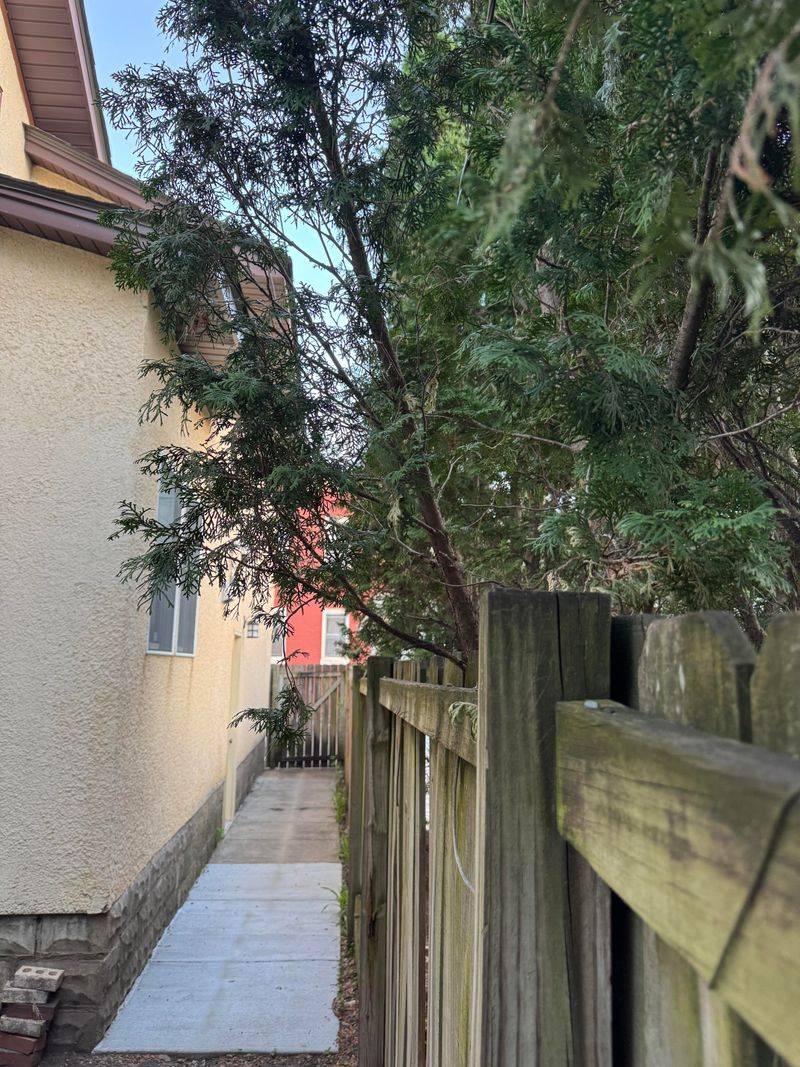
Homeowners in North Carolina have the legal right to trim any branches, leaves, or roots from a neighbor’s shrub that extend past the property line.
This right applies regardless of how the neighbor feels about the trimming, as long as the work stays within legal boundaries.
You can cut back overhanging parts to the exact point where your property begins, removing anything that hangs into your airspace or ground.
The law views this as protecting your right to fully use and enjoy your own land without interference from someone else’s plants.
However, you cannot go onto your neighbor’s property to make the cuts, even if it would be easier or safer to do so.
All trimming must be done from your side of the line, which sometimes makes the work more difficult or requires special tools.
You also cannot throw the cut branches back onto your neighbor’s yard, as that could be considered littering or creating a nuisance.
Proper disposal of the trimmed material is your responsibility once you remove it from the overhanging position into your space.
When Trimming A Neighbor’s Shrub Can Become A Legal Issue
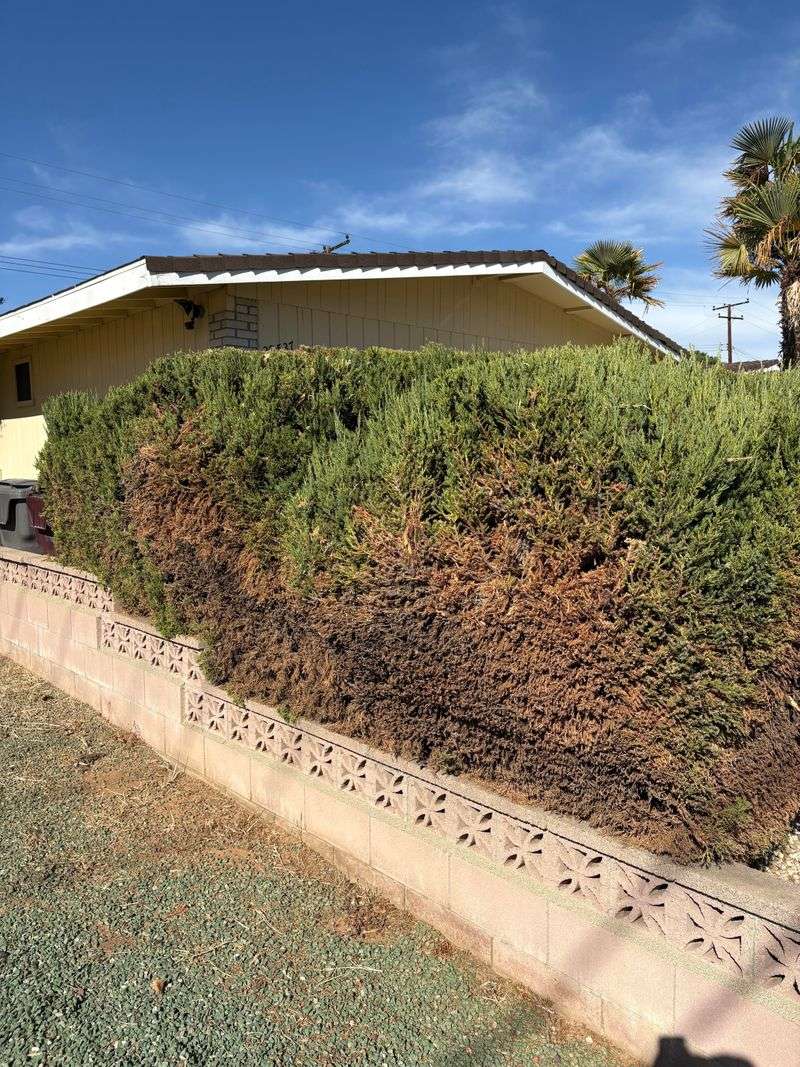
Cutting back overhanging branches becomes a legal problem when the trimming causes significant harm to the neighbor’s shrub or tree.
North Carolina courts have ruled that homeowners cannot use their trimming rights as a way to purposely damage or weaken plants.
Removing too much foliage at once can stress the shrub, making it vulnerable to disease, pests, or even complete failure.
If a neighbor can prove that your trimming was excessive or done with malicious intent, they may sue for damages to their property.
Another legal issue arises when homeowners cross onto the neighbor’s land to perform the trimming, even if they believe it is necessary.
Trespassing to cut branches remains illegal in North Carolina, regardless of how far the shrub hangs over the property line or fence.
Some people also face legal trouble when they cut down an entire shrub or tree that sits on the neighbor’s property.
Even if branches hang over, the trunk location determines ownership, and cutting a tree rooted on someone else’s land can result in substantial penalties.
How Much Of An Overhanging Shrub You Can Prune
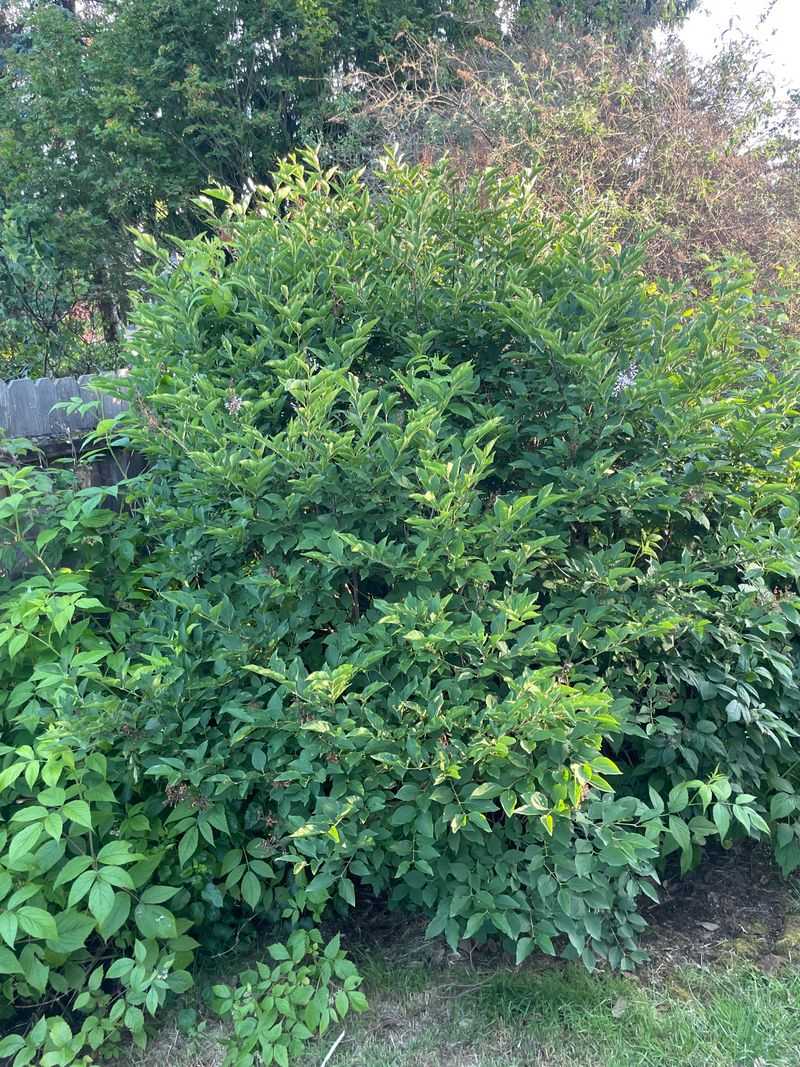
The amount you can legally prune depends entirely on how much of the shrub actually extends past the property line onto your land.
You have the right to remove everything that crosses the boundary, but absolutely nothing that remains on your neighbor’s side of the line.
This means if only a few small branches hang over, you can only trim those specific branches back to the property line.
Cutting further back into the neighbor’s airspace or removing healthy branches that do not cross over violates their property rights under state law.
Arborists and landscaping professionals recommend trimming conservatively to avoid accidentally harming the shrub or creating an ugly, unbalanced appearance that could anger neighbors.
Taking off too much foliage in one session can shock the plant, especially during its active growing season in spring and summer.
Some shrubs recover quickly from pruning, while others take years to regrow or may develop permanent bare spots that affect property values.
Consulting with a professional before making major cuts helps ensure you stay within legal limits while also protecting the plant’s overall health.
Situations Where Permission From A Neighbor Is Required
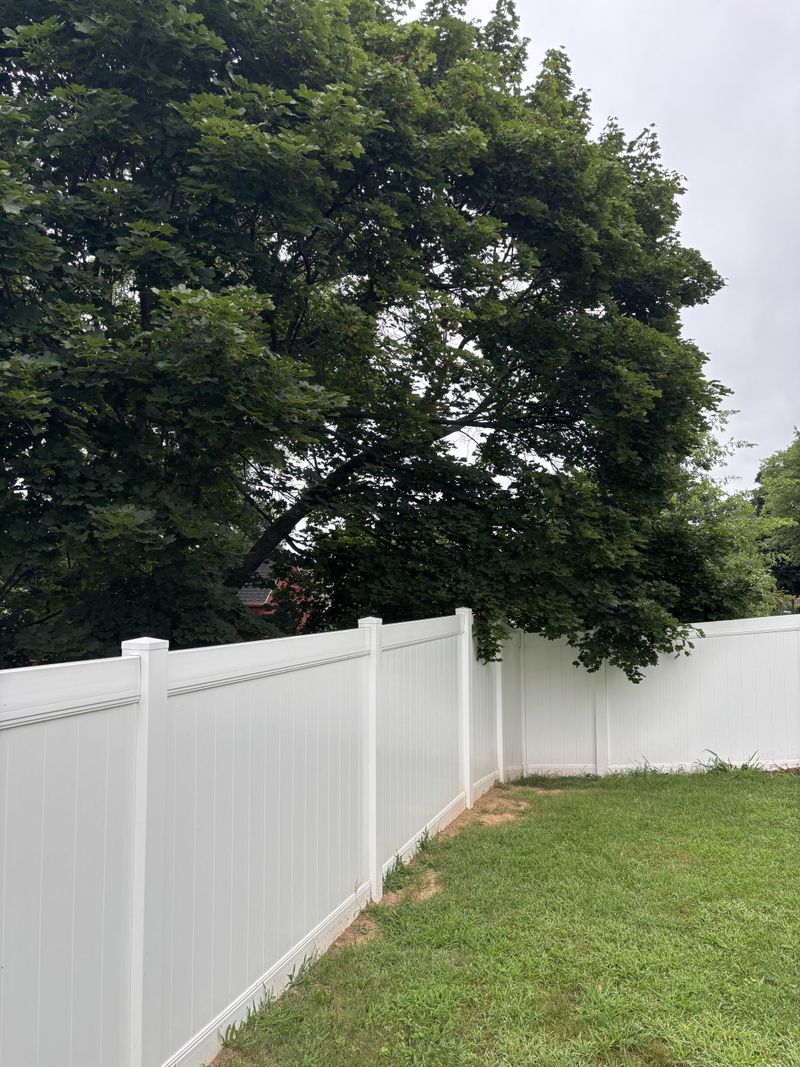
Permission becomes necessary when you need to step onto your neighbor’s property to safely perform the trimming work on overhanging branches.
North Carolina law does not automatically grant you access to someone else’s land, even if their shrub is causing problems for you.
Asking politely for permission to enter their yard shows respect and often leads to better outcomes than demanding your rights or acting unilaterally.
Many neighbors will agree to let you access their property if you explain the situation clearly and offer to clean up afterward.
You also need permission if the trimming work requires removing or temporarily moving items that belong to your neighbor, such as decorations or equipment.
Some situations call for professional help that might involve equipment or workers crossing the property line to reach the overhanging branches safely.
Getting written permission protects both parties by documenting what was agreed upon and preventing misunderstandings that could lead to disputes or legal claims.
Maintaining friendly communication throughout the process helps preserve good relationships and makes future property issues easier to resolve cooperatively between reasonable neighbors.
What Happens If Pruning Damages The Shrub
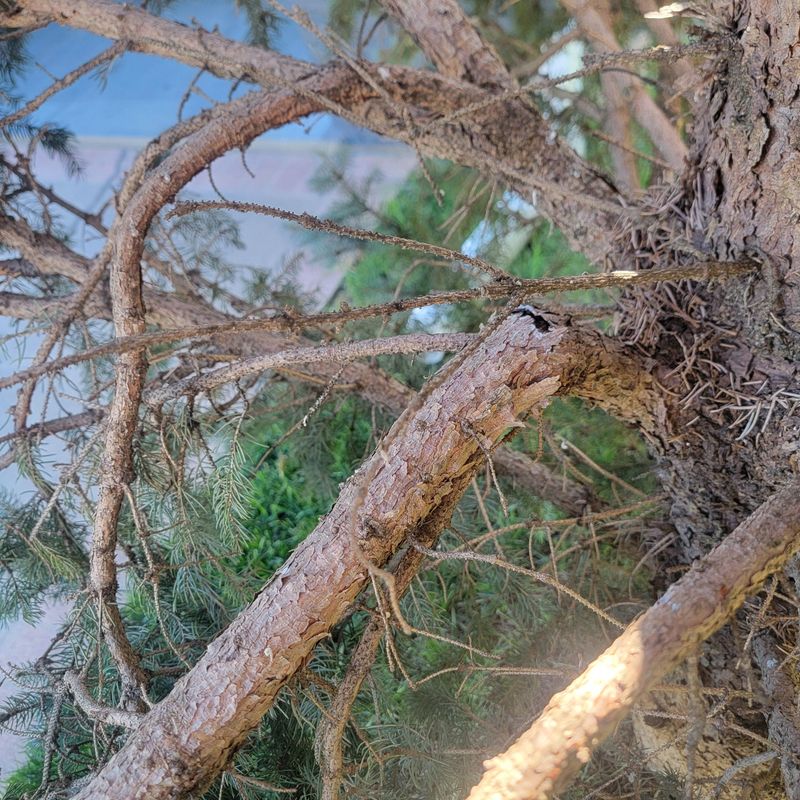
If your trimming causes serious harm to the neighbor’s shrub, they may have legal grounds to sue you for the cost of repairs.
North Carolina law allows property owners to seek compensation when someone else’s actions damage their plants, even if the cutting was done legally.
The neighbor would need to prove that your pruning directly caused the harm and that you acted negligently or with the intent.
Courts consider factors like the time of year you trimmed, how much you removed, and whether you followed proper horticultural practices when making cuts.
Damages could include the cost of treating the shrub, hiring professionals to help it recover, or even replacing it entirely if recovery proves impossible.
Some mature shrubs and trees have substantial value, especially rare or slow-growing species that take decades to reach their current size and appearance.
Homeowners insurance might not cover damages from intentional acts, leaving you personally responsible for paying compensation to the neighbor if found liable.
Taking photographs before and after trimming, consulting with professionals, and trimming conservatively all help protect you from potential damage claims and legal expenses.
Steps To Take Before Cutting Back Overhanging Branches
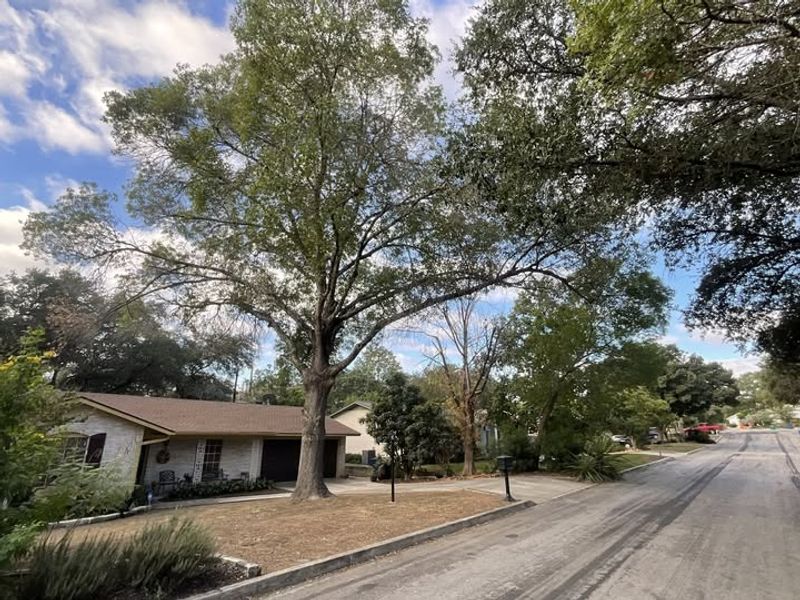
Before making any cuts, document the current condition of the overhanging shrub with photographs from multiple angles showing how far it extends.
These images serve as evidence if disputes arise later about what you cut and what condition the shrub was in originally.
Talking to your neighbor first often prevents conflicts and may lead to them handling the trimming themselves, saving you time and effort.
Approaching the conversation with a friendly attitude rather than making demands usually produces better results and maintains good relationships between property owners who live nearby.
Verify your property line through official surveys or county records to ensure you know exactly where your land ends and theirs begins.
Research the type of shrub to understand the best time of year for pruning and how much trimming it can tolerate.
Consulting with a professional arborist or landscaper provides expert advice on proper cutting techniques that minimize harm to the plant’s health.
Having this information ready protects you legally and shows that you acted reasonably and responsibly when exercising your rights under North Carolina property law.