Are You Responsible For Leaves From A Neighbor’s Tree In Ohio
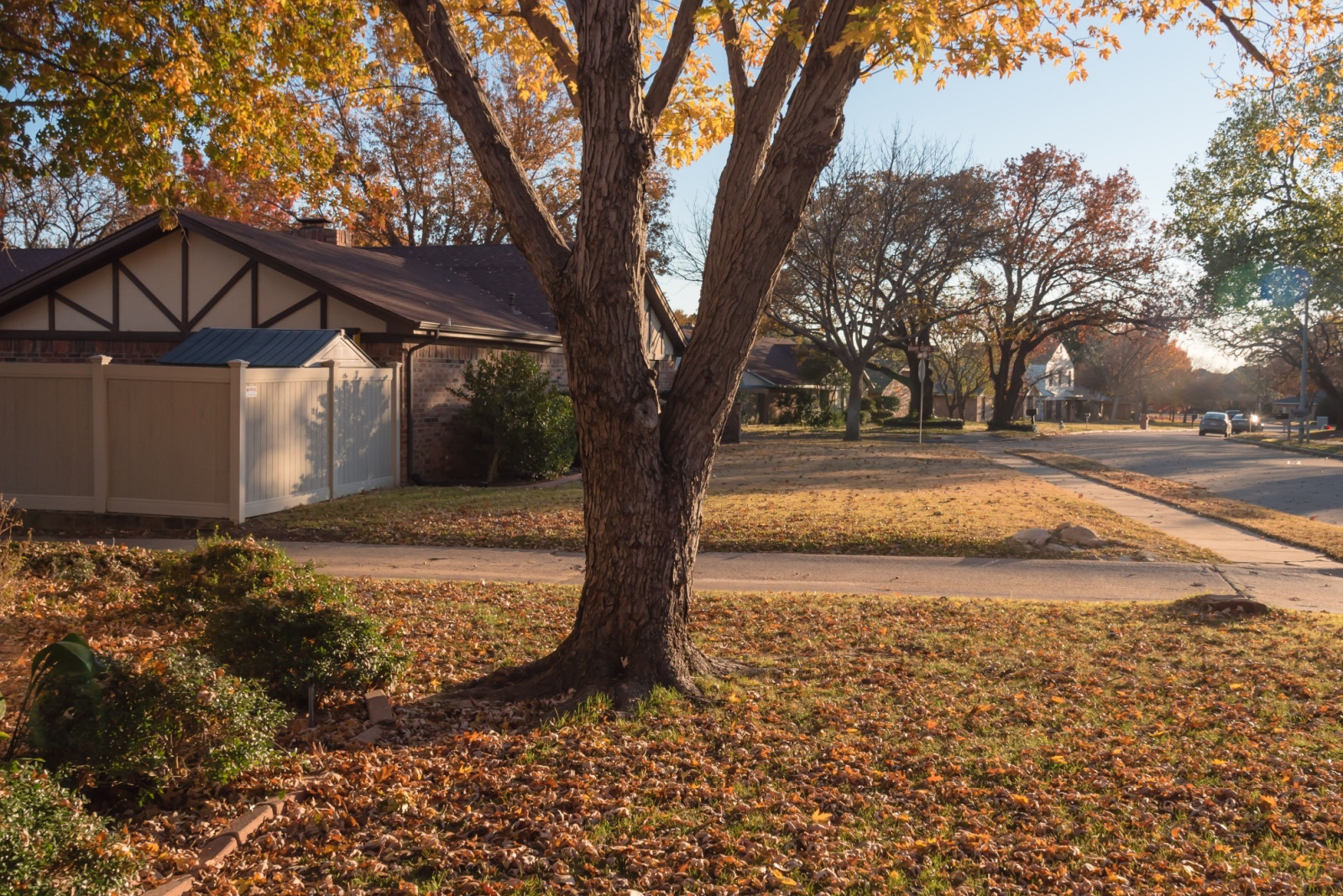
Leaves drifting into your yard can feel like nature’s version of an uninvited guest—and in Ohio, the question of responsibility is leaf-level serious.
One blustery afternoon, your lawn is spotless; the next, it’s buried under your neighbor’s oak’s greatest hits.
So who’s on the hook?
Do you rake, complain, or just sigh and grab a bag?
Before tempers flare and property lines turn into battle lines, it helps to know where Ohio law draws the line—because “good fences make good neighbors” doesn’t always apply to falling leaves.
This article digs into the Buckeye State’s take on tree trouble, cutting through myths, neighborly folklore, and backyard assumptions to explain what’s fair, what’s legal, and when it’s best to let sleeping leaves lie.
What Ohio Law Says About Fallen Leaves
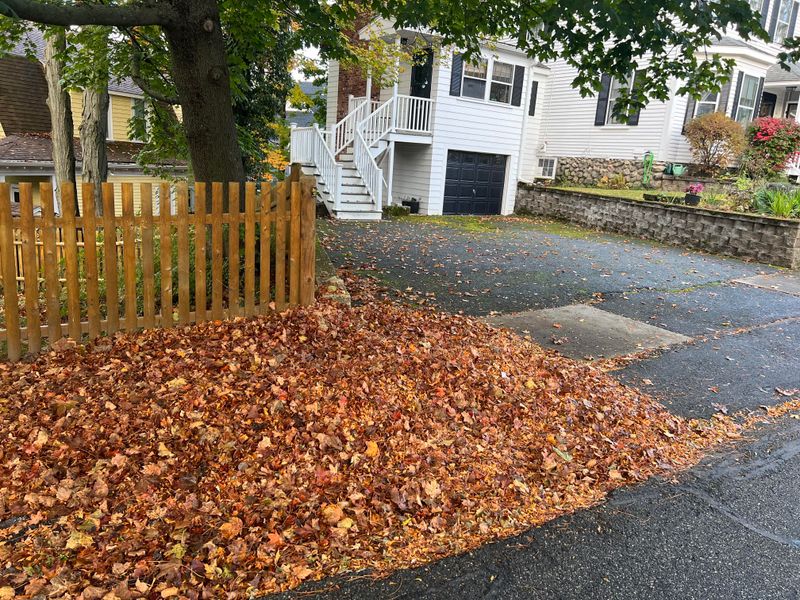
Property owners across Ohio generally face no legal duty to prevent leaves from their trees landing on neighboring yards during fall.
State law treats falling leaves as a natural occurrence, much like rain or snow, which means neighbors cannot typically sue over them.
Courts in Ohio have long recognized that trees shed leaves seasonally, and this process is considered part of normal property ownership.
Your neighbor’s tree might drop hundreds of leaves onto your lawn each autumn, but that alone does not create legal liability.
Ohio follows the principle that natural events from vegetation are not considered nuisances unless they cause actual property damage or harm.
Leaves simply landing on grass rarely meet this threshold for legal action in most cases.
However, exceptions exist when leaves create specific problems like blocking gutters, causing water damage, or creating hazardous conditions on walkways.
Homeowners in Ohio remain responsible for maintaining their own property, which includes removing leaves regardless of their original source or location.
Who Owns Leaves After They Fall On Your Property

Once leaves land on your property in Ohio, they legally become your responsibility to manage, even if they originated from elsewhere.
Courts generally apply the principle that you control whatever sits on your land, including debris from neighboring trees or plants.
This means you cannot force your neighbor to come rake leaves that blew from their tree onto your grass or driveway.
Think of it like rain that falls on your roof—nobody expects the clouds to clean up the water afterward.
Leaves work similarly under Ohio property law, transferring ownership to whoever’s land they rest upon after falling.
This rule applies throughout residential neighborhoods, rural areas, and urban communities across the state without significant variation.
Some homeowners find this frustrating, especially when a large tree sits right at the property boundary and drops most foliage next door.
Unfortunately, Ohio law places the cleanup burden on the property owner where leaves ultimately land, not where they originated.
Maintaining good relationships with neighbors often proves more valuable than pursuing legal remedies for this common seasonal issue in communities.
Why Neighbor Tree Leaves Are Usually Your Responsibility
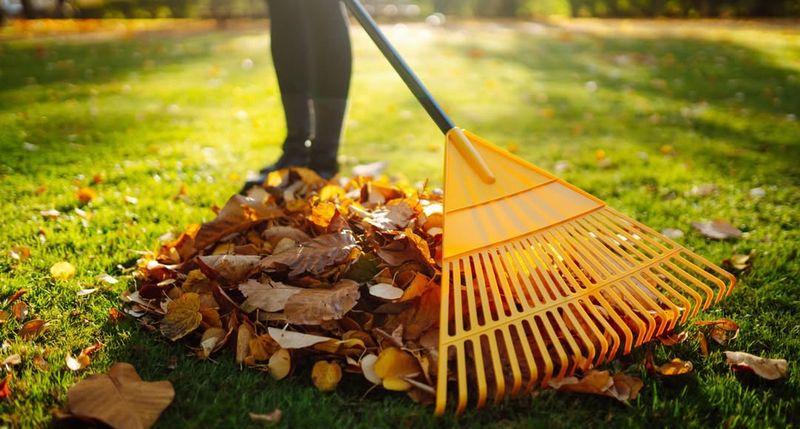
Ohio courts have consistently ruled that property owners must maintain their own land, which includes cleaning up natural debris like leaves.
Legal precedent treats falling leaves as an unavoidable consequence of living near vegetation, similar to dealing with weather conditions beyond control.
Judges rarely find merit in lawsuits focused solely on leaf cleanup unless extraordinary circumstances exist that cause measurable damage.
Responsibility falls on you because Ohio law assumes homeowners will perform routine yard maintenance regardless of where organic material originates.
Raking leaves is considered a normal seasonal chore, just like mowing grass or shoveling snow from sidewalks after winter storms.
Courts do not want to burden themselves with disputes over routine landscaping tasks that neighbors should resolve through communication.
Another reason involves practicality—tracking which specific leaves came from which tree would be nearly impossible during windy autumn days.
Leaves blow around constantly, mixing together from multiple sources across entire neighborhoods before settling on various properties.
Ohio law avoids creating unenforceable standards that would require homeowners to sort debris by origin before cleaning their yards properly.
When A Neighbor Could Be Held Responsible
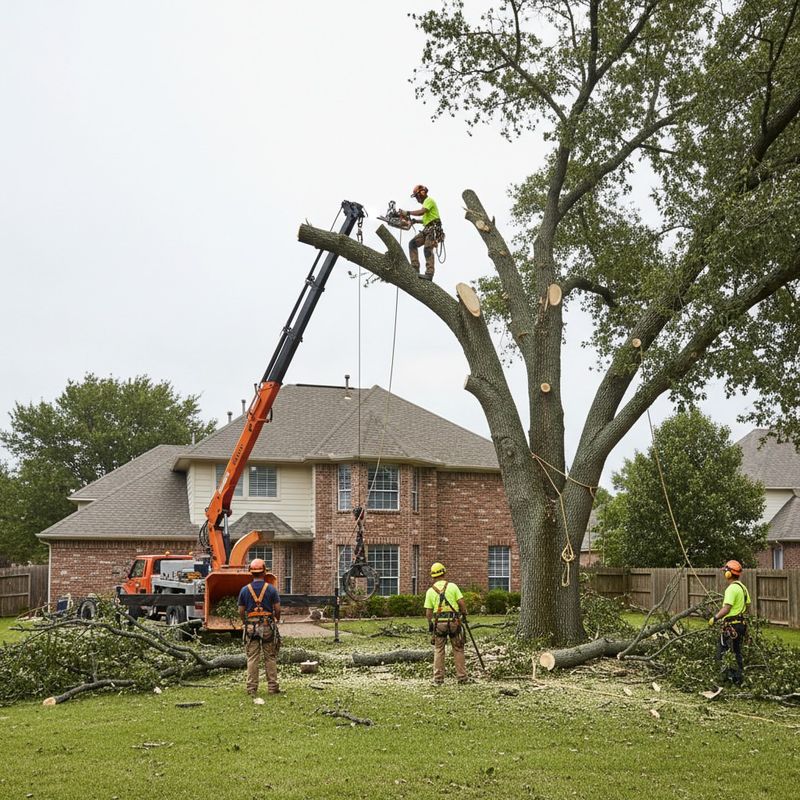
Neighbors might face liability in Ohio when their tree causes actual property damage, not just inconvenience from fallen leaves alone.
Clogged gutters that lead to water damage, foundation problems from blocked drainage, or hazardous walkway conditions could shift responsibility back upstream.
Courts examine whether the tree owner knew about dangerous conditions and failed to take reasonable preventive action when required.
Documenting specific damage becomes crucial if you plan to hold a neighbor accountable for tree-related problems beyond simple leaf accumulation.
Photographs showing gutter overflow, water stains on siding, or cracked foundation areas help establish causation between their tree and your losses.
Written communication requesting they address overhanging branches or excessive leaf deposits creates a record of their awareness before damage occurs.
Ohio law may also allow recovery when a neighbor’s negligent tree maintenance creates foreseeable harm to adjacent properties in the area.
Withered branches hanging precariously over your roof, diseased trees leaning dangerously toward your home, or roots undermining your driveway might trigger liability.
Simple leaf cleanup remains your duty, but substantial property damage from their poorly maintained tree could justify legal action under certain circumstances.
What Property Lines Mean For Tree Issues In Ohio
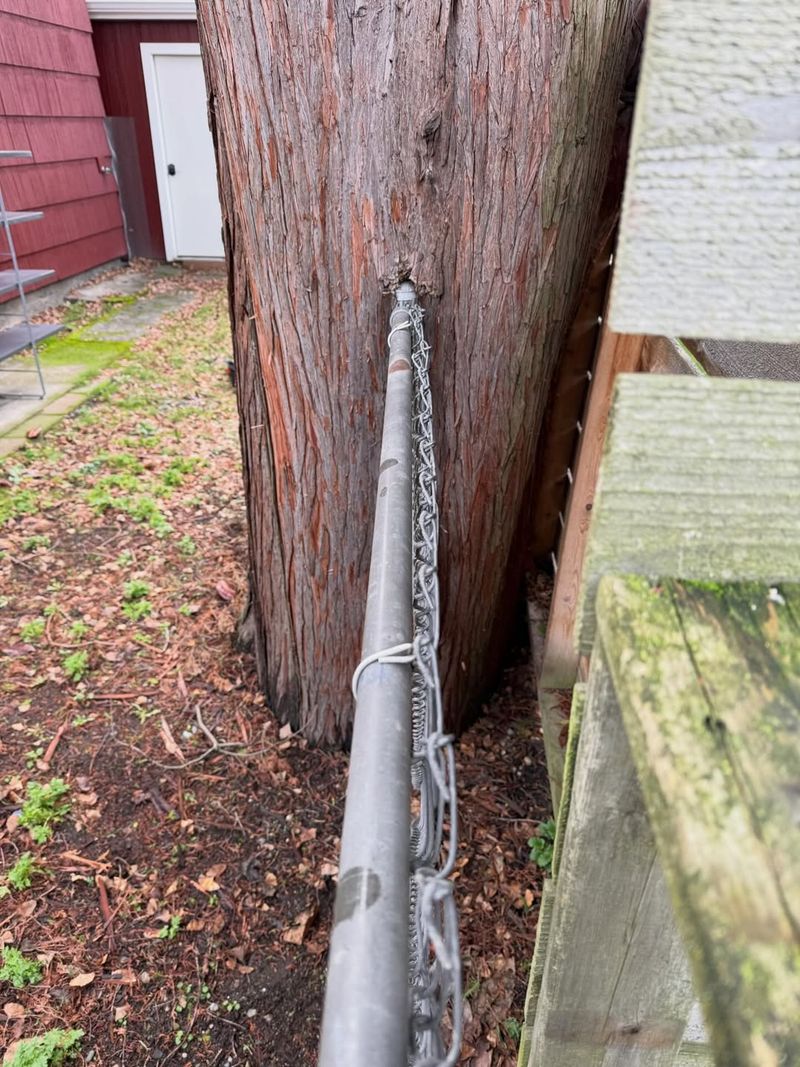
Trees growing directly on property boundaries in Ohio are considered shared property, meaning both neighbors have equal rights and responsibilities.
Each owner can trim branches on their side of the line and must share costs for maintenance or removal decisions.
Boundary trees require mutual agreement before major actions like cutting them down, since both parties hold ownership interest in them.
Property lines become especially important when disputes arise about overhanging branches, root intrusion, or shade affecting neighboring yards in communities.
Ohio law generally allows you to trim branches that cross onto your property, but you cannot damage the tree’s health.
Roots growing under your land can also be trimmed if they cause problems, though you must exercise reasonable care.
Survey records and property deeds help determine exact boundary locations when conflicts emerge about tree ownership or responsibility for maintenance costs.
Many Ohio homeowners discover their assumptions about property lines were incorrect after consulting professional surveys during tree-related disputes.
Understanding where your property legally ends helps clarify what actions you can take without needing permission from neighbors living nearby.
Can You Trim Branches That Hang Over Your Yard
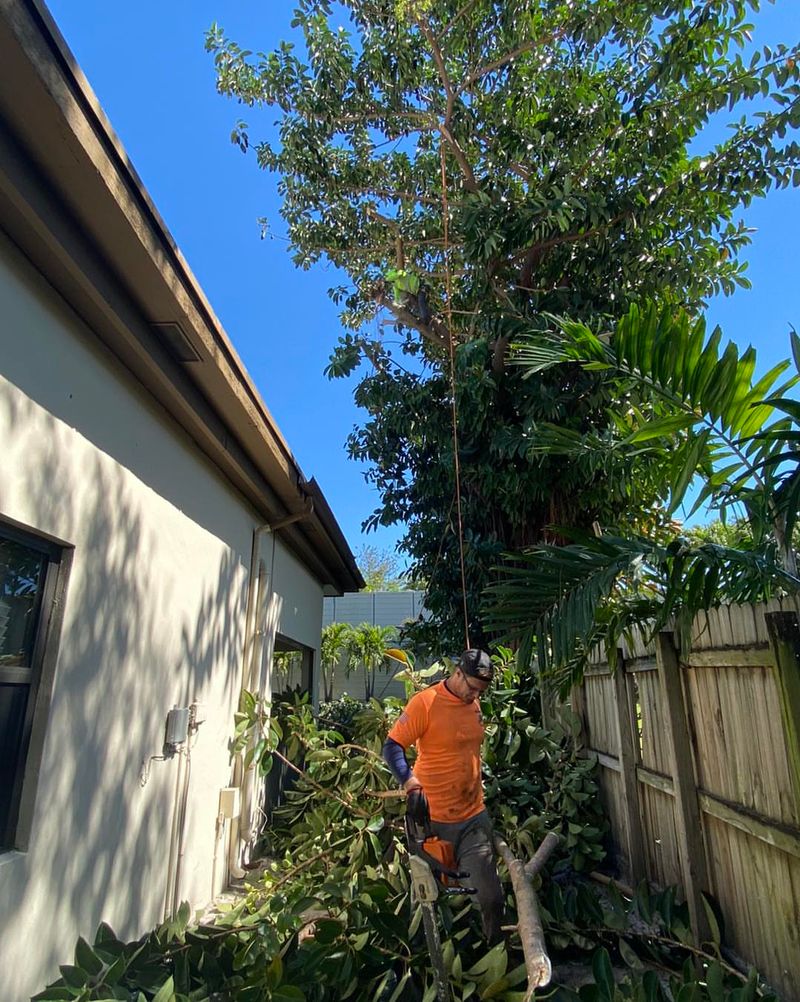
Ohio property owners generally have the right to trim branches extending over their property line, provided they do not harm the tree.
This principle applies even when the trunk sits entirely on a neighbor’s land, giving you control over airspace above your property.
Courts recognize that overhanging branches can interfere with structures, block sunlight, or drop excessive leaves requiring constant cleanup throughout seasons.
Exercising this right requires following proper trimming techniques that preserve the tree’s health and structural integrity according to accepted standards.
Cutting branches flush with the property line is permissible, but you cannot venture onto a neighbor’s land or damage the tree.
Hiring a professional arborist often makes sense to ensure trimming follows best practices and avoids potential liability for harming vegetation.
Before trimming, consider discussing plans with your neighbor to maintain good relations and avoid misunderstandings about your intentions or methods.
Some people feel protective of their trees and appreciate advance notice, even though Ohio law grants you trimming rights.
Communication often prevents conflicts that could escalate into legal disputes or damage neighborly relationships that make living in communities pleasant.
What To Do If Leaves Cause Damage Or Drainage Problems
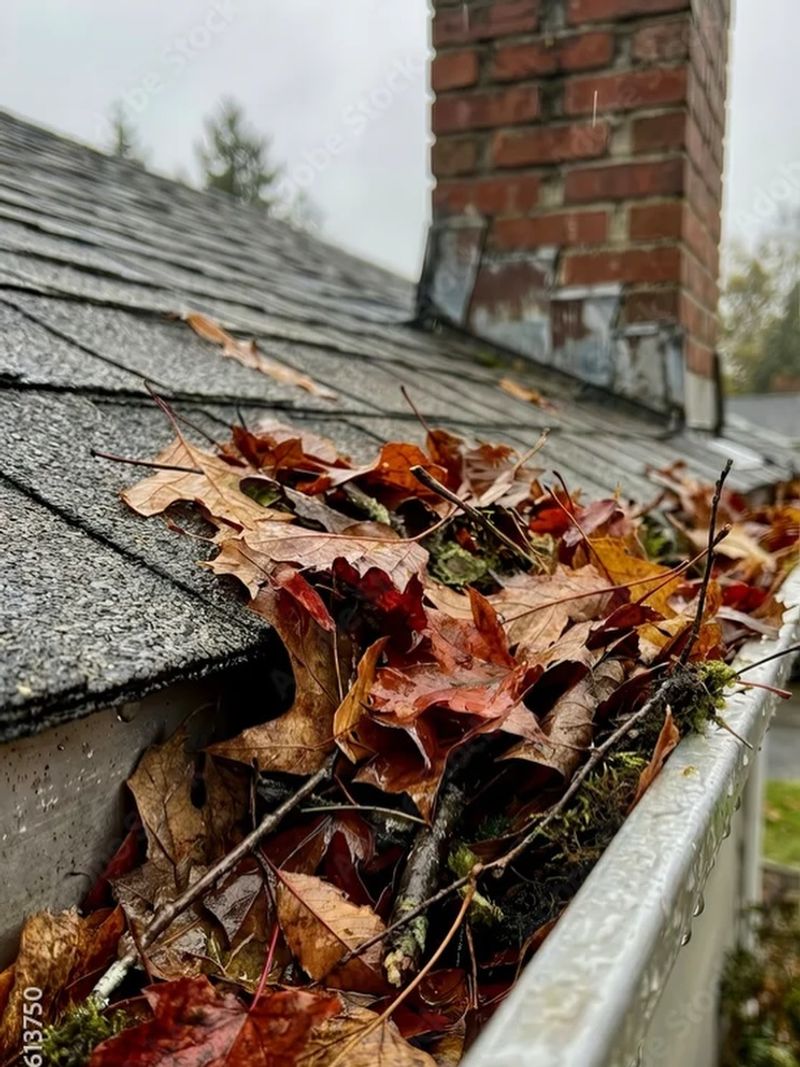
Leaves accumulating in gutters, downspouts, or drainage systems can cause significant water damage requiring immediate attention and potential neighbor involvement.
Water backing up under shingles, pooling around foundations, or flooding basements creates legitimate property damage beyond simple yard maintenance issues.
Ohio homeowners should document these problems thoroughly with photographs, repair estimates, and written communications to neighbors about the situation.
Contacting your neighbor politely about excessive leaf deposits that overwhelm your drainage systems often yields cooperative solutions without legal action.
Many people are willing to trim overhanging branches or help with cleanup when they understand the specific problems their tree creates.
Approaching the conversation with a problem-solving attitude rather than accusations typically produces better results and preserves neighborly relationships.
When informal discussions fail to resolve serious drainage or damage issues, consulting a property attorney familiar with Ohio law becomes advisable.
Legal options might include mediation, small claims court for repair costs, or injunctions requiring tree maintenance to prevent future damage.
Keep detailed records of all communications, expenses, and damage progression to support your case if legal action becomes necessary.
How Local Ordinances And HOAs May Change The Rules

Municipal codes in many Ohio cities and towns impose specific requirements about yard maintenance, including leaf removal timelines and methods.
Some communities mandate regular leaf cleanup to prevent storm drain blockages, maintain neighborhood appearance, or reduce fire hazards in areas.
Violating these local ordinances can result in fines, liens, or forced cleanup at the property owner’s expense through city contractors.
Homeowners associations often establish even stricter rules about landscaping maintenance, tree care, and seasonal cleanup that exceed state law requirements.
HOA covenants might specify leaf removal schedules, prohibit certain tree species, or require members to maintain trees regardless of where leaves.
These private agreements are legally enforceable contracts that homeowners accept when purchasing property in communities governed by associations.
Checking your local municipal code and HOA documents helps clarify your specific obligations beyond general Ohio property law principles.
Rules vary significantly between communities, with some being quite lenient while others enforce strict standards for yard appearance.
Understanding these local requirements prevents violations that could result in penalties or conflicts with neighbors and association boards in your area.