7 Arizona Desert Perennials That Grow Beautifully In Containers
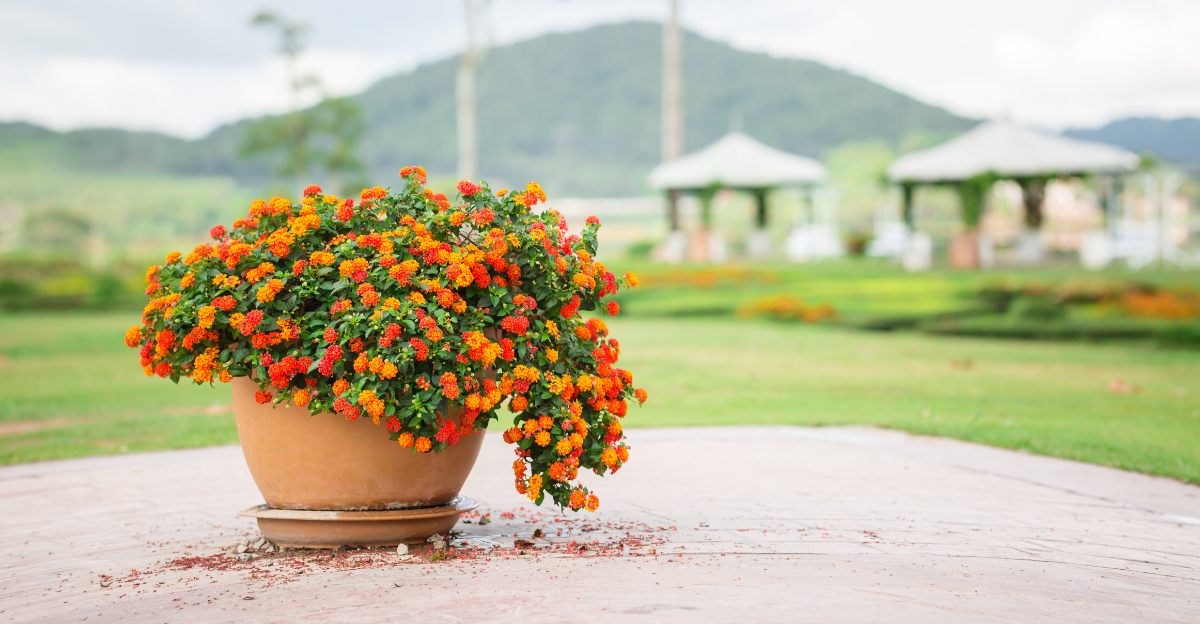
If you live in Arizona, you already know the sun does not play around. Patios heat up fast, garden beds dry out quickly, and sometimes containers feel like the only manageable option.
The good news is that many desert perennials actually thrive in pots when given the right setup. Containers allow better soil control, improved drainage, and the flexibility to shift plants as the light changes through the seasons.
For those who prefer a tidy courtyard or smaller space, this approach makes desert gardening feel far more manageable.
A few of these perennials handle container life so well that you may start rethinking how you use every empty pot on your patio.
1. Desert Marigold That Shines Bright Even In Blazing Heat
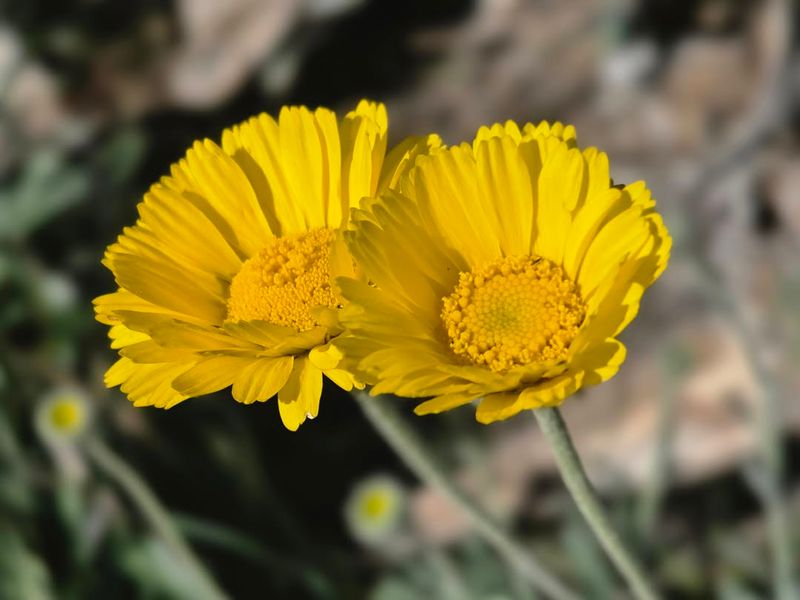
Few plants put on a show quite like the desert marigold, and if you have ever driven through the Arizona desert in late spring, you have probably spotted those cheerful yellow blooms lighting up the roadsides like tiny suns. Baileya multiradiata, as it is officially known, is a native wildflower that has no trouble handling triple-digit temperatures, making it one of the most reliable choices for container gardening across Arizona.
Its vibrant, sun-like flowers create an eye-catching display that is sure to bring joy to any garden or patio space.
Growing desert marigold in a pot is straightforward and rewarding. Choose a container with excellent drainage, fill it with a sandy or cactus-blend potting mix, and place it somewhere that gets at least six hours of direct sunlight each day.
Once established, this plant needs very little water, typically just a deep soak every one to two weeks during the hotter months. It’s a low-maintenance, high-reward option for gardeners in desert climates.
While desert marigold does offer an extended blooming season, its silvery-gray foliage may appear sparse and unremarkable once the flowers are gone. Pairing it with complementary plants can help maintain visual interest during the off-bloom periods.
While its foliage is silvery-gray, it can appear sparse and unremarkable in the off-bloom period. To enhance visual interest, it’s important to pair it with complementary plants or other perennials that provide a contrast of color, texture, or height.
Deadheading spent flowers encourages even more blooms to appear, keeping your container looking fresh and colorful for months at a time. For anyone gardening in Arizona who wants maximum color with minimum fuss, desert marigold is practically unbeatable.
Its long-lasting blooms and hardy nature make it a top contender for desert gardens.
2. Angelita Daisy Bringing Cheerful Color To Sunny Pots
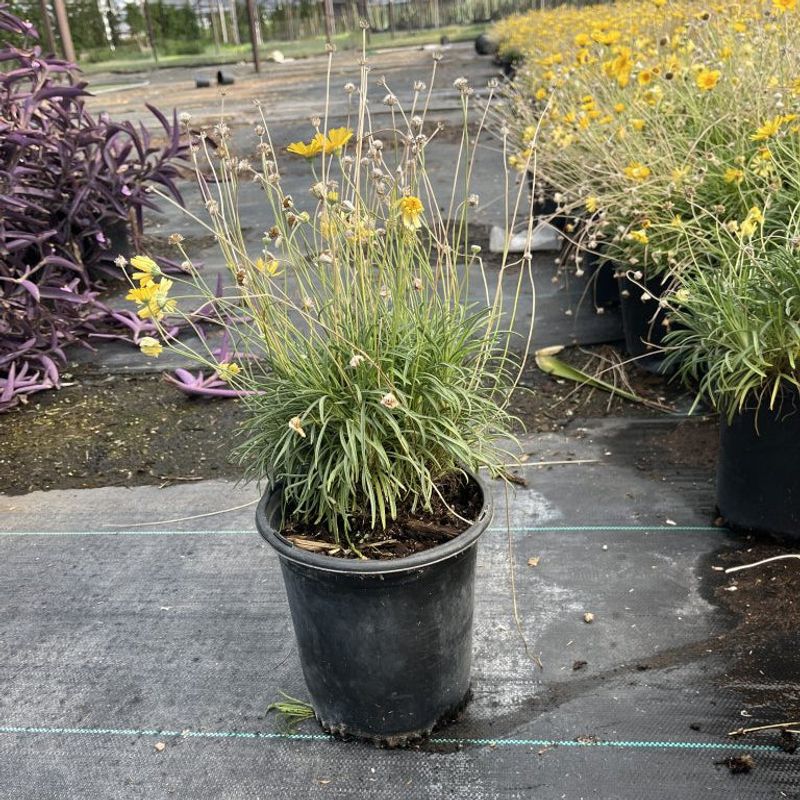
Bright, bubbly, and practically indestructible, the angelita daisy is the kind of plant that makes you feel like a gardening expert even if you are just starting out. Tetraneuris acaulis is a compact little powerhouse native to the Southwest that blooms almost year-round in the warmest parts of Arizona, producing cheerful golden-yellow flowers that sit just above a mound of fine, grass-like foliage.
One of the best things about growing angelita daisy in containers is how adaptable it is to different pot sizes. A small six-inch pot works fine for a single specimen on a windowsill, while a larger container lets the plant spread out and really show off its full, rounded shape.
Either way, make sure the potting mix drains quickly and that the container sits in a spot that receives plenty of direct sunlight throughout the day.
Angelita daisy is drought-tolerant but still requires some watering during prolonged dry spells to ensure it stays healthy. Be sure to monitor it, especially during Arizona’s peak heat, to prevent dehydration.
It is important to provide adequate water during extended hot weather or if the plant is in a location with high temperatures for extended periods. A deep drink every ten to fourteen days during summer is usually plenty, and even less is needed during cooler months.
Unlike some perennials that look a little scraggly between bloom cycles, angelita daisy maintains a tidy, attractive appearance all season long. Its low-growing habit also makes it an excellent choice for the front edge of a larger mixed container, where it can spill slightly over the rim and add a soft, natural touch to your Arizona outdoor space.
3. Desert Globemallow That Bursts With Bold Sunset Shades
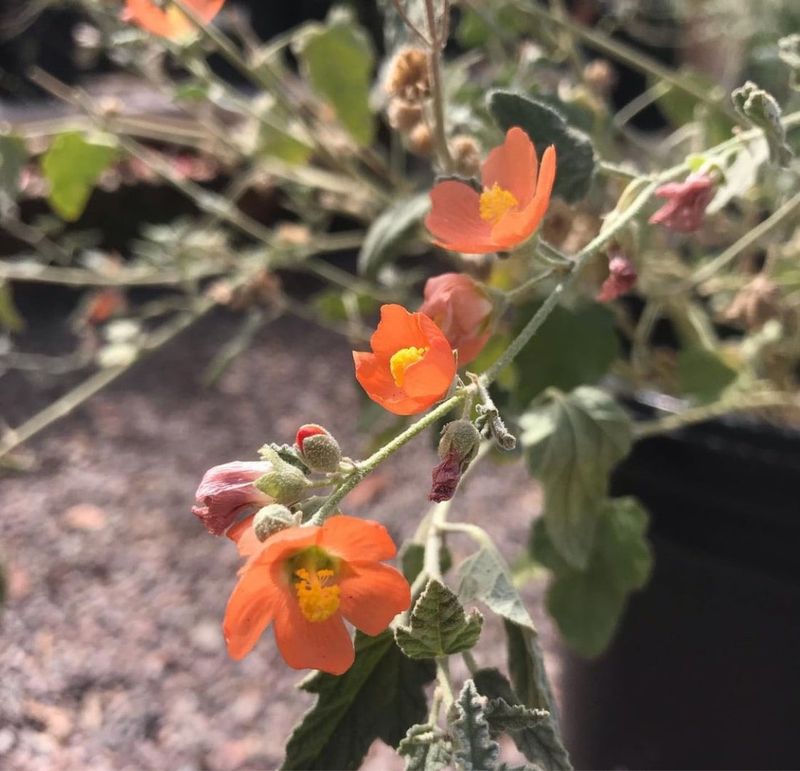
Imagine a plant that looks like it borrowed its color palette straight from an Arizona sunset. Sphaeralcea ambigua, commonly called desert globemallow, delivers exactly that with its striking cup-shaped flowers in shades of orange, coral, red, and occasionally lavender.
It is one of those plants that stops people in their tracks and makes them ask what it is.
Growing desert globemallow in containers requires a bit more space than some of the smaller perennials on this list. Choose a pot that is at least twelve to fourteen inches wide and deep to give the roots room to develop.
A fast-draining cactus or desert blend mix works best, and placing a layer of gravel at the bottom of the container can help prevent water from pooling around the roots.
Full sun is non-negotiable for this plant. In Arizona, that is rarely a problem, but make sure the container is positioned where it will receive at least eight hours of direct sunlight per day.
Water deeply but infrequently, allowing the soil to dry out completely between sessions. Desert globemallow is also a pollinator magnet, drawing in native bees and butterflies throughout its blooming season, which typically runs from spring through early summer with possible repeat blooms in fall.
Did you know that Indigenous communities across the Southwest used parts of this plant for medicinal purposes for centuries? Having it in your Arizona container garden connects you to a rich and fascinating botanical history.
4. Firecracker Penstemon Sending Up Fiery Red Flower Spikes
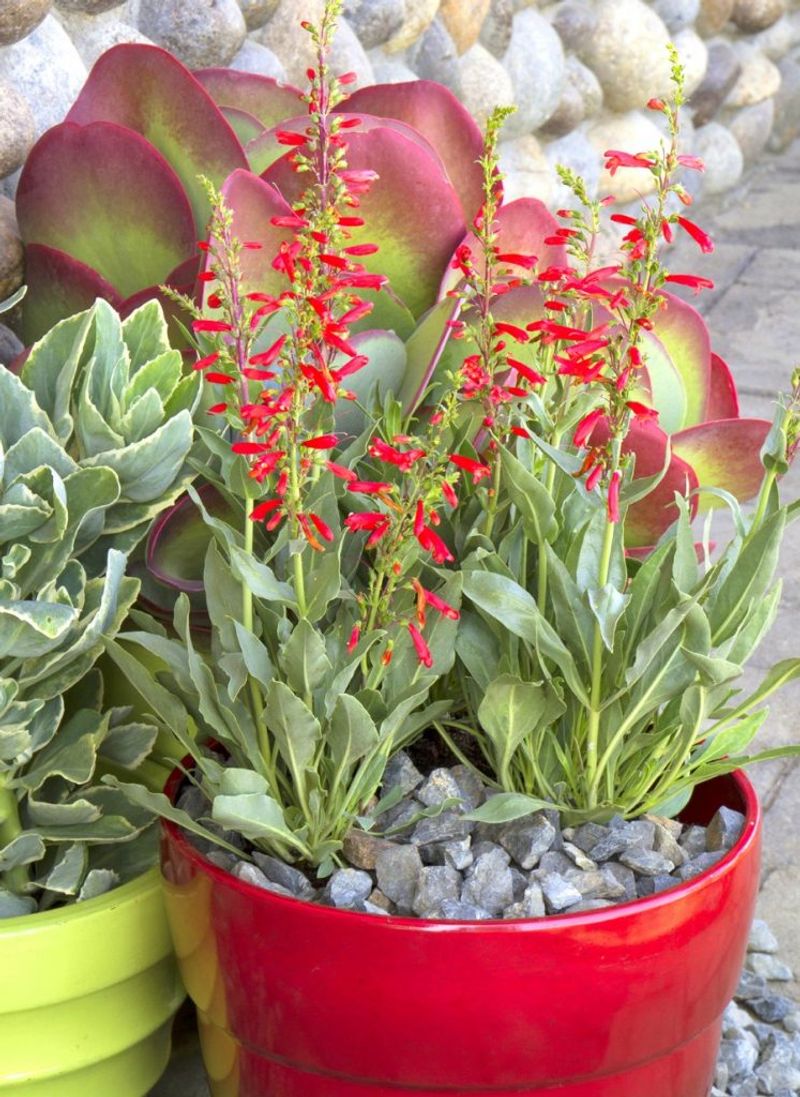
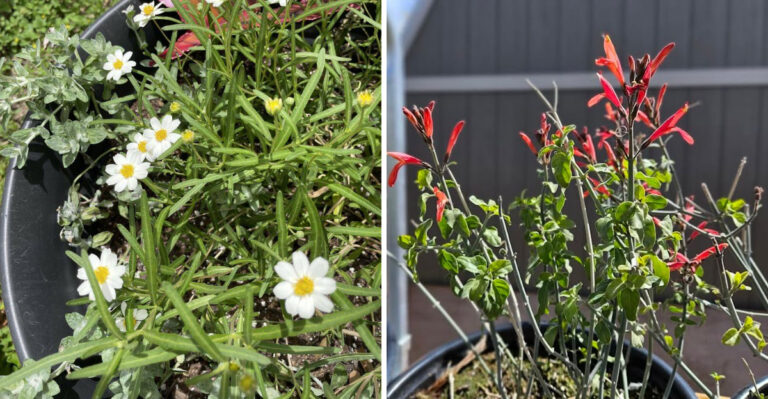
When a plant earns a name like firecracker penstemon, you know it is going to be dramatic. Penstemon eatonii earns every bit of that bold name by sending up tall, slender spikes covered in brilliant red tubular flowers that practically glow in the Arizona sunshine.
Hummingbirds are absolutely wild about it, and watching them hover around your container pot is one of the most delightful garden experiences you can have.
Container growing suits firecracker penstemon well, especially when you choose a deep pot that accommodates its taproot. A container that is at least twelve inches deep and twelve inches wide gives the plant enough room to anchor itself properly.
Use a well-draining soil mix and avoid anything that holds too much moisture, since penstemon roots are sensitive to sitting in wet conditions for extended periods.
Position the pot in a full-sun location, ideally against a warm wall or fence that reflects extra heat, which this plant genuinely appreciates in Arizona. Watering should be moderate in spring during the active blooming period and reduced significantly during summer dormancy.
The flower spikes typically emerge in late winter through spring, creating a spectacular show right when many other plants are still waking up. After blooming, trim the spent flower stalks back to keep the plant tidy and encourage fresh growth.
Growing firecracker penstemon in containers also means you can easily reposition it to create eye-catching focal points anywhere on your Arizona patio or garden area.
5. Red Yucca With Striking Coral Blooms Hummingbirds Love
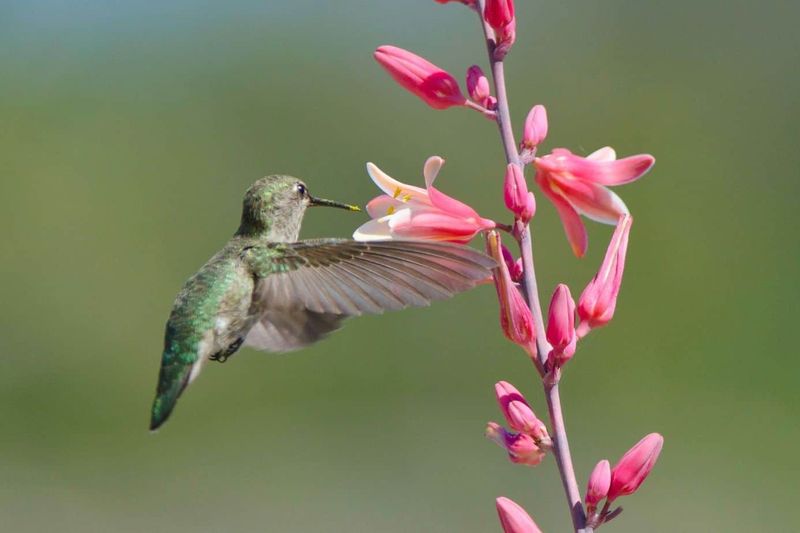
Despite its name, red yucca is not actually a true yucca at all. Hesperaloe parviflora is technically a member of the agave family, but what it lacks in accurate naming it more than makes up for with sheer visual drama.
Those long, arching flower stalks loaded with coral-pink tubular blooms are practically irresistible to hummingbirds, and in Arizona, having this plant on your patio can turn your outdoor space into a mini wildlife sanctuary.
Red yucca adapts surprisingly well to container life as long as you choose a large, sturdy pot. The grass-like foliage forms a dense clump that can spread two to three feet wide, so a container that is at least sixteen to eighteen inches across gives it the best chance to thrive.
A heavy clay or concrete pot also helps anchor the plant, since the tall flower stalks can catch wind and tip lighter containers over.
Drainage is critical, so use a coarse desert soil mix and make sure the pot has multiple drainage holes. Full sun is preferred, though red yucca can handle some afternoon shade in the hottest parts of Arizona summers.
Water deeply every two to three weeks during the growing season and cut back to once a month or less during winter. The blooming season stretches from late spring all the way through summer, sometimes even into early fall.
Its bold silhouette and wildlife appeal make red yucca one of the most conversation-worthy container plants you can grow in Arizona.
6. Blackfoot Daisy With Dainty White Blooms That Keep Coming
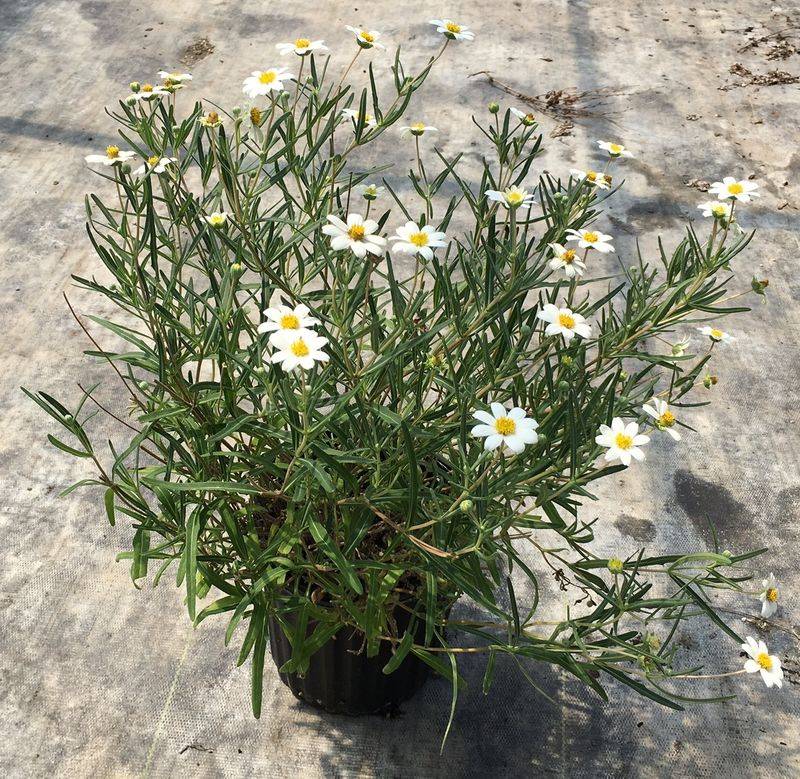
There is something wonderfully reliable about the blackfoot daisy. Melampodium leucanthum earns its loyal fanbase across Arizona by producing a near-constant parade of small white flowers with sunny yellow centers, blooming from early spring through late fall without demanding much attention at all.
Gardeners who are tired of high-maintenance plants tend to fall in love with this one fast, appreciating its ability to thrive with little fuss in the harsh Arizona climate.
Growing blackfoot daisy in containers works beautifully because you can control the soil drainage, which is one of the most important factors for keeping this plant healthy. Use a gritty, well-draining mix and a pot with plenty of drainage holes at the bottom.
Clay or terracotta pots are especially good choices because they allow moisture to evaporate through the walls, mimicking the dry Arizona conditions this plant naturally prefers. This makes it an ideal option for container gardening, especially for those looking for an easy-care perennial.
Place your container in a full-sun location and water sparingly once the plant is established. Overwatering is the most common mistake people make with blackfoot daisy, so when in doubt, hold off and let the soil dry out completely before watering again.
The plant stays relatively compact, usually reaching about one foot tall and wide, which makes it a perfect fit for smaller pots, window boxes, or mixed container arrangements. Fun fact: the name “blackfoot” comes from the small black bracts at the base of each flower.
Pairing it with colorful desert perennials in neighboring pots creates a stunning, low-water display that thrives in Arizona heat. Whether you are new to desert gardening or a seasoned pro, this hardy beauty is a fantastic choice for adding cheerful, long-lasting blooms to your garden.
7. Lantana The Arizona Heat Loving Perennial
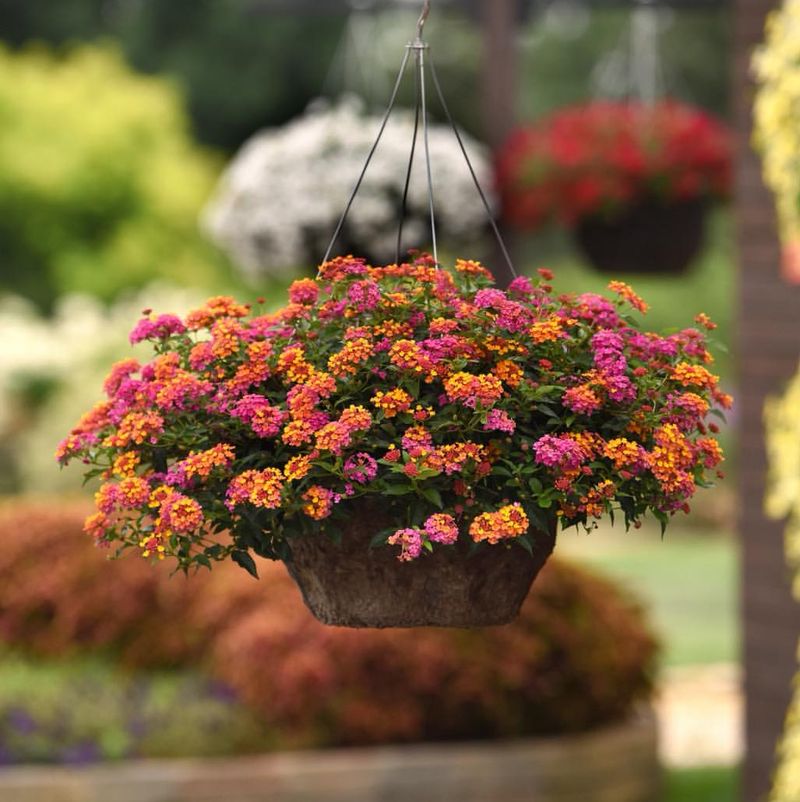
If you’re searching for a plant that can handle Arizona’s intense heat while adding vibrant, long-lasting blooms to your garden, look no further. Known for its sun-loving nature and ability to thrive in dry conditions, this plant offers a cheerful display of colors that can brighten up any container.
Its tough, drought-tolerant qualities make it a standout for those who want a low-maintenance yet beautiful addition to their outdoor space, even in the harshest desert climates.
Lantana is a perennial that grows beautifully in pots, making it perfect for small or container gardens. When planting, choose a pot with excellent drainage, such as a terracotta or clay container, which allows moisture to evaporate, mimicking the dry conditions lantana naturally loves.
Fill the container with a well-draining soil mix, and place it in a location that receives full sun for at least six hours a day. Once established, lantana requires very little water, typically only when the soil is dry.
This hardy plant thrives with minimal attention, making it a great option for busy gardeners who want beautiful, low-maintenance plants.
Not only is lantana easy to care for, but it’s also a pollinator magnet, attracting butterflies and hummingbirds to your garden. Its compact, spreading habit allows it to spill over the sides of containers, adding texture and color that lasts from spring through fall.
Pair it with other drought-tolerant plants to create a stunning, low-maintenance display that will bring your Arizona garden to life year after year, even through the hottest months.