Arizona Fig Tree Care Checklist For May Before Extreme Heat Sets In
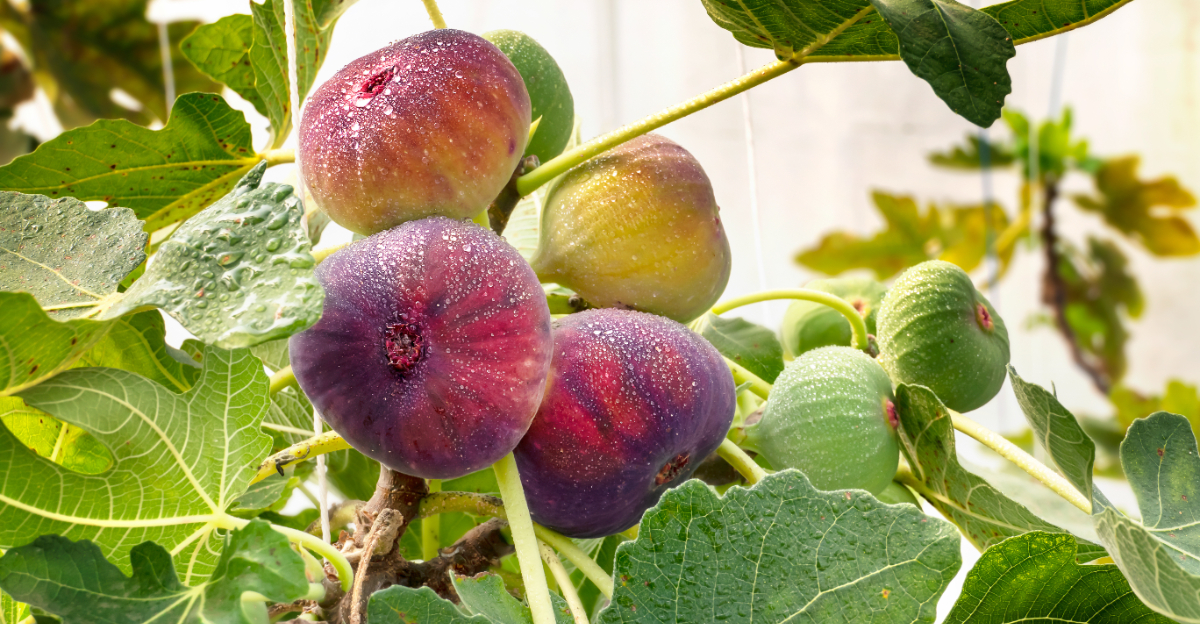
Fig trees in Arizona start reacting quickly once May temperatures begin climbing and the air starts drying out more each week.
Growth can still look healthy at first, but the shift toward extreme heat changes how the tree handles water, nutrients, and new fruit development.
May becomes an important point for adjusting care before the harshest part of summer takes over. Watering routines, soil condition, and overall tree balance all start to matter more as stress levels increase with rising temperatures.
Fig trees that stay consistent through this stage tend to handle Arizona heat far better later in the season when conditions become more intense and less forgiving.
1. Deep Watering Helps Fig Trees Prepare For Summer Heat
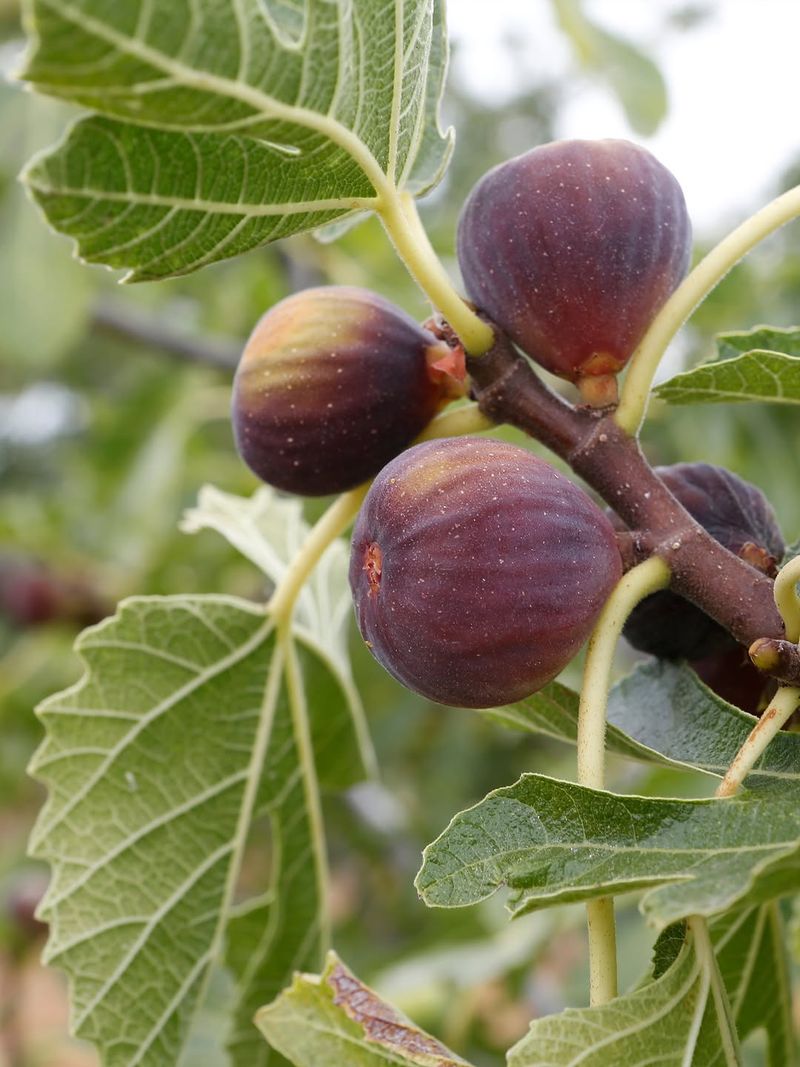
Shallow watering in May is one of the fastest ways to set your fig tree up for a rough summer. When water only reaches the top few inches of soil, roots stay near the surface where temperatures can become extreme once Arizona heat fully arrives.
Deep watering pushes moisture down 18 to 24 inches, encouraging roots to follow it deeper into cooler soil layers.
Soaker hoses and drip systems work well for this, but even a slow garden hose left running at the base for 30 to 45 minutes can do the job. Water slowly so the ground actually absorbs it instead of running off.
Sandy desert soils drain fast, so watering in two shorter sessions spaced an hour apart helps moisture penetrate more evenly.
In May, most established fig trees in Arizona benefit from deep watering two to three times per week. Young trees planted within the last year may need more frequent attention since their root systems are still developing.
Always check the soil about four inches down before watering again. If it still feels damp, hold off another day.
Morning watering is ideal across the Phoenix and Tucson areas because it gives the tree a full reservoir to draw from during peak afternoon heat.
2. Fresh Mulch Keeps Soil Cooler Around Shallow Roots
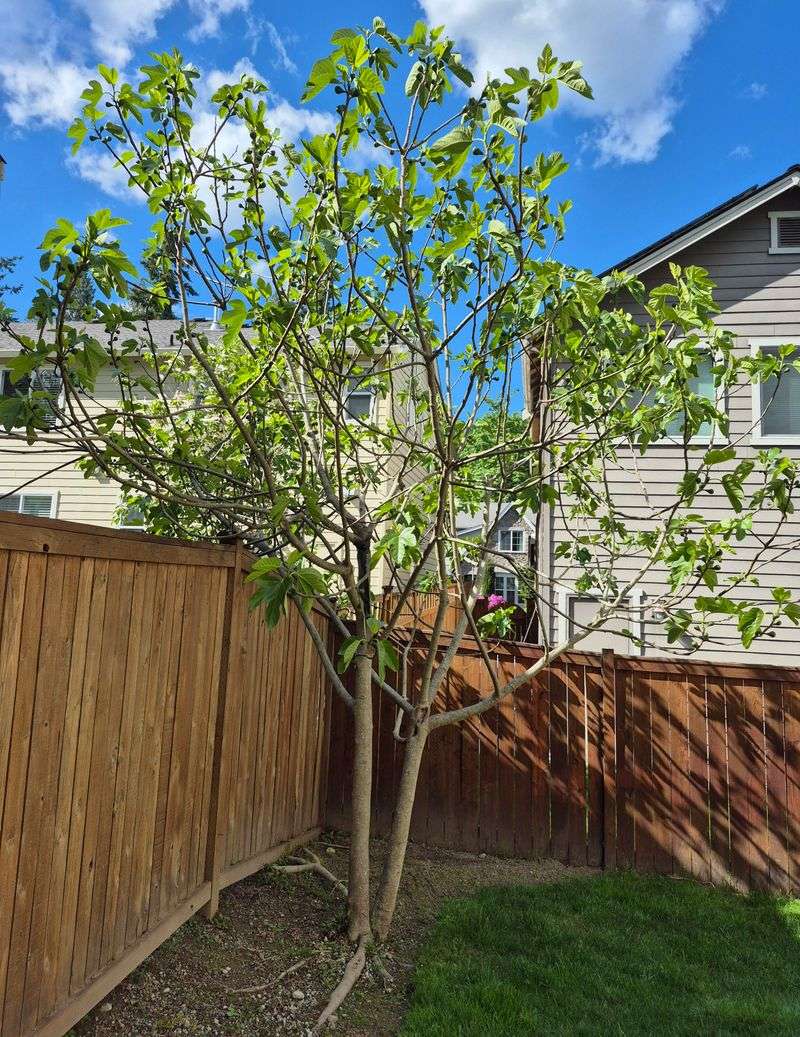
Fig tree roots sit surprisingly close to the surface, and in Arizona, bare soil can heat up fast enough to stress those roots before summer even officially begins. A fresh layer of mulch in May creates a buffer between the brutal sun and the soil underneath.
Wood chips, straw, or shredded bark all work well, and most local nurseries in the Phoenix and Tucson areas carry them in bulk.
Aim for a layer three to four inches thick spread out to the drip line of the tree. Pulling the mulch slightly away from the trunk itself prevents moisture from sitting against the bark, which can cause rot over time.
A small gap of two to three inches around the base is enough to keep things healthy.
Beyond temperature control, mulch slows evaporation dramatically. During Arizona summers, soil without mulch can lose a significant amount of moisture within hours of watering.
Mulched soil holds that water longer, which means you may be able to stretch time between watering sessions slightly, especially for trees in partial shade.
Your Arizona Garden Changes Every Week. Your Plan Should Too.
Gardening in Arizona changes quickly throughout the season. Every Friday you’ll receive a simple weekly plan showing exactly what to plant, prune, fertilize, harvest, and protect so you never miss the right timing.
Organic mulch also breaks down slowly and adds nutrients back into the soil over months. It is not a fertilizer replacement, but it does improve soil structure over time, which matters a lot in the hard, compacted ground common across much of the desert Southwest.
3. Sunburn Can Damage Young Figs During Sudden Heat Waves
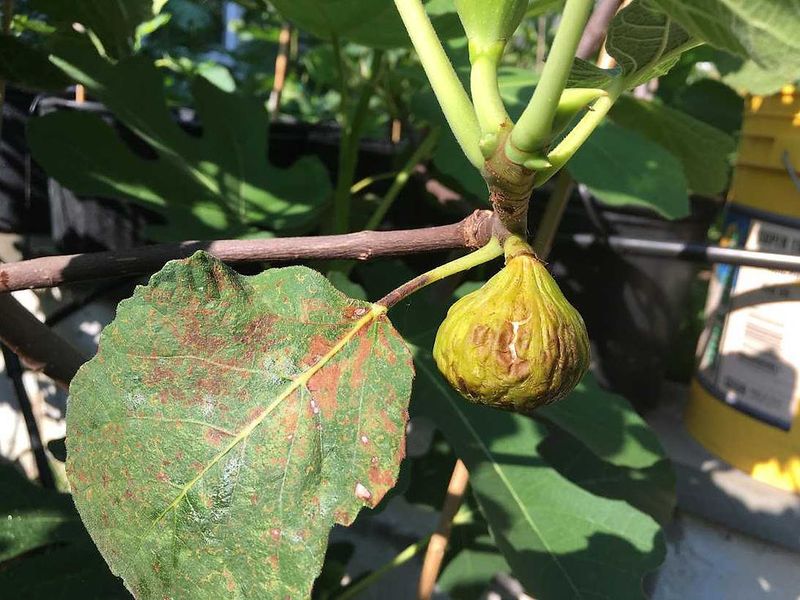
Most people think sunburn only affects people, but fig trees can get it too, especially younger ones that have not yet developed thicker bark.
When Arizona temperatures spike suddenly in May, thin-barked branches and new growth can suffer bleached, papery damage that weakens the tree going into the hottest months of the year.
Young figs planted within the past one to two years are most vulnerable.
White latex paint diluted with water, applied to exposed trunks and main branches, reflects sunlight and reduces bark temperature significantly. Some Arizona gardeners also use tree wrap or burlap on the south and west-facing sides of young trunks.
Neither method is permanent, but both provide meaningful protection during the critical transition between spring and summer.
Shade cloth is another practical option, particularly for container-grown young figs or trees in spots that receive intense afternoon western exposure.
A 30 to 40 percent shade cloth draped or framed over the canopy can reduce leaf scorch without blocking enough light to slow fruit development.
Remove or reposition it once the tree becomes more established and builds natural resilience.
Checking your tree after any sudden heat spike above 105 degrees is a smart habit. Look for leaves that curl inward, bleached patches on bark, or fruit that looks dried and shriveled before ripening.
4. Strong Spring Growth Increases Water Needs Quickly
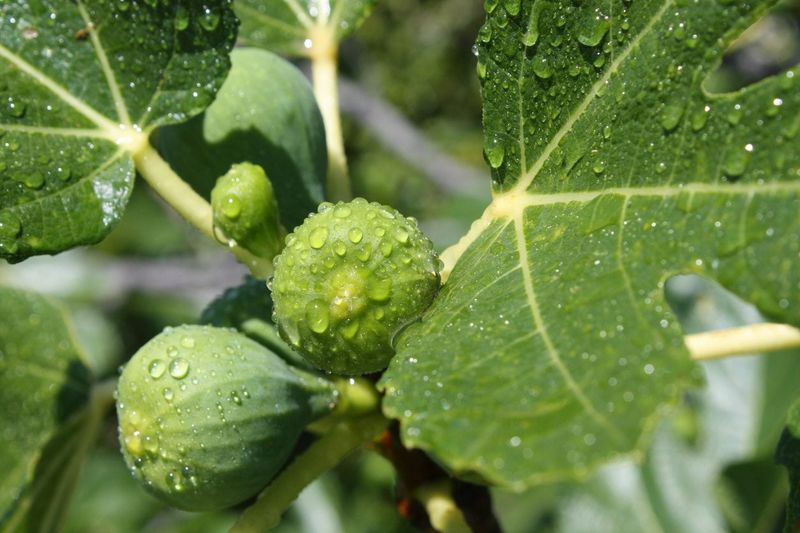
Anyone who has watched a fig tree in spring knows how fast it moves. One week you see tiny leaf buds, and two weeks later branches are covered in full, broad leaves.
All that new growth is exciting, but it comes with a real increase in how much water the tree needs to sustain itself, especially as Arizona prepares to shift into its brutal summer pattern.
A fig tree covered in new leaves is actively moving water from roots to canopy constantly. On a hot May afternoon in Tucson or Phoenix, a fully leafed-out tree can lose a surprising amount of moisture through its leaves alone.
If your irrigation schedule was set during the slower growth of early spring, it likely needs an adjustment now to keep up with demand.
Watch for early warning signs that your tree needs more water. Leaves that droop slightly in the early morning, before the heat of the day sets in, often signal the roots are not getting enough.
Slightly yellowing edges on otherwise healthy leaves can also point to inconsistent moisture. These signs are easy to miss if you are not checking the tree regularly.
Fruit development also ramps up during May across Arizona, and developing figs pull additional resources from the tree.
5. Light Pruning Helps Improve Airflow Before Summer Arrives
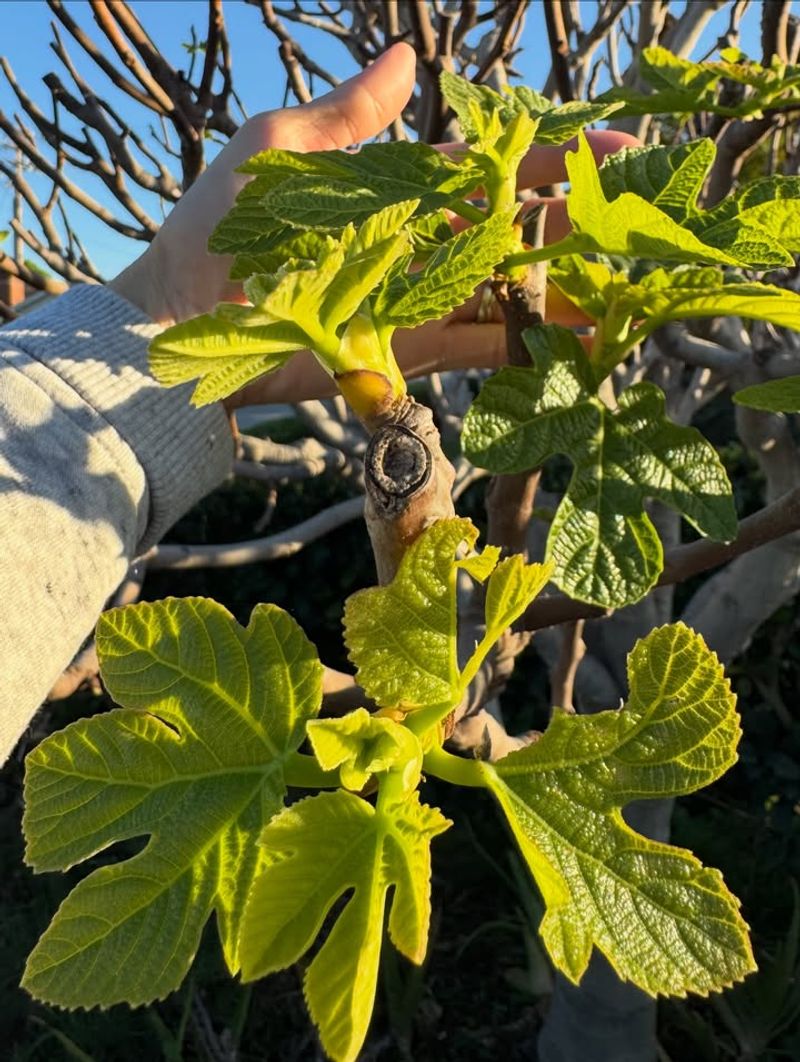
Heavy pruning in late spring is a mistake, but skipping it entirely is not the answer either.
A small amount of targeted pruning in May, focused on crowded interior branches and damaged wood, opens up the canopy enough to let air move through more freely.
Better airflow reduces humidity pockets inside the canopy, which can become breeding grounds for fungal problems during Arizona’s monsoon season just a couple months away.
Look for branches that cross and rub against each other, thin weak shoots growing straight up through the center, and any wood that looks gray, brittle, or hollow.
Removing these does not stress the tree significantly when done lightly, and it keeps energy focused on the branches that are actually producing fruit.
Sharp, clean cuts heal faster and reduce the chance of introducing infection at the wound site.
Avoid removing large, healthy branches at this time of year. Major structural pruning is better suited for late winter when the tree is still dormant.
Cutting large limbs in May exposes fresh wood to intense sun and heat almost immediately, which can lead to sunscald on newly exposed bark, especially in areas around Scottsdale, Mesa, and other parts of the Phoenix valley where afternoon temperatures climb fast.
After pruning, give the tree a good deep watering to help it recover.
6. Overripe Fruit Attracts Ants And Other Garden Pests
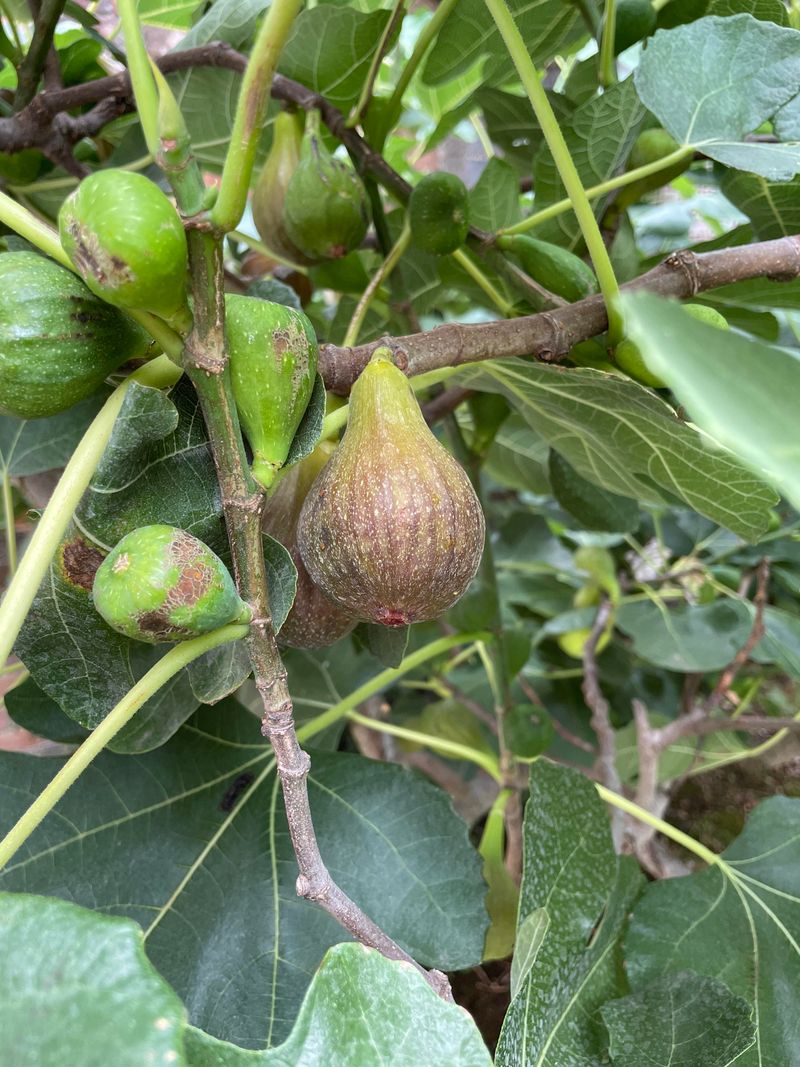
Overripe figs have a way of appearing fast in May, especially when warm nights accelerate ripening ahead of schedule. Fruit that splits open or drops to the ground becomes an immediate magnet for ants, beetles, and other insects common across Arizona gardens.
Letting fallen fruit sit even for a day or two can turn a minor pest situation into a much bigger one quickly.
Check under your fig tree every two to three days during May and pick up any fruit that has dropped. Toss it into a sealed compost bin or yard waste bag rather than leaving it in an open pile nearby.
Ants drawn to sweet fruit will not stay limited to the ground; they will follow scent trails up the trunk and into the canopy, where they can disrupt beneficial insects and protect aphids from natural predators.
A sticky barrier band wrapped around the trunk works well for blocking ants from climbing. These are available at most garden centers in the Phoenix and Tucson areas and are safe to use on fruit trees when applied correctly.
Make sure the trunk is clean and dry before applying, and check the band every week or so since dust and debris can bridge the sticky surface over time.
7. Container Fig Trees Dry Out Faster In Hot Weather
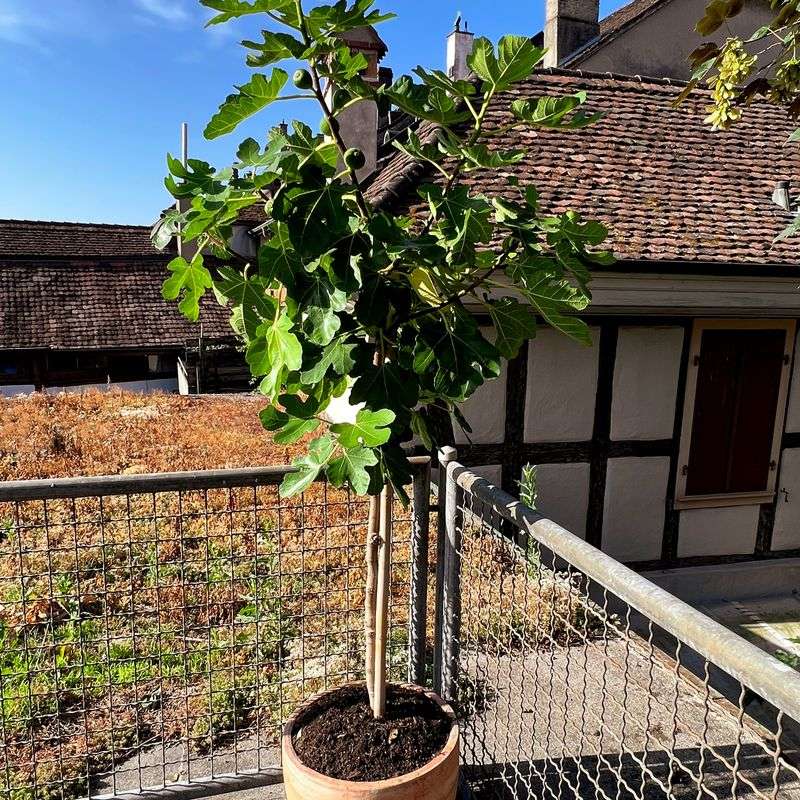
Growing a fig tree in a container is a popular choice across Arizona, especially for renters or gardeners working with small patios and courtyard spaces.
Containers offer flexibility and control, but they come with a real trade-off: the soil dries out much faster than it would in the ground.
Once May temperatures start climbing, a container fig can go from adequately moist to bone dry in less than 24 hours on a hot afternoon.
Check container soil daily once daytime highs start pushing past 95 degrees. Stick a finger two to three inches into the soil.
If it feels dry at that depth, water thoroughly until it drains from the bottom holes. Watering until runoff ensures moisture reaches the full root zone rather than just wetting the top layer while leaving deeper roots dry and stressed.
Dark-colored containers absorb heat and transfer it to the roots, which can cause real problems in Arizona summers. Light-colored pots, or wrapping dark containers with burlap or a reflective sleeve, helps keep root zone temperatures lower.
Moving containers to a spot with afternoon shade, even just partial shade from a wall or awning, can reduce how quickly the soil heats up and dries out.