10 Arizona Food Gardening Ideas For A Budget-Friendly Yard
Gardening in Arizona can feel like a balancing act. One week it’s blazing sun and dry wind, the next it’s a sudden downpour that leaves you scrambling to protect young plants.
If you’ve ever stood in a garden center staring at price tags and wondering how quickly it all adds up, you’re not alone.
Food gardening here comes with its own set of challenges, especially when you’re trying to keep costs reasonable. Between water use, soil improvements, and plant choices, it helps to focus on strategies that stretch your dollar while still working with Arizona’s desert climate.
Smart planning, seasonal timing, and choosing the right crops can make a small yard surprisingly productive without draining your budget.
Some of the most effective ideas aren’t complicated or trendy. They’re practical, doable, and well suited to Arizona soil and sun.
A few simple shifts can turn even a modest space into something that starts paying you back at harvest time.
1. Build Raised Beds With Reclaimed Materials
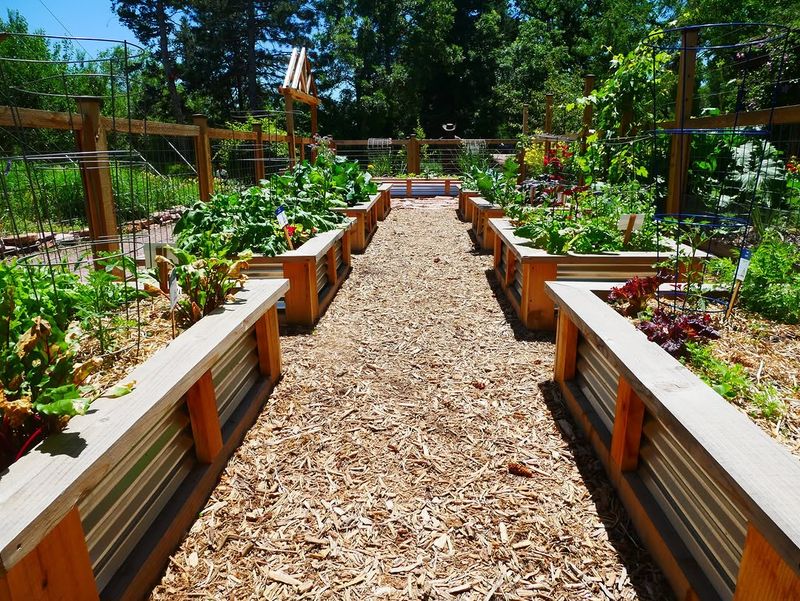
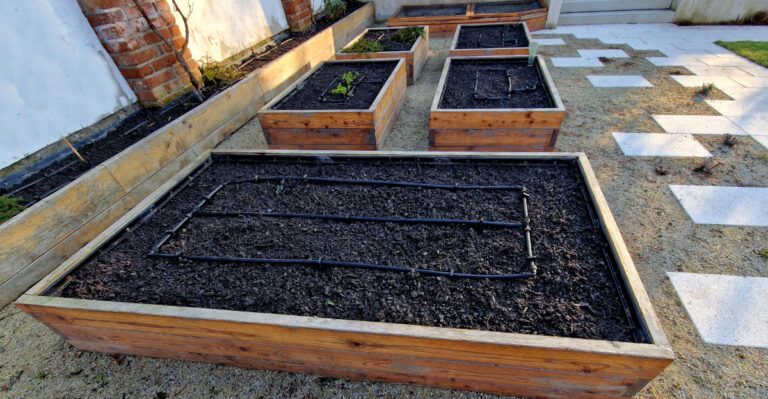
Sticker shock hits fast when pricing brand-new lumber for raised beds. Constructing raised beds from brand-new lumber can easily cost over a hundred dollars per bed, but Arizona has abundant sources of free or low-cost materials perfect for building productive growing spaces.
Pallets, cinder blocks, old fence boards, and salvaged bricks all work beautifully for creating the structure your plants need. Check local classified ads, construction sites, and community swap groups for materials people are practically giving away.
Raised beds solve several challenges specific to Arizona gardening. They lift your soil above the rock-hard caliche layer that plagues many yards across the state, provide better drainage during monsoon downpours, and make it easier to control soil quality without amending your entire yard.
The elevation also reduces bending and makes garden maintenance more comfortable during hot Arizona afternoons.
When building with reclaimed wood, avoid anything treated with chemicals that might leach into your food crops. Untreated pine, cedar, or hardwood pallets work well and often last several seasons in Arizona’s dry climate.
Cinder blocks offer strong durability and the hollow spaces provide bonus planting spots for herbs or strawberries. Stack them two or three high, fill with quality soil mix, and you have a sturdy growing space for a fraction of typical retail bed costs.
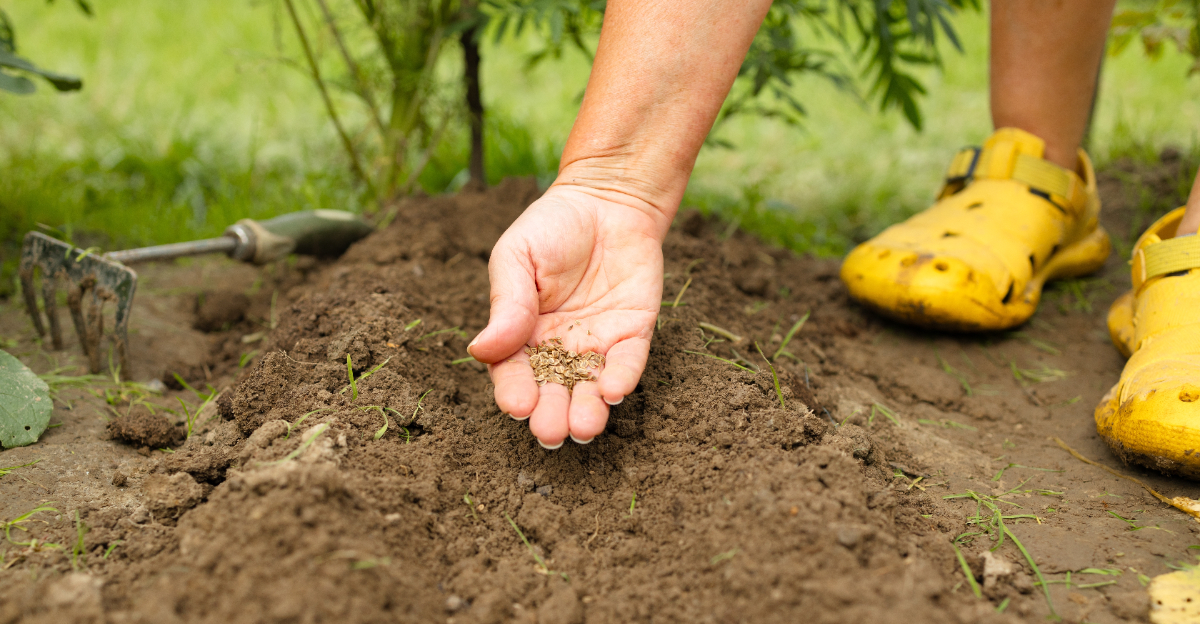
2. Start From Seed Instead Of Buying Transplants
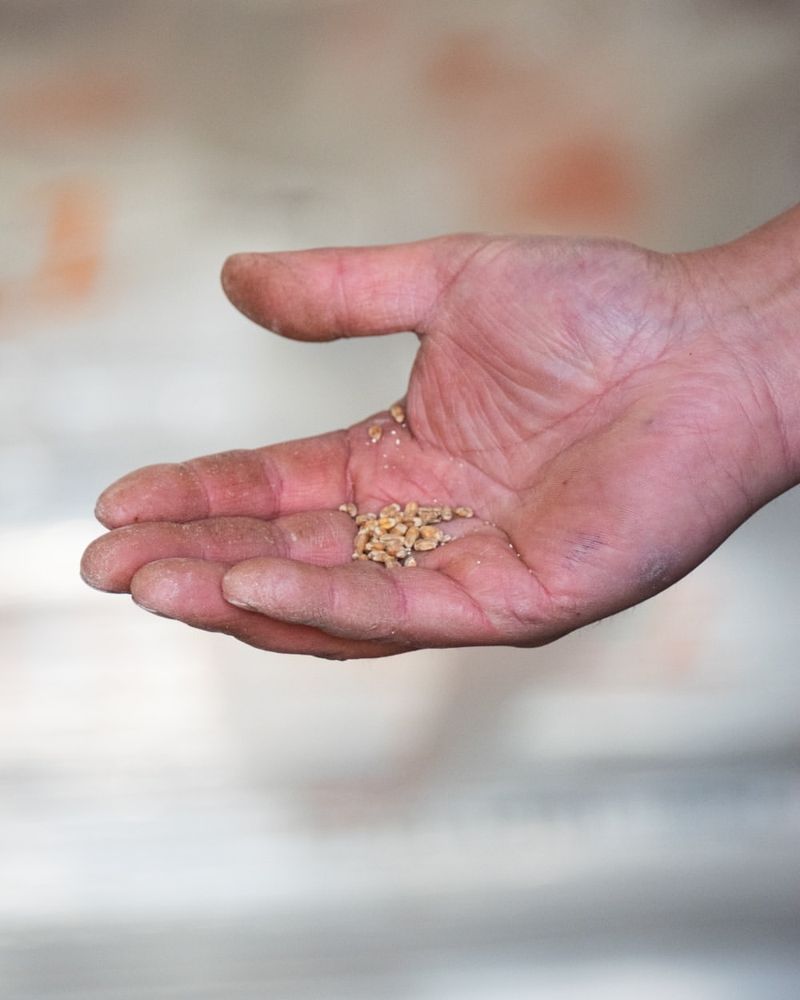
Buying seedlings from the nursery might seem convenient, but those little transplants add up fast when you’re filling an entire garden bed. A single tomato plant can cost five dollars or more, while a packet of seeds containing thirty or forty plants costs about the same price.
Starting from seed gives you way more plants for your money and opens up varieties you’ll never find at local garden centers.
Arizona gardeners have excellent success with direct-sowing many vegetables right into the ground during appropriate seasons. Beans, squash, melons, and cucumbers all germinate quickly in Arizona’s warm soil without any fussy indoor setup.
For plants that need a head start, you can create a simple indoor seed-starting station using recycled containers and a sunny windowsill.
Timing matters significantly in Arizona’s multiple growing seasons. Start cool-season crops like lettuce, carrots, and broccoli from seed in late summer for fall gardens, then switch to warm-season favorites like peppers, eggplant, and tomatoes in early spring.
The Arizona climate allows for year-round growing in many regions, meaning your seed investment keeps producing across multiple planting cycles.
Save seeds from your best-performing plants each season, and you’ll eventually build a collection perfectly adapted to your specific yard conditions without spending another dime.
3. Turn Kitchen Scraps Into Rich Compost
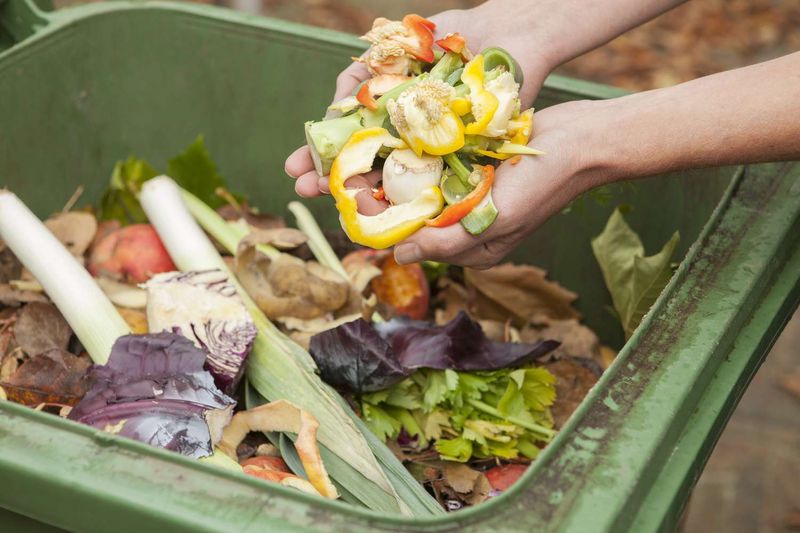
Every time you throw away vegetable peels, coffee grounds, or eggshells, you’re tossing valuable nutrients your Arizona garden desperately needs. Commercial compost and soil amendments cost serious money at garden centers, yet you’re producing the raw materials for free compost every single day in your kitchen.
Setting up a simple composting system transforms waste into gardening gold without spending a penny.
Arizona’s warm temperatures actually speed up the composting process compared to cooler climates. Your pile breaks down faster in the heat, though you’ll need to monitor moisture levels more carefully than gardeners in humid regions.
A basic three-bin system made from pallets or wire fencing works perfectly, or you can start even simpler with just a designated pile in a corner of your yard.
Layer your kitchen scraps with dry materials like shredded newspaper, dead leaves, or cardboard to maintain proper carbon-to-nitrogen ratios. Avoid adding meat, dairy, or oily foods that attract pests and create odors.
Turn your pile occasionally to aerate it, add water during dry stretches, and within a few months you’ll have rich, crumbly compost perfect for feeding your Arizona vegetables. One year of composting kitchen scraps can create a steady supply of soil amendment that supports garden beds, with the exact amount depending on household volume and pile management.
4. Choose Heat-Loving Crops That Thrive In Arizona
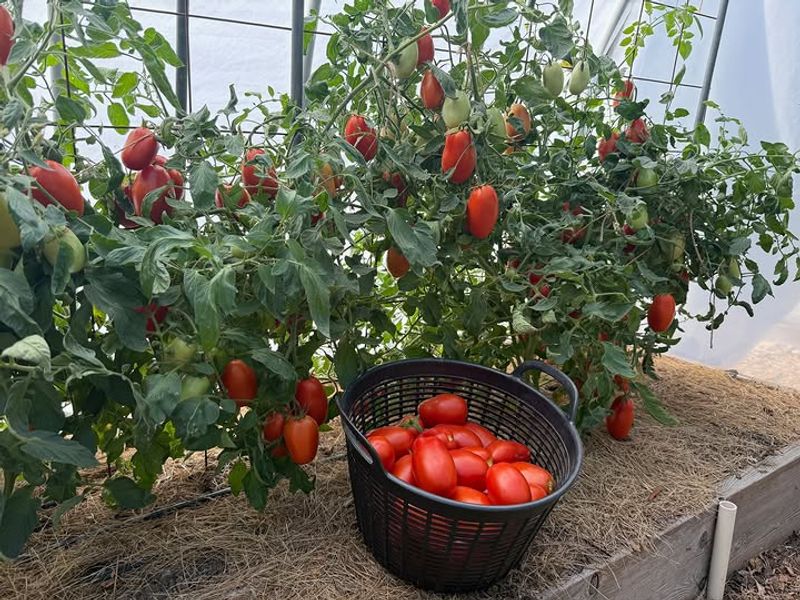
Growing lettuce during Arizona’s peak summer heat can be challenging without shade or careful management, so many gardeners choose heat-tolerant crops during that period. Smart gardeners work with the climate instead, choosing vegetables that actually love the scorching temperatures and abundant sunshine.
Heat-loving crops produce abundantly with less fussing, fewer pest problems, and minimal resource inputs.
Tomatoes, peppers, eggplants, okra, and Armenian cucumber all thrive during Arizona summers when provided adequate water. These crops originated in hot climates and actually perform better in Phoenix or Tucson than in cooler northern states.
Desert-adapted varieties handle temperature extremes even more successfully, producing when other plants would struggle.
During cooler months from October through March, Arizona becomes perfect for crops that struggle in other regions during winter. Broccoli, cauliflower, lettuce, kale, and peas all flourish in Arizona’s mild winter temperatures.
This extended growing season means you can harvest fresh food year-round by rotating appropriate crops, maximizing your garden’s productivity without fighting the weather. Research varieties specifically bred for desert conditions, and you’ll find plants that require less water, resist common Arizona pests, and produce more food from the same space.
Selecting the right crops for each season dramatically reduces the care and resources needed for success.
5. Install Simple Drip Irrigation To Save Water
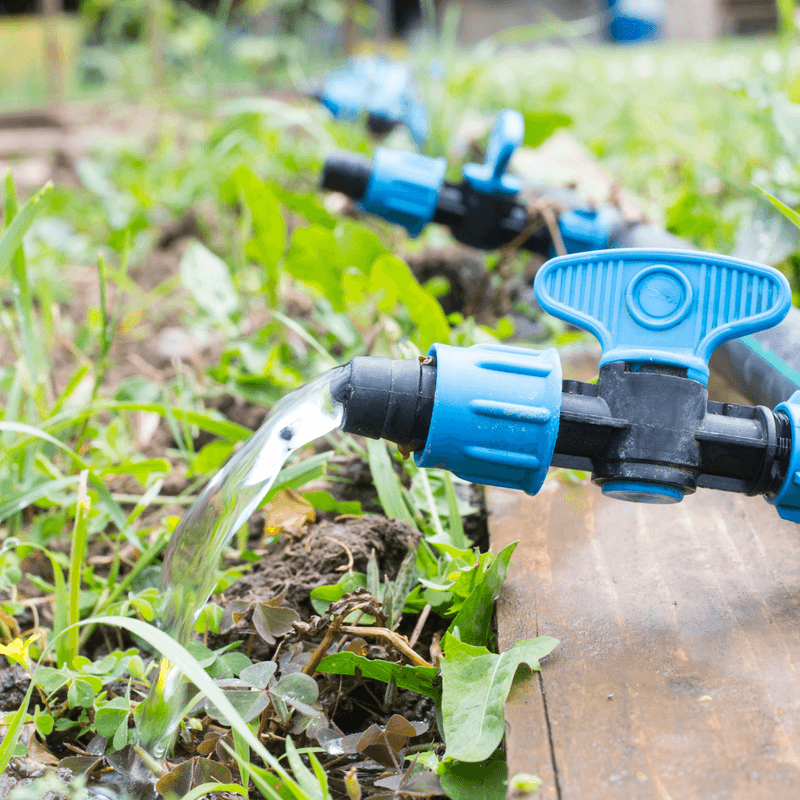
Hand-watering an entire food garden in Arizona’s climate wastes tremendous amounts of water through evaporation and overspray while demanding hours of your time each week. A basic drip irrigation system delivers water directly to plant roots with minimal waste, cutting your water bill substantially while actually improving plant health.
Over time, many gardeners find that the upfront cost can be balanced by more efficient water use, depending on system size and local water rates.
You don’t need an expensive professional installation to enjoy drip irrigation benefits. Simple kits available at hardware stores include everything needed to set up a basic system in an afternoon.
Run a main line along your garden beds, attach emitters near each plant, and connect to your outdoor faucet with an inexpensive timer for automatic watering.
Drip irrigation works especially well in Arizona because it minimizes water loss to evaporation in our dry air and prevents fungal diseases that develop when leaves stay wet. Plants receive consistent moisture at soil level, encouraging deeper root growth that makes them more drought-tolerant over time.
During Phoenix or Tucson summers, this efficiency becomes crucial for keeping food gardens productive without astronomical water bills. Start with a single bed to learn the system, then expand as your confidence grows.
6. Grow Herbs In Containers Near The Door
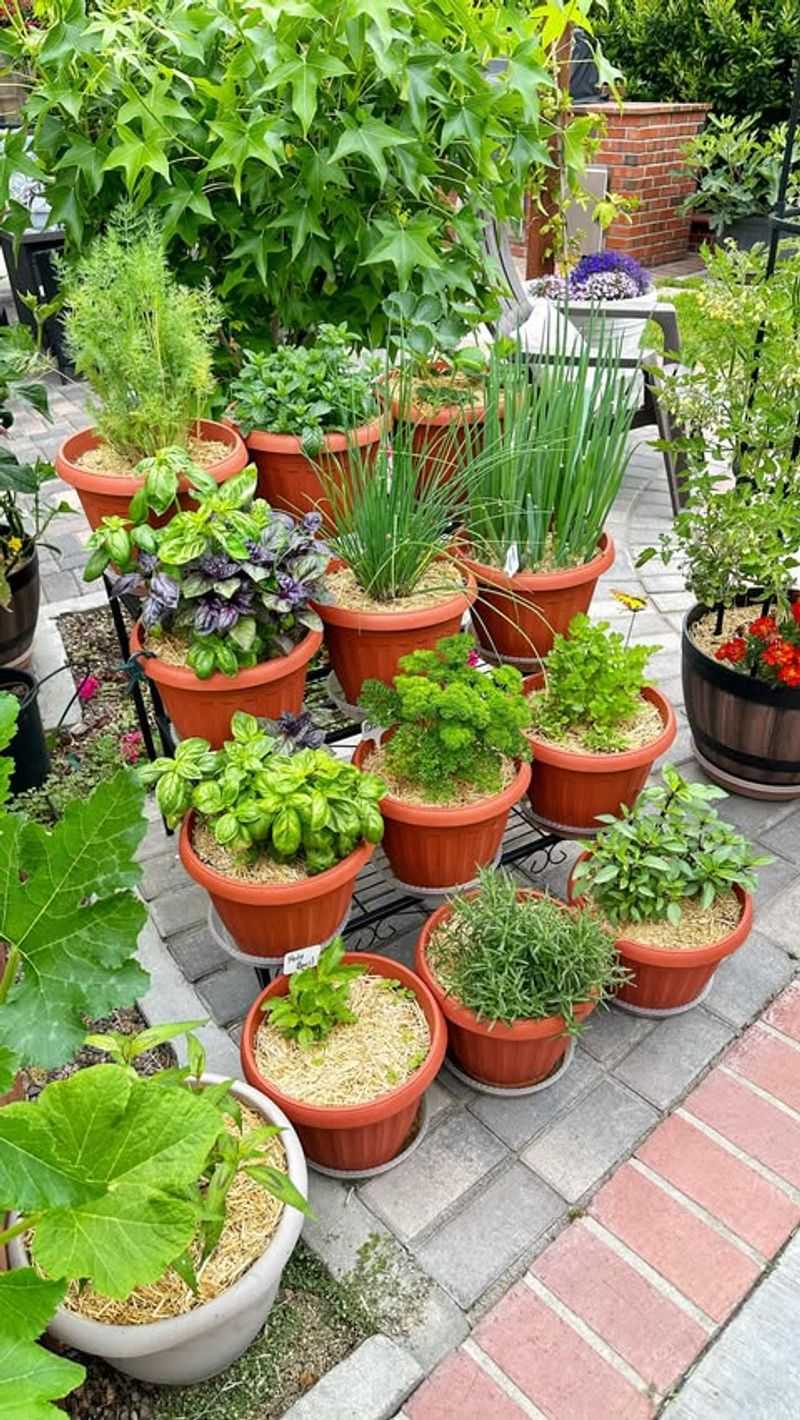
Fresh herbs from the grocery store cost several dollars for a tiny package that wilts within days, yet growing your own provides unlimited harvests for months from a single plant. Container gardening puts these culinary essentials right outside your kitchen door where you’ll actually use them, and the portable nature lets you move plants to optimal locations as Arizona seasons change.
Basil, cilantro, oregano, thyme, and mint all grow beautifully in pots throughout much of the year in Arizona. You can use any container with drainage holes, from actual pots to repurposed buckets, cans, or plastic tubs.
Fill with potting soil, plant your herbs, and place them where they’ll receive appropriate sunlight for each variety.
Containers offer flexibility that in-ground planting can’t match in Arizona’s extreme climate. Move tender herbs like basil into afternoon shade during brutal summer months, or shift cool-season cilantro into full sun during winter.
Group pots together to create microclimates that retain moisture and provide wind protection. When herbs outgrow their containers, divide and replant them or share starts with neighbors.
A small investment in a few herb plants and basic containers provides fresh seasonings year-round, saving money while elevating your home cooking with Arizona-grown flavor.
7. Reuse Household Items As Planters
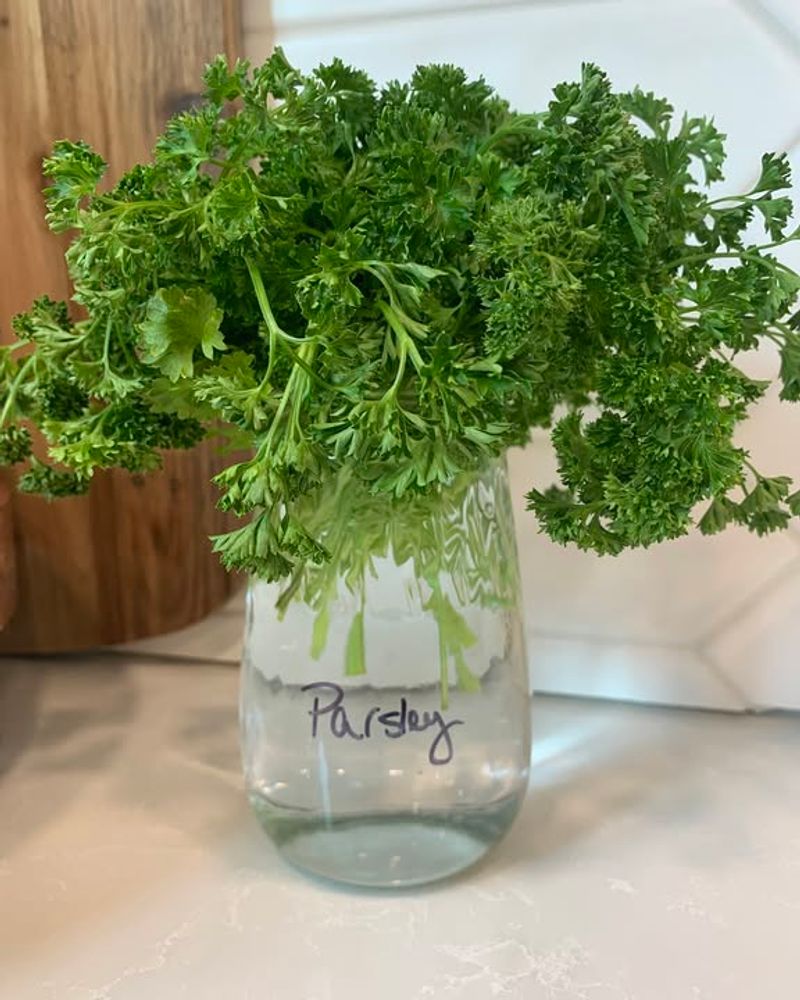
Garden centers often promote matching decorative pots for every plant, but plants depend on proper soil, drainage, and sunlight rather than decorative containers. Any container that holds soil and has drainage can grow food successfully, which means your recycling bin likely contains several items that can be safely repurposed as planters.
This approach saves money while reducing waste headed to Arizona landfills.
Five-gallon buckets from restaurants or hardware stores make excellent planters for tomatoes, peppers, or small squash plants. Drill drainage holes in the bottom, fill with soil, and you’ve got a container that performs as well as expensive pots.
Old coolers with cracked lids, damaged laundry baskets lined with fabric, and even worn-out shoes can all support plant growth with a little creativity.
Plastic food containers, yogurt cups, and milk jugs work perfectly for starting seeds or growing small herbs and lettuces. Coffee cans, soup cans with labels removed, and glass jars add industrial charm while growing compact plants on sunny Arizona windowsills.
The key is ensuring adequate drainage to prevent root rot in our clay-heavy soils. Get creative with what you already have before spending money on conventional planters.
Your plants will thrive just as well, and you’ll have extra cash for seeds or soil amendments instead.
8. Plant In Succession For Continuous Harvests
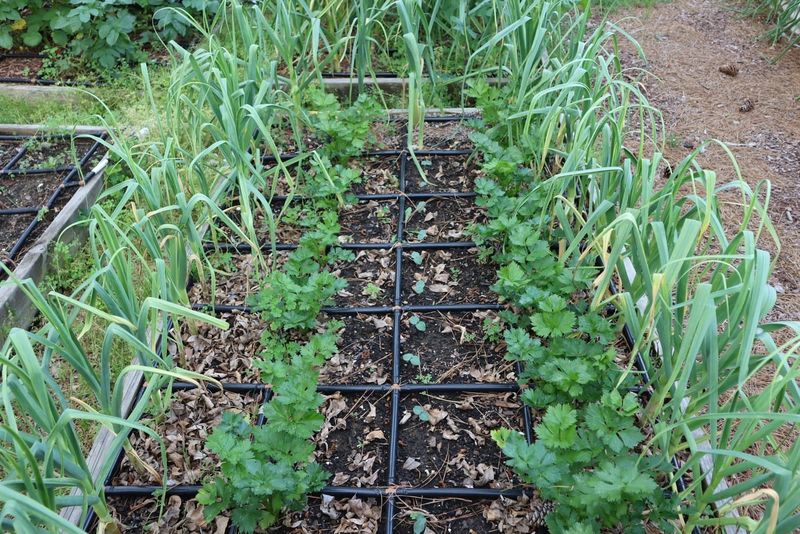
Many beginning gardeners plant their entire seed packet at once, then face either a glut of produce that goes to waste or a disappointing gap with nothing to harvest. Succession planting spreads your harvests across weeks or months, providing steady supplies of fresh vegetables without overwhelming your kitchen.
This technique maximizes productivity from limited space while reducing waste.
Plant small amounts of fast-maturing crops like lettuce, radishes, or bush beans every two weeks throughout their growing season. As you harvest the first planting, the next batch is sizing up, and another is just sprouting.
This creates a continuous conveyor belt of fresh food perfectly suited to Arizona’s extended growing seasons.
In Phoenix, Tucson, and other low-desert areas, you can succession plant cool-season greens from September through February, ensuring salad fixings all winter. During spring, stagger plantings of squash, cucumbers, and beans for harvests from April through June before extreme heat arrives.
This strategy works with your existing seeds and space, requiring no additional investment beyond smart timing.
Mark your calendar with planting dates, and you’ll enjoy consistent harvests that match your family’s eating pace rather than producing more than you can use all at once.
9. Collect Rainwater When Monsoon Season Hits
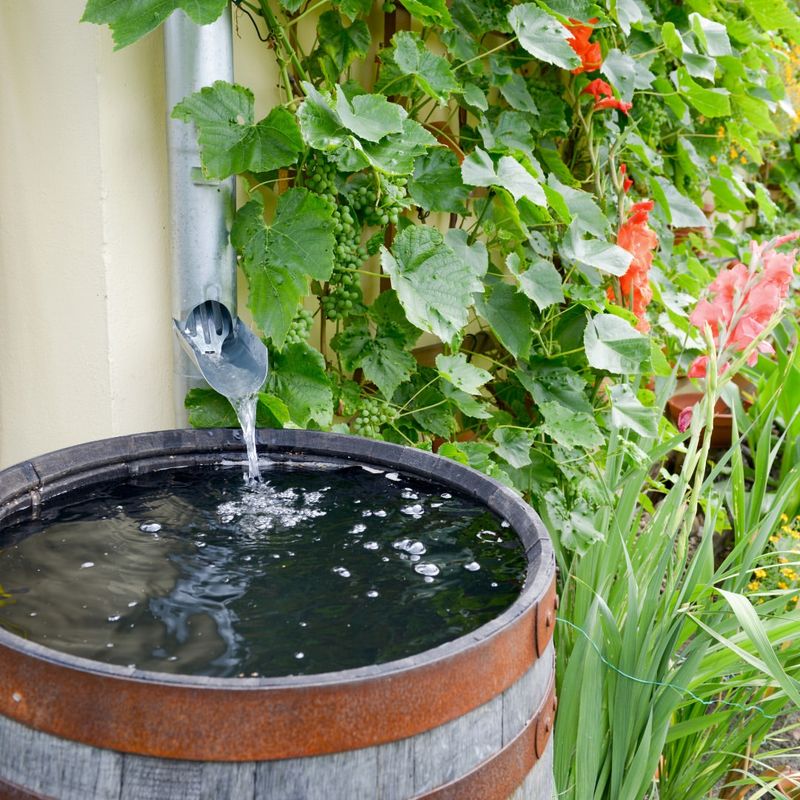
Arizona’s monsoon season dumps impressive amounts of rain in short bursts, and most of that precious water runs off into storm drains instead of benefiting your garden. Capturing even a portion of this free resource can sustain your food garden through dry stretches without touching your municipal water supply.
Rain barrels and simple collection systems pay for themselves quickly in reduced water bills.
A single inch of rain falling on a thousand square feet of roof produces over six hundred gallons of collectible water. Position barrels under downspouts, and they’ll fill rapidly during typical Arizona monsoon storms.
Use this stored water for garden irrigation during the weeks between rain events, stretching your water budget considerably.
You can purchase rain barrels or make your own from food-grade plastic drums available through restaurant suppliers or online classifieds. Add a spigot near the bottom for easy access, cover the top with mesh to prevent mosquito breeding, and elevate slightly for gravity-fed watering.
In areas with monsoon seasons like Phoenix and Tucson, strategic rainwater harvesting can provide a significant portion of your garden’s water needs from July through September.
This captured water is free from chlorine and other treatment chemicals, making it especially beneficial for your Arizona vegetables and soil microorganisms.
10. Swap Seeds With Local Gardeners
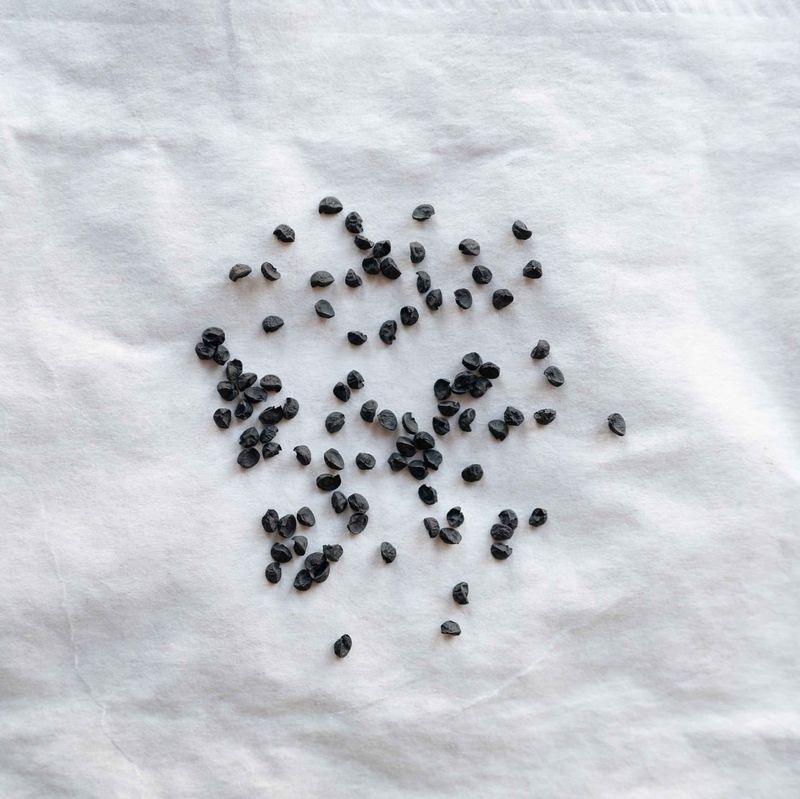
Buying new seed packets every season adds up quickly, especially when you want to try multiple varieties or experiment with new crops. Seed swapping connects you with other Arizona gardeners who have excess seeds from their harvests, letting everyone expand their plant collections without spending money.
These exchanges also help you discover varieties that perform exceptionally well in your specific Arizona microclimate.
Look for seed swap events at local libraries, community gardens, and extension offices throughout Arizona. Phoenix, Tucson, Flagstaff, and smaller communities all host regular swaps where gardeners bring extras to trade.
You can also organize informal exchanges with neighbors or through social media gardening groups focused on your region.
Seeds saved from Arizona-grown plants often outperform commercial varieties because they’ve adapted to local conditions over multiple generations. When you swap with nearby gardeners, you’re getting genetics proven to handle your specific soil, water, and temperature patterns.
Bring seeds you’ve saved from successful plants, or contribute extras from packets you purchased but didn’t use completely. Label your contributions clearly with variety names and growing notes to help fellow gardeners succeed.
This community approach builds connections while building everyone’s seed libraries, creating a more resilient and affordable local food system across Arizona.