Arizona Gardeners’ Beginner’s Guide To Xeriscaping For A Stunning Low-Water Yard
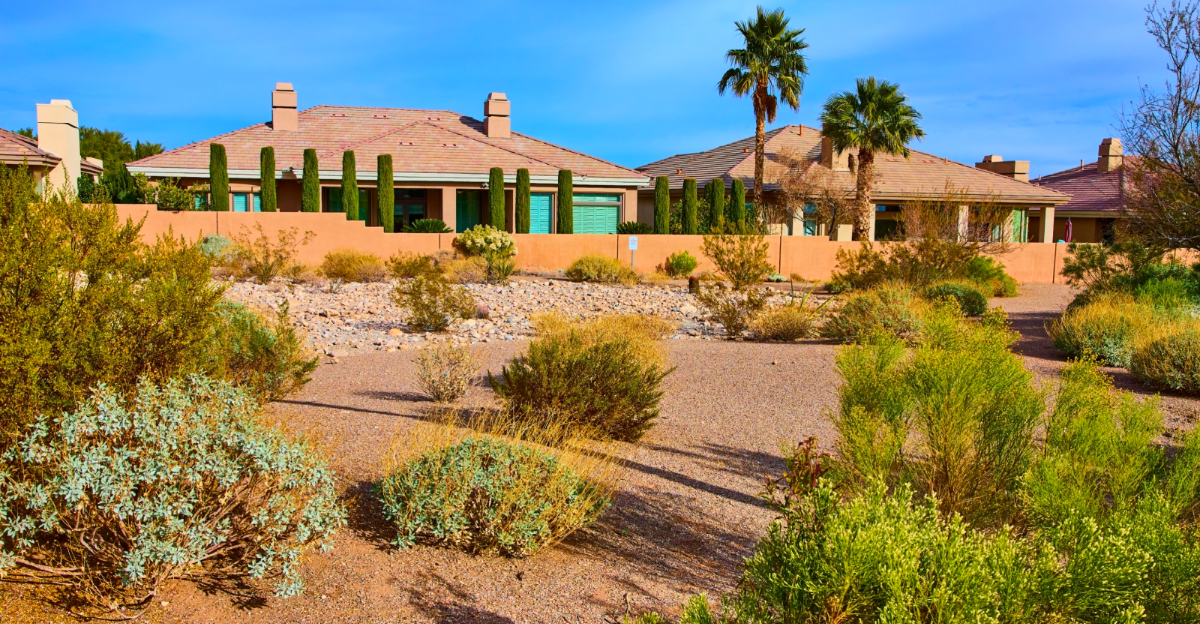
In Arizona, a yard can start feeling stressed long before summer officially arrives. The sun gets intense fast, dry wind strips moisture from the soil, and water bills can climb in a hurry when turf and thirsty plants are part of the plan.
That is exactly why xeriscaping makes so much sense here. It is not about covering everything in gravel and calling it done.
A well-planned xeriscape can be colorful, layered, and full of texture, with shade, blooms, and structure that actually fit Arizona’s climate.
With smart plant choices and a layout that works with the desert instead of against it, a yard can look better, need less water, and feel far more manageable through the hottest months.
1. What Xeriscaping Really Means In Arizona
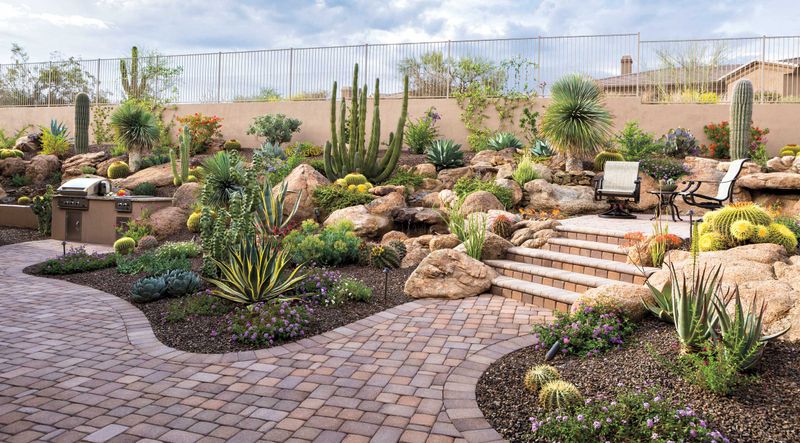
Plenty of Arizona homeowners picture a flat stretch of rocks and a cactus or two when they hear the word xeriscape, but that image sells the concept way short.
The word itself comes from the Greek word “xeros,” meaning dry, and it refers to a full landscaping philosophy built around smart water use rather than just a certain look.
In Arizona’s low desert, that philosophy is especially relevant. The state sits in one of the hottest and driest regions in North America, with many cities receiving fewer than eight inches of rain per year.
Alkaline soils, intense reflected heat from walls and pavement, and seasonal monsoon patterns all shape what works and what struggles in a yard here.
Xeriscaping does not mean removing all plant life. It means choosing plants and design strategies that fit your specific conditions, whether you are in the Sonoran Desert near Phoenix, the high desert around Flagstaff, or somewhere in between.
A good xeriscape can include flowering shrubs, shade trees, ground covers, and even small patches of turf if they are placed thoughtfully.
The goal is a yard that looks cared for and feels welcoming without demanding constant irrigation or expensive upkeep.
2. Start With A Yard Plan Before You Remove Anything
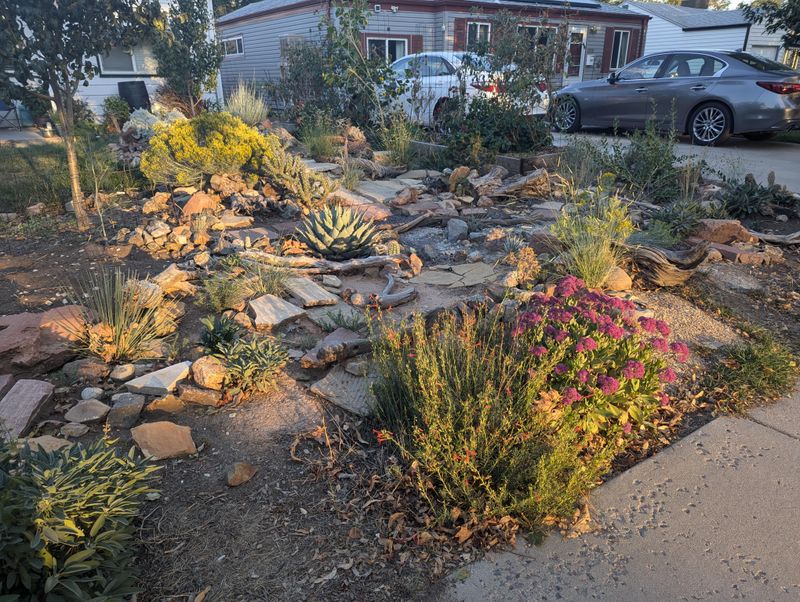
Grabbing a shovel and tearing out your lawn before you have a clear plan is one of the most common beginner mistakes in any yard project, and xeriscaping is no exception.
Arizona yards come with a surprising number of variables that a plan helps you sort out before you spend money on plants or materials.
Start by observing your yard at different times of day.
Note where the sun hits hardest in the afternoon, where water pools after a monsoon rain, where the soil feels compacted, and where existing shade from walls or trees already creates cooler microclimates.
Sketch a rough layout on paper, even a simple one, and mark those zones clearly.
Consider how you actually use your yard. If you want a shaded seating area near the back, that should influence where you plant a canopy tree.
If kids or pets use a side yard, that affects what ground cover makes sense there.
Think about drainage too, since Arizona’s hard-packed caliche soil can cause runoff problems that a graded design can redirect toward plants instead of the street.
A little planning up front saves a lot of rework later and helps your xeriscape look purposeful from day one.
3. Group Plants By Water Needs To Avoid Waste
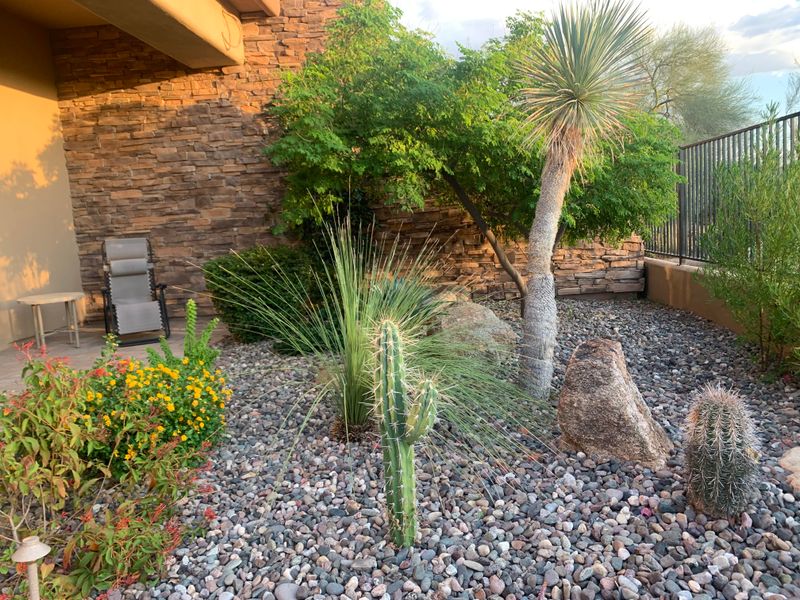
Running one irrigation line through a mix of plants that need very different amounts of water is a setup for frustration. Some plants get too much and develop root problems, while others get too little and slowly decline.
Grouping plants by their water needs, a practice called hydrozoning, solves that problem with a straightforward design approach.
In Arizona, a basic three-zone system works well for most yards. A low-water zone includes true desert natives like brittlebush, desert marigold, and prickly pear that thrive on natural rainfall once established.
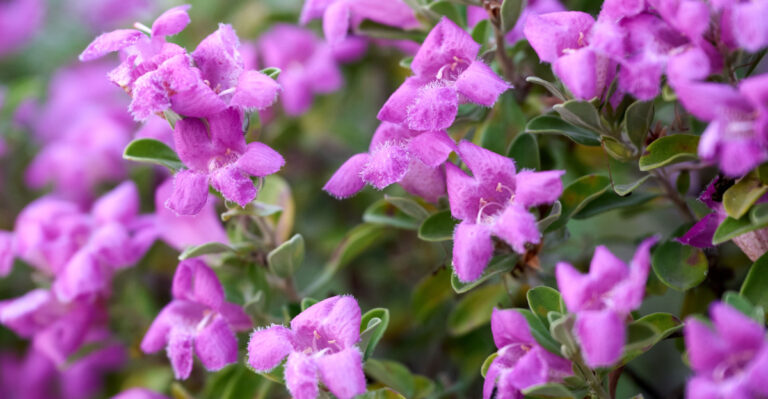
A moderate-water zone might include plants like desert willow, red bird of paradise, or Texas sage that benefit from occasional supplemental irrigation.
A higher-water zone, if you choose to have one, stays small and is placed in a shaded or sheltered spot where water goes further.
Hydrozoning makes irrigation design much simpler because each zone can have its own drip line or valve set to the right schedule. It also makes maintenance easier since you are not trying to remember which plants in a mixed bed need more attention.
Over time, as plants establish their root systems, many low-water zones can be watered even less frequently.
4. Choose Arizona Friendly Plants That Fit Your Space
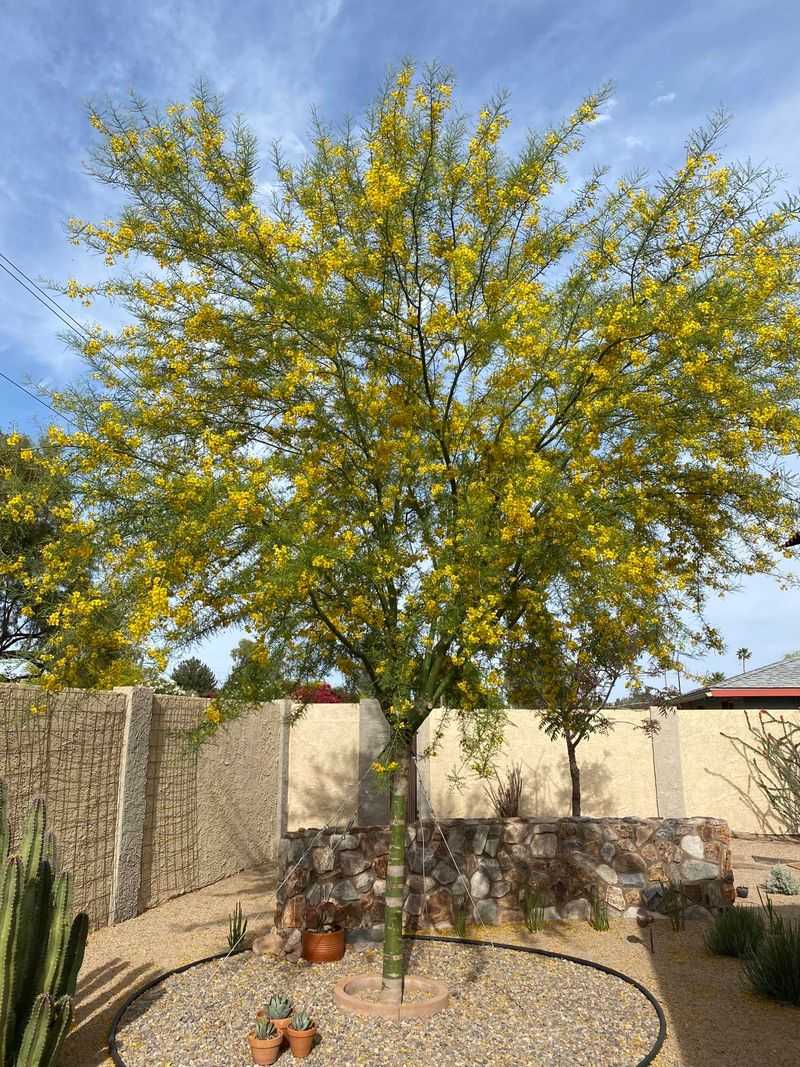
Walking into a nursery without a plant list is a quick way to end up with something that looks great in a pot but struggles in your specific yard.
Arizona has an impressive range of native and adapted plants to choose from, but matching them to your space matters more than picking the most striking option on the shelf.
For trees, palo verde, desert willow, and ironwood are well-suited to low-desert conditions and provide meaningful shade without demanding much water once established. Mesquite trees are hardy and fast-growing but can spread wide, so give them room.
In higher elevation areas like Prescott or Flagstaff, oak species and Apache plume are worth exploring.
For shrubs and ground-level color, red bird of paradise brings vivid orange-red blooms that hummingbirds love. Purple sage, globe mallow, and desert marigold provide seasonal color with minimal fuss.
Agaves and certain cacti work well as structural plants that anchor a design without competing for water.
Pay attention to mature size on plant tags, since a small container plant can become a large shrub that crowds a walkway within a few years. Choosing plants that fit their space at maturity saves pruning time and keeps the yard looking balanced.
5. Use Mulch To Hold Moisture And Protect Soil
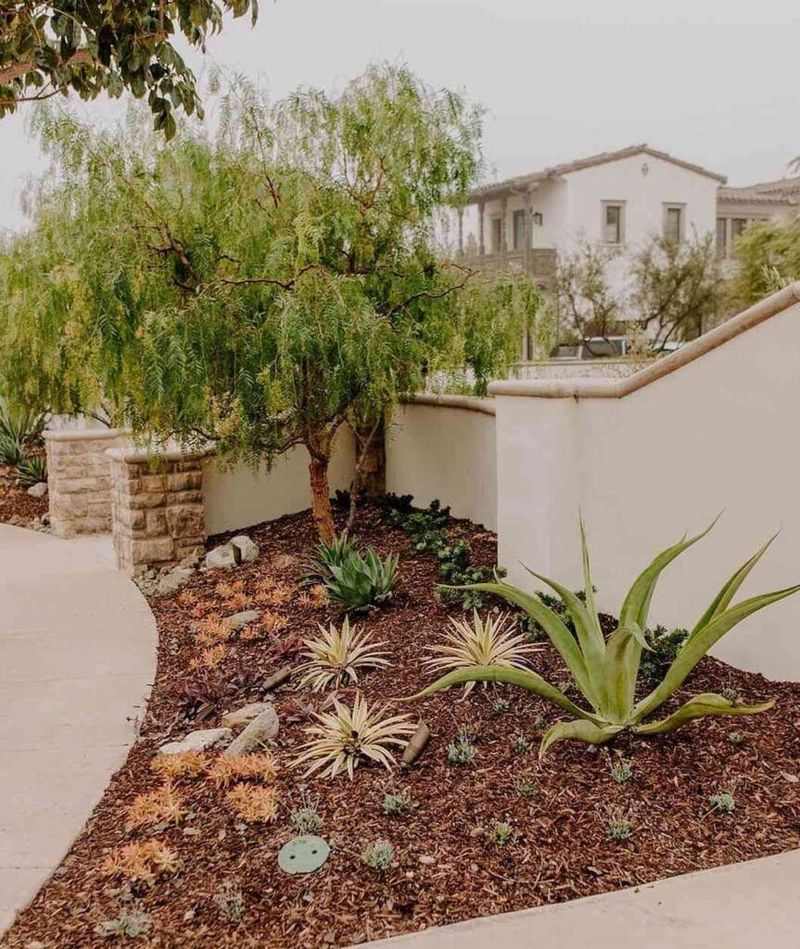
Arizona soil loses moisture fast. Between intense sun, low humidity, and dry seasonal winds, bare soil around your plants can dry out surprisingly quickly even after a good watering.
Mulch acts as a buffer between the soil surface and the air above it, slowing evaporation and helping roots stay in a more stable moisture environment.
Organic mulches like shredded wood chips or bark are worth using around trees and shrubs because they break down gradually and add organic matter to Arizona’s often nutrient-poor soils.
A layer two to four inches deep is generally effective.
Avoid piling mulch directly against plant stems or tree trunks, since that can trap moisture in a way that leads to rot or pest problems at the base.
Decomposed granite is a popular choice in Arizona yards and works well as a surface material for paths and open areas, but it does not improve soil the way organic mulch does. For planting beds, organic mulch tends to benefit plant health more over time.
Refreshing organic mulch once a year, typically in spring before the hottest months arrive, helps maintain its effectiveness.
6. Replace Spray Irrigation With A Smarter Drip Setup
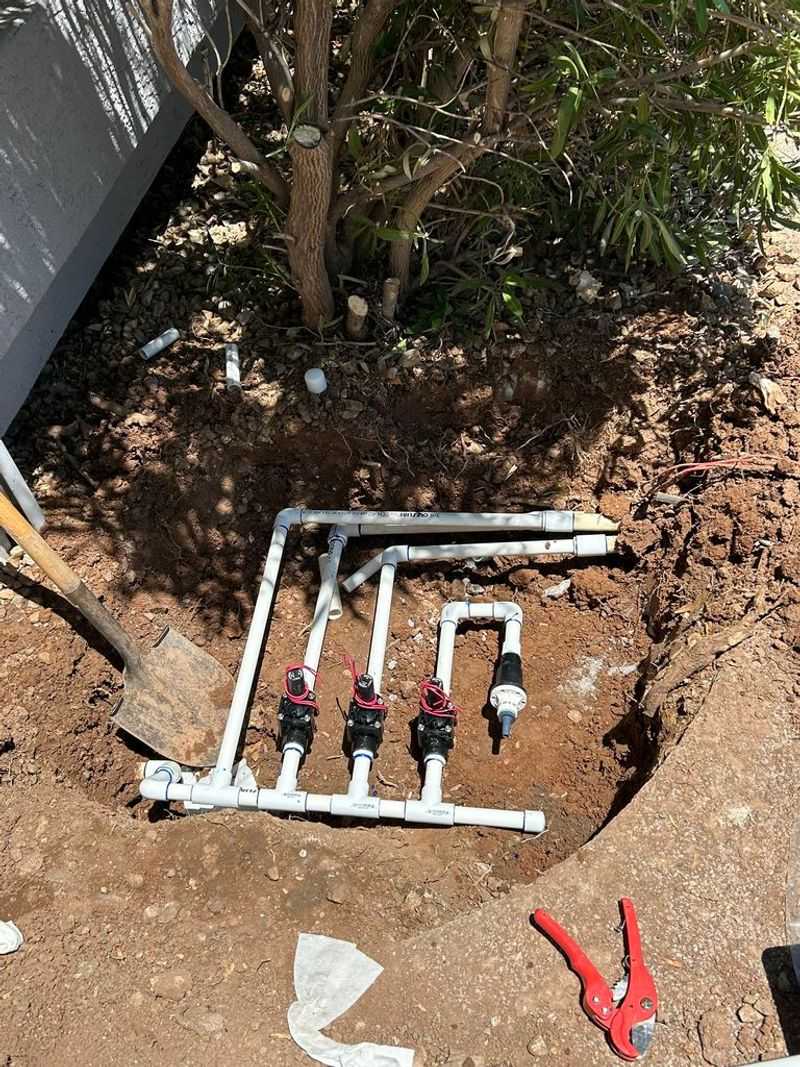
Spray heads might seem like the easy irrigation choice, but in Arizona they come with real drawbacks.
Water sprayed into the air during the day evaporates quickly in the heat, and spray patterns often water pavement, walls, and gravel just as much as the plants themselves.
Drip irrigation sidesteps both of those problems by delivering water slowly and directly to the root zone of each plant.
A basic drip system uses flexible tubing, small emitters, and a timer to deliver measured amounts of water right where it is needed. Emitter flow rates are matched to each plant’s needs, so a large tree gets more volume than a small shrub.
This setup also encourages deeper root growth, which helps plants become more drought-resilient over time.
Installing a drip system is more manageable than many beginners expect. Starter kits are widely available, and the tubing can be adjusted or expanded as your plant layout evolves.
Running the system during early morning hours reduces evaporation loss and gives water time to soak in before afternoon heat peaks. Check emitters seasonally for clogs, since Arizona’s hard water can leave mineral deposits that reduce flow.
7. Add Shade In The Right Places For More Comfort
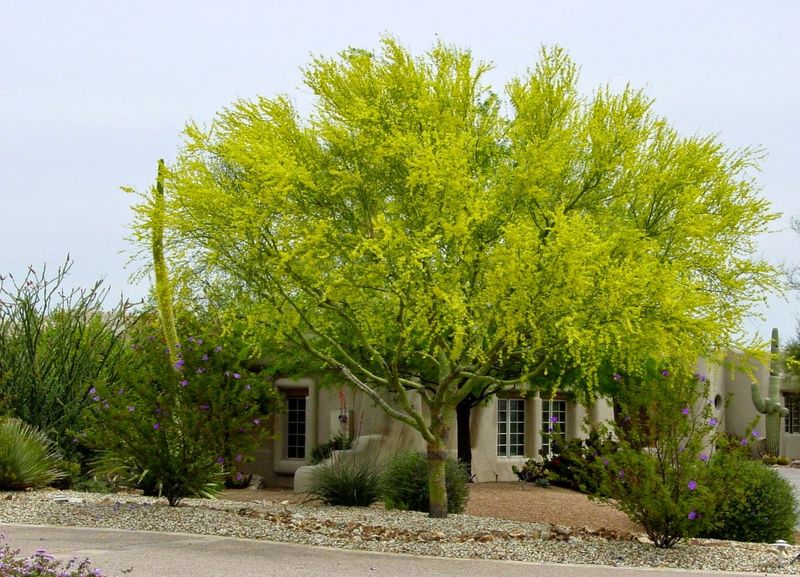
Anyone who has spent time in an Arizona yard in July knows how quickly a space becomes unusable without shade.
Afternoon temperatures regularly exceed 110 degrees Fahrenheit in the low desert, and the radiant heat from concrete, walls, and gravel can make a yard feel even hotter than the air temperature reading suggests.
Strategically placed shade trees do more than make outdoor time more comfortable.
They can meaningfully reduce the temperature of nearby soil, lower water demand for plants growing beneath them, and even help cool an adjacent building when positioned on the west or south side.
Palo verde and mesquite trees are popular choices because they grow relatively quickly, provide filtered shade rather than dense canopy shade, and drop their leaves during cooler months when you want sunlight instead.
Shade structures like pergolas, shade sails, or ramadas can supplement tree coverage in areas where planting is not practical.
Combining a shade structure with climbing plants like desert honeysuckle or queen’s wreath adds greenery without a large water footprint.
When planning shade placement, consider the sun’s angle in summer versus winter so you are not blocking warmth during months when you want it.
8. Cut Back On Turf Where It Costs The Most Water
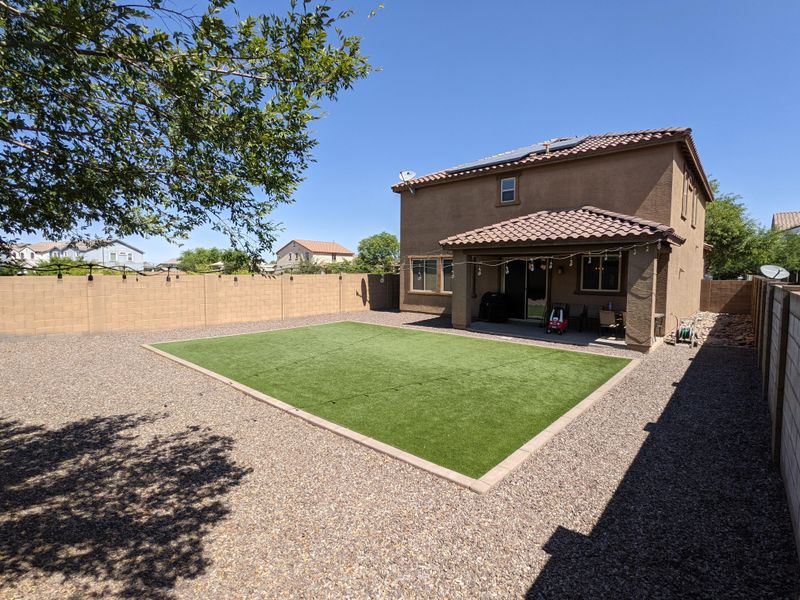
Traditional cool-season grass like ryegrass or tall fescue can use more water per square foot than almost any other element in an Arizona yard, and in a state where water costs and supply concerns continue to grow, large turf areas are increasingly hard to justify.
The good news is that you do not have to eliminate every blade of grass to make a real difference.
Start by identifying which turf areas actually get used. A strip of lawn between the sidewalk and the street, for example, rarely serves a functional purpose but still demands irrigation, mowing, and fertilizer throughout the year.
Replacing that strip with low-water ground covers, native shrubs, or decomposed granite can reduce your yard’s total water use noticeably.
Many Arizona municipalities offer rebate programs for turf removal, so it is worth checking with your local utility before starting a conversion project.
When replacing turf, take time to prepare the soil properly rather than just laying gravel over the top of existing grass, which tends to create drainage and weed problems later.
If you want to keep some lawn for kids or pets, consider warm-season grasses like Bermuda, which go dormant in winter and use significantly less water than overseeded cool-season alternatives.
9. Use Rock, Gravel, And Boulders Without Overdoing It
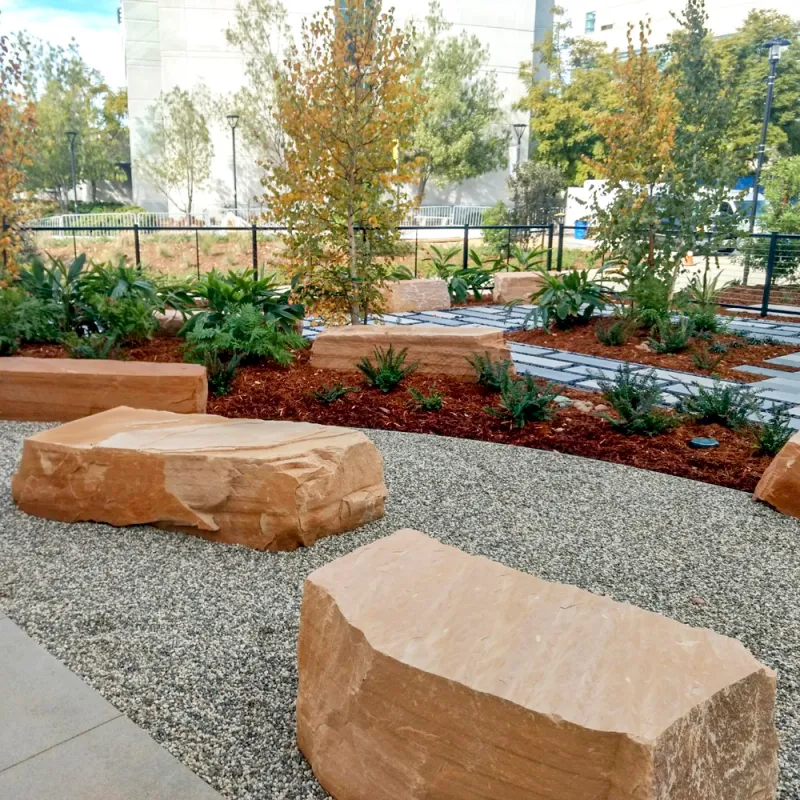
Rock and gravel have become so associated with Arizona yards that some neighborhoods look more like parking lots than gardens. Used thoughtfully, these materials serve real purposes.
Decomposed granite works well as a ground cover in open areas, suppresses weeds when installed over landscape fabric, and gives a yard a clean, finished look.
Boulders can anchor a design, define a planting bed, or create visual weight that balances the softness of plants.
The trouble starts when rock becomes the entire yard. A landscape of nothing but gravel and rock actually absorbs and radiates heat intensely, which can raise the temperature around your home and stress nearby plants.
Without vegetation to provide evapotranspiration, a rock-heavy yard can feel more like a heat sink than a comfortable outdoor space during Arizona summers.
A more balanced approach layers rock with plants so neither dominates. Use larger boulders as focal points rather than filling every open space with them.
Vary the size and color of gravel to add visual texture, and leave enough planting area for shrubs and ground covers to soften the hardscape over time.
Natural-looking boulder arrangements tend to feel more intentional than rows of matching stones.
10. Build A Yard That Looks Full, Colorful, And Easy To Maintain
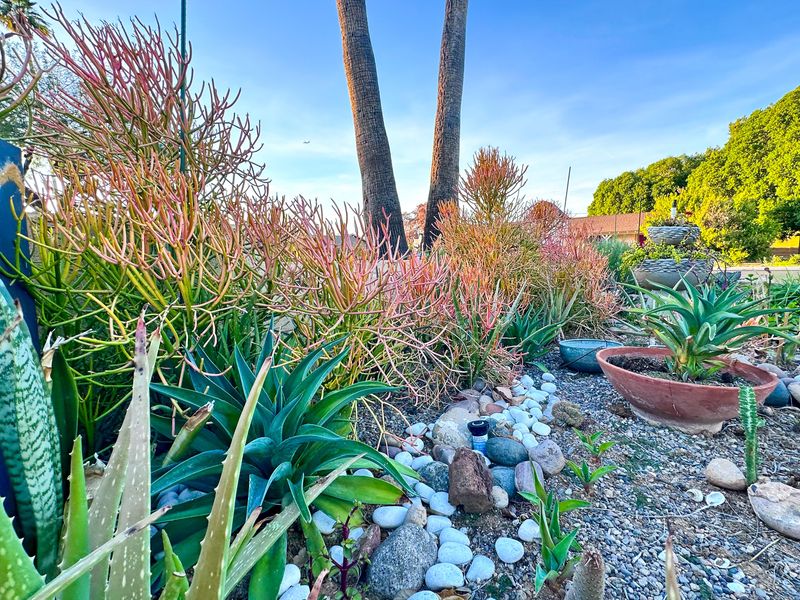
One of the most rewarding surprises for Arizona beginners is discovering how much color and texture a well-designed xeriscape can deliver across different seasons. Spring brings yellow palo verde blooms and orange globe mallow.
Summer monsoons trigger a flush of new growth. Fall and winter reveal the structural beauty of agaves, cacti, and ornamental grasses that keep the yard looking alive even when temperatures drop.
Layering plants by height is a simple design trick that makes a yard feel full without overcrowding.
Taller trees in the back or corners, mid-height shrubs in the middle, and low ground covers or spreading plants at the edges create a sense of depth that a flat gravel yard simply cannot match.
Adding a few plants with contrasting leaf textures, like the fine needles of an ocotillo next to the broad paddles of a prickly pear, gives the eye something interesting to move across.
Maintenance in a mature xeriscape is genuinely lighter than lawn care. Most desert-adapted plants need pruning once or twice a year, and irrigation schedules can often be reduced significantly after the first two establishment seasons.
Keeping a simple seasonal checklist for pruning, mulch refreshing, and irrigation checks makes the whole system easier to manage.