Arizona Gardeners Can Prune Clematis Successfully With This Beginner Guide
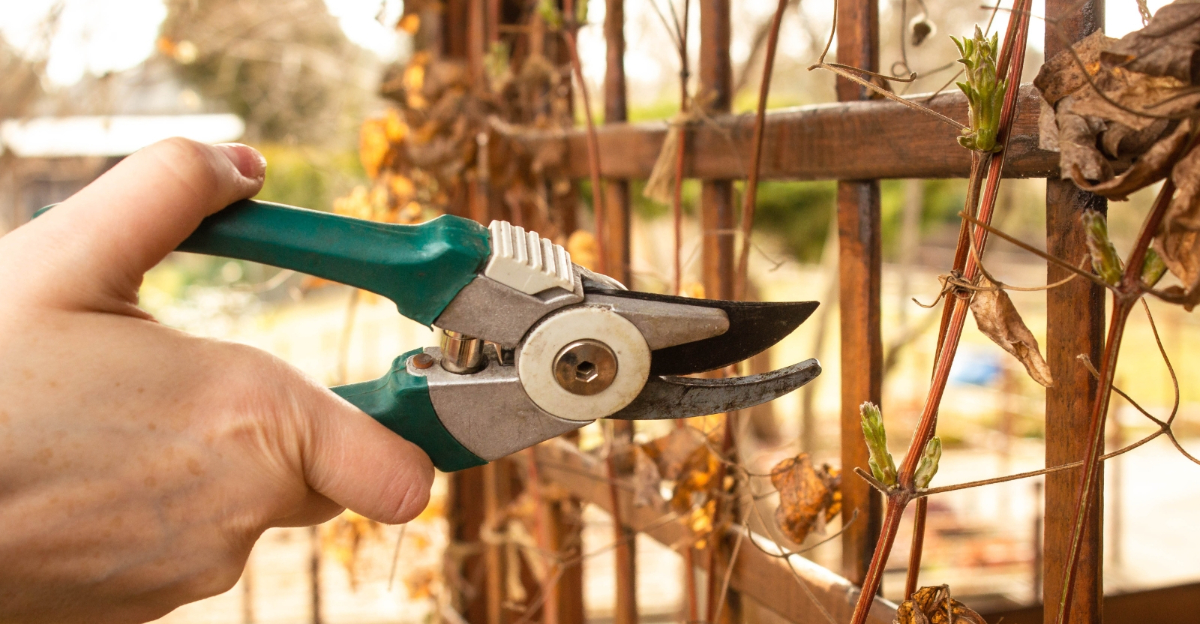
Pruning clematis in Arizona can feel intimidating at first, especially when the plant’s growth looks fast, tangled, and unpredictable.
The heat, sun exposure, and long growing season change how clematis behaves compared to cooler regions.
Many gardeners worry that one wrong cut will stop blooms entirely or damage the vine for the season.
What makes pruning confusing is that clematis responds very differently depending on timing and variety.
Arizona conditions often push vines to grow aggressively, which makes regular pruning more important than optional.
When pruning is done correctly, clematis becomes stronger, more balanced, and far more reliable in bloom. Understanding a few basics removes the guesswork and replaces hesitation with confidence.
Instead of fighting the plant, pruning helps guide growth in a way that works with Arizona’s climate.
With the right approach, even beginners can keep clematis healthy, controlled, and full of flowers.
1. Identify The Clematis Type Before Cutting

Every clematis variety has its own personality when it comes to pruning needs. Some bloom on old wood from last year, while others flower on fresh growth from the current season.
A third group produces flowers on both old and new stems during the growing season.
Getting this identification right makes all the difference in how many blooms you’ll see next season.
Arizona gardeners often grow varieties suited to our warmer zones, which typically include heat-tolerant cultivars. Check the plant tag or look up your specific variety online to determine its pruning group.
This simple research step prevents accidentally cutting off next season’s flower buds.
Most garden centers in Arizona can help identify which type you have if you bring a photo.
Group 1 clematis need minimal pruning and bloom early on old stems. Group 2 varieties flower twice and require light trimming.
Group 3 types bloom late on new growth and can handle more aggressive cutting. Knowing your plant’s group number guides every decision you make with your pruners.
Desert conditions don’t change these fundamental categories, but they do affect timing. Arizona’s mild winters mean some varieties behave slightly differently than they would in colder regions.
Taking time to identify your clematis type first saves frustration and protects future blooms from being accidentally removed.
2. Match Pruning Time To Arizona’s Climate
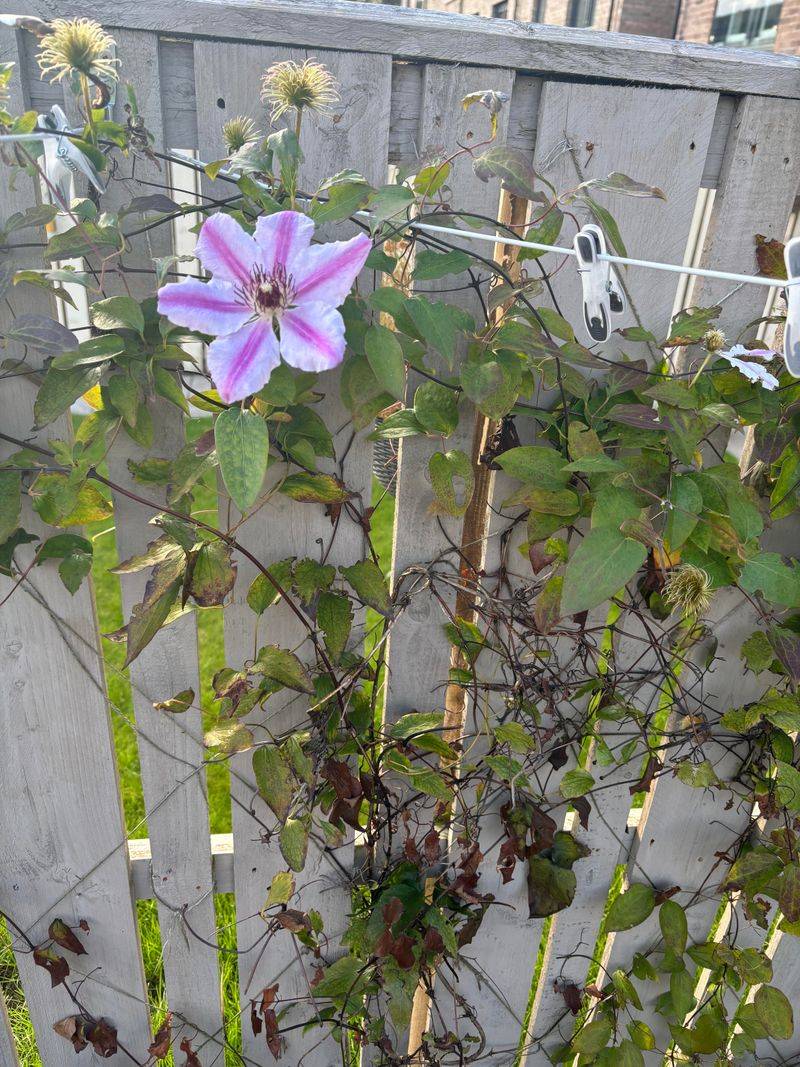
Timing your cuts according to local weather patterns keeps clematis plants thriving in the desert. Traditional pruning schedules written for cooler climates don’t always translate well to Arizona’s conditions.
Our state experiences mild winters and scorching summers that shift the ideal maintenance windows. Paying attention to temperature patterns helps you choose the perfect moment to prune.
Late winter works well for most Arizona clematis varieties, usually between January and early March.
Plants are dormant during this period, which reduces stress from cutting.
Spring-blooming types should wait until right after their flowers fade to avoid losing the current season’s display. Summer heat in Arizona makes pruning during June through August risky for plant health.
Fall pruning can work for some varieties, especially those that bloom on new wood.
Cooler September and October temperatures in many Arizona regions create favorable conditions for trimming. Avoid pruning too late in fall when plants start preparing for winter dormancy.
Local microclimates across Arizona mean timing varies between Phoenix, Tucson, Flagstaff, and other areas. Mountain communities might prune later than desert valleys due to elevation differences.
Observing your specific location’s weather helps you adapt general guidelines to your exact situation. Matching your pruning schedule to Arizona’s unique seasons protects plants from temperature extremes while encouraging healthy new growth.
3. Prune Lightly The First Year

Newly planted clematis need gentle treatment while establishing their root systems.
Heavy cutting during the first year can set back growth and delay flowering for seasons to come.
Young plants focus energy on developing strong roots rather than producing lots of top growth. Patience during this establishment phase pays off with vigorous vines later.
Arizona’s intense sun and dry air already stress new transplants, so minimal pruning reduces additional strain. Remove only damaged or obviously weak stems during the first growing season.
Light shaping helps guide the vine onto supports without overwhelming the developing plant.
Focus on training rather than aggressive cutting during these early months.
First-year plants benefit from consistent watering and protection from extreme heat more than they need pruning. Allow the clematis to grow naturally and establish its structure before implementing regular maintenance schedules.
Some gardeners in Arizona wait until the second spring before doing any significant trimming. This approach lets roots spread deep and wide, which improves drought tolerance over time.
Young vines might look a bit wild during their first season, but that natural growth builds strength. Resist the urge to shape them into perfection immediately.
Arizona conditions require plants to develop robust root systems before supporting heavy top growth. Gentle treatment during year one creates a foundation for beautiful blooms in following seasons.
4. Cut Back Dead Or Weak Growth First

Starting with obviously damaged material makes the rest of your pruning decisions clearer. Dead stems don’t contribute anything to the plant and can harbor pests or diseases.
Weak, spindly growth rarely produces quality flowers and drains energy from healthier parts.
Removing these problem areas first improves air circulation and directs resources where they matter most.
Arizona’s harsh summer sun can sometimes cause tip damage or stress on exposed stems that needs attention.
Brown, brittle stems snap easily and should be cut back to healthy green tissue. Look for stems that feel hollow or show discoloration, which indicates problems.
Cutting these away prevents issues from spreading to vigorous parts of the vine.
Weak growth often appears as thin stems that can’t support themselves or produce normal-sized leaves. These spindly sections compete for water and nutrients without contributing much to the overall display.
Removing them concentrates the plant’s energy into stronger stems that will bloom better.
Arizona gardeners should check for damage after particularly hot spells or cold snaps.
Temperature extremes can cause localized problems that need trimming. Use clean cuts just above a healthy bud or node when removing damaged sections.
This encourages new growth to emerge from strong tissue. Prioritizing dead and weak stem removal creates a cleaner canvas for making additional pruning decisions.
Your clematis in Arizona will respond with more vigorous growth when problem areas are eliminated first.
5. Leave Strong Buds Intact
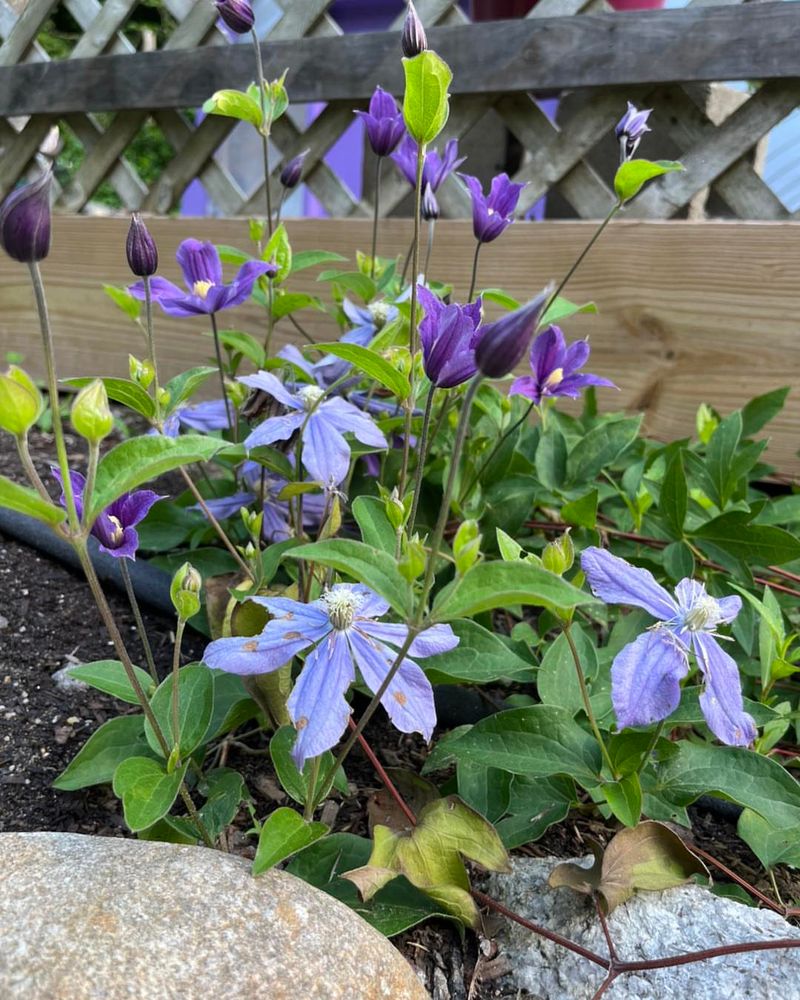
Healthy buds represent next season’s flowers and new growth potential. Recognizing which buds look vigorous helps you avoid accidentally removing them during pruning.
Plump, firm buds that show green tissue underneath signal good health and future blooms. Protecting these growth points ensures your clematis continues producing beautiful flowers.
Arizona clematis often develop buds earlier than varieties in colder climates due to our mild winters.
Check stems carefully for swelling buds before making any cuts.
Position your pruners just above strong bud nodes rather than cutting randomly along stems. This technique encourages branching from healthy points and maximizes flower production.
Weak or shriveled buds probably won’t develop into quality growth, so removing stems with poor buds makes sense. Look for pairs of buds that appear symmetrical and well-formed on opposite sides of stems.
These paired buds typically produce the strongest new shoots.
Single buds or irregularly spaced ones might indicate stressed areas of the plant. Arizona’s temperature swings can affect bud development, making some more viable than others.
Inspect your clematis carefully rather than rushing through the pruning process.
Taking time to identify and preserve the best buds leads to fuller, more floriferous vines.
Counting the buds you’re leaving behind helps ensure adequate flowering potential remains.
Strategic pruning in Arizona gardens means working with the plant’s natural growth patterns rather than fighting them.
6. Avoid Heavy Pruning In Extreme Heat
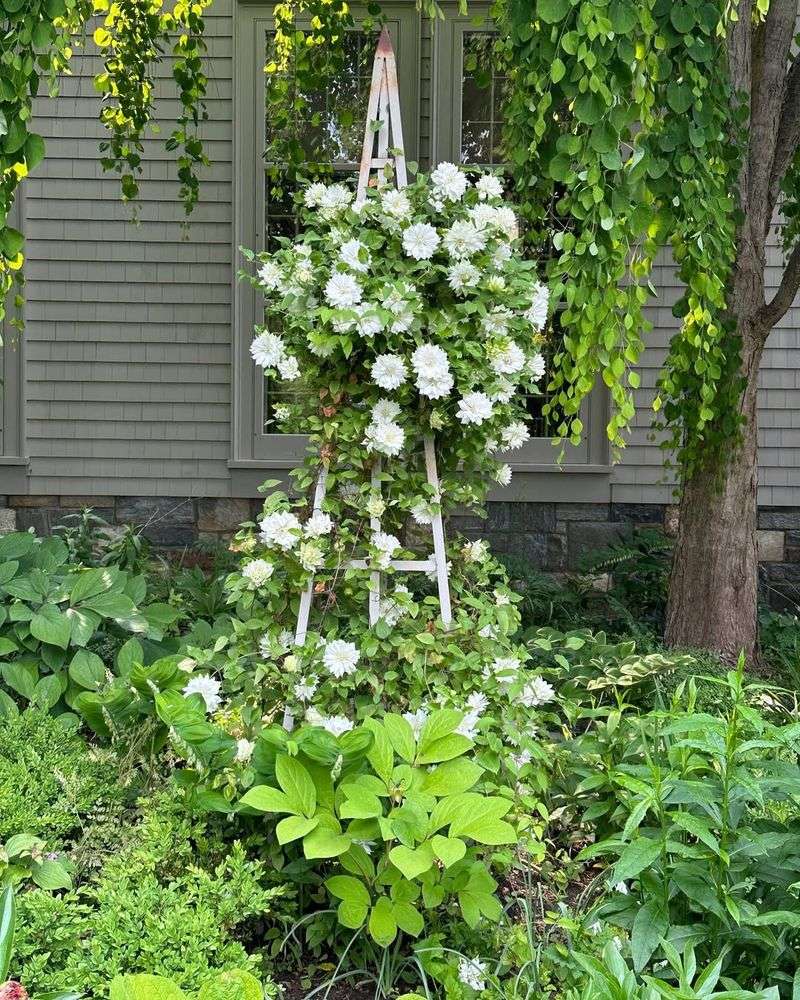
Cutting clematis during Arizona’s hottest months creates unnecessary stress on already challenged plants. Summer temperatures frequently exceed 100 degrees in many parts of the state, pushing vines to their limits.
Major pruning during these periods forces plants to produce new growth when conditions least favor it. Fresh cuts also lose moisture rapidly in low humidity, which can stress the plant and damage exposed stems.
Plants struggle to heal wounds when temperatures soar and water evaporates quickly from cut surfaces. Arizona summers demand that clematis conserve energy rather than invest in recovery from heavy trimming.
Light deadheading of spent flowers remains acceptable, but significant structural pruning should wait.
Even removing multiple stems during extreme heat can set back the plant’s overall health.
Wait for cooler weather before tackling any major pruning projects on your clematis.
Early morning sessions during milder days reduce heat stress if you must do some trimming. Providing extra water after any summer cuts helps plants cope with the additional challenge.
Arizona’s monsoon season brings humidity but also intense afternoon heat that complicates healing. Plan significant pruning for times when temperatures moderate and plants can recover more easily.
Fall and late winter offer much better conditions for major maintenance work.
Respecting your clematis’s need for stability during extreme heat prevents problems that can take seasons to fix.
7. Use Clean Sharp Pruners
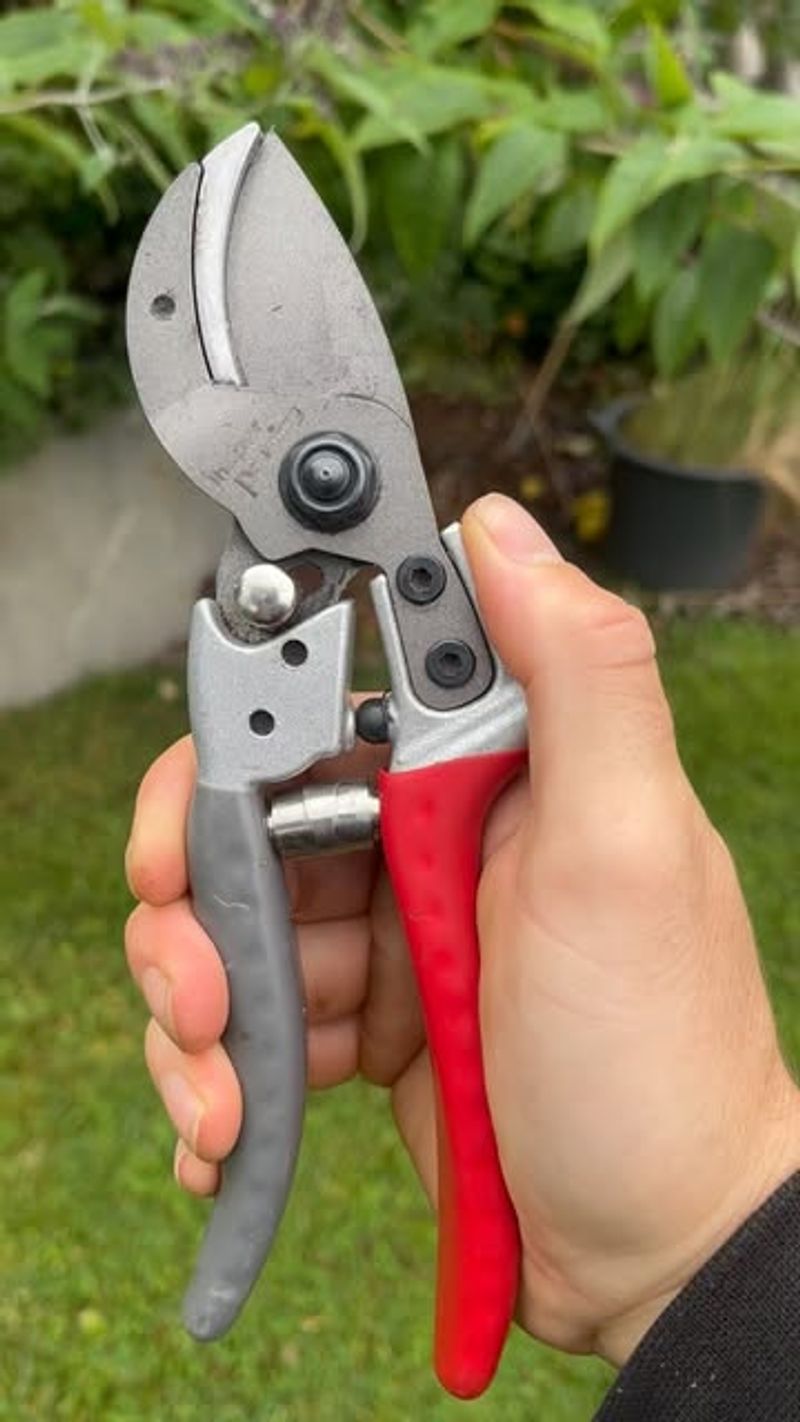
Quality tools make pruning easier and healthier for your clematis vines. Sharp blades create clean cuts that heal quickly, while dull pruners crush stems and invite disease.
Crushed tissue takes longer to recover and provides entry points for pests and pathogens. Investing in good pruners and maintaining them properly protects your Arizona garden investment.
Clean your pruning tools with rubbing alcohol or a bleach solution before working on clematis.
This simple step prevents spreading diseases between plants or even between different parts of the same vine.
Arizona’s dry climate reduces some disease pressure, but contaminated tools still cause problems. Wipe blades between cuts when removing diseased material to avoid transferring issues to healthy stems.
Bypass pruners work better than anvil types for clematis because they make cleaner cuts.
Keep blades sharp by having them professionally sharpened or using a sharpening stone regularly.
Dull tools require more pressure, which increases the chance of accidentally damaging stems you want to keep. Test your pruners on a piece of paper before starting work—they should cut cleanly without tearing.
Arizona gardeners should also check tools for rust, which can develop even in dry climates when tools are stored improperly. Oiling moving parts keeps pruners functioning smoothly throughout the season.
Taking care of your tools means taking care of your plants, since each cut affects the vine’s health and future growth potential.
8. Support New Growth After Pruning
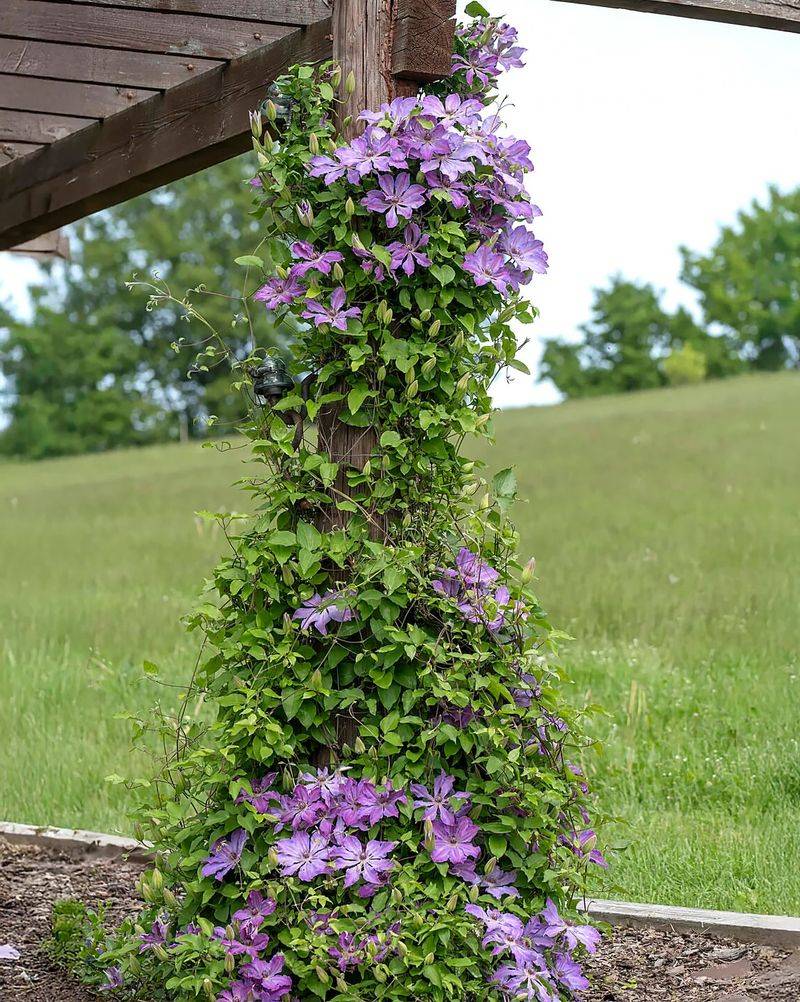
Fresh shoots emerging after pruning need guidance to grow in the right direction. Clematis vines naturally want to climb, but they need help finding their way onto supports.
Arizona’s occasional strong winds can damage tender new growth if it’s not secured properly.
Providing support structures and gently training new stems prevents breakage and creates attractive displays.
Check your clematis weekly after pruning to catch new growth while stems are still flexible.
Young shoots bend easily and can be guided onto trellises, arbors, or other supports without damage. Waiting too long allows stems to harden in unwanted directions, making training difficult.
Use soft ties or plant clips rather than wire, which can cut into growing stems.
Arizona’s intense sunlight sometimes requires providing temporary shade for the newest, most tender growth. A shade cloth or strategically placed companion plant protects delicate shoots during their vulnerable early stages.
Make sure support structures are sturdy enough to handle mature vine weight when fully grown. Clematis can become quite heavy when covered in foliage and flowers.
Spacing new growth evenly across supports improves air circulation and reduces disease risk in Arizona’s variable humidity.
Training stems horizontally rather than only vertically often encourages more flowering along the length of the vine. Regular attention to new growth direction creates fuller, more attractive plants.
Supporting your clematis properly after pruning in Arizona ensures all your careful cutting pays off with beautiful results.
9. Watch How The Plant Responds Before Pruning Again
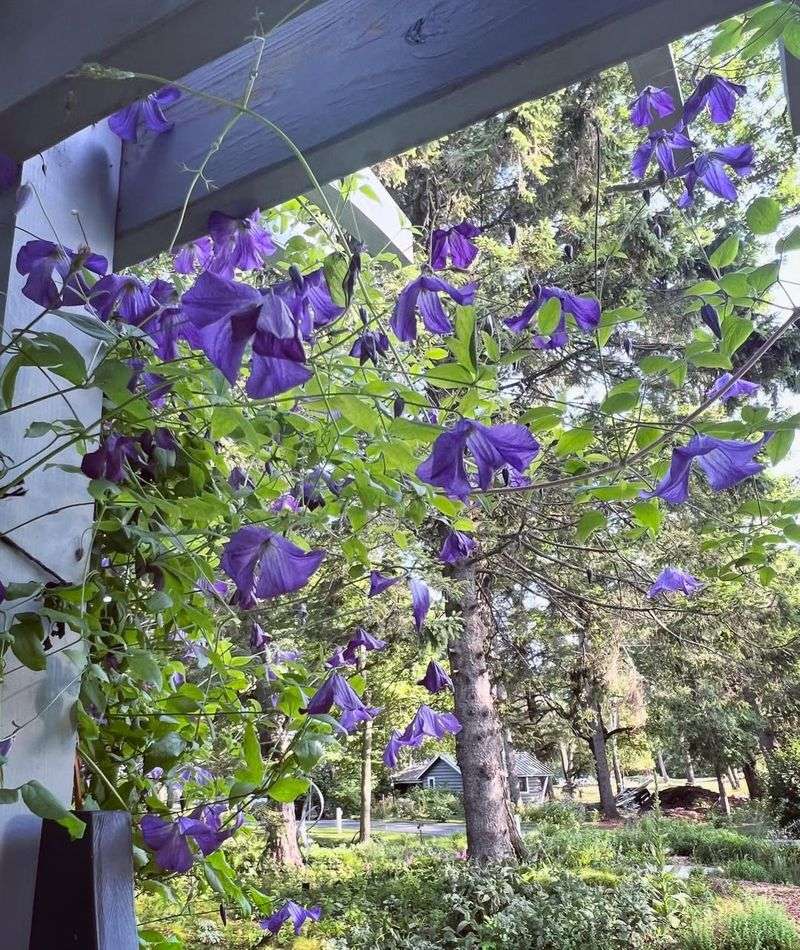
Observing your clematis after pruning teaches you what works best for your specific plant and location. Each variety responds slightly differently to cutting, and Arizona’s unique conditions add another variable.
Taking notes about what you pruned and how the plant reacted helps refine your technique over time. Patient observation beats guessing when it comes to developing successful maintenance routines.
Notice which cuts produced the most vigorous new growth and which areas seemed slow to recover.
Some stems might generate multiple new shoots, while others produce only one or none. This feedback guides future pruning decisions and helps you understand your plant’s growth patterns.
Arizona gardeners should also note how timing affected results, since our climate differs from standard growing guides.
Watch for changes in flowering quantity and quality after different pruning approaches. More flowers might appear, or blooms might be larger but fewer in number.
Both outcomes provide valuable information about your clematis’s preferences.
Check whether the plant’s overall shape improved or if adjustments are needed in future sessions. Arizona’s growing season allows for observation over many months, giving you plenty of data to work with.
Resist the urge to prune again too quickly if results aren’t immediately obvious. Plants need time to show their full response to your maintenance efforts.
Keeping a simple garden journal helps track what you did and when, making patterns easier to recognize over multiple seasons.