Arizona Gardening Tips To Help You Grow Strong Herbs In 2026
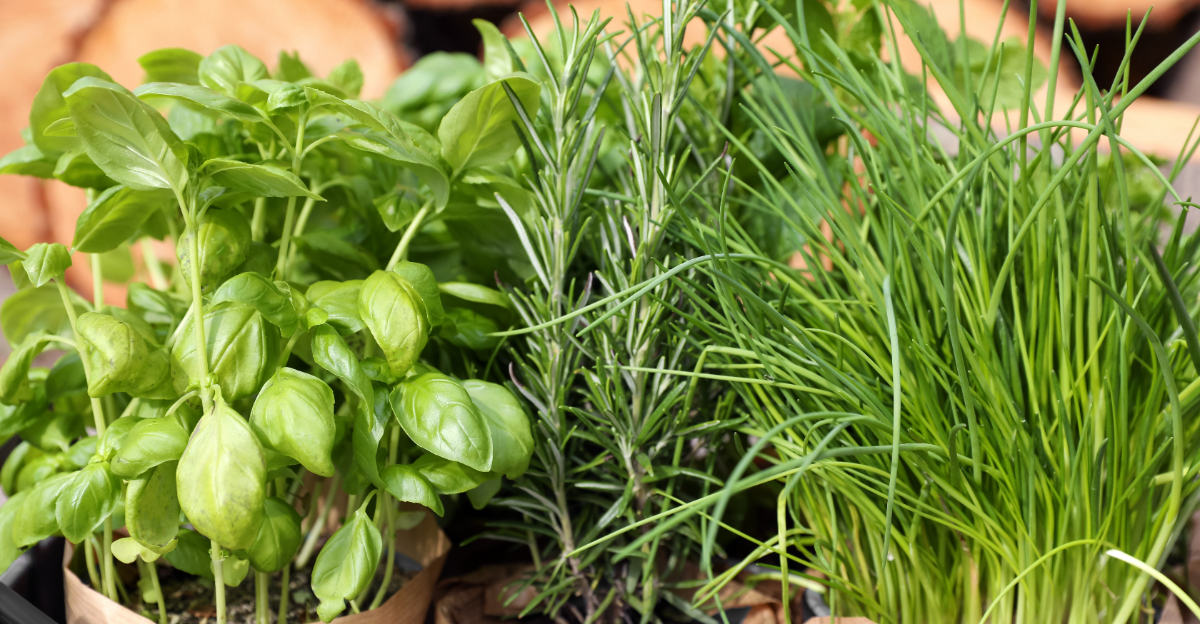
Are your herbs growing in Arizona, but never quite reaching that strong, full look you expect? They survive, they stay green, yet something always feels slightly underwhelming.
Arizona’s climate rewards good timing more than constant effort, and herbs are especially sensitive to that balance. Light intensity, heat buildup, and watering patterns all shape how well herbs develop over time.
Small choices made early can influence how sturdy plants become and how well they hold up through the year ahead.
Growing strong herbs isn’t about adding more steps or following strict routines. It’s about understanding how Arizona conditions affect growth and adjusting with intention.
When herbs are set up the right way, they establish more evenly, handle stress better, and stay productive without feeling like a constant project throughout the season.
1. Start Herbs During Arizona’s Cooler Planting Windows
Timing matters tremendously when establishing herbs in Arizona’s challenging climate. Planting during the scorching summer months puts unnecessary stress on young plants that haven’t developed strong root systems yet.
Most herbs thrive when started during fall or early spring when daytime temperatures stay between 70 and 85 degrees.
Fall planting from September through November gives herbs like cilantro, parsley, and dill an entire mild season to establish themselves before summer arrives. These cooler months allow roots to grow deep and strong without the constant battle against heat stress.
Spring planting works well too, starting in February or March, though you’ll have a shorter growing window before temperatures climb.
Basil, oregano, and other heat-loving herbs can go in slightly later during spring, around late March or early April in most Arizona regions. Watch your local frost dates, as higher elevation areas like Flagstaff need different timing than lower desert cities like Yuma.
Starting seeds indoors six weeks before your target planting date gives you sturdy transplants ready to handle outdoor conditions.
Avoid the temptation to plant during Arizona’s brutal summer unless you’re working with extremely heat-tolerant varieties and can provide constant shade. Waiting for appropriate planting windows saves water, reduces plant stress, and gives you much better success rates.
The patience pays off with healthier herbs that produce abundantly throughout their growing season.
2. Use Fast-Draining Soil To Prevent Root Stress
Arizona’s native soil often contains heavy clay or caliche layers that trap water and create problems for herb roots. Most culinary herbs originated in Mediterranean climates with rocky, fast-draining ground, so they struggle when their roots sit in moisture too long.
Amending your soil properly prevents root rot and fungal issues that plague many Arizona herb gardens.
Mix generous amounts of sand, perlite, or pumice into your planting beds to improve drainage dramatically. A good ratio uses one part sand or perlite to every two parts native soil and compost.
This combination allows water to move through quickly while still holding enough moisture and nutrients for healthy growth. Raised beds work exceptionally well in Arizona since they provide even better drainage control.
Adding compost improves soil structure and provides nutrients, but don’t overdo it since too much organic matter can actually retain excess moisture. Aim for about 20 to 30 percent compost in your final soil mix.
For container herbs, choose commercial potting mixes labeled for cacti and succulents, or create your own with equal parts potting soil, coarse sand, and perlite.
Test drainage by digging a hole, filling it with water, and watching how quickly it empties. If water remains after an hour, your soil needs more amendments.
Proper drainage becomes especially critical during Arizona’s monsoon season when sudden heavy rains can saturate gardens quickly.
3. Give Morning Sun With Protection From Harsh Afternoon Heat
Sun exposure requires careful balancing in Arizona’s intense climate where summer temperatures regularly exceed 110 degrees. While herbs need sunlight for photosynthesis and flavor development, the afternoon sun from May through September can literally cook leaves and stop growth completely.
Strategic placement makes the difference between struggling plants and productive ones.
Position your herb garden where it receives full morning sun from sunrise until about noon or one o’clock. Morning light provides the energy plants need without the punishing intensity of afternoon rays.
Eastern exposures work perfectly, or plant on the east side of walls, fences, or taller plants that cast afternoon shadows. Even sun-loving herbs like rosemary and thyme appreciate some relief during Arizona’s peak heat hours.
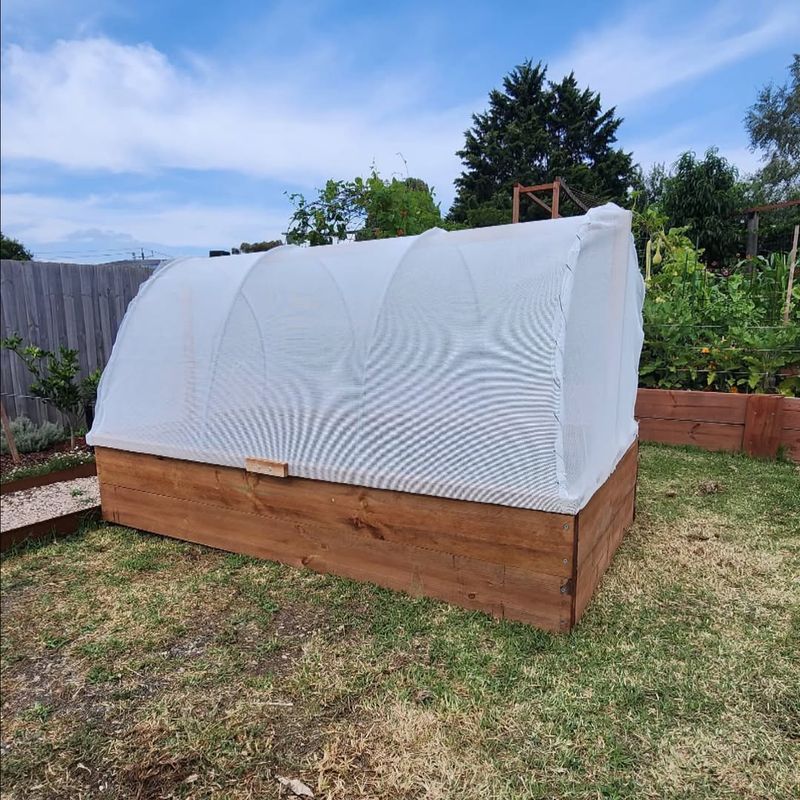
Shade cloth stretched over frames provides adjustable protection that you can modify seasonally. Use 30 to 50 percent shade cloth during summer months, then remove it during cooler seasons when full sun benefits growth.
Some Arizona gardeners position herbs beneath mesquite trees or palo verde trees that provide dappled shade naturally. The filtered light mimics conditions these plants would experience in their native Mediterranean habitats.
Delicate herbs like cilantro, parsley, and mint absolutely require afternoon shade in Arizona or they’ll bolt and decline rapidly. Watch your plants for signs they need more protection, including leaf edges turning brown, wilting during midday, or stunted growth despite adequate water and nutrients.
4. Water Deeply Instead Of Frequently
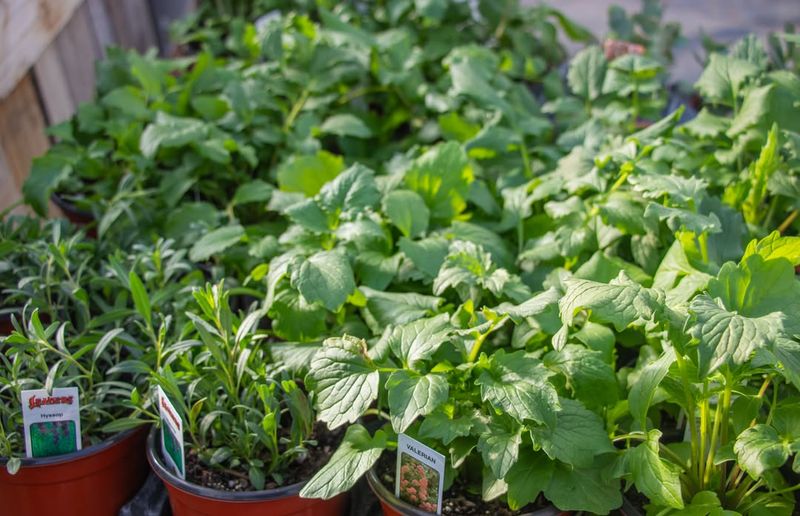
Watering techniques dramatically impact herb health in Arizona’s arid environment. Many gardeners make the mistake of giving plants light, frequent watering that encourages shallow root development and creates plants vulnerable to heat stress.
Deep, infrequent watering trains roots to grow downward where soil stays cooler and retains moisture longer.
Apply water slowly until it penetrates eight to twelve inches deep into the soil rather than just wetting the surface. This typically means watering thoroughly two or three times weekly during hot months rather than daily light sprinkles.
Use your finger or a soil probe to check moisture levels several inches down before watering again. The top inch or two can dry out between waterings without harming established herbs.
Drip irrigation or soaker hoses deliver water directly to root zones without wasting moisture to evaporation, which happens incredibly fast in Arizona. These systems also keep foliage dry, reducing fungal disease risks.
Water early in the morning so plants can absorb moisture before temperatures peak and evaporation rates skyrocket. Evening watering works too, though it can encourage fungal growth if leaves stay wet overnight.
Mulching around herbs with two to three inches of organic material helps soil retain moisture between waterings. Wood chips, straw, or shredded leaves work well and break down gradually to improve soil.
Container herbs dry out faster than in-ground plants and may need daily watering during Arizona summers, so check them regularly.
5. Grow Heat-Sensitive Herbs In Containers For Flexibility
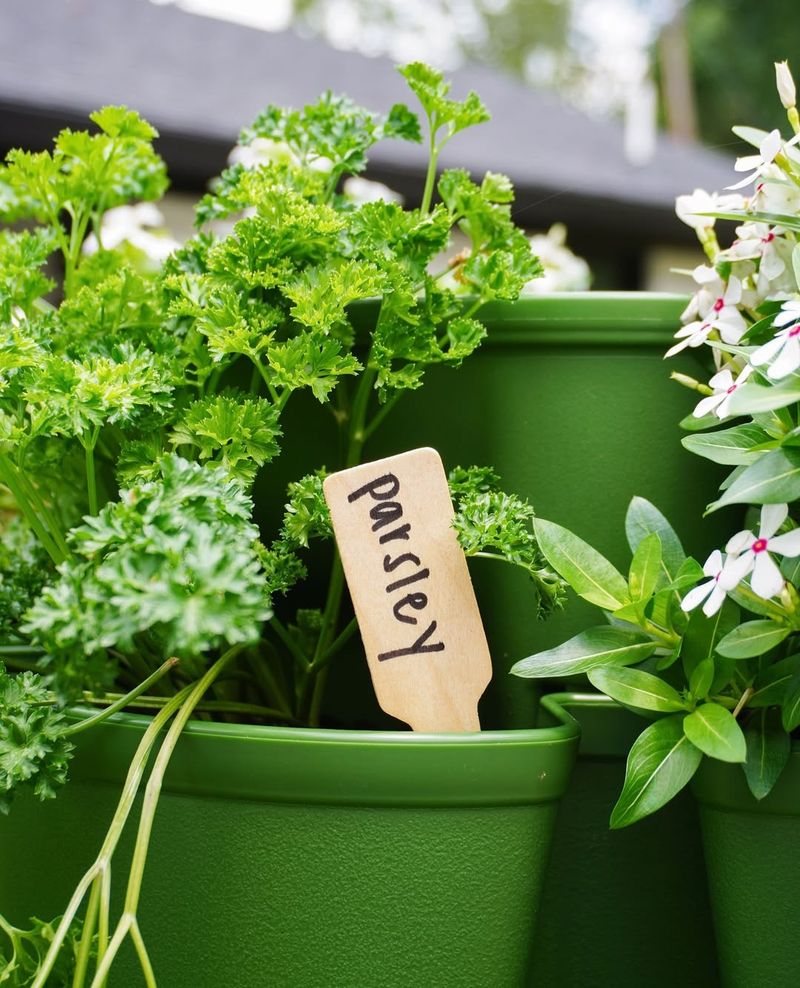
Container gardening offers tremendous advantages for growing herbs in Arizona’s extreme climate. Pots allow you to move plants to optimal locations as seasons change, bringing them into shade during brutal summer afternoons or positioning them in protected spots during occasional winter freezes.
This mobility gives you control impossible with in-ground plantings.
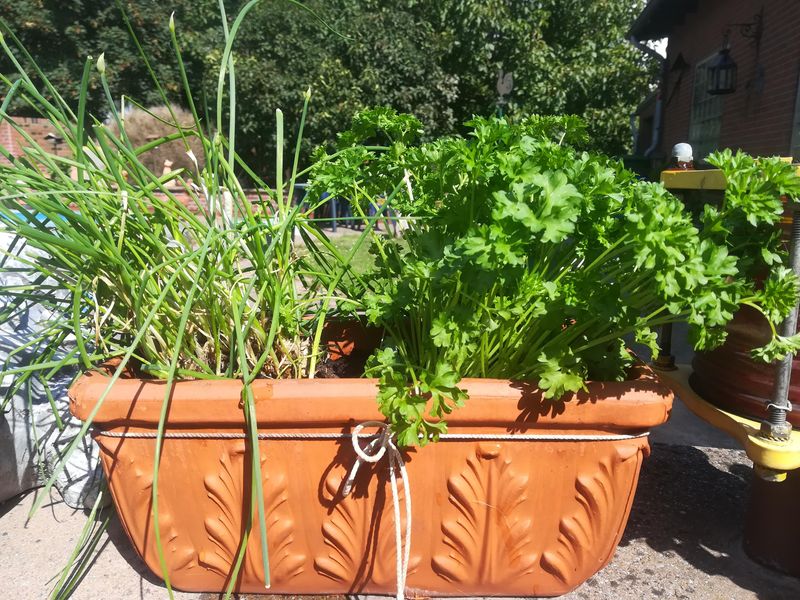
Cilantro, parsley, chives, and basil particularly benefit from container growing in Arizona since you can extend their productive seasons by adjusting their environment. Move containers to shadier spots when temperatures climb above 95 degrees, or bring them onto covered patios during intense heat waves.
Lighter-colored pots reflect heat better than dark containers that absorb and transfer excessive warmth to roots.
Choose containers at least 10 to 12 inches deep to provide adequate root space and soil volume that doesn’t dry out too quickly. Terracotta pots breathe well but dry faster than plastic or glazed ceramic, so pick materials based on how often you can water.
Ensure every container has drainage holes since trapped water causes root problems even faster in Arizona’s heat.
Group containers together to create beneficial microclimates where plants shade each other and humidity stays slightly higher. Place saucers under pots to catch excess water, but empty them after an hour so roots don’t sit in standing moisture.
Container herbs need more frequent fertilizing than garden-planted ones since nutrients wash through faster with regular watering.
6. Harvest Regularly To Encourage Strong New Growth
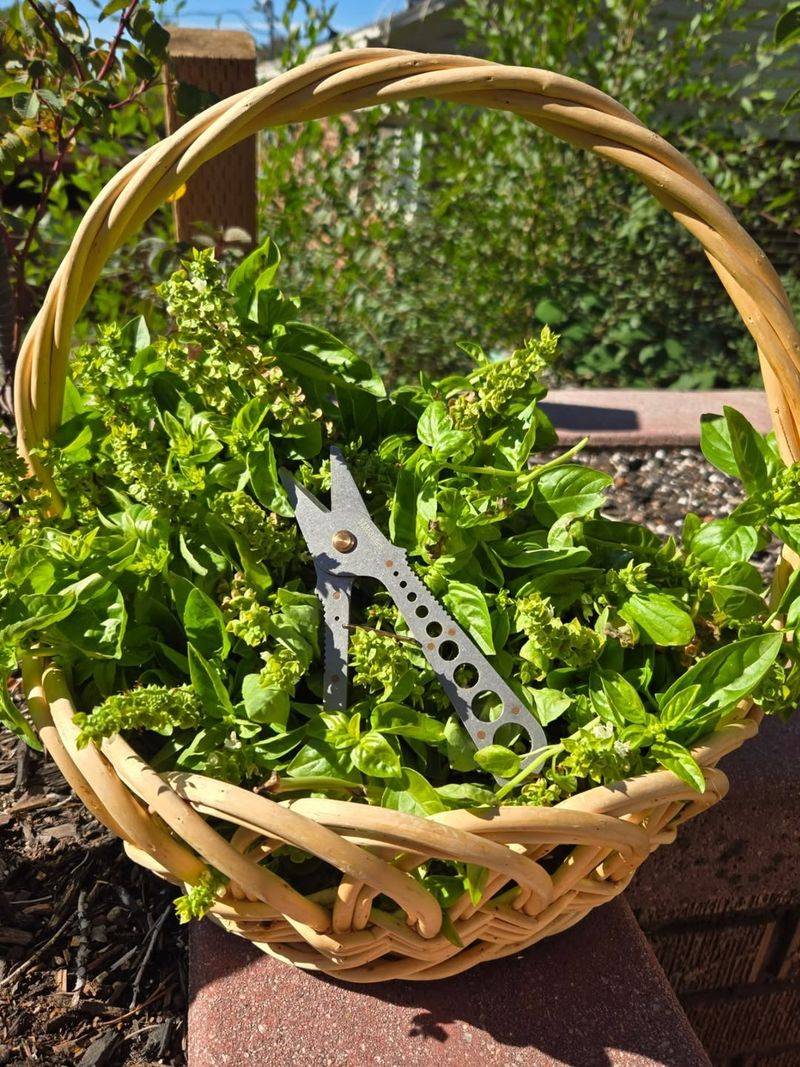
Regular harvesting keeps herb plants productive and vigorous rather than allowing them to become leggy or go to seed prematurely. Many Arizona gardeners hesitate to cut their herbs, worried about harming plants, but strategic harvesting actually promotes bushier growth and extends the productive season.
Think of it as giving your plants beneficial haircuts that encourage fresh, flavorful foliage.
Start harvesting once plants reach six to eight inches tall and have developed several sets of leaves. Remove no more than one-third of the plant at any single harvest, cutting stems just above leaf nodes where new branches will emerge.
This technique works perfectly for basil, oregano, mint, and other herbs that grow from stems. Morning harvesting after dew dries but before heat intensifies gives you herbs at peak flavor and oil concentration.
Pinching off flower buds as they form keeps plants focused on leaf production rather than seed development. Once herbs flower, leaf production slows and flavors often become bitter or diminished.
In Arizona’s climate, many herbs try to flower and set seed quickly as a survival response to heat stress, so staying vigilant about removing flowers extends your harvest window considerably.
Use sharp, clean scissors or pruning shears to make clean cuts that heal quickly without leaving ragged edges vulnerable to disease. Regular harvesting every week or two during active growth periods keeps plants compact and productive.
Store fresh-cut herbs in water like cut flowers, or dry them for later use by hanging bundles in a cool, dark location.
7. Group Herbs By Similar Water Needs
Efficient water management becomes much easier when you organize herbs according to their moisture requirements rather than planting them randomly. Different herbs evolved in different climates and have varying water needs that don’t always match well.
Grouping similar plants together prevents overwatering drought-tolerant varieties or underwatering moisture-lovers.
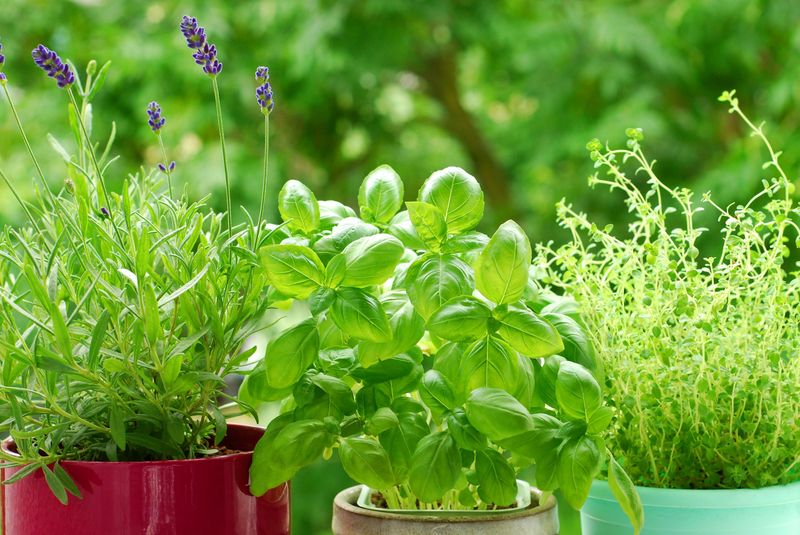
Mediterranean herbs including rosemary, thyme, oregano, sage, and lavender prefer drier conditions and need less frequent watering once established. Plant these together in one area or section of your garden where you can provide moderate water without creating overly moist conditions.
These herbs actually develop stronger flavors when grown slightly on the dry side, and they tolerate Arizona’s low humidity better than most.
Moisture-loving herbs like basil, cilantro, parsley, chives, and mint need more consistent watering to prevent stress and premature bolting. Create a separate zone for these plants where you can provide more frequent irrigation without affecting drought-tolerant varieties.
This grouping strategy saves water overall since you’re not overwatering plants that don’t need it while ensuring thirsty herbs get adequate moisture.
Consider installing separate irrigation zones with different watering schedules for each herb group. This approach maximizes efficiency and plant health simultaneously.
Label your zones clearly so anyone helping with garden care understands which areas need more or less water. Mulching helps both groups by reducing evaporation, though drought-tolerant herbs need lighter mulch applications than moisture-lovers.
8. Protect Plants During Extreme Heat Waves
Arizona summers bring occasional extreme heat waves where temperatures soar above 115 degrees for several consecutive days. These intense periods stress even well-adapted herbs and require extra protective measures to prevent permanent damage or total loss.
Preparing ahead for these predictable events saves your garden from setbacks that take weeks to recover from.
Temporary shade structures using shade cloth, old sheets, or beach umbrellas provide crucial relief during the hottest days. Position coverings to block afternoon sun while allowing morning light and air circulation.
Remove covers once temperatures moderate to prevent plants from becoming too accustomed to shade. Some Arizona gardeners keep portable shade frames ready to deploy quickly when weather forecasts predict extreme heat.
Increase watering frequency during heat waves, checking soil moisture daily rather than following your regular schedule. Plants transpire moisture much faster when temperatures exceed 110 degrees, and even drought-tolerant herbs need supplemental water during these periods.
Misting foliage in early morning or late evening provides temporary cooling, though avoid midday misting that can actually magnify sun damage through water droplets acting as tiny lenses.
Avoid fertilizing, transplanting, or pruning during extreme heat since these activities stress plants when they’re already struggling with temperature extremes. Wait for temperatures to drop back to normal ranges before resuming regular garden maintenance.
Container herbs benefit from being moved to the coolest available location, even if that means bringing them indoors temporarily during the worst heat waves that Arizona occasionally experiences.