Arizona Landscaping Ideas That Wake Up Your Yard In Early Spring
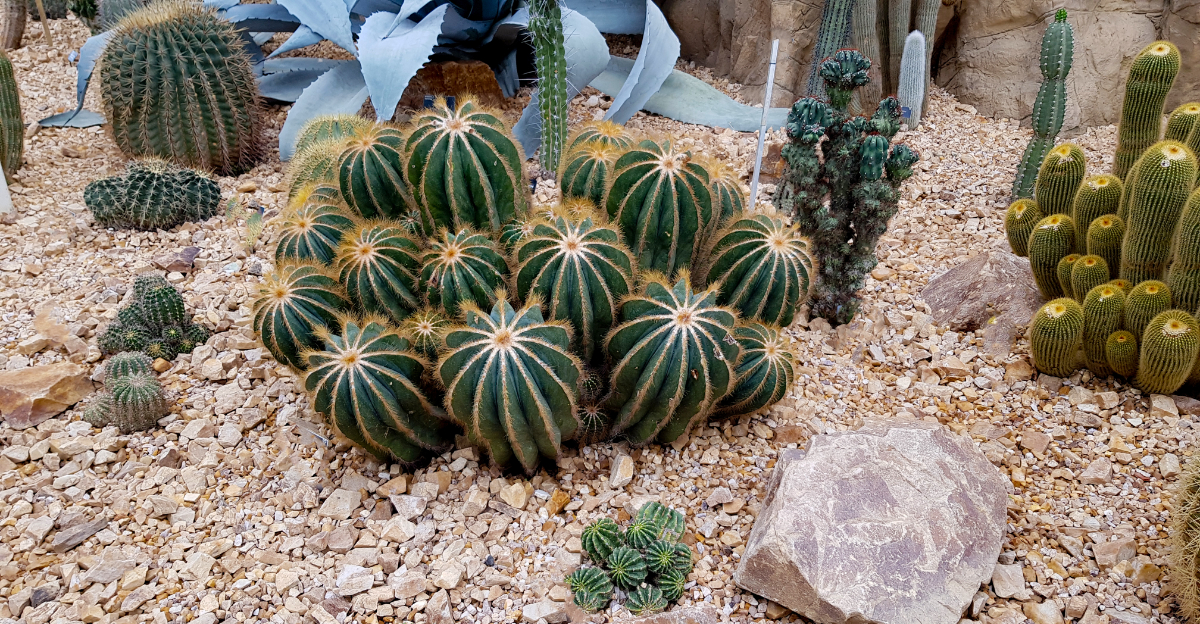
Why does an Arizona yard often feel flat in early spring, even when nothing looks wrong? Plants aren’t struggling, but they’re not exactly making an impression yet either.
This is the moment when small landscaping changes can completely shift how a yard looks and feels.
Temperatures are mild enough to work comfortably, soil is still responsive, and plants haven’t hit their fast-growth phase. That combination makes early spring ideal for adjustments that set the tone for the rest of the season.
Waking up an Arizona yard doesn’t require major redesigns or heavy planting. It comes down to smart placement, timing, and choices that work with desert conditions instead of fighting them.
When those elements come together early, the yard feels intentional, balanced, and noticeably more alive long before summer arrives.
1. Refresh Beds With Decorative Gravel Or Decomposed Granite
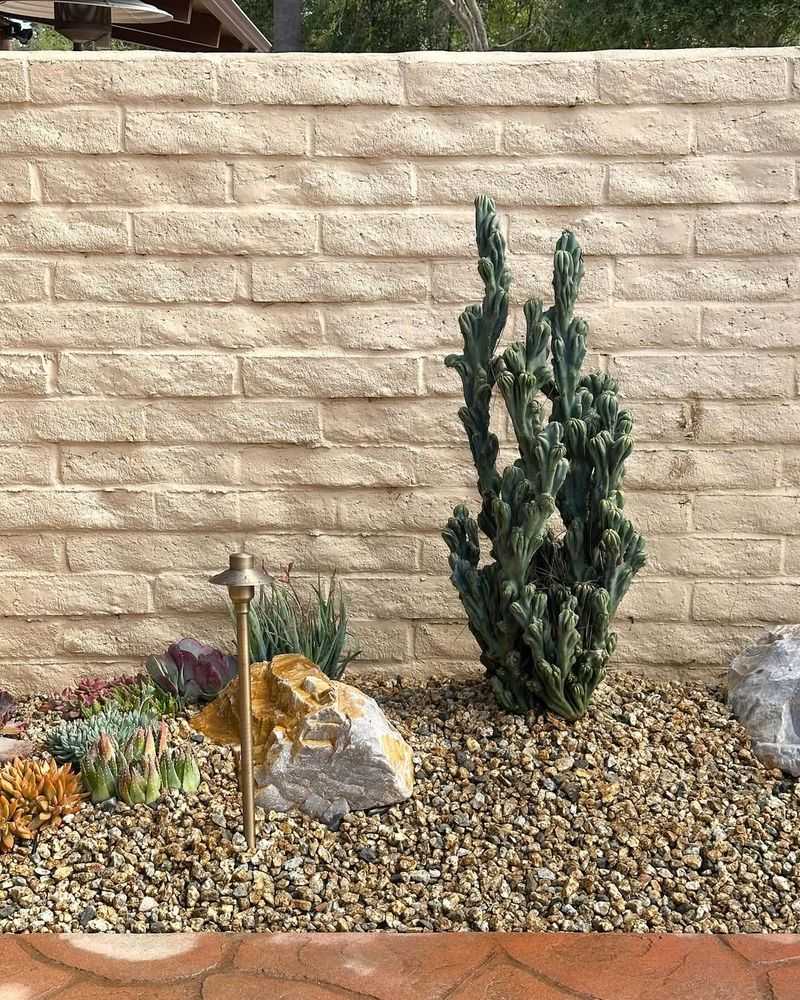
Fresh gravel or decomposed granite instantly wakes up tired Arizona beds. Ground cover makes a huge visual difference in Arizona landscaping, and spring is the perfect time to replace old, faded materials.
Decorative gravel and decomposed granite are popular choices across the state because they handle heat well and don’t break down like organic mulches.
Fresh materials instantly brighten beds and create clean contrast against plants and hardscaping.
Decomposed granite packs down nicely to form a stable surface that resists blowing away in desert winds. It comes in shades like gold, rust, and tan that complement Arizona’s natural palette.
Decorative gravel offers more texture and comes in various sizes from pea gravel to larger river rock. Both options help retain soil moisture and reduce weed growth.
Before adding new material, remove old gravel that has sunk into the soil or mixed with dirt. Rake the area smooth and consider installing landscape fabric to prevent weeds.
Add a fresh layer about two to three inches deep for best coverage. The color you choose can completely change your yard’s appearance, so bring home samples before committing to large quantities.
Spring temperatures in Arizona make this project comfortable to tackle before summer heat arrives. Fresh gravel or granite gives your beds sharp definition and creates a polished backdrop that makes plants stand out.
This simple update requires minimal maintenance once installed and lasts for years with occasional touch-ups.
2. Highlight Entry Areas With Early-Blooming Plants
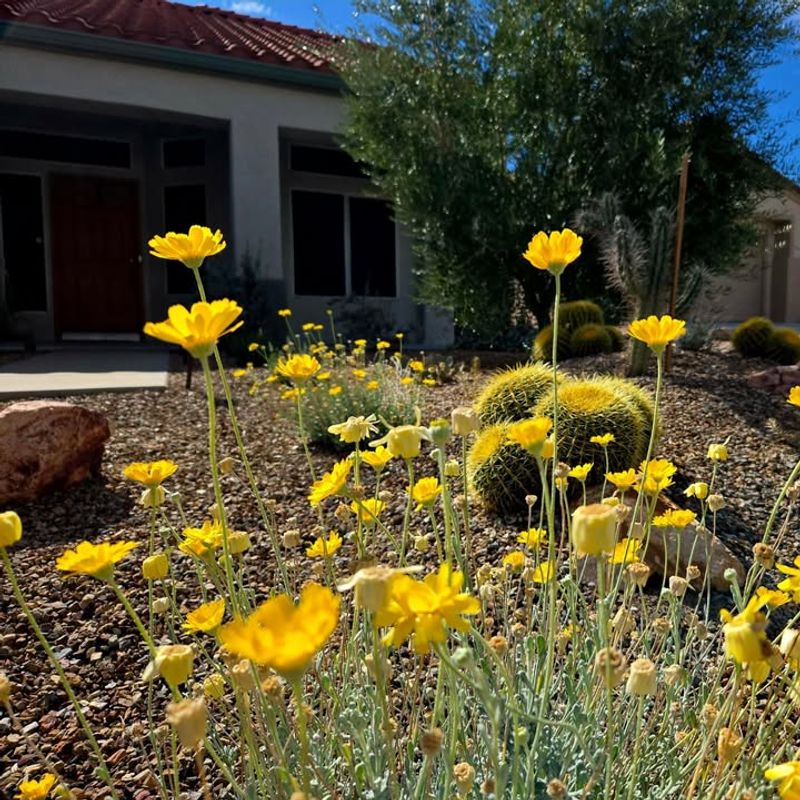
Nothing signals early spring faster than fresh color near your front entry. Your front entry sets the tone for your entire property, and early-blooming plants create an instant welcome.
Arizona offers wonderful native and adapted plants that flower in late winter and early spring when most yards still look dormant.
These colorful additions draw the eye and make your home feel inviting without requiring excessive water or care.
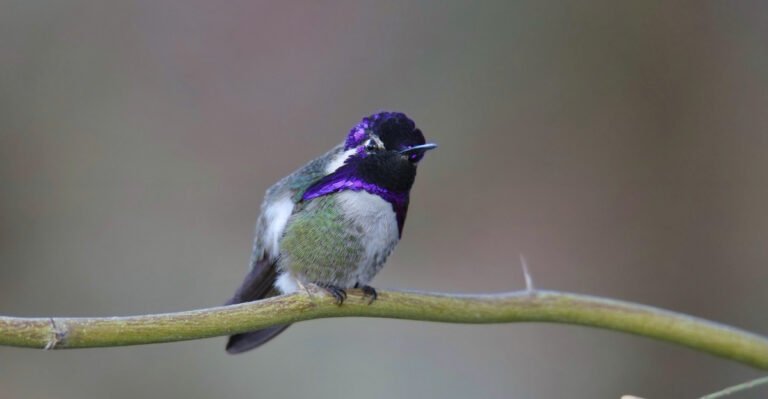
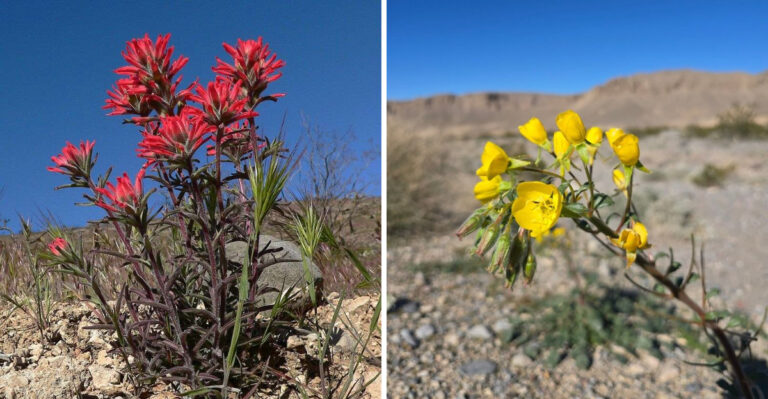
Desert marigolds burst into bright yellow blooms that last for weeks, while various penstemon varieties offer tubular flowers in red, pink, and purple shades. Fairy duster produces fuzzy pink blooms that hummingbirds love.
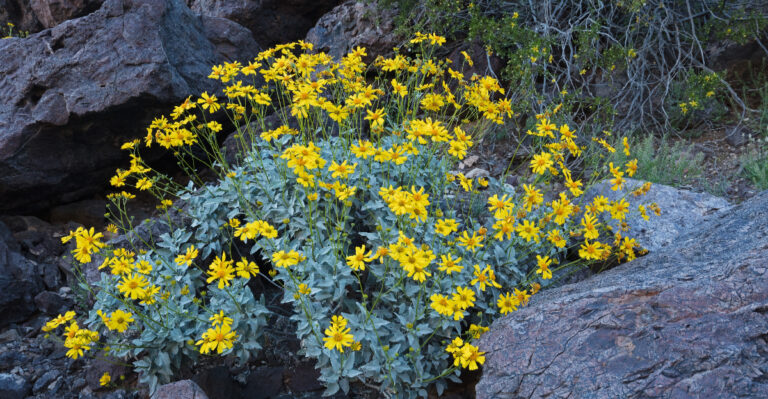
Brittlebush creates mounds of yellow daisy-like flowers against silvery foliage. All these plants thrive in Arizona’s climate and handle temperature swings well.
Plant in clusters rather than single specimens for better visual impact. Group three or five plants of the same type together near your front door, along walkways, or flanking your driveway entrance.
This creates color masses that catch attention from the street. Mix different bloom colors and heights for added interest.
Early spring planting gives roots time to establish before summer heat arrives. Water new plants regularly for the first few weeks, then gradually reduce frequency as they settle in.
Most early bloomers are low-maintenance once established and will return year after year.
They transform entry areas from plain to spectacular with minimal effort and create curb appeal that lasts throughout the season.
3. Define Spaces Using Stone Edging Or Natural Rock
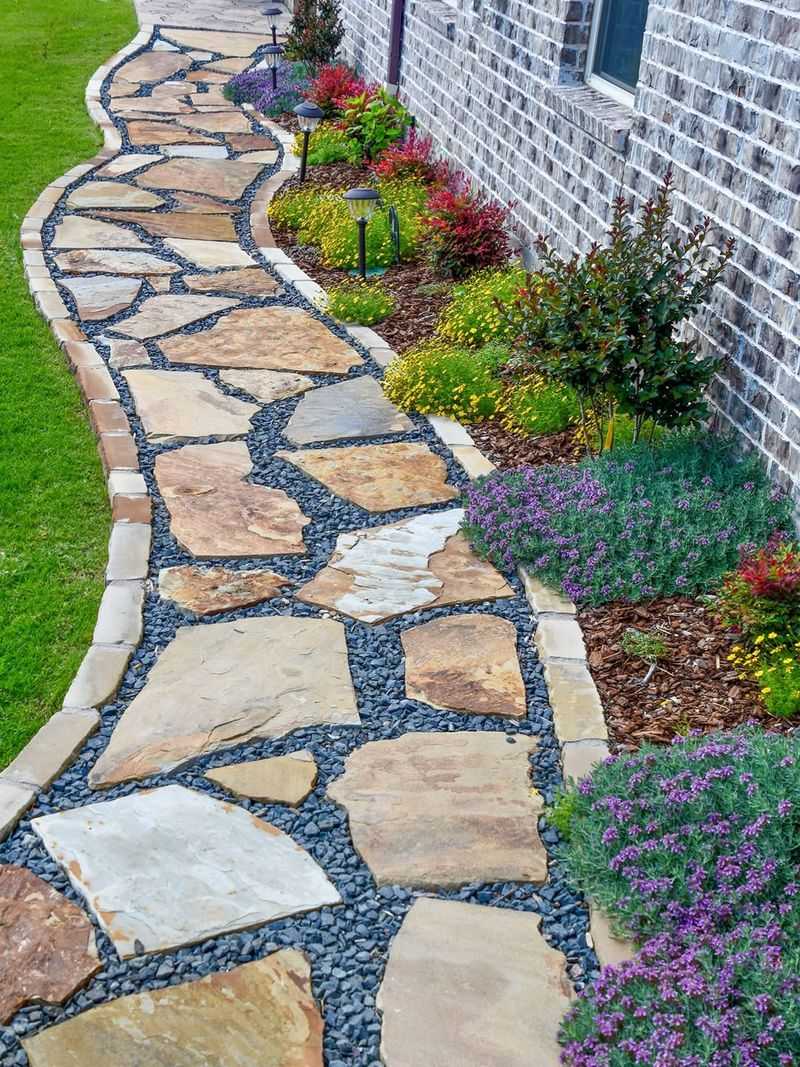
Clear boundaries between different yard areas create structure and make landscaping look intentional rather than random.
Stone edging and natural rock are perfect materials for Arizona because they complement the desert environment and withstand intense sun and temperature changes. Adding or refreshing these borders in early spring gives your yard instant definition.
Flagstone pieces set on edge create formal, clean lines that work well for modern desert landscaping.
Stack smaller rocks to form low walls that separate planting beds from pathways or gravel areas. River rocks laid in trenches provide softer, more organic borders that suit casual yard styles.
Natural boulders placed strategically can anchor corners and transition points between spaces.
Spring weather makes outdoor projects comfortable in Arizona before temperatures climb. Start by marking your desired borders with a garden hose or spray paint to visualize the layout.
Dig shallow trenches for edging materials and ensure they sit level. For stacked rock, choose pieces that fit together naturally without wobbling.
Well-defined edges make maintenance easier because they prevent gravel from migrating into plant beds and keep mulch contained. They also guide the eye through your landscape and create visual interest even when plants are not blooming.
Stone materials last indefinitely with no replacement needed, making them a smart investment.
This project dramatically improves your yard’s appearance and gives it a finished, professional quality that elevates the entire property.
4. Add Statement Containers With Seasonal Color
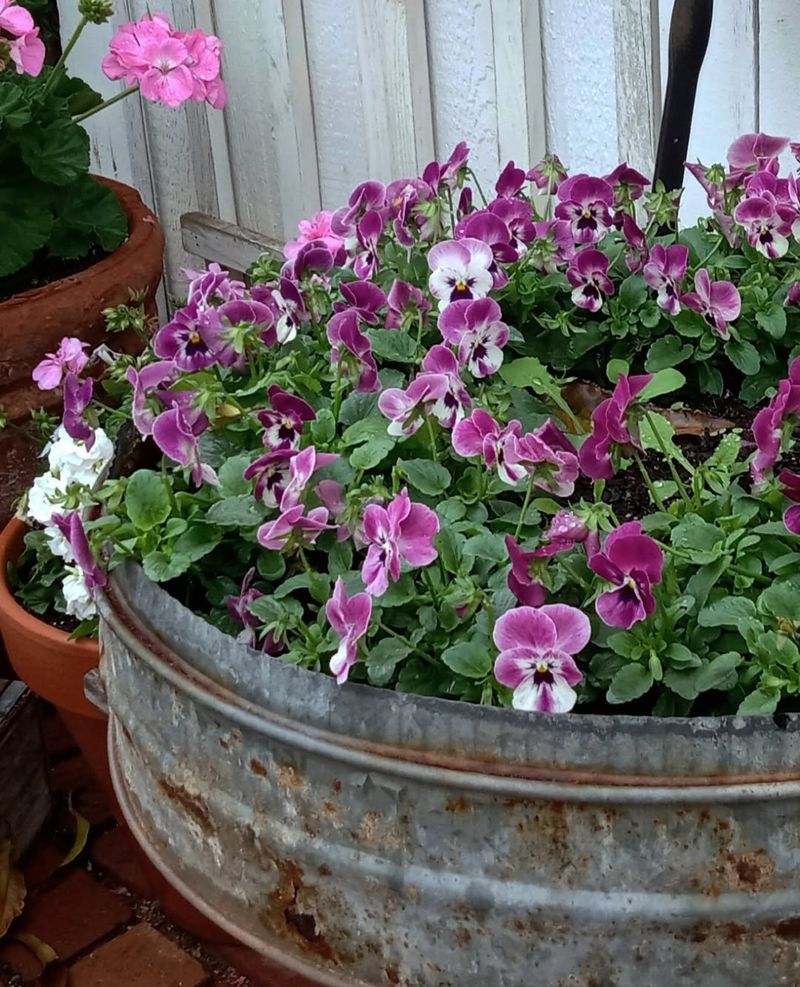
Statement containers add instant life before the rest of the yard catches up. Containers offer flexibility that in-ground planting cannot match, and they let you experiment with color without permanent commitment.
Large statement pots filled with seasonal flowers create focal points on patios, porches, and entryways. Early spring in Arizona is ideal for planting cool-season annuals that thrive before summer heat arrives.
Petunias, snapdragons, and alyssum perform beautifully in Arizona spring containers and offer weeks of continuous blooms. Pansies and violas handle cool nights and provide cheerful faces in purple, yellow, and orange.
Diascia and nemesia are lesser-known options that tolerate Arizona conditions and offer unique colors. Mix different plant heights and textures in each container for professional-looking arrangements.
Choose containers that make visual impact through size or color. Large pots create drama and require less frequent watering than small ones.
Terracotta works well in Arizona but dries out quickly, so consider glazed ceramic or resin containers that retain moisture better. Group containers in odd numbers for better visual balance.
Place statement pots where you spend time outdoors or where guests first see your home. Flank doorways, anchor patio corners, or line walkways with colorful containers.
Early spring planting gives flowers time to establish and fill out before temperatures rise. Water container plants more frequently than in-ground plants since pots dry faster.
This approach brings instant color to Arizona yards and can be changed seasonally to keep your landscape looking fresh and current throughout the year.
5. Group Plants By Water Needs For A Cleaner Look
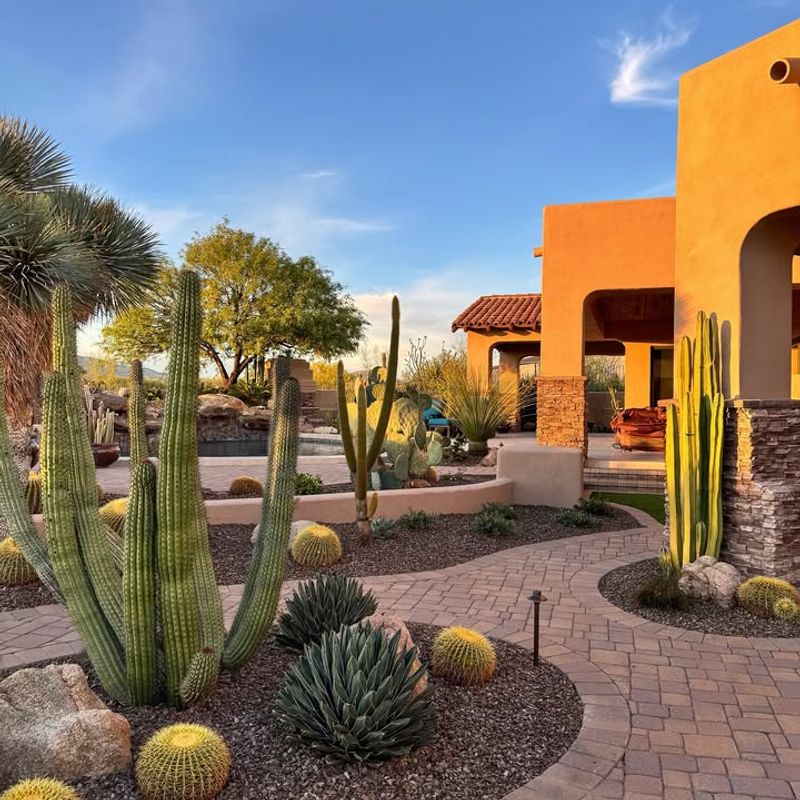
A clean Arizona landscape starts with plants grouped by water needs. Water-wise landscaping makes practical and visual sense in Arizona, where efficient irrigation is essential.
Grouping plants by their water requirements creates distinct zones that look intentional and organized.
This approach, called hydrozoning, simplifies maintenance and helps plants thrive because each receives appropriate moisture without waste.
Place low-water desert natives like agave, ocotillo, and prickly pear in outer yard areas where they receive minimal supplemental irrigation. Position moderate-water plants such as rosemary, lantana, and desert spoon in transition zones closer to living spaces.
Reserve higher-water plants like citrus trees and vegetable gardens for small areas near your home where you can easily monitor them.
Early spring is the right time to reorganize plantings in Arizona before heat stress makes transplanting risky. Evaluate your current landscape and identify plants that struggle because they receive too much or too little water.
Move misplaced plants to appropriate zones where their needs match available irrigation. This might mean relocating a struggling rose to a higher-water area or moving a struggling succulent away from an overwatered spot.
Clear visual separation between zones creates a cleaner, more professional appearance. Use different ground covers or edging materials to distinguish each zone.
Low-water areas might feature decomposed granite, while moderate zones could have mulch or small gravel.
This organizational strategy reduces water bills, improves plant health, and gives your Arizona landscape a cohesive, well-planned appearance that looks better than random plant placement ever could.
6. Expose And Feature Natural Boulders Or Rock Accents
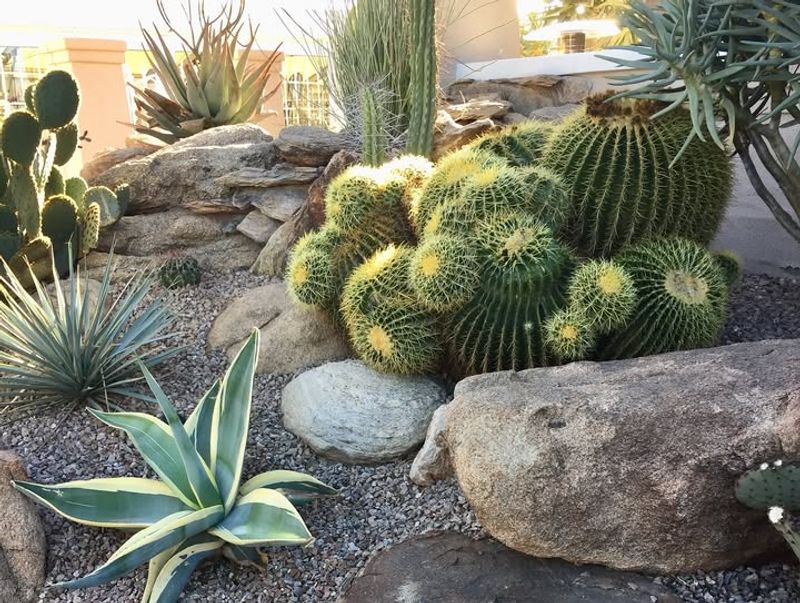
Natural boulders are often the strongest features an Arizona yard already has. Many Arizona properties have natural boulders hiding beneath overgrown plants or buried under years of accumulated soil and debris.
Uncovering these stones and featuring them as landscape elements celebrates the desert character of your property.
Boulders add permanent structure, create focal points, and require zero maintenance once positioned.
Walk your property and look for partially exposed rocks that might be larger beneath the surface. Early spring is comfortable weather for digging in Arizona before ground becomes hard and temperatures soar.
Carefully excavate around promising rocks to reveal their full size and shape. Sometimes a small visible stone is actually the tip of an impressive boulder.
Once exposed, clean rocks with a stiff brush and water to remove dirt and reveal natural color and texture. Position plants around boulders to create vignettes that look like natural desert outcroppings.
Low-growing succulents, barrel cacti, and ornamental grasses work beautifully nestled against stone. Add complementary smaller rocks around the base to create natural-looking transitions.
Featured boulders become permanent landscape anchors that look better as they weather and age. They provide visual weight that balances tall plants and structures.
Lighting boulders from below creates dramatic nighttime effects. This approach costs nothing if rocks already exist on your property and adds authentic desert character that purchased decorations cannot match.
Exposed stone features give Arizona landscapes a timeless, established quality that connects your yard to the surrounding natural environment in meaningful ways.
7. Update Mulch Lines To Sharpen Bed Shapes
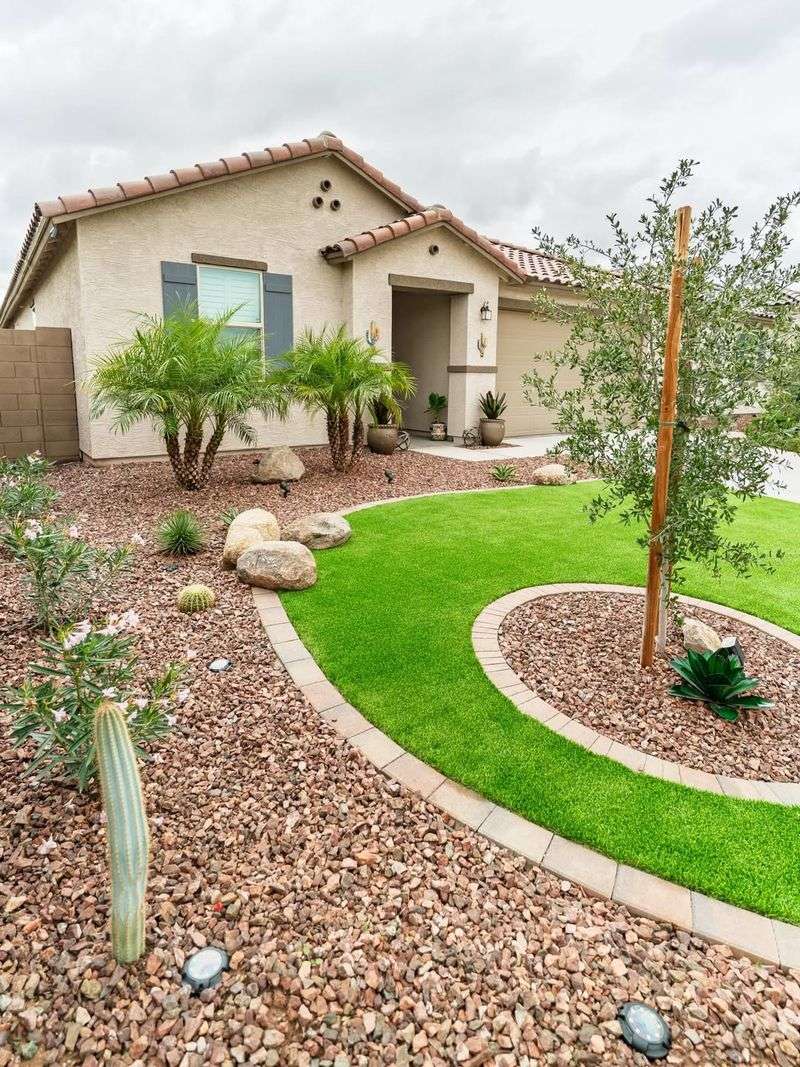
Sharp bed lines immediately make a yard look maintained. Crisp edges between lawn, beds, and pathways instantly make any landscape look maintained and intentional.
Over time, borders blur as grass creeps into beds, gravel spreads onto paths, and plants spill beyond their boundaries. Resharpening these lines in early spring gives your Arizona yard a fresh, polished appearance that suggests professional care.
Use a flat-blade edging tool or half-moon edger to cut clean lines along bed borders. Work when soil has some moisture for easier cutting but is not muddy.
Follow existing curves or create new shapes that flow naturally with your landscape. Straight lines suit formal designs, while gentle curves feel more organic and relaxed.
Remove excess material from edges so borders drop slightly below surrounding surfaces. This creates a small trench that prevents materials from crossing boundaries.
For beds that border gravel or decomposed granite, redefine edges so ground cover stays contained. Where beds meet turf grass, cut edges deep enough that grass roots cannot quickly spread back across.
Fresh edging makes plants stand out and gives your entire yard better definition. It takes minimal time but delivers maximum visual impact.
Early spring timing in Arizona means you complete this task before summer heat makes outdoor work uncomfortable.
Maintain edges every few months by re-cutting along established lines. This simple maintenance step keeps your landscape looking sharp throughout the year and prevents the messy, overgrown appearance that develops when borders disappear and different yard areas blend together into visual confusion.
8. Introduce One Focal Plant To Anchor The Yard
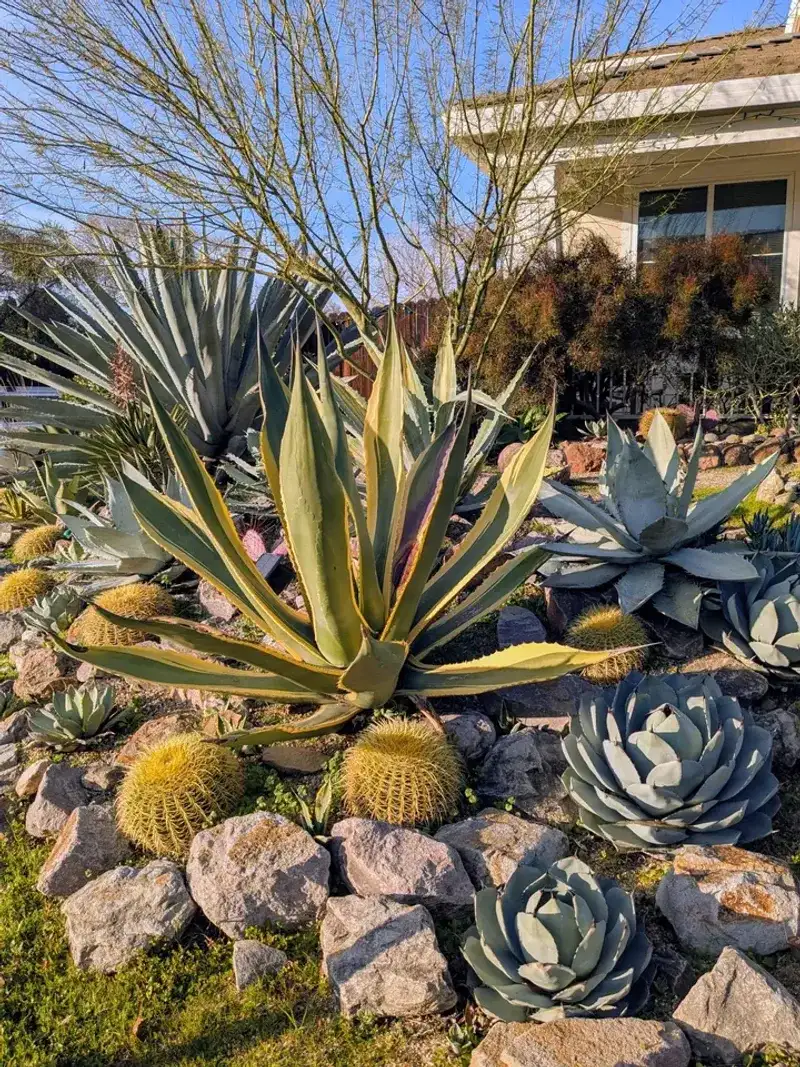
Every successful landscape needs a visual anchor, and early spring is perfect for adding a statement plant that draws the eye and organizes surrounding elements. A single well-chosen focal plant creates instant impact and gives your Arizona yard a clear center of interest.
This plant becomes the star that everything else supports.
Consider architectural specimens like a large agave, a mature barrel cactus, or a flowering palo verde tree. Desert spoon with its dramatic spherical form works beautifully as a focal point.
Red yucca sends up tall coral flower spikes that command attention.
Choose something with strong form, interesting texture, or seasonal color that stands out from surrounding plants.
Position your focal plant where it naturally draws attention, such as at a pathway intersection, in a prominent bed visible from indoors, or anchoring a corner of your yard. Avoid placing it exactly in the center, which can look awkward.
Slightly off-center placement feels more natural and sophisticated. Clear space around the plant so it stands alone without competition.
Early spring planting in Arizona gives roots time to establish before summer stress arrives. Water new specimens regularly at first, then gradually reduce as they settle in.
Add complementary smaller plants around the focal point to create a supporting cast that enhances rather than competes. Lighting your statement plant at night extends its impact beyond daylight hours.
This single addition can transform a scattered, unfocused landscape into one with clear purpose and professional design quality that elevates your entire property.