Arizona Trees That Can Get Homeowners In Trouble If They Are Not Removed
Some trees look harmless at first, just part of the landscape blending into the background of an Arizona yard. They grow quietly, fill in empty spots, and even seem like a smart choice early on.
But over time, a few of these trees can start causing problems that are easy to miss until they become expensive or difficult to deal with.
In Arizona, the combination of heat, dry conditions, and soil can push certain trees in directions homeowners do not expect.
Roots spread where they should not, branches become unstable, and some trees struggle in ways that create bigger issues later.
The tricky part is that these problems do not always show up right away. By the time they do, the damage may already be underway.
Knowing which trees to watch closely can make a big difference before things get out of hand.
1. Tree Of Heaven Spreads Fast And Damages Nearby Structures
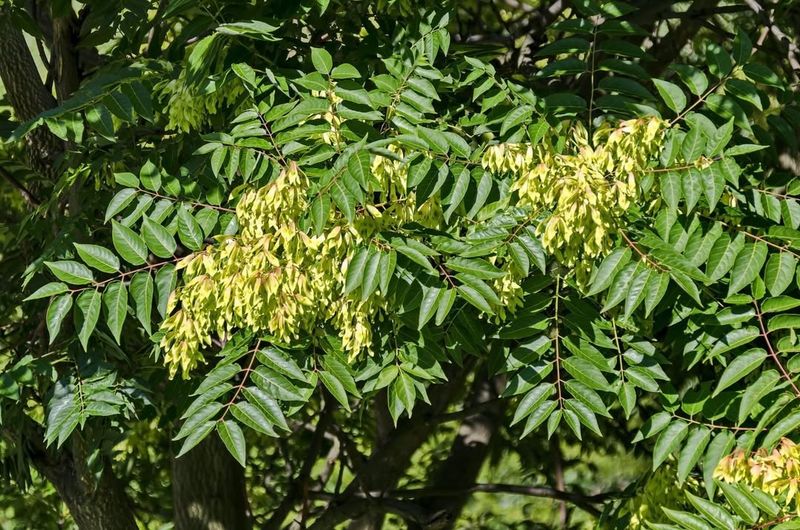
Few trees earn their nickname quite as ironically as the Tree of Heaven. Ailanthus altissima sounds almost poetic until you realize it can crack your driveway, push against your foundation, and send up dozens of new shoots every single season in Arizona yards.
Roots from this tree travel surprisingly far underground, sneaking into sewer lines, water pipes, and even the spaces beneath concrete slabs. Homeowners often notice cracks appearing in walkways or patios before they ever connect the damage back to this tree.
Cutting it down without a plan actually makes things worse. Removing the trunk triggers aggressive root sprouting, meaning you could end up with twenty small trees where one used to stand.
A certified arborist familiar with Arizona conditions should handle removal.
Beyond structural damage, the Tree of Heaven releases chemicals into the soil that suppress the growth of surrounding plants. Native Arizona vegetation suffers most, and once this tree takes hold, reclaiming the yard takes real effort.
Neighborhoods across Phoenix and Tucson have reported battles with this species for years. Staying ahead of it early is the only reliable strategy homeowners have.
It also grows extremely fast, which is why it often looks appealing at first before problems start showing up. If one appears on the property, dealing with it right away is far easier than trying to control it after it spreads.
2. Salt Cedar Drains Water And Takes Over Natural Areas
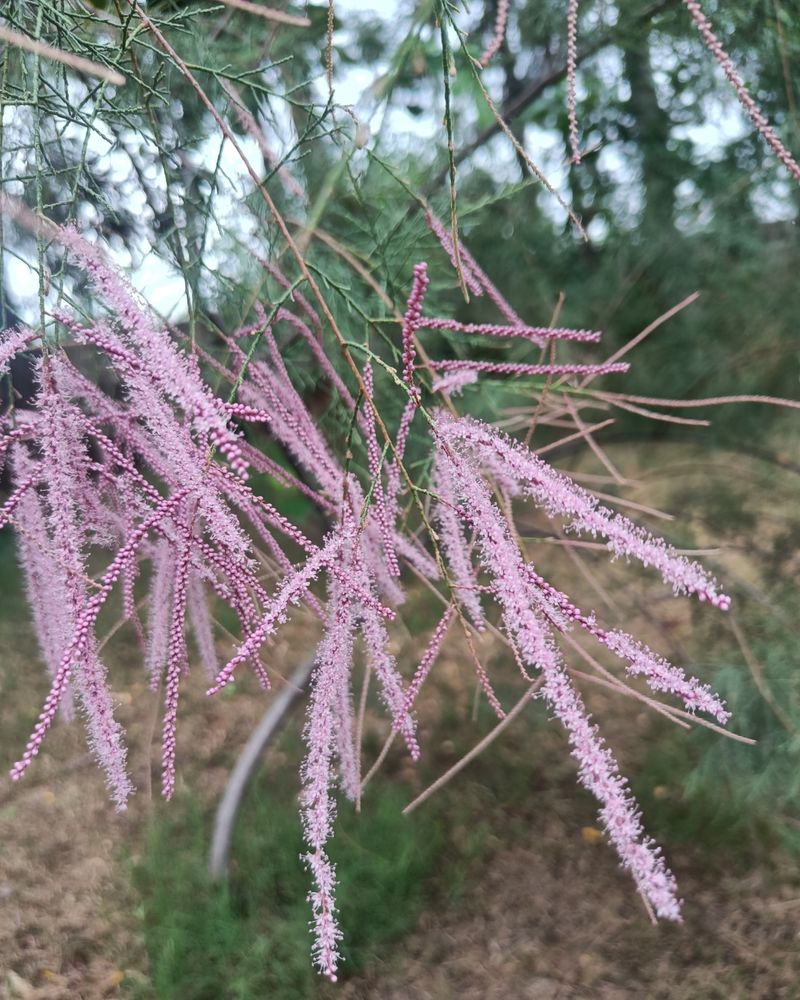
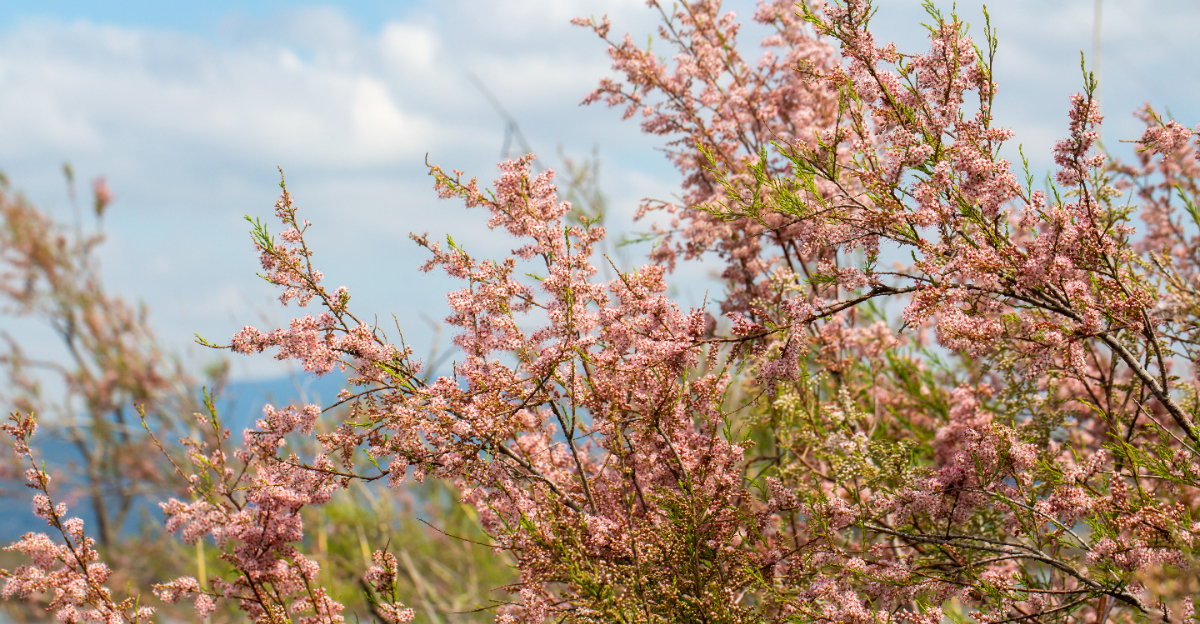
Salt cedar looks almost pretty when it blooms, with soft pink flowers and feathery branches swaying in the breeze. Do not let that fool you.
Along Arizona riverbanks and in suburban yards near drainage channels, this tree quietly consumes water at a rate that most homeowners never see coming.
A single mature salt cedar can absorb over 200 gallons of water per day. In a state where water scarcity is already a serious issue, having this tree on your property is genuinely costly, both environmentally and financially when your water bill climbs unexpectedly.
Salt cedar deposits salt into the surrounding soil as it grows, making the ground hostile to native Arizona plants like cottonwood and willow. Over time, the area around it becomes a monoculture where almost nothing else can survive.
Removal is federally supported in many parts of the Southwest because of how aggressively this species spreads. Arizona landowners along the Verde River and Salt River watersheds are often encouraged to act quickly when they spot it.
Burning is not an option since salt cedar regrows from roots after fire.
Mechanical removal combined with herbicide treatment, done by a professional, gives homeowners the best chance of reclaiming their land without endless regrowth cycles following them for years.
Even small saplings can turn into a serious problem faster than most people expect if left alone. Catching it early and removing it properly saves time, water, and a lot of frustration later on.
3. Siberian Elm Breaks Easily And Spreads Out Of Control
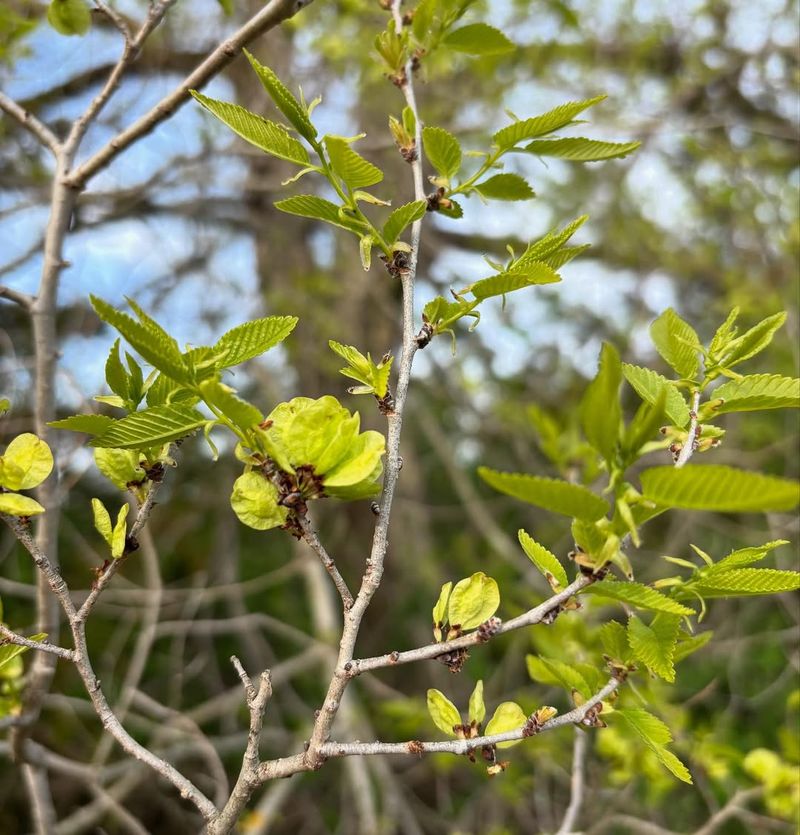
Walk under a Siberian elm during a monsoon storm in Arizona and you are taking a real gamble. Branches snap off with very little wind pressure, and the wood is notoriously weak throughout the entire tree, not just in older sections.
Falling limbs have damaged roofs, vehicles, fences, and outdoor furniture across Tucson and the Phoenix metro area.
Homeowners sometimes assume a tree that looks full and green must be healthy, but Siberian elm can look perfectly fine right up until a branch crashes through a patio cover.
Seed production from this tree is relentless. One mature Siberian elm releases thousands of winged seeds every spring, and they germinate fast in Arizona soil.
Cracks in sidewalks, along fence lines, and inside planting beds all become launch pads for new trees within weeks.
Unlike some invasive species that need specific conditions to spread, Siberian elm tolerates drought, poor soil, and heat with ease. That adaptability is exactly what makes it so hard to contain once it gets established in a yard or neighborhood.
Proactive removal before monsoon season is strongly recommended by Arizona arborists. Waiting until after storm damage occurs means paying for both tree removal and property repairs at the same time, which adds up fast.
Even regular trimming does not fix the underlying weakness in the wood, so the risk never really goes away. Removing it before it matures is usually the safest long term decision for both the property and the people around it.
4. Eucalyptus Drops Limbs And Raises Fire Risk
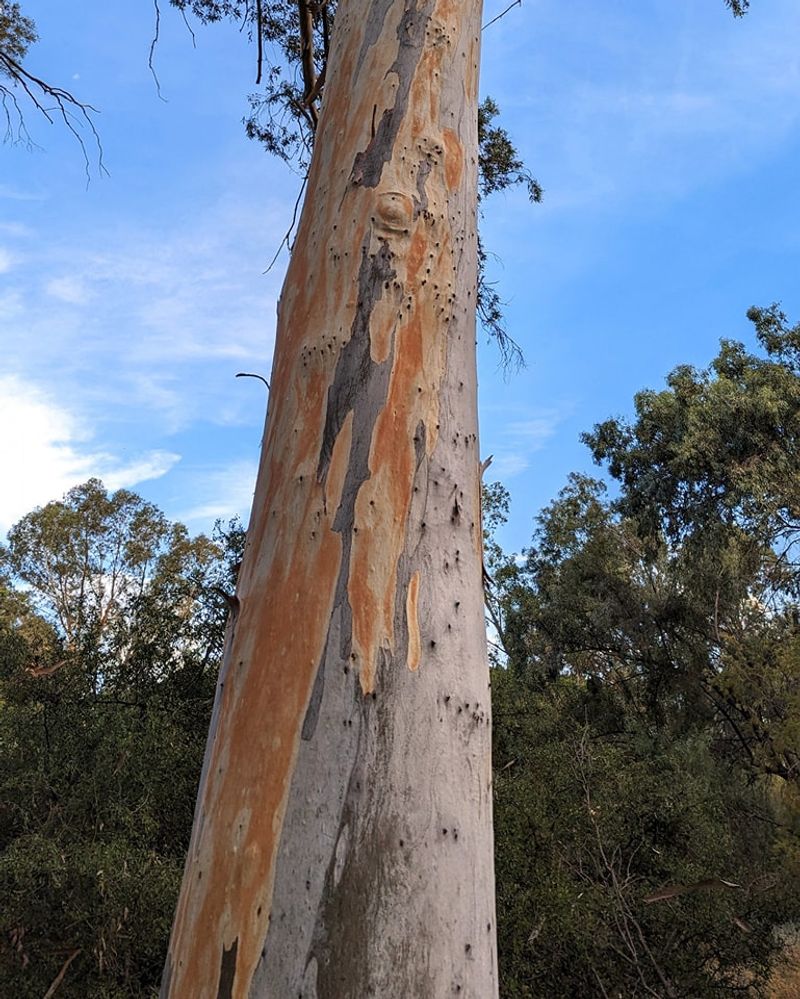
Eucalyptus trees have a habit that arborists call widow-making, and the name says everything. Heavy limbs drop without warning, even on calm days with no wind, and even from trees that appear completely healthy from the outside.
Across Arizona, eucalyptus trees planted as windbreaks or shade trees in earlier decades are now posing serious liability risks for homeowners. A falling limb that lands on a neighbor’s car or injures someone on your property can result in legal and financial consequences that far outweigh the cost of removal.
Fire risk is the other major concern. Eucalyptus bark peels away in long strips that pile up at the base of the tree, creating dry fuel that ignites easily.
The oils inside the leaves and wood are highly flammable, and during Arizona dry seasons, a eucalyptus near a structure is a genuine hazard.
Trimming does not solve the core problem. Even well-maintained eucalyptus trees drop limbs and retain their flammable chemistry.
Removal is the only way to fully eliminate the risk they pose to nearby homes and structures.
Arizona fire departments and property insurance companies have both flagged eucalyptus as a high-risk species. Homeowners in wildland-urban interface zones around Prescott and Flagstaff are especially urged to evaluate whether keeping these trees makes practical sense.
5. Black Locust Sends Up Suckers And Weak Branches
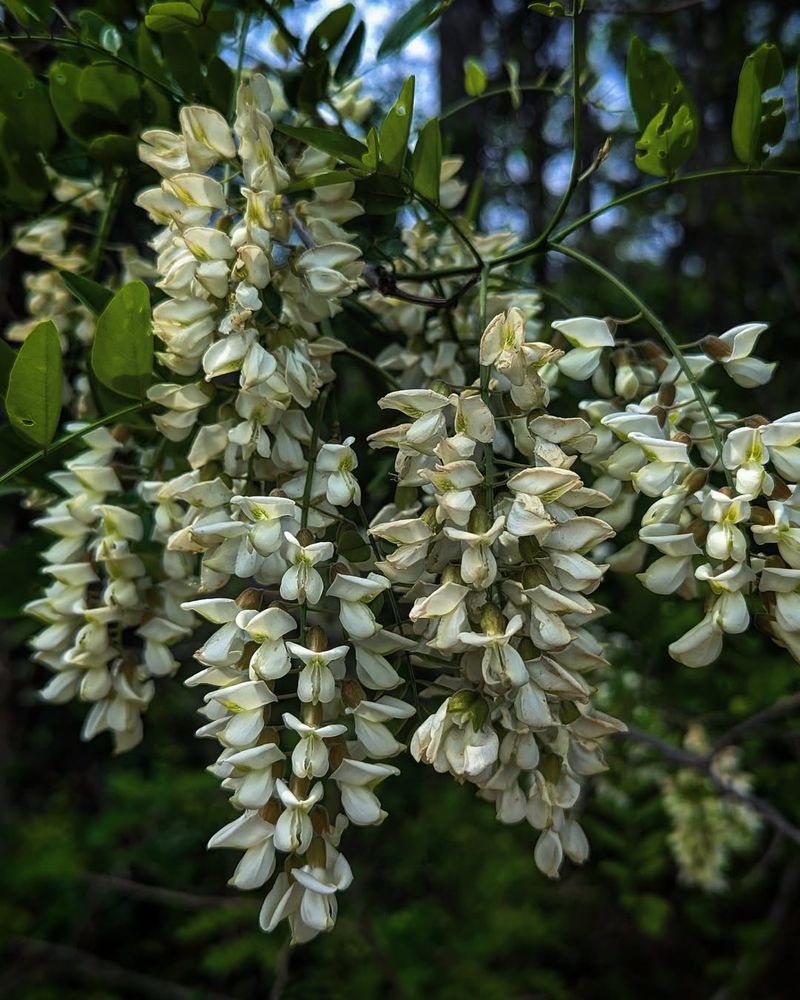
Black locust has a sneaky growth strategy that catches Arizona homeowners completely off guard. Cut one down, and within weeks, a ring of new sprouts emerges from the roots surrounding the stump, sometimes stretching ten or fifteen feet away from where the original tree stood.
Those root suckers are not just an annoyance. Left unchecked, they develop into a thicket that can crowd out garden beds, push against fencing, and even lift paving stones over time.
Controlling this tree without professional help usually turns into a multi-year battle.
Branches on black locust are another headache. The wood is hard in some sections but unpredictably brittle in others, especially in older trees.
Storm damage from Arizona monsoons frequently snaps off large sections, and sharp thorns on many specimens make cleanup both difficult and painful.
Pollen from black locust triggers allergies in a significant number of people, and in areas like Mesa and Chandler where neighborhoods sit close together, a heavily blooming tree becomes a shared problem for the whole block.
Removing black locust correctly requires treating the stump immediately after cutting to prevent suckering.
Skipping that step is how a simple removal job turns into a years-long cycle of chopping back new growth every single season without ever fully solving the problem.
6. White Mulberry Creates Pollen Problems And Messy Growth
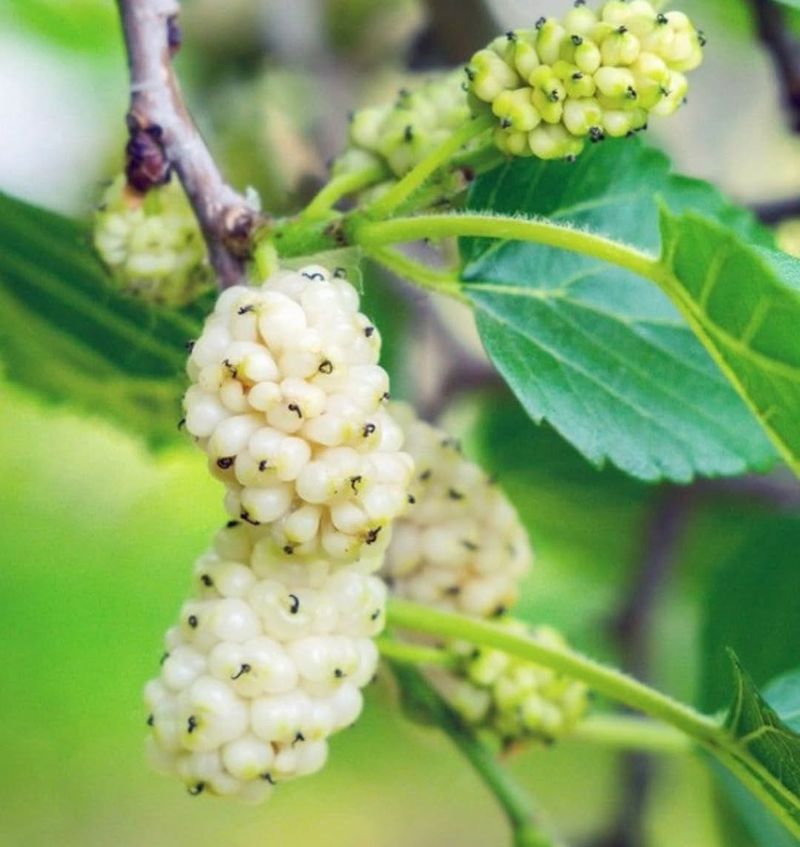
White mulberry became popular in Arizona decades ago because it grew fast and provided dense shade quickly.
What nobody fully appreciated at the time was how aggressively it would spread, how much mess it would create, and how badly it would affect allergy sufferers across the state.
Male white mulberry trees produce enormous amounts of pollen, and Maricopa County has one of the highest recorded mulberry pollen counts in the entire country during spring.
Residents with respiratory sensitivities often suffer for weeks when these trees are in full bloom nearby.
Fruitless varieties still drop enough organic material to stain driveways, sidewalks, and patios throughout the growing season.
Birds attracted to fruiting trees leave droppings across cars, rooftops, and outdoor furniture, which creates a cleaning cycle that never really ends.
Root systems on white mulberry are aggressive and moisture-seeking. Older trees planted near irrigation lines or sewer pipes frequently cause blockages and expensive underground repairs that homeowners trace back to the tree only after the damage is already done.
Several Arizona cities have moved to restrict new white mulberry plantings due to the documented pollen crisis.
Homeowners in Scottsdale, Tempe, and Gilbert who still have older specimens on their property are strongly encouraged to consult with a licensed arborist about safe removal options before the next bloom season arrives.
7. Russian Olive Crowds Out Native Plants And Spreads Quickly
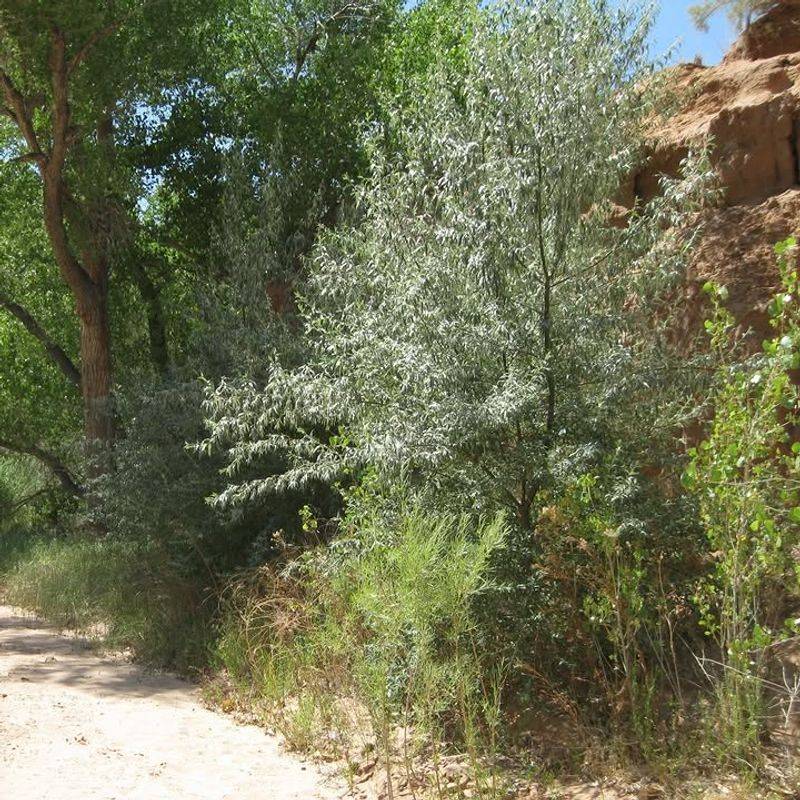
Russian olive has thorns sharp enough to puncture work gloves, and that is just the beginning of the problems it causes for Arizona homeowners and the surrounding landscape.
Along waterways and in yards near natural desert areas, this tree muscles out native plants with surprising efficiency.
Cottonwood, willow, and native mesquite all struggle to compete once Russian olive establishes itself nearby.
It fixes nitrogen into the soil in ways that shift the entire ecosystem balance, making conditions less hospitable for plants that Arizona wildlife depends on for food and habitat.
Seeds spread easily through bird droppings, which means a single tree on your property can produce offspring across a wide area in just a few seasons.
Before long, what started as one yard problem becomes a neighborhood-wide invasion along fence lines and drainage corridors.
Property damage comes from the root system and the sheer density of the canopy. Branches are brittle enough to break under monsoon wind loads, and the thorns make fallen debris genuinely hazardous to walk through barefoot or in light shoes.
Arizona Game and Fish and the U.S. Forest Service both classify Russian olive as a significant ecological threat.
Homeowners near the Salt River, Gila River, or any riparian corridor in Arizona should take seriously the responsibility to remove this species before it spreads further beyond their property lines.
8. Athel Tamarisk Develops Aggressive Roots And Water Issues
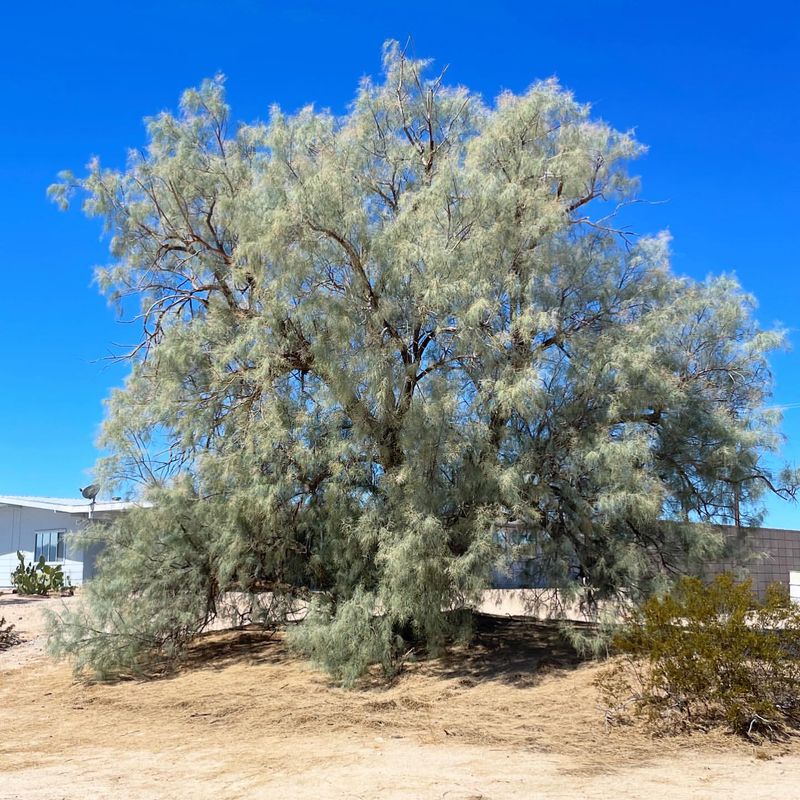
Athel tamarisk looks tough and drought-tolerant, which is exactly why people planted it across Arizona as a windbreak and shade tree for so many years.
What grows below the surface tells a completely different story about how much water this tree actually demands from the ground around it.
Root systems on athel tamarisk extend deeply and widely, actively seeking out any available moisture source.
Foundation cracks, irrigation pipes, and even pool plumbing have all been compromised by tamarisk roots in Arizona neighborhoods from Yuma to Kingman.
Unlike salt cedar, athel tamarisk does not produce viable seeds as prolifically, but it compensates with extraordinary root regeneration.
Cut the trunk and the root system simply redirects energy into new sprouts along the entire lateral root network, sometimes popping up ten to twenty feet from the original trunk.
Salt accumulation in the soil is another consequence of keeping athel tamarisk around.
The tree draws up salts from deep in the ground and deposits them on the surface through its leaves, gradually degrading the quality of surrounding soil and making it harder to grow anything else nearby.
Professional removal in Arizona typically involves stump grinding followed by herbicide application to prevent regrowth.
Homeowners who attempt removal without treating the root system almost always find themselves dealing with persistent regrowth for several seasons afterward, spending far more time and money than a proper initial removal would have cost.