5 Arizona Trees You Can Trim In March And 4 Better Left Alone
March often feels like the moment to start cleaning up the yard in Arizona. Trees begin showing small signs of activity, the weather becomes more comfortable, and pruning tools start coming out.
It seems like the perfect time to trim back branches and tidy up the landscape.
But with trees, timing matters more than many gardeners expect.
Some Arizona trees respond very well to pruning in March. A careful trim can help shape the canopy, remove weak growth, and encourage stronger development before the hotter months arrive.
Other trees, however, should be left alone for now because cutting them too early can affect flowering, stress the tree, or interfere with natural growth cycles.
Knowing the difference can make a big impact on how healthy and balanced trees look through the rest of the year. A few well-timed cuts can help certain trees thrive, while patience with others can prevent problems later in the season.
1. Desert Willow Handles Light March Pruning Well
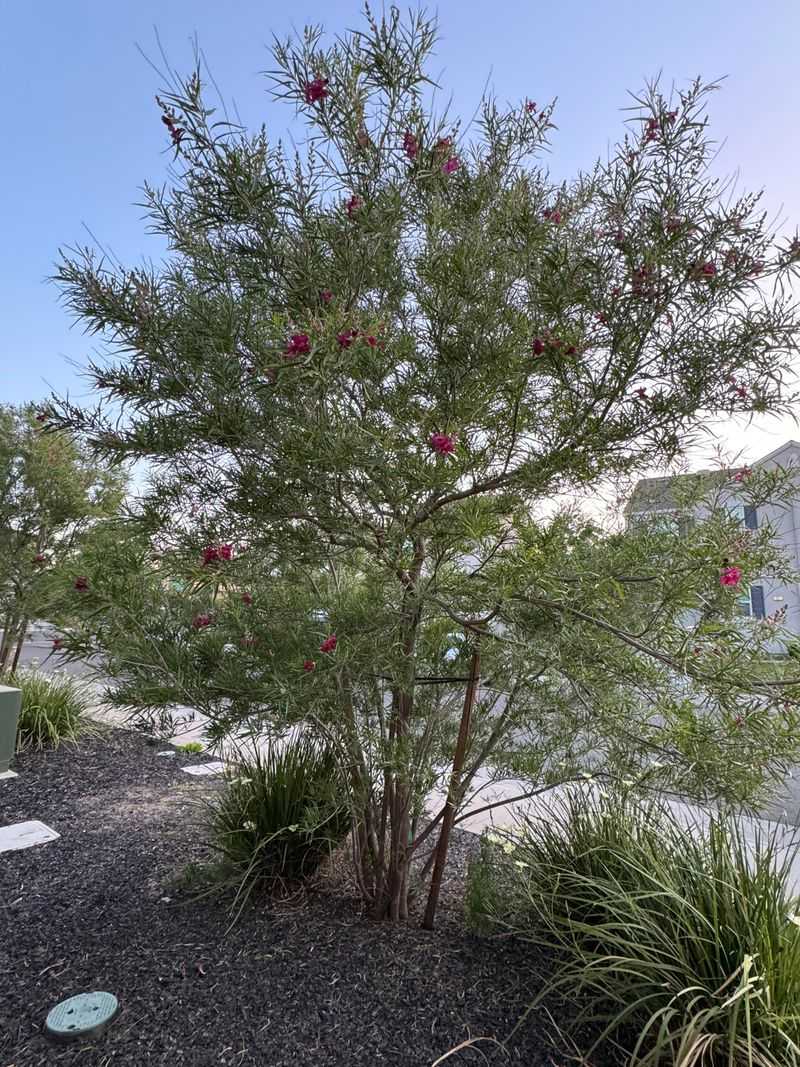
Few trees in Arizona look as relaxed and easygoing as the desert willow, and March happens to be a solid window to clean it up.
By early March, the tree is still dormant enough that you can see exactly what you are working with — no leaves blocking your view of the branch structure.
Light shaping at this stage helps the canopy stay open and lets more air move through once those long, trumpet-shaped blooms arrive in late spring. Cutting too heavily is where people go wrong, so keep it modest.
A good rule to follow in Arizona is to never remove more than 20 to 25 percent of the canopy at once. Desert willows respond well to thoughtful trimming but can get stressed if you go overboard.
Clean cuts just outside the branch collar heal faster and reduce the chance of pest entry. Sharp, sanitized tools make a real difference here — dull blades tear bark and leave ragged edges that take much longer to seal over.
You can also remove thin interior shoots that crowd the center, which helps sunlight reach deeper into the canopy. A more open structure keeps the tree looking balanced and reduces the chance of tangled growth later in the season.
2. Palo Verde Can Be Carefully Shaped Before Spring Growth

Palo Verde trees are tough, but that does not mean they like being hacked at randomly. March gives you a narrow but useful window to shape them up before the yellow flower show kicks off.
Getting in there before the bloom means you can see the framework clearly and make smarter cuts.
Here in Arizona, Palo Verdes often develop competing leaders or branches that rub against each other. Catching those issues in early March prevents bigger structural problems down the road.
Stick to removing no more than a quarter of the canopy, and always cut back to a lateral branch rather than leaving a stub sticking out.
One thing many Arizona homeowners overlook is the green bark on these trees. It is photosynthetically active, meaning the trunk and branches actually produce energy even without leaves.
Avoid cutting into large sections of the main trunk unnecessarily.
If you are after a cleaner silhouette or need to raise the canopy for clearance under it, light selective cuts in March do the job without putting the tree through unnecessary stress heading into the hot season.
3. Mesquite Trees Benefit From Early Structural Pruning
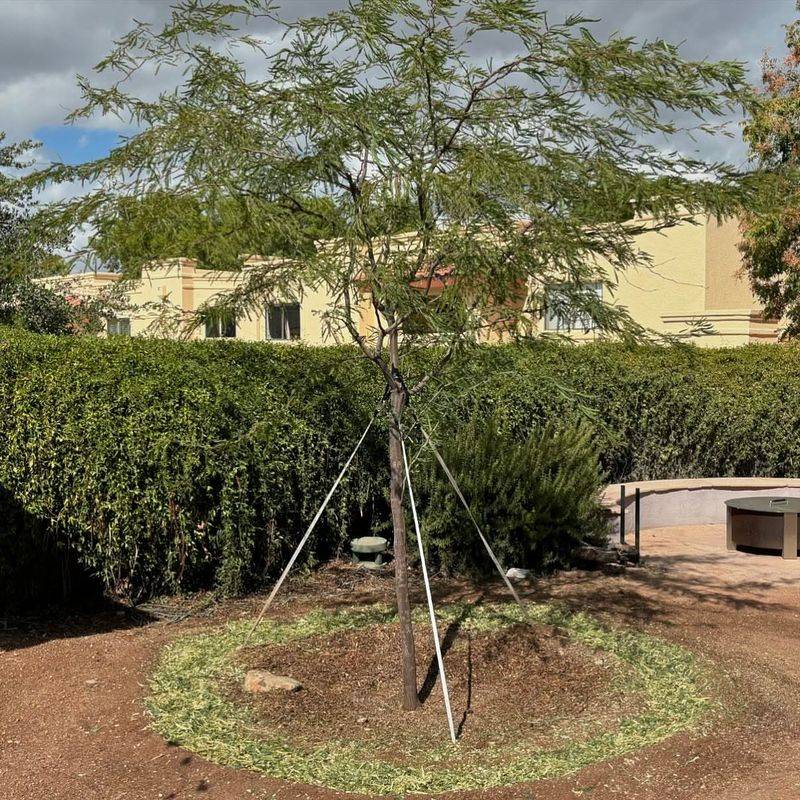
Mesquites have a wild, sprawling character that suits the Arizona desert perfectly, but left completely unchecked, they can turn into a tangled mess that is hard to manage.
Early March is the right time to get ahead of that before new growth locks in the shape for the season.
Structural pruning on a mesquite means focusing on the bones of the tree. Pull out any branches growing straight down, any that cross through the center of the canopy, and any damaged or weak branches from winter.
Raising the canopy slightly also helps if the tree hangs low over a patio or walkway. Mesquites push out new growth quickly once spring heat arrives, so whatever shape you leave them in now is roughly what you will be looking at all summer.
Watch out for thorns — they are no joke. Heavy gloves and long sleeves are a must.
Also worth knowing: mesquites have a tendency to produce lots of suckers at the base. Removing those in March keeps the energy directed upward into the main canopy.
Keep cuts clean and avoid flush cuts against the trunk, which can slow the tree’s natural healing response in Arizona’s intense summer heat.
4. Arizona Ash Is Easier To Shape Before Leaves Appear
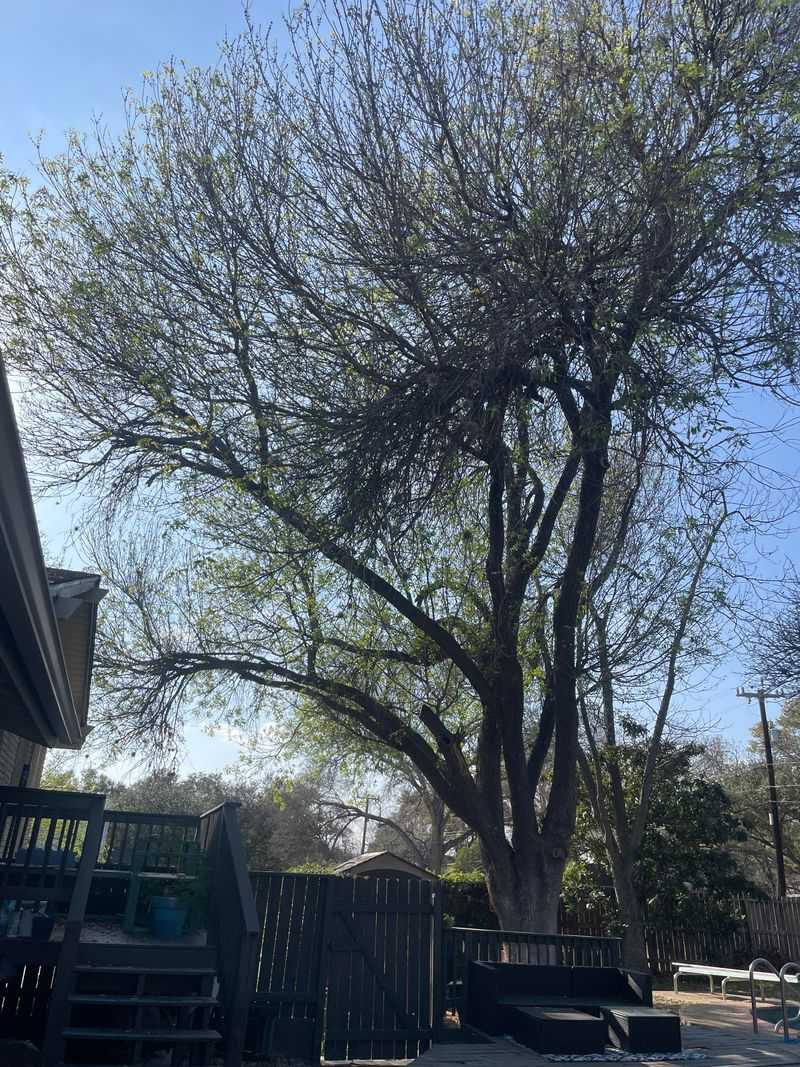
Bare branches tell you everything. Before the leaves fill in on an Arizona ash, you have a clear map of what needs to go and what should stay.
That window in early March is genuinely one of the best times to work on these trees throughout the whole year.
Arizona ash trees can grow fast, and without regular attention, they develop a dense canopy that catches wind badly. That is a real concern here in the Phoenix area and across other parts of the state where monsoon season brings serious gusts.
Thinning the canopy while the tree is still leafless lets you make strategic cuts that improve airflow without guessing where the weight is concentrated.
Remove damaged or weakened branches first, then look for any that are crossing or creating tight crotch angles.
Those narrow V-shaped junctions are weak spots prone to splitting. Cutting back to a healthy lateral branch is always the smarter move over just shortening a branch arbitrarily.
Arizona ash can handle a decent trim in March, but avoid anything dramatic. A consistent, moderate approach each year keeps these trees in much better shape than one aggressive cutting session every few years.
5. Chitalpa Responds Well To Early Spring Trimming
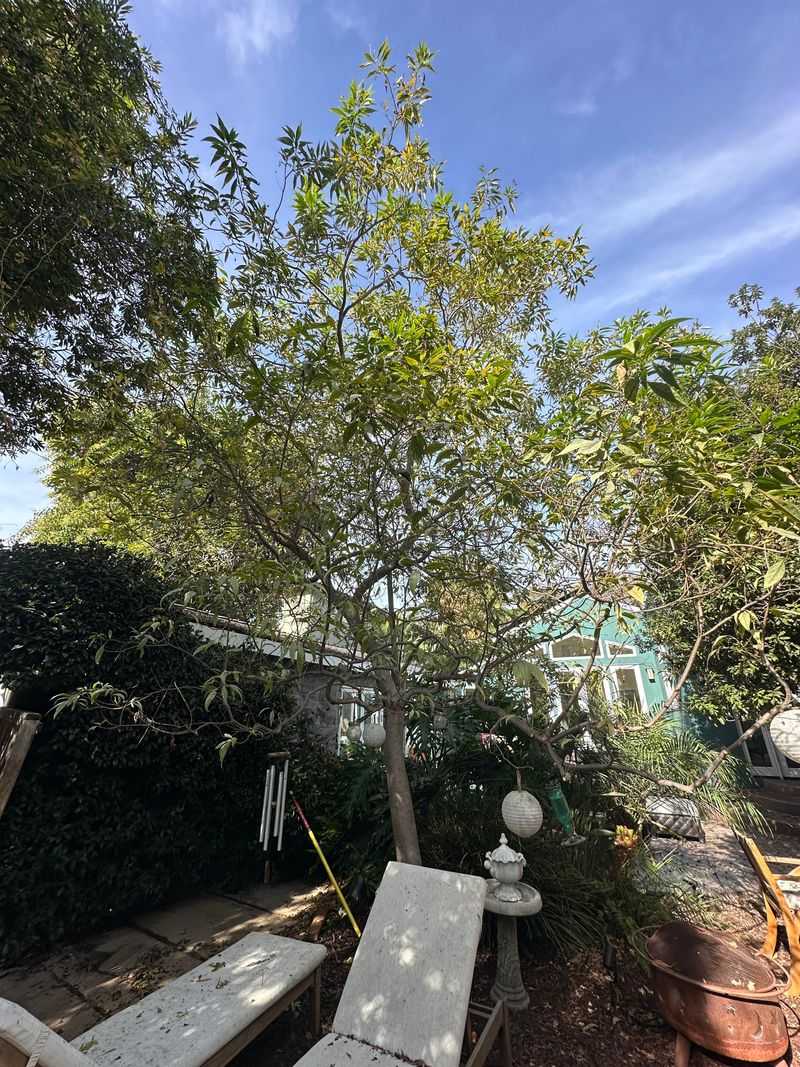
Chitalpa is not talked about enough in Arizona gardening circles, but anyone who has grown one knows how reliably it performs.
A cross between desert willow and catalpa, it handles heat and dry conditions without much fuss, and March trimming keeps it looking its best through the flowering season.
By late February or early March, chitalpa is still mostly dormant. That is your window.
Pruning at this point shapes the tree before it channels energy into new leaves and flowers. Focus on clearing out any crowded growth in the center and removing branches that look winter-damaged or are heading in an unproductive direction.
Chitalpa tends to grow with a slightly irregular form, which is part of its charm. You do not want to force it into a perfectly round shape — that ends up looking unnatural and can stress the tree.
Instead, aim for a balanced, open canopy that lets light filter through evenly. In Arizona’s intense summer sun, good canopy structure also reduces the chance of interior branches getting scorched.
Keep your cuts clean, avoid heavy topping, and step back often while working to check your progress from a distance.
6. Citrus Trees Risk Sunburn If Pruned Too Early
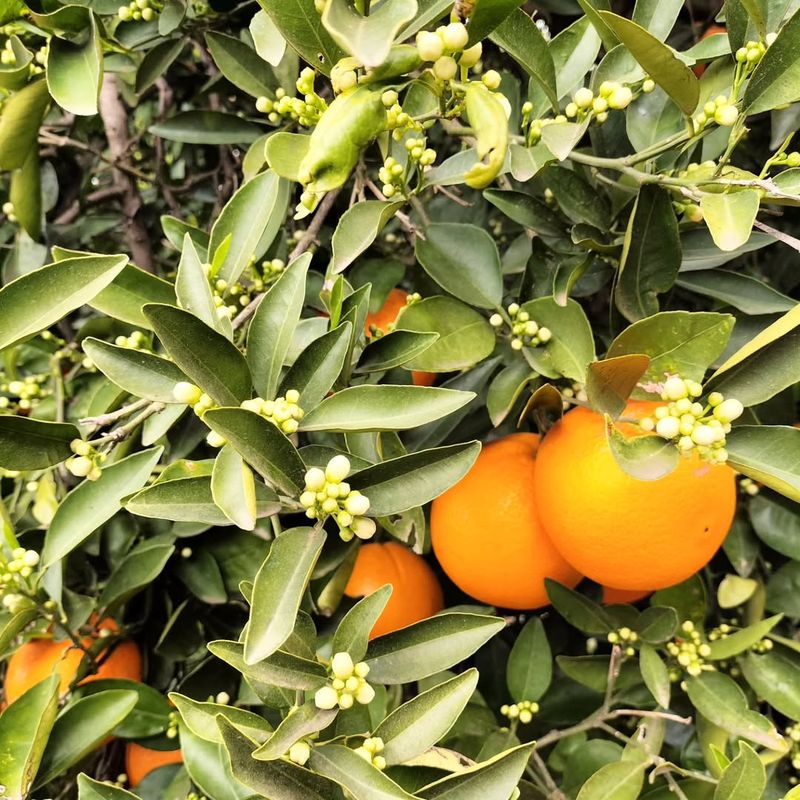
Citrus trees and March pruning are a complicated relationship here in Arizona. On one hand, some sources suggest late February to March as a pruning window for citrus.
On the other hand, cutting too aggressively at this stage can expose the interior bark and branches to the brutal Arizona sun before the canopy has a chance to fill back in.
Sunburn on citrus bark is a real problem in this state. When branches that were previously shaded by leaves suddenly get direct exposure, the bark can crack and suffer lasting damage.
That weakens the tree and opens entry points for pests and disease. If you trim citrus in March, keep it extremely conservative — removing only crossing branches, weakened wood, or anything that is clearly diseased.
Heavy reshaping of citrus is better saved for after the fruit harvest and before temperatures spike past 100 degrees. Arizona’s heat accelerates everything, including bark damage on freshly cut wood.
Suckers growing from below the graft union should come off any time you spot them, regardless of the month. But for anything beyond light cleanup, most experienced Arizona gardeners hold off until the timing is safer for the tree’s overall health.
7. Desert Ironwood Rarely Needs Spring Pruning
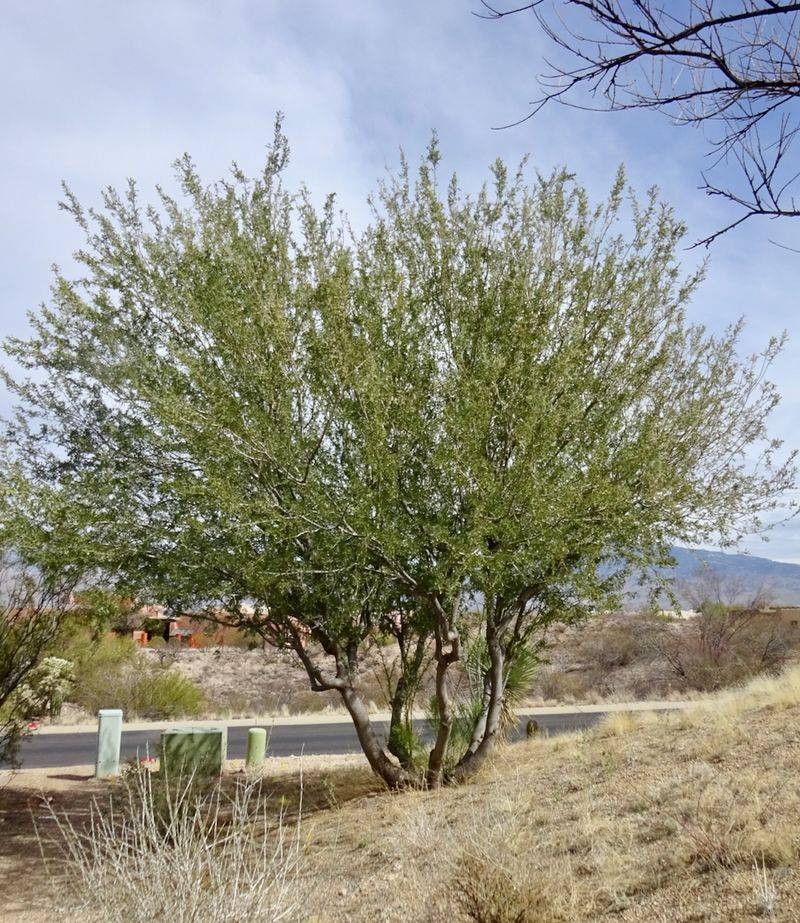
Desert ironwood is one of the most important trees in the Sonoran Desert ecosystem, and it has been doing just fine without human interference for hundreds of years.
Pruning it in March — or really at any time without a specific reason — is usually unnecessary and can set the tree back significantly.
These trees grow slowly. Very slowly.
Cutting off a branch that took decades to develop is not a decision to take lightly. Unlike faster-growing species, ironwood does not bounce back quickly from heavy pruning.
Remove a significant limb and you may be looking at years before the tree recovers its original form and density.
If there is a genuine safety issue — a branch over a roof or cracked limb at risk of falling — then targeted removal by a certified arborist is the right call. But routine shaping or aesthetic trimming in March serves no real benefit for this species.
Arizona’s desert ironwood also provides critical habitat and shade for native wildlife, so maintaining its natural canopy structure matters beyond just your yard. Resist the urge to prune it simply because spring feels like a good time to tidy things up.
8. Jacaranda Should Be Pruned After Its Spring Bloom
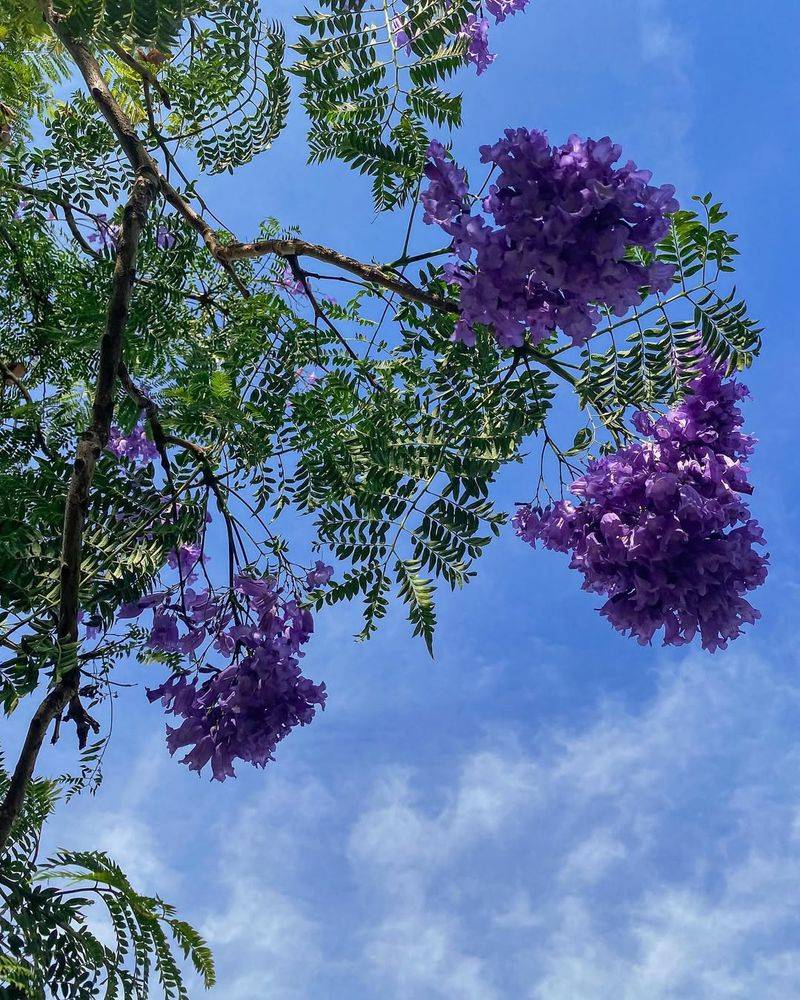
There is almost nothing more visually striking in an Arizona yard than a jacaranda in full purple bloom. Pruning it in March means cutting off the very buds that produce that show, and that is a trade most people would deeply regret once late spring rolls around.
Jacarandas bloom on wood that developed the previous season. Trim branches in March and you are removing the flowering potential for that year.
Patience pays off here — wait until the blooms have fully dropped, then do your shaping. You get the full floral display and still have time to clean up the structure before summer heat sets in hard across Arizona.
After bloom is also when you can see which branches produced well and which are sparse or awkwardly placed. That gives you much better information for making smart pruning decisions.
Focus on removing crossing branches, any weakened wood left from winter, and anything that is pulling the tree’s shape out of balance.
Jacarandas in Arizona can reach impressive sizes, so keeping the canopy manageable over time with annual post-bloom pruning is far easier than trying to reclaim a heavily overgrown tree years down the line.
9. Oleander Trees Bloom Better Without Early Spring Cutting
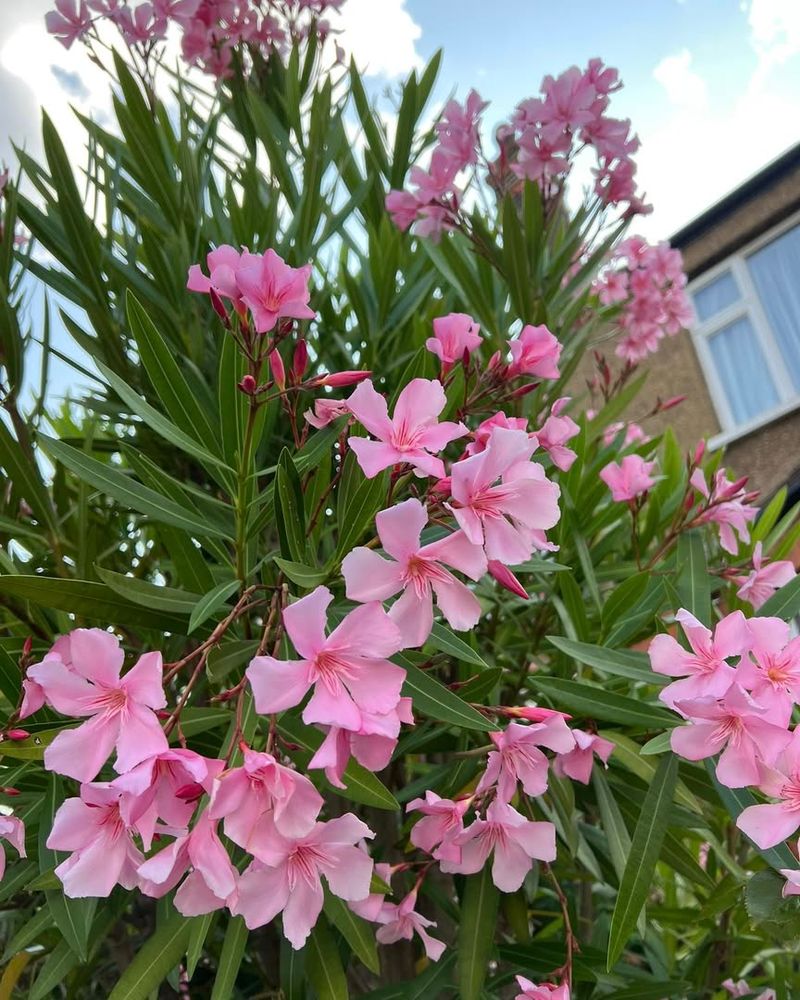
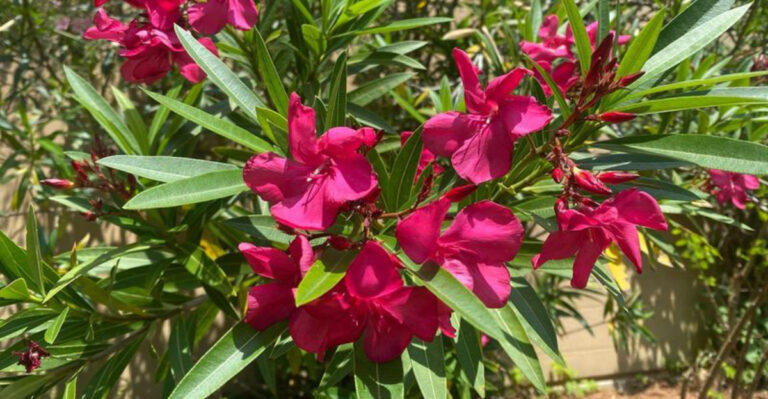
Oleanders are everywhere in Arizona landscapes, from neighborhood yards to highway medians, and their toughness in desert heat is a big reason why.
These evergreen shrubs and small trees handle drought, intense sun, and poor soil far better than many ornamental plants.
Because they grow quickly and respond strongly to trimming, it can be tempting to reach for the pruning tools in March while doing other spring cleanup.
However, early spring is not the best moment to cut them back heavily. Oleanders begin pushing new flowering growth as temperatures warm, so heavy pruning too early can delay the bloom cycle.
When large sections are removed too early in spring, the plant often responds by pushing lots of leafy shoots instead of focusing on flower production. The result can be a thick green plant with far fewer blooms once summer arrives.
Waiting a little longer usually produces a better display. In most Arizona gardens, it is smarter to allow oleanders to begin growing and flowering naturally before doing any serious trimming.
Once the main bloom cycle finishes, shaping the plant becomes much less disruptive to its flowering pattern.
If anything truly needs attention in March, limit the work to removing broken branches or clearly damaged wood.