Arizona Vegetables You Can Still Direct Sow Before May Ends
Most gardeners look at a May calendar and think the window is closing. In Arizona, that thinking might cost you an entire season. The low desert operates on its own timeline. Its own rules.
While gardeners in other states are wrapping up their spring planting and bracing for summer, in Arizona’s low desert, warm-season crops still have a late-spring planting window. That warm ground is not a problem to work around. That is the whole point.
Here is what most people get wrong. They assume heat is the enemy of a productive garden. They pull back. They wait. They talk themselves out of planting anything at all until fall rolls around. That is a lot of empty garden beds and missed harvests.
The truth is that right now, before May slips away completely, the soil conditions in low-desert areas are sitting in a very specific sweet spot. A window that experienced Arizona gardeners know how to use.
Eight vegetables are ready to go into the ground today, and every single one of them actually wants this heat.
1. Sow Beans For Fast Summer Harvests
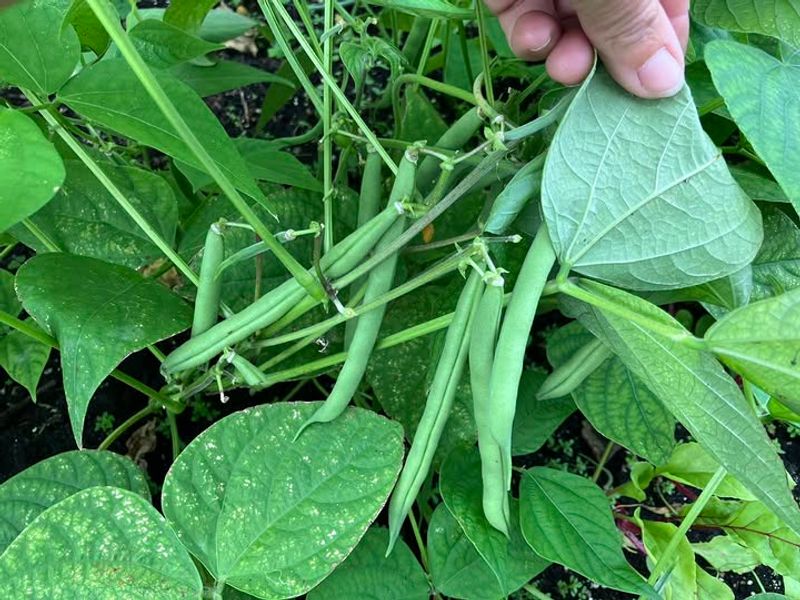
Want results fast? Plant beans. No crop in the Arizona low-desert garden delivers quite like a row of beans pushing through warm soil just days after you drop the seeds in.
It is almost instant gratification by gardening standards, and May soil temperatures make the whole process even faster.
Beans want soil at least 60 degrees Fahrenheit to germinate well. Low desert gardens in May are already well past that. You are not coaxing these seeds. You are launching them.
Plant about one inch deep. Space seeds three to four inches apart in rows eighteen inches wide. Keep the soil evenly moist until seedlings emerge, usually five to ten days. That is it. Beans do not ask for much upfront.
Now comes the fun decision. Bush or pole? Bush beans stay compact and produce all at once, which is perfect for preserving or cooking in batches.
Pole beans climb, need a trellis, and produce steadily over a longer stretch. Both are excellent. The right choice depends entirely on how you like to harvest and cook.
Once pods start forming, pick them constantly. This is not optional. Frequent harvesting tells the plant to keep producing. Stop picking, and the plant thinks its job is done. Stay on top of it, and the harvest just keeps coming.
Beans are the overachievers of the garden. Low maintenance, fast-growing, and genuinely productive. In a season where timing matters this much, a crop that moves this quickly is basically a gift. You could say they are worth every hill and then some.
2. Plant Black-Eyed Peas For Heat-Loving Harvests
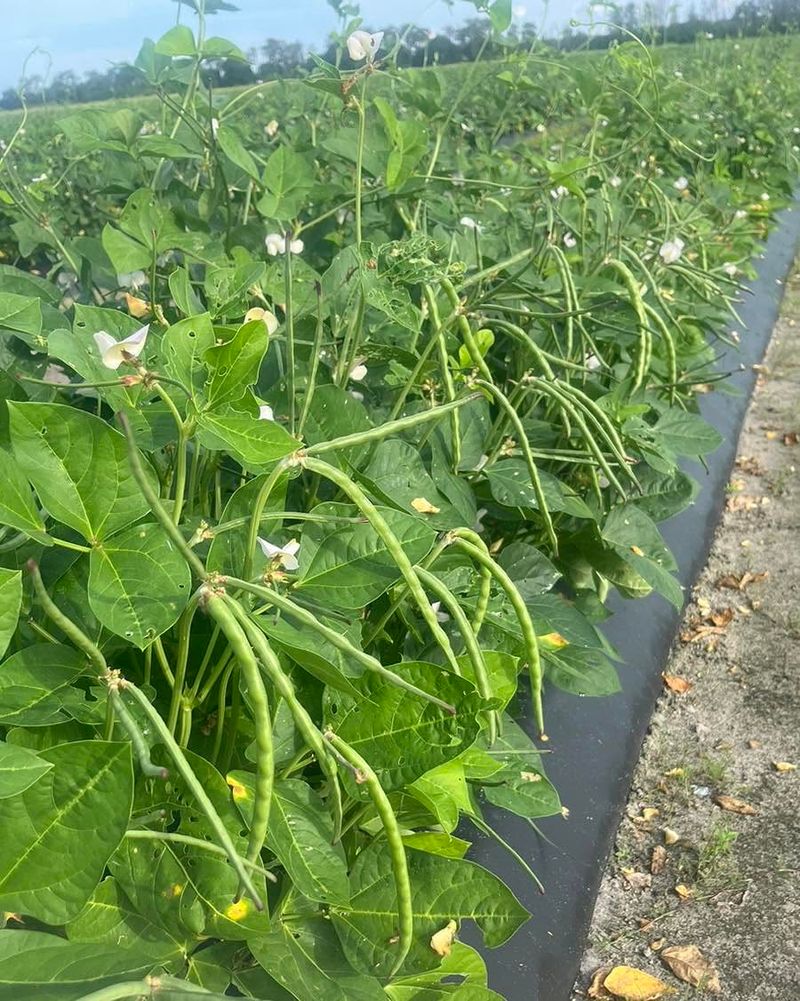
Most vegetables tolerate Arizona heat. Black-eyed peas actually enjoy it. That distinction matters more than it sounds. A plant that merely tolerates heat survives.
A plant that thrives in it produces. And in late May in the low desert, you want crops in that second category.
Southern farmers have leaned on black-eyed peas through blazing summers for generations. The logic translates directly to Arizona.
Your Arizona Garden Changes Every Week. Your Plan Should Too.
Gardening in Arizona changes quickly throughout the season. Every Friday you’ll receive a simple weekly plan showing exactly what to plant, prune, fertilize, harvest, and protect so you never miss the right timing.
High temperatures, intense sun, and dry air are not problems for this legume. They are basically the job description.
Late May is a practical window to get seeds in before conditions push even further into peak summer intensity.
Sow about one inch deep. Space plants six inches apart with rows eighteen to twenty-four inches wide.
Here is a bonus that most gardeners appreciate. Black-eyed peas fix nitrogen from the air through soil bacteria, which means heavy fertilizing is not required. Less work, better soil. A genuine win, right?
Water consistently right after planting to help seeds germinate without drying out in that warm soil. Once established, these plants handle dry spells better than most vegetables.
That said, steady moisture during flowering and pod development will noticeably improve your harvest. Pick pods when they are plump and tender. Let some dry on the vine for storage.
Either way, this crop earns every inch of garden space it occupies. For a low-fuss performer that actually wants to be in your Arizona garden, black-eyed peas are the clear-eyed choice.
3. Get Sweet Corn In Before May Slips Away
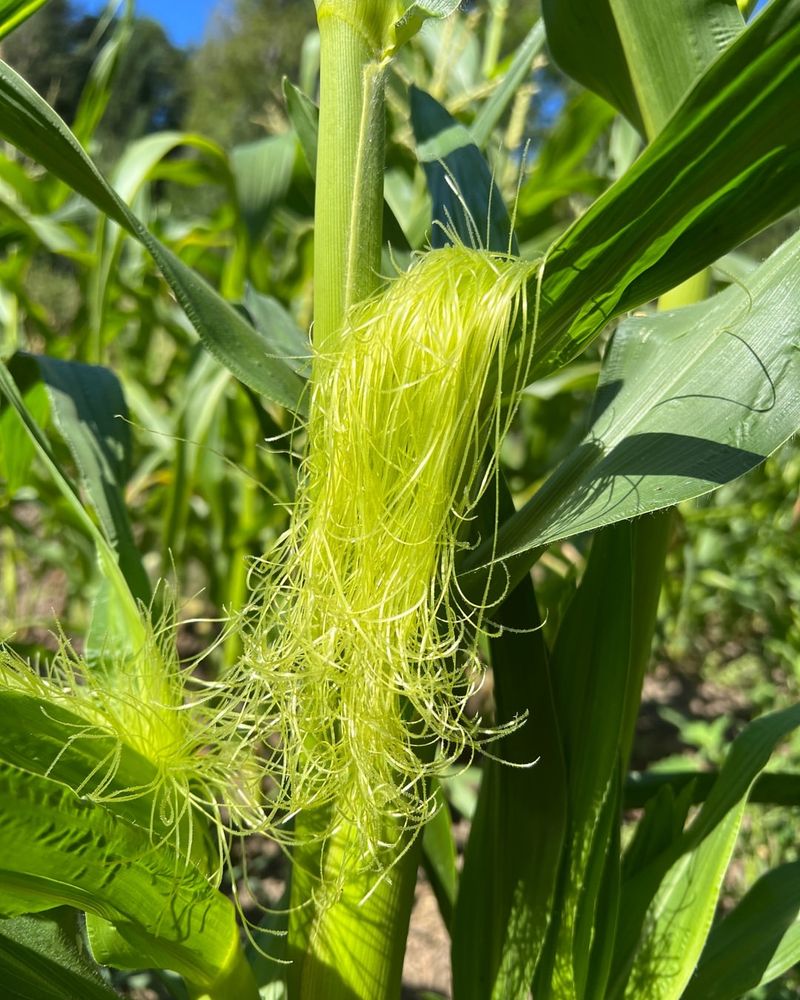
Pulling back a husk to find rows of plump golden kernels is one of those garden moments that never gets old.
Sweet corn straight from your own backyard tastes completely different from anything you buy at a store. It is sweeter, fresher, and frankly a little triumphant.
May is your window to make that happen in the Arizona low desert, and the window does not stay open long.
Timing is everything with corn. Plant too late, and intense summer heat interferes with pollination and ear development.
Get seeds in the ground before May ends, and plants have the best possible start before peak heat arrives.
Here is the thing most first-time corn growers miss. Corn pollinates by wind, which means a single long row is a terrible idea.
Pollen needs to fall from tassels onto silks, and that works far better in blocks. Plant at least four rows side by side.
Skimpy pollination means ears with gaps and missing kernels, which is a deeply disappointing result after weeks of effort.
Plant seeds one inch deep, twelve inches apart, in rows thirty inches wide. Corn is also thirsty. Consistent watering from day one through ear development is non-negotiable in this heat.
Mulch around plants once they reach a few inches tall. It holds moisture and keeps roots from cooking in the Arizona sun.
Watch for silks to brown as harvest approaches, usually seventy to eighty days out. Worth every drop of water. Worth every day of waiting.
4. Start Cucumbers Now For Crisp Garden Rewards
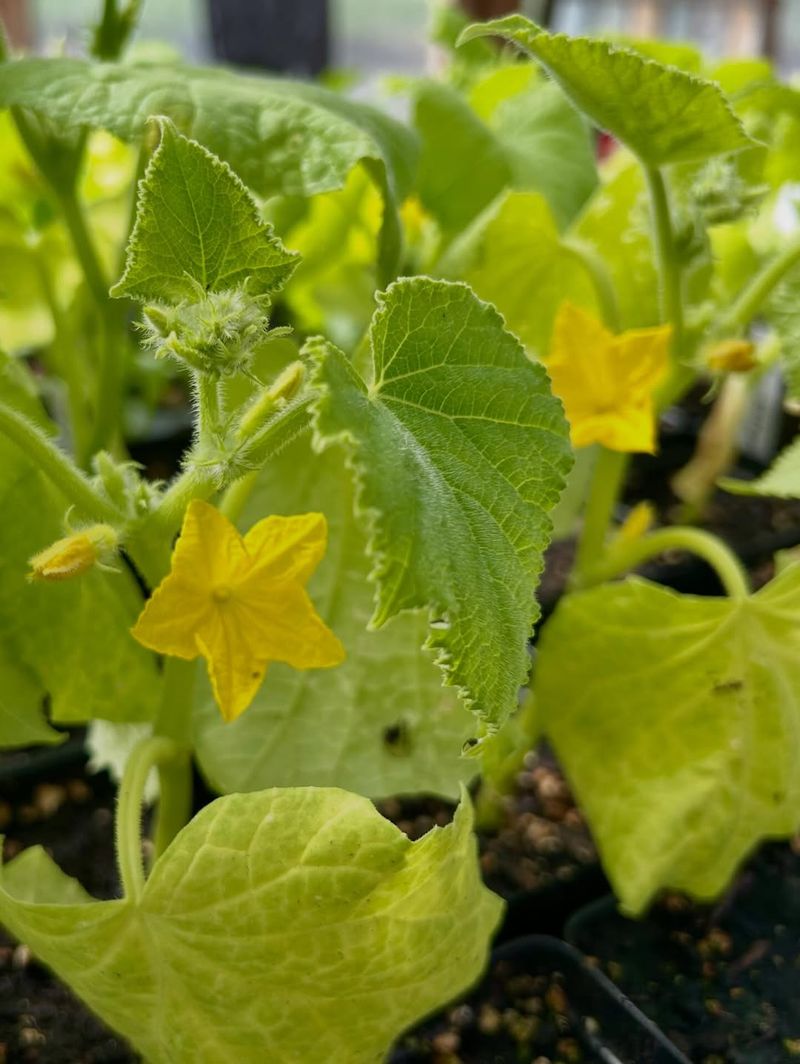
Few vegetables taste more like summer than a cucumber pulled straight off the vine. Cold, crisp, and refreshing in a way that feels almost defiant of the heat around it.
Arizona low-desert gardeners have warm soil on their side right now, and cucumbers are ready to take full advantage of exactly that. Sow seeds half an inch to one inch deep. Then decide on space.
Let vines sprawl, and they need serious horizontal room. Set up a trellis, and you reclaim that ground while also improving airflow around foliage.
Trellising is worth the effort. Better air circulation reduces moisture-related leaf problems when monsoon humidity rolls in later in the season.
Consistent moisture is the single most important factor for good cucumber quality. Uneven watering produces bitter fruit.
Nobody wants that, right? Aim for regular, deep irrigation rather than shallow daily sprinkles that wet the surface without reaching roots.
Mulch around the base of plants. It retains soil moisture and prevents roots from overheating on the hottest days, which are coming whether you are ready or not.
Once fruit starts forming, check vines every day or two. Cucumbers left on the vine too long turn seedy, tough, and bitter.
Pick at the right size, and the plant keeps producing. Stay on top of the harvest, and your garden keeps delivering. Cool as a cucumber? With this crop in the ground, absolutely.
5. Choose Armenian Cucumbers For Desert Garden Crunch
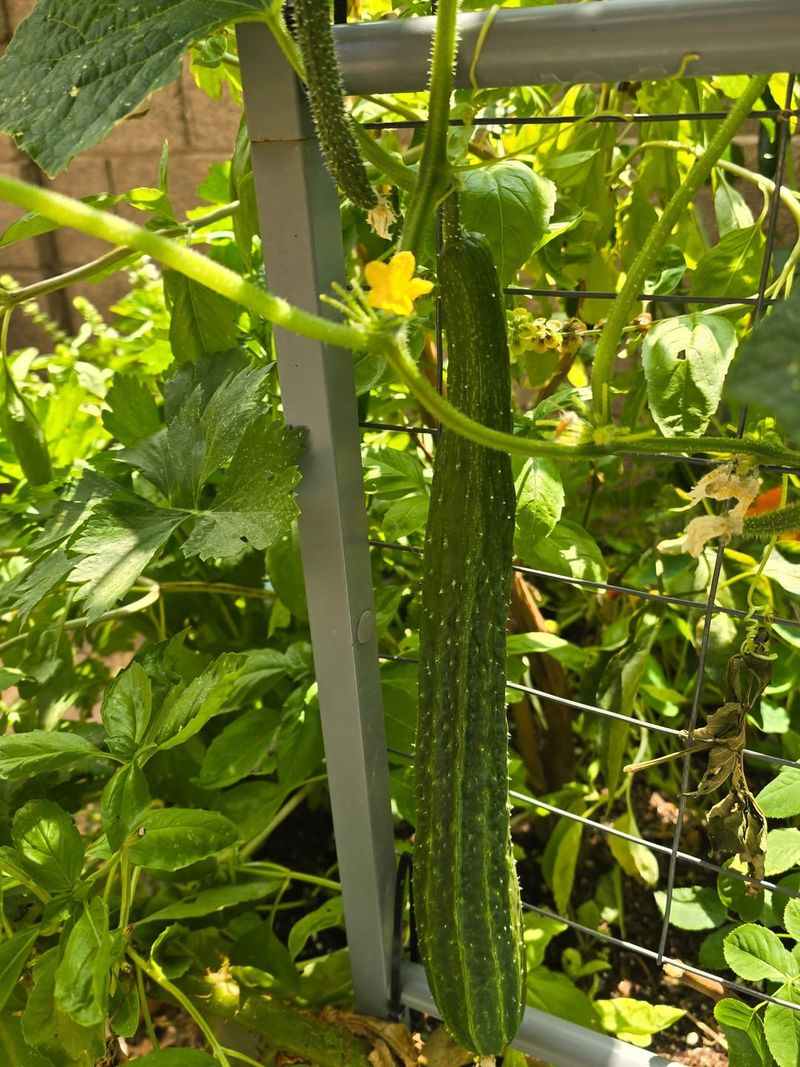
Regular cucumbers are great. Armenian cucumbers are built for this. That is not an exaggeration. Standard cucumbers handle Arizona heat reasonably well.
However, Armenian cucumbers genuinely thrive in it. That makes them one of the smartest choices a low desert gardener can put in the ground before May ends.
Technically a type of muskmelon grown for its immature fruit, Armenian cucumber has earned serious loyalty among desert gardeners. The long, pale green fruits are mild, crisp, and refreshingly easy.
The thin skin does not require peeling. The flavor is clean and light without any of the bitterness that regular cucumbers can develop under heat stress.
May is a practical window to direct sow before temperatures push even higher. These vines grow fast and vigorously.
A sturdy trellis or fence is not optional. It is essential. Vertical growing does several things at once. Fruits stay straighter.
Harvesting becomes easier. Air moves through the planting, which matters during monsoon humidity.
Space plants eighteen to twenty-four inches apart at the base to give roots room to develop properly.
Harvest between twelve and eighteen inches long. That is the sweet spot for flavor and texture.
Check plants every couple of days once production starts. These fruits grow surprisingly quickly in Arizona heat, and the difference between perfect and past-it can be just forty-eight hours.
Stay attentive, and the rewards are crunchy, consistent, and genuinely impressive. No peeling required. No complaints expected.
6. Sow Melons For Sweet Heat Season Flavor
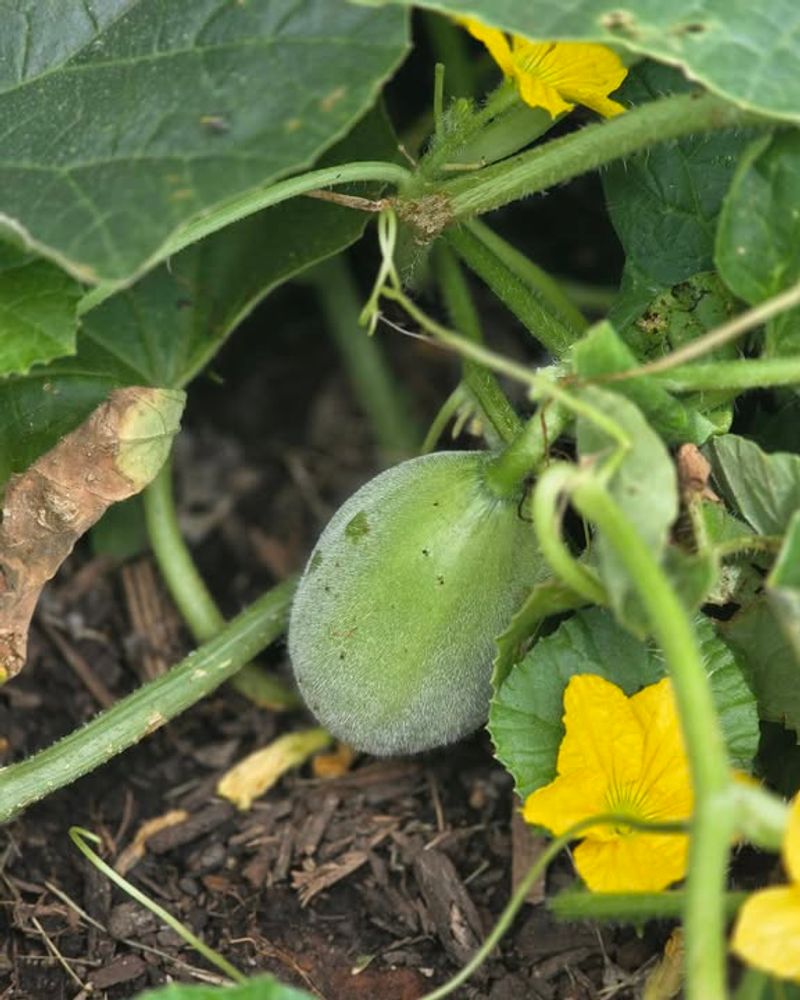
The desert was basically designed for growing melons. Heat, full sun, warm soil, and long sunny days. Everything that makes Arizona summers intense is exactly what melons need to develop deep sweetness and full flavor.
Low desert gardeners have a genuine advantage here, and May is the time to use it. Sow seeds about one inch deep in hills or rows. Then give these vines serious space.
Melons spread, so plan for it from the start. Space plants eighteen to twenty-four inches apart. Leave rows at least five to six feet wide. Crowded vines compete for water and light, and the fruit suffers for it.
Give each vine room to run, and it will reward that generosity with better, sweeter fruit. Full sun all day is non-negotiable. Partial shade is not acceptable for a crop this sun-dependent.
Find the sunniest spot in your garden and put your melons there. Water steadily during early establishment. Deep, infrequent irrigation beats shallow daily sprinkles once vines are growing well.
Roots need to reach down, not hover near the surface. Also, here is a trick worth knowing. Reduce water slightly as fruits approach maturity.
Less moisture at that stage concentrates sugars in the flesh and noticeably improves flavor. Experienced melon growers use this method deliberately.
A ripe cantaloupe slips from the vine with gentle pressure at the stem end. That moment is the payoff for every week of waiting. Melons take patience, but nothing in the summer garden tastes quite as sweet.
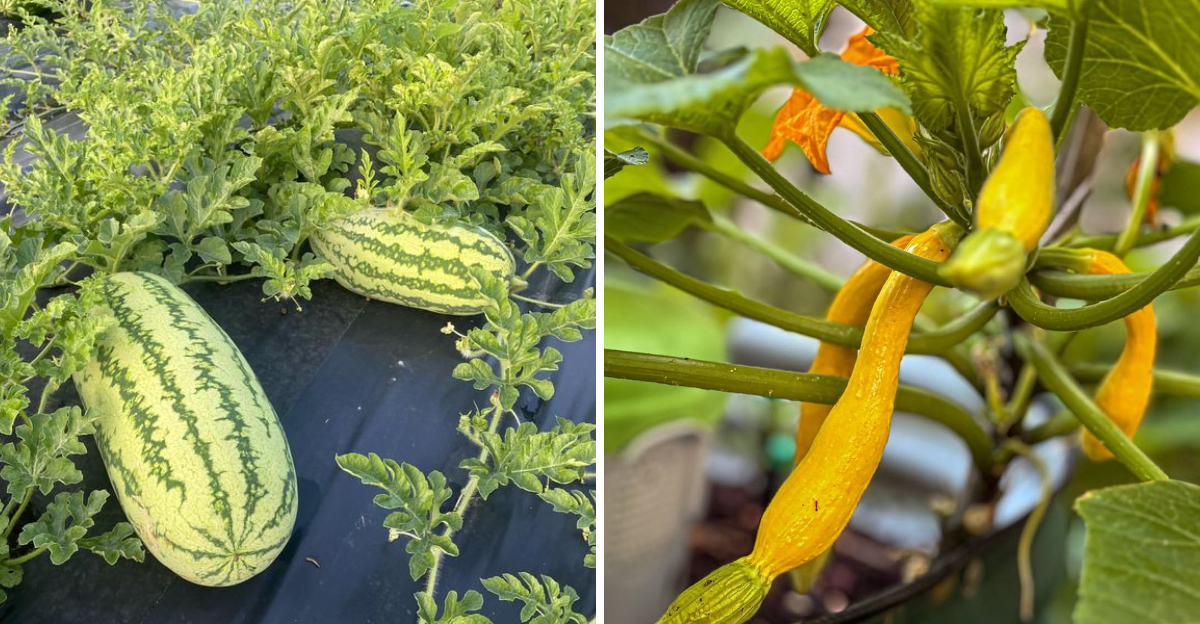
7. Plant Watermelon While The Soil Is Warm
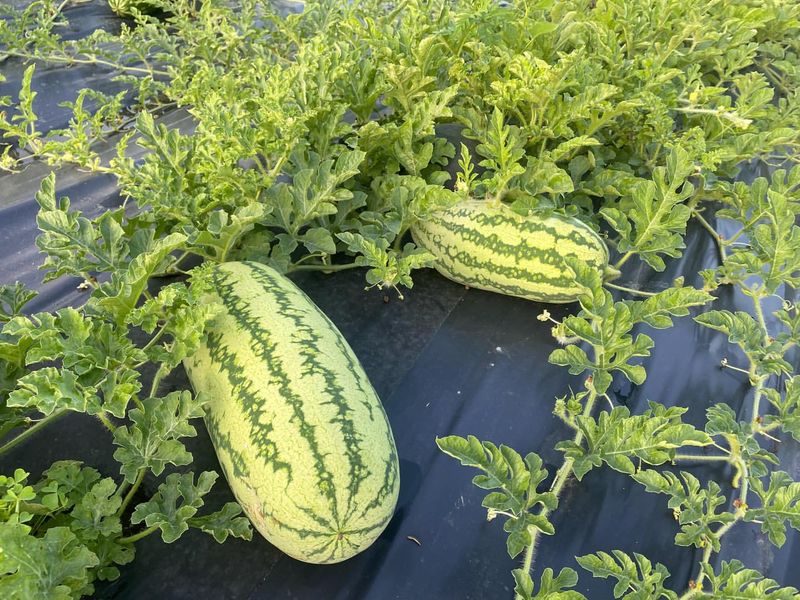
Watermelon and Arizona summers were made for each other. This is not a coincidence. These vines want heat and space. They want warm soil, full sun, and a long growing season to build up all that sweetness.
May in the low desert provides every single one of those things, which is exactly why now is the time to act.
Direct sow seeds one inch deep in prepared beds. Then plan your spacing seriously, because watermelon vines are not subtle about how much room they intend to take.
Vines easily sprawl six feet or more in every direction. Rows need to be six to eight feet apart.
Crowded vines compete hard for water and nutrients, and that competition shows up directly in smaller, less flavorful fruit. Give each plant the space it demands, and it will use every inch of it productively.
Consistent watering during early establishment builds a strong root system that carries plants through the heat ahead. Young vines need regular moisture before they develop enough root depth to handle drier spells.
Mulch around the base of plants. It holds moisture in the soil and protects roots from overheating.
However, ripeness takes patience and a bit of detective work. Watch for the tendril closest to the fruit to dry and brown.
Knock gently on the fruit and listen for a deep, hollow thud. Both are classic signs that the wait is over.
When it is, there is nothing better on a hot Arizona afternoon. Truly the thump of summer success.
8. Start Summer Squash For A Quick Garden Payoff
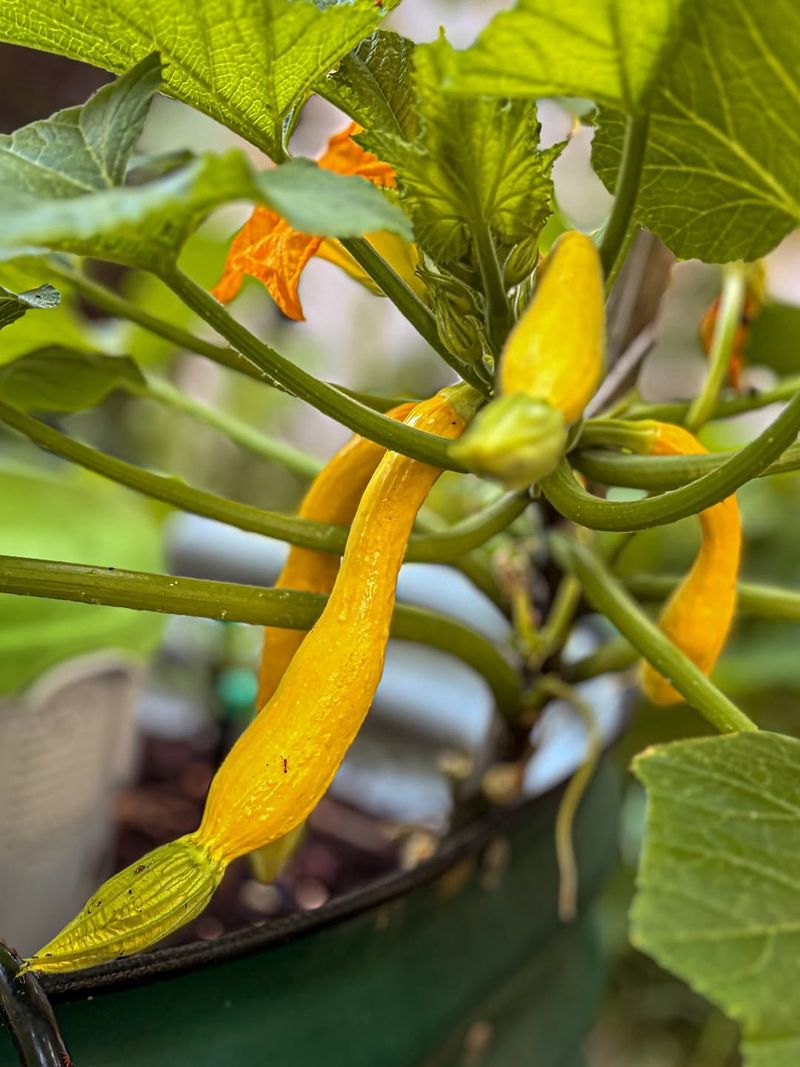
Summer squash does not ease into the season. It sprints. Zucchini, yellow squash, and their relatives grow so fast and produce so abundantly that first-time growers are sometimes genuinely caught off guard.
You plant seeds, look away for what feels like a moment, and suddenly there are squash everywhere. In Arizona’s late May heat, that timeline gets even faster.
Seeds go in about one inch deep. Then give plants real space because squash spreads wide. Large leaves need room to catch sunlight without shading each other out.
Space plants twenty-four to thirty-six inches apart. Leave rows about four feet wide. It feels generous when the seedlings are tiny, but it’s absolutely necessary three weeks later.
Germination in warm May soil is fast. Expect seedlings within five to seven days. Growth from there is aggressive. These plants have places to be.
Here is the rule that keeps everything running smoothly. Harvest constantly and harvest early. Fruits left on the vine too long turn enormous, woody, and flavorless.
More importantly, oversized squash signals the plant to slow down production. Pick fruits at six to eight inches long, and the plant keeps pumping out more.
Check plants every single day once fruiting begins. In Arizona summer heat, squash can go from perfect size to comically oversized in less than forty-eight hours. Stay attentive, keep picking, and the harvest continues strong all season.
Consistent watering and a good layer of mulch keep plants healthy through the heat. You have been warned. Squash takes no days off.