Attract American Robin To Your Pennsylvania Yard With These Native Plants
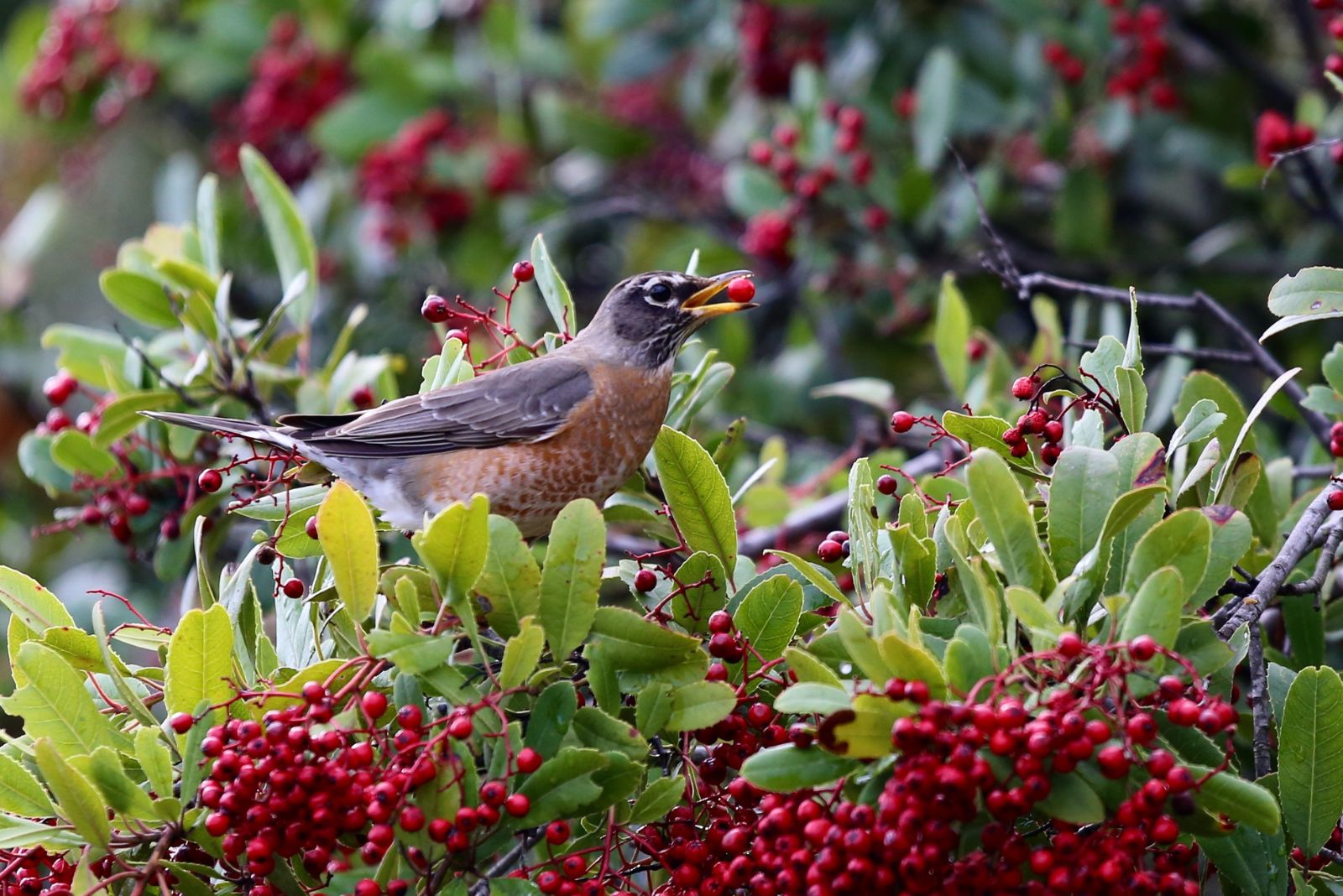
A flash of warm orange on the lawn and a cheerful song in the morning can make any yard feel alive. The American robin is one of Pennsylvania’s most familiar and loved birds, often seen hopping across grass in search of food.
Many homeowners enjoy spotting them, yet few realize how simple it can be to invite these birds to visit more often.
Robins look for safe spaces with steady food, shelter, and nesting spots. Native plants provide exactly what they need.
Berry producing shrubs, insect friendly flowers, and protective greenery create a natural habitat that supports robins through changing seasons.
When these elements come together, your yard becomes more than just a garden. It becomes a welcoming stop for wildlife.
With the right native plants, you can encourage robins to return again and again. Their bright presence, soft calls, and daily activity bring life, movement, and natural charm to any Pennsylvania outdoor space.
1. American Robin Favorite: Winterberry
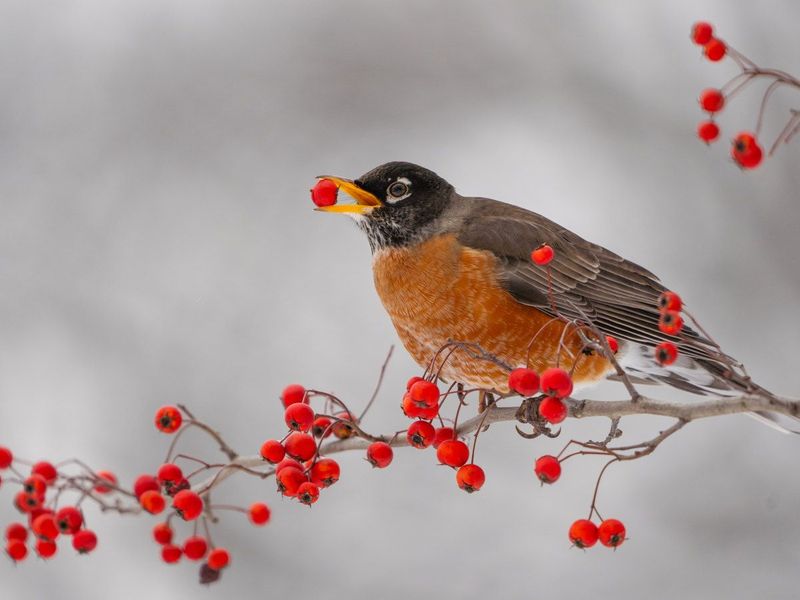
Winterberry stands out as one of the absolute best choices for attracting American robins to Pennsylvania yards during the coldest months.
This native deciduous holly loses its leaves in autumn, which makes the brilliant red berries even more visible against winter’s gray skies.
Robins gather in flocks during winter and actively search for berry-producing plants like winterberry when other food sources disappear under snow.
The berries appear in fall and persist well into winter, providing a reliable food supply when robins need it most. Female plants produce the fruit, but you’ll need to plant at least one male winterberry nearby for pollination to occur.
Pennsylvania’s naturally moist soils create ideal growing conditions for this shrub, especially in areas with partial shade or full sun.
Winterberry grows between six and ten feet tall, making it perfect for foundation plantings or mixed borders. The dense branching also offers shelter from harsh weather and predators.
You might notice that robins often wait until late winter to feast on winterberry, allowing the berries to soften through freeze-thaw cycles.
This plant thrives in Pennsylvania’s acidic soils and tolerates wet conditions better than many other shrubs. Plant several winterberries together to create a winter food station that will draw robins from across your neighborhood.
The bright red fruits against bare branches also add stunning visual interest to your winter landscape when most other plants look dormant.
2. Serviceberry
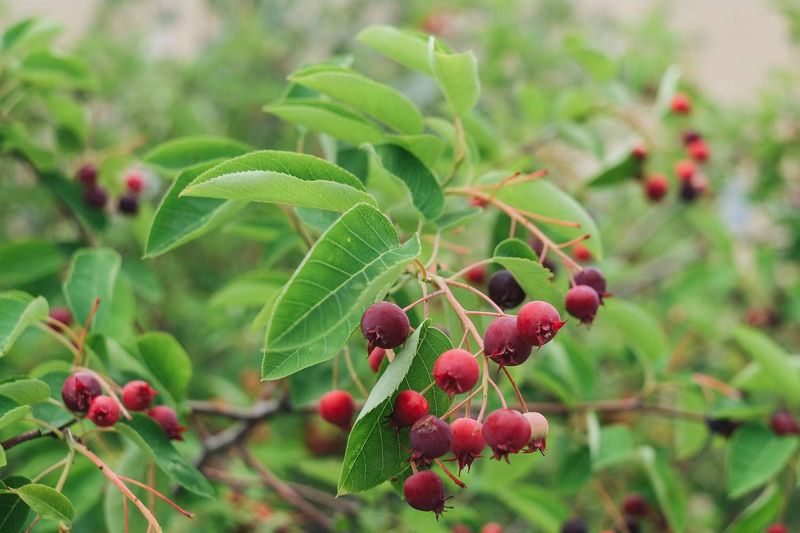
Early risers in the bird world, American robins find serviceberry irresistible when the sweet purple fruits ripen in early summer. This small native tree reaches heights of fifteen to twenty-five feet, making it manageable for most Pennsylvania yards.
White flowers appear in spring before most other trees leaf out, creating a stunning display that signals the start of growing season.
The berries that follow those delicate blooms taste remarkably sweet, almost like blueberries with a hint of almond. Robins compete with other songbirds and even humans for these delicious fruits that ripen in June throughout Pennsylvania.
You’ll often see robins visiting serviceberry trees multiple times per day during peak fruiting season.
Beyond providing food, serviceberry offers excellent nesting sites with its branching structure. The horizontal branches create perfect platforms where robins build their mud-and-grass nests.
Pennsylvania’s native serviceberry adapts to various soil types and handles both sun and partial shade with equal success.
Fall brings another surprise when serviceberry leaves turn brilliant shades of yellow, orange, and red. This tree truly delivers four-season interest while supporting local wildlife.
Plant serviceberry near a window where you can watch robins harvest berries and possibly even build nests. The tree’s moderate size makes it suitable for smaller properties where larger shade trees won’t fit.
Serviceberry also tolerates urban conditions well, making it perfect for Pennsylvania city gardens and suburban landscapes alike.
3. Flowering Dogwood
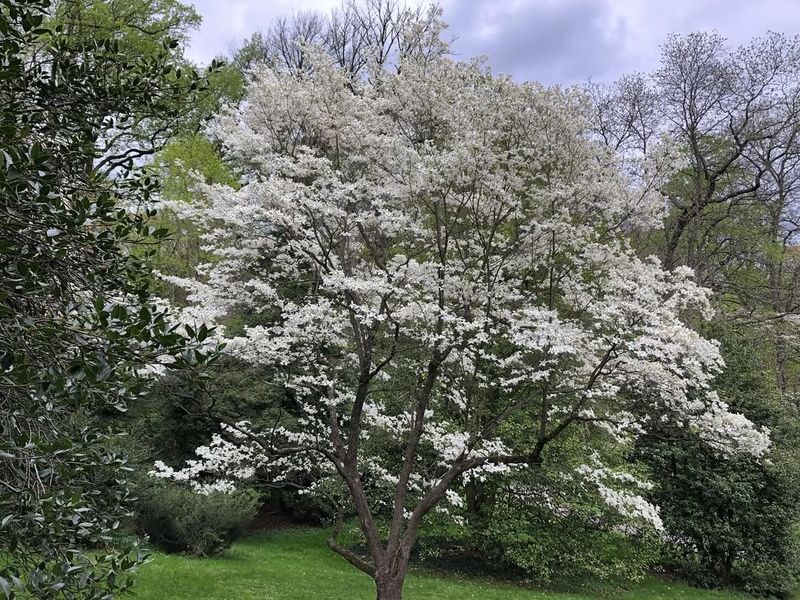
Few trees capture Pennsylvania’s natural beauty quite like flowering dogwood with its layered branches and iconic spring blooms. Come late summer and fall, this native tree produces clusters of bright red berries that robins find absolutely irresistible.
The fruits ripen just as robins begin preparing for migration or stocking up for winter, depending on whether they’re year-round residents or seasonal visitors.
Flowering dogwood typically grows twenty to thirty feet tall with a spreading canopy that provides excellent shade. The dense branching pattern creates numerous potential nesting sites that robins readily use during spring breeding season.
Pennsylvania’s woodland edges and suburban yards both provide suitable conditions for this adaptable native tree.
Spring brings the famous white or pink flower bracts that make dogwood a landscaping favorite. These aren’t true flowers but modified leaves that surround the actual tiny blooms.
By planting flowering dogwood, you support robins while enjoying one of Pennsylvania’s most beautiful native trees.
The tree prefers partial shade and well-drained soil with plenty of organic matter. Avoid planting in areas with compacted soil or full blazing sun, which can stress the tree.
Dogwood anthracnose has affected some Pennsylvania populations, so choose disease-resistant varieties when possible. The berries contain high fat content that gives robins energy for migration.
Watch for robins stripping berries from dogwood branches during September and October across Pennsylvania. This tree combines aesthetic appeal with serious wildlife value.
4. Eastern Red Cedar
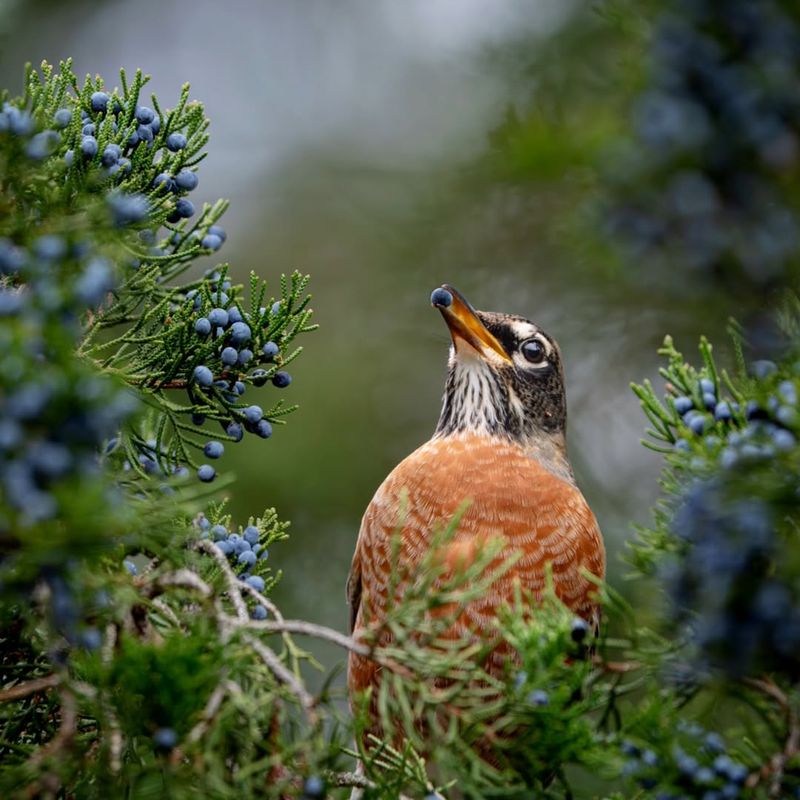
Winter survival depends on finding reliable food sources, which is exactly what eastern red cedar provides for Pennsylvania’s robin populations.
This native evergreen produces small blue berry-like cones that robins eat throughout the coldest months when other foods become scarce.
The cones appear in fall and remain available well into winter, offering consistent nutrition when robins need it most.
Eastern red cedar isn’t actually a true cedar but rather a juniper species native throughout Pennsylvania. The tree grows in a pyramidal shape and can reach forty feet tall, though many stay smaller in yard settings.
Dense evergreen foliage provides year-round shelter from wind, snow, and predators that threaten roosting robins during harsh weather.
Pennsylvania’s varied soil conditions rarely bother eastern red cedar, which tolerates everything from rocky hillsides to clay-heavy ground. Full sun brings out the best growth, though the tree handles some shade.
Robins often roost in the protected interior branches during winter nights when temperatures plummet.
The blue cones contain seeds that robins can digest, unlike the tough seeds of some other evergreens. Female trees produce the cones, while male trees only provide pollen.
Plant both sexes to ensure good cone production that will keep robins visiting your Pennsylvania yard throughout winter.
Eastern red cedar also supports numerous moth and butterfly species whose caterpillars become robin food during spring nesting season. This evergreen delivers benefits across all four seasons.
5. Black Chokeberry
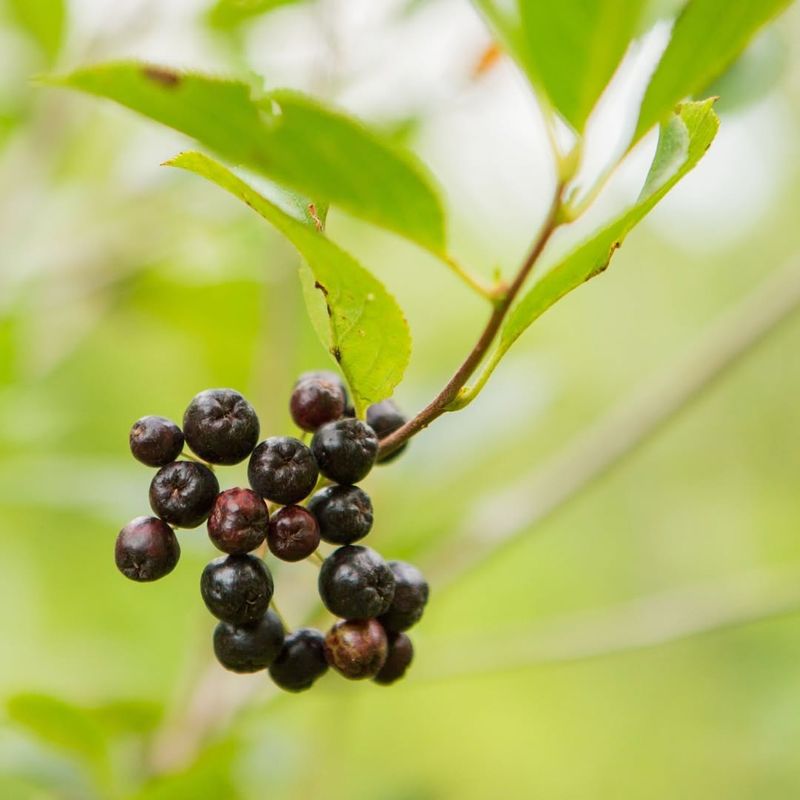
Tough as nails and loaded with berries, black chokeberry thrives where many other shrubs struggle across Pennsylvania landscapes.
The dark purple to black berries develop in late summer and persist well into fall, providing robins with high-energy food just when they need it most. This hardy native shrub adapts to wet soils, dry soils, and everything in between.
Black chokeberry grows four to eight feet tall with a spreading habit that creates dense cover. The white flower clusters in spring attract pollinators, while the fall berries draw robins and dozens of other bird species.
Pennsylvania gardeners appreciate how this shrub handles challenging sites without constant care or amendments.
The berries taste quite astringent to humans, which explains the “chokeberry” name, but robins seem unbothered by the tartness.
They often wait until after the first frost to eat chokeberry fruits, as cold temperatures reduce some of the astringency. Fall brings spectacular red and purple foliage that makes this shrub a landscape standout.
Plant black chokeberry in full sun to partial shade anywhere across Pennsylvania from Erie to Philadelphia. The shrub tolerates urban pollution, salt spray, and compacted soil better than most natives.
Mass plantings create the best effect and provide more berries for hungry robins. You can also use black chokeberry as a hedge or foundation planting.
The shrub spreads slowly through suckers, forming colonies over time. Prune out older stems every few years to maintain vigor and berry production that keeps robins returning year after year.
6. Spicebush
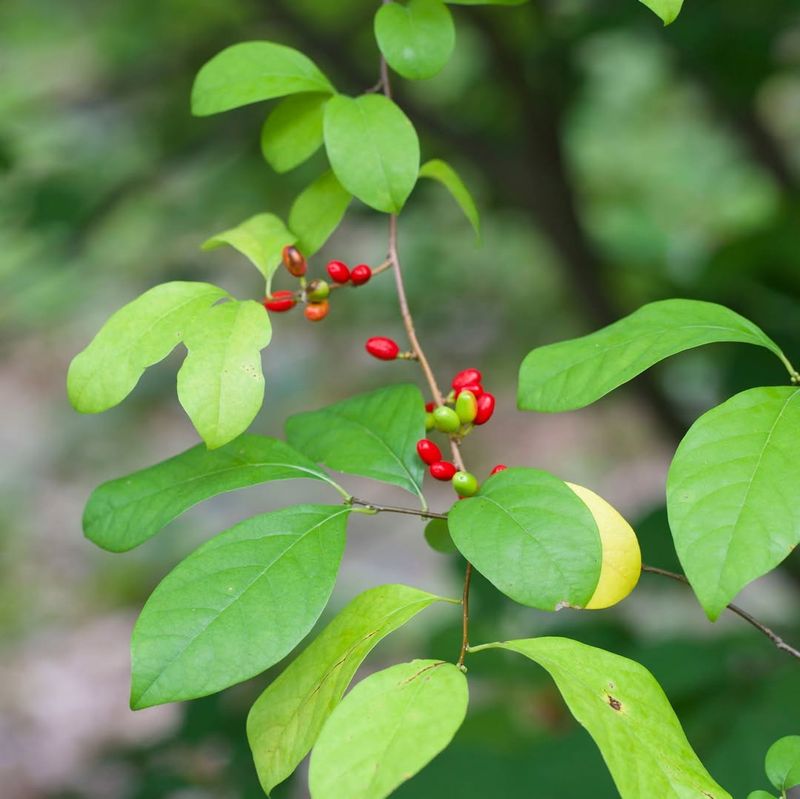
Woodland magic comes alive when spicebush lights up Pennsylvania forests with brilliant red berries each autumn. This native shrub grows naturally in the understory of deciduous woods throughout the state, making it perfect for shady yard areas.
Robins seek out spicebush berries during fall migration when they need high-fat foods to fuel their journeys.
The bright red berries ripen in September and October, creating striking color against the shrub’s yellow fall foliage. Female plants produce the fruit after small yellow flowers bloom in early spring before leaves emerge.
Pennsylvania’s native spicebush typically reaches six to twelve feet tall with an open, rounded form.
Beyond berries, spicebush supports the spicebush swallowtail butterfly whose caterpillars feed exclusively on its leaves. These caterpillars and other insects become protein-rich food for robins raising their young during spring and summer.
The shrub creates a complete ecosystem that benefits robins throughout their entire breeding season.
Spicebush prefers moist, rich soil with plenty of shade, mimicking its natural woodland habitat. The leaves and twigs release a spicy fragrance when crushed, which early Pennsylvania settlers used as a seasoning.
Plant spicebush under tall trees or along shady property borders where it will naturalize beautifully. The shrub tolerates deep shade better than most berry-producing natives.
Robins forage on the ground beneath spicebush, finding fallen berries and insects. This Pennsylvania native connects your yard to the state’s natural forest ecosystems while providing exactly what robins need across multiple seasons.
7. American Elderberry
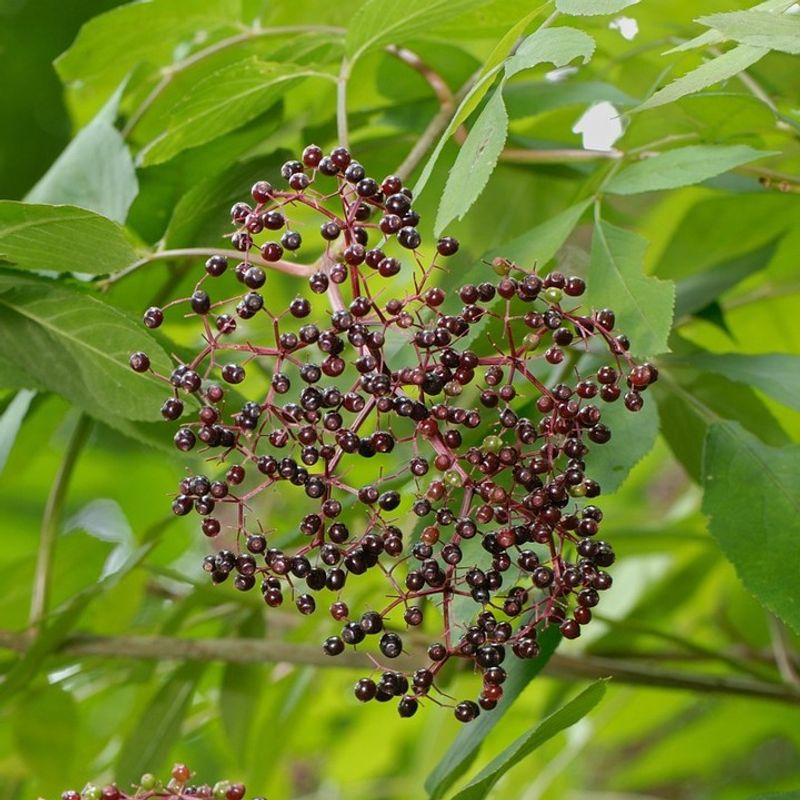
Fast results come from planting American elderberry, which grows quickly and produces abundant berry clusters in Pennsylvania yards. This native shrub shoots up six to twelve feet tall and spreads almost as wide, creating substantial cover in just a few seasons.
The flat-topped clusters of tiny white flowers in early summer give way to massive amounts of dark purple to black berries by late summer.
Robins flock to elderberry when the fruits ripen, often arriving in groups to strip the clusters clean. The berries provide excellent nutrition with high levels of vitamins and antioxidants.
Pennsylvania’s moist soils and full sun conditions create ideal elderberry habitat, though the shrub tolerates some shade.
American elderberry works beautifully along property edges, near ponds, or anywhere you want quick screening. The shrub spreads through suckers and can form large colonies if left unpruned.
Many Pennsylvania gardeners also harvest elderberries for jams, wines, and syrups, though you’ll need to beat the robins to the ripe fruit.
Plant elderberry in spring and you might see some berries the first year, with full production starting the second season. The shrub handles wet soils that would rot the roots of many other plants.
Prune out the oldest canes every few years to maintain vigorous growth and maximum berry production. Elderberry supports numerous beneficial insects that become food for nesting robins during spring.
This native shrub delivers outstanding wildlife value while requiring minimal maintenance across Pennsylvania’s diverse growing conditions.