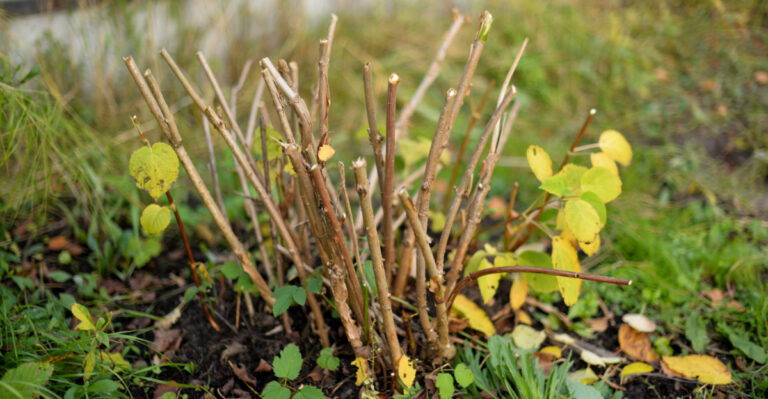
Avoid Bringing These 8 Unlucky Plants Indoors If You Live In North Carolina
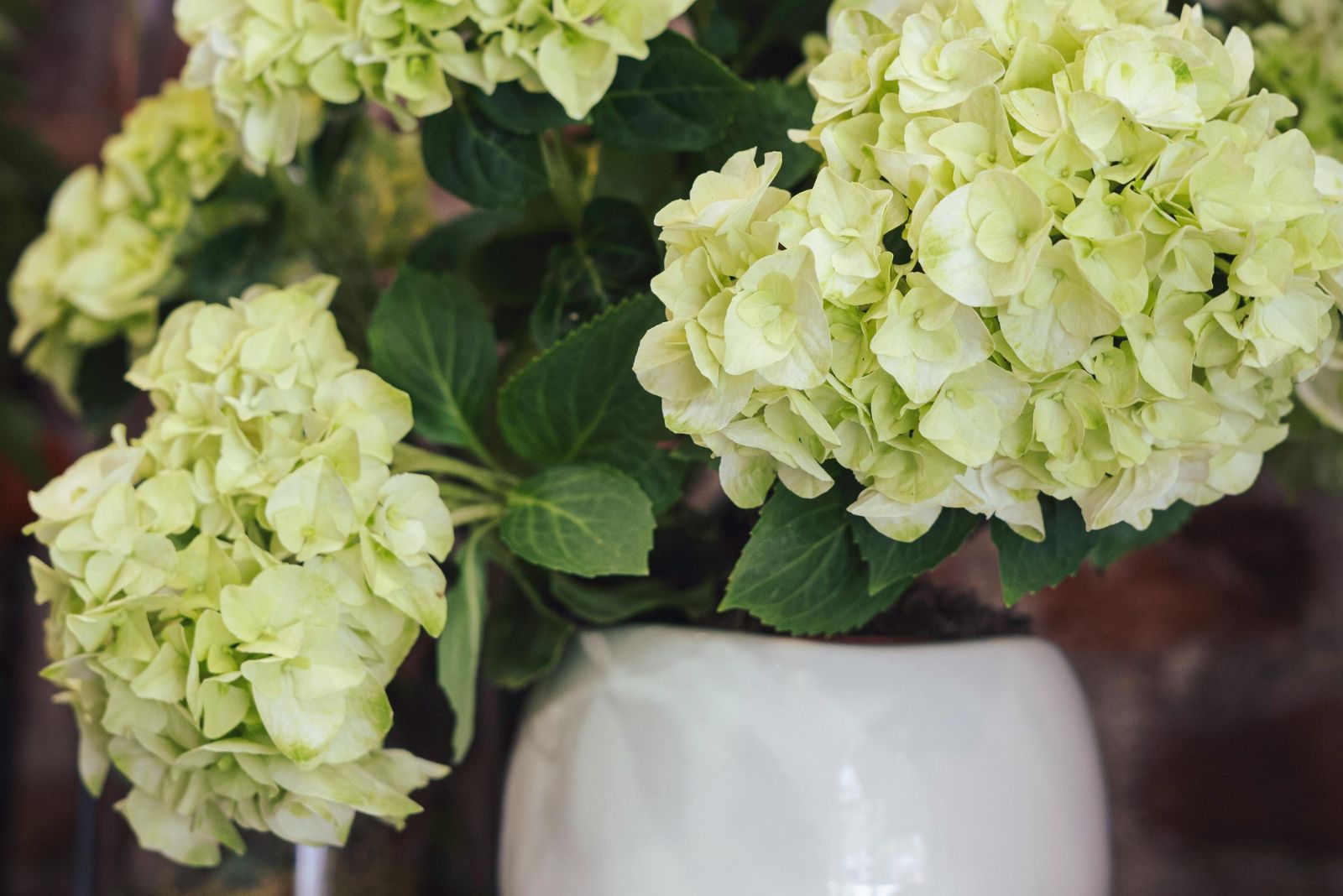
Step inside a North Carolina home and you will usually find at least one plant sitting near a sunny window or front door.
What most people do not realize is that some popular houseplants are believed to bring bad energy, blocked growth, or constant frustration according to traditional beliefs and local gardening experience.
Between humid summers, mild winters, and fast growing greenery, the wrong indoor plant can quickly become more trouble than charm.
Leaves drop, pests appear, and the space starts feeling off instead of calm and welcoming. That is why more homeowners are paying attention to which plants actually suit indoor life here and which ones are better left outside.
A few small changes can make your home feel brighter, lighter, and easier to manage. If you want better energy and healthier plants in your home, you’ll want to avoid these. No matter how nice some flowers smell, do not bring them indoors.
1. Camellias (Camellia Japonica & Camellia Sasanqua)
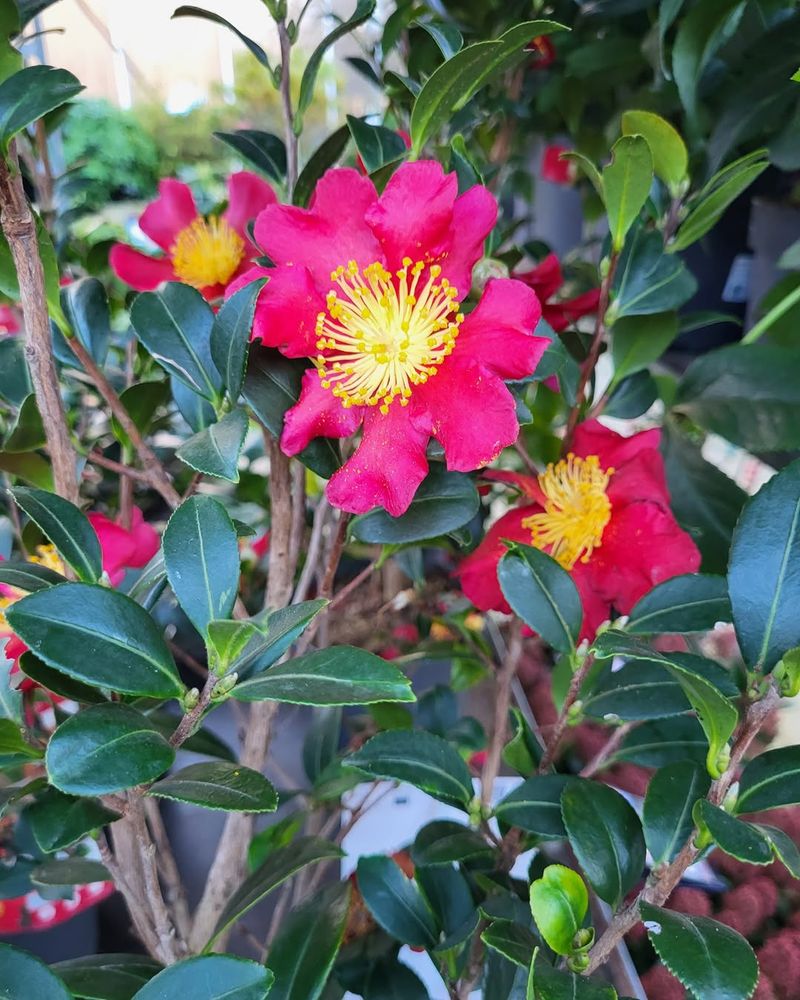
Camellias bring stunning winter blooms to outdoor gardens across the Tar Heel State. Their glossy leaves and elegant flowers make them garden favorites. Many gardeners feel tempted to bring potted specimens indoors for closer enjoyment.
Indoor air lacks the humidity these beauties desperately need to thrive properly. Central heating systems create desert-like conditions that stress camellia plants terribly. Buds form outdoors but often drop before opening when moved inside.
These shrubs evolved in cool, misty mountain regions of Asia long ago. They expect filtered sunlight and consistently moist air around their leaves. North Carolina homes simply cannot replicate these specific environmental conditions reliably.
Flower buds require several weeks of cool temperatures to develop correctly. Warm indoor spaces confuse the plant’s natural flowering cycle completely. The result becomes disappointing brown buds that never open into blooms.
Root systems also suffer when container-grown camellias live indoors for extended periods. Proper drainage becomes challenging in heated rooms with stagnant air.
Spider mites often attack stressed indoor camellias, creating even more headaches. Your camellia will reward you with spectacular blooms if kept outside.
2. Azaleas (Rhododendron Species)
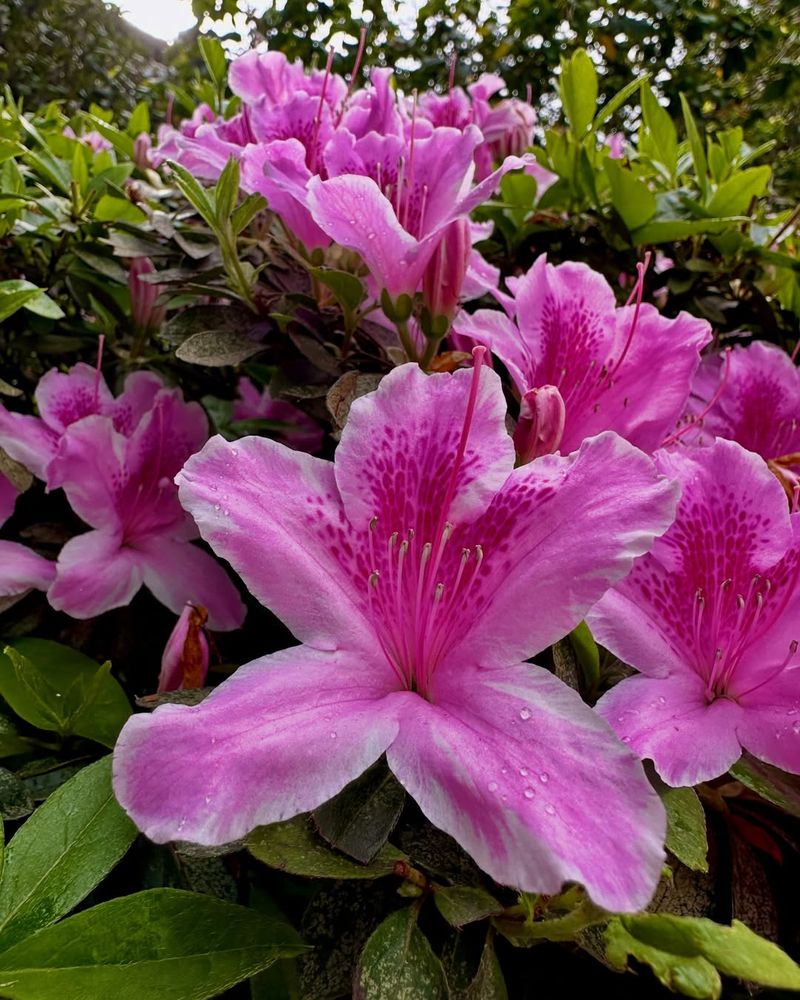
Azaleas paint North Carolina landscapes with incredible spring color every single year. Their abundant flowers create breathtaking displays that neighbors admire from blocks away. Some folks try moving potted azaleas indoors to extend the show.
Winter heating strips moisture from the air that azaleas absolutely require. These plants need humidity levels most homes never achieve without special equipment. Leaves quickly turn brown and drop when conditions become too dry.
Root systems demand consistent moisture but never waterlogged soil for healthy growth. Indoor watering becomes tricky because evaporation rates change dramatically with heating cycles. Overwatering becomes just as problematic as letting the soil dry out.
Bright indirect light proves difficult to provide in most indoor settings properly. Windows rarely offer the perfect balance azaleas prefer for sustained health. Insufficient light leads to weak, leggy growth and poor flowering later.
Temperature fluctuations also stress these woodland natives beyond their tolerance levels quickly. They evolved under forest canopies with stable, cool conditions year-round. Your azalea will stay healthier and bloom better planted outside in your yard.
3. Gardenias (Gardenia Jasminoides)
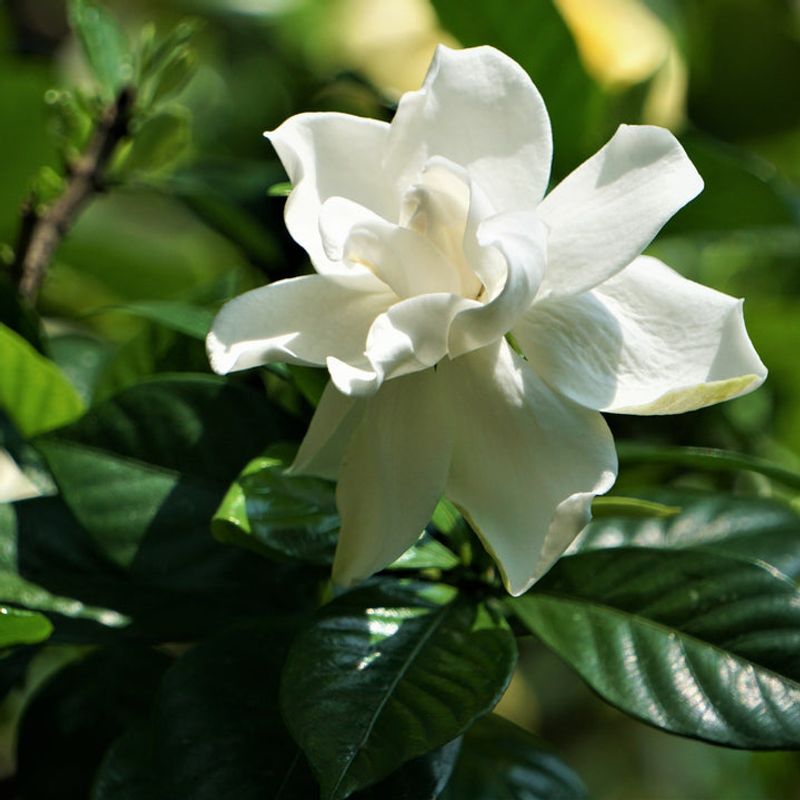
Few fragrances match the intoxicating perfume of blooming gardenias in summer gardens. Their creamy white flowers and deep green foliage create classic Southern elegance. Moving these beauties indoors seems like capturing paradise in your living room.
Reality hits hard when gardenia leaves start yellowing within weeks of indoor placement. These plants crave humidity levels that rival tropical rainforests for proper health. Most North Carolina homes hover around 30 percent humidity during winter months.
Gardenias also need acidic soil that drains perfectly while staying consistently moist. Indoor container culture makes maintaining this delicate balance extremely challenging for gardeners. Root rot develops quickly if drainage falters even slightly in pots.
Bright, indirect sunlight for several hours daily becomes another hurdle indoors. South-facing windows might work, but winter sun angles rarely provide enough light. Insufficient light causes buds to drop before opening into fragrant blooms.
Temperature preferences add another layer of difficulty to indoor gardenia cultivation attempts. They prefer daytime warmth but cooler nights for best flowering and growth.
Maintaining this temperature differential indoors requires constant thermostat adjustments and monitoring.
4. Hydrangeas (Hydrangea Macrophylla, H. Quercifolia)
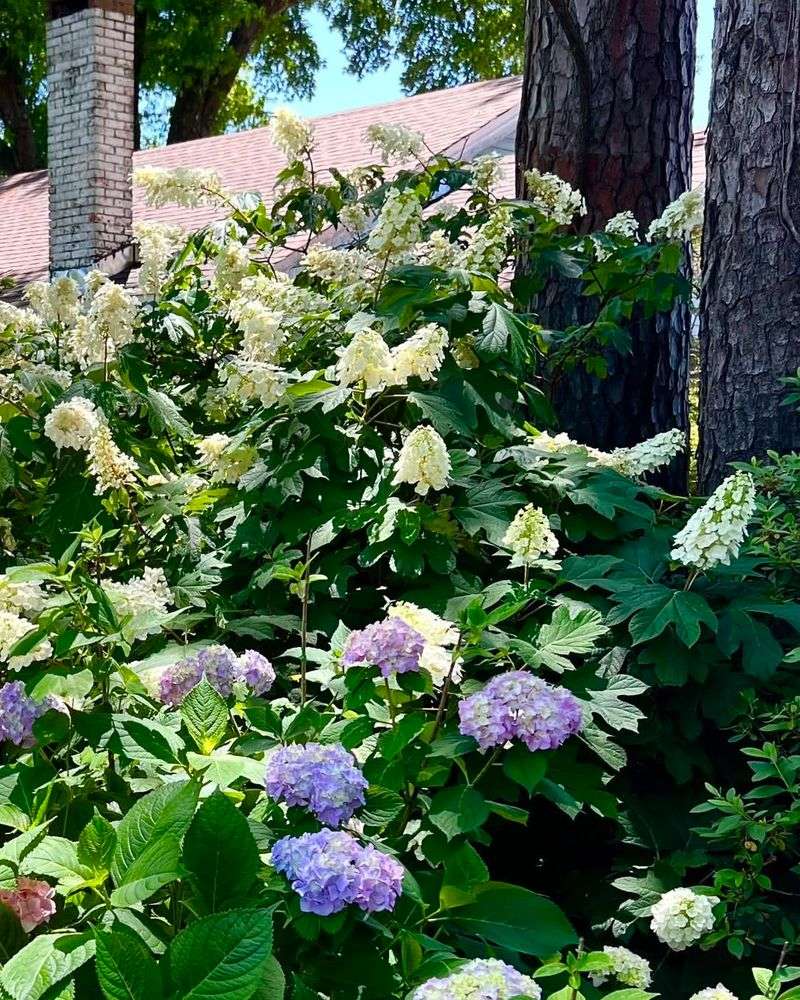
Hydrangeas create stunning focal points in North Carolina gardens with massive flower clusters. Blue, pink, and white blooms appear reliably each summer on established plants.
Their dramatic presence makes them irresistible for indoor display during blooming season.
These shrubs require winter dormancy to set buds for next year’s flowers. Cold temperatures trigger important hormonal changes that prepare the plant for blooming. Skipping this chilling period by keeping them indoors disrupts their entire lifecycle.
Indoor conditions confuse the plant’s internal clock that governs growth and flowering. Warm rooms signal continued growth when the plant should be resting quietly. This confusion exhausts the plant’s energy reserves without producing quality blooms.
Hydrangeas also need abundant water during their growing season for those big leaves. Indoor air accelerates moisture loss from foliage faster than roots can replace. Wilting becomes a constant battle even with frequent watering in containers.
Light requirements prove challenging since hydrangeas prefer morning sun and afternoon shade naturally. Finding this perfect balance indoors becomes nearly impossible in most home settings. Your hydrangea will produce far better blooms if left outside year-round.
5. Campsis (Trumpet Vine, Campsis Radicans)
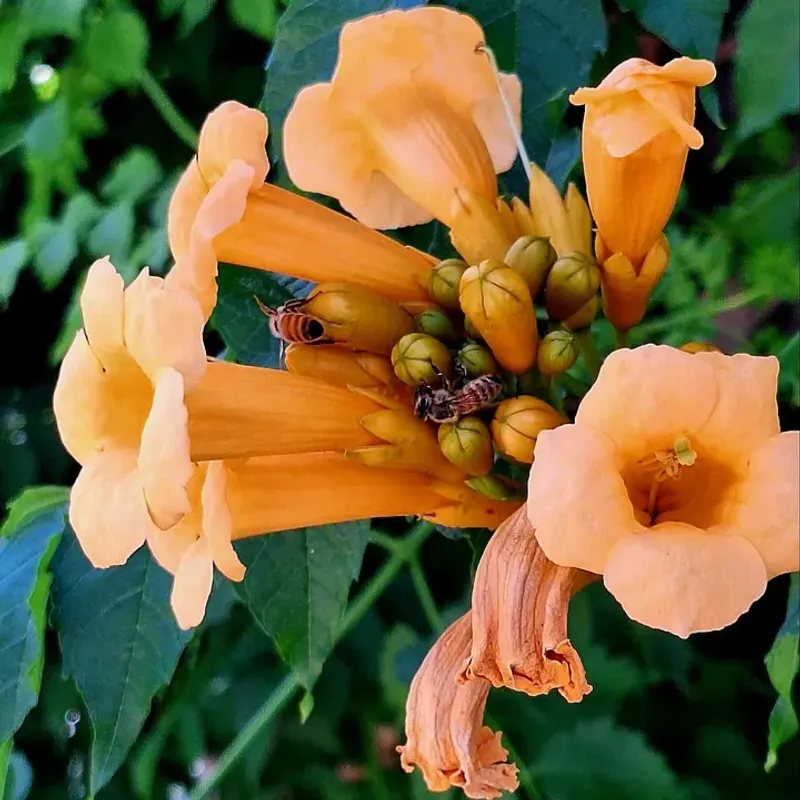
Trumpet vines attract hummingbirds with brilliant orange and red tubular flowers all summer. These vigorous climbers cover fences, arbors, and walls with lush green foliage. Their aggressive growth habit makes them outdoor garden champions across the state.
Bringing this powerhouse indoors creates an unmanageable situation within just a few weeks. Vines can grow several feet monthly under ideal conditions outdoors. Indoor spaces simply cannot accommodate this explosive growth rate without constant pruning.
Even with severe cutting back, trumpet vines rarely bloom when confined indoors. They need full sun for many hours daily to produce flower buds. Most homes lack sufficient light intensity to trigger flowering in these plants.
The root system also becomes problematic in container culture for extended periods. Trumpet vines develop extensive underground networks that spread aggressively in garden soil. Confining these roots to pots creates stressed, unhappy plants quickly.
Indoor conditions also fail to provide the seasonal temperature changes trumpet vines expect.
Cool winter temperatures help these plants rest and prepare for spring growth. Warm indoor environments prevent this necessary dormancy period from occurring naturally.
6. Japanese Maple (Acer Palmatum)
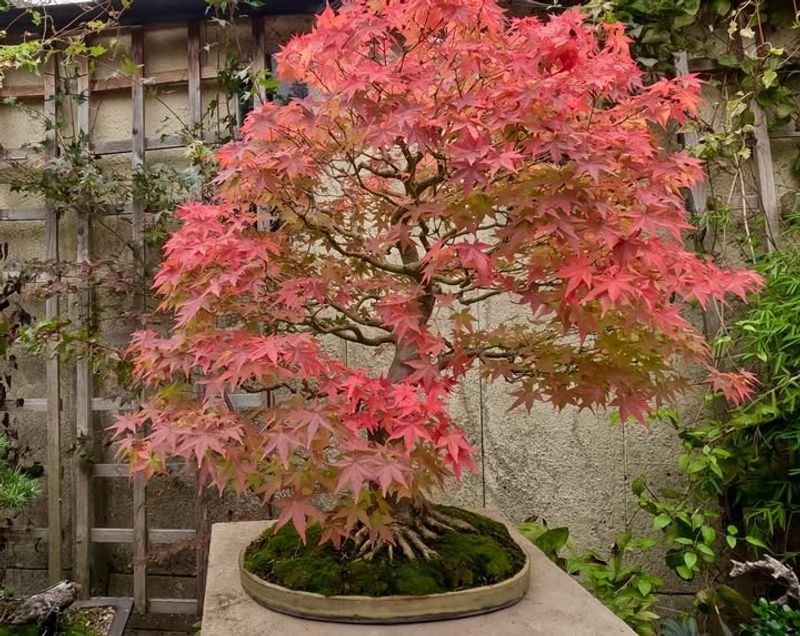
Japanese maples offer breathtaking foliage color and elegant branching structure year-round. Their delicate leaves turn brilliant shades of red, orange, and purple each fall. These ornamental trees seem perfect for bringing sophisticated beauty indoors in containers.
Winter dormancy remains absolutely essential for Japanese maple health and survival long-term.
Cold temperatures trigger metabolic changes that allow the tree to rest properly. Skipping dormancy by keeping trees indoors weakens them dramatically over time.
Indoor heating also dries out the air far below what Japanese maples tolerate. Their thin, delicate leaves lose moisture rapidly in low humidity environments. Leaf edges turn brown and crispy despite regular watering of the soil.
Light levels indoors rarely match the brightness Japanese maples need for healthy growth. These trees prefer partial shade outdoors but still receive substantial ambient light. Indoor lighting falls far short of providing adequate energy for photosynthesis.
Container culture indoors also limits root development that Japanese maples require for stability. These trees develop extensive root systems that anchor them and gather nutrients. Confined roots lead to stunted growth and poor overall tree vigor.
7. Oakleaf Hydrangea (Hydrangea Quercifolia)
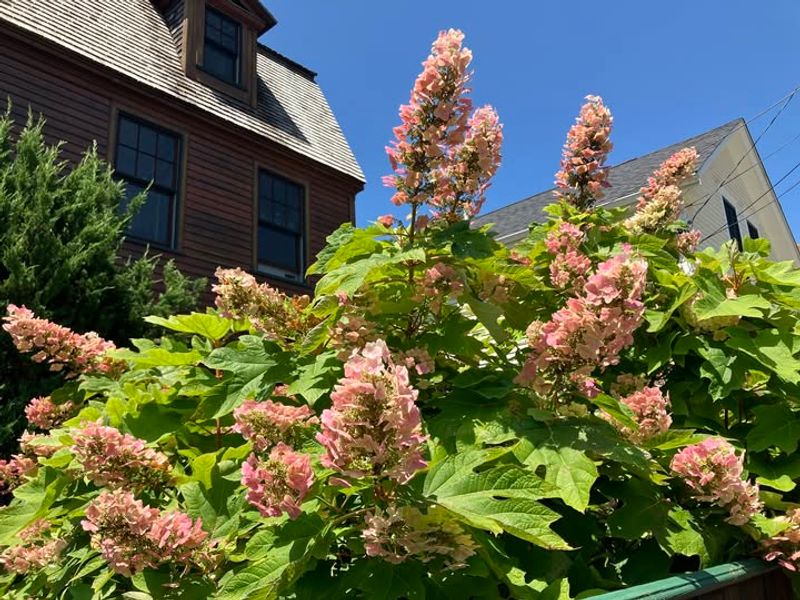
Oakleaf hydrangeas bring four-season interest to North Carolina landscapes with distinctive foliage. Their large, oak-shaped leaves turn gorgeous burgundy shades each autumn reliably. White cone-shaped flowers appear in early summer, aging to pink and tan.
This native shrub depends on seasonal temperature cycles for proper bud formation. Cold winter temperatures signal the plant to prepare flower buds internally. Warm indoor conditions prevent this critical process from happening on schedule.
Oakleaf hydrangeas also require the natural light patterns that occur outdoors only. Changing day length throughout seasons triggers important growth and dormancy responses.
Artificial indoor lighting cannot replicate these subtle but important environmental cues. The large leaves lose moisture rapidly in heated indoor air during winter.
Even frequent watering cannot keep pace with the accelerated transpiration rate indoors. Leaf edges brown and curl despite your best efforts at maintenance.
Root systems also suffer when these shrubs spend extended time in containers indoors. Oakleaf hydrangeas develop substantial root networks that spread widely in garden soil. Restricted container roots lead to stressed plants that perform poorly overall.
8. Camellia Sasanqua (Camellia Sasanqua)
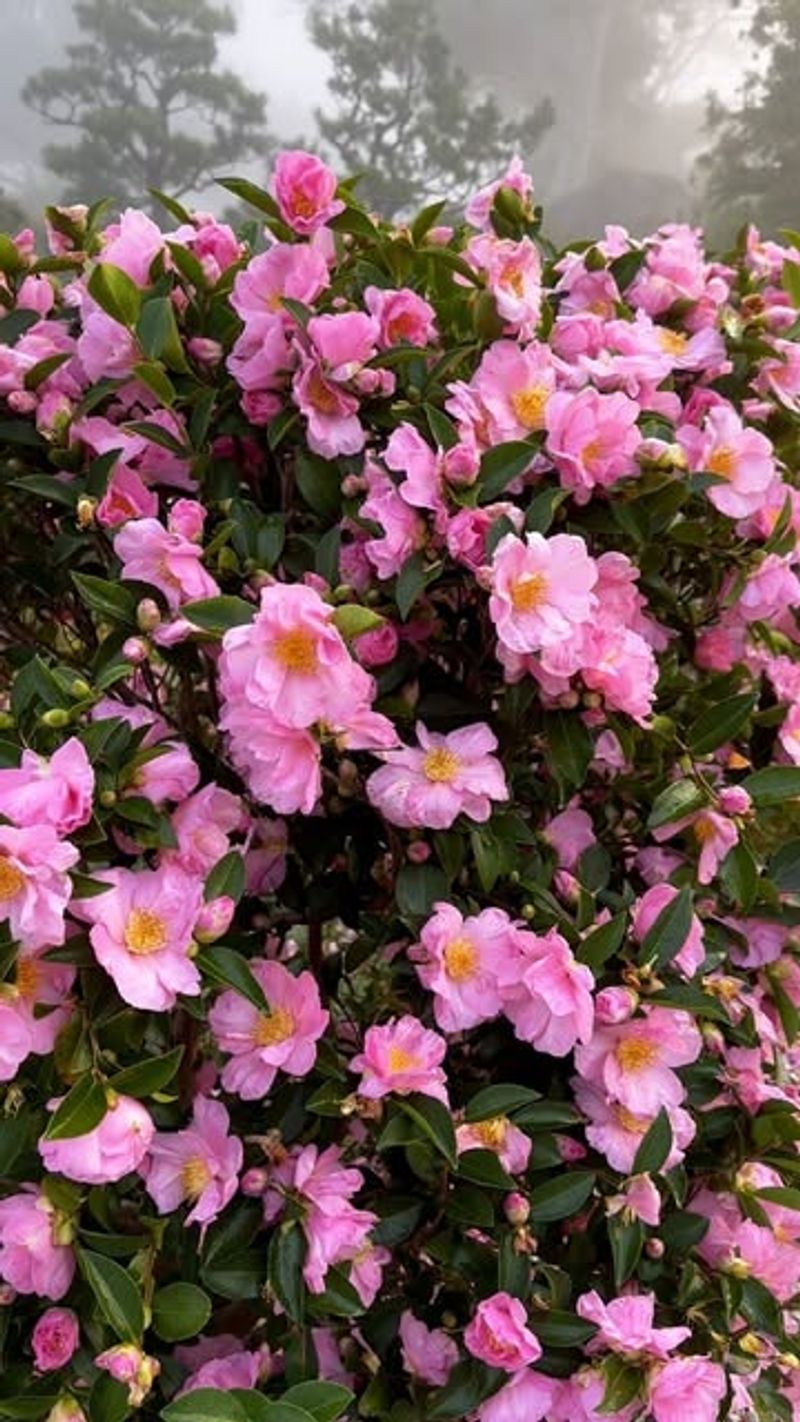
Camellia sasanqua varieties bloom earlier than their japonica cousins across North Carolina. Their smaller flowers appear in fall and early winter when few others bloom. This timing makes them especially tempting to bring indoors for holiday decorating.
These camellias share the same humidity requirements as their larger-flowered relatives completely. Indoor air during heating season simply cannot provide the moisture they need.
Bud drop becomes inevitable when humidity falls below their comfort zone consistently. Cool outdoor temperatures actually enhance blooming in sasanqua camellias during their season.
They tolerate light frosts that would damage many other flowering shrubs quickly. Warm indoor conditions confuse their flowering cycle and reduce bloom quality dramatically.
Filtered sunlight outdoors provides the perfect light intensity sasanqua camellias prefer naturally.
Finding equivalent light indoors proves nearly impossible in most home environments. Insufficient light causes weak growth and disappointing flower production over time.
Air circulation around the foliage also matters more than most gardeners realize. Stagnant indoor air encourages fungal problems on leaves and developing flower buds. Your sasanqua will reward you with abundant blooms if left outside properly.