Avoid Pruning These 8 Ohio Shrubs In Early Spring
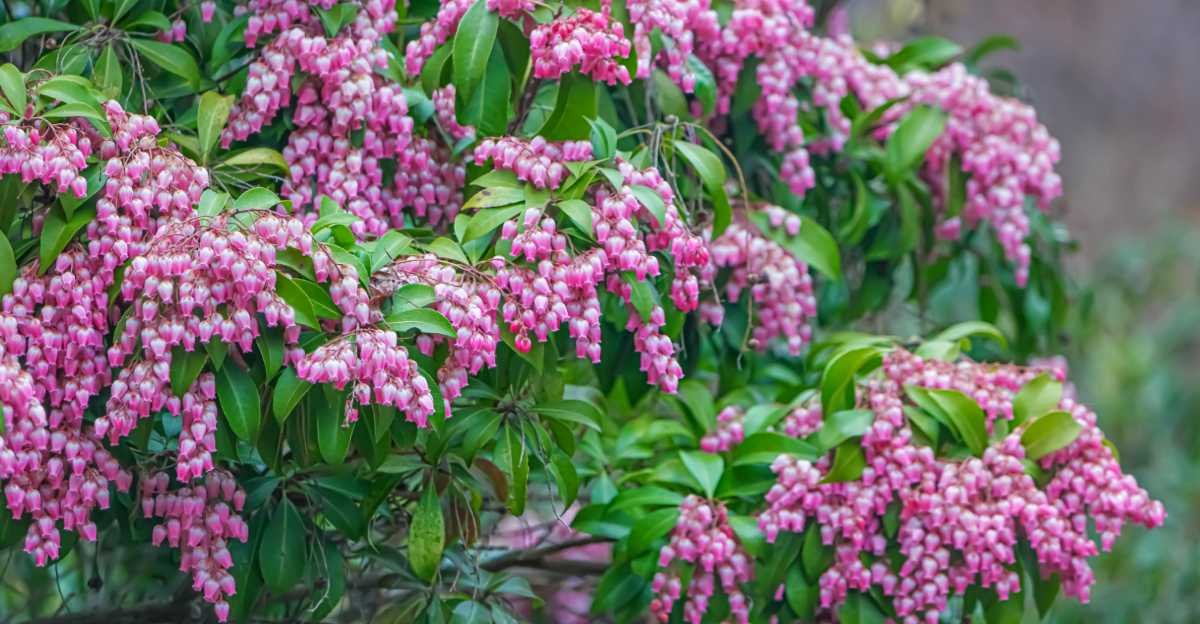
As the Ohio landscape awakens from its winter slumber, gardeners often feel the urge to get a jump start on tidying up their plants.
However, pruning certain shrubs too early can do more harm than good.
Many popular Ohio shrubs bloom on old wood, meaning their buds have already formed the previous year, and an early spring trim can easily cut them off before they have a chance to flower.
For gardeners looking to maintain vibrant spring blooms, knowing which shrubs to leave untouched until after they flower is key.
By timing your pruning right, you’ll encourage healthy growth, stunning blooms, and a garden that thrives all season long.
1. Forsythia Brightens Early Spring But Needs Pruning After Blooming
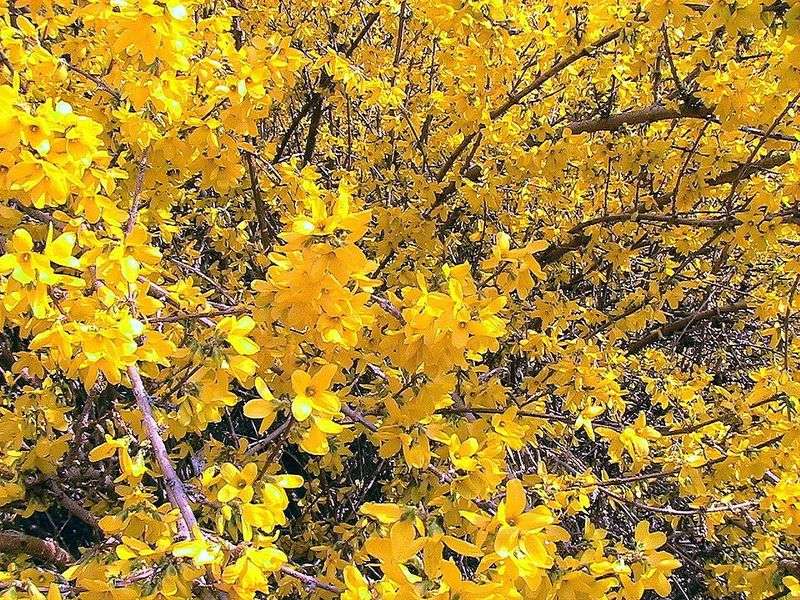
Few sights signal the end of winter like a forsythia bursting into brilliant yellow along an Ohio fence line. These cheerful blooms are one of the first signs of spring and appear on old wood, meaning the buds were formed last year.
Pruning too early in the season can easily cut off these precious buds before they ever have a chance to bloom. It’s a common mistake that many gardeners make, thinking that forsythia looks dormant and in need of a spring cleanup.
However, cutting back the plant at the wrong time can result in the loss of flowers. The ideal time to prune forsythia is right after it finishes blooming, typically in mid to late April.
This ensures that you allow the buds to open and provides ample time for new growth. After blooming, selectively remove older, thicker canes at the base to encourage fresh, vigorous shoots that will produce next year’s buds.
By giving it the proper timing, you can enjoy those radiant yellow blooms and help the plant continue to thrive.
Plus, this pruning method helps the shrub develop a healthier and more robust structure for the following season.
2. Lilacs Bloom Best When Pruned After Flowering
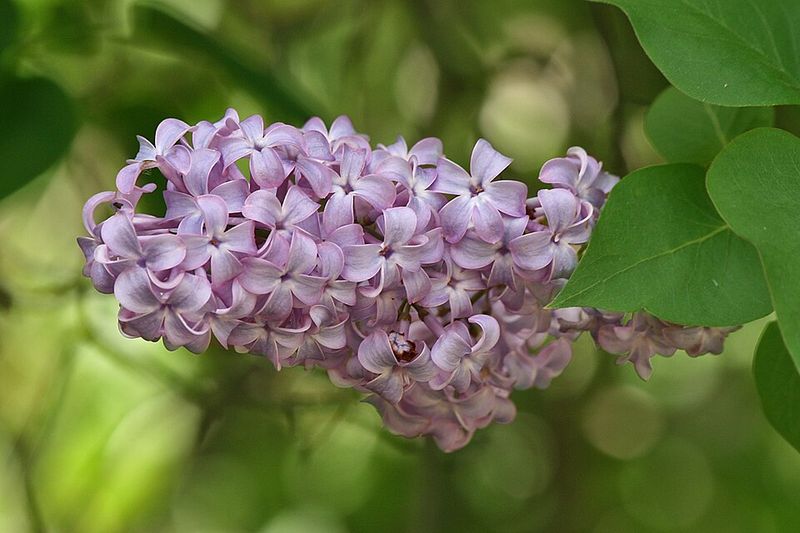
The scent of a lilac in bloom is one of Ohio’s most anticipated moments in spring.
Unfortunately, a lot of gardeners make the mistake of pruning these beloved plants too early, leading to the heartbreaking sight of lilacs that fail to bloom.
Lilacs bloom on old wood, meaning the buds are set during the previous growing season. When you prune them in early spring, you risk cutting off these carefully set flower buds.
This mistake often leaves gardeners wondering why their lilacs don’t bloom as they expected. To get the most out of your lilacs, wait until the flowers have faded, usually by late May or early June.
At this point, you can prune them back, removing dead branches and spent flowers. It’s also the best time to thin out older, thicker stems to improve air circulation and the plant’s overall health.
By waiting until after blooming, you’ll ensure that next year’s flowers are protected and that the plant remains healthy for many seasons to come.
Remember, lilacs respond well to light pruning, and removing dead or damaged wood is just as important as shaping the plant.
3. Spiraea Shines When Left Unpruned Until After It Blooms
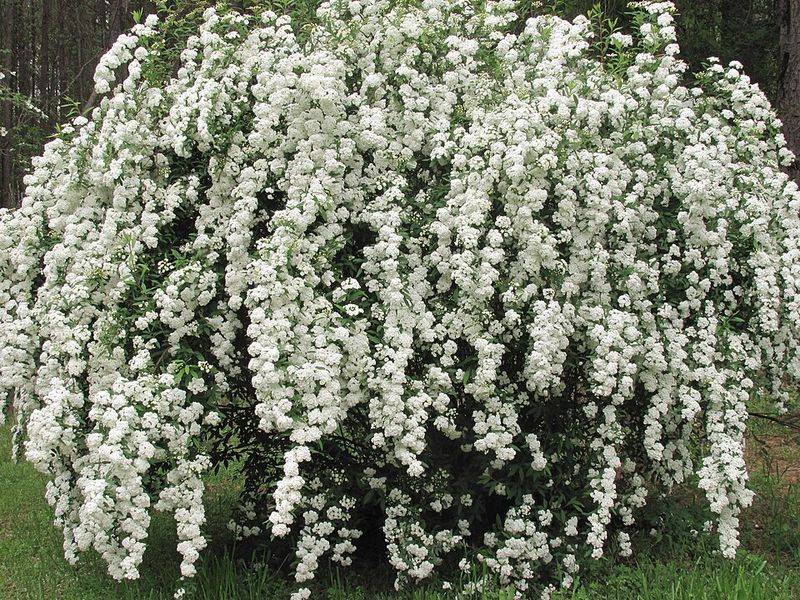
Spiraea, especially the bridal wreath varieties, is a well-loved shrub in Ohio, and for good reason. Its cascading white flowers are a spectacular sight each spring, and the shrub itself adds a graceful element to any garden.
However, pruning spring-blooming spiraeas before they bloom is a classic gardening mistake.
These shrubs bloom on old wood, meaning the flower buds form in the summer and fall of the previous year.
Cutting them back too early in the spring can remove the very buds that were carefully set, leaving you with little to no blooms. To get the best results, wait until after the flowers have faded, usually by late May or early June in Ohio, before pruning.
After blooming, you can cut back the longest, oldest stems to the base to keep the shrub’s graceful form and encourage new growth. A light shaping also helps promote strong shoots for next year’s flowers.
Keep in mind that some varieties of spiraea bloom later in the season, like the summer-blooming types, and these can be pruned earlier in spring. Always check the variety before pruning, as it will guide you to the best time for trimming.
This simple step can help you maximize the plant’s potential while preserving its beautiful display each year.
4. Bigleaf Hydrangea Needs Careful Timing For Pruning
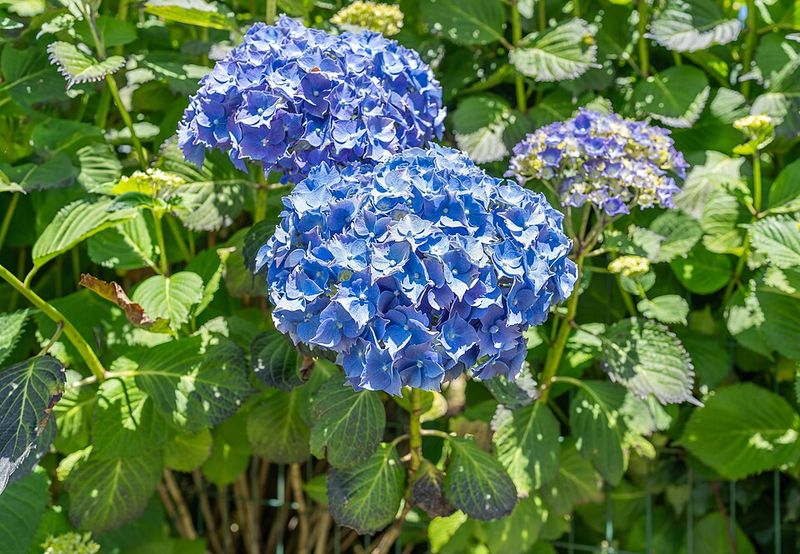
Bigleaf hydrangeas are one of the most iconic shrubs in Ohio gardens, with their large, mophead or lacecap blooms that come in various shades of blue, pink, and purple.
While they are beloved for their beauty, they can also be one of the most misunderstood when it comes to pruning.
These hydrangeas bloom on old wood, meaning the flower buds are set on stems from the previous growing season. If you prune them too early in spring, you could cut off the buds and be left with a shrub full of foliage but no blooms.
Ohio’s unpredictable late frosts can already damage the buds on their own, so adding the stress of early pruning only makes matters worse. For the best results, only prune dead or damaged wood in early spring.
Avoid cutting healthy canes until you see which parts have survived the winter. This helps ensure that the plant’s existing buds remain intact and that you’ll get a full bloom come summer.
If you have newer reblooming varieties, like “Endless Summer,” these can tolerate pruning a bit better, as they bloom on both old and new wood.
However, even these benefit from preserving the old wood to ensure a good spring show.
Always remember that protecting the plant from excessive winter damage with a layer of mulch can also make a big difference in promoting strong growth.
5. Rhododendrons And Azaleas Thrive When Pruned After Blooming
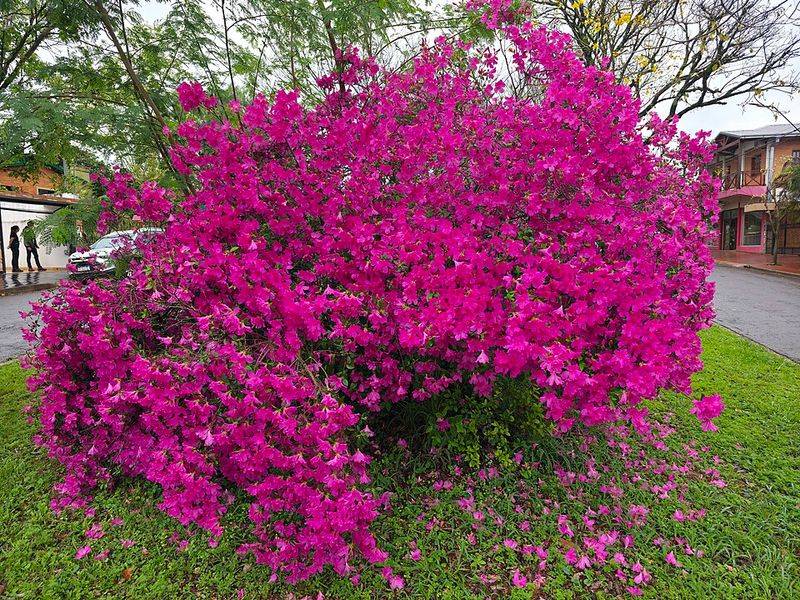
In Ohio, rhododendrons and azaleas are known for their bold, colorful blooms that light up gardens in late spring.
But if you prune them too early, you risk cutting off the very buds that were set the previous summer.
These shrubs bloom on old wood, and early pruning removes those carefully formed buds. The frustration of seeing no blooms after pruning is a common problem for gardeners who mistakenly trim their plants at the wrong time.
To avoid this, wait until after the flowers have faded, usually in late May or early June. Once the flowers are gone, prune dead or spent blooms and remove any crossing or damaged branches.
This is also the best time to lightly shape the plant and encourage healthy new growth. Avoid heavy pruning, as removing more than one-third of the plant can stress the shrub and hinder its growth for the next season.
Keeping your rhododendrons and azaleas properly timed for pruning ensures vibrant blooms year after year and supports healthy growth.
Additionally, a thick layer of mulch will help maintain the plant’s moisture levels, ensuring consistent growth throughout the season.
6. Weigela Flourishes With Late-Spring Pruning
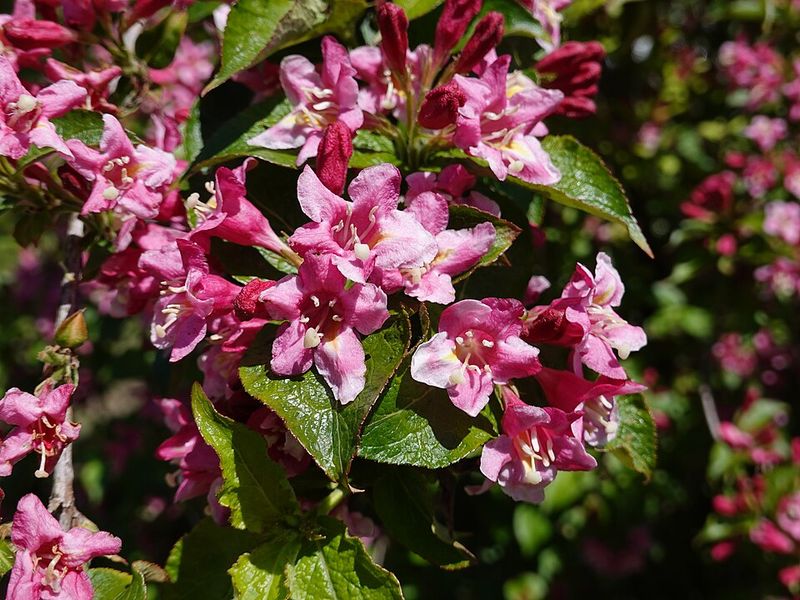
Weigela is a reliable, vibrant shrub that bursts into a sea of colorful trumpet-shaped flowers in late spring.
With blooms in shades of pink, red, and white, it attracts hummingbirds and pollinators, making it a favorite in Ohio gardens.
However, pruning too early can result in a season of plain green foliage instead of a show of flowers. Weigela blooms on old wood, so pruning in early spring removes the buds that were formed the previous year.
The best time to prune weigela is after the bloom period, usually by mid-June. At this point, you can cut back about one-third of the oldest canes to encourage new, vigorous growth for the next season.
Light pruning will also help maintain the plant’s shape and encourage healthy growth.
Some weigela varieties may even bloom a second time in the summer, and by preserving the new growth, you can support this secondary bloom.
Always make sure to prune only after the flowers have faded to avoid cutting off next season’s buds.
This approach will ensure your weigela remains healthy, vibrant, and a key feature of your garden for years to come.
7. Pieris Japonica Requires Pruning Only After It Flowers
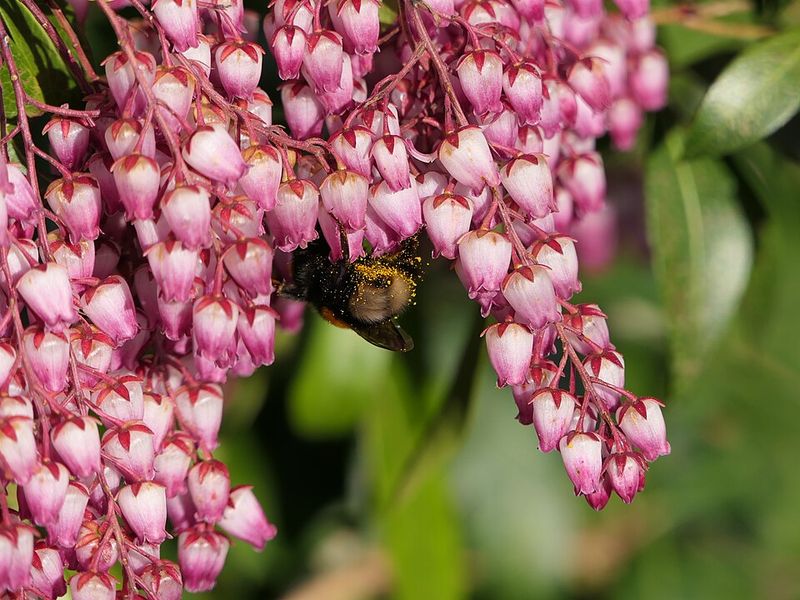
Pieris japonica, commonly known as the lily-of-the-valley shrub, is a graceful evergreen shrub that thrives in Ohio’s shade gardens.
It produces clusters of delicate white or pink flowers in early spring, adding a quiet elegance to the landscape.
However, this shrub sets its flower buds in late summer, so pruning too early in the spring removes flowers that were already in formation.
By the time you see the buds in early spring, they’re often nearly ready to bloom, and trimming at this stage can prevent them from fully opening.
To avoid this, wait until after the flowers have faded, typically by April or May. At that time, prune lightly to remove dead or damaged branches and to shape the shrub.
Avoid heavy pruning, as this slow-growing plant may take time to recover from a severe trim.
With proper timing and patience, Pieris japonica will continue to thrive and provide beautiful blooms for years to come.
Additionally, giving it a little space to grow without frequent interference helps it develop its graceful form over time.
8. Viburnum Brings Spring Blooms If Pruned After Flowering
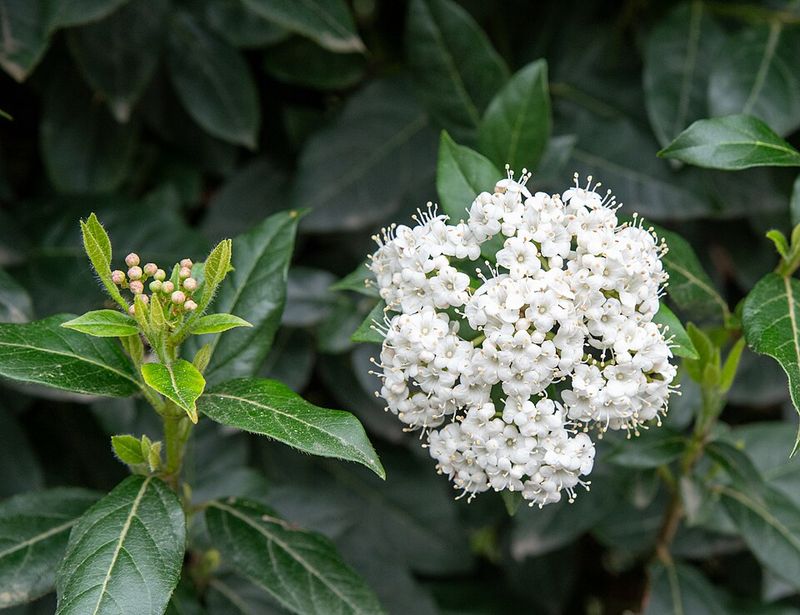
Viburnum is a diverse group of shrubs that are valued for their multi-season appeal, providing fragrant spring flowers, attractive foliage in the summer, and colorful berries in the fall.
Ohio gardeners appreciate viburnum for its versatility, but pruning it at the wrong time can spoil its entire seasonal display.
Viburnum blooms on old wood, so pruning it before it flowers will remove the buds set the previous year.
To ensure that you enjoy the flowers, wait until after they’ve faded, usually by late May or early June.
Once the flowers are gone, prune away dead or damaged branches and lightly shape the shrub. Most viburnums have a naturally attractive form and require minimal pruning to stay healthy.
Planting two compatible varieties near each other can help improve pollination and lead to heavier berry production in the fall.
By pruning at the right time, you can enjoy viburnum’s blooms, berries, and foliage throughout the year.
Viburnum shrubs are also relatively low-maintenance once established, making them a great addition to any garden.