Avoid These 8 March Gardening Mistakes In Your New Jersey Garden
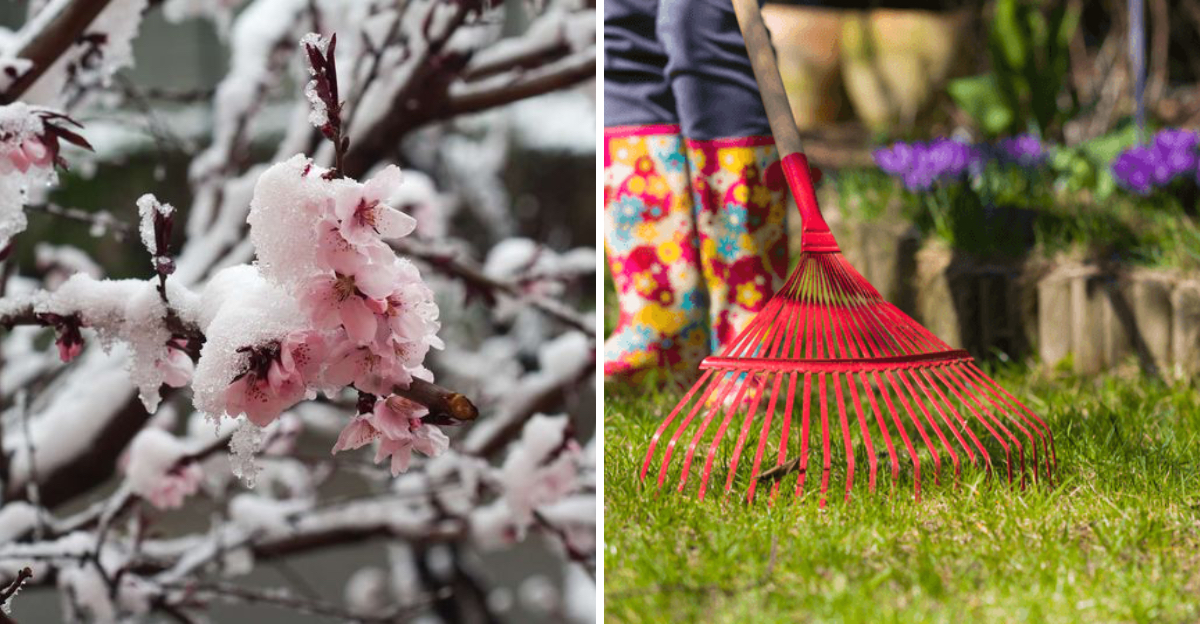
March in New Jersey sparks the gardener’s itch. Snow melts, soil thaws, and suddenly everyone wants to get their hands dirty.
The air smells like spring, crocuses peek through the last patches of snow, and that familiar excitement to plant, prune, and prep your garden comes roaring back. But March can be tricky.
Unpredictable frosts, soggy soil, and chilly temperatures can catch even seasoned gardeners off guard, turning eager plans into muddy frustration. That’s why knowing what not to do this month is just as important as knowing what to plant.
March is when New Jersey gardeners start getting restless. The days stretch longer, seed packets appear on kitchen tables, and every patch of soil starts looking like an opportunity.
1. Planting Too Early Because Of A Warm Spell
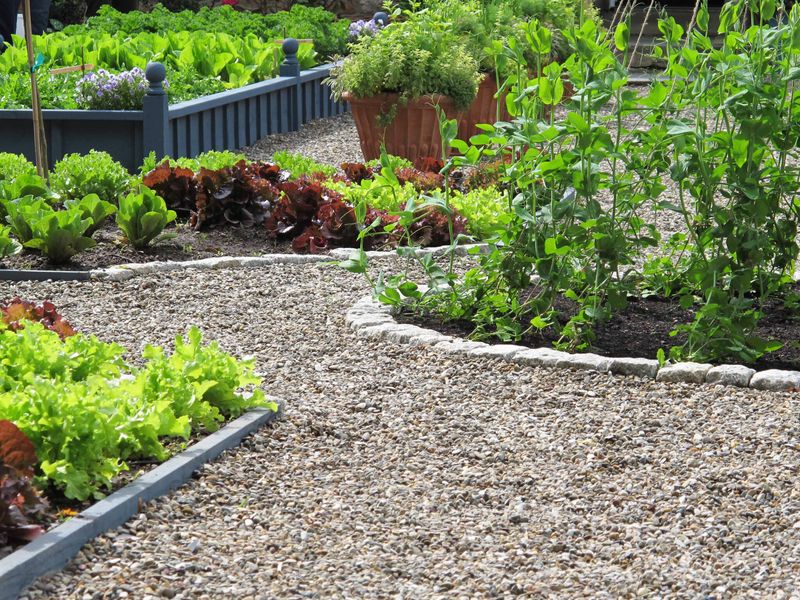
That first warm weekend in March feels like a gift, and it’s tempting to rush outside and start planting everything in sight. After months of cold and snow, the idea of seeing your garden come alive is irresistible.
But in New Jersey, a warm spell in early March is almost always followed by another freeze, and that excitement can quickly turn into disappointment.
Soil temperatures in the Garden State typically need to reach at least 50 degrees Fahrenheit before most seeds and transplants can thrive.
Jumping the gun on planting is one of the most common mistakes New Jersey gardeners make every single year. When tender plants get hit by a late frost, they can suffer serious damage that sets your whole season back by weeks.
Patience really is a gardening superpower, especially in a state where March weather changes almost daily.
A simple soil thermometer is one of the best tools you can own. Push it a few inches into the ground and check the reading before putting anything in the earth.
While cool-season crops like spinach, kale, and peas can handle a bit of cold, even they have their limits. Knowing exactly when it’s safe to plant gives you a head start without risking a loss.
It’s also wise to check frost dates for your specific New Jersey zip code using the Old Farmer’s Almanac or other local gardening guides.
Northern areas near the Skylands region tend to stay colder longer, while coastal locations near the Jersey Shore warm up sooner.
Understanding your local microclimate can save you frustration, wasted effort, and heartbreak.
A little planning now can make your garden bloom stronger, healthier, and more beautiful as spring unfolds.
2. Working Soil That Is Still Too Wet
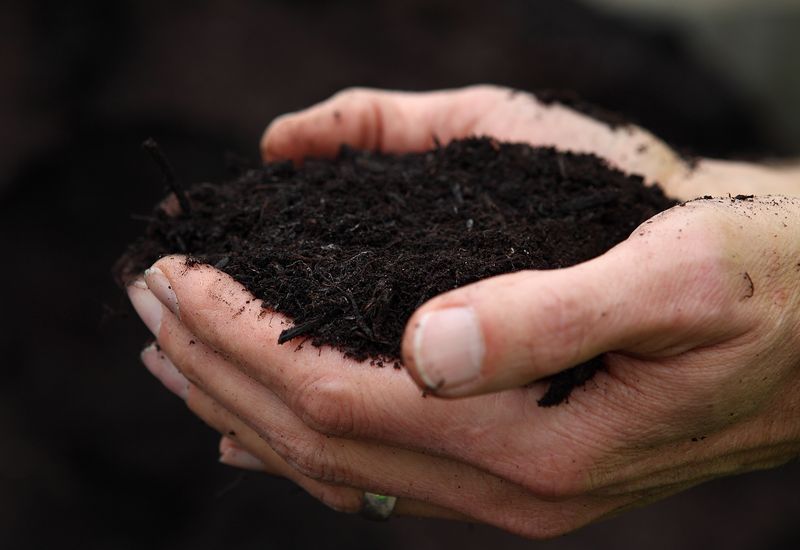
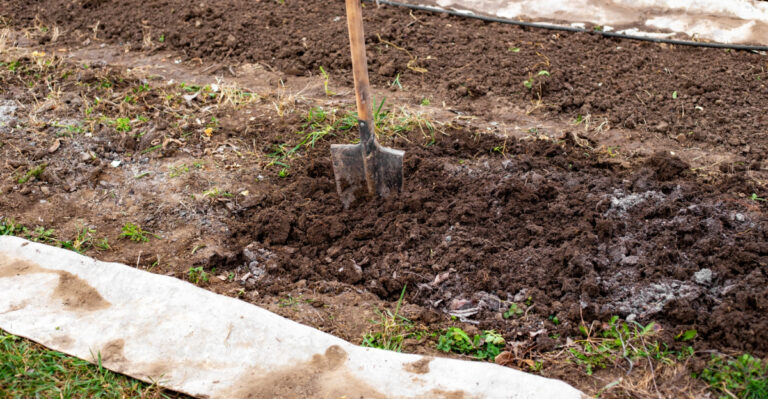
Grab a handful of garden soil and give it a squeeze. If it clumps like a snowball, the ground is still too wet to work.
Working wet soil is one of the most damaging things you can do to your garden beds in March.
In New Jersey, spring rain and snowmelt leave the ground saturated for weeks, making this mistake extremely easy to fall into.
When you dig, till, or even walk on waterlogged soil, you compact it and destroy the natural air pockets that plant roots depend on.
Compacted soil drains poorly, warms up slowly, and makes it much harder for roots to spread and grow.
Once soil structure is damaged, it can take an entire season to recover. Here is a quick test every New Jersey gardener should try before touching the soil.
Grab a handful of dirt from about four inches deep, squeeze it tightly, then open your hand and poke it with your finger. If it crumbles apart, you are good to go. If it holds together in a lump, wait a few more days.
Raised beds are a fantastic solution for impatient gardeners in New Jersey because they drain faster and warm up quicker than in-ground beds.
Adding organic matter like compost in fall also improves soil structure and helps it handle spring moisture better. A little patience in March protects the hard work you put in all year long.
3. Skipping The Last Frost Date Check
New Jersey’s last average frost date varies widely depending on where you live in the state.
In southern New Jersey, near areas like Cape May and Atlantic City, the last frost typically falls in mid-April.
Move further north toward Morris County or Sussex County, and you might be waiting until late April or even early May.
That is a significant difference, and planting without knowing your specific date is a gamble not worth taking. The USDA Plant Hardiness Zone Map is a great resource, and New Jersey spans zones 6a through 7b.
But even within those zones, local factors like elevation, proximity to the coast, and urban heat islands can shift your actual frost risk.
The Jersey Shore communities, for example, tend to enjoy slightly milder conditions than inland areas of the state. Bookmarking a reliable frost date tool online takes less than two minutes and can save you weeks of frustration.
Many experienced New Jersey gardeners also keep a simple garden journal to track when they personally observed their last frost each year.
Building that local knowledge over time makes you a smarter, more confident gardener every single season.
4. Pruning Spring-Blooming Shrubs Too Soon
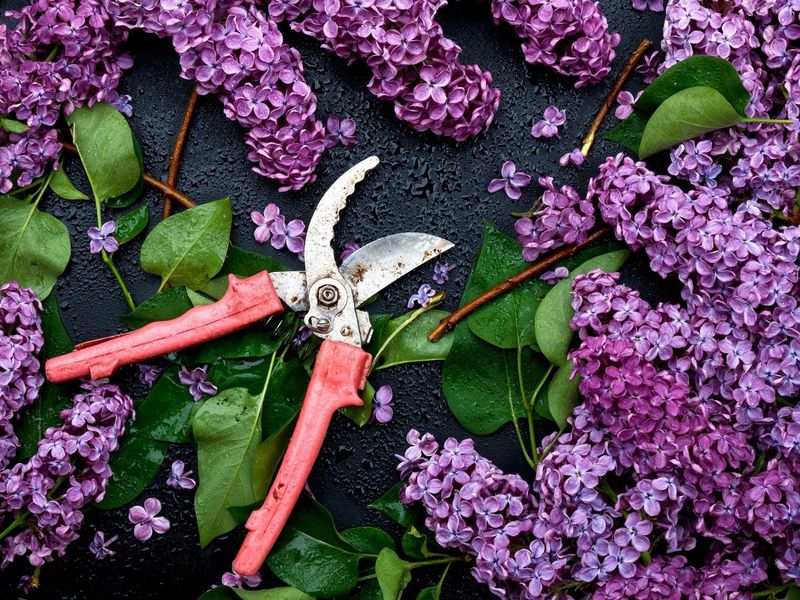
Grabbing the pruning shears and going to town on every shrub in the yard might feel productive on a mild March afternoon. But not every shrub is ready for a trim.
Spring-blooming plants like Forsythia, Azalea, and Lilac already formed their buds last fall. Prune them now, and you’ll cut those buds off. That means fewer flowers when spring arrives.
That means no blooms this year, and in New Jersey, those early spring flowers are something everyone looks forward to after a long winter.
Spring-blooming shrubs set their flower buds on old wood during the previous growing season. Pruning them in late winter or early spring removes all that stored energy and potential beauty before it ever gets a chance to show.
The right time to prune these plants is right after they finish blooming, usually in late April or May depending on the species.
Summer-blooming shrubs like butterfly bush or rose of Sharon are completely different and actually benefit from a hard cutback in late winter or early March.
Knowing which shrubs fall into which category is genuinely one of the most useful bits of gardening knowledge you can have. A quick online search for your specific plant will tell you exactly when to prune it.
New Jersey gardeners who take the time to learn their plants are rewarded with fuller, healthier shrubs and more spectacular blooms year after year.
Understanding when each shrub sets its buds is especially important, since pruning at the wrong time can remove an entire season of flowers.
Making a simple list of your shrubs and their pruning windows takes just a few minutes and prevents a lot of accidental mistakes every spring. It also helps you plan your garden care more confidently as the seasons change.
5. Ignoring Soil Amendments And Fertilizer Timing
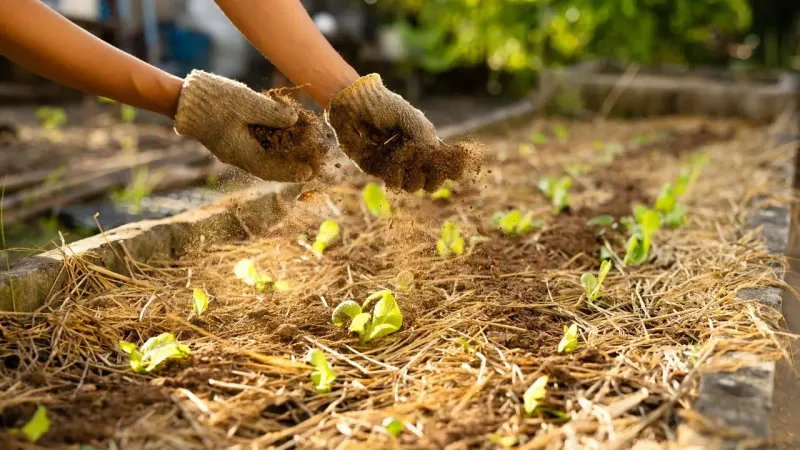
Have you ever thought of fertilizing as something you do when things look bad? Actually, that reactive approach misses a huge opportunity!
Feeding your soil at the right time in early spring sets the stage for everything that grows from March through October.
The goal is to build healthy, living soil before the growing season really kicks into gear. March is actually a great month to test your soil if you have not done it recently.
Rutgers Cooperative Extension offers affordable soil testing for New Jersey residents, and the results tell you exactly what your garden needs.
Without a soil test, you are essentially guessing, and adding the wrong amendments can sometimes do more harm than good.
Slow-release organic fertilizers applied in early spring feed plants gradually as soil temperatures rise, which matches perfectly with how plants naturally grow.
Synthetic fertilizers applied too early can leach away with spring rain before plants even have a chance to use the nutrients. Compost is always a safe bet and improves soil structure, drainage, and biology all at the same time.
In New Jersey’s varied soils, from the sandy loam of the Pine Barrens to the heavier clay soils further north, one-size-fits-all fertilizing rarely works. Taking a tailored approach based on real soil data gives your garden a serious advantage.
Investing thirty minutes in a soil test now can translate into months of healthier, more productive plants all season long.
6. Overwatering Seedlings Started Indoors
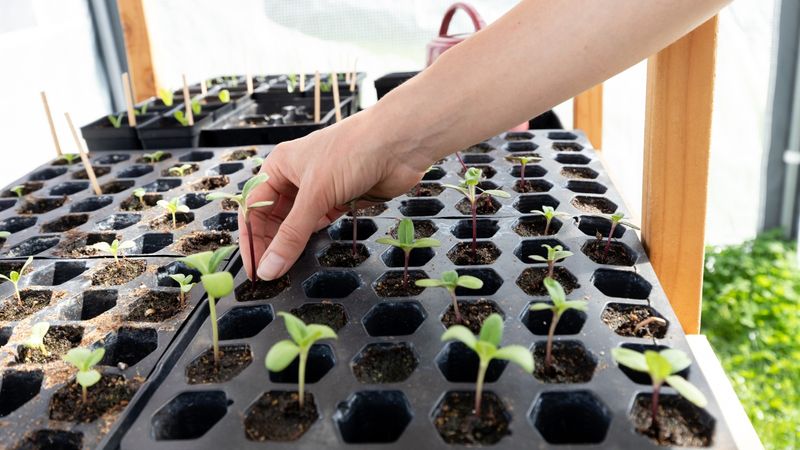
Starting seeds indoors in late February and March is one of the most rewarding things a New Jersey gardener can do. Watching tiny seedlings push up through the soil feels almost magical after months of cold and grey weather.
But overwatering is by far the most common reason those seedlings struggle or fail before they ever make it to the garden.
Seedlings need moisture, but their tiny root systems cannot handle sitting in soggy growing medium for extended periods.
Too much water cuts off oxygen to the roots and creates the perfect environment for fungal problems like damping off, which causes stems to collapse right at the soil line.
Once damping off takes hold in a seed tray, it spreads quickly and can wipe out an entire batch of seedlings.
The best approach is to water seedlings when the top of the growing medium feels dry to the touch, not on a fixed daily schedule.
Bottom watering, where you set the tray in a shallow dish of water and let the soil absorb moisture from below, is a technique many experienced New Jersey gardeners swear by.
It encourages roots to grow downward and reduces the risk of fungal issues near the surface.
Good airflow around seedlings also makes a big difference, so avoid crowding trays too close together. A small fan running on low nearby strengthens stems and keeps moisture levels in check.
Giving your seedlings a strong, healthy start indoors means they will be ready to handle New Jersey’s spring conditions when transplant time arrives.
7. Neglecting Perennials And Leaving Old Debris
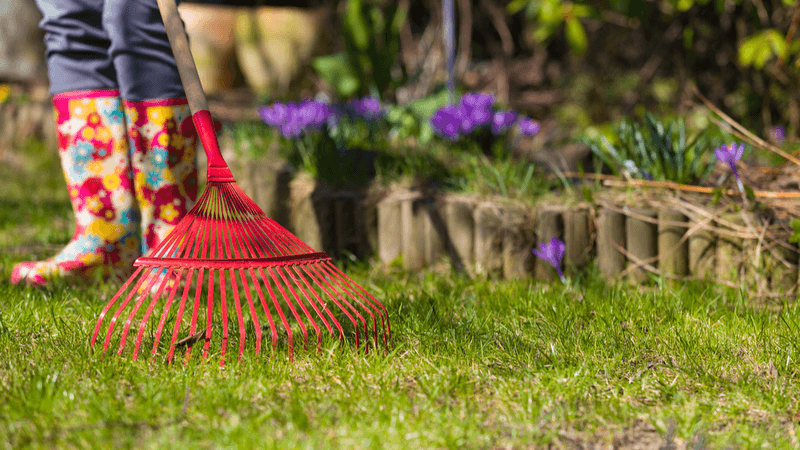
Walking past those dried-up stems and matted leaves from last year and telling yourself you will deal with it later is a trap almost every gardener falls into at least once.
But leaving old plant debris in your New Jersey garden beds through March creates a cozy home for overwintering pests and fungal spores just waiting for warm weather to wake up.
Getting ahead of cleanup in early spring is one of the highest-return tasks you can do for your garden.
Old foliage and stems from perennials can harbor insects like aphids, slugs, and fungal diseases that will immediately target your new spring growth.
Cleaning out beds before new growth emerges makes it much easier to see what you are working with and removes those pest hiding spots before they become problems.
Be careful though, because some beneficial insects like native bees actually overwinter inside hollow stems, so consider leaving some stalks until temperatures consistently stay above 50 degrees.
March is also the perfect time to divide overcrowded perennials before they break dormancy. Hostas, daylilies, and ornamental grasses that have been in the ground for three or more years often benefit from being split apart and replanted.
Dividing perennials not only refreshes the plants but also gives you free new plants to fill in other spots in your New Jersey garden.
Adding a fresh layer of compost to cleaned-up beds before new growth takes off is a simple finishing touch. It feeds the soil, suppresses early weeds, and gives your perennials a nutrient boost right when they need it most.
A few hours of cleanup in March pays off in a healthier, more beautiful garden all season long.
8. Forgetting To Mulch After The Last Freeze
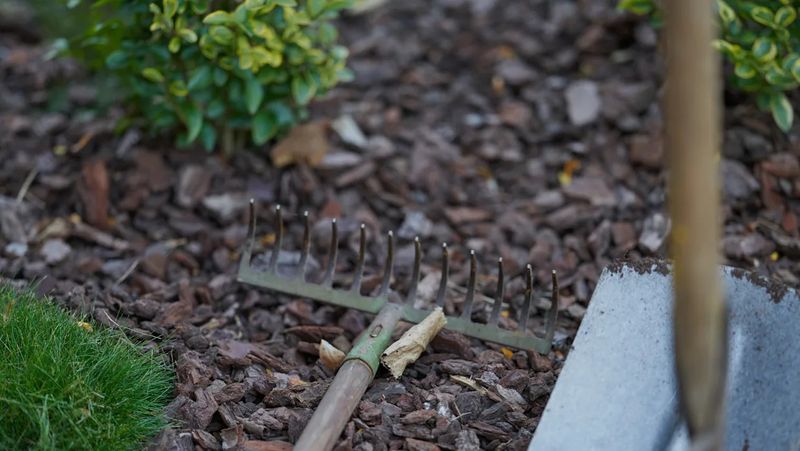
Mulching might feel like a chore better suited for fall, but skipping it after the last freeze in March is a mistake that quietly costs gardeners all season long.
Once the ground starts to thaw, March in New Jersey can swing from freezing nights to warm sunny days, and those temperature fluctuations put stress on plant roots that often goes unnoticed.
A sudden late freeze following a warm spell can even heave shallow-rooted plants right out of the soil, damaging tender shoots and setting your garden back before it’s barely begun.
Adding a 2-3 inch layer of mulch after the final frost acts like a protective blanket for your garden. It helps regulate soil temperature, keeping roots from being shocked by sudden swings, and it locks in much-needed moisture as the spring sun grows stronger.
Mulch also creates a barrier that suppresses early spring weeds, giving your plants a head start without competition for nutrients and water.
For New Jersey gardens, several mulch options work well at this time of year. Bark mulch offers long-lasting coverage and slowly enriches the soil as it breaks down.
Straw is lightweight, easy to spread, and great for vegetable beds. Shredded leaves are an excellent free option that adds organic matter while insulating the soil.
By taking a little extra time to mulch properly in March, you set your garden up for stronger, healthier growth all spring and summer.
It’s a simple step that protects young plants, conserves water, and keeps weeds from stealing the spotlight, letting your garden thrive with minimal stress.