8 Award-Winning Plants You Should Grow This Year In California
California is known for its sunshine, innovation, and incredible gardening culture, and every year, new standout plants capture the spotlight.
If you’re planning to refresh your garden this season, now is the perfect time to look at the award-winning plants that experts and gardeners alike are loving right now.
These aren’t just pretty picks, they’ve earned their place by being tough, reliable, and beautiful in California’s unique climate.
From colorful perennials to hard-working shrubs and pollinator-friendly blooms, these plants offer more than just curb appeal.
Whether you’re working with a balcony, a backyard, or a full landscape design, these plants can add vibrant color, texture, and personality to your space.
Many of them are water-wise, pest-resistant, and ideal for California’s changing seasons.
Best of all, they’ve been tested and proven to perform well in real gardens, not just in catalogs.
Choosing award-winning varieties means you’re setting yourself up for success while also creating a space you’ll love all year long.
So before you head to the nursery or start digging in the dirt, see which top-rated plants should be on your list this year.
1. Arctotis Hybrid ‘Pink Sugar’
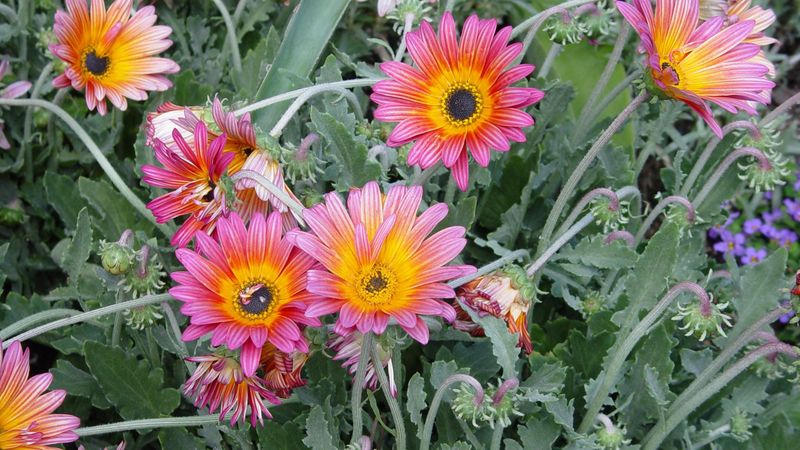
Bursting with cheerful daisy-like flowers, this South African beauty has captured hearts and awards across the gardening world.
The Pink Sugar variety earned recognition for its incredible heat tolerance and non-stop blooming habit that keeps California gardens colorful from spring through fall.
Its soft pink petals with darker centers create a charming cottage garden effect that works beautifully in both containers and landscape beds.
Gardeners throughout California appreciate how this hybrid handles the state’s dry summers without constant watering.
Once established, it becomes remarkably drought-tolerant, making it an excellent choice for water-wise landscapes.
The silvery-green foliage provides an attractive backdrop even when flowers take a brief rest during the hottest afternoons.
Growing Pink Sugar requires minimal fuss, which explains its popularity among busy gardeners.
Plant it in full sun where it receives at least six hours of direct light daily.
Well-draining soil is essential, as these plants dislike wet feet.
Space them about twelve inches apart to allow proper air circulation and room for their spreading growth habit.
This award winner attracts butterflies and other beneficial pollinators, adding movement and life to your garden.
Deadheading spent blooms encourages continuous flowering, though even without this maintenance, the plant produces abundant flowers.
In coastal California regions, it blooms nearly year-round, while inland areas see the most prolific displays during spring and fall.
The compact growth habit, typically reaching twelve to eighteen inches tall, makes it perfect for front-of-border plantings or mixed container arrangements that brighten patios and entryways throughout the growing season.
2. Salvia ‘Amistad’
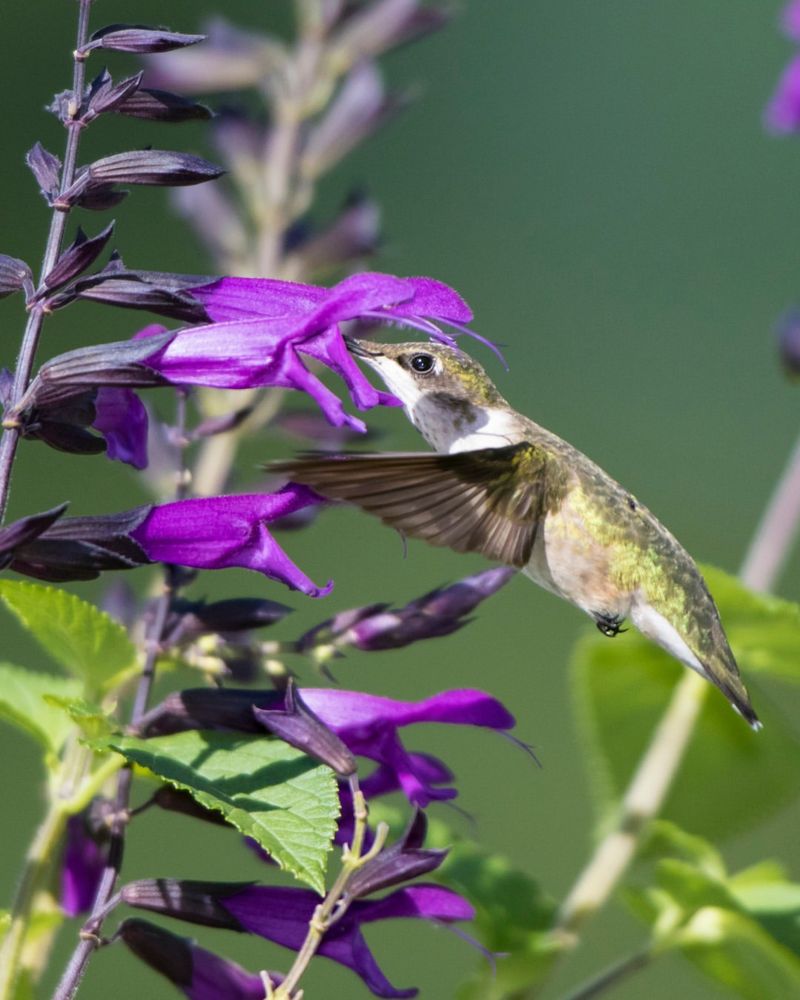
Bold and dramatic, this stunning salvia hybrid commands attention with its deep purple-blue flowers set against nearly black calyxes.
Recognized with multiple horticultural awards, Amistad represents a breakthrough in salvia breeding that combines vigorous growth with exceptional flower power.
California gardeners have embraced this variety for its ability to provide color from late spring until the first frost arrives.
What sets Amistad apart from other salvias is its remarkable size and presence in the landscape.
Plants can reach three to four feet tall and equally wide, creating substantial impact in border plantings.
The flowers emerge on long spikes that seem to float above the foliage, creating an almost magical effect when backlit by afternoon sun.
Hummingbirds find these blooms irresistible, often visiting multiple times throughout the day.
Growing conditions in California suit this plant perfectly.
It thrives in full sun to partial shade, though flowering is most prolific with at least six hours of direct sunlight.
Regular water during establishment helps plants develop strong root systems, but mature specimens handle dry periods gracefully.
The slightly fuzzy leaves release a pleasant fragrance when brushed against, adding a sensory dimension to garden paths and seating areas.
Maintenance requirements remain refreshingly simple.
Cut back spent flower spikes to encourage additional blooms and maintain tidy appearance.
In mild California winters, Amistad often remains evergreen, providing structure when other perennials have gone dormant.
A light pruning in early spring promotes bushier growth and prevents plants from becoming leggy as temperatures warm.
3. Penstemon ‘Midnight Masquerade’
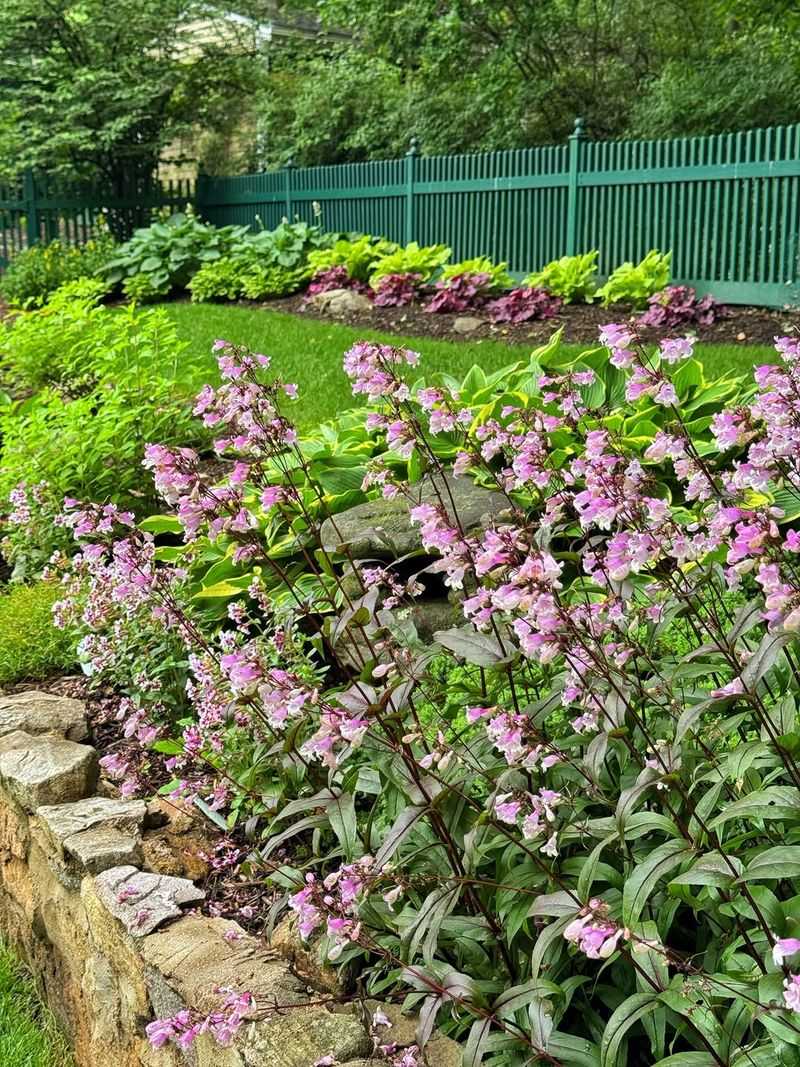
Few plants create such striking contrast as this award-winning penstemon with its wine-red foliage and bright pink tubular flowers.
Midnight Masquerade earned top honors for its unique coloration and exceptional garden performance across diverse climates.
California gardeners particularly value its tolerance for both heat and cold, making it suitable for nearly every region of the state from coastal areas to inland valleys.
The deep burgundy leaves emerge in spring and maintain their rich color throughout the growing season, providing a dramatic backdrop for the cheerful pink blooms.
This color combination creates instant visual interest that works beautifully with both bold and subtle companion plants.
The foliage alone makes this penstemon worth growing, but when the flowers appear in late spring, the display becomes truly spectacular.
Native to North America, penstemons naturally adapt to California’s Mediterranean climate patterns.
Midnight Masquerade prefers well-draining soil and full sun exposure, though it tolerates light afternoon shade in hottest inland areas.
Water needs remain moderate once plants establish themselves, and they actually perform better with occasional dry periods rather than constant moisture.
This makes them ideal candidates for sustainable, low-water landscapes that many California communities now encourage.
Plants typically reach eighteen to twenty-four inches tall with a similar spread, forming neat mounds that work well in perennial borders or rock gardens.
Cutting back flower stems after the main bloom period often triggers a second flush of flowers in fall.
Deer tend to avoid this plant, which is welcome news for gardeners in areas where browsing animals pose challenges to maintaining attractive landscapes.
4. Echinacea ‘Cheyenne Spirit’
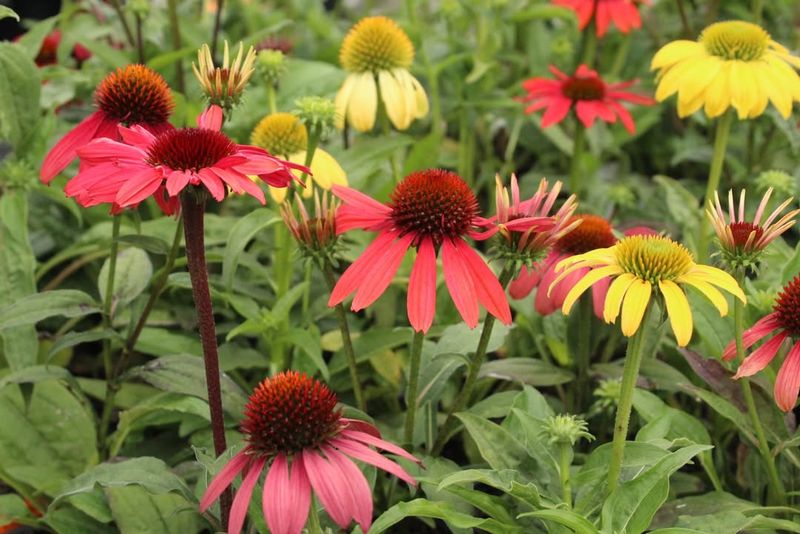
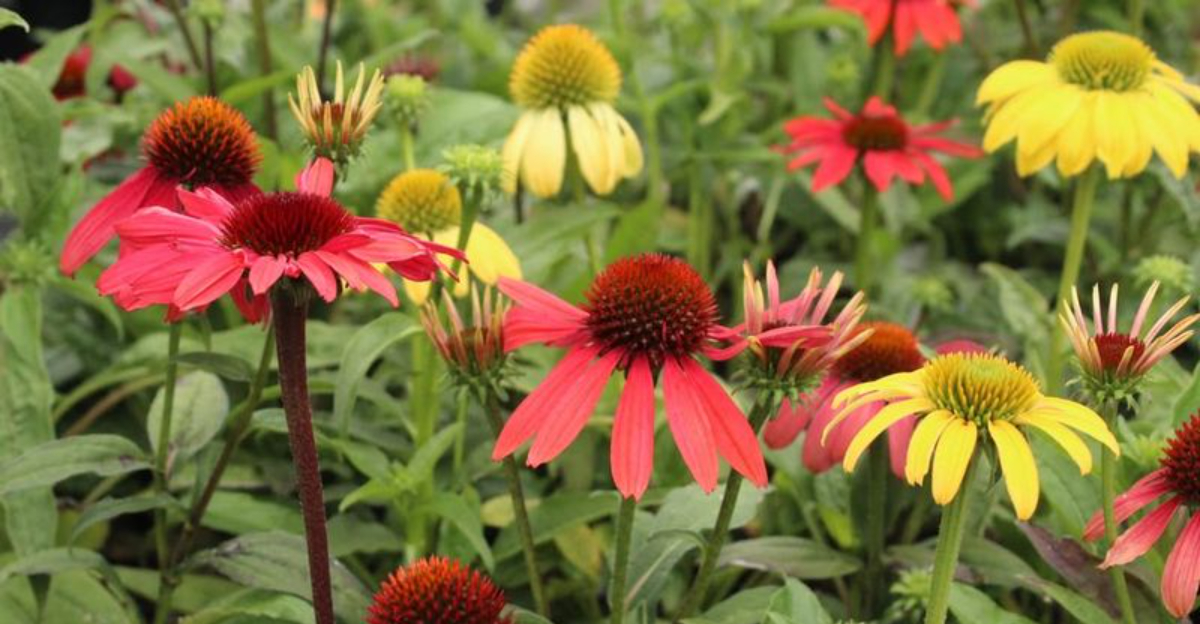
Imagine a coneflower that blooms in a rainbow of colors, and you have captured the essence of Cheyenne Spirit.
This award-winning variety revolutionized echinacea breeding by introducing an incredible range of flower colors from a single seed strain.
California gardeners can enjoy blooms in shades of red, orange, yellow, pink, purple, and cream, all from one planting.
The unpredictability of which colors will appear adds an element of delightful surprise to the garden.
Bred specifically for compact growth and early flowering, Cheyenne Spirit reaches just twenty to twenty-four inches tall, making it perfect for smaller California gardens and container plantings.
Unlike older echinacea varieties that sometimes struggled in West Coast gardens, this selection shows remarkable adaptability to California conditions.
The sturdy stems resist flopping, even when laden with the large three-to-four-inch flowers that appear from early summer onward.
Planting Cheyenne Spirit in full sun locations with average, well-draining soil produces the best results.
These tough perennials handle heat admirably and require only moderate water once their roots have spread.
In fact, overwatering causes more problems than underwatering with these prairie natives.
Adding a layer of mulch helps conserve moisture and keeps roots cool during California’s warm summers.
Butterflies, bees, and other pollinators visit these flowers constantly, making them excellent choices for wildlife-friendly gardens.
The cone-shaped seed heads that develop after flowering provide food for goldfinches and other seed-eating birds during fall and winter months.
Many California gardeners leave the seed heads standing through winter for this reason, only cutting them back when new growth emerges in spring.
5. Lavandula ‘Phenomenal’
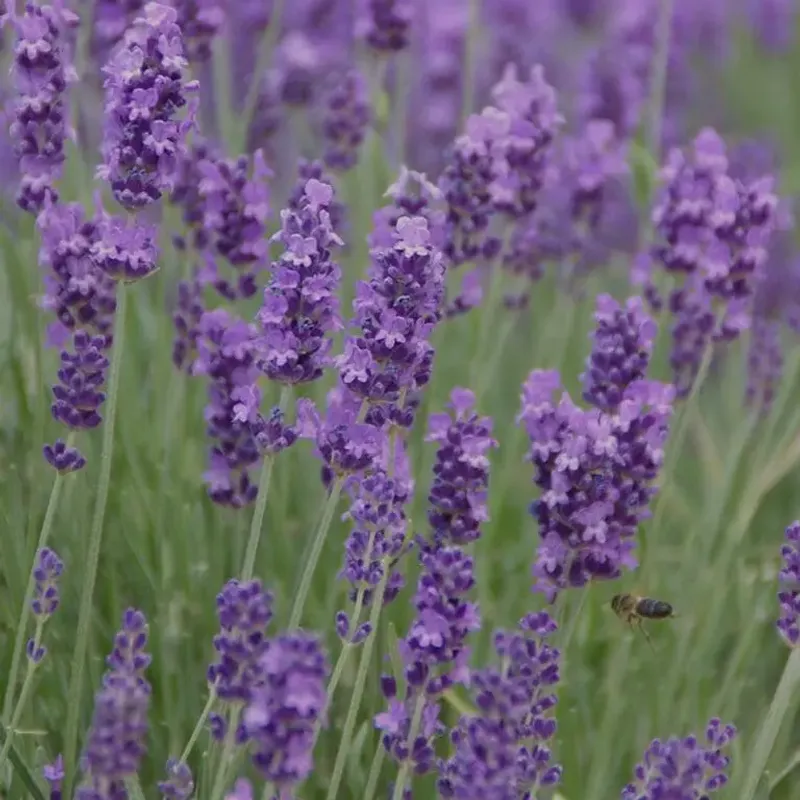
Living up to its name, this exceptional lavender cultivar earned prestigious awards for its superior cold hardiness, heat tolerance, and disease resistance.
Phenomenal represents a significant advancement in lavender breeding, addressing many of the challenges that gardeners face with traditional varieties.
California growers find this selection particularly valuable because it performs consistently across the state’s varied climate zones, from foggy coastal regions to hot interior valleys.
The silvery-green foliage forms attractive mounds that remain evergreen in most California locations.
Flower spikes emerge in late spring, covered with classic purple-blue blooms that release the beloved lavender fragrance.
What distinguishes Phenomenal from other lavenders is its robust constitution and ability to rebound from stress.
It tolerates higher humidity than most lavenders, making it suitable for areas where other varieties struggle with fungal issues.
Planting requirements remain straightforward.
Choose a location with full sun and excellent drainage, as soggy soil represents the main threat to lavender health.
Amend heavy clay soils with sand or gravel to improve drainage before planting.
Space plants two to three feet apart to ensure good air circulation.
Once established, these plants need minimal supplemental water, making them stars of drought-tolerant California landscapes.
Harvest flower stems just as buds begin opening for the strongest fragrance and best drying quality.
Regular harvesting encourages additional bloom cycles throughout summer and fall.
Prune plants lightly in early spring, removing about one-third of the growth to maintain compact shape and prevent woody centers from developing.
This simple maintenance keeps plants looking fresh and flowering abundantly for many years in California gardens.
6. Heuchera ‘Lime Rickey’
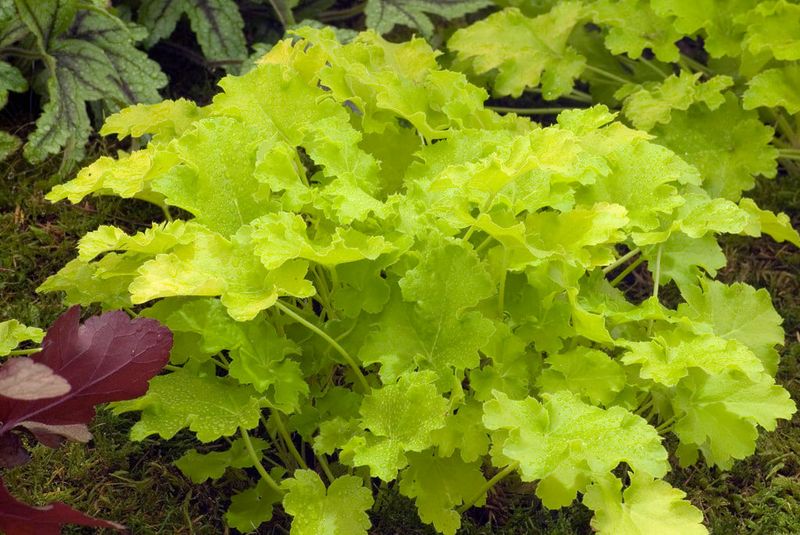
Chartreuse foliage practically glows in the garden, and Lime Rickey delivers this luminous quality with exceptional vigor.
This award-winning coral bells variety earned recognition for its bright lime-green leaves that maintain their vibrant color throughout the growing season without fading.
California gardeners appreciate how this shade-tolerant perennial brightens dim corners and creates stunning contrasts with darker-leaved companions.
The ruffled, rounded leaves form tidy clumps about eight to ten inches tall, though delicate flower stems rise to twenty inches when blooming begins in late spring.
Small white flowers dance above the foliage on airy stems that add vertical interest without overwhelming the main attraction of the brilliant leaves.
These flowers attract hummingbirds, which zoom in to sip nectar from the tiny tubular blooms.
Unlike many heucheras that prefer cooler climates, Lime Rickey shows remarkable heat tolerance that makes it suitable for most California regions.
It performs best with morning sun and afternoon shade, especially in hotter inland areas.
Coastal gardeners can provide more sun exposure without risk of leaf scorch.
Well-draining soil enriched with organic matter supports healthy growth, and regular water keeps foliage looking its best.
This variety works beautifully in container combinations where its bright foliage provides a striking backdrop for flowering annuals.
In landscape beds, use it as an edging plant or in mass plantings where the color impact multiplies.
The evergreen nature in California’s mild winters means year-round interest and structure in the garden.
Remove any damaged or faded leaves in spring to keep plants looking tidy as new growth emerges.
7. Agastache ‘Blue Boa’
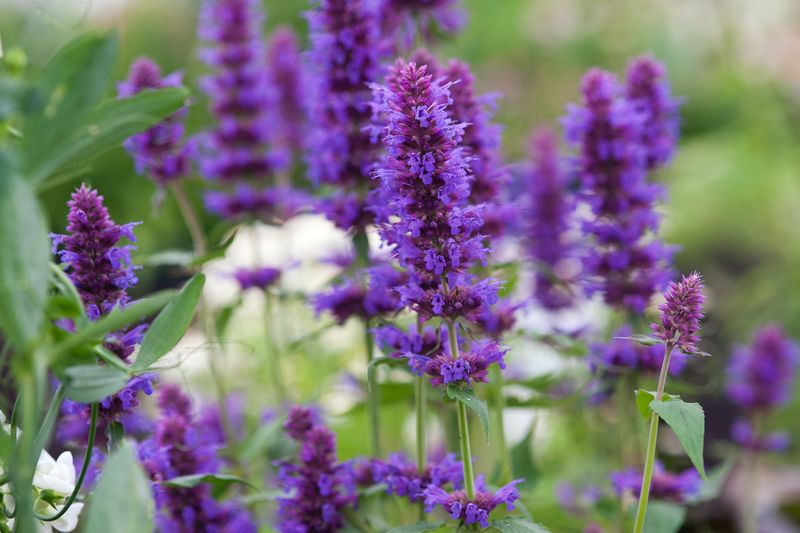
Towering spikes of true blue flowers make Blue Boa one of the most impressive agastache varieties available to California gardeners.
This award winner earned its honors through exceptional performance, remarkable height, and flowers that maintain their vivid color without fading.
Plants can reach four to five feet tall when grown in optimal conditions, creating dramatic vertical accents that draw the eye upward and add architectural interest to perennial borders.
The long-lasting flower spikes begin opening in early summer and continue producing blooms until fall temperatures arrive.
Each spike stretches twelve to eighteen inches long, packed with tiny tubular flowers that butterflies and hummingbirds find irresistible.
The minty-scented foliage adds another dimension to the sensory experience, releasing fragrance when leaves are touched or brushed against while walking past.
Native to regions with climates similar to California, agastache naturally thrives in the state’s warm, dry summers.
Blue Boa prefers full sun and well-draining soil, handling drought conditions with ease once roots have established.
Avoid overwatering, as excess moisture can lead to root problems.
These plants actually perform better with occasional stress from dry conditions, which seems to trigger more prolific flowering.
Cutting back spent flower spikes encourages plants to produce additional blooms and prevents self-seeding, which can occur if flowers are left to mature.
In mild California winters, Blue Boa often remains semi-evergreen, though some leaf drop is normal.
A light trim in early spring removes any winter-damaged growth and shapes plants for the coming season.
Divide clumps every three to four years to maintain vigor and share plants with fellow gardening enthusiasts.
8. Gaillardia ‘Mesa Yellow’
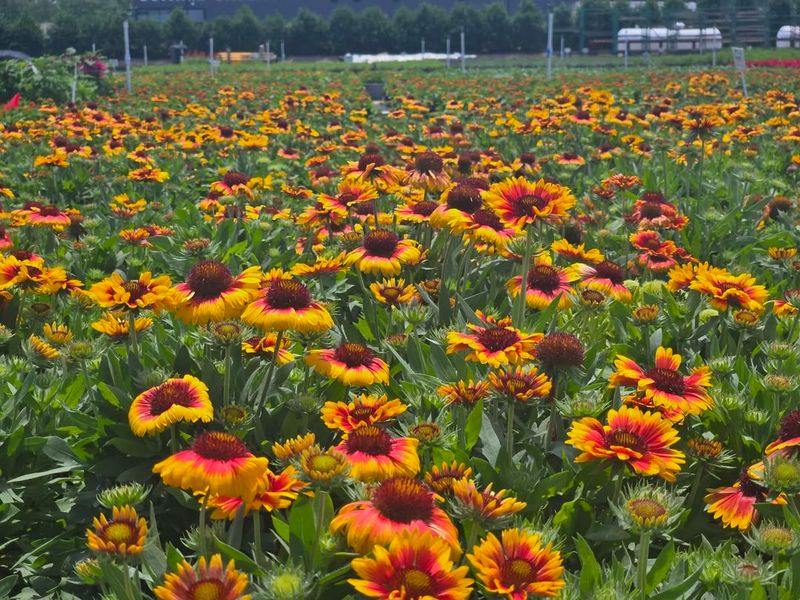
Sunshine captured in flower form best describes this cheerful blanket flower that earned awards for its pure yellow blooms and exceptional garden performance.
Mesa Yellow breaks from the traditional red-and-yellow gaillardia pattern, offering solid yellow flowers that bring warmth and brightness to California landscapes.
The compact growth habit and long blooming season make this variety particularly valuable for gardeners seeking reliable color from late spring through fall.
Each flower measures about three inches across with petals that radiate from a golden center like rays of sun.
The blooms appear in such abundance that foliage almost disappears beneath the floral display during peak flowering periods.
Deadheading spent flowers extends the blooming season, though even without this attention, plants continue producing new flowers for months on end.
California’s climate suits this tough perennial perfectly.
Mesa Yellow handles heat, drought, and poor soil conditions that would challenge many other flowering plants.
Full sun exposure produces the most flowers, though plants tolerate light shade in hottest regions.
Well-draining soil is important, as gaillardias originated in prairie environments where water drains quickly.
Once established, these plants need only occasional deep watering during extended dry periods.
Growing just twelve to fourteen inches tall, Mesa Yellow works well in front borders, rock gardens, or containers.
The compact size means plants maintain neat appearance without flopping or requiring staking.
Butterflies visit frequently, adding movement and life to the garden.
Deer typically avoid gaillardias, making them good choices for areas where browsing animals pose challenges.
In California’s mild winters, plants often remain evergreen, providing structure until new growth begins in spring when temperatures warm and days lengthen.