8 Backyard Cleanup Tasks That Can Wait Until Spring In Pennsylvania
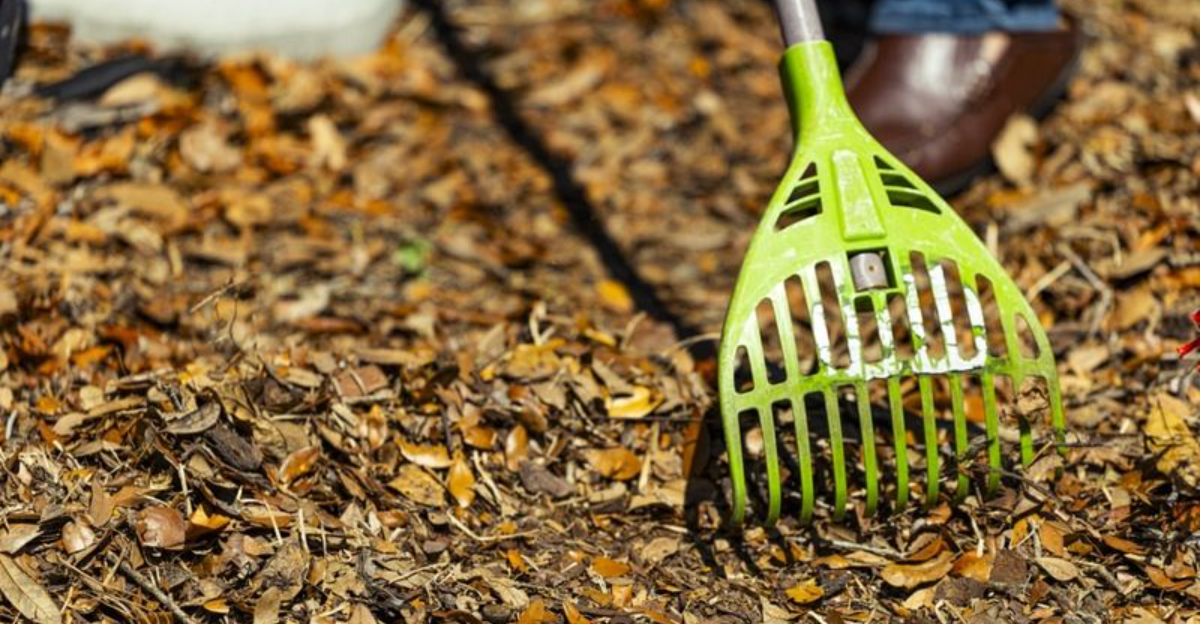
When winter settles into Pennsylvania, many homeowners feel the itch to tidy up every corner of the yard.
Fallen leaves, bare beds, and quiet lawns can make it tempting to clean everything up at once.
Still, not every backyard task needs to be checked off right away.
In fact, some chores are better left on the back burner until spring rolls around.
Cold weather slows more than just plant growth.
Beneficial insects, soil life, and even turf grass use winter cover to get through the season.
Clearing too much too soon can leave yards exposed and create extra work later.
What looks messy now often plays a role behind the scenes.
Knowing which cleanup tasks can wait helps save time and effort while protecting the yard.
It also keeps homeowners from spinning their wheels during the cold months.
In Pennsylvania, patience is part of smart yard care.
By letting winter run its course and saving certain jobs for spring, backyards come back healthier and stronger when warm weather returns.
Sometimes the best move is knowing when to leave well enough alone.
1. Cutting Down Perennial Flower Stalks
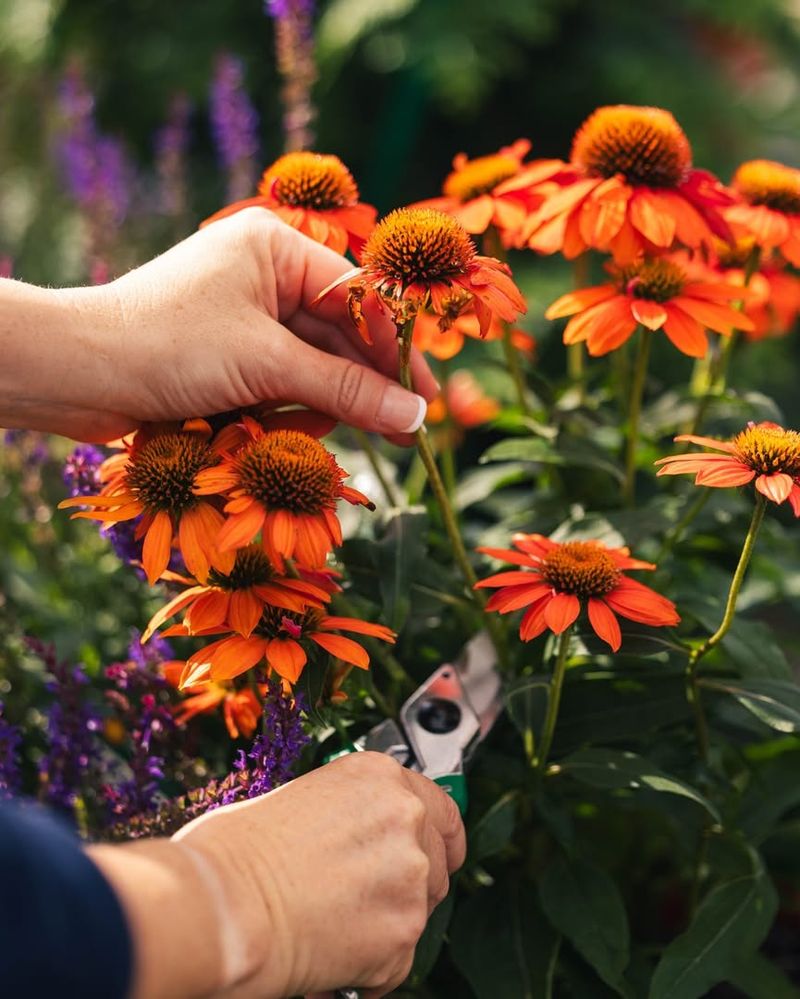
Many gardeners assume that trimming back all their perennial flowers before winter is necessary, but this task can absolutely wait until spring in Pennsylvania.
Dry flower stalks and seed heads provide crucial food sources for birds during the cold months when other options are scarce.
Goldfinches, chickadees, and other native Pennsylvania birds rely on these seeds to survive harsh winter conditions.
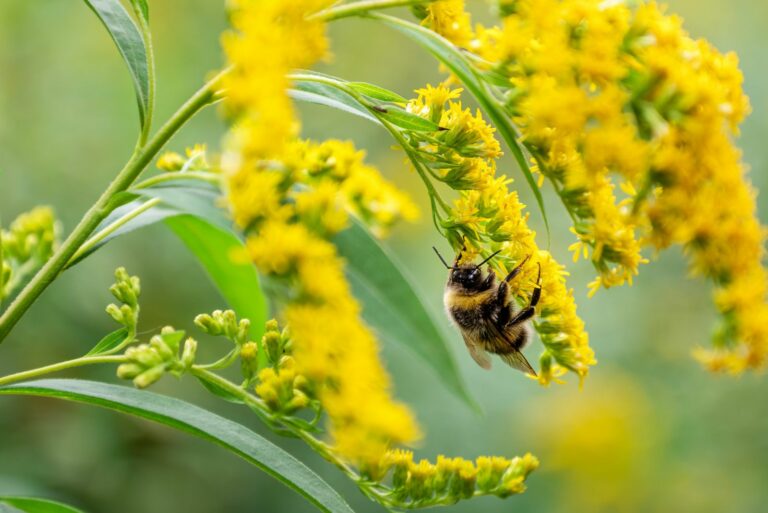
The hollow stems of plants like coneflowers, black-eyed Susans, and bee balm also offer shelter for beneficial insects that help pollinate your garden come spring.
Leaving these stalks standing protects the root systems of your perennials by providing insulation against freeze-thaw cycles that can damage plants.
When spring arrives and new growth begins to emerge, you can easily cut back the old growth and add it to your compost pile.
This approach saves you from working in cold, uncomfortable weather while supporting local wildlife.
Pennsylvania’s unpredictable autumn weather can turn cleanup days miserable, so why not wait for pleasant spring mornings instead?
Your garden will look more interesting in winter with architectural plant structures covered in frost and snow.
Plus, you’ll have the satisfaction of knowing you’re creating a more wildlife-friendly space in your Pennsylvania backyard.
Spring cleanup also allows you to see exactly where new growth is emerging, preventing accidental damage to plants.
2. Removing All Fallen Leaves From Garden Beds
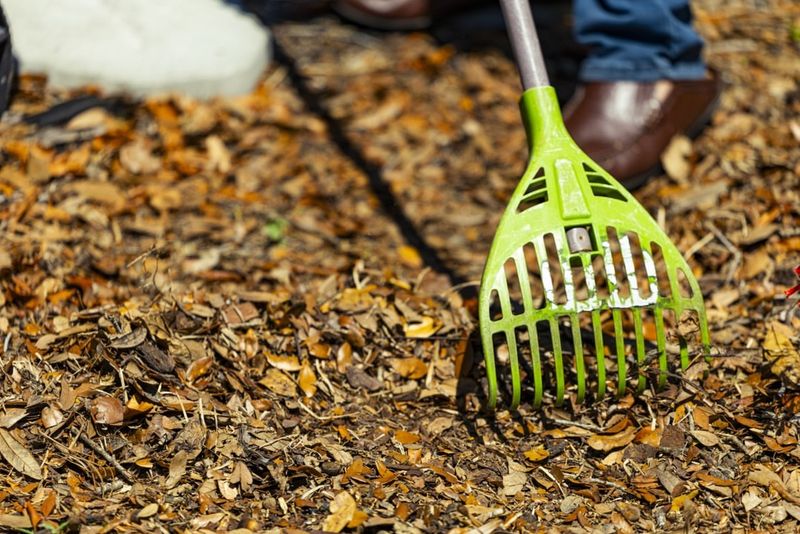
Raking up every single leaf from your garden beds might seem like the responsible thing to do, but leaving some leaf litter actually benefits your Pennsylvania landscape tremendously.
A layer of leaves acts as natural mulch that insulates plant roots and helps retain moisture in the soil throughout winter.
This protection is especially valuable during Pennsylvania’s freeze-thaw cycles that can heave plants out of the ground.
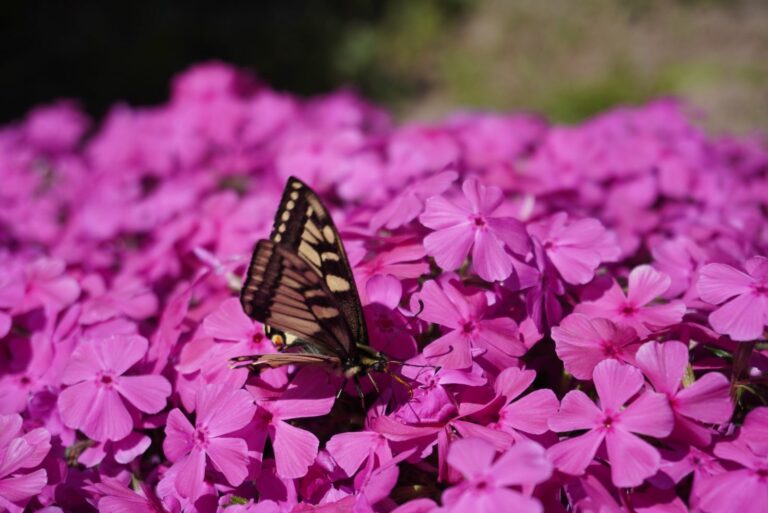
Beneficial insects, including native bees and butterflies, use leaf litter as winter shelter, and removing it eliminates their only chance of survival until spring.
Salamanders, toads, and other helpful creatures that control garden pests also depend on leaf cover for hibernation.
When spring arrives in Pennsylvania, you can remove excess leaves if needed, but many will have broken down into valuable organic matter that enriches your soil.
Earthworms and microorganisms work through winter to decompose these leaves, creating free fertilizer for your plants.
If you’re concerned about appearance, you can rake leaves off pathways and lawn areas while leaving them in garden beds where they serve a purpose.
Some gardeners even collect leaves from other areas and add them to garden beds for extra insulation.
This practice reduces the need for purchased mulch in spring while supporting Pennsylvania’s native ecosystem.
Your back will thank you for avoiding hours of raking in cold weather too.
3. Trimming Ornamental Grasses
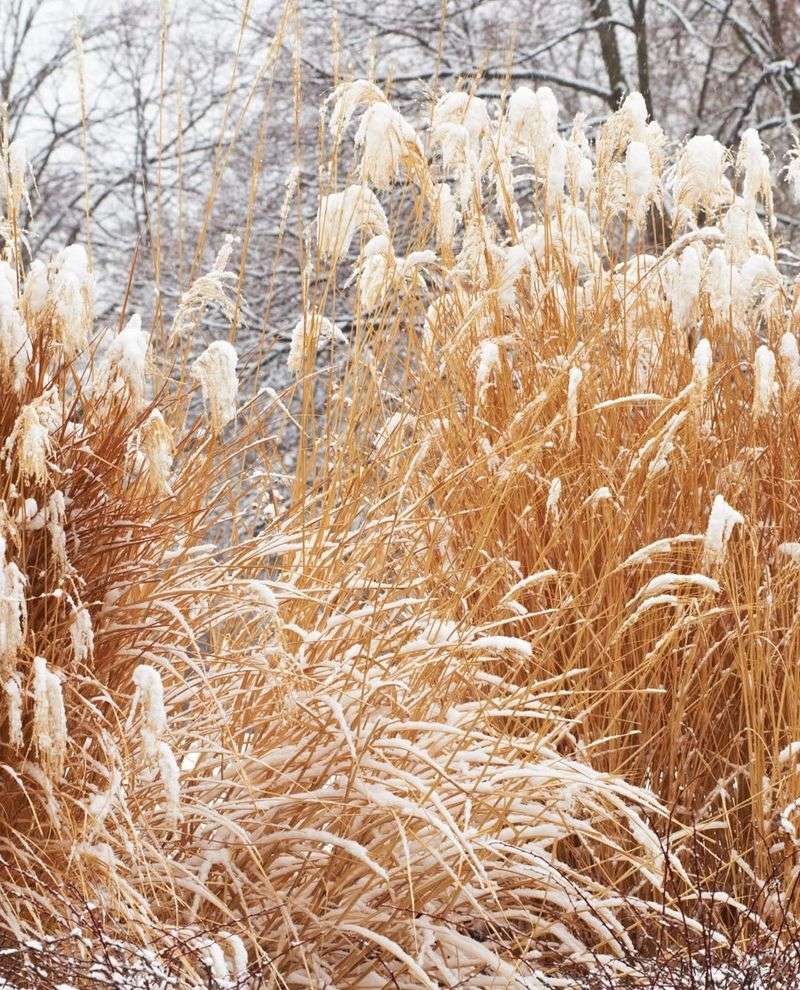
Ornamental grasses add beautiful texture and movement to Pennsylvania landscapes, and they look particularly stunning when left standing through winter.
The seed heads and foliage of grasses like switchgrass, little bluestem, and fountain grass provide food for birds throughout the cold months.
These graceful plants also create visual interest in winter gardens, especially when covered with frost, ice, or snow.
The foliage helps protect the crown of the plant from extreme cold and excessive moisture that can cause rot.
Cutting grasses back in fall removes this natural protection and can actually harm the plant’s chances of thriving come spring.
Pennsylvania’s winter weather can be unpredictable, with warm spells followed by sudden freezes that stress plants.
Leaving ornamental grasses intact provides a buffer against these temperature swings.
When you wait until spring to trim them back, the task becomes much easier because you can simply gather the foliage and cut it off in one bundle.
Early spring, just before new growth emerges, is the perfect time for this chore in Pennsylvania.
You’ll avoid working with cold, wet foliage and can clearly see where new shoots are beginning to appear.
Many gardeners find that ornamental grasses are among the most beautiful elements of a winter landscape, making this an easy task to postpone.
Your Pennsylvania yard will maintain its structure and beauty throughout the dormant season.
4. Pulling Out Annual Flower Beds Completely
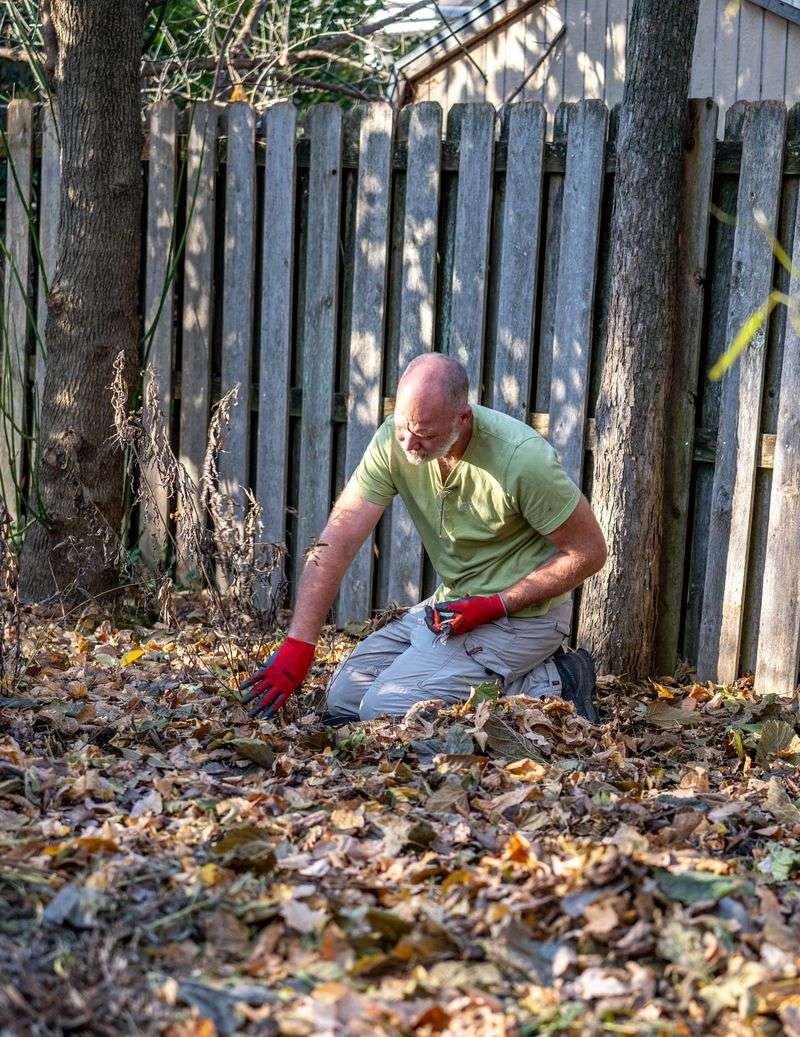
Once frost hits Pennsylvania, annual flowers certainly look less appealing, but there’s no urgent need to remove every dry plant immediately.
Spent annuals can provide some shelter for beneficial insects and small creatures trying to survive winter in your yard.
The roots of these plants also help prevent soil erosion during Pennsylvania’s winter rains and snowmelt.
Leaving them in place until spring means less work during cold weather when you’d rather be inside.
As these plants break down over winter, they add organic matter back into the soil, improving its structure and fertility.
If you’re worried about disease or pests overwintering in dry plant material, focus on removing only plants that showed signs of serious problems during the growing season.
Healthy annuals that simply succumbed to frost pose little risk when left standing until spring.
When warmer weather returns to Pennsylvania, you can easily pull out the dried remains and prepare beds for new plantings.
The material will be much drier and lighter in spring, making removal and disposal simpler.
This approach also gives you time to plan your spring garden layout without rushing through cleanup in uncomfortable conditions.
Some annuals even self-seed, and leaving them in place through winter allows those seeds to naturally stratify in the cold.
You might discover volunteer plants emerging in spring, saving you money on new annuals for your Pennsylvania garden.
5. Cleaning Out Birdhouses And Nest Boxes
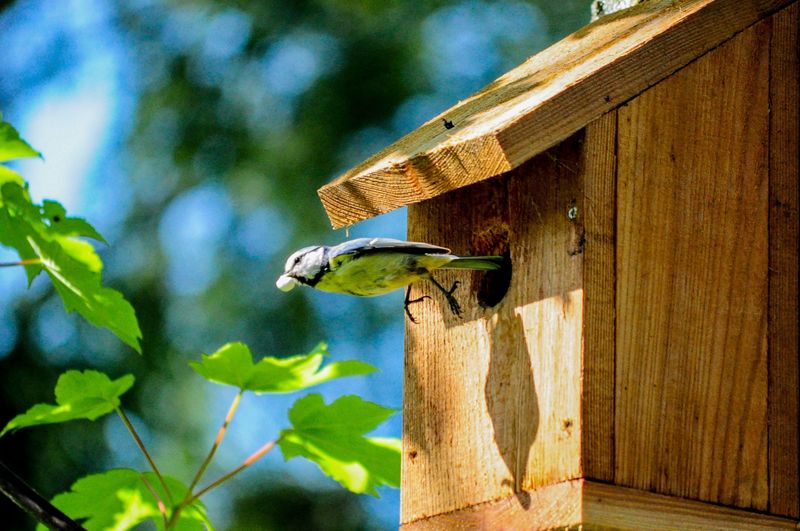
You might think that cleaning out birdhouses before winter is helpful, but many Pennsylvania creatures actually use these structures for winter shelter.
Small birds like chickadees, bluebirds, and wrens will roost in nest boxes during cold nights, huddling together for warmth.
Flying squirrels, mice, and beneficial insects also seek refuge in these protected spaces when temperatures drop.
Cleaning out birdhouses in fall removes potential winter housing for creatures that help control pests in your yard.
Old nesting material provides insulation that makes these boxes warmer and more comfortable during Pennsylvania’s frigid winter nights.
Waiting until late winter or early spring to clean nest boxes is actually the recommendation from most bird experts.
This timing ensures that winter residents have moved out but allows you to prepare the boxes before nesting season begins.
In Pennsylvania, late February or early March is typically the ideal time for this task.
You’ll be working in milder weather, and the boxes will be fresh and ready when birds return to scout nesting locations.
If you’re concerned about parasites or disease, rest assured that freezing winter temperatures in Pennsylvania naturally reduce many of these concerns.
A thorough spring cleaning with a mild bleach solution will prepare boxes perfectly for new families.
By postponing this chore, you’re actually providing valuable wildlife habitat during the season when shelter is most scarce in your Pennsylvania backyard.
6. Dividing And Transplanting Perennials
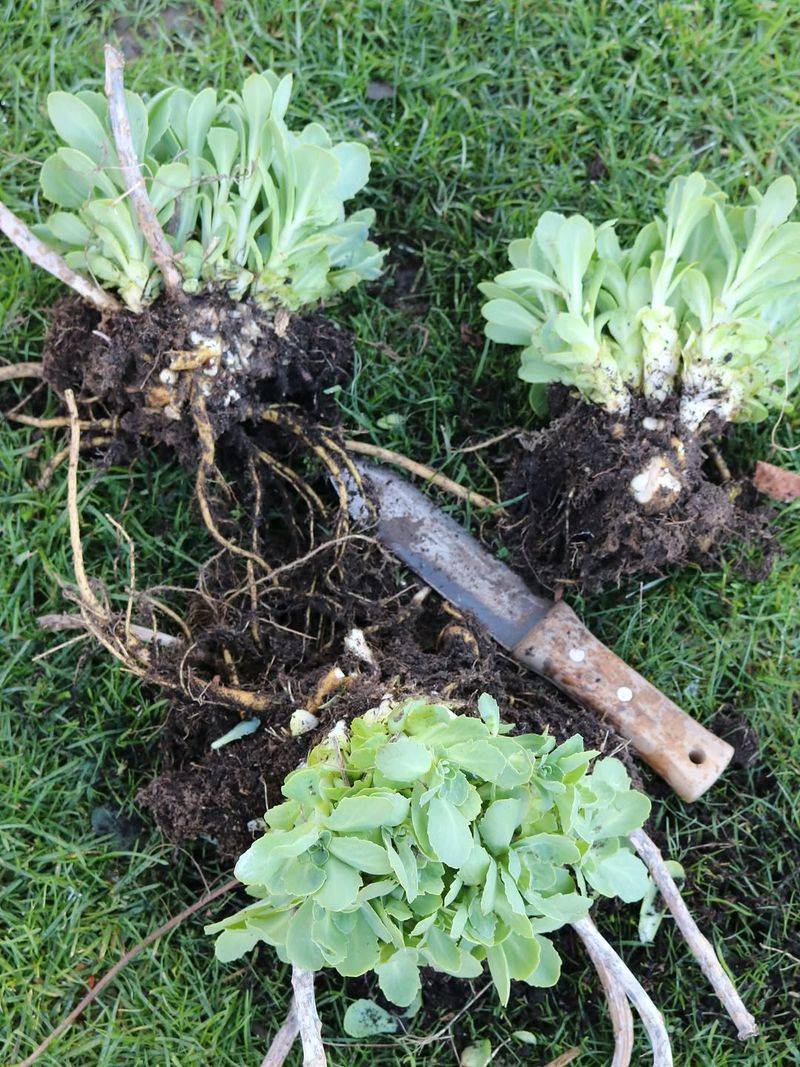
Fall might seem like a good time to divide overcrowded perennials, but in Pennsylvania, spring is often the safer choice for this task.
Perennials that are divided in fall don’t have much time to establish new roots before winter freezing begins.
This lack of establishment time can lead to plants struggling or failing to survive Pennsylvania’s cold season.
Spring-divided perennials have the entire growing season ahead of them to develop strong root systems and recover from the stress of division.
Certain perennials, especially those that bloom in late summer or fall, really should only be divided in spring for best results.
Plants like asters, mums, and ornamental grasses respond much better to spring division in Pennsylvania gardens.
When you wait until spring, the soil is workable, the weather is more comfortable, and you can see exactly where plants are emerging.
This visibility helps you divide plants more accurately without damaging new growth.
Pennsylvania’s spring rains also help newly divided plants establish without requiring as much supplemental watering.
If you divide perennials in fall, you’ll need to water them regularly if autumn is dry, adding another chore to your list.
Spring division also allows you to assess winter damage and make decisions about which plants are worth keeping and dividing.
Save yourself the hassle and potential plant loss by marking perennials that need division and tackling this job when Pennsylvania’s spring weather arrives.
7. Emptying And Scrubbing Water Features
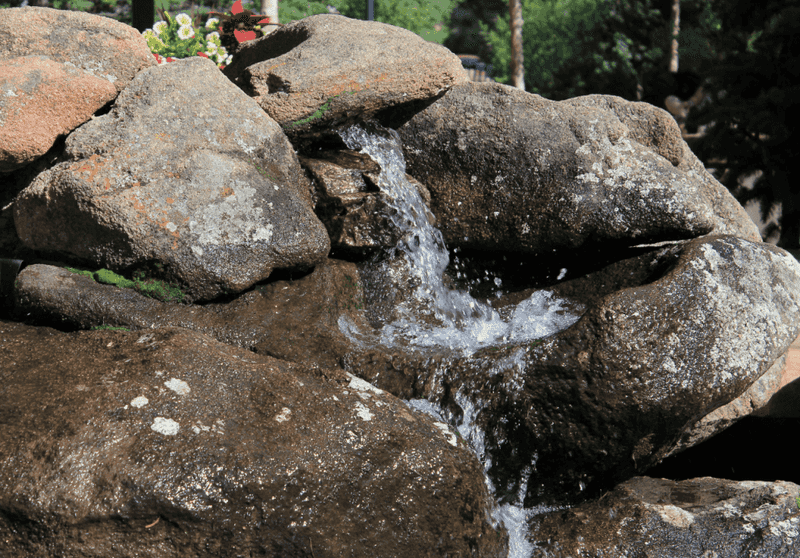
Water features like birdbaths, small ponds, and fountains don’t necessarily need a thorough cleaning before winter arrives in Pennsylvania.
If you have a small pond with fish, you’ll need to take specific winterization steps, but decorative water features can wait for spring maintenance.
Birdbaths can actually remain useful through winter if you keep them filled and use a heater to prevent freezing.
Birds need water year-round, and Pennsylvania winters can make natural water sources scarce when everything freezes solid.
Providing water for birds during winter makes your yard a valuable wildlife resource.
For fountains and features you plan to shut down for winter, a quick drain is sufficient; deep cleaning can happen in spring.
Algae and debris that accumulate during the growing season won’t cause problems while the feature sits dormant through Pennsylvania’s cold months.
When spring arrives and you’re ready to refill and restart your water features, that’s the perfect time for a thorough scrubbing.
You’ll be working in pleasant weather instead of dealing with cold water and chilly air in late fall.
Spring cleaning also means your water feature will look its best right when you’re ready to start enjoying your outdoor space again.
If you’re concerned about cracking from ice expansion, simply drain the feature and cover it, skipping the detailed cleaning until warmer days return to Pennsylvania.
This approach saves time and energy when you have plenty of other tasks competing for attention.
8. Removing Brush Piles And Fallen Branches
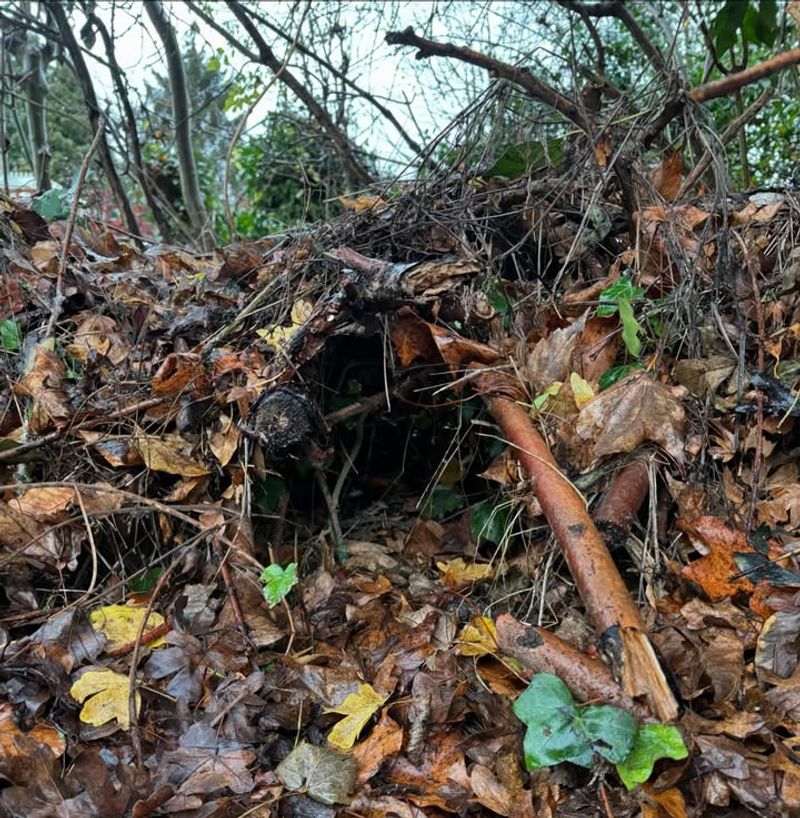
Brush piles and fallen branches might look messy to humans, but they’re incredibly valuable habitat for Pennsylvania wildlife during winter.
Rabbits, chipmunks, ground-nesting birds, and countless beneficial insects depend on these natural shelters when temperatures drop.
A brush pile in a corner of your yard provides protection from predators and harsh weather for creatures that help maintain a healthy ecosystem.
Salamanders, toads, and snakes also use brush piles for hibernation, emerging in spring to control slugs, insects, and other garden pests.
If you remove these natural features in fall, you’re eliminating crucial winter habitat that took all season to develop.
Pennsylvania’s native wildlife has adapted to rely on this type of shelter, and removing it can harm local populations.
When spring arrives, you can evaluate your brush piles and remove any that are truly problematic or unsightly.
Many gardeners find that strategically placed brush piles actually add natural character to their landscapes.
You can also move branches and brush to less visible areas of your property rather than hauling everything away.
This approach maintains wildlife habitat while keeping your main yard areas neat.
Fallen branches that aren’t blocking pathways or creating safety hazards can simply stay where they are until spring cleanup.
They’ll provide shelter and gradually decompose, adding nutrients back to your Pennsylvania soil while supporting the web of life in your backyard.