12 Backyard Crops In Oklahoma That Could Leave You Facing Surprise Fines
I still remember helping a neighbor plant what looked like a perfectly innocent crop in their Oklahoma backyard, only to learn weeks later that it was actually restricted. The fine that followed came as a huge shock.
Many gardeners don’t realize that even common-looking plants can fall under state regulations, and planting them without knowing the rules can lead to unexpected penalties.
From certain fruits to specialty vegetables, Oklahoma has restrictions in place to protect local farms, ecosystems, and communities from invasive or problematic species.
Knowing which crops are off limits helps you avoid fines, wasted effort, and the headache of having to remove plants you carefully nurtured.
Being informed about the rules before you plant could save you a lot of stress, and keep your backyard productive and legally safe.
1. Wild Hemp (Cannabis sativa)
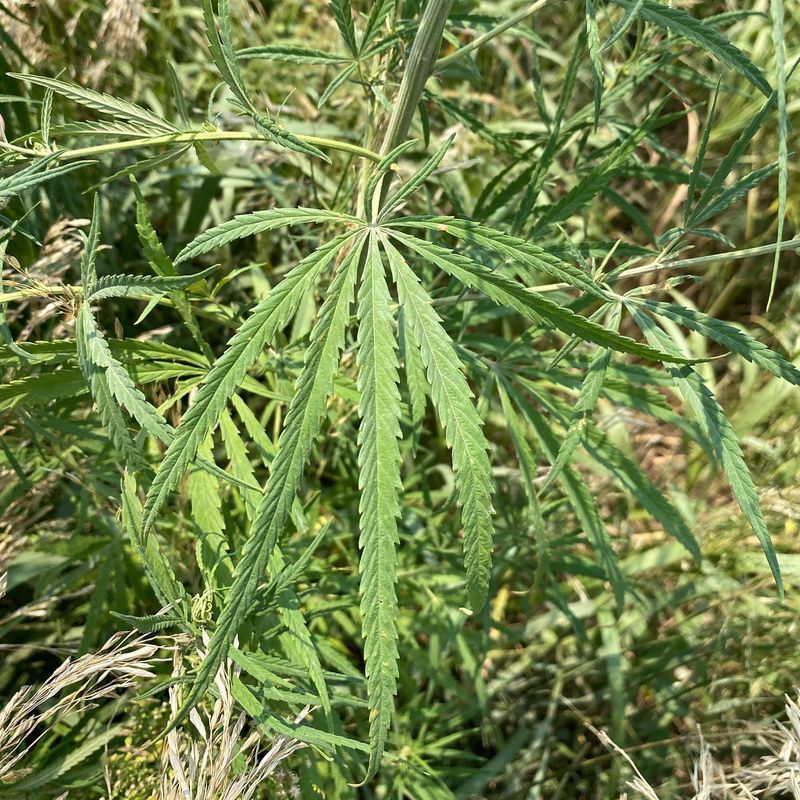
Wild hemp, often mistaken for industrial hemp, grows naturally in many parts of Oklahoma, particularly in abandoned fields and along roadsides.
Unlike the regulated industrial varieties, wild hemp contains tetrahydrocannabinol (THC), the psychoactive compound that classifies it as illegal to cultivate without proper licensing.
Even a single wild plant growing on private property can create legal liability for landowners, regardless of whether it was intentionally planted.
Oklahoma authorities actively monitor fields, gardens, and even roadside plots, and penalties for unauthorized cultivation can range from hefty fines to potential jail time.
I’ve personally seen small clusters sprout along county roads in central Oklahoma, where property owners were unaware of their legal obligations.
If discovered, the plants must be removed immediately, and failing to do so can lead to citations or more severe enforcement actions. Wild hemp can spread quickly via seeds, so timely identification and removal are critical.
Educating oneself about the plant’s appearance, tall, bushy stems with narrow serrated leaves, is essential for gardeners, landowners, and rural residents alike.
Understanding the distinction between industrial hemp and wild THC-containing varieties ensures compliance with both state and federal law while preventing unnecessary legal consequences.
2. Johnson Grass (Sorghum halepense)
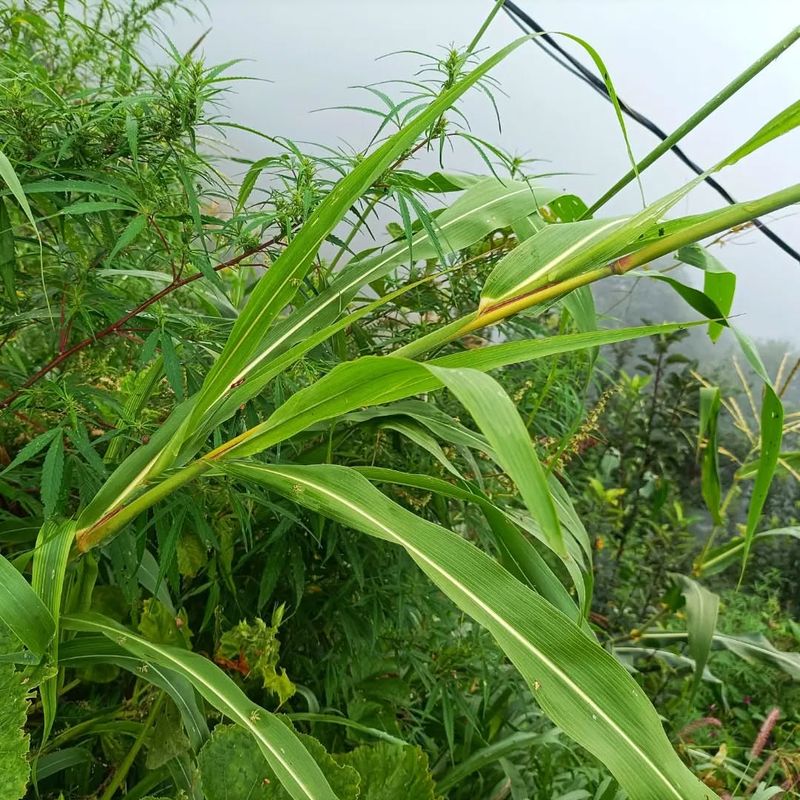
Johnson grass is considered one of Oklahoma’s most aggressive and destructive weeds. Native to the Mediterranean, this tall, reed-like grass spreads rapidly through both seeds and underground rhizomes.
Once established, it can invade pastures, crop fields, and residential properties, often outcompeting native grasses and desirable crops.
Because of its aggressive nature, Johnson grass is classified as a noxious weed under Oklahoma law, and cultivation is prohibited.
Landowners who knowingly allow it to proliferate may face fines reaching several hundred dollars per occurrence. I once spoke with a central Oklahoma farmer who accidentally allowed a small patch to grow along a field edge; within two seasons, it had expanded over half an acre.
Effective management requires vigilance, including regular mowing, deep plowing to disrupt rhizomes, and herbicide application when appropriate. Oklahoma extension offices provide detailed guidance on containment strategies.
The plant’s ability to spread both by seed and rhizome makes early detection critical. Johnson grass illustrates the broader challenge of invasive species in the state, showing how quickly a seemingly harmless grass can become a serious agricultural and ecological problem.
Responsible land management and prompt removal are essential for compliance and ecosystem protection.
3. Scotch Thistle (Onopordum acanthium)
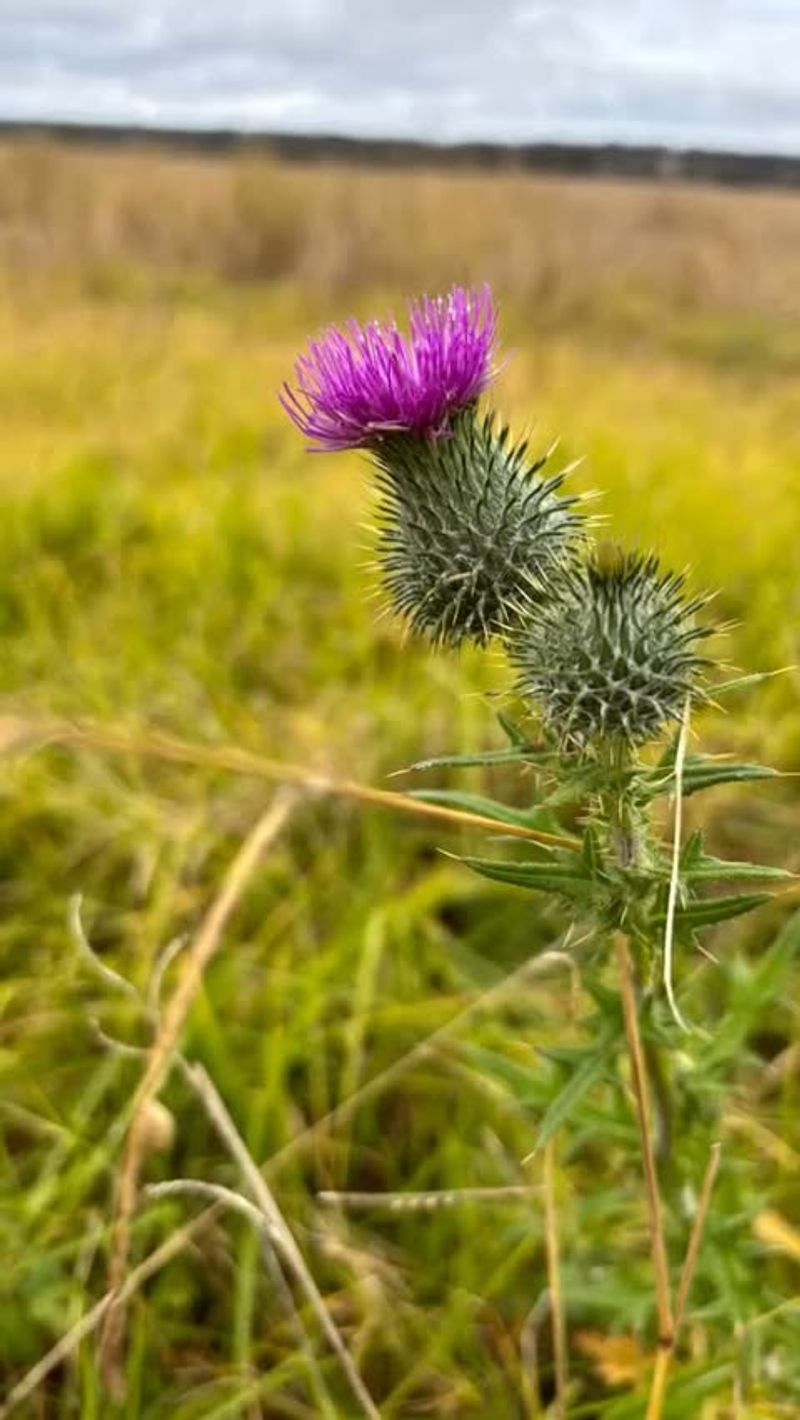
Scotch thistle is a striking plant with spiny leaves and vibrant purple flowers that can reach heights of eight feet, often catching the eye of unsuspecting gardeners.
While it may appear ornamental, its aggressive growth pattern earned it a place on Oklahoma’s noxious weed list.
Each plant produces thousands of long-lived seeds that can remain viable for years, allowing it to spread rapidly across pastures, fields, and vacant lots.
Property owners in Oklahoma are legally responsible for controlling Scotch thistle on their land, and county officials have the authority to issue citations or even enter private property to remove unchecked plants.
I observed a pasture in eastern Oklahoma where a single plant had produced a dense patch of seedlings over the course of a single summer, threatening nearby grazing areas.
Control methods include consistent mowing, removal before seed set, and targeted herbicide application where appropriate.
Educating landowners about identifying Scotch thistle, spiny stems, woolly leaves, and purple flower heads, is essential for early eradication.
Failure to manage this plant not only risks fines but also contributes to the spread of an invasive species that disrupts local ecosystems and reduces agricultural productivity.
4. Kudzu (Pueraria montana)
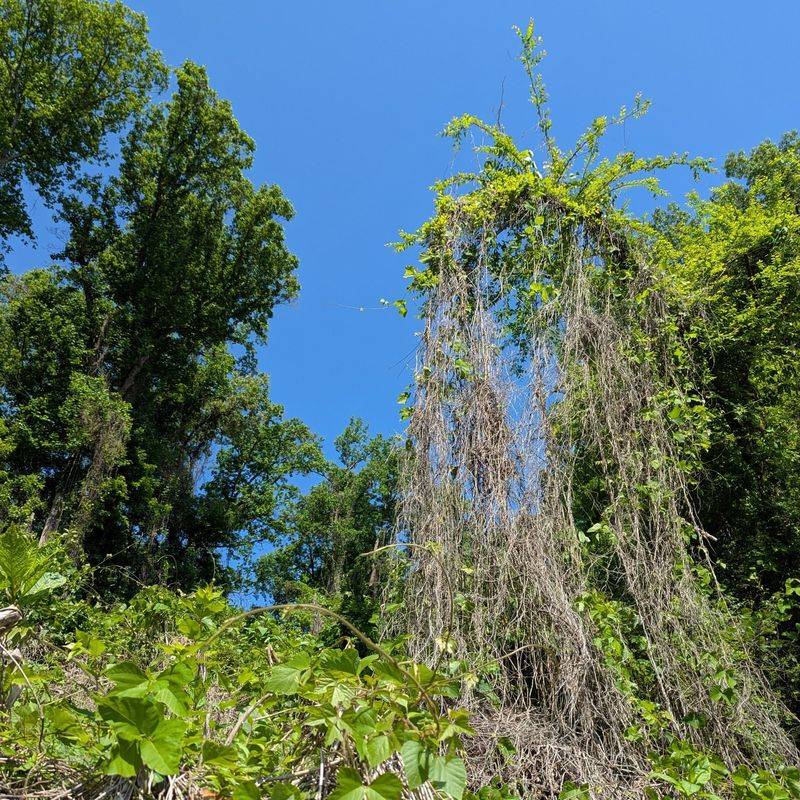
Kudzu, famously dubbed “the vine that ate the South,” is a highly invasive climber that grows at astonishing rates, sometimes up to a foot per day during Oklahoma’s warm summer months.
Once established, it can smother trees, shrubs, fences, and even entire structures if left unchecked. Because of its aggressive nature and devastating ecological impact, the Oklahoma Department of Agriculture strictly prohibits cultivating kudzu without special permits.
Penalties apply not only for intentional planting but also for failing to report or remove existing infestations.
I recall visiting a rural property in eastern Oklahoma where kudzu had overtaken a backyard orchard; several homeowners had not realized the vine’s legal status and were fined after county inspectors issued removal orders.
Kudzu thrives in disturbed soil, open fields, and along fence lines, making early identification critical.
Control involves a combination of mechanical removal, repeated mowing, and careful herbicide application, often over several seasons to prevent regrowth.
For gardeners and landowners, vigilance is key: regularly inspect property edges and slopes, remove seedlings immediately, and report any established vines to local authorities.
Proactive management protects both the environment and the property owner from legal consequences while helping preserve native vegetation.
5. Opium Poppy (Papaver somniferum)
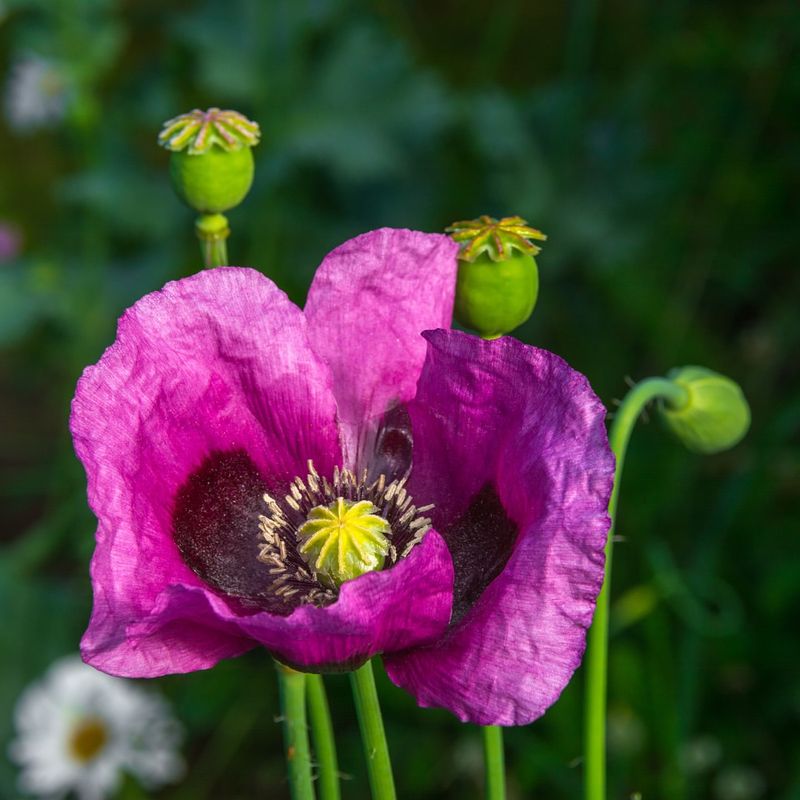
Opium poppies are undeniably beautiful, producing large, vibrant flowers that attract attention in any garden.
However, in Oklahoma, growing Papaver somniferum is illegal under federal law due to its narcotic content. Even seemingly harmless decorative varieties can contain compounds used to make opioids, and cultivation carries potential fines and legal repercussions.
Many gardeners inadvertently plant these poppies, drawn by their stunning blooms and historical appeal, only to discover their legal status later.
I once visited a community garden where a small patch had been planted for ornamental purposes; the local extension office intervened to ensure compliance.
Law enforcement may not aggressively pursue casual gardeners, but ignorance of the law is not a defense.
Oklahoma gardeners should choose legal alternatives, such as California poppies or Oriental poppies, which provide similar visual appeal without the narcotic risk.
Awareness of seed labeling and avoiding mail-order varieties that could contain prohibited compounds are critical. Responsible gardeners need to verify plant legality before cultivation to prevent fines or confiscation.
Growing legal alternatives ensures aesthetic enjoyment without exposing oneself to federal and state enforcement actions, protecting both the garden and the gardener.
6. Musk Thistle (Carduus nutans)
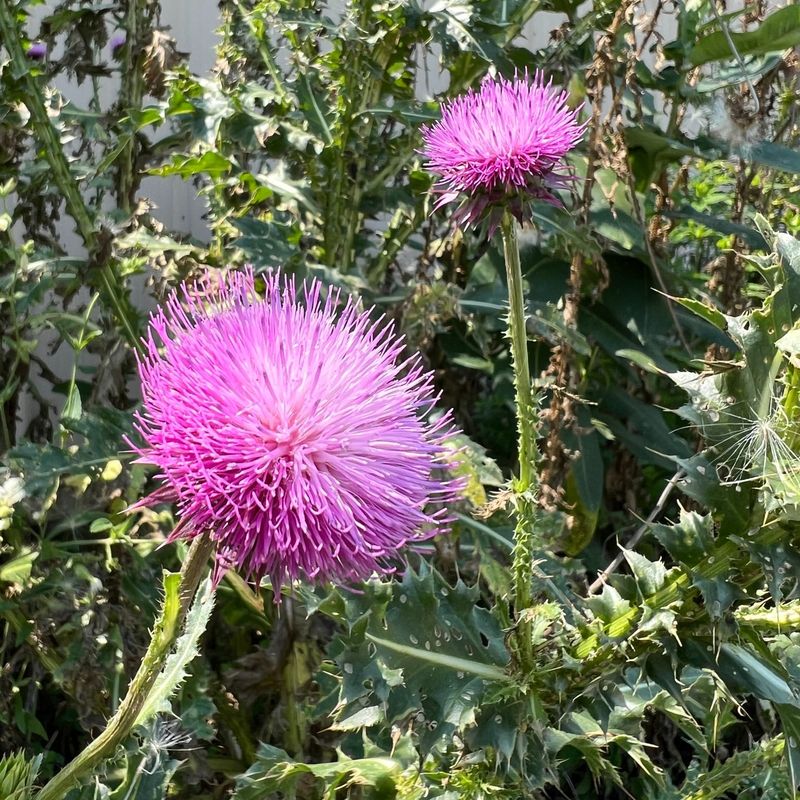
Musk thistle is an invasive European species recognized in Oklahoma for its rapid spread and significant agricultural impact.
Its nodding purple flowers are visually striking, but each plant produces thousands of seeds that can persist in the soil for years, quickly taking over pastures, roadsides, and open fields.
State law classifies musk thistle as noxious, and landowners are legally obligated to control infestations on their property.
County commissioners have the authority to enter private land to remove plants if owners fail to comply, and the associated costs can be added to property tax bills.
I observed a pasture in central Oklahoma where a single neglected plant produced an infestation that required mechanical removal and repeated herbicide applications to control.
Effective management involves cutting or mowing before seed set, spot herbicide treatments, and monitoring for regrowth.
Awareness and early intervention are crucial to prevent fines and protect neighboring properties. Educating landowners and gardeners about identification, spiny stems, nodding flower heads, and prickly leaves, is essential.
Compliance with regulations not only avoids legal consequences but also helps preserve productive pastures, native plant communities, and local ecosystems threatened by this aggressive invader.
7. Russian Olive (Elaeagnus angustifolia)
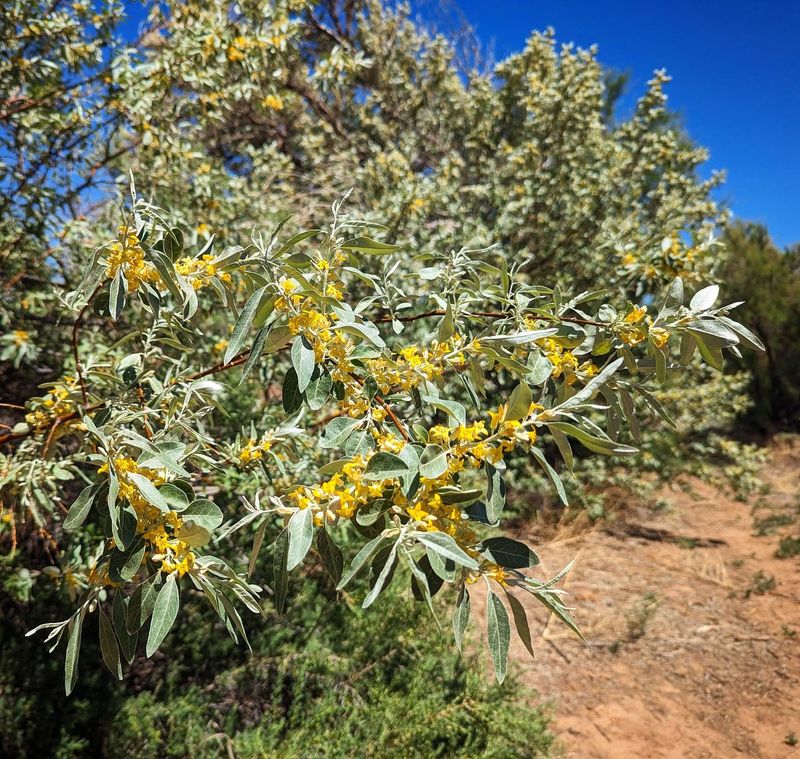
Once valued for windbreaks and erosion control, Russian olive trees are now recognized as highly invasive and strictly regulated in many Oklahoma counties.
The tree’s silver-gray foliage may appear attractive, but its rapid growth, prolific seeding, and adaptability allow it to outcompete native vegetation, particularly along waterways and riparian zones.
Birds disperse the seeds widely, creating new infestations miles from the parent trees. Local authorities prohibit new plantings and require removal of existing trees in designated areas, with fines enforced if compliance is not met.
I visited a northern Oklahoma property where Russian olive had colonized a creek bank, choking out willows and cottonwoods critical for wildlife habitat.
Controlling these trees often involves cutting and removing saplings, repeated monitoring, and, in some cases, chemical treatment of stumps to prevent regrowth.
Property owners must remain vigilant: early detection and removal of young trees is far easier than managing mature specimens.
Public education campaigns highlight the ecological consequences, including disruption of native ecosystems and reduced biodiversity.
Responsible management protects waterways, preserves native plant communities, and ensures compliance with Oklahoma regulations, helping maintain both legal and environmental integrity.
8. Field Bindweed (Convolvulus arvensis)
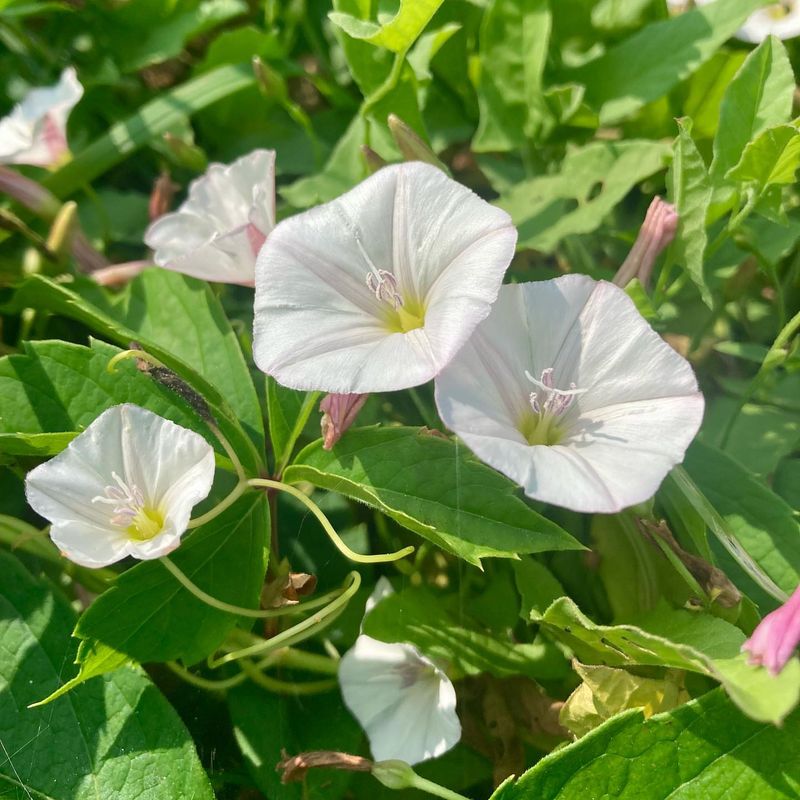
Field bindweed is deceptively attractive, with trumpet-shaped flowers similar to morning glories, yet it is among Oklahoma’s most destructive agricultural weeds.
Its extensive root system can penetrate up to 20 feet deep, making eradication extremely difficult once established. Oklahoma law prohibits its cultivation, and property owners may face fines for allowing bindweed to spread to neighboring lands.
I observed a small urban lot in central Oklahoma where a single plant had infiltrated multiple garden beds within a season, highlighting how quickly it can take over.
Effective control requires consistent removal of shoots, cutting before seed set, and careful herbicide applications to target the deep roots.
Bindweed spreads both through seeds and root fragments, so mechanical removal alone is rarely sufficient.
Early identification and prompt action are essential for compliance and to prevent the plant from overtaking pastures, crops, or residential gardens.
Public awareness campaigns educate gardeners on recognizing bindweed’s small, funnel-shaped flowers and deep-rooted vine structure.
Vigilance, combined with legal compliance, protects property values and the ecological health of neighboring areas while preventing costly enforcement actions.
9. Tropical Soda Apple (Solanum viarum)
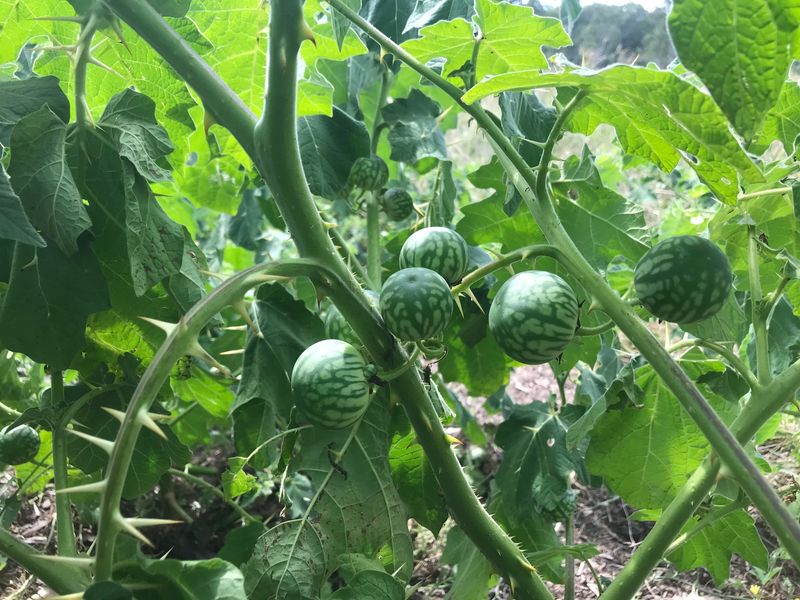
Tropical soda apple is a spiny, invasive plant that has recently emerged as a serious concern for Oklahoma livestock producers and property owners. This nightshade relative produces small yellow fruits that resemble tiny tomatoes.
While cattle generally avoid eating them, the plant spreads rapidly because seeds pass through livestock digestive systems and are deposited elsewhere in manure.
Oklahoma agricultural inspectors actively monitor southern counties for infestations, and landowners are required to remove plants immediately if discovered.
I once visited a pasture in southeastern Oklahoma where tropical soda apple had formed dense patches, threatening grazing areas.
Effective management requires mowing or cutting plants before fruiting, followed by targeted herbicide applications to prevent regrowth.
Property owners who ignore the plant risk fines and mandatory removal orders under state regulations.
Early detection is crucial, as tropical soda apple can quickly dominate pastures, reduce forage availability, and outcompete native vegetation.
Educating neighbors and coordinating control efforts across adjoining properties is particularly important because the plant spreads easily.
Responsible management protects livestock, maintains pasture productivity, and ensures compliance with Oklahoma law while helping preserve native ecosystems.
10. Giant Salvinia (Salvinia molesta)
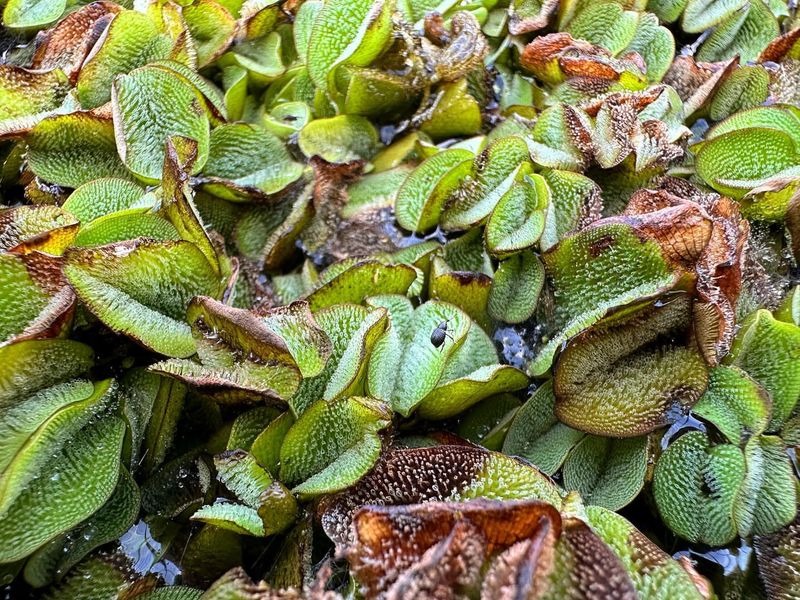
Giant salvinia is a floating aquatic fern that poses severe ecological risks in Oklahoma waterways.
Under ideal conditions, it doubles its population in just one week, forming dense mats that block sunlight, reduce oxygen levels, and threaten fish and other aquatic life.
Despite its aesthetic appeal in backyard ponds, possessing, transporting, or cultivating giant salvinia without a permit is strictly prohibited.
Environmental authorities actively pursue cases of intentional introduction, with fines starting at $500.
I once saw a pond in central Oklahoma where a single plant had rapidly covered the surface, necessitating costly removal.
Preventing its spread is critical, as it can move between water bodies via boats, fishing gear, and natural water flow.
Management involves physical removal combined with chemical treatments, but early detection is always preferable to dealing with established infestations.
Educating pond owners about the plant’s appearance, hairy floating leaves and rapid growth, is essential for compliance.
By remaining vigilant, Oklahoma residents can protect natural waterways, prevent legal issues, and reduce the devastating environmental impact giant salvinia causes to rivers, lakes, and wetlands.
11. Tree of Heaven (Ailanthus altissima)
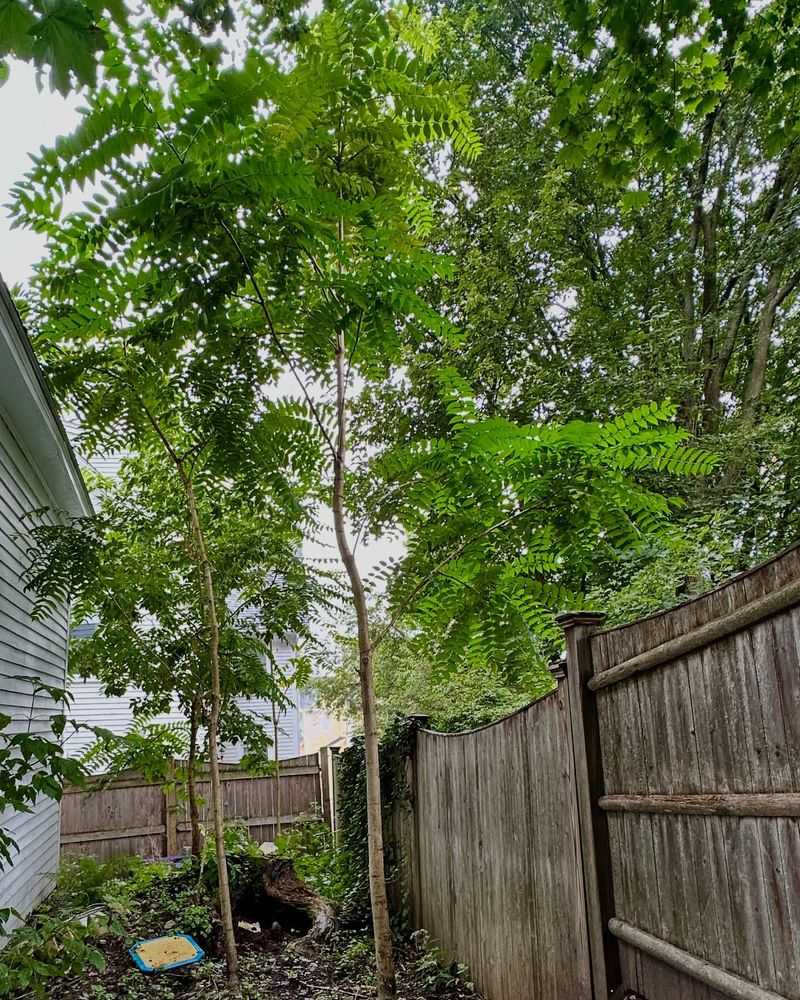
The Tree of Heaven is a fast-growing, aggressive species that has earned a notorious reputation in Oklahoma.
While its name may sound appealing, this tree produces chemicals in its roots and leaves that inhibit the growth of surrounding plants, effectively creating monocultures.
Several municipalities, particularly in eastern Oklahoma, have banned new plantings and issue removal orders for existing trees.
The tree also serves as a host for the invasive spotted lanternfly, which threatens agricultural crops and ornamental plants.
I once encountered a backyard in Tulsa where the tree had rapidly spread through the yard, shading out vegetables and flowers while producing hundreds of seeds dispersed by birds and wind.
Control requires persistent removal of seedlings, cutting mature trees, and applying herbicide to stumps to prevent regrowth.
Homeowners are legally responsible for ensuring these trees do not continue to spread, and failure to comply can result in fines.
Awareness of early seedlings, consistent removal, and community cooperation are essential to control the Tree of Heaven’s spread while protecting native vegetation and maintaining compliance with Oklahoma law.
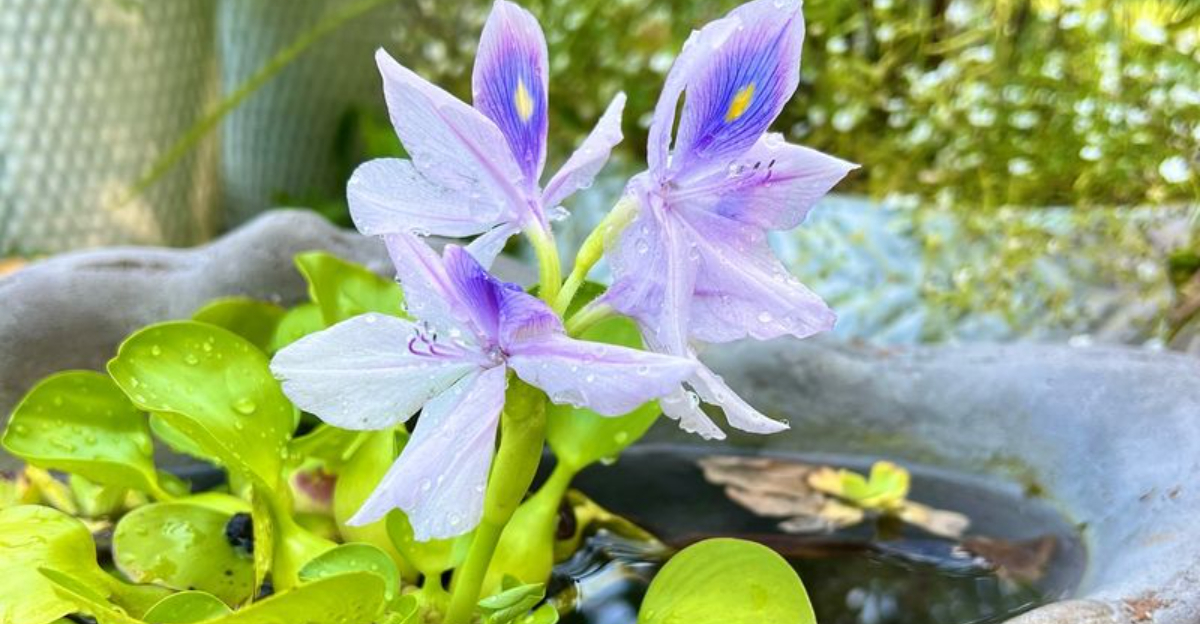
12. Water Hyacinth (Eichhornia crassipes)
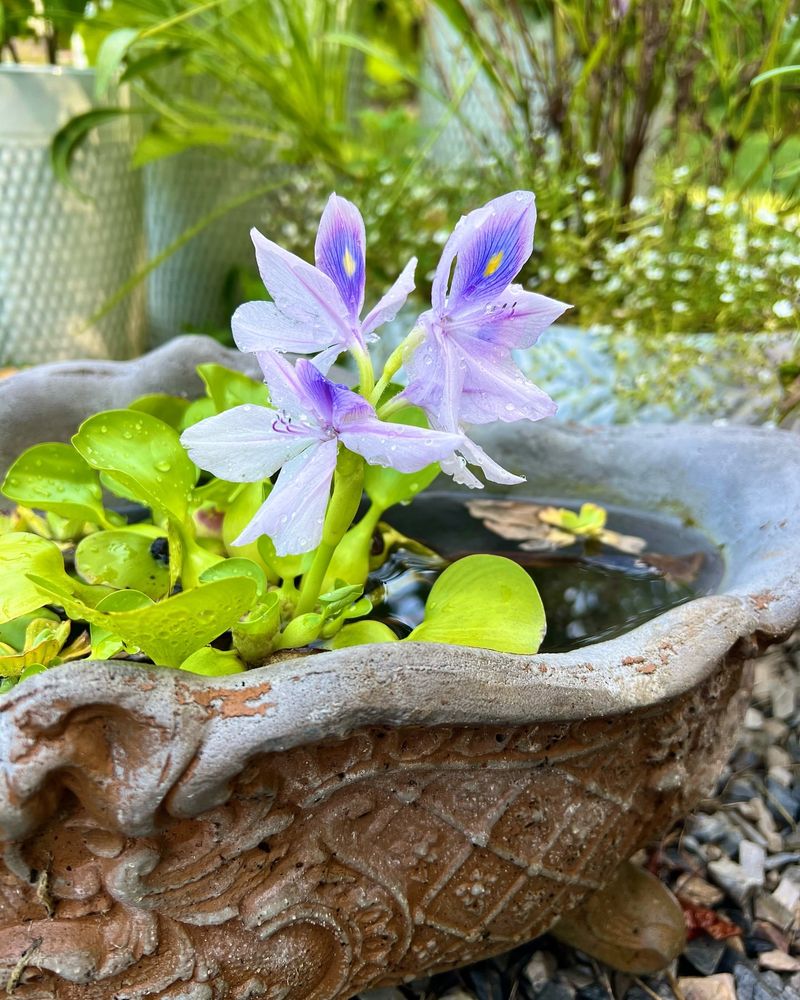
Water hyacinth is a visually striking floating aquatic plant that has become a major threat in Oklahoma’s lakes, rivers, and ponds.
Its rapid reproduction allows populations to double in just two weeks, creating dense mats that block sunlight, deplete oxygen, and severely disrupt aquatic ecosystems.
Despite its beauty, state law prohibits the possession, sale, or transport of water hyacinth without a special permit. Even having a single plant in a backyard pond can result in fines.
I once visited a pond in southeastern Oklahoma where a single water hyacinth escaped from a decorative pond and quickly spread to cover nearly half the water surface, necessitating costly removal.
Prevention is critical: property owners should avoid purchasing or moving water hyacinth and carefully monitor any aquatic additions for potential invasives.
Removal of escaped plants must be done promptly, and local environmental authorities can advise on safe disposal.
Responsible management protects waterways, prevents fines, and preserves native aquatic species, ensuring Oklahoma’s rivers and lakes remain healthy for both recreation and wildlife.