9 Backyard Drainage Changes That Make Spring Easier In Oregon
Spring in Oregon is supposed to be exciting, new growth, warmer days, and more time outside. But for a lot of homeowners, it starts with mud, puddles, and soggy spots that refuse to dry out.
Instead of enjoying the season, you’re dodging wet patches and wondering why your yard still feels stuck in winter.
The truth is, spring shows you exactly how well your backyard handles water. All that winter rain doesn’t disappear overnight, and any weak drainage areas tend to make themselves very obvious.
Suddenly you notice where water collects, where soil stays soft, and which areas struggle to bounce back.
The good news? You don’t need a full yard overhaul to make things better.
A few smart drainage changes can make spring easier, cleaner, and far less frustrating. Small adjustments can help water move where it should, protect your plants, and save you time later in the season.
If you’re tired of starting every spring with the same soggy problems, you’re not alone. Many Oregon homeowners deal with this every year.
These backyard drainage changes are simple, practical, and designed to work with Oregon’s climate, helping your yard dry out faster and get ready for the growing season.
1. French Drains Route Water Away Efficiently
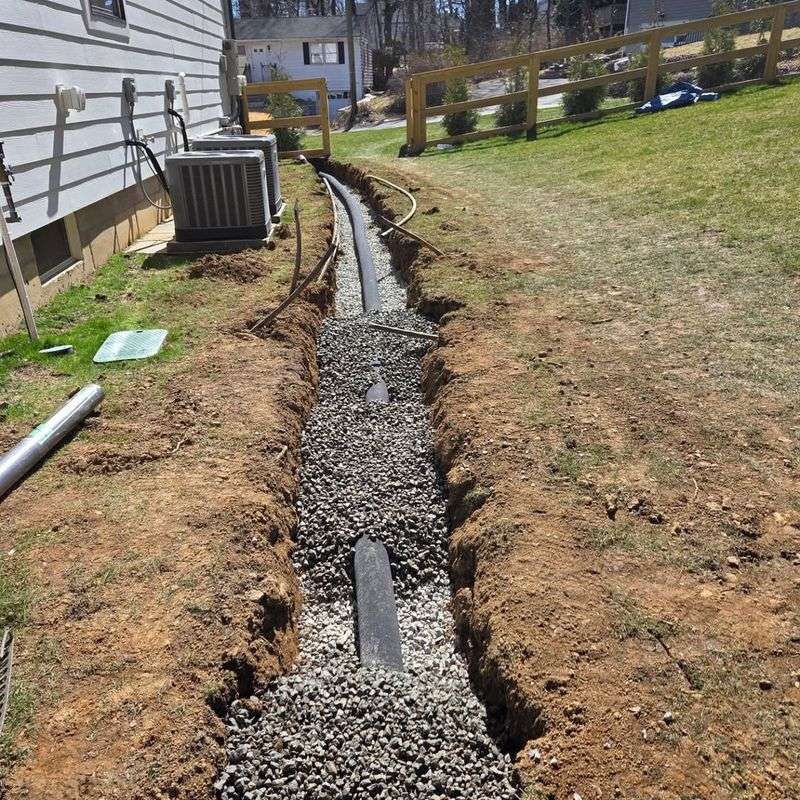
A French drain works like an underground highway for excess water, moving it away from problem areas before it pools up. You create a trench filled with gravel and a perforated pipe that collects water and carries it to a better spot.
This simple system handles heavy Oregon rains without any electricity or complicated parts.
Installation takes some digging but pays off for years afterward. The trench should slope gently downhill so gravity does all the work.
Most homeowners place French drains along foundations, near patios, or across low spots where puddles always form after storms.
Gravel surrounding the pipe filters out debris while allowing water to flow freely into the system. You can cover everything with soil and grass so it blends right into your landscape.
French drains work quietly in the background, protecting your yard from waterlogging.
They handle both surface water and groundwater seepage, making them incredibly versatile. If you have one trouble spot or several wet zones, a French drain network can connect them all.
Your spring yard stays drier, and you avoid the squishy, muddy patches that make outdoor activities miserable during rainy months.
2. Rain Gardens Transform Soggy Spots Into Beauty
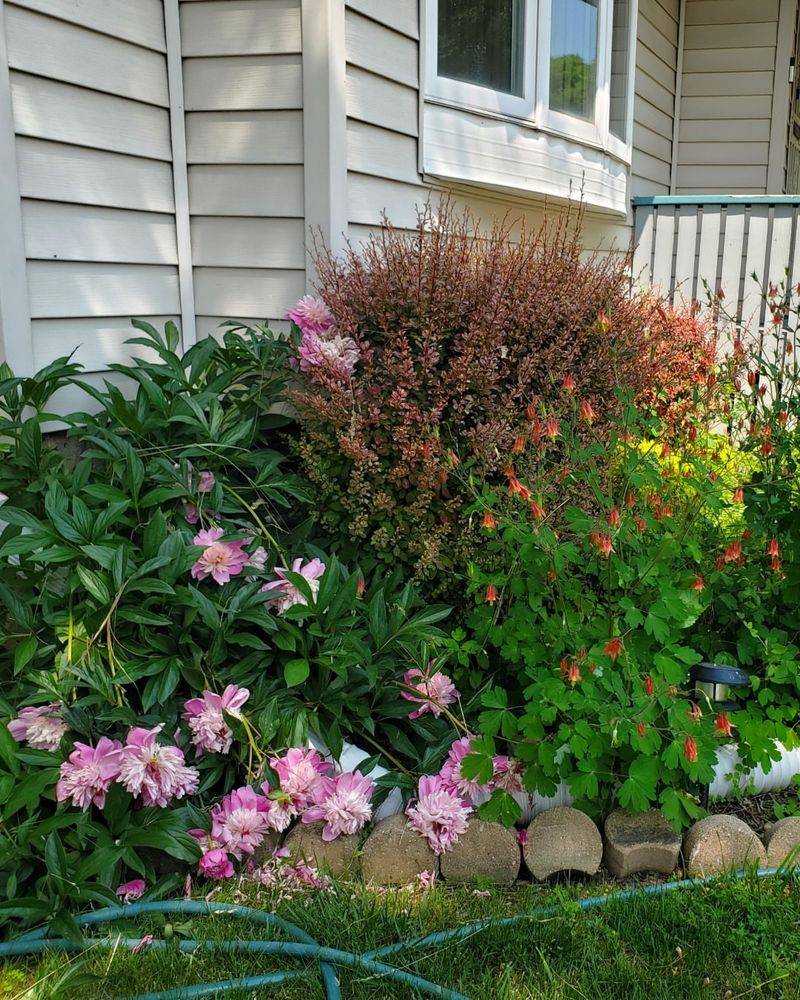
Rain gardens turn your drainage headache into a gorgeous garden feature that actually solves the problem. These shallow depressions collect runoff from roofs, driveways, and slopes, then slowly absorb the water into the ground.
Native Oregon plants thrive in these conditions, creating a colorful display while managing excess moisture naturally.
The garden sits lower than surrounding areas, so water flows toward it during storms. Special soil mixtures help water soak in rather than sit on top.
Within a day or two after heavy rain, the garden drains completely, so mosquitoes never get a chance to breed there.
Choose plants that tolerate both wet and dry periods since conditions change throughout spring and summer. Sword ferns, red twig dogwood, and Oregon iris all work beautifully in rain gardens.
These tough plants filter pollutants from runoff while looking fantastic in your landscape.
Size your rain garden based on how much water you need to handle from your roof or driveway. Even a small rain garden makes a noticeable difference in reducing standing water.
You get improved drainage plus wildlife habitat and seasonal color all in one smart solution.
3. Dry Wells Absorb Runoff Underground
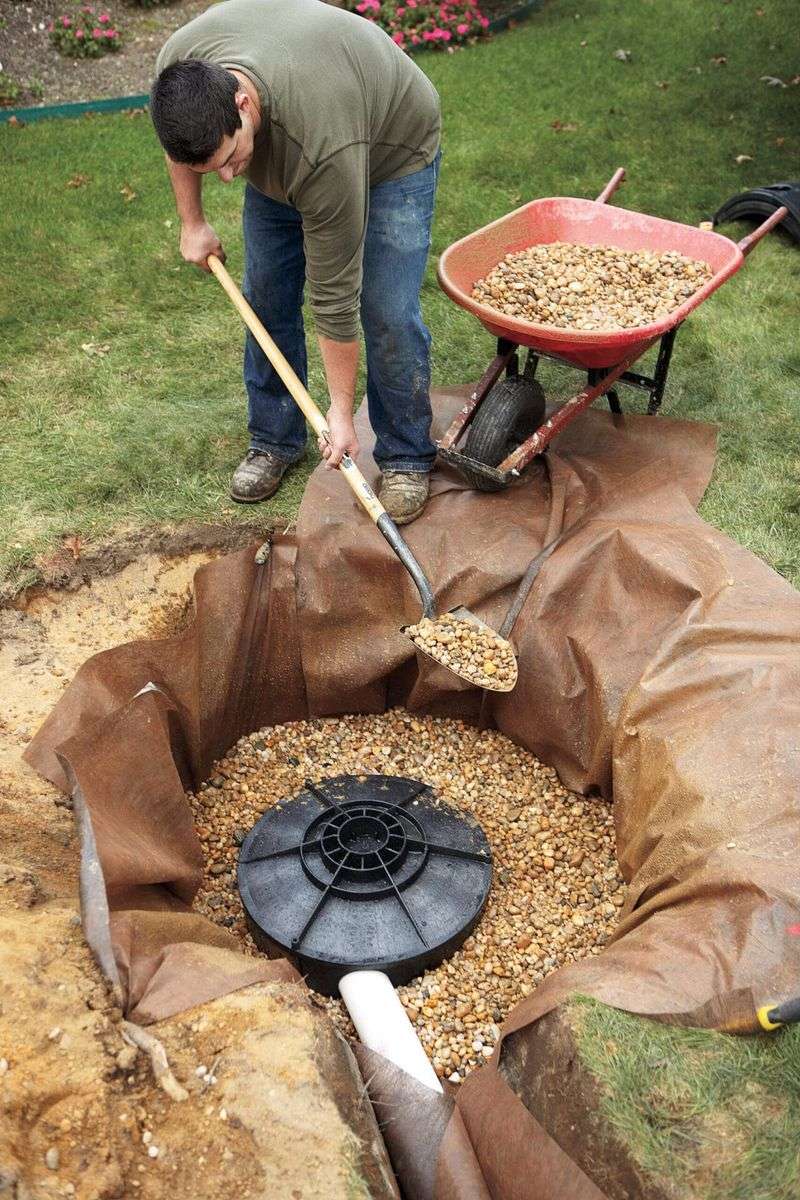
Dry wells act like underground storage tanks that give water time to soak into the soil gradually. You dig a large hole, fill it with gravel or special chambers, then cover it back up so nobody even knows it exists.
Downspouts and drainage pipes direct water into the dry well where it disperses slowly instead of flooding your yard.
This solution works especially well in areas with decent soil drainage underneath the surface. The dry well temporarily holds water during heavy storms, then releases it into the ground over the following hours or days.
Your yard stays drier on top while the water still replenishes groundwater supplies below.
Size matters when planning a dry well since Oregon springs can dump serious rainfall in short periods. Bigger wells handle more volume, but even modest ones help significantly.
Some homeowners install multiple dry wells around their property to manage runoff from different areas.
Gravel-filled dry wells cost less than fancy plastic chamber systems, though both work effectively. The key is placing them far enough from foundations so water does not seep back toward your house.
Dry wells require almost no maintenance once installed, making them a set-it-and-forget-it drainage fix.
4. Grading Corrections Direct Water Properly
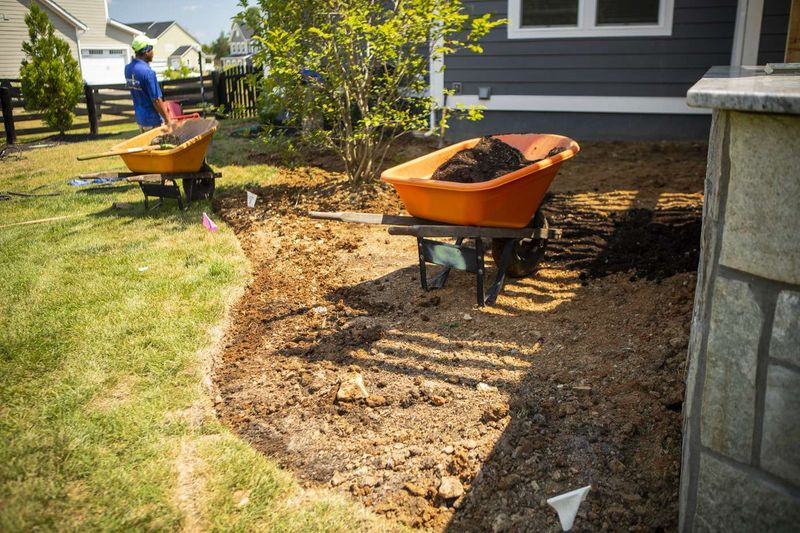
Sometimes the simplest fix makes the biggest difference, and regrading your yard falls into that category. Proper slope ensures water flows away from buildings and toward drainage areas instead of pooling in random spots.
Even small adjustments to ground level can completely change how your yard handles spring rains.
Your yard should slope at least two percent away from your house foundation in all directions. That means dropping about two inches for every ten feet of distance.
This gentle grade is barely noticeable to the eye but makes a huge difference for water movement.
Low spots that collect water need filling to match surrounding areas or be converted into intentional drainage features. High spots might need leveling so water does not get trapped behind them.
Professional grading equipment makes quick work of major corrections, though smaller projects work fine with shovels and wheelbarrows.
After regrading, compact the soil properly so it does not settle unevenly later. Add quality topsoil and reseed or lay sod to restore your lawn.
The investment in proper grading protects your foundation, prevents erosion, and eliminates those annoying puddles that stick around for days after storms end.
5. Permeable Pavers Let Water Through
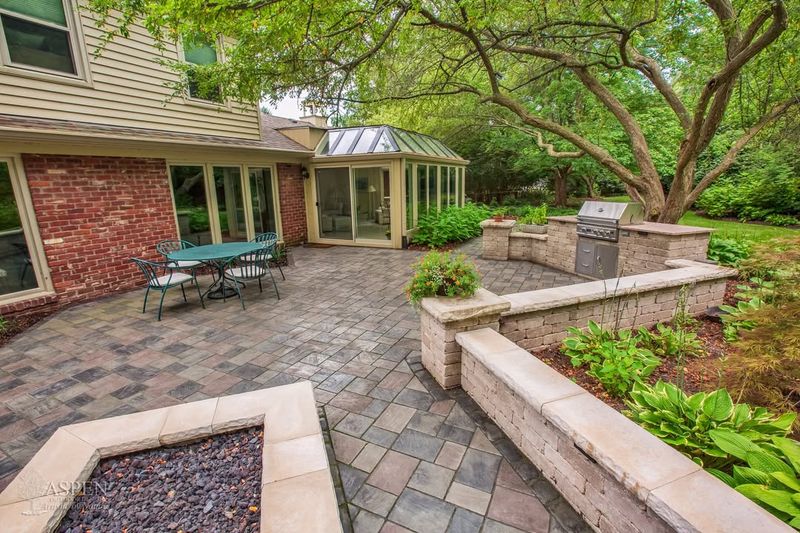
Traditional concrete and asphalt create impermeable surfaces that force water to run off somewhere else, often causing problems downstream. Permeable pavers solve this by allowing water to soak through gaps between stones or through the pavers themselves.
Patios, walkways, and driveways built with these materials reduce runoff while still providing solid surfaces for daily use.
Water filters down through the pavers into a gravel base layer below, then gradually absorbs into the soil. This mimics natural ground absorption much better than solid surfaces.
Your yard handles more water overall, reducing stress on other drainage systems.
Many permeable paver styles look identical to regular pavers, so you do not sacrifice appearance for function. Grass pavers create a green surface where grass grows through openings in a supportive grid.
Gravel-filled pavers offer a more casual look while providing excellent drainage.
Installation requires proper base preparation with layers of gravel in specific sizes. This foundation layer stores water temporarily and supports the pavers above.
Permeable pavers cost more upfront than solid surfaces but save money long-term by reducing drainage problems and potential water damage to your property.
6. Downspout Extensions Move Roof Water Far Away
Your roof collects massive amounts of water during Oregon spring storms, and downspouts concentrate all that volume into small areas near your foundation.
Without proper extensions, this water soaks into the ground right next to your house, potentially causing basement leaks, foundation problems, and soggy soil that damages plantings.
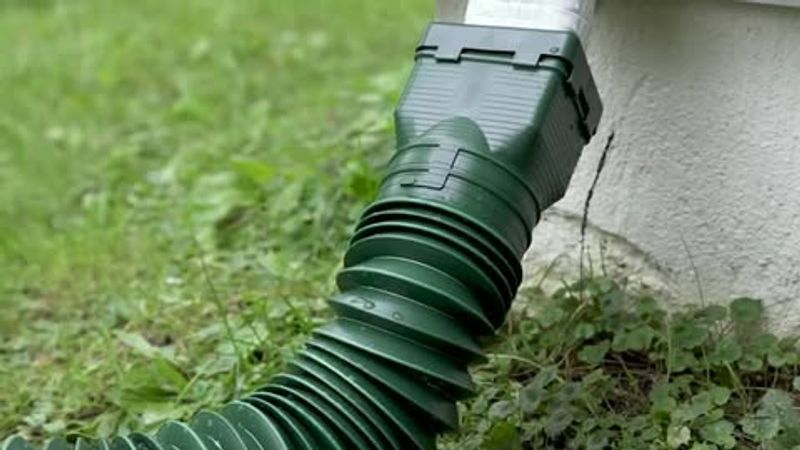
Downspout extensions carry water at least five to ten feet away from your foundation before releasing it. Simple flexible tubes work fine, or you can install underground pipes for a cleaner look.
Either way, the goal is moving water to areas where it can absorb safely without threatening your home.
Above-ground extensions flip up for mowing, then fold back down afterward. Underground systems stay out of sight permanently but require more installation work.
Both types dramatically reduce the amount of water saturating soil near your foundation walls.
Direct extended downspouts toward drainage swales, rain gardens, or dry wells for even better results. Avoid sending water toward neighbors’ properties or creating new problem spots elsewhere in your yard.
Proper downspout management is one of the easiest and most cost-effective drainage improvements you can make this spring.
7. Swales Channel Water Naturally
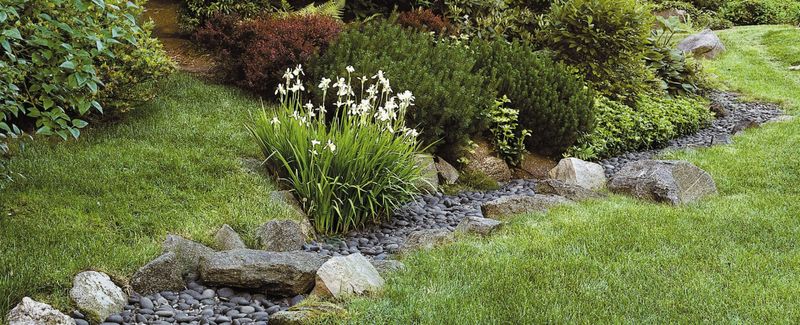
Swales are shallow ditches that guide water across your landscape following natural contours. Unlike harsh-looking drainage ditches, swales blend into your yard design and can even be planted with grass or groundcovers.
Water flows gently through the swale toward an outlet point, preventing erosion and spreading water out so it absorbs better.
The curved, gentle shape of a swale slows water down compared to steep ditches. This slower movement allows more water to soak into the ground along the way rather than rushing to one spot.
Swales work beautifully on sloped properties where water naturally wants to run downhill quickly.
You can line swales with river rocks for a decorative look, or plant them with moisture-loving groundcovers that stabilize the soil. Either approach prevents erosion while managing water flow effectively.
Swales often connect to rain gardens or other drainage features at their lowest points.
Maintenance involves occasional cleaning of debris and checking that the swale maintains its proper shape. Spring storms sometimes deposit leaves and sticks that could block water flow.
Properly designed swales handle Oregon rainfall beautifully while adding an attractive landscape feature that looks intentional rather than like a drainage fix.
8. Catch Basins Collect Surface Water
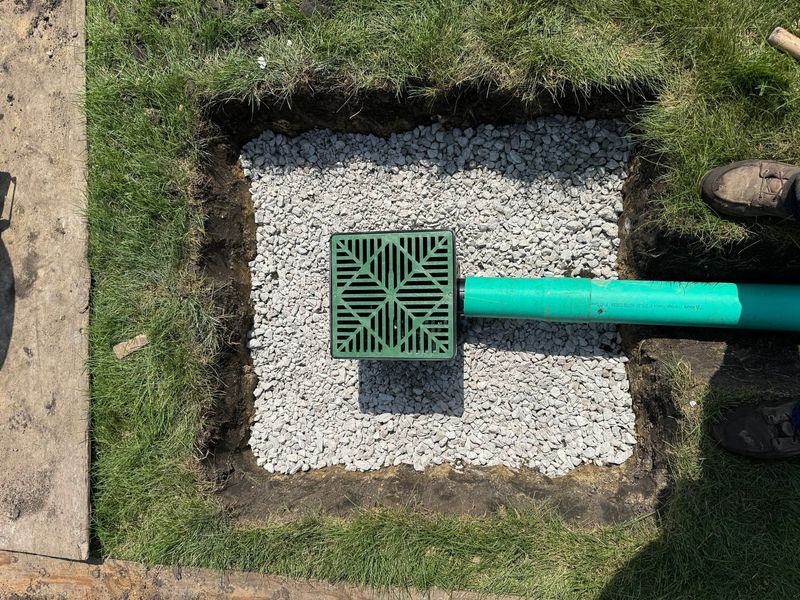
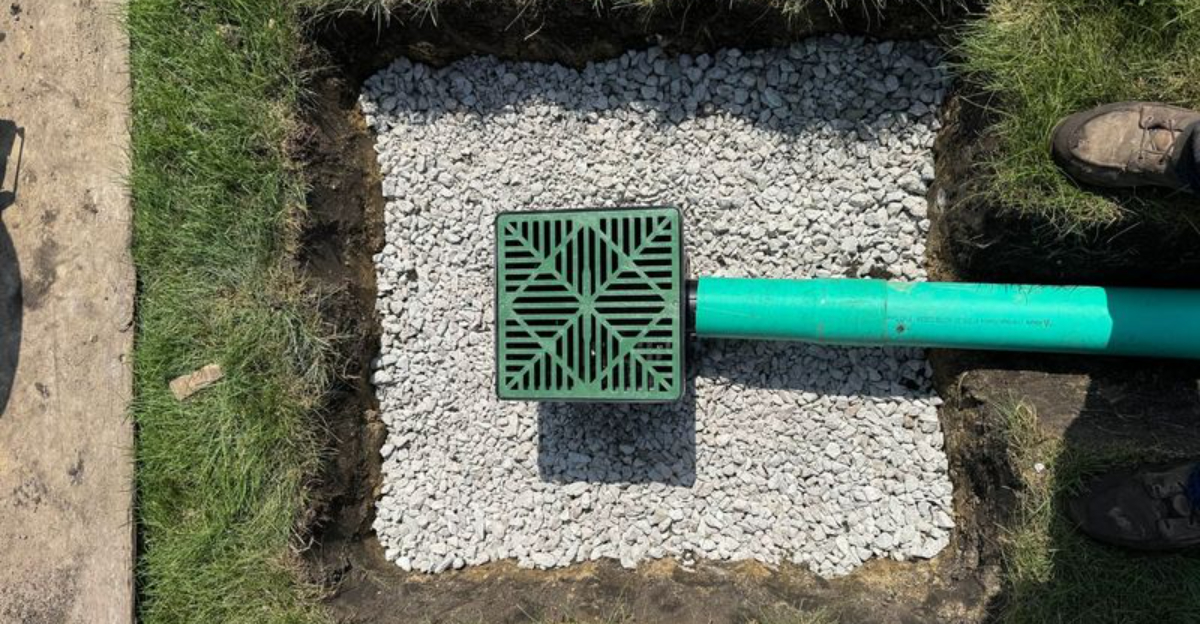
Catch basins work like street drains for your backyard, collecting surface water through a grated top and channeling it into underground pipes.
These sturdy boxes sit at low points where water naturally flows, intercepting it before it floods your lawn or garden beds.
The collected water then travels through pipes to appropriate drainage areas.
A removable grate on top keeps out large debris while allowing water to pour in freely. Inside the basin, a sump area traps sediment and smaller debris so it does not clog your drainage pipes.
You clean this sump area occasionally to maintain good flow, which takes just a few minutes.
Catch basins handle sudden heavy downpours especially well since they can accept large volumes quickly. They work great at the bottom of driveways, in the middle of low lawn areas, or anywhere water tends to collect.
Connect them to French drains, dry wells, or direct pipe runs to move water away efficiently.
Professional installation ensures proper depth and pipe connections, though handy homeowners can tackle this project themselves. The grates come in various sizes and styles to match your landscape.
Once installed, catch basins provide reliable drainage year after year with minimal maintenance required.
9. Soil Amendment Improves Absorption

Heavy clay soil common in many Oregon yards drains poorly because water cannot penetrate the dense particles easily. Amending this soil with organic matter and drainage materials helps water soak in faster instead of sitting on the surface for days.
Better soil structure means healthier plants and fewer drainage headaches every spring.
Compost, aged bark, and peat moss all improve clay soil by adding organic material that creates air spaces. These spaces allow water and roots to penetrate more easily.
Mixing in coarse sand or perlite also helps, though organic materials provide more long-term benefits as they continue breaking down.
Work amendments into the top six to twelve inches of soil where most plant roots grow. This takes effort initially but transforms problem areas into functional garden space.
Areas with extremely poor drainage might need raised beds filled with quality soil instead of trying to fix what exists.
Soil improvement is an ongoing process rather than a one-time fix. Adding compost annually maintains good structure as organic matter breaks down over time.
Combined with other drainage solutions, better soil absorption significantly reduces standing water problems and creates a healthier growing environment for everything in your yard.