9 Backyard Gardening Mistakes West Virginia Homeowners Often Make

West Virginia backyards can look full of promise in spring, yet many gardens slowly lose momentum as the season goes on.
Homeowners often assume plant problems come from bad luck or tough weather, when the real issue started much earlier.
Small choices made during planting and setup quietly shape how a garden performs weeks or even months later. By the time trouble shows up, the mistake is already locked in.
West Virginia’s mix of hills, shade, heavy soil, and unpredictable weather makes certain habits far more costly than people expect.
What works fine in another state can create ongoing frustration in a West Virginia yard.
Many of these mistakes come from doing what seems reasonable without realizing how local conditions change the outcome.
Once plants begin to struggle, it’s easy to blame varieties instead of the decisions surrounding them.
Catching these problems early can completely shift how a backyard looks and feels through the rest of the season.
Avoiding a few common missteps helps West Virginia homeowners build gardens that stay healthier, fuller, and far easier to manage.
1. Planting Too Early Before Soil Truly Warms
Spring fever hits hard when the first warm days arrive, making gardeners eager to get seeds and seedlings into the ground.
Calendar dates can be misleading because soil temperature matters far more than air temperature for successful germination and root development.
A sunny March afternoon might feel perfect, but just inches below the surface, the earth remains cold and unwelcoming to tender plants.
West Virginia’s mountain topography creates microclimates where frost can sneak back in well past the average last frost date.
Cold soil slows down seed sprouting and stresses transplants, leaving them vulnerable to diseases and pests they would normally resist. Experienced gardeners in the state know that patience pays off more than rushing the season.
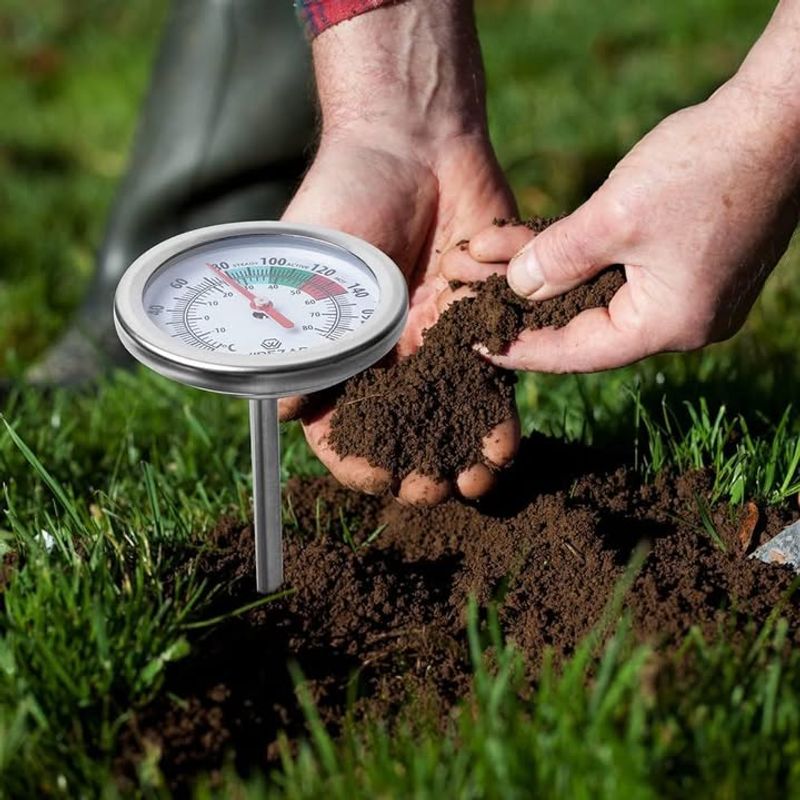
Using a soil thermometer takes the guesswork out of planting timing. Most warm-season vegetables need soil temperatures above 60 degrees Fahrenheit to thrive, while cool-season crops can tolerate lower temperatures.
Checking the soil at planting depth gives you accurate information instead of relying on wishful thinking.
Waiting an extra week or two often results in plants that catch up quickly and surpass their earlier-planted counterparts.
The healthier root systems developed in warm soil create stronger plants that produce better yields. Rushing rarely rewards gardeners with the results they hope for.
2. Ignoring Drainage In Sloped Or Clay-Heavy Yards
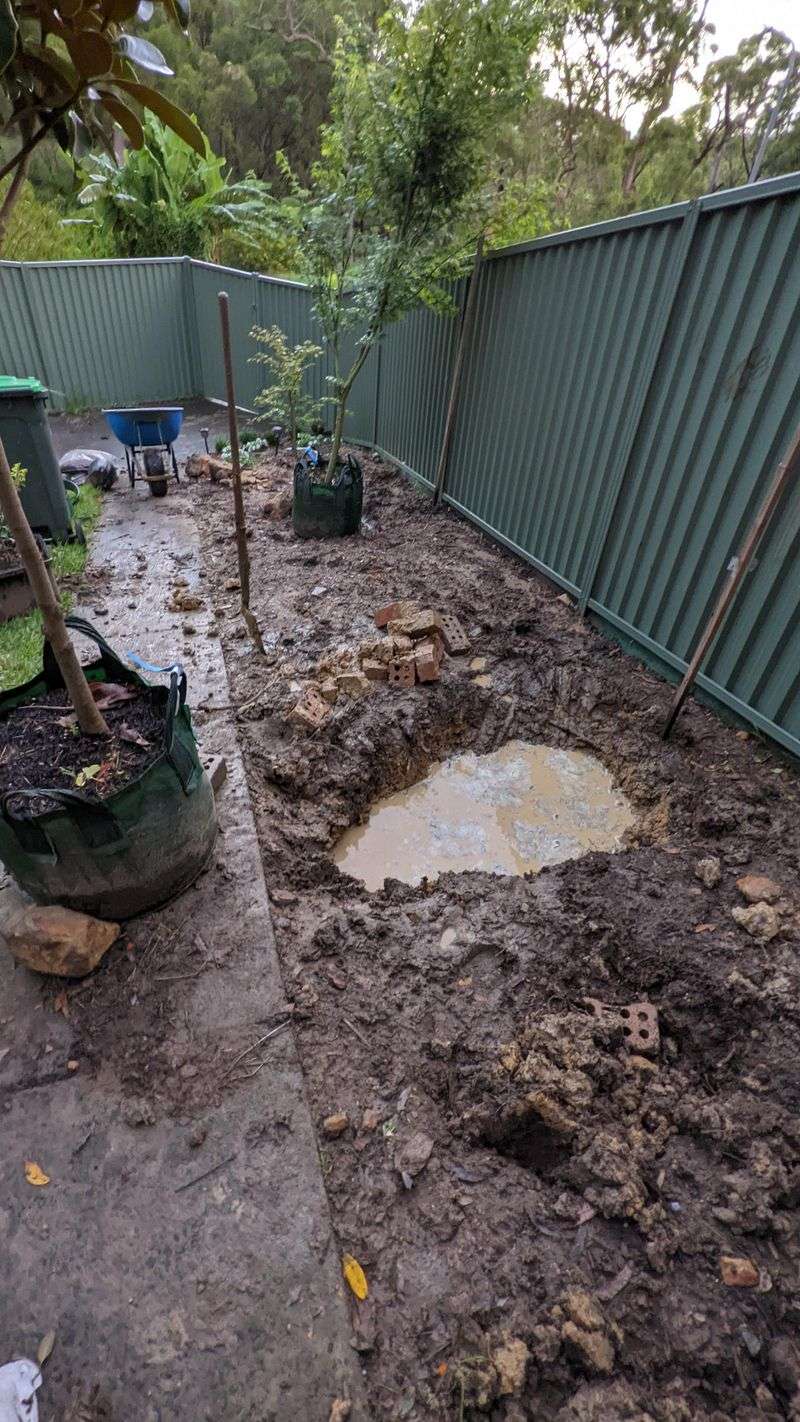
Water naturally follows the path of least resistance, creating puddles and soggy spots that can ruin even the best-planned garden beds.
Sloped yards in West Virginia often channel rainwater into low areas, while clay-heavy soil common throughout the state holds moisture like a sponge that never fully dries.
Plant roots need oxygen as much as they need water, and waterlogged soil suffocates them.
Many homeowners assume their drainage is adequate until heavy rains reveal problem areas where water pools for hours or days. By that time, plants may already be showing stress signs that take weeks to recover from.
Clay soil becomes rock-hard when dry and sticky when wet, making it difficult for roots to penetrate and establish themselves properly.
Observing your yard during and after storms reveals drainage patterns you might otherwise miss. Simple solutions like raised beds, French drains, or amended soil can transform problem areas into productive growing spaces.
Adding organic matter helps clay soil develop better structure over time.
Slope direction matters when planning garden placement in West Virginia’s hilly terrain. South-facing slopes warm faster and dry quicker, while north-facing areas stay cooler and retain more moisture.
Understanding these patterns helps you match plants to the conditions they’ll actually experience rather than fighting against natural water flow.
3. Overwatering During Cool, Wet Periods
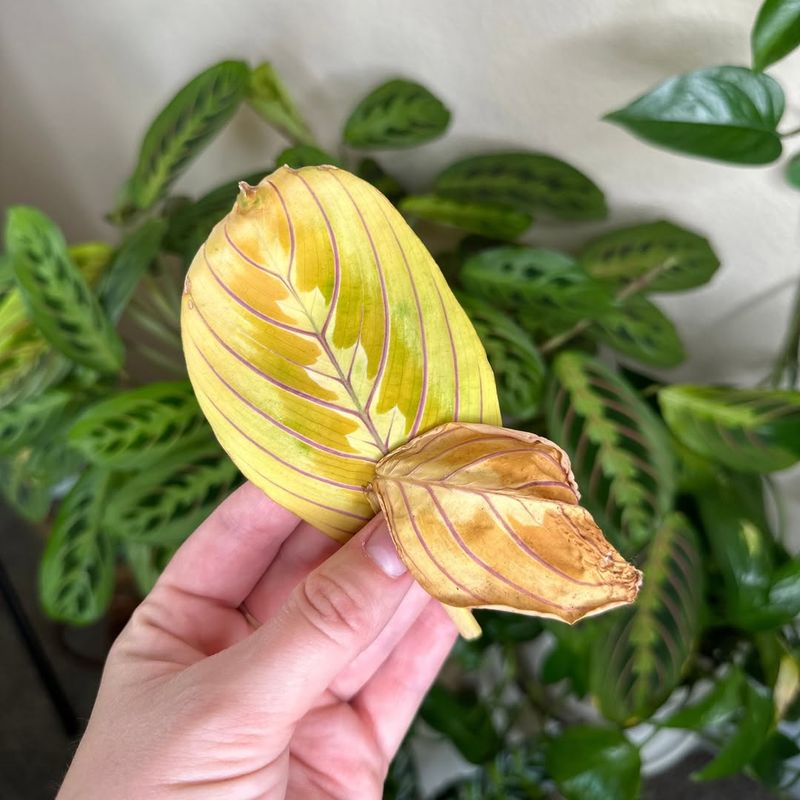
Established watering routines can work against you when weather patterns shift from dry to wet. Automatic timers and habitual schedules don’t adjust for natural rainfall, leading to plants receiving far more water than they need.
Cool temperatures slow evaporation rates, meaning soil stays wet longer than it would during hot summer weeks.
West Virginia’s spring and fall seasons often bring extended periods of cloudy, drizzly weather that keeps soil consistently moist.
Adding supplemental water during these times creates an environment where fungal diseases thrive and root systems become lazy, staying shallow instead of reaching deep for moisture. Overwatered plants often show yellowing leaves and stunted growth that gardeners mistakenly interpret as nutrient deficiency.
Feeling the soil before watering prevents automatic habits from causing problems. Stick your finger two inches into the soil near plant roots to check actual moisture levels rather than relying on surface appearance.
If it feels damp or cool, hold off on watering even if your schedule says it’s time.
Different plants have varying water needs that change with growth stages and weather conditions. Tomatoes need consistent moisture when fruiting but less when young, while established perennials often handle dry spells better than frequent shallow watering.
Adjusting your approach based on current conditions rather than following rigid schedules keeps plants healthier throughout the growing season.
4. Skipping Soil Testing In Older Garden Areas
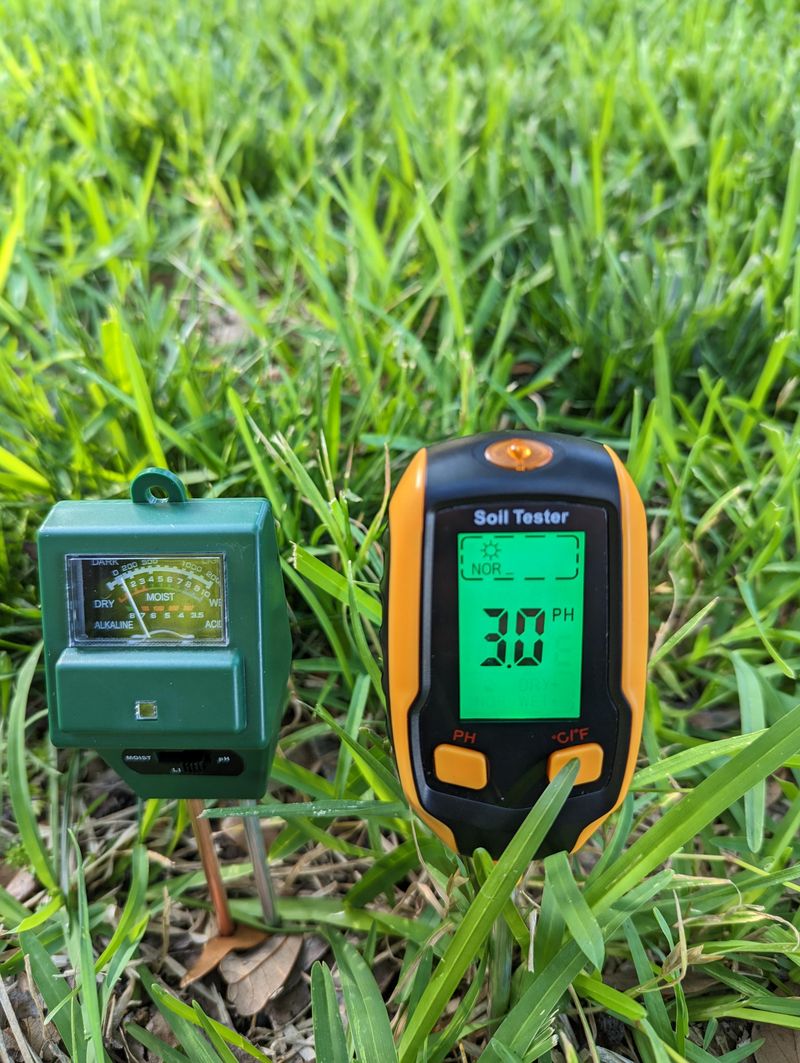
Gardens that have been in the same spot for years gradually deplete certain nutrients while others build up to excessive levels.
What worked perfectly five years ago might be completely out of balance now, even if you’ve been adding compost and fertilizer regularly.
Guessing at nutrient needs often leads to applying amendments that don’t address the actual problems.
West Virginia soil naturally tends toward acidity in many areas, especially in regions with heavy rainfall and decomposing leaf litter.
Over time, pH levels can drop low enough to lock up essential nutrients, making them unavailable to plants even when present in the soil. Vegetables and flowers have different pH preferences, and without testing, you’re gardening blind.
County extension offices throughout the state offer affordable soil testing that reveals pH levels and nutrient concentrations. The detailed reports include specific recommendations for your garden’s needs rather than generic advice.
Testing every two to three years helps you track changes and adjust your soil management accordingly.
Old garden beds sometimes accumulate salts from fertilizers or develop compaction issues that testing can help diagnose.
Knowing your actual soil condition allows you to make targeted improvements instead of wasting money on unnecessary products. The small investment in testing saves larger expenses down the road and improves your harvest significantly.
5. Choosing Plants That Struggle In Local Conditions
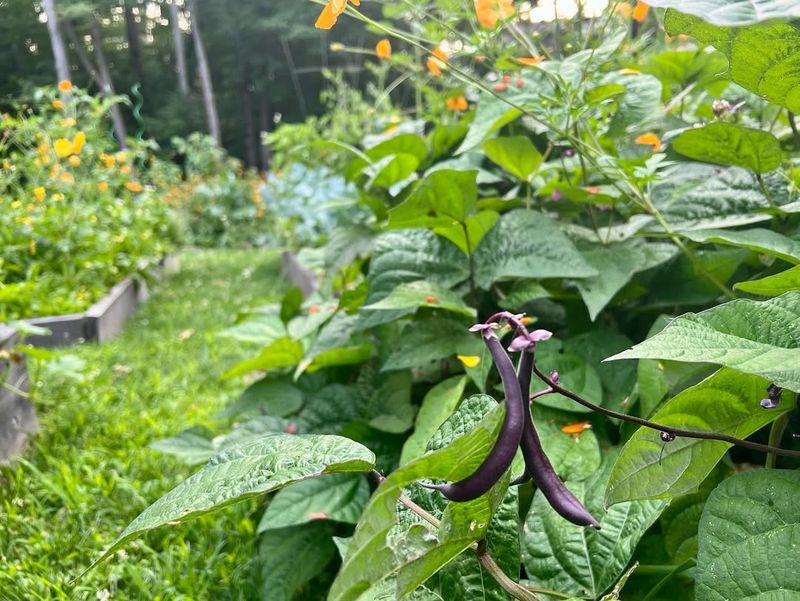
Catalogs and garden centers display gorgeous varieties that tempt gardeners to try plants better suited to different climates.
Heat-loving peppers bred for desert conditions won’t produce well during West Virginia’s relatively cool summers, while varieties requiring long growing seasons may not mature before frost arrives. The most beautiful plant in the catalog means nothing if it can’t handle your actual growing conditions.
Hardiness zones provide general guidance, but they don’t tell the whole story about what thrives in specific regions. West Virginia gardeners deal with humid summers, potential late spring frosts, and cool nights that affect different plants in various ways.
A plant rated for your zone might still struggle with the state’s particular combination of conditions.
Local gardening groups and extension resources offer valuable insights about varieties that perform well in your specific area. Neighbors who have gardened successfully for years can recommend specific cultivars that handle local challenges.
Their experience saves you from repeating experiments that have already failed multiple times.
Starting with regionally adapted varieties builds confidence and success that encourages further gardening efforts. Once you’ve mastered reliable performers, experimenting with more challenging plants becomes a fun addition rather than a frustrating primary focus.
Success breeds enthusiasm, while repeated failures with unsuitable plants often leads to giving up entirely.
6. Crowding Plants Too Close Together
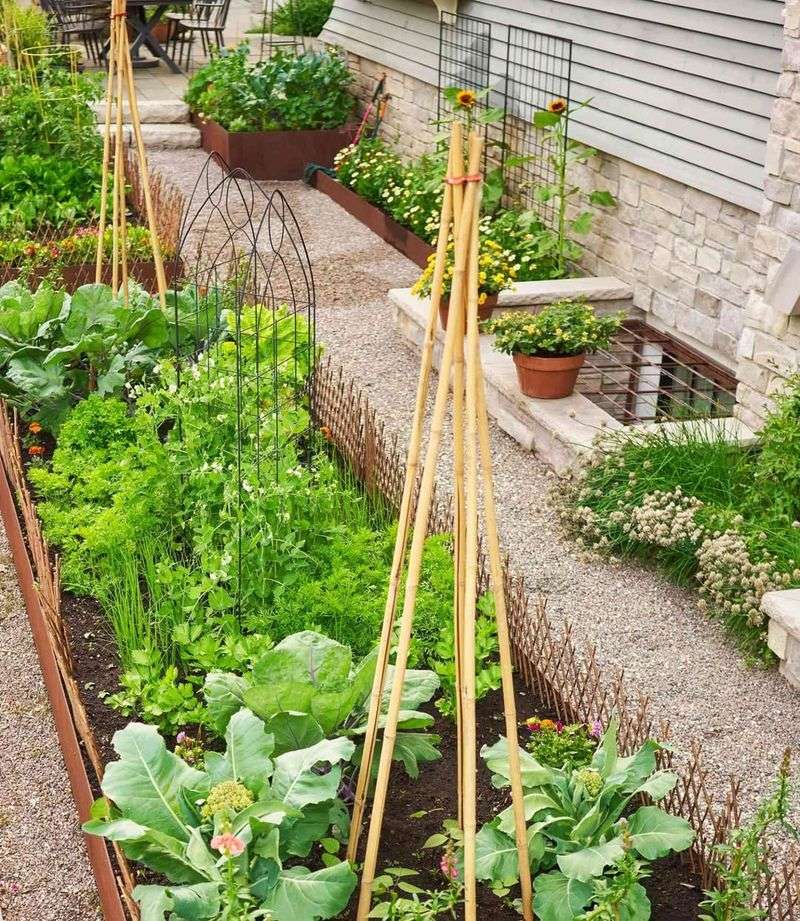
Seed packets and plant tags list spacing recommendations for good reasons, but many gardeners ignore them hoping to maximize yields in limited space.
Tiny seedlings look lost in properly spaced beds, tempting you to squeeze in extra plants that seem to fit perfectly. Within weeks, that generous spacing starts making sense as plants expand and compete for light, water, and nutrients.
Air circulation becomes severely restricted when plants grow into each other, creating humid microclimates where fungal diseases spread rapidly. West Virginia’s already humid summers make good airflow even more critical for preventing problems like powdery mildew and blight.
Crowded plants also shade each other, reducing photosynthesis and weakening overall growth.
Thinning seedlings feels wasteful, but it’s essential for the remaining plants to reach their full potential. One properly spaced plant produces more than three crowded ones fighting for resources.
The temporary abundance of extra seedlings turns into long-term disappointment when none of them perform well.
Root competition intensifies as plants mature, leaving all of them somewhat stunted rather than allowing a few to flourish. Proper spacing also makes harvesting easier and allows you to inspect plants for pest problems before they spread.
Following recommendations might mean fewer plants, but it results in healthier, more productive ones that justify the space they occupy.
7. Waiting Too Long To Address Early Stress Signs
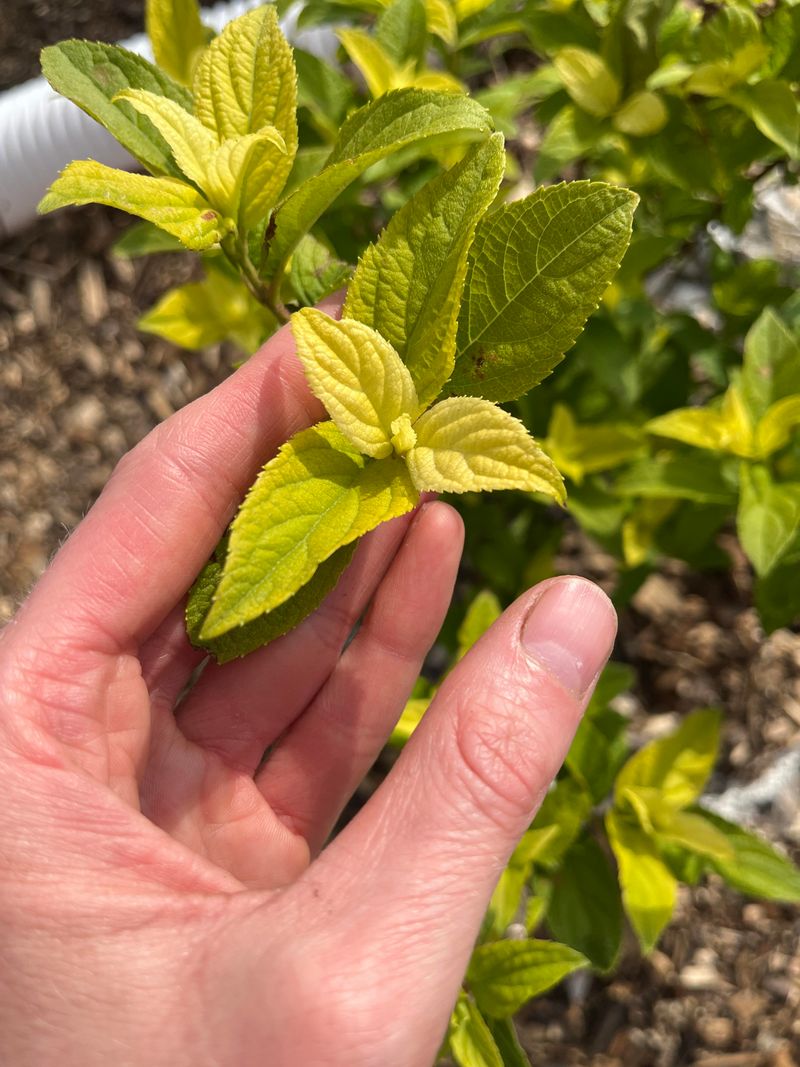
Small problems rarely fix themselves in the garden, and early intervention makes a huge difference in outcomes.
A few yellowing leaves might seem insignificant, but they often signal the beginning of nutrient deficiency, disease, or pest infestation that will worsen rapidly.
Gardeners who adopt a wait-and-see approach usually end up with bigger issues that require more drastic solutions.
West Virginia’s variable weather can stress plants in ways that make them vulnerable to secondary problems. A plant weakened by unexpected cold becomes an easy target for aphids or fungal infections it would normally resist.
Catching stress early allows you to adjust watering, add support, or treat minor pest populations before they explode.
Regular garden walks help you notice subtle changes before they become obvious disasters. Checking under leaves, feeling soil moisture, and looking at overall plant vigor takes just minutes but provides valuable information.
Early detection means simpler fixes that don’t require harsh chemicals or removing entire plants.
Understanding normal plant appearance helps you recognize when something is off, even if you can’t immediately identify the cause. Taking photos throughout the season creates a reference for what healthy growth looks like in your specific conditions.
Quick responses to early warning signs keep small issues from derailing your entire growing season and build your troubleshooting skills for future years.
8. Neglecting Mulch During Temperature Swings
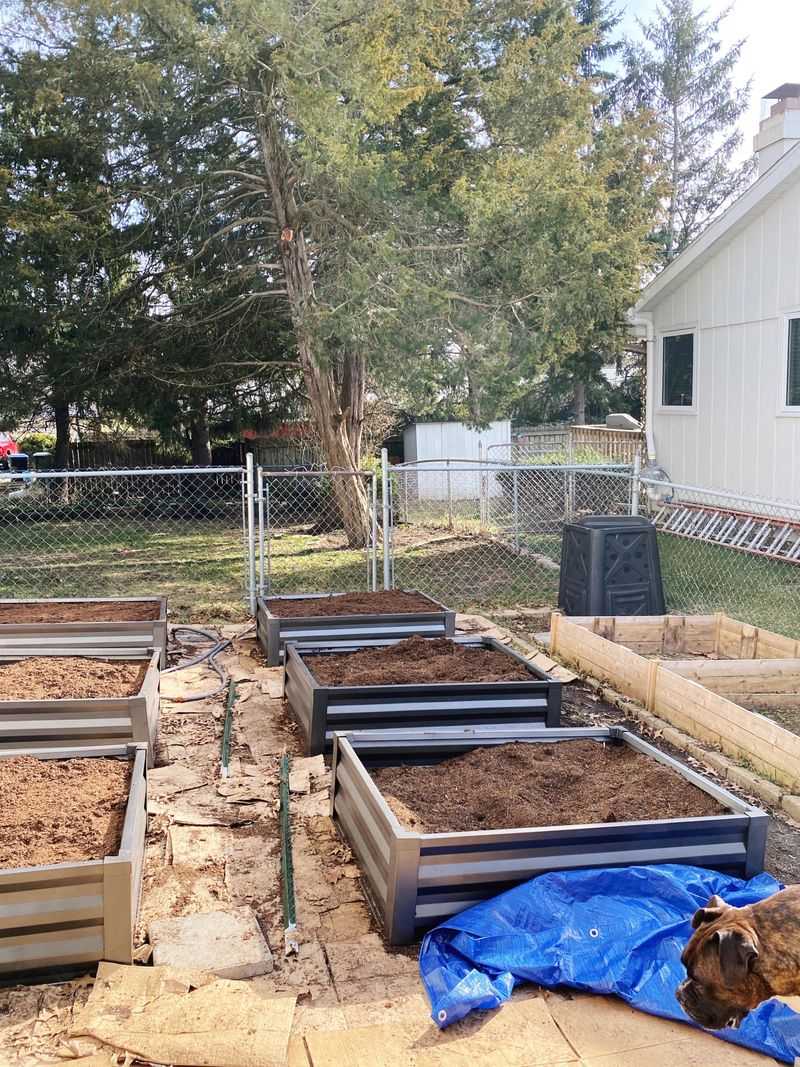
Bare soil heats up and cools down quickly, subjecting plant roots to temperature extremes that stress them unnecessarily.
Mulch acts as insulation that moderates soil temperature, keeping it cooler during hot days and warmer during cool nights.
This stability allows roots to function efficiently instead of constantly adjusting to changing conditions.
West Virginia gardeners face significant day-to-night temperature swings, especially during spring and fall when 70-degree afternoons can drop to 40-degree mornings. Unprotected soil responds dramatically to these shifts, while mulched beds maintain more consistent temperatures.
The difference might seem minor, but it adds up over weeks and months of growing time.
Organic mulches like straw, shredded leaves, or wood chips provide additional benefits beyond temperature control.
As they break down, they add organic matter to soil and feed beneficial microorganisms. A two-to-three-inch layer prevents most weed seeds from germinating while still allowing water to penetrate to plant roots.
Timing mulch application correctly maximizes its benefits throughout the season.
Applying it too early in spring can slow soil warming, while waiting too long means plants already experienced stress. Refreshing mulch mid-season maintains its insulating properties as earlier layers decompose.
The relatively small effort of spreading mulch prevents numerous problems and reduces watering needs significantly during dry periods common in the state’s summer months.
9. Assuming One Season’s Success Guarantees The Next
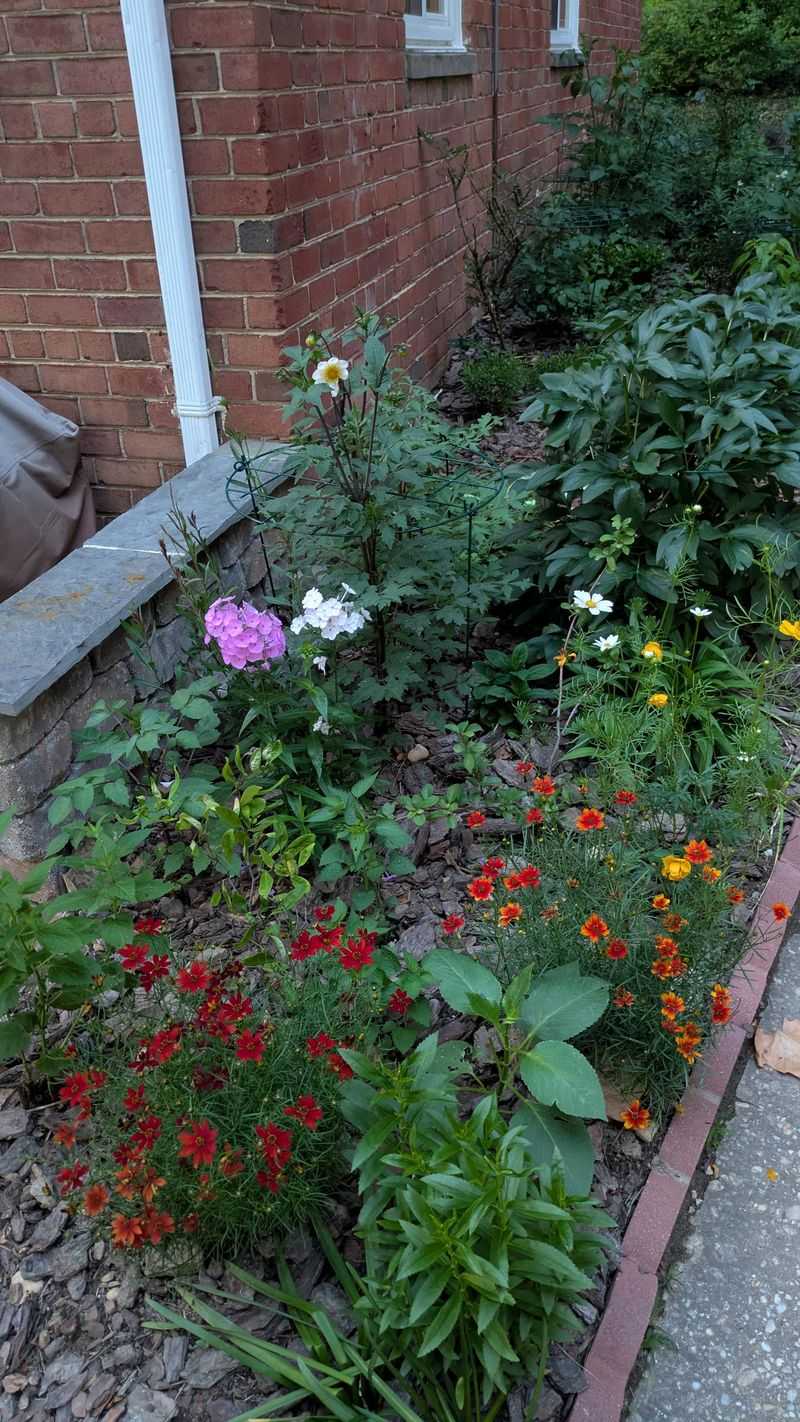
Last year’s bumper tomato crop doesn’t mean this year will automatically produce the same results, even if you follow identical practices. Weather patterns vary significantly from season to season, bringing different rainfall amounts, temperature patterns, and pest pressures.
What worked perfectly under one set of conditions might fail under different circumstances.
West Virginia gardeners know the state’s weather can shift dramatically between years, with wet springs following dry ones or cool summers replacing hot ones. Plants respond to these variations in ways that require adjustments to your care routines.
Relying solely on previous experience without adapting to current conditions sets you up for disappointment.
Pest and disease populations fluctuate based on weather, predator presence, and other factors beyond your control. Japanese beetles might devastate your garden one year and barely appear the next, while fungal diseases thrive during wet seasons and disappear during dry ones.
Staying alert to current season conditions helps you respond appropriately rather than following outdated assumptions.
Keeping simple garden notes creates a valuable reference that helps you identify patterns over multiple seasons. Recording planting dates, weather observations, and harvest results builds knowledge specific to your property.
This information becomes more valuable than generic advice because it reflects your actual experience in your particular location with your specific soil and microclimate throughout the state’s varied growing regions.