8 Backyard Locations Where Azaleas Should Never Be Planted In South Carolina
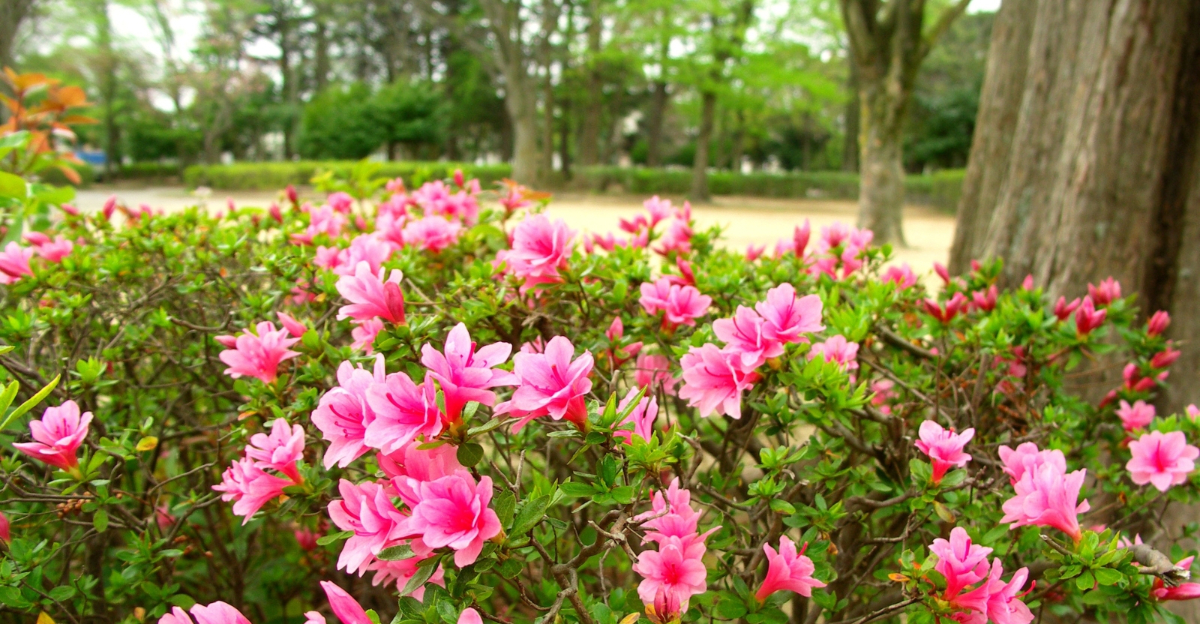
Azaleas are known for their stunning spring color, but choosing the wrong planting spot can cause years of frustration in South Carolina gardens.
Too many end up in places that look fine at first but quietly chip away at the plant’s health until flowers fade and leaves thin out.
Moisture and airflow matter just as much as sunlight, and many backyards have hidden trouble zones that quietly ruin both.
Low spots that collect rainwater or areas that stay shaded and damp are often the beginning of root rot or mildew.
Even sunny spots can be a problem if they reflect heat from walls or trap the plant against compacted soil.
Some gardeners plant near fences or large trees for protection, but those spots often hide root competition or drainage issues.
Azaleas like things just right and they respond best when their soil, light, and air circulation are balanced from the start. One wrong placement can cancel out even the best pruning and fertilizing efforts.
Knowing where not to plant gives your azaleas the best chance at a long and vibrant life in your yard.
1. Areas With Full Afternoon Sun
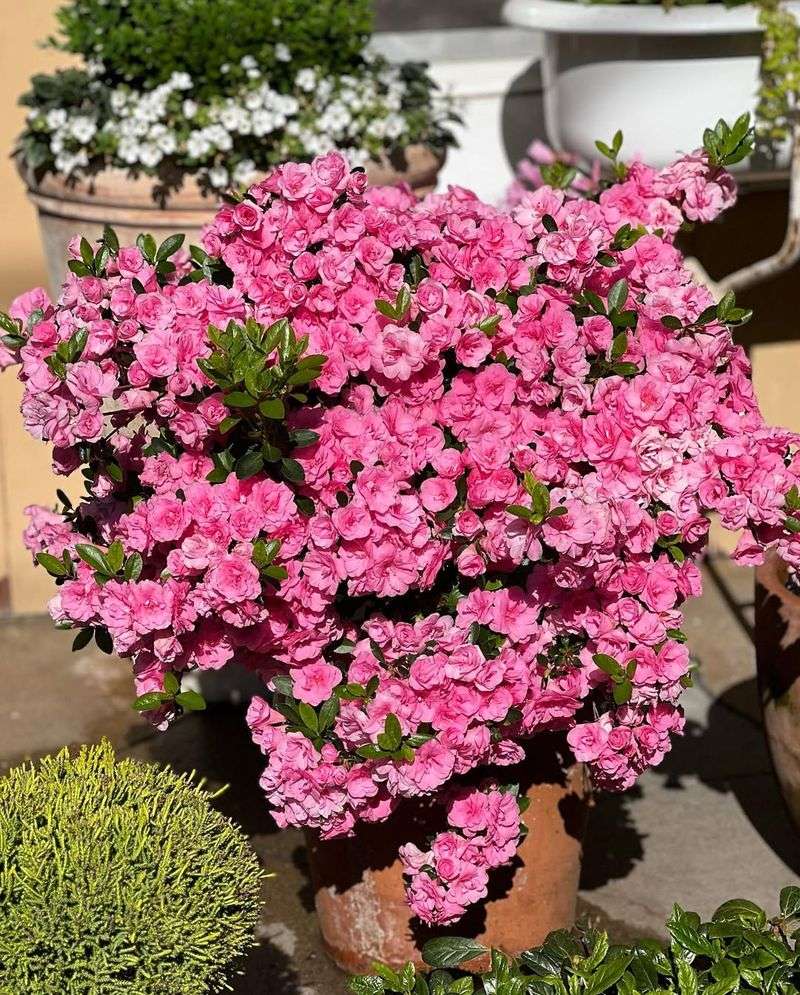
Blazing summer heat can quickly stress azaleas beyond their tolerance level. South Carolina’s intense afternoon rays create conditions far too harsh for these shade-loving plants to handle comfortably.
Most azalea varieties prefer dappled light or morning sun followed by afternoon shade, which protects their delicate foliage and blooms.
Leaves exposed to relentless midday and afternoon sunlight often develop brown, crispy edges that look unsightly. The scorching rays essentially burn the leaf tissue, causing permanent damage that won’t heal even when conditions improve.
Flowers may fade rapidly or fail to open properly when subjected to such intense exposure.
Root systems struggle when soil temperatures climb too high in full sun locations. Azaleas have shallow, fine root networks that dry out quickly when exposed to excessive heat radiating from unshaded ground.
Maintaining adequate moisture becomes nearly impossible during South Carolina’s long, hot summers in these exposed spots.
Stressed plants become more vulnerable to pests and diseases that wouldn’t normally cause serious problems. Spider mites particularly love attacking sun-stressed azaleas, sucking sap from already weakened foliage.
Lace bugs also find these struggling shrubs to be easy targets for infestation.
Homeowners across South Carolina often make the mistake of planting azaleas in open, sunny beds where other flowering shrubs might thrive. Crape myrtles and roses can handle full sun beautifully, but azaleas simply cannot compete in those same conditions.
Choosing a different location with natural shade will yield far better results for your azalea investment.
2. Low Spots Where Water Collects After Rain
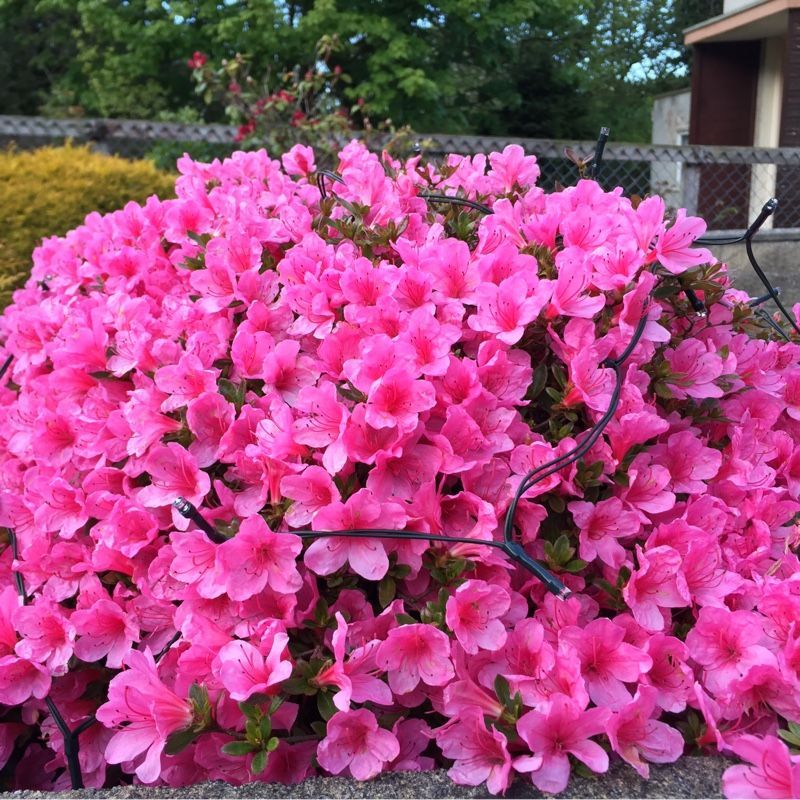
Standing water creates a suffocating environment for azalea roots that need oxygen to survive. Low-lying areas in your yard naturally collect runoff during rainstorms, forming puddles that can linger for hours or even days.
Azaleas planted in these soggy zones will struggle from the moment they go into the ground.
Root rot develops rapidly when soil remains waterlogged for extended periods. Fungal pathogens thrive in oxygen-depleted, saturated conditions, attacking the fine root hairs that azaleas depend on for nutrient uptake.
Once root rot takes hold, the damage spreads quickly through the entire root system.
Yellowing leaves often signal that your azalea is drowning in poorly drained soil. The plant cannot absorb necessary nutrients when roots are compromised by constant moisture.
Growth slows dramatically, and the shrub takes on a generally unhealthy, weak appearance that gets worse over time.
Many South Carolina yards have natural depressions where rainwater pools after thunderstorms. These spots might seem like convenient planting areas, but they spell disaster for azaleas.
Even brief flooding events can cause lasting harm to these moisture-sensitive shrubs.
Raised beds or berms offer a practical solution for areas with drainage challenges. Building up the planting zone ensures that water flows away from azalea roots rather than collecting around them.
This simple modification can make an otherwise unsuitable location workable for successful azalea cultivation in South Carolina gardens.
3. Heavy Clay Soil That Stays Wet
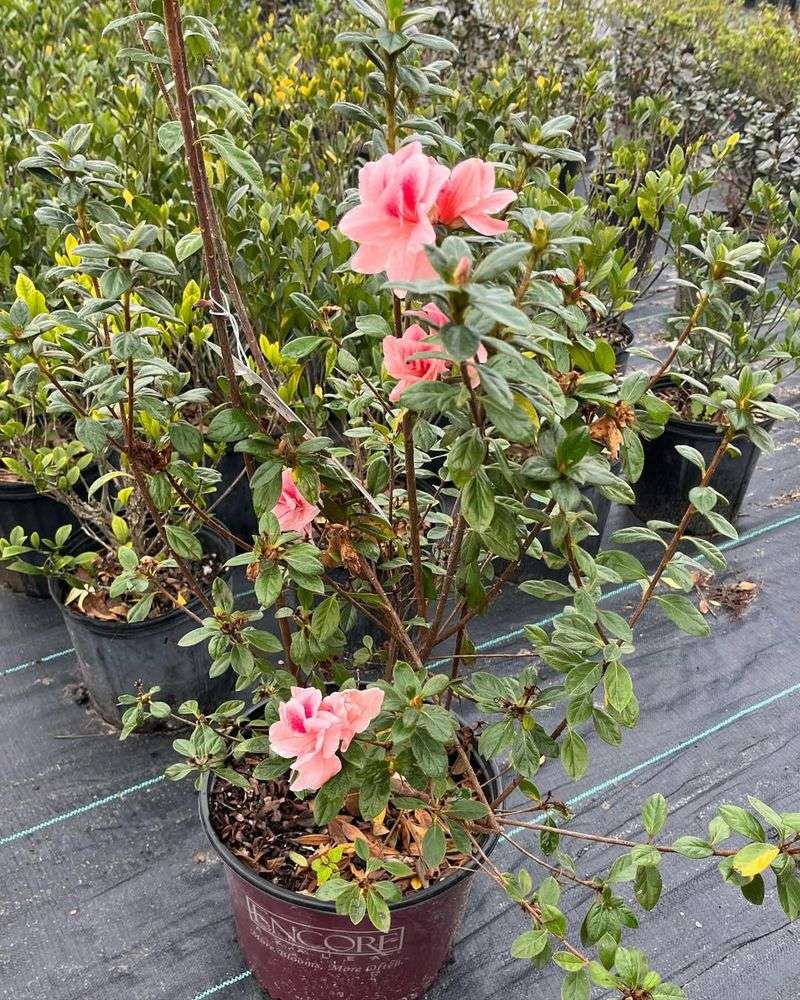
Dense clay particles pack together tightly, leaving little room for air pockets that roots need. South Carolina’s red clay is particularly notorious for its poor drainage characteristics and tendency to hold moisture long after rainfall stops.
Azaleas require loose, well-draining soil that allows water to percolate through rather than pooling around their roots.
Compacted clay becomes almost cement-like when it dries out during summer droughts. This rock-hard surface prevents water from penetrating when you try to irrigate your plants.
Conversely, when heavy rains finally come, the clay absorbs water slowly and releases it even more reluctantly, creating boggy conditions.
Oxygen starvation occurs when clay soil remains saturated for too long. Azalea roots literally suffocate in these airless conditions, unable to carry out normal metabolic processes.
The fine root structure of azaleas makes them especially vulnerable to this type of soil environment.
Amending clay soil requires significant effort and materials to achieve the right texture for azaleas. Simply digging a hole and backfilling with better soil creates a bowl effect that actually worsens drainage problems.
The surrounding clay acts like a bathtub, trapping water in the planting hole.
Gardeners throughout South Carolina face clay soil challenges in many residential areas. Testing your soil before planting azaleas can save you from making a costly mistake.
If heavy clay dominates your yard, consider container growing or extensive soil modification before attempting to establish azaleas in the ground.
4. Along South- or West-Facing Walls
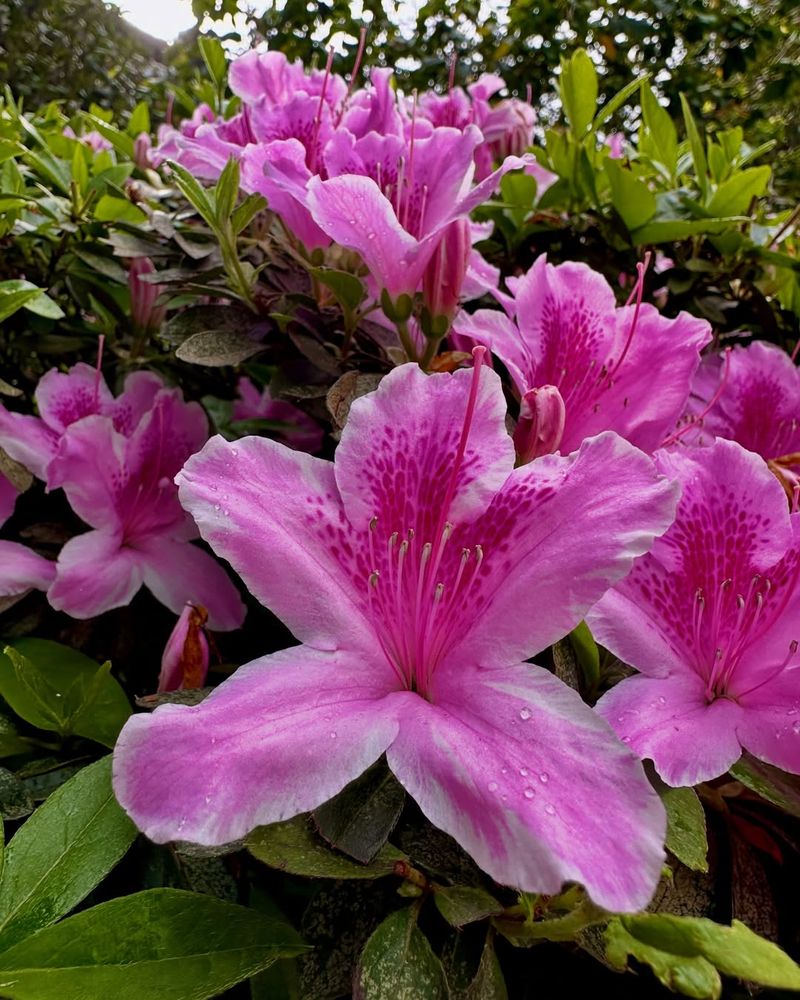
Radiant heat from sun-baked walls creates an oven-like microclimate that azaleas cannot tolerate. Brick, stone, and stucco surfaces absorb solar energy throughout the day, then release that stored heat well into the evening hours.
This extended warmth keeps soil temperatures elevated far beyond what azaleas prefer.
Reflected light intensifies the already challenging conditions along these exposures. Sunlight bouncing off light-colored walls effectively doubles the radiation hitting your plants.
Azaleas positioned in these locations receive punishment from both direct rays and reflected glare simultaneously.
Foundation plantings along south and west walls seem like logical spots for decorative shrubs. However, these are among the harshest locations in any South Carolina landscape.
Winter sun angles may seem mild, but summer conditions turn these areas into hostile zones for shade-loving plants.
Temperature spikes near heat-absorbing walls can be ten to fifteen degrees higher than ambient air temperatures. Your thermometer might read ninety degrees, but the microclimate near a west-facing brick wall could easily reach one hundred five degrees.
Azaleas simply cannot function properly in such extreme heat.
Alternative planting locations on north or east-facing walls provide much better conditions for azaleas across South Carolina. These exposures receive gentler morning light and stay cooler throughout the day.
If you’re committed to planting along south or west walls, choose heat-tolerant species instead of azaleas for the best chance of success.
5. Under Trees With Aggressive Roots
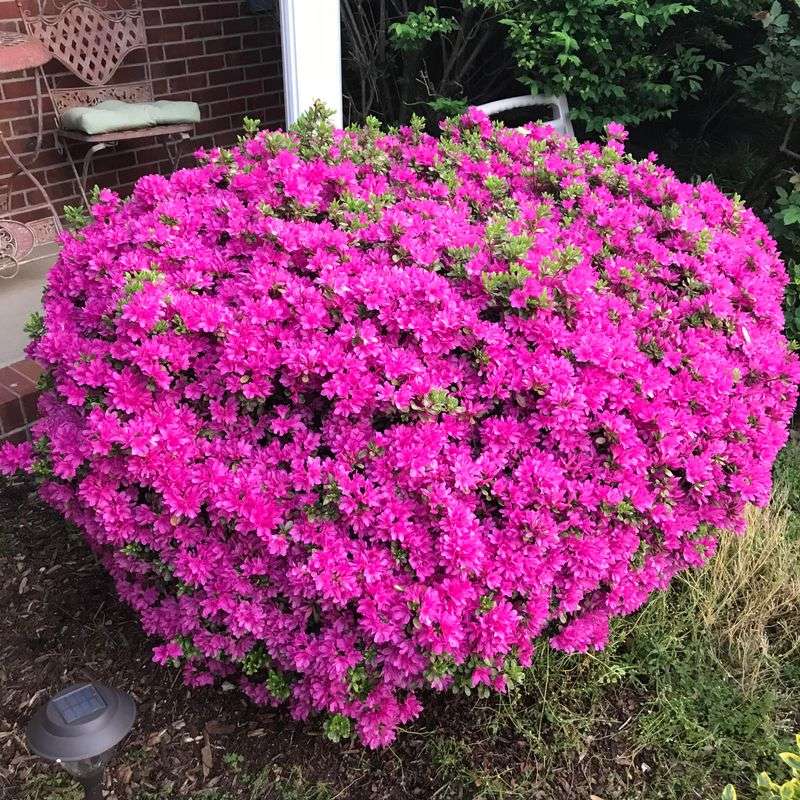
Competition for water and nutrients becomes fierce when azaleas share space with greedy tree roots. Maple, willow, and sweetgum trees are particularly notorious for their invasive root systems that dominate the soil.
These aggressive roots spread far beyond the tree canopy, monopolizing resources that your azaleas desperately need.
Surface roots create an impenetrable barrier that makes proper planting nearly impossible. You might find yourself unable to dig an adequate hole without encountering a dense network of woody roots.
Even if you manage to squeeze an azalea into a small opening, those tree roots will quickly invade the improved soil you’ve added.
Shallow-rooted azaleas cannot compete with established trees for moisture during dry spells. Tree roots extend deep into the soil profile and spread horizontally for remarkable distances.
Your azaleas will always lose the battle for water, leaving them constantly stressed and struggling.
Allelopathic effects from certain tree species can actually inhibit azalea growth through chemical compounds. Black walnut trees are famous for producing juglone, a substance toxic to many plants including azaleas.
Even fallen leaves from some trees can create inhospitable conditions when they decompose around azalea roots.
Homeowners in South Carolina often underestimate how far tree roots extend underground. The root zone typically spreads one and a half to three times wider than the visible canopy above.
Planting azaleas well beyond the drip line gives them a fighting chance, but directly beneath aggressive trees sets them up for failure from day one.
6. Open, Windy Parts Of The Yard
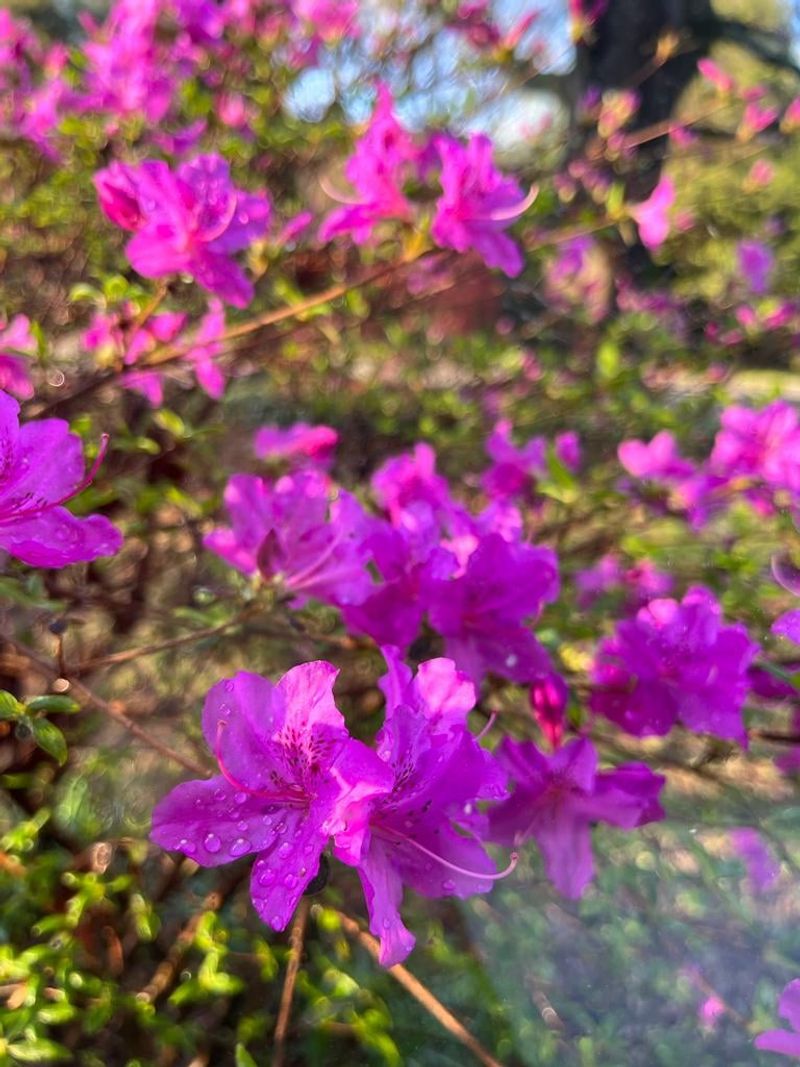
Constant wind exposure dries out azalea foliage faster than the roots can replace lost moisture. Exposed hilltops, open corners, and unprotected yard edges experience persistent air movement that stresses these shelter-loving shrubs.
Wind literally strips moisture from leaf surfaces through a process called transpiration, leaving plants chronically dehydrated.
Flower buds and blooms suffer particularly severe damage from harsh winds. Delicate petals tear and shred when buffeted by strong gusts, ruining the very display you planted azaleas to enjoy.
Buds may fail to open properly or drop prematurely when exposed to relentless wind.
Cold winter winds pose an additional threat to azaleas in exposed South Carolina locations. Evergreen varieties especially struggle when frigid air sweeps across their foliage for hours on end.
The combination of cold temperatures and drying winds can cause significant foliage damage even in our relatively mild climate.
Structural damage occurs when flexible azalea branches are constantly pushed and pulled by wind. Stems may break at their attachment points, or the entire shrub can develop a lopsided, windswept appearance.
This mechanical stress weakens the plant and creates entry points for diseases.
Windbreaks from fences, walls, or other plantings create the protected environment azaleas need to flourish. Many successful azalea gardens in South Carolina are situated in naturally sheltered spots where buildings or mature trees block prevailing winds.
Choosing a calm, protected location rather than an exposed one makes all the difference for these shrubs.
7. Next To Downspouts Or Drainage Outlets
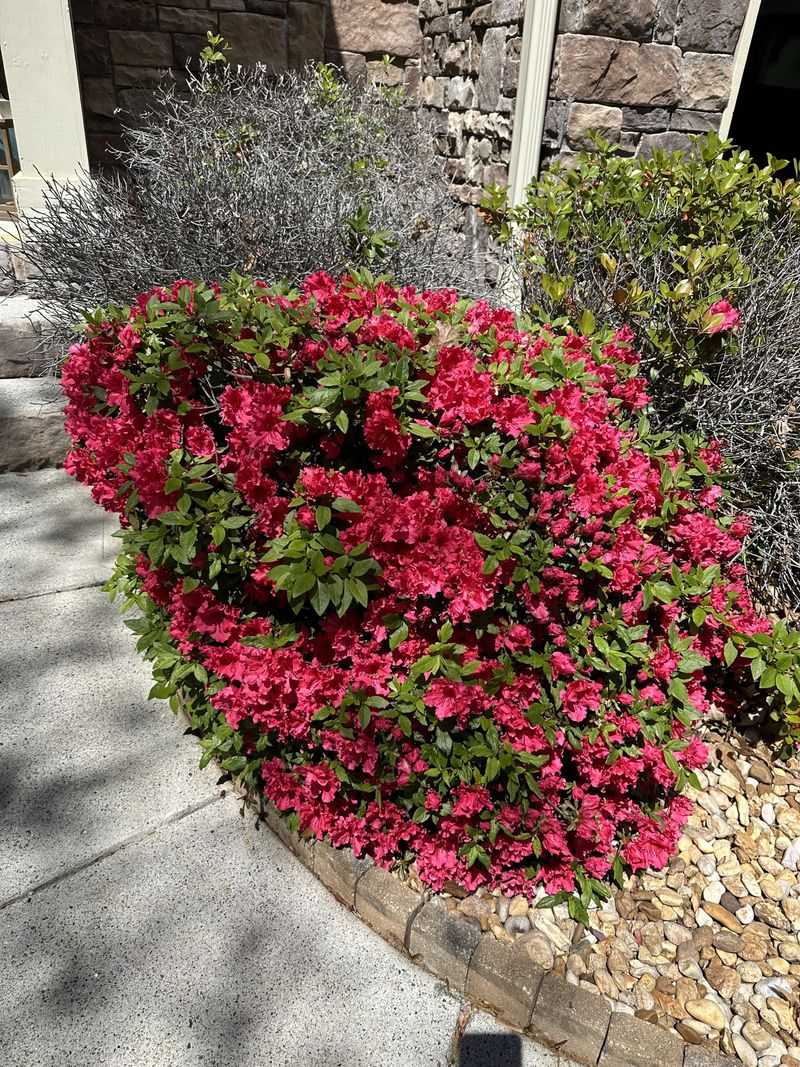
Concentrated water flow from downspouts delivers far more moisture than azaleas can handle. Each rainstorm sends a torrent of roof runoff directly onto plants positioned near these outlets.
What might seem like convenient irrigation actually creates waterlogged conditions that harm rather than help your shrubs.
Soil erosion becomes a serious problem when high-velocity water repeatedly strikes the same spot. The force of water cascading from downspouts washes away mulch and topsoil, exposing azalea roots to damage.
Gullies may form around the plant base, destabilizing the root system and creating an unsightly mess.
Root zone saturation occurs instantly when downspouts empty during heavy South Carolina thunderstorms. Even well-draining soil cannot absorb water fast enough when hundreds of gallons pour out in minutes.
Your azaleas essentially experience flash flooding every time significant rain falls on your roof.
Redirecting downspouts away from planting areas protects azaleas from this concentrated deluge. Extensions, splash blocks, or underground drainage pipes can carry roof runoff to more appropriate locations.
The small investment in proper drainage management pays dividends in healthier, happier azaleas.
Many homeowners in South Carolina unknowingly place foundation plantings directly in the path of downspout discharge. The spot seems convenient and the plants might even benefit from extra water during dry periods.
However, the periodic flooding during rainstorms far outweighs any irrigation advantage, making these locations unsuitable for moisture-sensitive azaleas that need consistent, moderate soil moisture rather than alternating extremes.
8. Beds With Alkaline Or Poorly Amended Soil
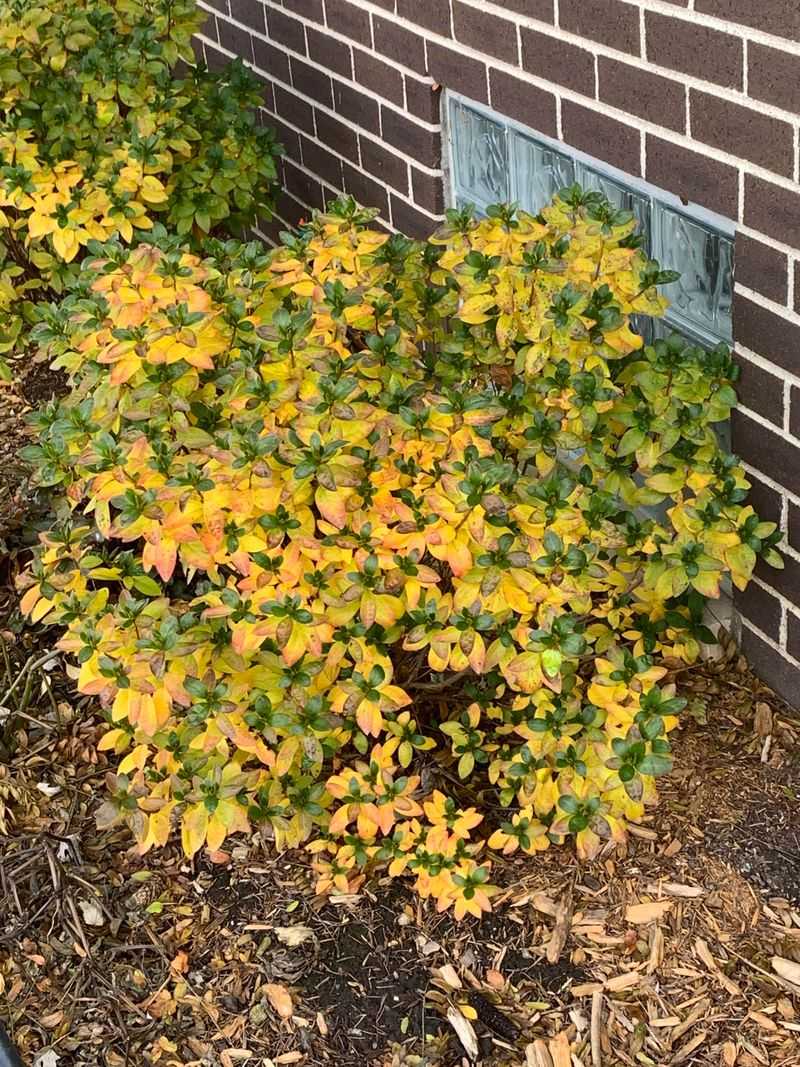
Soil pH dramatically affects nutrient availability for acid-loving azaleas. These plants require acidic conditions with a pH between 4.5 and 6.0 to access the iron, manganese, and other minerals they need.
Alkaline soil locks up these essential nutrients, making them unavailable even when present in adequate quantities.
Chlorosis shows up as yellowing between leaf veins when azaleas cannot absorb sufficient iron. This distinctive pattern indicates that your soil pH is too high for proper nutrient uptake.
The leaves may eventually turn completely yellow or even white in severe cases, with only the veins remaining green.
Limestone-based materials in construction debris or hardscaping can raise soil pH over time. Concrete dust, mortar, and crushed limestone all leach alkaline compounds into surrounding soil.
Many South Carolina neighborhoods built on fill dirt face ongoing pH challenges that make azalea cultivation difficult.
Testing soil pH before planting should be your first step in any azalea bed preparation. Inexpensive test kits from garden centers provide quick results, or you can send samples to your county extension office for detailed analysis.
Knowing your starting pH helps you determine how much amendment will be necessary.
Sulfur and organic matter lower soil pH gradually when worked into planting areas. Peat moss, pine bark, and composted leaves all contribute to creating the acidic conditions azaleas crave.
South Carolina gardeners committed to growing azaleas must be equally committed to maintaining proper soil chemistry through regular testing and amendment as needed for long-term success.