7 Backyard Secrets That Attract Migratory Birds To Minnesota Yards Each Season
Minnesota backyards can become vibrant havens for migratory birds if you know a few simple secrets. Each season, countless species pass through, and with the right setup, your yard can be a safe, inviting stop.
Imagine watching colorful birds flit from branch to branch right outside your window. From food sources to water and shelter, small adjustments can make a huge difference in attracting feathered visitors.
Your yard can be a hotspot for birdwatchers. Even modest spaces can provide the resources migratory birds need while adding life, movement, and joy to your outdoor environment.
Creating a bird-friendly backyard is easier than you think. By planting native flowers, offering fresh water, and providing nesting spots, you can enjoy the beauty and songs of migratory birds throughout the season. Every visit is a small celebration of nature.
1. Native Plants Create Natural Food Sources Year-Round
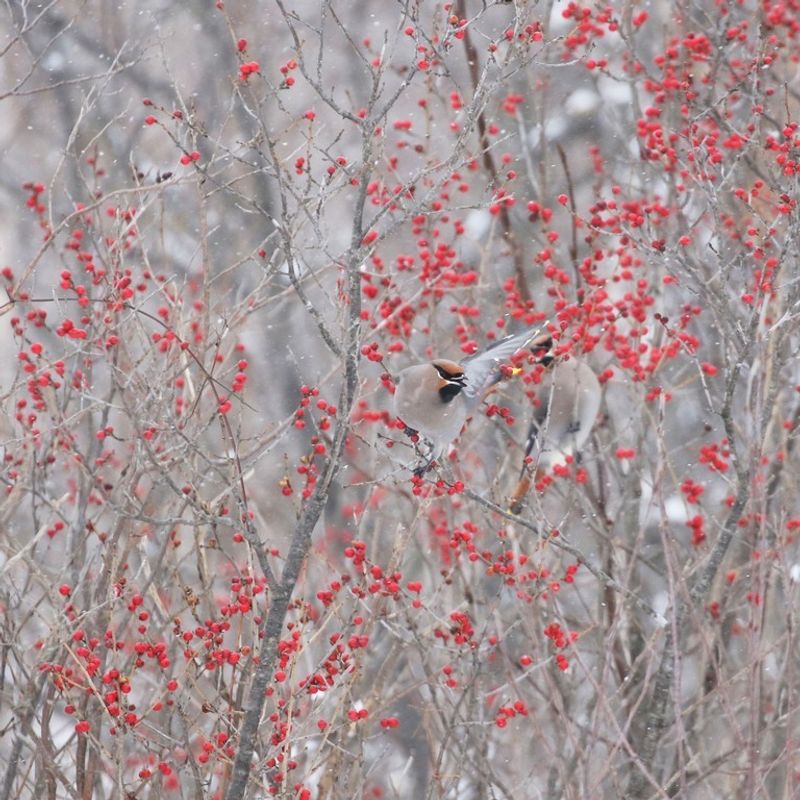
Planting native Minnesota species is like rolling out a welcome mat specifically designed for migratory birds. Trees like serviceberry, chokecherry, and native oaks produce berries, seeds, and insects that traveling birds recognize and depend on for energy during their long journeys.
These plants have evolved alongside the birds for thousands of years, creating a perfect match between what grows and what birds need to survive.
When you fill your yard with native flowers, shrubs, and trees, you create a living buffet that changes with the seasons. Spring migrants arriving in Minnesota find protein-rich insects on emerging leaves, while fall travelers feast on ripening berries and seeds.
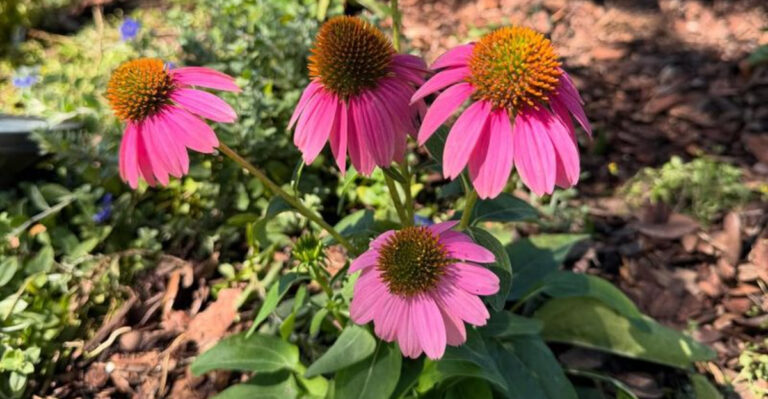
Purple coneflowers, black-eyed Susans, and native sunflowers provide seeds that goldfinches and sparrows love, and their stems offer shelter for overwintering insects that early spring arrivals desperately need.
Native plants require less water and maintenance than exotic species, making them practical choices for busy homeowners. They adapt naturally to Minnesota’s weather extremes, from harsh winters to hot summers, without needing special care or chemical treatments.
This means healthier soil and cleaner water, which benefits the entire ecosystem in your yard.
Consider grouping plants in layers, with tall trees, medium shrubs, and low groundcovers mimicking natural forest edges where birds feel safest.
Warblers, thrushes, and vireos particularly love these layered habitats because they offer protection from predators while providing multiple feeding opportunities.
A yard planted with natives becomes a miniature version of Minnesota’s natural landscapes, exactly what exhausted migrants are searching for when they land in your neighborhood.
2. Water Features Provide Essential Drinking And Bathing Stations
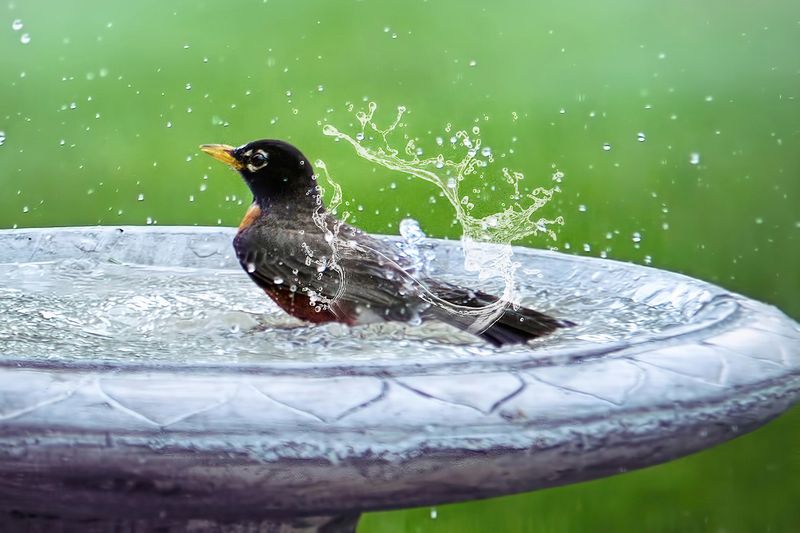
Nothing attracts migratory birds faster than the sound of moving water on a quiet Minnesota morning. Birds flying overhead can hear a bubbling fountain or dripping birdbath from surprising distances, and they will detour to investigate these life-saving resources.
Water is just as important as food for traveling birds, who need to stay hydrated and keep their feathers clean for efficient flight.
A simple birdbath placed at ground level or elevated on a pedestal gives birds options based on their comfort levels. Some species like towhees and thrushes prefer bathing near the ground, while others such as warblers and chickadees feel safer at higher positions.
Adding a small fountain pump or dripper creates movement and sound that multiplies your birdbath’s attractiveness many times over.
Keep your water feature clean and filled consistently throughout migration seasons, especially during Minnesota’s spring thaw in April and May when birds arrive tired and thirsty. In fall, maintain your water source through October and into November when late migrants are still passing through.
Shallow water works best, with depths between one and two inches allowing birds to wade safely without fear of getting in over their heads.
During hot summer days, water becomes even more critical as migrating birds use it to cool down and preen their feathers. Position your water feature near shrubs or low branches where wet birds can perch safely while they dry off.
This simple addition transforms your Minnesota yard into an oasis that birds remember and return to season after season, sometimes bringing their offspring along to show them reliable stopping points.
3. Strategic Feeder Placement Maximizes Bird Visits
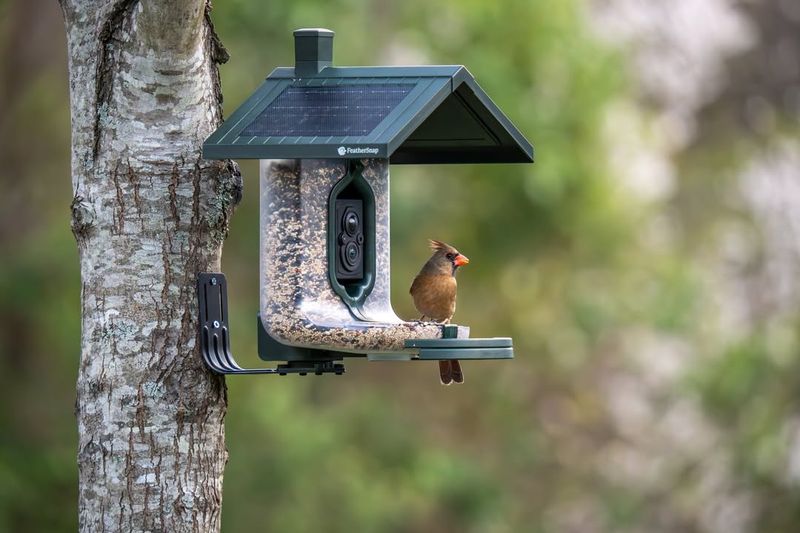
Where you place your feeders matters just as much as what you put in them when attracting migrants to your Minnesota property. Birds need to feel secure while eating, which means positioning feeders near natural cover but not so close that predators can hide and ambush them.
A distance of about ten to twelve feet from dense shrubs or trees gives birds a quick escape route while preventing unwanted surprises.
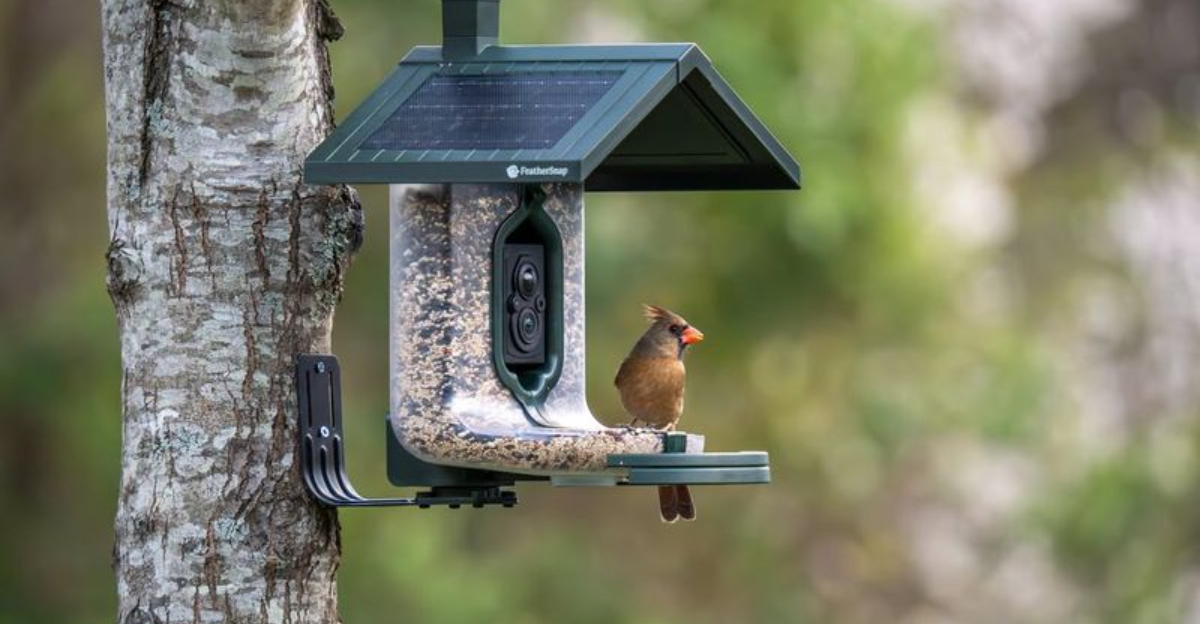
Different feeder types attract different species, so variety is your friend during migration seasons. Tube feeders filled with nyjer seed bring goldfinches and pine siskins, while platform feeders with sunflower seeds appeal to grosbeaks, buntings, and native sparrows.
Suet feeders placed on tree trunks attract woodpeckers, nuthatches, and warblers that might otherwise pass your yard by without stopping.
Height matters too, with some migrants preferring to feed close to the ground while others stay in the canopy. Placing feeders at various levels from ground height to six or seven feet up accommodates more species and reduces competition at any single feeding station.
This strategy works especially well in Minnesota yards where space allows for multiple feeding zones.
Keep feeders visible from your windows but also from the sky, as many migrants spot feeding opportunities while flying overhead.
Clean feeders weekly during peak migration to prevent disease spread, and stock them consistently so birds learn to rely on your yard as a dependable resource.
Morning and evening are prime feeding times when migrants need to refuel quickly, so check and refill feeders during these critical hours to maximize your success.
4. Leaving Leaf Litter And Natural Debris Creates Foraging Habitat
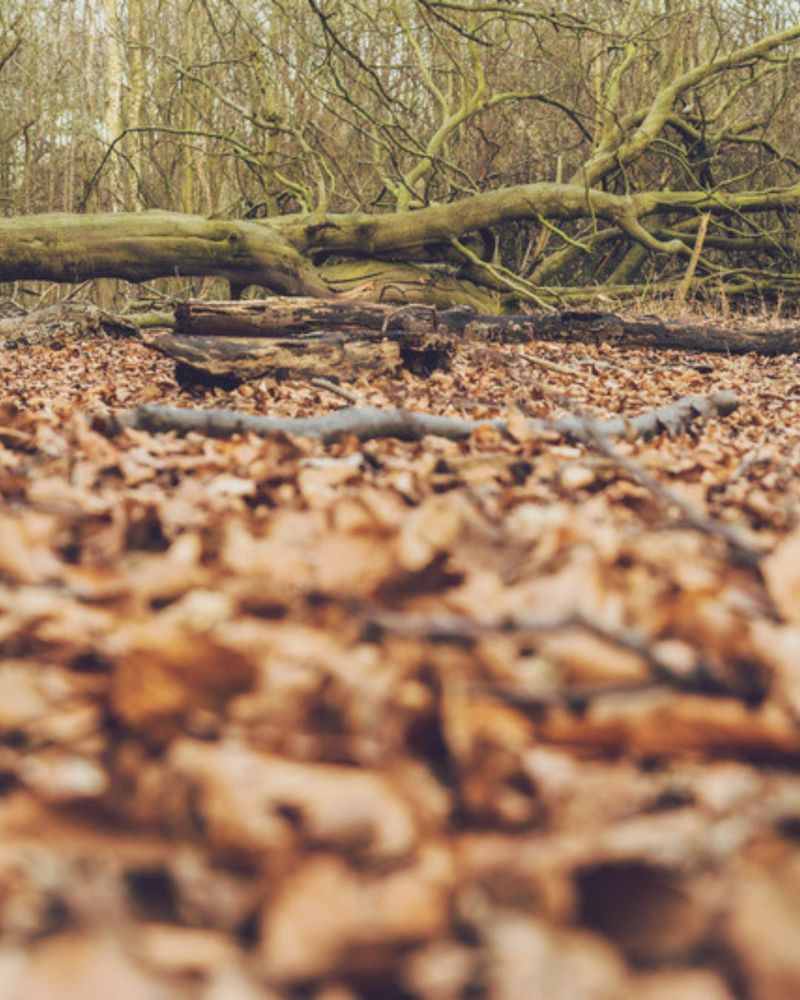
Your neighbors might rake every leaf into bags each fall, but smart bird lovers in Minnesota know that messy yards are migratory bird magnets. Leaf litter provides essential habitat for the insects, spiders, and other invertebrates that ground-feeding migrants depend on for protein.
Thrushes, towhees, sparrows, and many warbler species spend hours flipping through leaves searching for these tiny food sources.
When you let leaves accumulate under shrubs and along fence lines, you create natural feeding stations that work around the clock. These areas stay moist and sheltered, providing perfect conditions for the bugs that birds need to build fat reserves for their journeys.
A layer of leaves also protects plant roots, enriches soil as it decomposes, and reduces your yard work while helping wildlife.
Dry branches and brush piles serve similar purposes, offering shelter and foraging opportunities that migrants actively seek. Stack branches in a corner of your Minnesota yard to create structure where wrens, sparrows, and thrushes can hunt safely.
These natural features also provide emergency cover during spring storms or cold snaps that sometimes catch early migrants by surprise.
Resist the urge to clean up your yard completely in fall, and wait until late spring to do major tidying. Many insects overwinter in plant stems and leaf litter, emerging just when hungry migrants arrive in April and May.
By leaving natural debris in place through winter, you ensure that spring birds find the food they need exactly when they need it most, making your Minnesota property a destination rather than just a pass-through stop.
5. Window Strike Prevention Saves Countless Migrant Lives
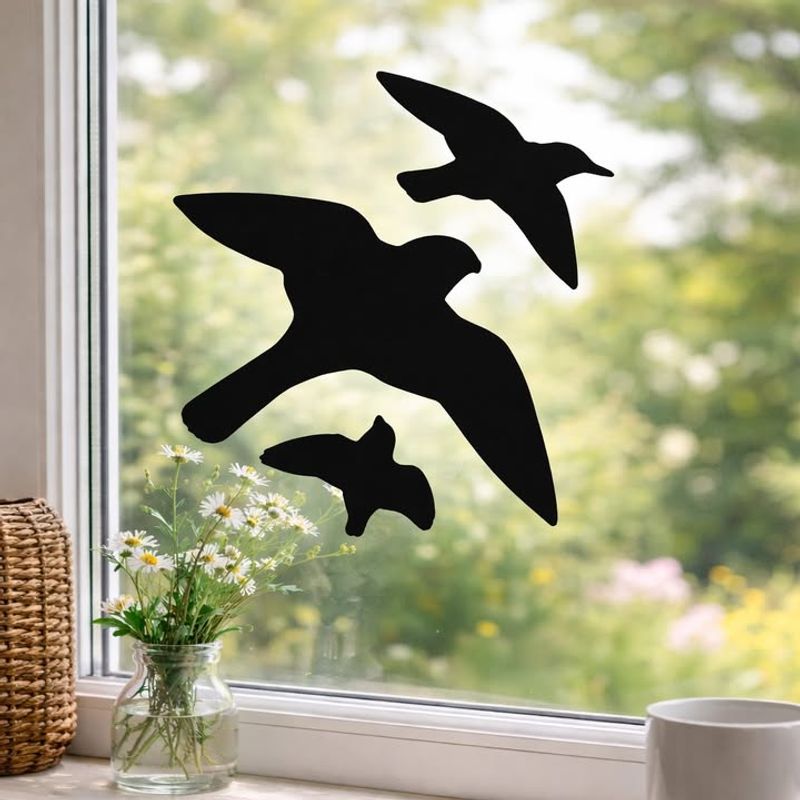
Glass windows reflect sky and trees, creating dangerous illusions that confuse disoriented migrants traveling through Minnesota neighborhoods.
Collisions with windows account for hundreds of millions of bird fatalities across North America each year, with many victims being migrants passing through unfamiliar territory.
The good news is that preventing these tragedies takes just a few simple modifications to your home.
Breaking up reflections is the key to making glass visible to birds in flight. Stick decals, strips of tape, or specialized window film on the outside of your windows in patterns that birds can recognize as solid barriers.
These markers need to be close together, with spacing no more than two to four inches apart, because birds will attempt to fly through larger gaps.
External screens work beautifully and have the added benefit of reducing glare and cooling your home during Minnesota summers. If your windows already have screens, leave them in place during migration seasons from April through May and again from August through October.
The screen material creates texture that birds can detect, dramatically reducing collision risk.
Moving feeders and birdbaths either very close to windows (within three feet) or farther away (beyond thirty feet) also helps.
Birds feeding close to glass cannot build up enough speed to hurt themselves if they do bump into it, while distant feeders give birds clear flight paths that do not lead directly toward reflective surfaces.
Consider closing curtains or blinds during peak migration hours in early morning when light conditions create the most dangerous reflections, and your Minnesota yard will become a safer haven for traveling birds.
6. Reducing Pesticide Use Protects The Insect Food Chain
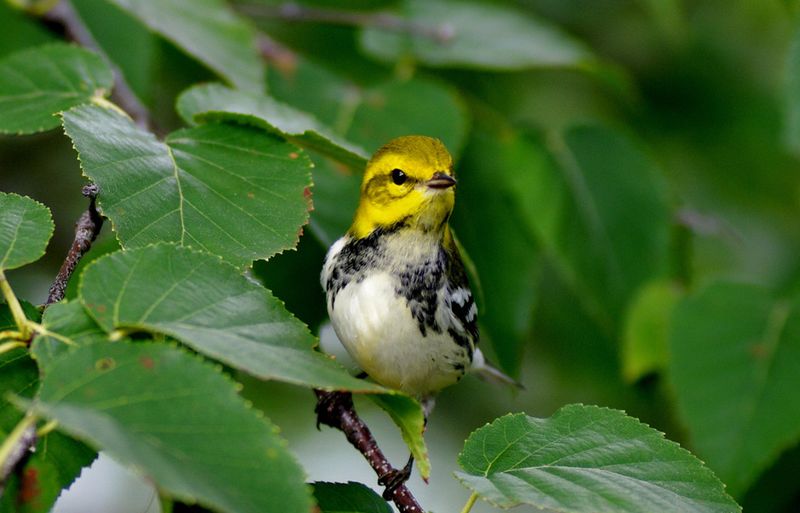
Chemical pesticides might eliminate the bugs you consider pests, but they also destroy the insects that migratory birds desperately need for survival.
A single warbler can eat hundreds of caterpillars in a day during migration, and these protein-packed meals are impossible to replace with seeds or nectar.
When you spray your Minnesota yard with insecticides, you remove the very food source that makes your property valuable to traveling birds.
Going pesticide-free might seem challenging at first, but nature has its own pest control systems that work when given a chance.
Birds themselves eat enormous quantities of insects, and allowing a healthy bug population actually attracts more birds, which then keep pest numbers in check.
Ladybugs, lacewings, and other beneficial insects also help control problem species without harming the ecosystem.
If you must address a specific pest issue, choose targeted organic solutions instead of broad-spectrum chemicals that eliminate everything with six legs.
Hand-picking problem insects, using physical barriers like row covers, or applying insecticidal soap only to affected plants minimizes collateral damage.
These approaches protect the diverse insect community that forms the foundation of the food web in your yard.
Remember that what looks like plant damage to you represents food security for migrants passing through Minnesota.
A few chewed leaves on your oak tree mean caterpillars are present, which translates to visiting tanagers, orioles, and warblers finding the fuel they need.
Embracing a slightly wilder, less manicured landscape philosophy creates a healthier environment for birds and makes your yard an essential stopover point where exhausted travelers can successfully refuel for the next leg of their incredible journeys.
7. Timing Your Offerings To Match Migration Peaks
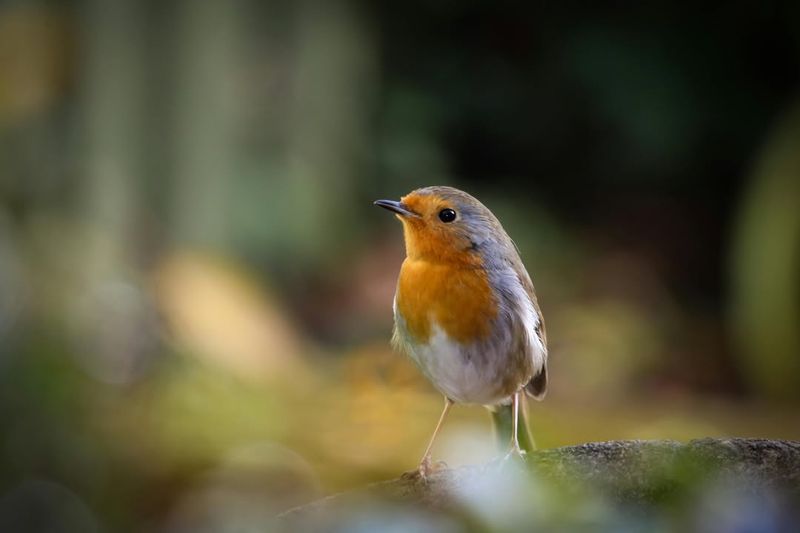
Understanding when different species pass through Minnesota helps you prepare your yard at exactly the right moments.
Spring migration begins in late March when waterfowl and raptors start moving north, building to a spectacular peak in early May when waves of warblers, vireos, and thrushes flood through the state.
Fall migration stretches over a longer period, starting with shorebirds in July and continuing through November when the last sparrows and juncos finally head south.
Adjust your feeding strategy to match these patterns, offering high-energy foods during peak weeks when birds need them most.
Stock feeders with suet, mealworms, and sunflower seeds in late April and early May to support spring migrants building energy for the final push to breeding grounds.
In fall, emphasize seeds and berries from August through October when southbound travelers are fattening up for winter or long flights to Central and South America.
Keeping detailed notes about which species visit your Minnesota yard and when they arrive helps you predict future migrations. Birds follow surprisingly consistent schedules, often appearing within a few days of the same date each year.
This knowledge lets you prepare special offerings like grape jelly for orioles or nectar for hummingbirds right before these species typically arrive.
Weather also influences migration timing, with warm south winds in spring and cold north winds in fall triggering major movements.
Pay attention to forecasts during migration seasons, and make sure your yard is fully stocked before favorable conditions bring waves of birds through your area.
A well-timed yard setup can mean the difference between seeing a handful of common species and experiencing the magic of dozens of colorful migrants stopping to rest and refuel in your Minnesota backyard.