7 Backyard Visitors That Prove Spring Is Finally Arriving In Michigan
A quiet backyard can suddenly burst with life as the first gentle signs of spring ripple across the landscape. In Michigan, months of snow and frozen ground give way to a season filled with sound, color, and movement that feels almost magical after the long cold.
New songs drift through the air, flashes of wings brighten tree branches, and subtle activity returns to spaces that seemed still and silent all winter. These seasonal changes signal more than warmer weather.
They mark the return of familiar visitors that help restore energy and balance to your outdoor world. Michigan gardens and yards become lively once again as nature reawakens, offering moments of discovery with every passing day.
From early morning calls to unexpected sightings, each appearance feels like a small celebration of the season. These seven returning visitors arrive right on time, bringing warmth, motion, and the joyful promise of spring back to Michigan backyards.
1. American Robins Return In March And Signal Early Spring
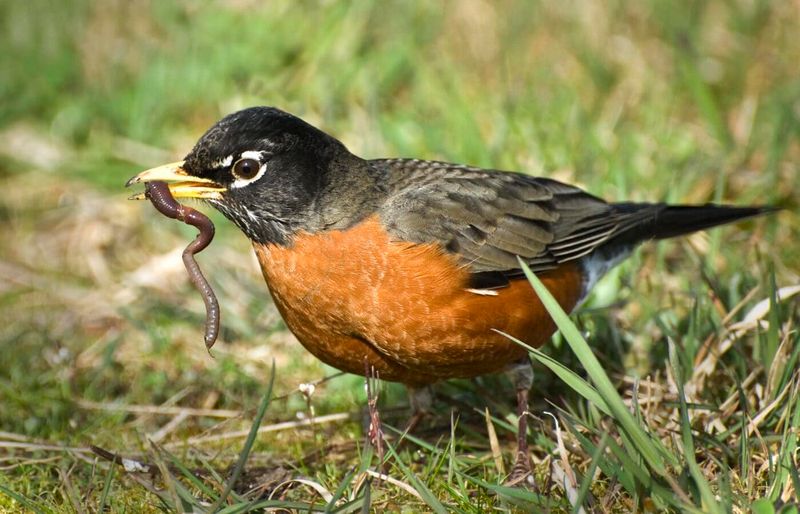
Watch for the cheerful American Robin hopping across your lawn as soon as March arrives in Michigan. These beloved birds spend winter in southern states but rush back north when soil begins thawing.
Their return marks one of the most reliable signs that spring has officially begun. Robins search for earthworms and insects that emerge from warming ground. You will see them tilting their heads on lawns, listening carefully for movement below the surface.
This hunting technique works incredibly well once temperatures stay above freezing during daytime hours.
Male robins arrive first to claim the best territories for nesting. They sing loudly from high perches at dawn, announcing their presence to potential mates.
Females follow within days and begin building cup-shaped nests using mud, grass, and small twigs in trees or shrubs.
These birds adapt quickly to suburban environments and often nest near houses. Robins raise two or three broods each season, keeping busy throughout spring and summer.
Their bright orange breasts and melodic songs make them easy to identify and enjoy. Seeing that first robin hop across melting snow patches feels like a promise. Warmer weather and longer days follow close behind these energetic visitors.
Michigan residents count on robins to deliver good news every single year.
2. Red Winged Blackbirds Reappear In March Wetlands And Fields
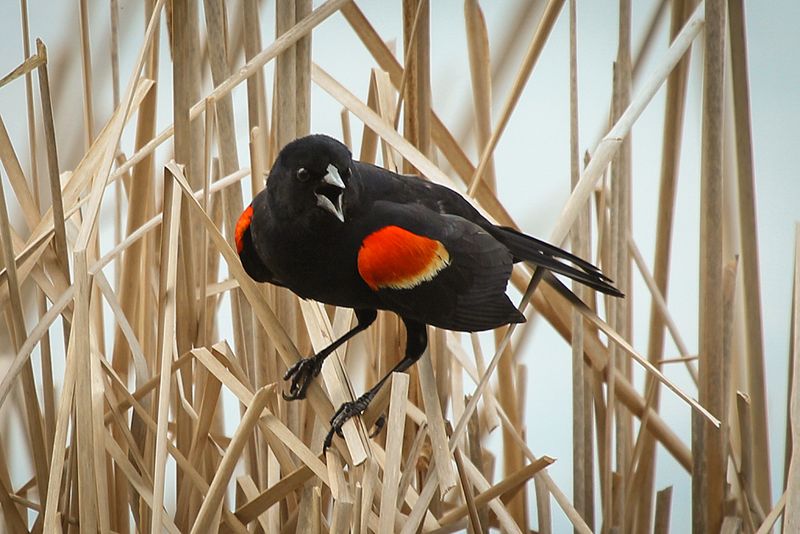
Male Red Winged Blackbirds bring bold color and loud calls back to Michigan marshes every March. Their glossy black feathers contrast beautifully with brilliant red shoulder patches edged in yellow.
These striking birds claim territories around ponds, wetlands, and open fields as soon as ice begins melting.
Listen for their distinctive conk-la-ree song echoing across wetland areas. Males sing constantly from cattails and fence posts, defending prime nesting spots from rivals.
This territorial behavior becomes intense during early spring when competition runs high among returning males.
Females arrive several weeks after males and look completely different. Their brown streaked plumage provides excellent camouflage among marsh grasses where they build nests.
Males may attract multiple females to their territories, creating small family groups throughout the breeding season.
Red Winged Blackbirds feed on insects, seeds, and grain found in agricultural areas. They often gather in large flocks near farm fields during migration periods.
Their adaptability helps them thrive across various Michigan habitats from rural wetlands to suburban retention ponds.
Spotting these flashy birds means spring has truly arrived in your area. Their presence transforms quiet winter landscapes into lively spring ecosystems.
Michigan wetlands would not feel complete without hearing their familiar calls ringing through warming air each March.
3. Eastern Garter Snakes Emerge In April As Temperatures Warm
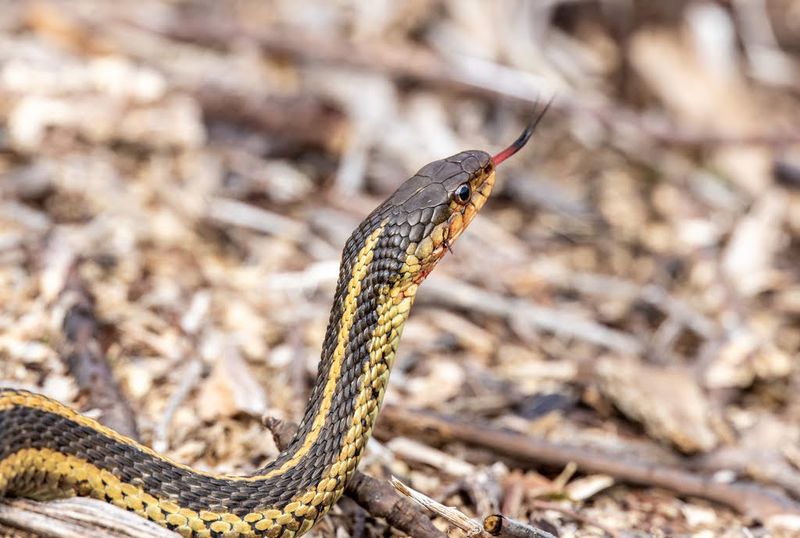
Eastern Garter Snakes begin appearing around Michigan yards and gardens once April temperatures climb consistently higher. These harmless reptiles spend winter underground in protected dens below the frost line.
Warming soil triggers their emergence, making them among the first snakes people notice each spring.
Garter snakes love basking on rocks, sidewalks, and wooden boards that absorb morning sunlight. This behavior helps them raise body temperatures after months of dormancy.
You might spot them stretched out motionless, soaking up warmth before becoming active hunters.
These snakes feature three yellowish stripes running lengthwise down their dark bodies. They grow between two and three feet long and feed primarily on earthworms, slugs, and small amphibians.
Garter snakes provide excellent natural pest control around gardens and flower beds throughout spring and summer.
Females give birth to live young rather than laying eggs. They mate soon after emerging in spring and deliver babies in late summer.
This reproductive strategy works well in Michigan’s climate where temperatures fluctuate dramatically.
Finding a garter snake means your yard supports healthy wildlife populations. These gentle creatures avoid confrontation and quickly slither away when approached.
Their reappearance signals that ground temperatures have warmed enough for cold-blooded animals to resume normal activities across Michigan landscapes.
4. Spring Peepers Begin Calling From Late March Into April
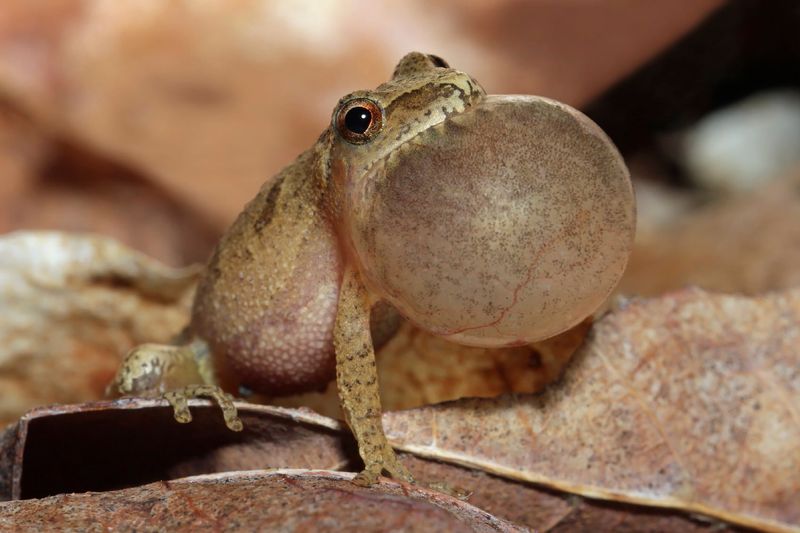
Spring Peeper frogs create one of the most recognizable sounds of Michigan spring. Their high-pitched peeping chorus fills evening air near ponds and wetlands from late March onward.
These tiny amphibians measure barely an inch long but produce surprisingly loud calls that carry across considerable distances.
Males call to attract females once nighttime temperatures stay above freezing consistently. Each peep lasts about one second and repeats constantly throughout the night.
When dozens of peepers call together, the sound becomes almost deafening near breeding ponds.
These small frogs feature brown or tan coloring with a distinctive X-shaped mark on their backs. They spend most of their lives hidden in leaf litter and vegetation.
Spring represents their brief period of high visibility when breeding activity brings them to water edges.
Peepers lay eggs attached to submerged plants in shallow water. Tadpoles develop quickly and transform into tiny froglets by early summer.
Adults then return to forest floors where they hunt small insects and spiders.
Hearing that first peeper chorus feels magical after silent winter months. Their calls signal that amphibian breeding season has begun across Michigan wetlands.
Many people consider this sound the truest indicator that spring has genuinely arrived, even if snow still covers some ground.
5. Mourning Cloak Butterflies Appear In March On Warm Days
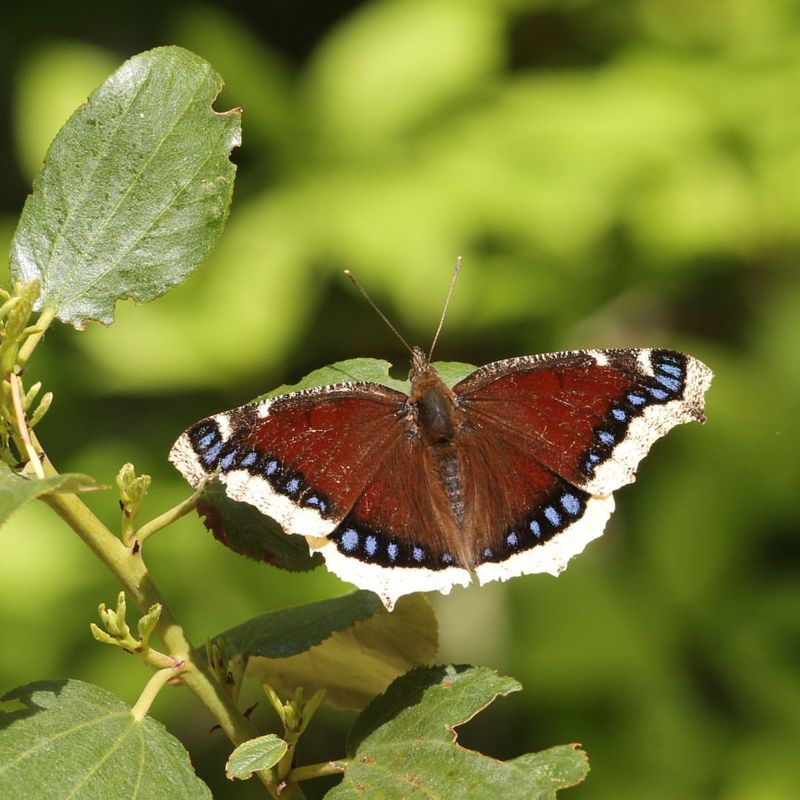
Mourning Cloak butterflies surprise Michigan residents by appearing on warm March days. Unlike most butterflies, these hardy insects survive winter as adults tucked into tree bark crevices.
Sunny afternoons above fifty degrees bring them out of hiding to search for tree sap and early nectar sources.
These large butterflies display deep maroon wings bordered by bright yellow edges. A row of blue spots decorates the inner margin of each wing.
Their dark coloring helps absorb sunlight quickly, allowing flight activity when other butterflies remain dormant as pupae.
Mourning Cloaks feed on flowing tree sap, rotting fruit, and occasionally early spring flowers. They visit willows, birches, and maples where sap flows from winter damage.
This feeding strategy allows them to become active weeks before most flowering plants bloom.
Watch for these butterflies near woodland edges and parks with mature trees. They fly rapidly and often land on tree trunks where their camouflage makes them difficult to spot. Males establish territories and chase away rival butterflies that enter their chosen areas.
Spotting a Mourning Cloak feels like discovering hidden treasure on a chilly March afternoon. Their unexpected appearance proves that life stirs even when winter still seems present.
These remarkable insects bridge the gap between cold and warm seasons beautifully across Michigan landscapes.
6. Bumblebees Become Active In April When Flowers Begin Blooming
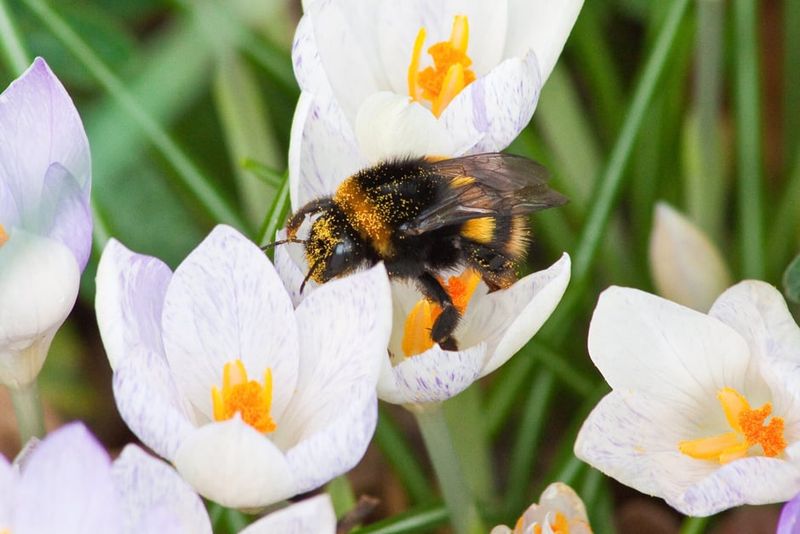
Queen bumblebees emerge from underground hibernation sites throughout April in Michigan. These large fuzzy insects spent winter alone in protected soil chambers.
Rising temperatures and blooming flowers signal that conditions support starting new colonies.
Queens search immediately for nectar and pollen from early spring flowers. Crocuses, dandelions, and flowering trees provide crucial energy after months without food.
You will notice these bees flying low over ground, inspecting potential nesting sites in abandoned rodent burrows or thick grass clumps.
Bumblebees feature round fuzzy bodies with yellow and black stripes. Queens measure much larger than worker bees that appear later in summer.
Their thick fur insulation allows flight in cooler temperatures that ground other bee species.
Once a queen finds a suitable nest location, she builds wax cells and lays eggs. She feeds developing larvae with pollen and nectar collected from flowers.
First-generation workers emerge within weeks and take over foraging duties while the queen focuses on egg production.
Seeing early bumblebees means your garden supports important pollinators. These gentle insects rarely sting unless directly threatened.
Their presence indicates that Michigan’s growing season has truly begun and plants need pollination services. Bumblebees work harder than most other bees, visiting flowers even during cloudy or slightly rainy weather.
7. Ruby Throated Hummingbirds Arrive In Early May
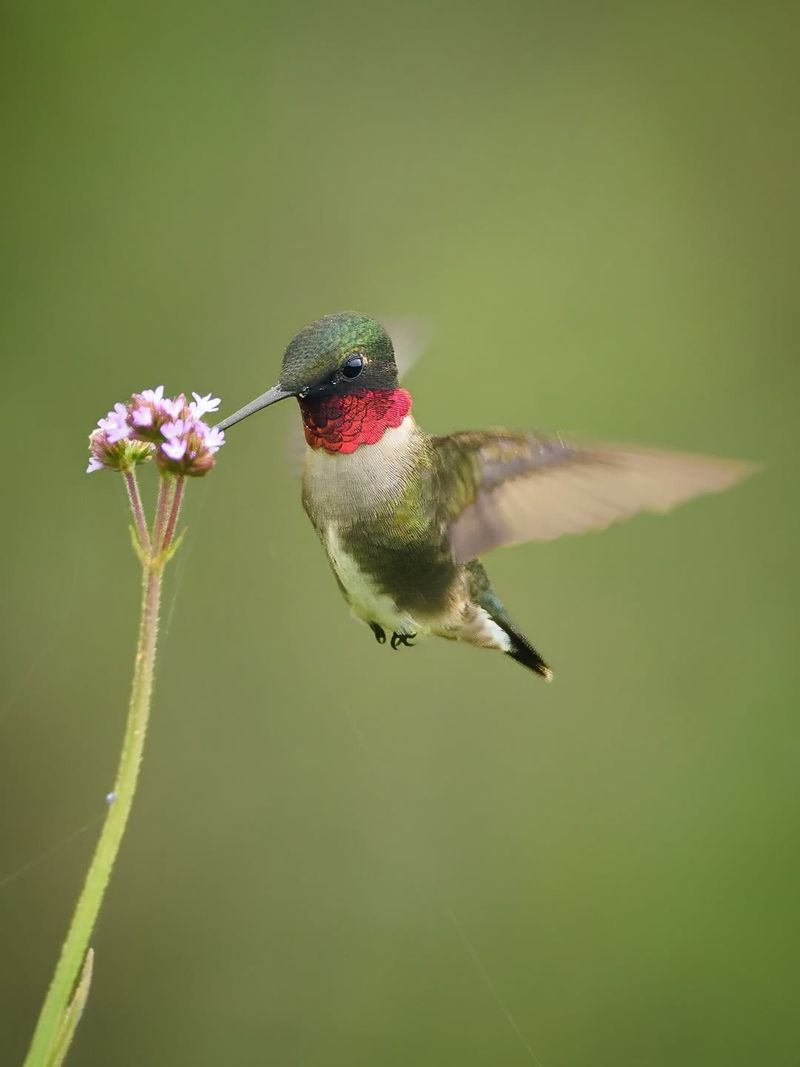
Ruby Throated Hummingbirds complete their incredible migration journey to Michigan by early May. These tiny birds travel across the Gulf of Mexico from Central America.
Males arrive first to establish feeding territories before females appear days later. Watch for these amazing flyers visiting early blooming flowers and hummingbird feeders. Males display brilliant ruby-red throat feathers that flash in sunlight.
Females lack this colorful gorget but show the same remarkable flying abilities and energetic personalities.
Hummingbirds beat their wings approximately fifty times per second. This rapid movement allows them to hover motionless while feeding on flower nectar. They consume half their body weight in sugar daily to fuel their incredibly fast metabolism.
These birds prefer tubular flowers like columbine, bee balm, and trumpet vine. They also defend prime feeding areas aggressively, chasing away other hummingbirds and even larger birds.
Males perform dramatic dive displays to attract mates and warn off competitors. Females build tiny cup-shaped nests using plant down and spider silk. They raise two broods each summer before migrating south again in September.
Putting up feeders with sugar water in late April ensures these special visitors find your yard immediately upon arrival. Their return marks the final confirmation that Michigan spring has fully blossomed.