8 Backyard Weeds In Georgia That Turn Out To Be Edible
You might be pulling dinner out of your yard without even realizing it, and that thought alone can completely change how you look at the next weed you spot.
Across Georgia, some of the most stubborn plants popping up in your lawn or garden beds are not invaders at all but edible greens that have quietly fed people for generations.
What first looks like a nuisance can turn out to be flavorful, useful, and surprisingly nutritious once you learn what it actually is and how it grows in your soil.
Instead of seeing every fast spreading sprout as something to eliminate, you may start noticing how many of them have value hiding in plain sight.
Before you fill another yard bag with pulled weeds, it might be worth taking a closer look at what is already growing at your feet.
Always make sure you have correctly identified any wild plant before eating it. Some edible weeds have lookalikes, and plants growing in chemically treated lawns, along roadsides, or in contaminated soil should never be harvested.
When in doubt, consult a local field guide or extension office before consuming anything from your yard.
1. Chickweed Spreads In Cool Weather With Tender Leaves You Can Actually Use
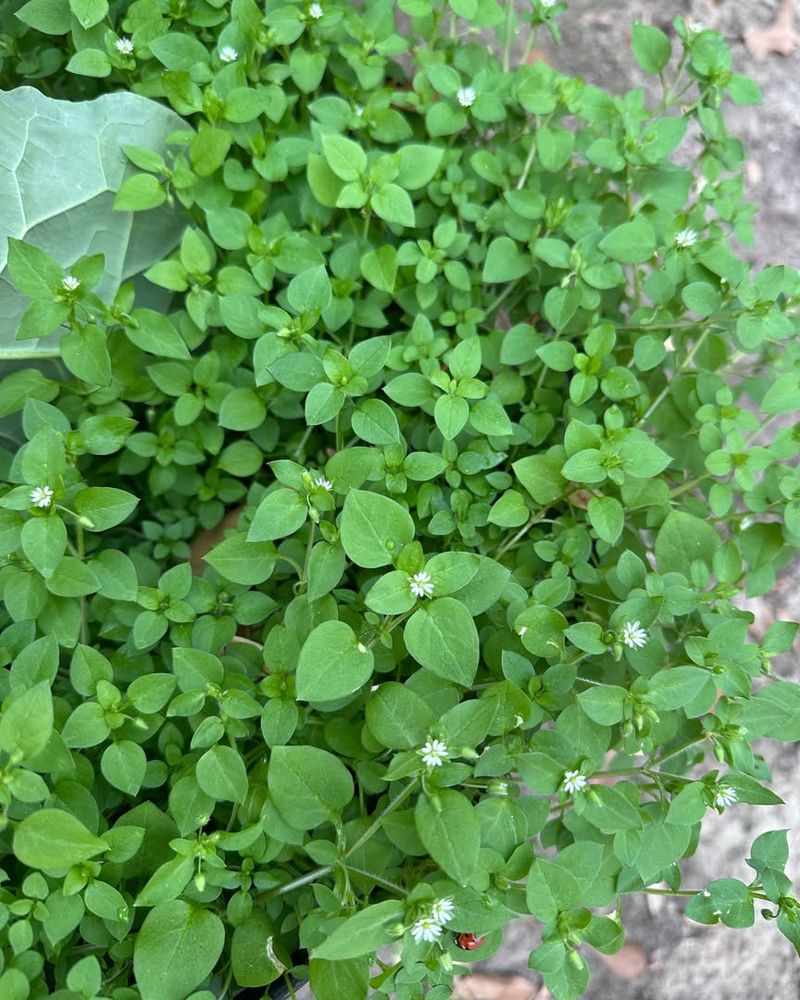
Chickweed shows up when temperatures drop, carpeting bare patches with its sprawling stems and tiny white flowers. Each blossom looks like a miniature star, and the leaves feel soft when you run your fingers across them.
Georgia gardeners often see this plant taking over in late fall through early spring.
You can snip the top few inches of growth and toss them straight into salads. The flavor is mild and slightly grassy, similar to lettuce but with a bit more substance.
Kids sometimes enjoy munching on the tender stems as a snack while playing outside.
Cooking chickweed works well too, especially when you treat it like spinach in soups or stir-fries. The stems stay tender even after heating, and they blend nicely with stronger flavors like garlic or lemon.
Many people across Georgia have started adding this weed to their morning smoothies for an extra boost of vitamins.
Harvesting before the plant sets seed gives you the best texture and taste. Look for bright green growth without any yellowing or tough stems.
A quick rinse removes any dirt, and you are ready to use this free food source that appears naturally in your yard without any planting effort on your part.
Chickweed also contains vitamin C, iron, and other nutrients that support overall health. It grows best in cool, moist soil, which explains why Georgia lawns see it thrive during milder months.
Regular harvesting actually keeps the patch tender and delays flowering, giving you a longer window to enjoy it.
2. Dandelion Breaks Through Hard Soil And Offers More Than Just Bright Blooms
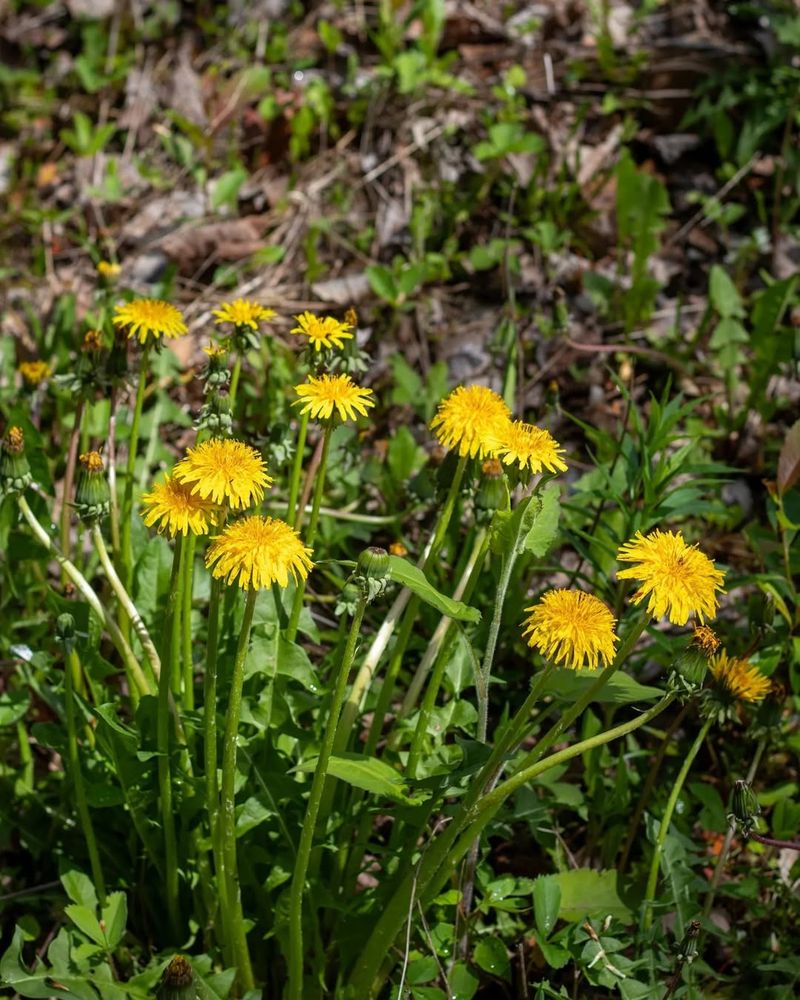
Every part of this familiar plant serves a purpose in the kitchen, from root to flower. Dandelions push through compacted ground with taproots that can stretch down over a foot.
Those cheerful yellow blooms that kids love to pick are just the beginning of what this plant offers to Georgia residents looking for wild food.
Young leaves work best before the flowers appear, when they carry a pleasant bitter edge rather than an overwhelming sharp taste. Older leaves get quite strong, but cooking them with bacon or onions mellows that intensity.
Some folks across Georgia blanch the leaves first, then sauté them as a side dish that pairs well with grilled meats.
The roots can be roasted and ground into a coffee substitute that has been used for generations. Flowers get turned into wine, jelly, or fritters when dipped in batter and fried until golden.
Even the white sap from the stems has traditional uses, though most people focus on the more palatable parts.
Spring offers the prime harvest window in Georgia, though you can find usable dandelions almost year-round in milder areas. Avoid collecting from lawns treated with chemicals, and wash everything thoroughly.
This persistent weed transforms from nuisance to resource once you know how to use it properly in your cooking.
3. Purple Deadnettle Covers Bare Ground Before Spring Fully Arrives
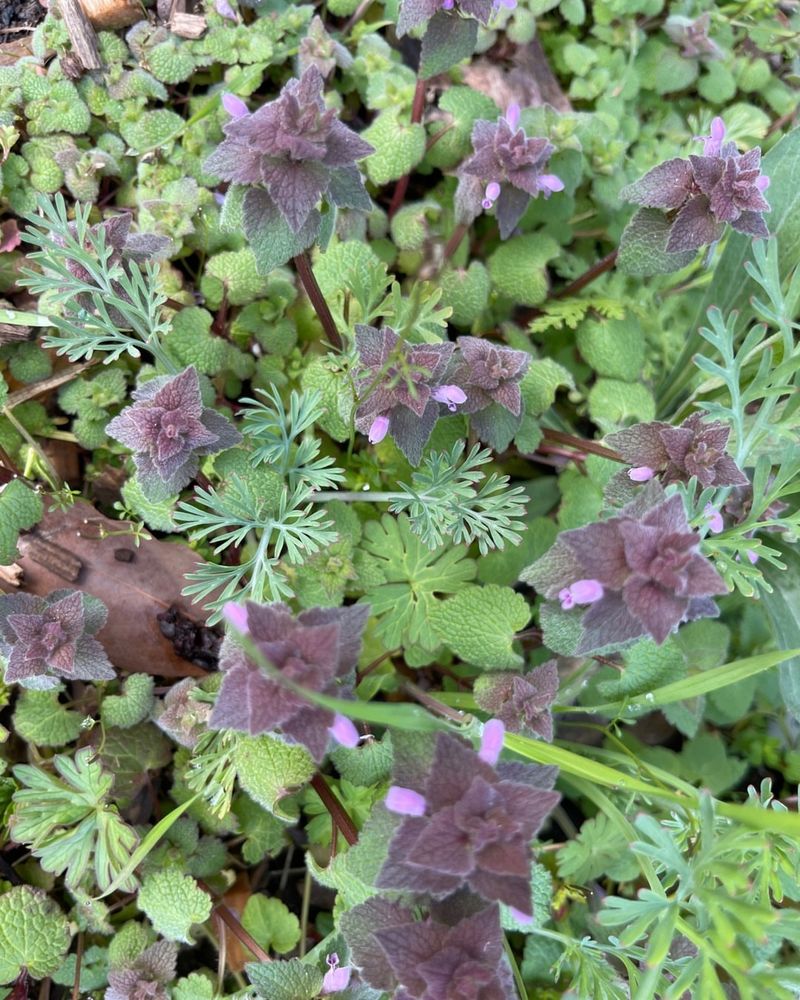
Purple-tinged leaves stacked in tiers make this plant easy to spot as it fills empty spaces in late winter. The square stems and hooded flowers give it away as a member of the mint family, though the smell is much milder than its relatives.
Georgia lawns often host large patches of this weed before other plants wake up from winter dormancy.
Raw leaves and flowers both work in salads, adding a slightly earthy flavor with hints of mushroom and iron. The texture is tender enough that even the stems can be eaten when young.
Chopping the whole plant finely helps distribute the flavor without overwhelming other ingredients in your bowl.
Cooking changes the character completely, turning purple deadnettle into a mild green that absorbs whatever seasonings you add. It shrinks down considerably when heated, so gather more than you think you need.
People throughout Georgia have started adding it to egg dishes, pasta, and grain bowls for extra nutrition without strong flavor interference.
The plant keeps producing new growth as long as temperatures stay cool, giving you multiple harvests from the same patch. Look for the brightest purple coloring, which indicates fresh, tender growth.
A handful of this weed picked fresh from your yard costs nothing and provides vitamins that would otherwise require a trip to the grocery store.
4. Henbit Moves Into Thin Lawns And Produces Soft Early Growth
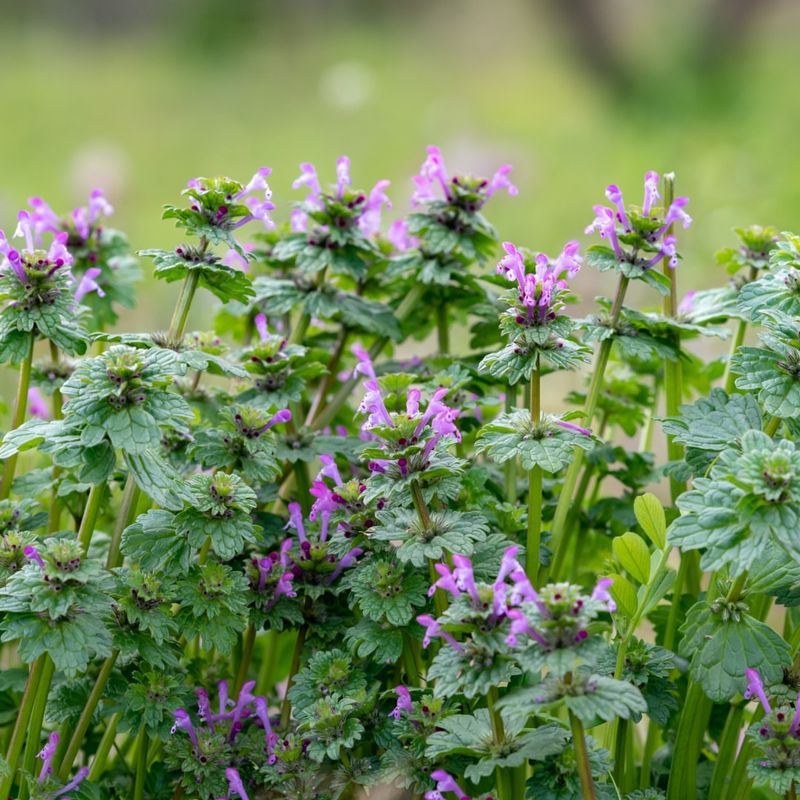
Round, scalloped leaves distinguish henbit from its cousin purple deadnettle, though both appear around the same time in Georgia yards. The flowers cluster near the top of the plant in rings, creating a tiered effect that makes identification straightforward.
Thin, patchy lawns provide the perfect conditions for this weed to establish itself before grass fills in.
Eating henbit raw gives you a mild, slightly sweet taste that works surprisingly well in mixed green salads. The leaves have a delicate texture that does not require much chewing, making them accessible even for people who usually avoid bitter greens.
Kids sometimes pick the flowers to taste the tiny drop of nectar inside each bloom.
Steaming or sautéing henbit for just a few minutes preserves its soft texture while reducing the volume for easier eating. It pairs naturally with Asian-inspired dishes, especially when combined with soy sauce, ginger, or sesame oil.
Georgia cooks have discovered that henbit makes an excellent addition to fried rice or noodle bowls.
Harvest the top portions of the plant, leaving the roots to potentially produce more growth if conditions stay favorable. The plant stops being tender once hot weather arrives, so focus your collecting efforts on late winter through mid-spring.
Washing removes any dirt from the fuzzy leaves, and the whole process from yard to plate takes just minutes.
5. Broadleaf Plantain Handles Compacted Soil And Heavy Foot Traffic With Ease
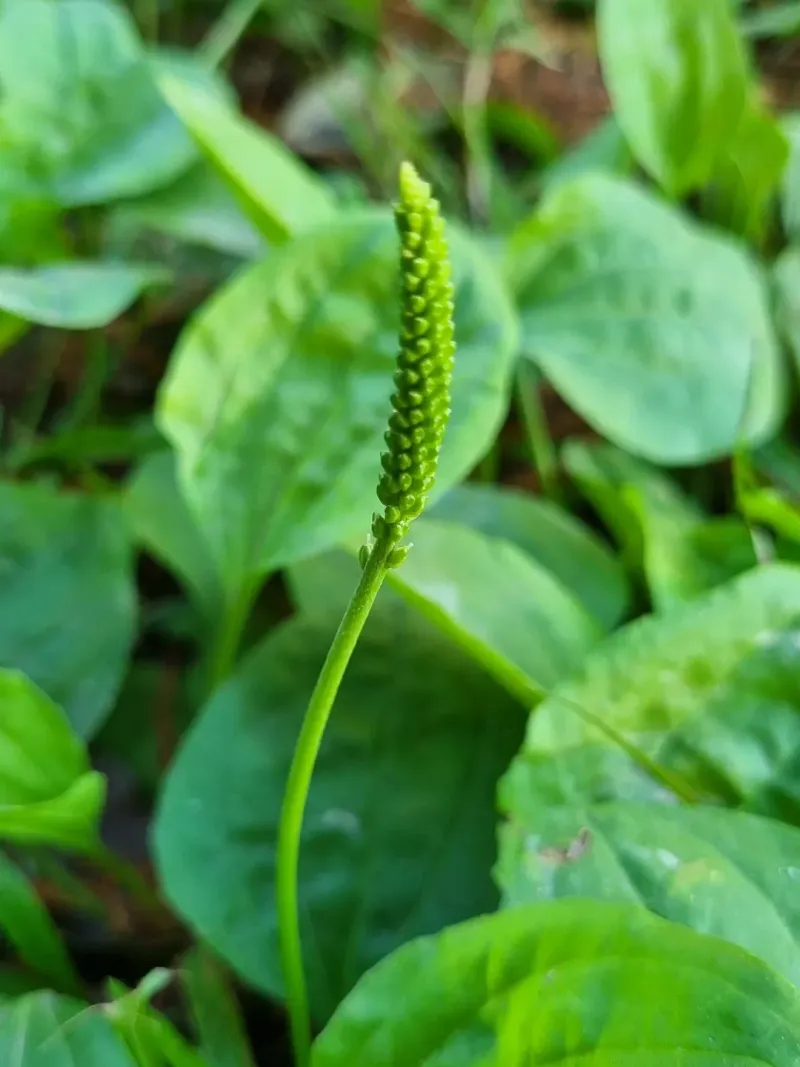
Tough, ribbed leaves spread out in a rosette pattern from a central point, hugging the ground where other plants struggle. Broadleaf plantain thrives in the worst soil conditions, including areas where people walk regularly.
Georgia homeowners find this weed along driveways, sidewalks, and worn paths through the yard.
Young leaves offer the best eating experience, with a slightly bitter, mushroom-like flavor that stands up well in cooked dishes. Older leaves get stringy and tough, though the strings can be removed before cooking if you want to use larger specimens.
The plant keeps producing new leaves from the center throughout the growing season across Georgia.
Steaming or boiling works better than eating plantain raw, as the cooking process softens the fibrous texture considerably. Some people compare cooked plantain to chard or kale, though with a milder overall taste.
It absorbs flavors from other ingredients readily, making it useful in soups, stews, and mixed vegetable dishes.
The seed heads that shoot up from mature plants are also edible when young, offering a nutty flavor when cooked. Look for smooth, unblemished leaves without brown spots or insect damage.
This weed provides one of the most reliable wild food sources in Georgia because it grows almost everywhere and produces fresh leaves constantly during warm months.
6. Wood Sorrel Settles Into Shady Corners With A Naturally Tangy Foliage
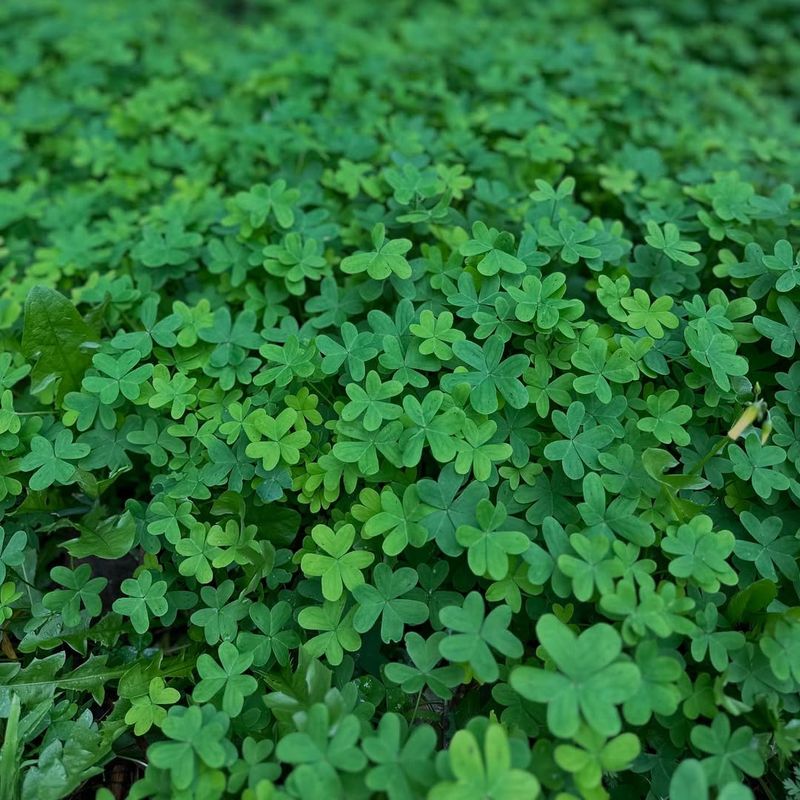
Heart-shaped leaves arranged in groups of three look similar to clover, but wood sorrel brings a completely different flavor to the table. Biting into a leaf gives you an immediate sour punch that comes from oxalic acid, the same compound found in rhubarb.
This weed prefers shaded areas under trees and along fence lines throughout Georgia properties.
Small amounts of wood sorrel brighten up salads, sandwiches, and wraps with a lemony zing that requires no additional citrus. The leaves work as a garnish on fish or chicken, adding both color and flavor.
Children often discover this plant on their own, munching leaves during outdoor play because of the fun sour taste.
Cooking mellows the tartness slightly while maintaining enough character to make dishes interesting. Wood sorrel can replace or supplement lemon juice in many recipes, including soups and sauces.
Georgia cooks have found that a handful of these leaves adds complexity to otherwise plain vegetable dishes without requiring extra shopping.
The yellow flowers are edible too, though they appear only sporadically depending on weather and season. Eat wood sorrel in moderation because large quantities of oxalic acid can interfere with calcium absorption.
A few leaves here and there provide flavor benefits without any concerns, making this weed a useful addition to your wild food collection from Georgia yards.
7. Lamb’s Quarters Thrives In Disturbed Soil And Grows With Impressive Vigor
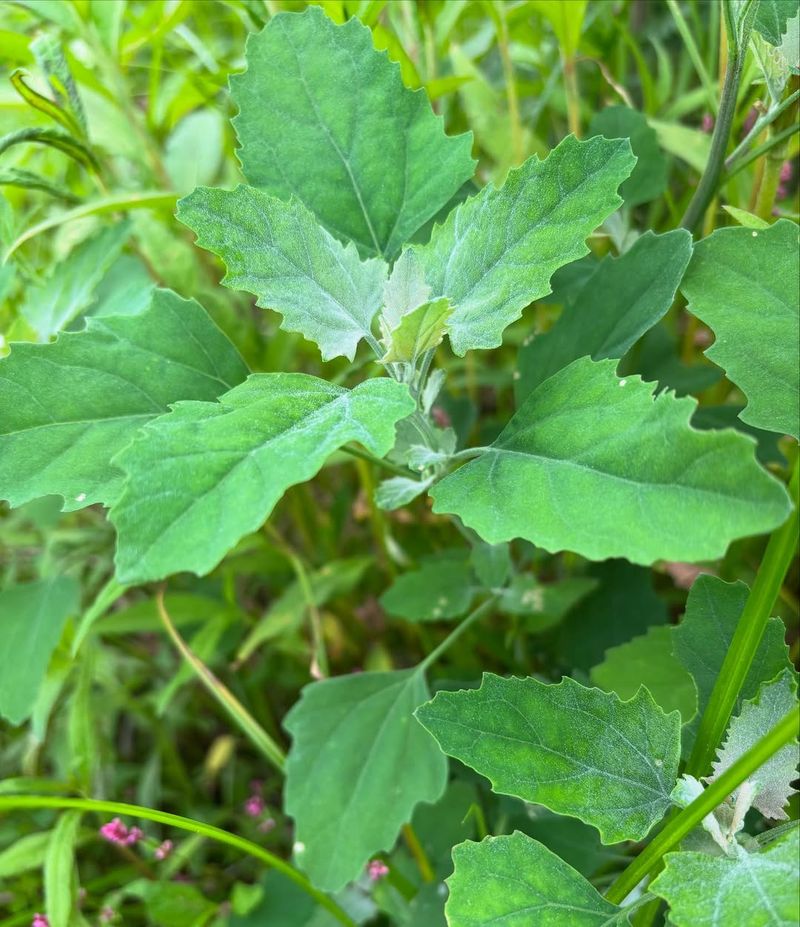
Diamond-shaped leaves with a white, powdery coating make lamb’s quarters stand out from other garden weeds. This plant shoots up quickly in areas where soil has been turned over, appearing in vegetable gardens, construction sites, and anywhere ground has been disturbed across Georgia.
The white dust on young leaves rubs off easily and is completely harmless.
Many people consider lamb’s quarters superior to spinach in both nutrition and flavor. The taste is mild and slightly nutty, without the metallic edge that some greens carry.
Raw leaves work in salads when harvested young, and they add bulk without overwhelming other ingredients.
Cooking brings out the best in this plant, as the leaves become silky and tender with just a few minutes of heat. They shrink down considerably, so gather generous amounts if you want a substantial serving.
Georgia residents who discover lamb’s quarters often prefer it to store-bought greens because of the fresh flavor and tender texture.
The plant can grow several feet tall if left alone, but the top 6 to 8 inches provide the most tender eating. Seeds are also edible and have been used historically as a grain substitute, though collecting enough requires patience.
Harvest before hot summer weather makes the leaves tough, and wash thoroughly to remove the white coating and any dirt from the leaves and stems.
8. Wild Onion Pushes Up From Underground Bulbs Between Grass Blades
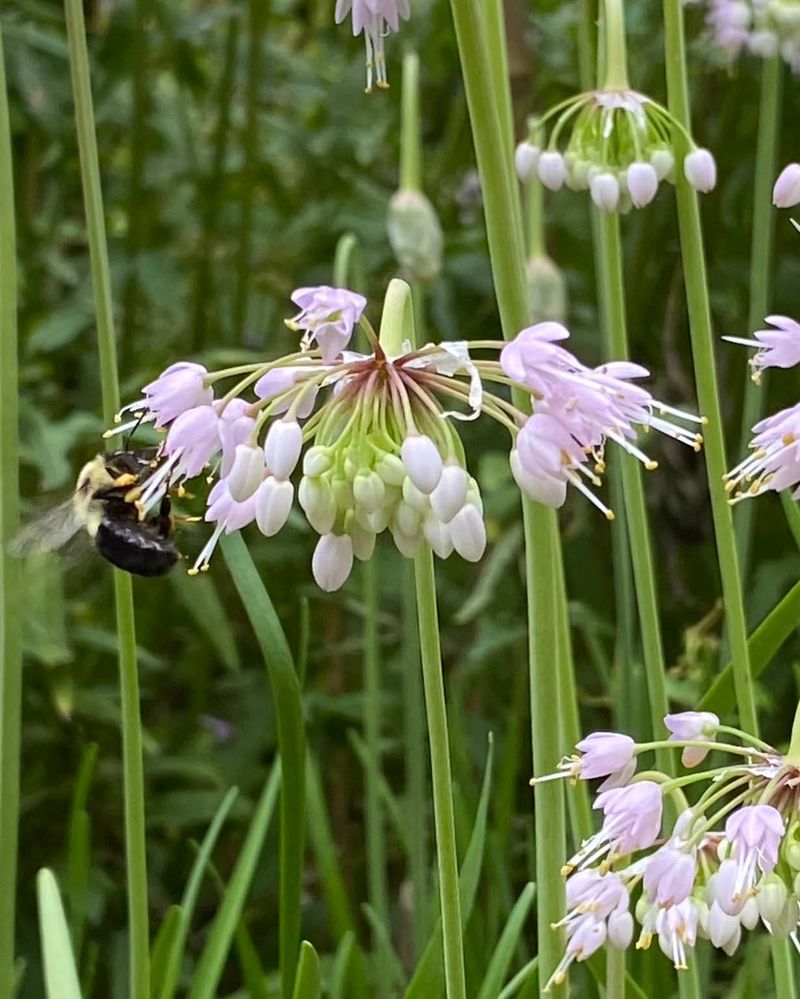
Thin, hollow leaves that smell distinctly of onion when crushed appear in lawns throughout Georgia during cool months. Underground bulbs produce these shoots year after year, making wild onion a persistent presence that most people try to eliminate.
The white or pink flower clusters that appear on tall stems make the plant easy to identify from a distance.
Every part above and below ground is edible, offering an onion flavor that ranges from mild to quite strong depending on growing conditions. The leaves can be chopped and used like chives in any recipe that calls for onion flavor.
The small bulbs work like shallots or pearl onions, though they require more peeling effort because of their size.
Sautéing the bulbs brings out a sweet, caramelized flavor that works well in egg dishes, on pizza, or mixed into rice and grain bowls. The greens lose some pungency when cooked but still provide plenty of onion character.
Georgia cooks have discovered that wild onion harvested from their own yards often has more flavor than store-bought green onions.
Harvest in late winter through spring for the best flavor and texture. The smell can be strong when mowing over patches of wild onion, but that same quality makes it valuable in the kitchen.
Dig up the bulbs or simply snip the green tops, depending on what your recipe requires and how much effort you want to invest in harvesting.