Beat The Winter Blues In Ohio With These 10 Plants

Ohio winters can feel long enough to test anyone’s patience.
Gray skies settle in, daylight slips away early, and gardens fall quiet as cold air tightens its grip.
Still, a yard does not need to sit dull and lifeless until spring rolls back around.
Some plants shine brightest when the rest of the landscape fades, stepping in like small sparks of color and life just when they are needed most.
They lift spirits, break up the monotony, and remind homeowners that beauty still grows even in the heart of winter.
A few strategic plantings can turn a dreary yard into a spot that feels warm in spirit, even on the coldest days.
These tough plants push through frosty mornings, shrug off cloudy afternoons, and keep the garden lively while others take their seasonal nap.
They fill empty beds, spill color across pathways, and offer a welcome dose of cheer when the blues start creeping in.
With the right plants in place, winter loses its heavy edge.
Ohio gardens gain rhythm, color, and a spark of hope that carries straight into spring.
A splash of green or a bright bloom can make all the difference, giving homeowners a reason to smile no matter how low the temperature drops.
1. Snake Plant
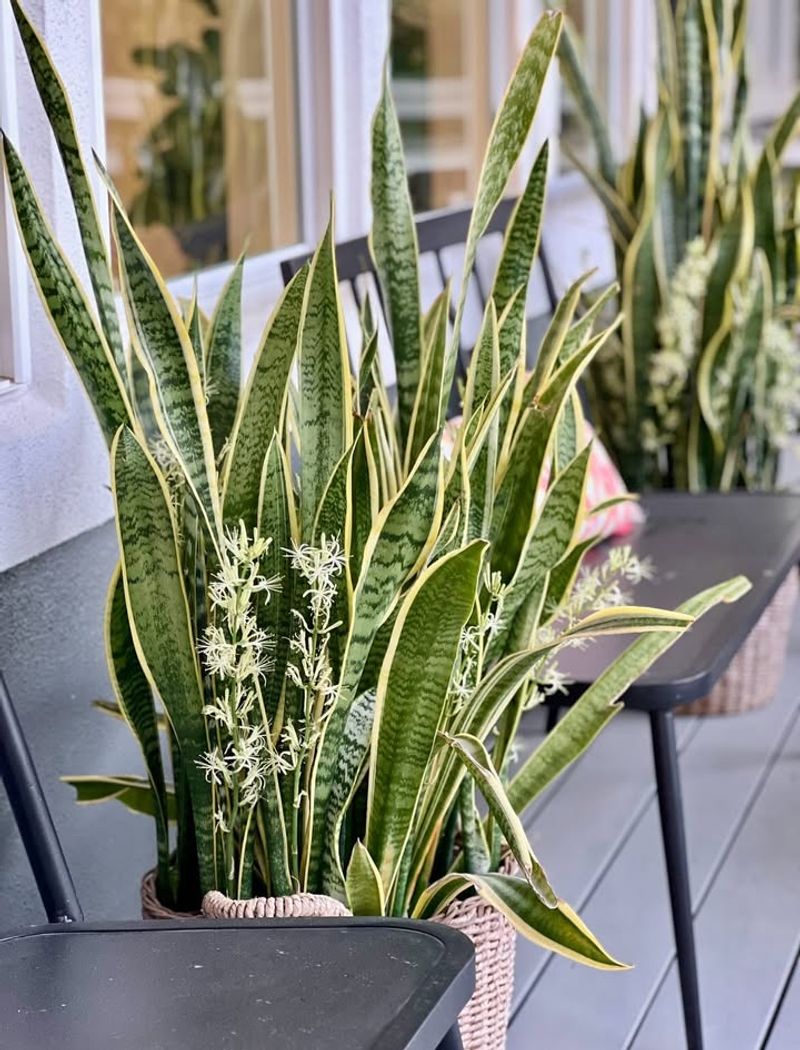
Snake plants have earned their reputation as one of the toughest houseplants you can grow, making them perfect for Ohio winters when you might forget to water now and then.
Their tall, sword-like leaves stand upright and feature striking patterns of green and yellow that add visual interest to any room.
Best of all, these plants actually prefer being left alone rather than fussed over constantly.
During Ohio’s cold months, snake plants continue growing slowly and steadily without demanding much attention or care.
They can survive in low light conditions, though they’ll grow faster near a bright window.
Watering once every two to three weeks is usually enough, and overwatering causes more problems than underwatering ever will.
One amazing feature of snake plants is their ability to purify the air by removing toxins like formaldehyde and benzene from your home.
They also release oxygen at night, unlike most plants, which makes them excellent bedroom companions.
Their resilience and low maintenance needs make them ideal for busy families or anyone new to growing plants indoors.
You can find snake plants at most garden centers across Ohio, and they come in various sizes to fit different spaces.
Place yours in a well-draining pot with cactus soil, and watch it thrive through the coldest months with minimal effort on your part.
2. Pothos
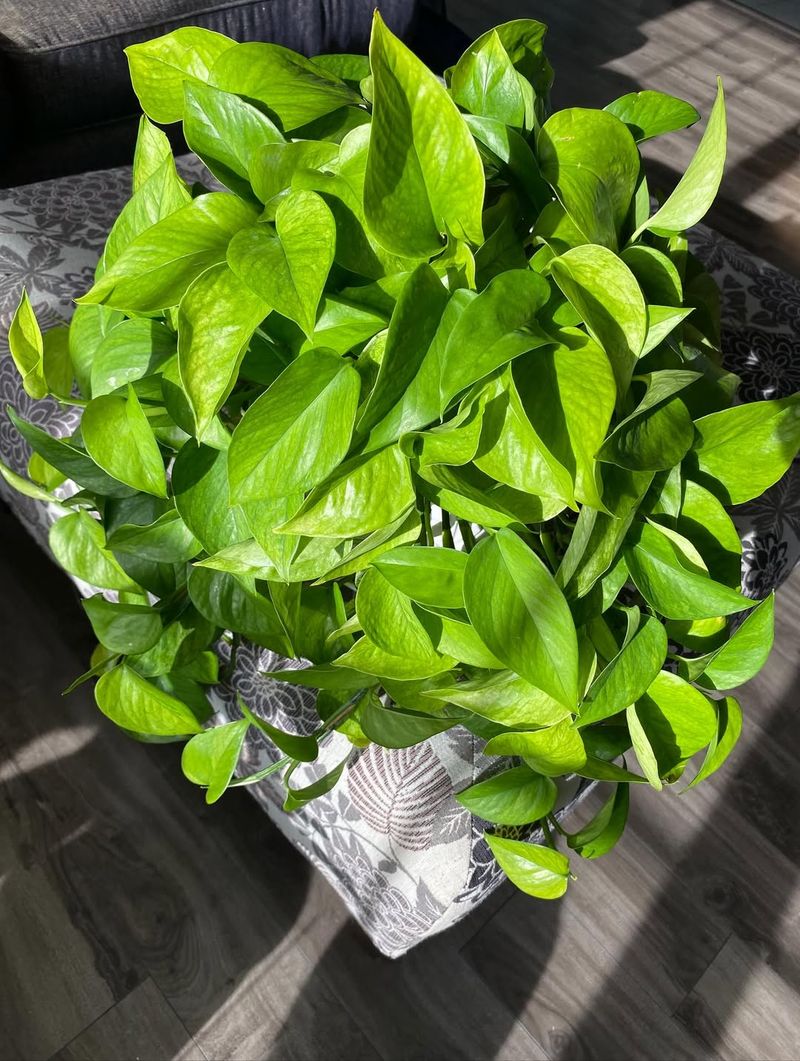
Few plants offer the same forgiving nature and stunning appearance as pothos, which happily trails along shelves or hangs from baskets throughout the winter.
Its heart-shaped leaves come in shades ranging from deep green to golden yellow, and some varieties feature white or cream variegation.
Growing pothos feels almost effortless because this plant adapts to nearly any indoor condition you can provide.
Ohio winters don’t faze pothos at all, as it thrives in the warm, dry air that heating systems create inside homes.
You can place it in bright indirect light or even in shadier corners, though more light brings out brighter leaf colors.
Watering becomes simple too, just wait until the top inch of soil feels dry, then give it a thorough drink.
Pothos grows quickly and can reach impressive lengths, creating a lush, jungle-like atmosphere even when snow covers the ground outside.
Many people enjoy propagating pothos by snipping off stems and placing them in water until roots develop.
This makes sharing plants with friends incredibly easy and rewarding.
Beyond its beauty, pothos helps clean indoor air by filtering out common household pollutants.
Its vines can be trained to climb poles, wrap around windows, or simply cascade downward for a waterfall effect.
For anyone wanting a reliable, attractive plant during Ohio’s gray winter months, pothos delivers every time.
3. Peace Lily
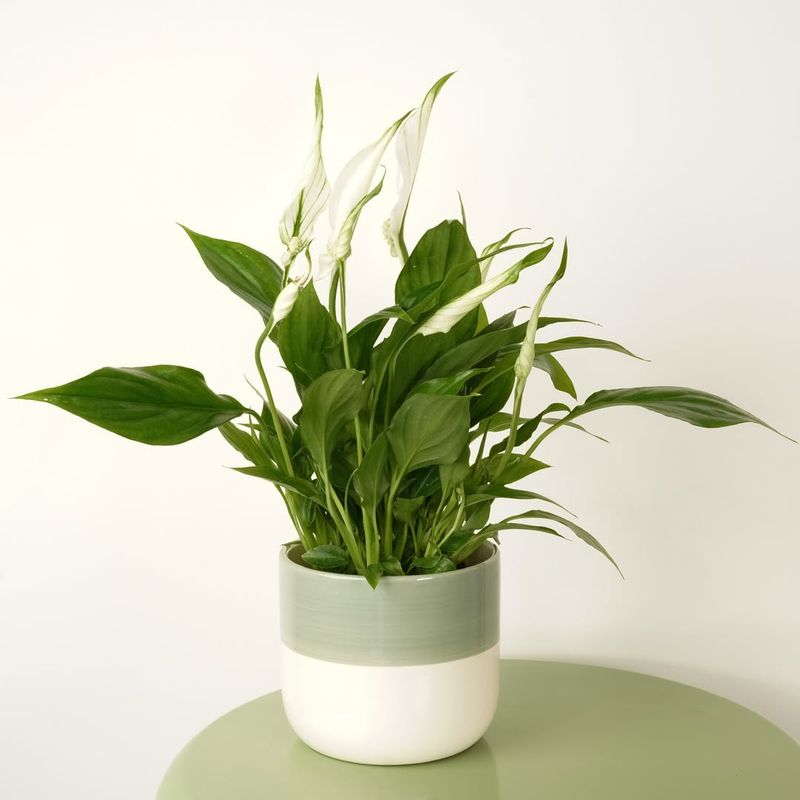
Peace lilies bring elegance and grace to winter homes with their glossy dark leaves and stunning white flowers that bloom even during the coldest months.
These plants signal when they need water by drooping slightly, then perk back up within hours of getting a drink.
Watching this dramatic transformation teaches you to read your plant’s needs without guessing.
Growing peace lilies in Ohio during winter works wonderfully because they prefer the same comfortable temperatures humans enjoy indoors.
They don’t need bright sunlight and actually do better in medium to low light conditions, making them perfect for rooms without big windows.
The flowers, which aren’t true petals but modified leaves called spathes, can last for weeks and add a touch of sophistication to any space.
Air purification ranks high among peace lily benefits, as studies show they remove mold spores and various toxins from indoor environments.
This makes them especially valuable during winter when homes stay sealed tight against the cold.
Keep the soil consistently moist but never soggy, and mist the leaves occasionally to maintain humidity.
Peace lilies also communicate clearly when they’re unhappy, developing brown leaf tips if the water contains too much chlorine or fluoride.
Using filtered or distilled water solves this problem easily.
For Ohio residents seeking a flowering plant that performs reliably indoors all winter long, peace lilies offer beauty and function in one package.
4. Spider Plant
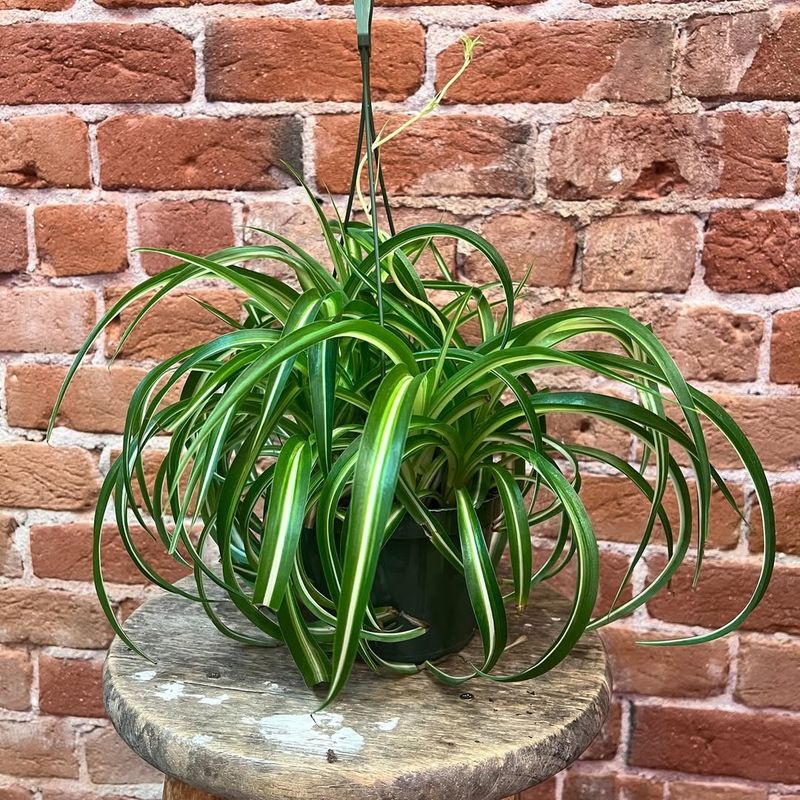
Spider plants practically grow themselves, producing cascades of striped leaves and adorable baby plants called spiderettes that dangle from long stems.
Kids especially love watching these babies develop and learning to propagate them into new plants.
The arching foliage creates movement and interest, softening the hard edges of furniture and walls.
Winter conditions in Ohio homes suit spider plants perfectly since they tolerate a wide range of temperatures and light levels.
Bright indirect light encourages the most vigorous growth and baby production, but they’ll adapt to less light without complaint.
Water them when the soil surface feels dry, and don’t worry if you forget occasionally because their thick roots store moisture.
One fascinating feature is how spider plants produce more babies when they become slightly root-bound in their pots.
This means you don’t need to rush to repot them every year.
The babies can be left attached to create a fuller look or snipped off and rooted in water or soil to share with friends and family.
Spider plants also rank highly for air purification, removing formaldehyde and xylene from indoor spaces.
They’re completely safe around pets, unlike some houseplants, which makes them great for homes with curious cats or dogs.
For Ohio families wanting an engaging, easy-care plant that multiplies generously throughout winter, spider plants deliver fun and greenery in abundance.
5. Rubber Plant
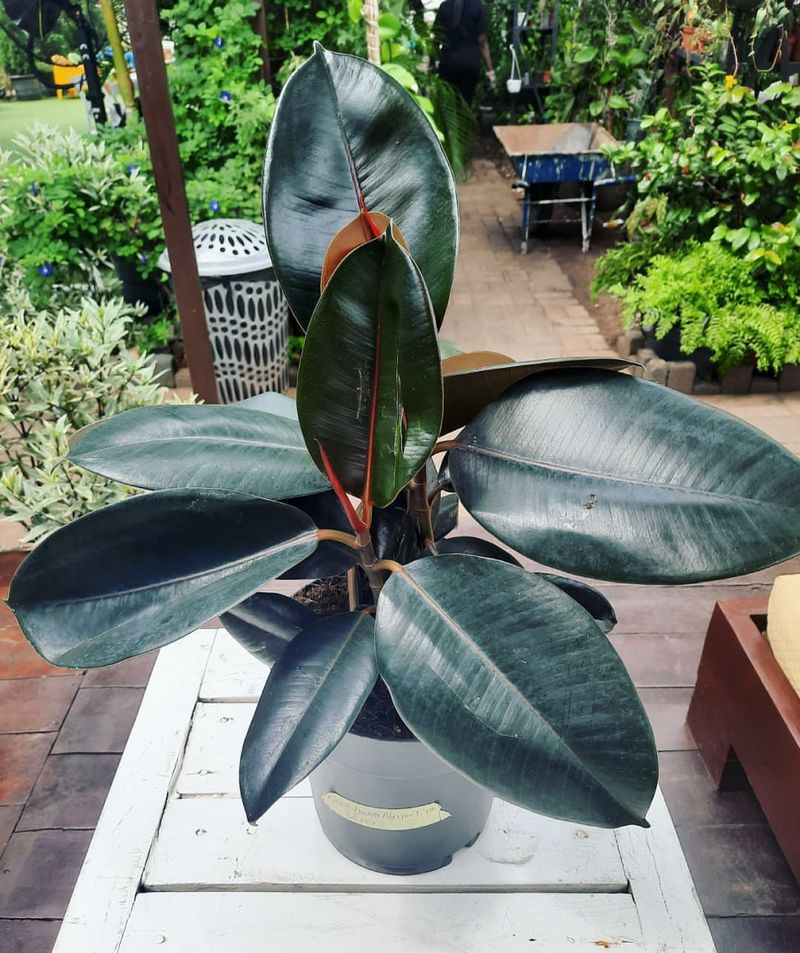
Rubber plants make bold statements with their large, glossy leaves that shine like they’ve been polished, bringing a tropical feel to winter homes.
Their upright growth habit and substantial presence make them excellent floor plants that fill empty corners with life.
Despite their impressive appearance, rubber plants don’t demand expert care or constant attention.
Ohio’s indoor winter environment works well for rubber plants as long as you place them near bright, indirect light sources.
They grow more slowly during winter months but continue adding new leaves steadily.
Watering needs decrease in winter, so check the soil before watering and let the top two inches dry out between drinks.
The thick, waxy leaves naturally resist dust and require only occasional wiping with a damp cloth to maintain their lustrous appearance.
This same leaf structure helps the plant retain moisture efficiently, making it more forgiving if you occasionally forget to water.
Rubber plants can eventually grow quite tall, but regular pruning keeps them at your desired height and encourages bushier growth.
These plants originated in tropical regions but have adapted remarkably well to life indoors across Ohio and beyond.
They prefer consistent conditions without sudden temperature changes, which makes heated homes perfect during winter.
For anyone wanting a striking, substantial plant that brings bold beauty to indoor spaces throughout the cold season, rubber plants offer size, style, and relative ease of care all in one impressive package.
6. Aloe Vera
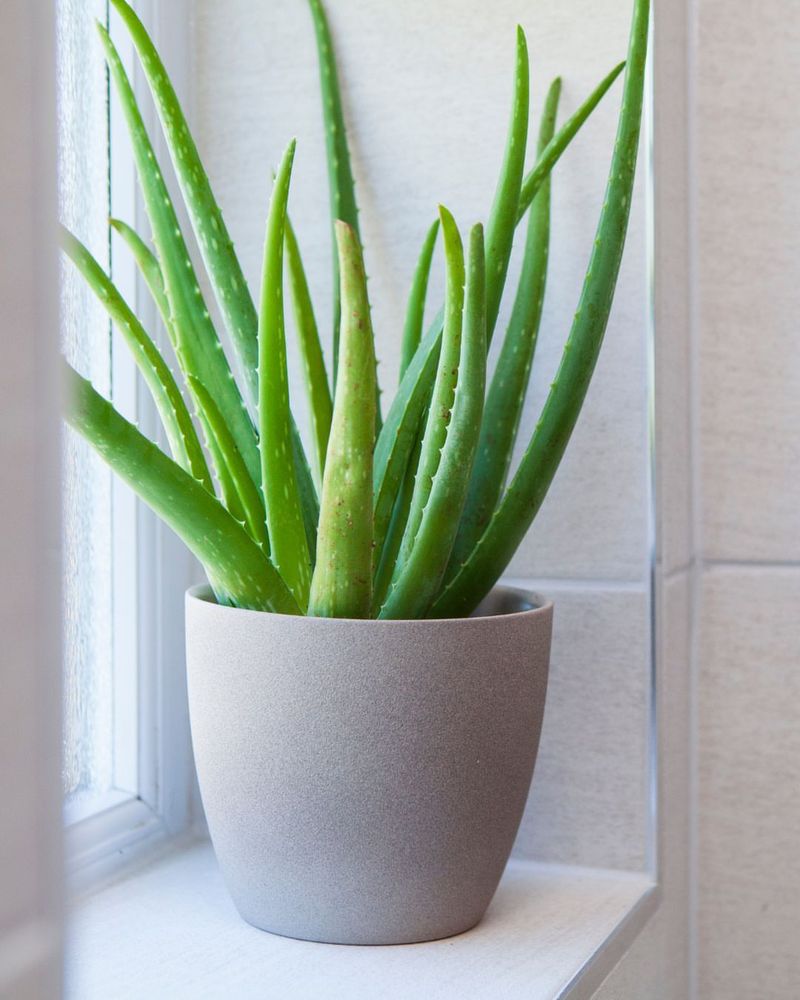
Aloe vera combines practical benefits with easy care, storing water in its thick, gel-filled leaves that can soothe minor burns and skin irritations.
Many Ohio families keep one in the kitchen for quick access to natural first aid.
The plant’s architectural form, with leaves arranged in rosette patterns, adds sculptural interest to sunny windowsills.
Winter sunlight through Ohio windows provides exactly what aloe vera needs to thrive, as these succulents love bright, direct light.
They require very little water during cold months, sometimes going three to four weeks between waterings.
Overwatering causes more problems than any other issue, so when in doubt, wait another few days before watering.
Aloe plants produce small offsets or pups around their base that can be separated and potted to create new plants.
This natural multiplication means you’ll eventually have aloes to share or place throughout your home.
The gel inside the leaves has been used for centuries to treat sunburns, though always test on a small area first and consult healthcare providers for serious conditions.
These plants prefer well-draining cactus or succulent soil and pots with drainage holes to prevent root problems.
They can tolerate the dry air that heating systems create, making them ideal for Ohio winters when humidity drops indoors.
For practical benefits combined with low-maintenance beauty, aloe vera plants earn their place on every sunny windowsill throughout the cold season.
7. Christmas Cactus
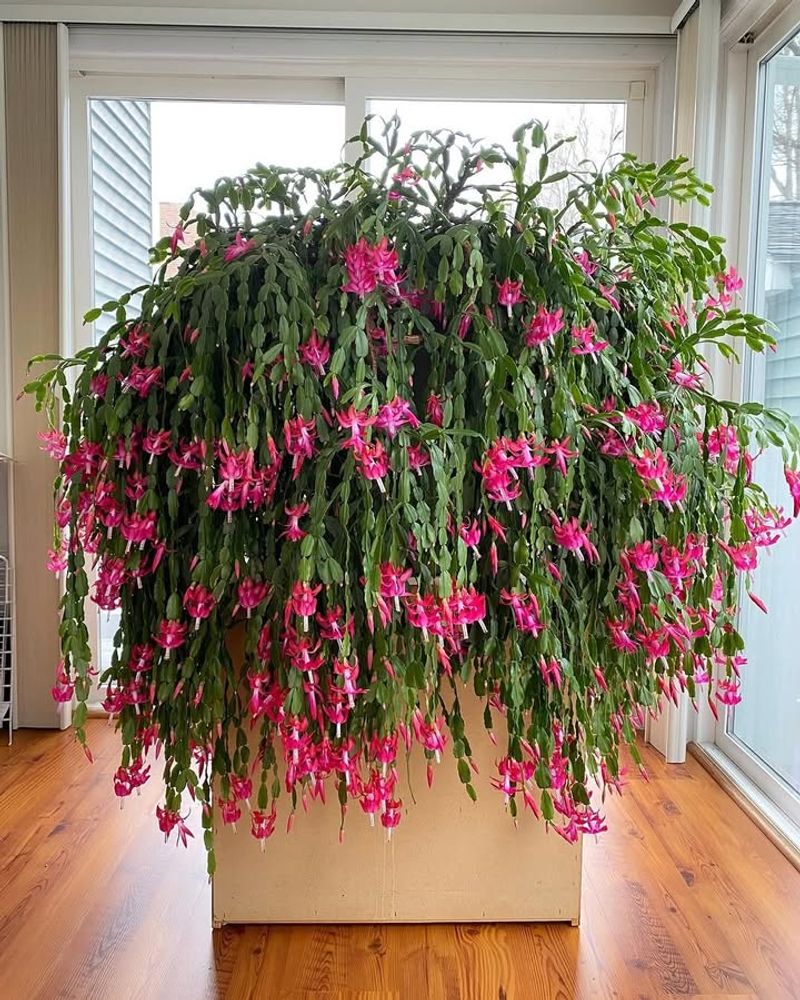
Christmas cactus plants live up to their name by producing spectacular blooms in shades of pink, red, white, or purple right during the holiday season.
Their segmented, flat leaves cascade over pot edges, creating a fountain effect that becomes even more stunning when covered in flowers.
Unlike desert cacti, these plants come from Brazilian rainforests and prefer different care that suits Ohio homes perfectly.
Getting Christmas cactus to bloom requires some planning, as they need longer dark periods for about six weeks before flowering.
Many Ohio homes naturally provide these conditions as fall transitions to winter and daylight hours shorten.
Once buds form, keep the plant in consistent conditions without moving it around, as changes can cause bud drop.
These plants appreciate more water than desert cacti, preferring evenly moist soil during their growing and blooming periods.
They also enjoy higher humidity, which you can provide by placing their pot on a tray of pebbles and water.
After blooming finishes, reduce watering slightly and let them rest before new growth begins.
Christmas cacti can live for decades, becoming family heirlooms passed down through generations of Ohio gardeners.
They’re easily propagated by twisting off segments and planting them in moist soil.
For reliable winter color and flowers that brighten the darkest months, few plants match the cheerful performance and longevity of Christmas cactus in Ohio homes.
8. ZZ Plant
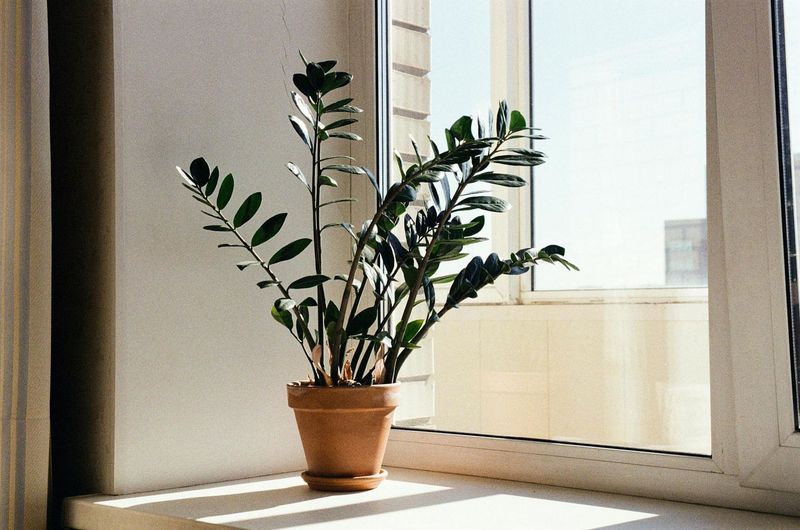
ZZ plants have become incredibly popular for their ability to survive almost any condition, including the neglect that busy winter schedules sometimes bring.
Their thick, potato-like rhizomes store water underground, allowing them to go weeks without watering.
The glossy, dark green leaves grow on sturdy stems that arch gracefully, creating an attractive silhouette even in dim corners.
Ohio winters present no challenge for ZZ plants, which tolerate low light better than almost any other houseplant.
They grow slowly but steadily, adding new stems throughout the year without requiring bright windows or special attention.
In fact, these plants often do better when left alone rather than fussed over constantly.
Watering ZZ plants requires restraint, as they prefer drying out completely between waterings during winter months.
Their rhizomes rot quickly in soggy soil, so err on the side of underwatering rather than overwatering.
They also tolerate the dry air that heating systems create, never developing the brown leaf tips that plague more humidity-loving plants.
The thick, waxy coating on ZZ plant leaves naturally repels dust and gives them their characteristic shine.
They rarely need fertilizing and can stay in the same pot for years without becoming root-bound.
For Ohio residents wanting a virtually indestructible plant that looks polished and thrives through winter with minimal care, ZZ plants represent the ultimate low-maintenance choice.
9. Philodendron
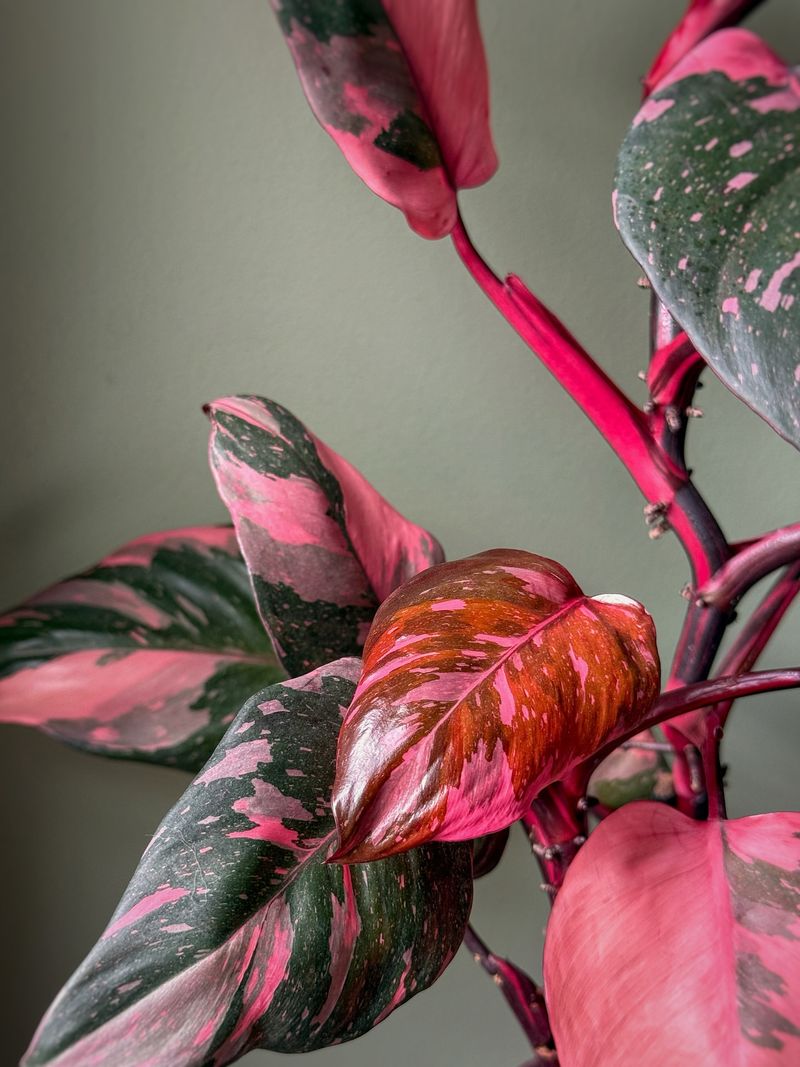
Philodendrons rank among the most adaptable houseplants, with heart-shaped leaves that trail elegantly or climb upward depending on how you train them.
Their rapid growth during winter months brings visible progress and satisfaction, as new leaves unfurl regularly.
Many varieties exist, from classic heart-leaf types to exotic split-leaf monsters, but all share similar easy-care requirements.
Growing philodendrons in Ohio during winter feels effortless because they tolerate the same comfortable temperatures humans prefer indoors.
They adapt to various light levels, though brighter indirect light produces faster growth and larger leaves.
Water when the top inch of soil feels dry, and these plants will reward you with lush, abundant foliage.
Philodendrons naturally climb trees in their native tropical habitats, so providing a moss pole or trellis encourages upward growth and larger leaves.
Alternatively, let them trail from shelves or hanging baskets for a cascading waterfall effect.
They propagate easily from stem cuttings placed in water, making it simple to expand your collection or share with friends.
These plants help purify indoor air by filtering out common household toxins, adding health benefits to their decorative appeal.
Their vining nature makes them perfect for filling vertical space and creating green walls even during the grayest Ohio winters.
For reliable growth, beautiful foliage, and easy care throughout the cold season, philodendrons deliver consistent performance that brightens winter days indoors.
10. African Violet
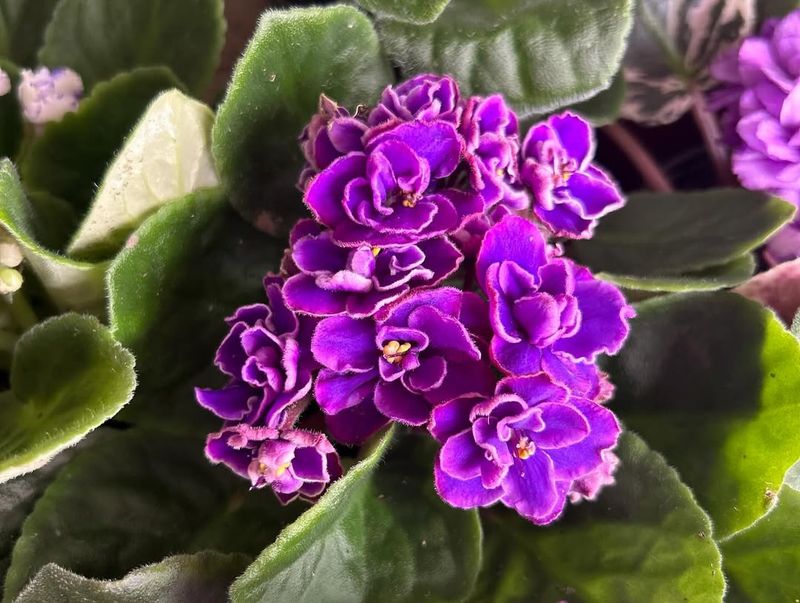
African violets bring charming blooms and compact size to Ohio windowsills throughout winter, flowering almost continuously when given proper care.
Their fuzzy leaves form neat rosettes, and flowers appear in clusters above the foliage in shades of purple, pink, white, or bicolor combinations.
Many people collect different varieties, creating colorful displays that brighten even the coldest, grayest days.
These plants prefer bright, indirect light from east or west-facing windows where Ohio’s winter sun won’t scorch their delicate leaves.
They bloom best with consistent conditions, including moderate temperatures and regular watering from below to avoid spotting their fuzzy foliage.
Special African violet pots with self-watering reservoirs make care even easier during busy winter schedules.
Humidity helps African violets thrive, which can be challenging in heated Ohio homes where air becomes dry.
Grouping several plants together or placing them on humidity trays helps create a better microclimate.
Fertilizing every two weeks with diluted African violet fertilizer encourages continuous blooming throughout winter.
These plants stay compact, rarely exceeding eight to ten inches across, making them perfect for small spaces and apartment living.
They can live for many years and are easily propagated from leaf cuttings stuck in moist soil.
For Ohio gardeners wanting cheerful flowers and manageable size during winter months when outdoor gardens sleep under snow, African violets provide reliable color and satisfaction in small packages that fit anywhere.