8 Beautiful Botanical And Public Gardens To Explore In Southeast Michigan
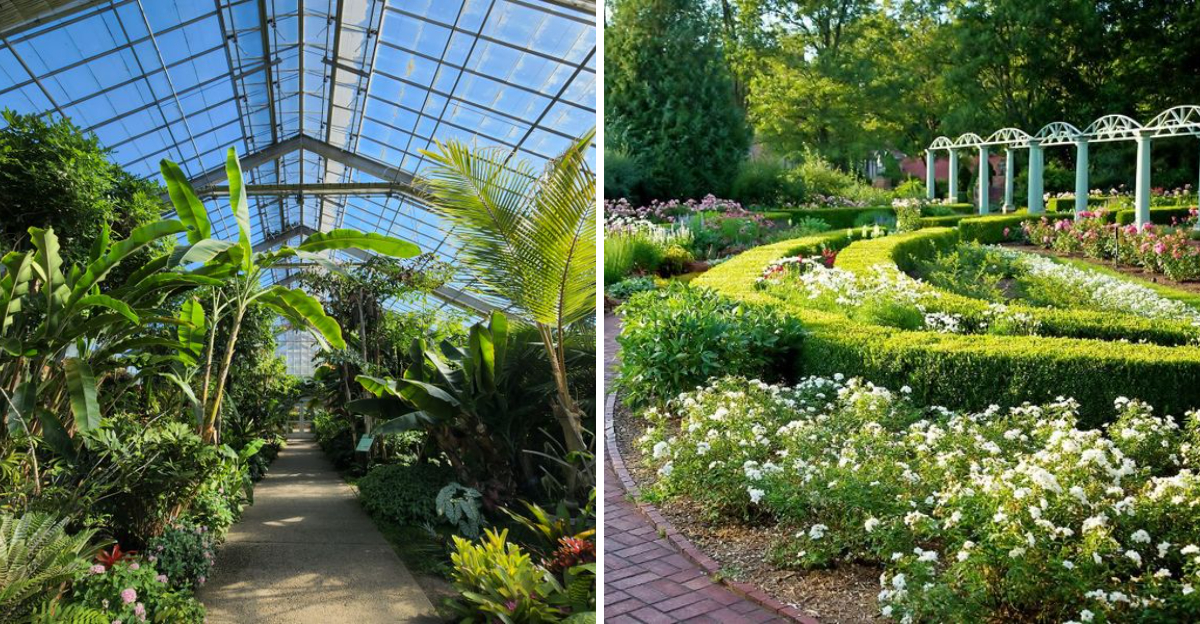
Some of Southeast Michigan’s most beautiful places grow quietly behind garden gates and winding paths. Across the region, public gardens offer a different pace from the busy cities nearby.
Landscapes shift from carefully designed flower beds to natural woodland trails, creating spaces where visitors can slow down, breathe deeper, and notice the details. Each garden carries its own character, shaped by local plants, seasonal color, and thoughtful design.
Spring brings fresh blooms and soft greens, while summer fills the grounds with texture, shade, and vibrant life. Many of these spaces also highlight native plants and sustainable gardening, offering inspiration that feels practical as well as beautiful.
Walking through them feels calming, never rushed, and always slightly different with each visit.
Together, these gardens reveal a quieter side of Southeast Michigan, one filled with color, care, and landscapes that invite you to return again and again.
1. Matthaei Botanical Gardens, Ann Arbor
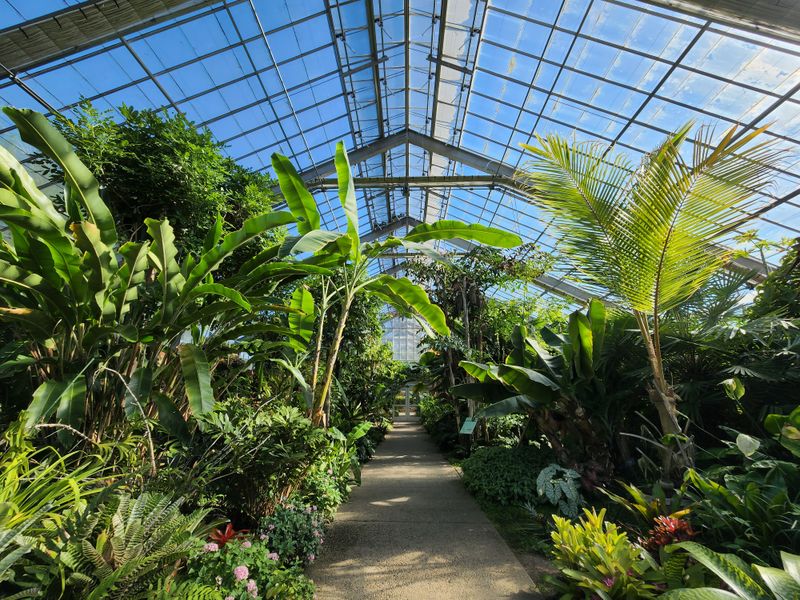
Walking through Matthaei feels like stepping into multiple worlds at once. Located at 1800 N Dixboro Rd, Ann Arbor, MI 48105, the conservatory houses exotic plants from tropical rainforests and arid deserts, creating warm escapes even during Michigan’s coldest months.
Outside, carefully maintained trails wind through prairies, wetlands, and woodlands that showcase what Southeast Michigan looked like centuries ago.
The University of Michigan operates this facility as both a public garden and a serious research center. Scientists study how plants adapt to changing climates while visitors enjoy the beauty of over 350 acres.
The Gaffield Children’s Garden engages young explorers with hands-on learning experiences about nature and growing things.
Spring brings spectacular displays of wildflowers along the woodland trails. Summer transforms the perennial gardens into colorful showcases of what thrives in our region.
Fall colors paint the landscape in brilliant reds and golds, while winter offers peaceful walks through frosted landscapes.
Educational programs run year-round, teaching everything from native plant gardening to botanical illustration. The garden shop sells regionally appropriate plants, helping visitors recreate similar beauty at home.
Free parking and accessible pathways make exploring easy for everyone. Whether you spend an hour or an entire afternoon, Matthaei provides endless opportunities to connect with the natural world and understand Michigan’s diverse ecosystems better.
2. Nichols Arboretum, Ann Arbor
Locals affectionately call it “the Arb,” and for good reason. Found at 1610 Washington Heights, Ann Arbor, MI 48104, this 123-acre sanctuary feels more like a natural forest than a manicured garden.
Winding trails lead through collections of trees and shrubs from around the world, all carefully chosen to thrive in Michigan’s climate.
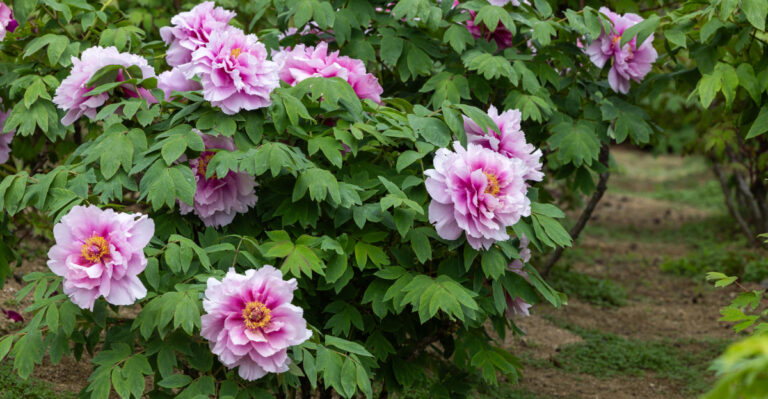
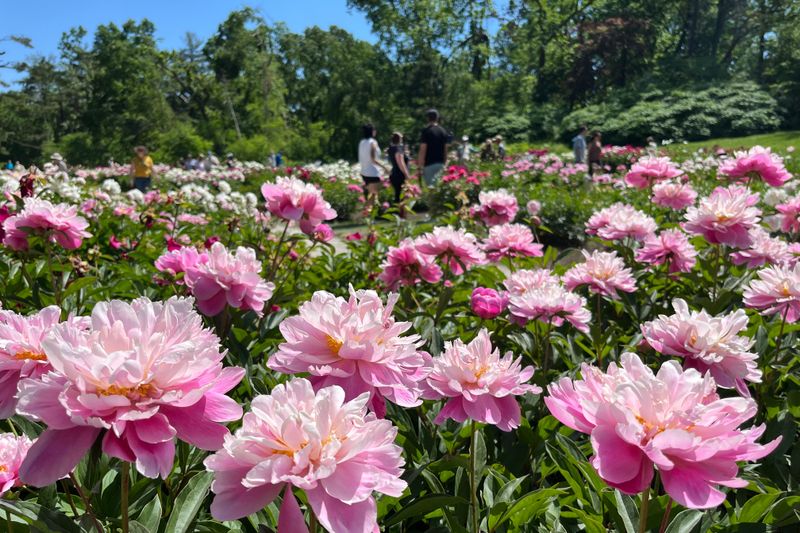
The peony garden steals the show each June when hundreds of varieties burst into bloom. Visitors arrive early to photograph the stunning display before petals begin to fall.
Throughout the year, the arboretum serves as an outdoor classroom where students and researchers study plant biology, ecology, and conservation.
Unlike formal gardens with strict pathways, the Arb encourages exploration and discovery. You might stumble upon a hidden bench overlooking the Huron River or find yourself surrounded by towering oaks that have stood for generations.
The terrain varies from steep hillsides to gentle valleys, offering different experiences around every corner.
Dog walkers, joggers, and nature photographers share the space peacefully. The arboretum remains open from dawn to dusk every day, welcoming visitors without admission fees.
Spring ephemerals carpet the forest floor before trees leaf out, creating brief windows of spectacular wildflower displays. Each season transforms the landscape, rewarding repeat visits with new discoveries and changing perspectives on familiar paths.
3. Belle Isle Conservatory And Botanical Garden, Detroit
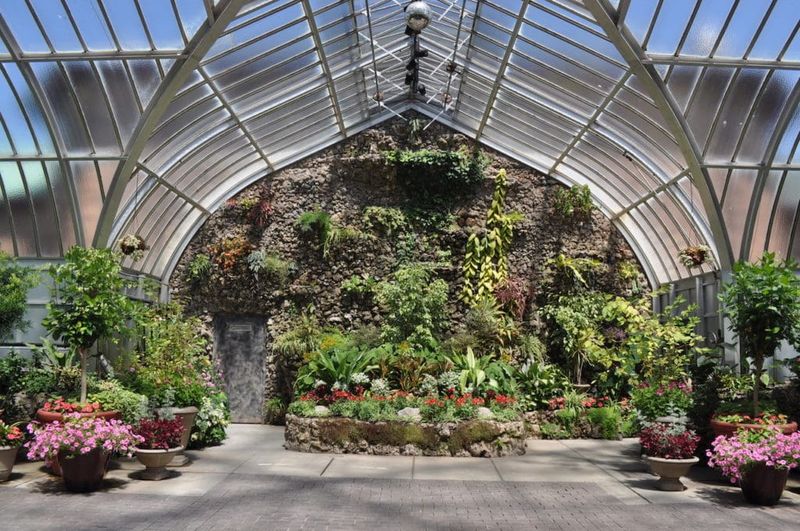
Step inside the Anna Scripps Whitcomb Conservatory at 4 Inselruhe Ave, Detroit, MI 48207, and prepare for a sensory journey. The humid air carries the scent of blooming orchids and jasmine.
Towering palms reach toward the glass ceiling, creating a tropical canopy overhead. This 1904 architectural gem ranks among America’s oldest continually operating conservatories.
The building itself deserves admiration beyond its plant collections. Elegant white-painted metalwork and thousands of glass panes create a stunning backdrop for the botanical displays inside.
Restoration work has preserved the structure’s original character while modernizing climate control systems that keep delicate plants thriving.
Three distinct rooms transport visitors to different climates. The Palm House features towering specimens and tropical plants that would never survive Michigan winters outdoors.
The Tropical House explodes with colorful flowers and lush foliage from rainforest regions. The Cactus House showcases desert plants with fascinating adaptations to harsh conditions.
Seasonal shows transform the space throughout the year. Holiday displays bring festive cheer during winter months when outdoor gardens sleep beneath snow.
Spring bulb shows announce warmer days ahead with thousands of tulips and daffodils. The surrounding formal gardens on Belle Isle provide additional beauty during growing seasons.
Admission remains free, making this horticultural treasure accessible to everyone exploring Detroit’s island park.
4. Cranbrook House And Gardens, Bloomfield Hills
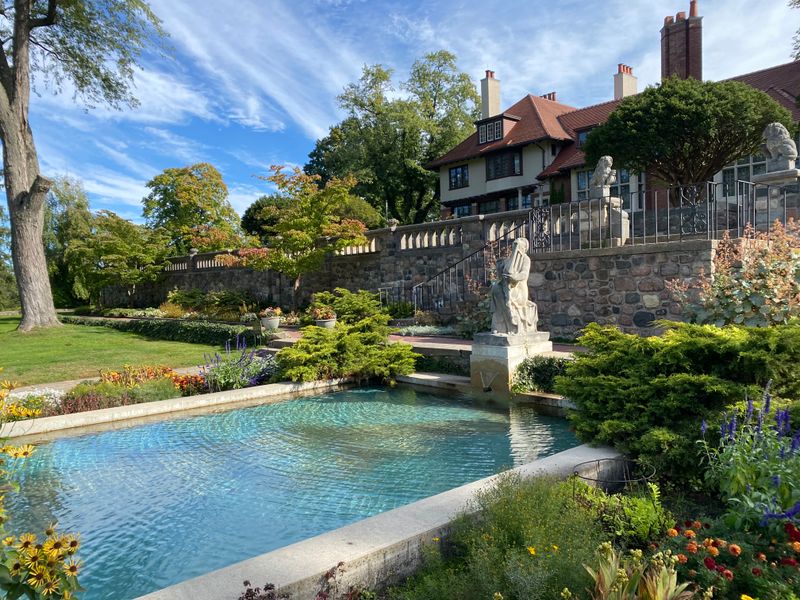
Elegance meets nature at this 40-acre estate located at 380 Lone Pine Rd, Bloomfield Hills, MI 48304. The gardens reflect Arts and Crafts design principles popular during the early 1900s, when wealthy families created elaborate outdoor spaces as extensions of their homes.
Each garden room serves a different purpose, from quiet reflection to vibrant displays of color. The Sunken Garden captivates visitors with its symmetrical layout and fountain centerpiece.
Surrounding perennial borders bloom in waves throughout the growing season, ensuring something catches your eye from spring through fall. Stone pathways and classical sculptures add architectural interest beyond the plantings.
Cranbrook Educational Community maintains these gardens as part of their historic campus. Guided tours reveal fascinating stories about the families who lived here and the designers who shaped these spaces.
The gardens have matured beautifully over decades, with trees and shrubs reaching impressive sizes while maintaining their intended forms.
Visiting feels like stepping onto a movie set depicting gracious living from another era. The attention to detail extends from major design elements down to the smallest plant choices.
Photography enthusiasts find endless inspiration in the changing light and seasonal transformations. Spring bulbs give way to summer roses, followed by fall foliage and winter’s stark beauty.
Educational programs teach historic gardening techniques and design principles that remain relevant today for anyone creating outdoor spaces with lasting appeal.
5. Ford House Formal Gardens, Grosse Pointe Shores
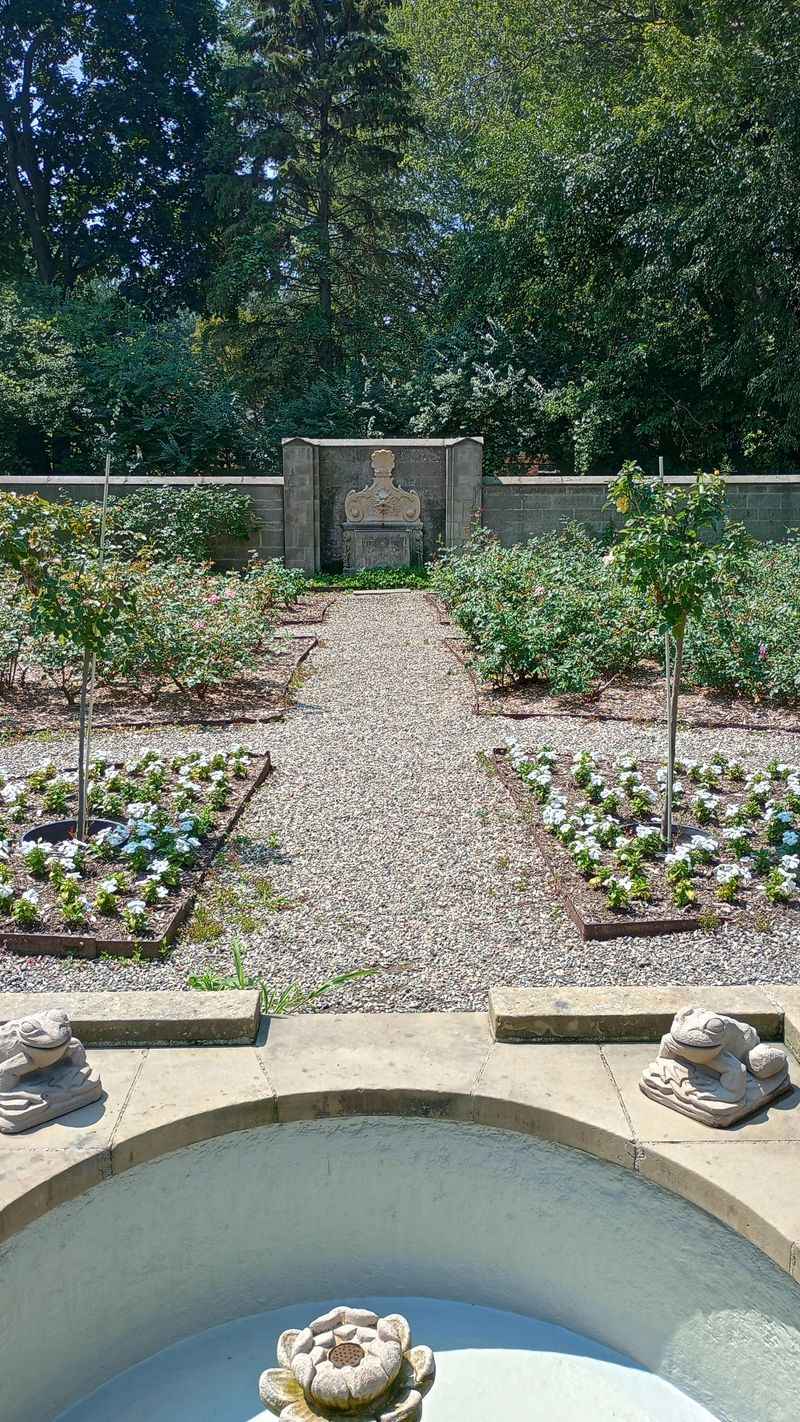
Imagine having Lake St. Clair as your backyard view while strolling through meticulously maintained gardens at 1100 Lake Shore Rd, Grosse Pointe Shores, MI 48236. The Ford family certainly knew how to pick a location.
These gardens stretch across the estate grounds, combining formal design with natural beauty from the waterfront setting.
Rose lovers mark their calendars for peak bloom season when hundreds of plants perfume the air. The rose garden follows traditional layout patterns with geometric beds and gravel paths.
Companion plantings of perennials and annuals extend the season of interest beyond the roses’ main show.
The scale of these gardens reflects the wealth and ambition of 1920s estate planning. Massive trees planted nearly a century ago now provide shade and structure to the landscape.
Ornamental features include fountains, terraces, and architectural elements that create outdoor rooms for different activities and moods.
Tours of the mansion often include garden access, allowing visitors to experience how indoor and outdoor spaces connected in grand estate living. The gardens have been adapted over time to reduce maintenance while preserving their historic character.
Native plants now mix with traditional ornamentals, creating habitat for birds and pollinators.
Special events take advantage of the stunning setting, from outdoor concerts to garden parties. The lakeside location provides cooling breezes during summer visits.
Fall colors reflect beautifully in the water, creating picture-perfect moments for anyone appreciating landscape design history.
6. Heritage Park Botanical Gardens, Farmington Hills
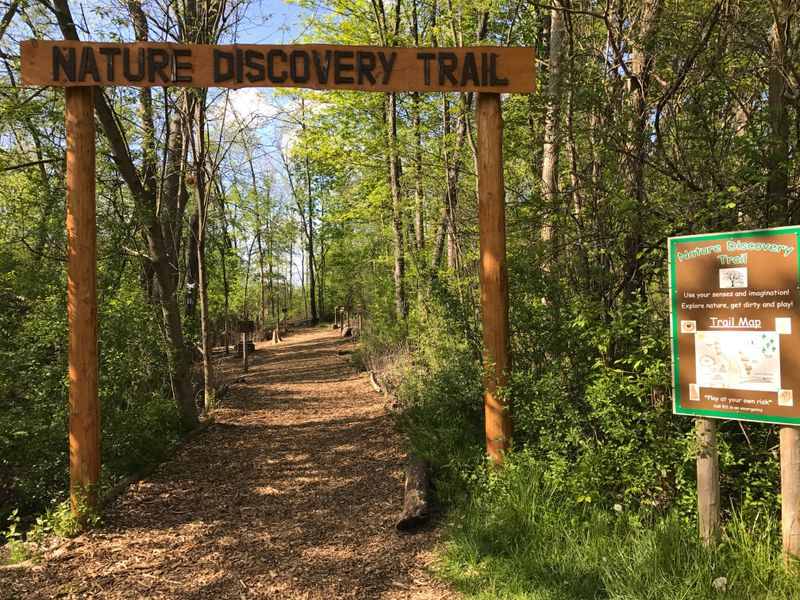
Community gardens often feel more approachable than grand estates, and Heritage Park Botanical Gardens at 24915 Farmington Rd, Farmington Hills, MI 48336 delivers exactly that welcoming atmosphere.
Volunteers and city staff work together maintaining themed areas that demonstrate what grows well in Southeast Michigan. Visitors leave with practical ideas they can actually use at home.
The native plant sections teach important lessons about supporting local ecosystems. Butterflies and bees visit flowers that evolved alongside them, creating living classrooms about pollinator conservation.
Rain gardens show how to manage stormwater while creating beautiful plantings that thrive in wet conditions.
Different garden rooms explore various themes and styles. A shade garden proves that sunless spots can still burst with color and texture.
The perennial borders showcase plants that return year after year, reducing work and expense. Vegetable demonstration plots inspire home gardeners to grow their own food using best practices.
Educational signage throughout the gardens identifies plants and explains their care requirements. This transparency helps visitors learn while they explore, turning a pleasant walk into a gardening course.
Seasonal workshops cover topics from pruning techniques to container design, taught by experienced horticulturists.
The gardens remain free and open to the public during daylight hours. Parking is plentiful and paths are wheelchair accessible.
Families find it an ideal spot for teaching children about plants and nature. The manageable size prevents overwhelm while still offering enough variety to reward multiple visits throughout the growing season.
7. Hidden Lake Gardens, Tipton
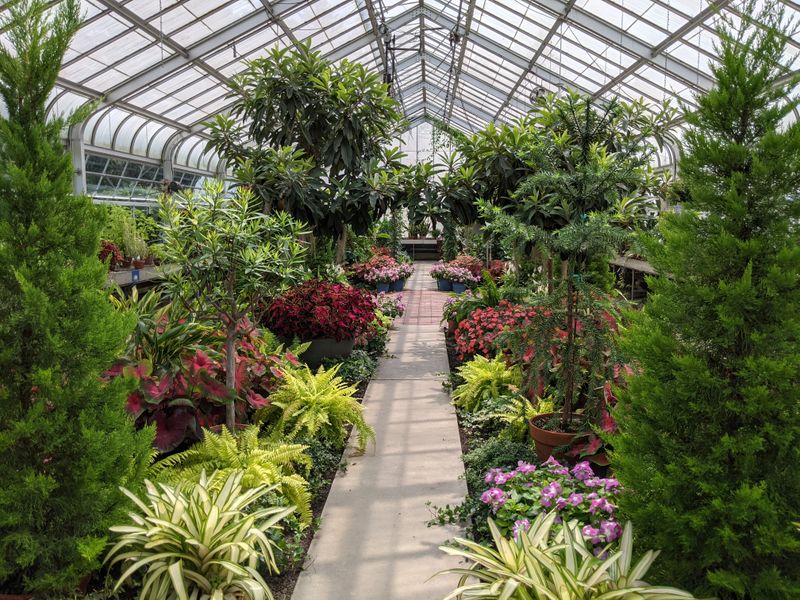
The drive to Tipton takes you into rural Michigan where agriculture meets horticulture. Hidden Lake Gardens, located at 6214 W Monroe Rd, Tipton, MI 49287, sprawls across nearly 800 acres, making it one of the largest botanical spaces in the region.
Michigan State University manages this property, focusing research on plants that can handle our challenging winters and variable weather.
Conifer collections impress even casual visitors with their variety and size. Evergreens from around the world prove their cold-hardiness here, providing year-round interest and important data for researchers.
The landscape design incorporates rolling hills and natural water features, creating scenic drives and walking routes.
A unique feature is the six-mile one-way driving tour that winds through different garden areas. Visitors can stay in their cars while enjoying changing views, making it accessible during all seasons and weather conditions.
Parking areas along the route invite closer exploration on foot for those wanting more intimate experiences with the plantings.
The Harper Collection of Dwarf and Rare Conifers fascinates plant enthusiasts with specimens rarely seen elsewhere. Hostas thrive in shaded areas, demonstrating their value for Michigan gardens.
Demonstration landscapes show residential-scale applications of design principles, helping homeowners visualize possibilities for their own properties.
Educational programs connect university research with public understanding. The gardens prove that beautiful landscapes can also serve scientific purposes.
Admission fees remain modest, supporting ongoing maintenance and plant acquisitions that keep collections growing and improving each year.
8. Meadow Brook Hall Gardens, Rochester Hills
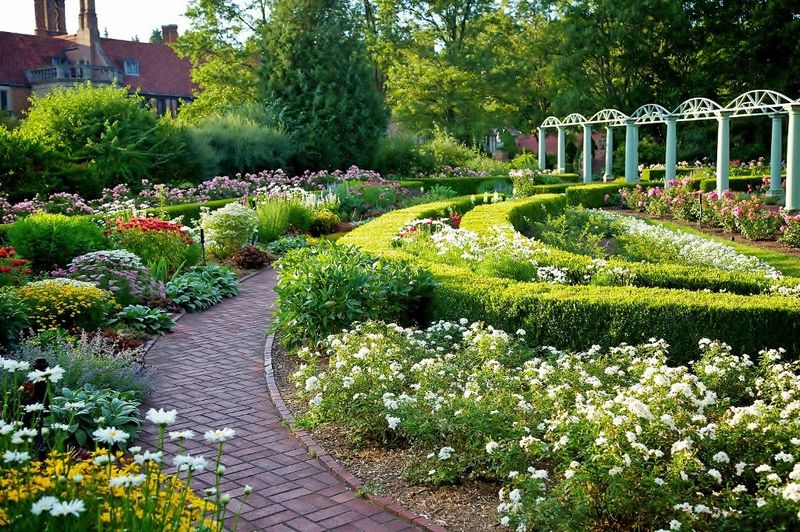
The Dodge family fortune built this estate in the late 1920s, and their vision for gracious living included extensive gardens surrounding the mansion.
You can find it at 350 Estate Dr, Rochester Hills, MI 48309. Today, Oakland University preserves the property, allowing visitors to experience how wealthy families integrated indoor and outdoor spaces during the early automotive era.
Formal garden beds near the house feature seasonal plantings that change with the calendar. Spring bulbs give way to summer annuals, followed by fall mums and ornamental grasses.
The scale and symmetry reflect design trends of the period, when garden staff maintained these spaces with hand tools and careful attention to detail.
Walking the grounds reveals how landscape architecture enhanced the estate’s grandeur. Terraces create outdoor rooms for entertaining and relaxation.
Mature trees frame views and provide shade, their size indicating nearly a century of growth. Stone walls and formal pathways organize the space while connecting different garden areas.
The gardens look their best during mansion tour seasons when staff ensures everything is camera-ready. Special events like garden tours and outdoor concerts take advantage of the beautiful setting.
Holiday decorations transform the landscape during winter months, proving that gardens offer interest beyond the traditional growing season.
Visiting provides perspective on how landscape design has evolved while appreciating timeless principles that still apply. The combination of historic architecture and preserved gardens creates an educational experience about Michigan’s cultural heritage.
Photography opportunities abound throughout the property, capturing both grand vistas and intimate garden details.