9 Beautiful Flower Bed Ideas That Thrive In Arizona Full Sun
A flower bed in full Arizona sun can quickly reveal whether it was planned with the climate in mind. Intense light and rising temperatures push plants to their limits, and weak combinations show stress fast.
What starts out colorful can lose impact without the right structure and spacing.
Strong full sun beds rely on plants that truly tolerate desert exposure and hold their shape under pressure. Texture, height, and thoughtful layering create visual depth that does not wash out under bright light.
When each plant earns its place, the entire bed feels grounded and purposeful.
With the right ideas guiding the layout, a sunny Arizona flower bed can stay bold, balanced, and visually strong long after spring color fades.
1. Red Yucca Adds Sculptural Drama and Low Maintenance
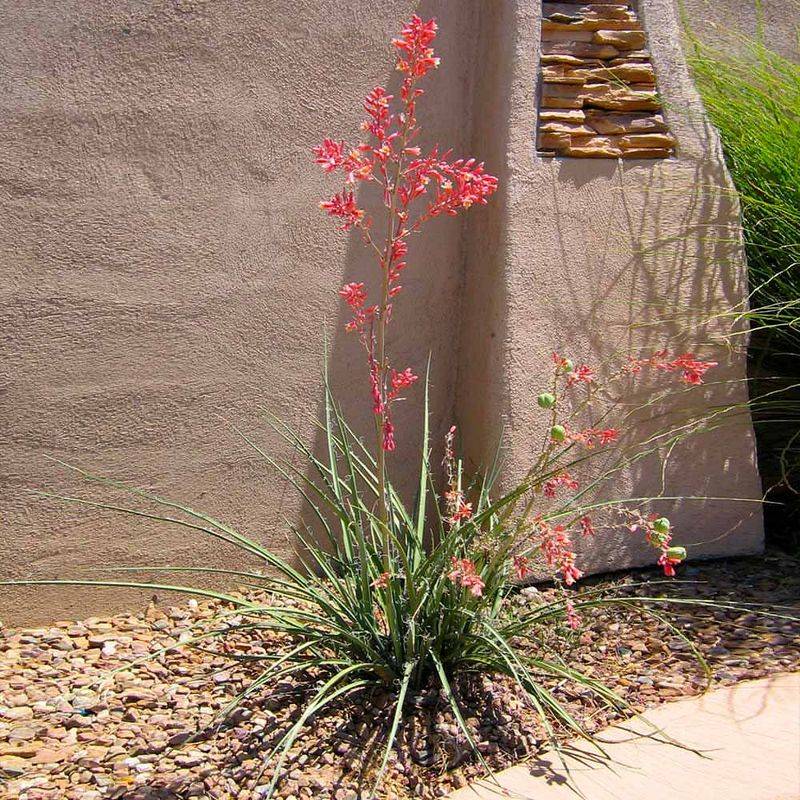
Architectural interest comes naturally to red yucca, which sends up dramatic coral-pink flower spikes that tower above sword-like foliage. Despite its name, this plant isn’t actually a true yucca but shares the same tough, desert-adapted qualities.
Hummingbirds travel considerable distances to feed from the tubular blooms that appear in late spring and often rebloom through summer.
Water requirements drop to almost nothing once roots establish in Arizona landscapes. The graceful, grass-like leaves form attractive clumps that look good year-round, not just during flowering periods.
Red yucca tolerates rocky soil, caliche, and poor drainage better than most flowering plants, making it perfect for challenging spots.
Flower stalks reach three to five feet tall, creating vertical accents that break up horizontal plantings. Colors range from deep coral to soft pink depending on the variety, with some selections offering yellow blooms instead.
Removing spent flower stalks encourages additional blooming and keeps plants looking tidy.
Pair red yucca with desert marigolds or verbena for contrasting textures and complementary colors. Arizona gardeners value how this plant requires virtually no fertilizer and resists pests and diseases naturally.
The sculptural quality makes red yucca equally at home in modern, minimalist designs or traditional Southwest landscapes.
2. Lantana Brings Long-Lasting Color Without Extra Water
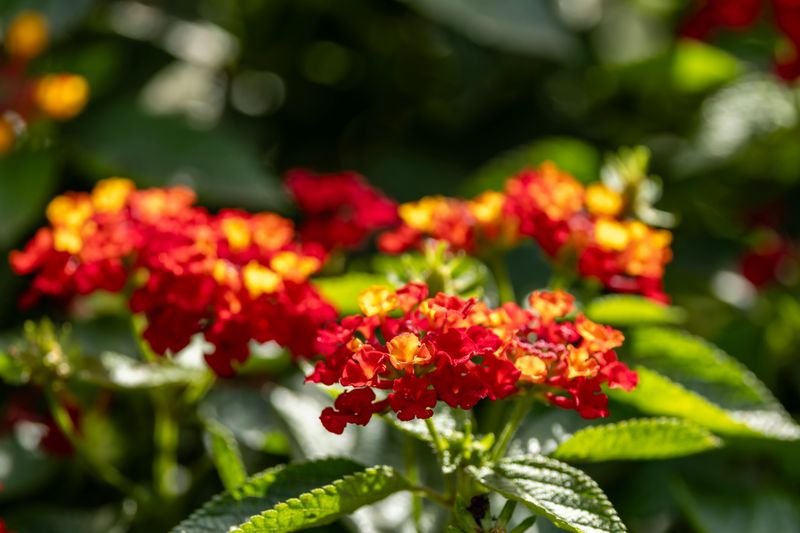
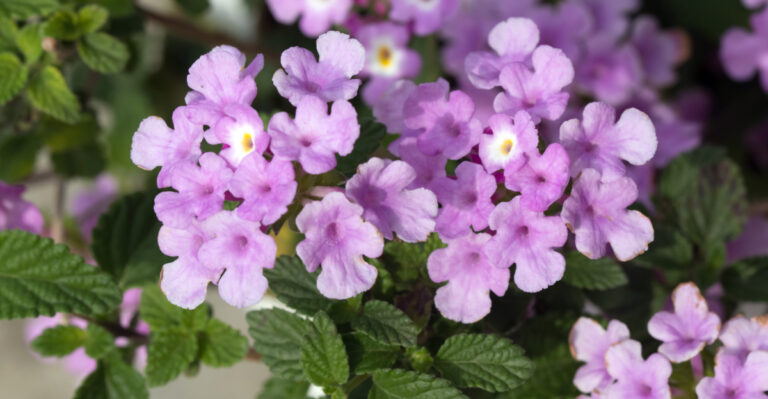
Lantana puts on a show that lasts from spring through fall without demanding constant attention. Clusters of tiny flowers pack together in rounded heads, shifting colors as they mature and creating a stunning multi-toned effect.
Butterflies and hummingbirds can’t resist visiting these blooms, turning your flower bed into a wildlife haven.
Once established in Arizona soil, lantana barely needs supplemental watering. The plant laughs at temperatures that would wilt most garden favorites, actually producing more flowers when the mercury climbs.
Spreading varieties work beautifully as ground covers, while upright types create colorful hedges or focal points.
Pruning keeps plants compact and encourages fresh blooms, though even neglected lantana continues flowering reliably. Choose from varieties in hot pink, sunny yellow, bright orange, or purple shades to match your landscape design.
Some selections offer variegated foliage that adds interest even between bloom cycles.
Arizona gardeners appreciate how lantana handles reflected heat from walls and pavement without complaint. Plant it along walkways, in raised beds, or as border edging where other flowers would struggle.
The tough nature of this plant means less time worrying about watering schedules and more time enjoying the constant color it provides throughout the growing season.
3. Desert Marigold Keeps Gold Hues All Season
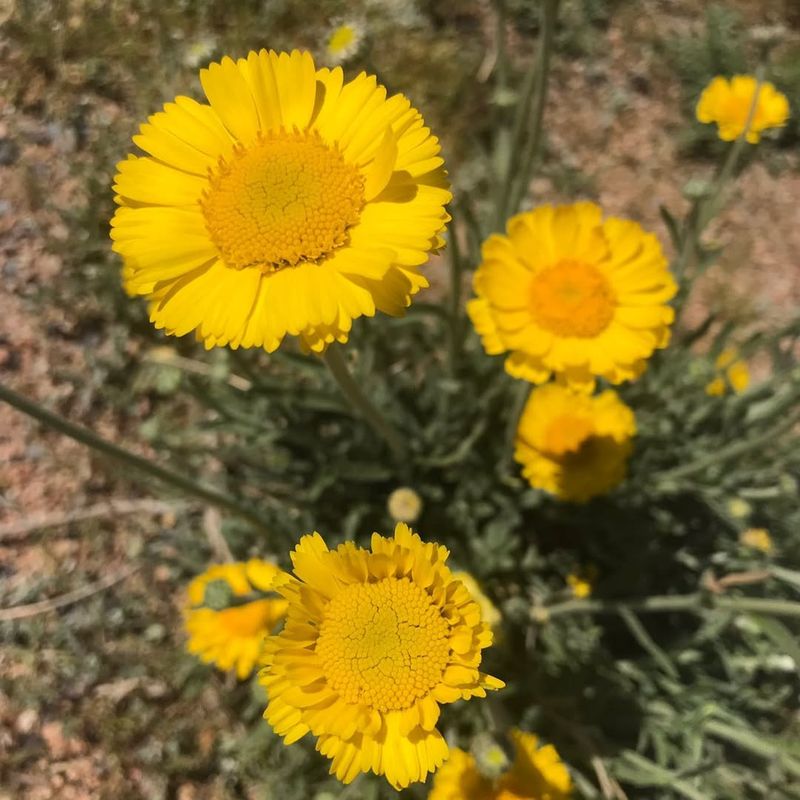
Cheerful yellow daisies blanket desert marigold plants nearly year-round in Arizona gardens. Gray-green foliage stays low and compact while flowers rise just above the leaves on short stems.
This native wildflower knows exactly how to handle intense sun and heat, having evolved in the Sonoran Desert over thousands of years.
Blooming starts in early spring and continues through fall, with occasional flowers appearing even in mild winters. Desert marigold self-seeds readily, filling in bare spots and creating natural-looking drifts of gold.
The silvery foliage reflects heat and conserves moisture, allowing plants to thrive with minimal irrigation once established in Arizona soil.
Mass plantings create stunning waves of color that rival any traditional flower bed. Individual plants work well tucked between rocks, along pathways, or mixed with other desert-adapted perennials.
Deadheading isn’t necessary since flowers drop cleanly and new buds constantly form.
Arizona wildlife benefits from desert marigold too, as native bees and butterflies depend on these blooms for nectar. Plants typically reach twelve inches tall and spread slightly wider, making them ideal for front-of-border positions.
Extreme heat that would stress other flowers simply encourages desert marigold to keep producing its sunny blooms throughout the hottest months.
4. Salvia Handles Heat While Attracting Pollinators
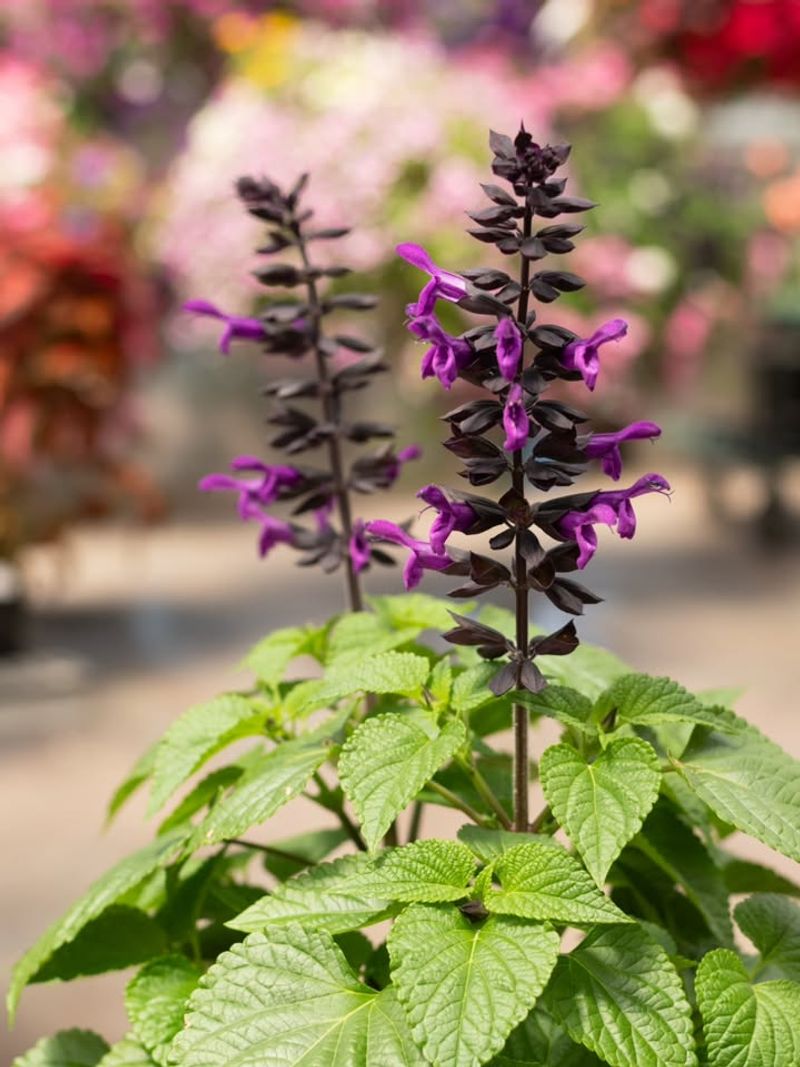
Purple, red, or blue flower spikes rise above aromatic foliage when salvias bloom in Arizona gardens. Hummingbirds zoom in from impressive distances, drawn by the tubular flowers perfectly shaped for their long beaks.
Several salvia species thrive in full sun conditions that would overwhelm less adapted plants, making them reliable performers for Arizona flower beds.
Autumn sage produces flowers almost continuously from spring through frost, requiring only occasional deep watering. Mexican bush sage creates spectacular fall displays when many other plants start looking tired from summer heat.
Cleveland sage offers intense fragrance along with sky-blue blooms that complement hot-colored flowers beautifully.
Salvia foliage releases pleasant scents when brushed, adding sensory interest to pathways and seating areas. Most varieties grow two to four feet tall, providing mid-height structure in mixed plantings.
Pruning after main bloom periods encourages bushier growth and additional flowering.
Arizona gardeners can choose from dozens of salvia varieties adapted to desert conditions. Deer typically avoid these plants due to aromatic oils in the leaves, solving a common landscape problem.
Salvias pair wonderfully with lantana, penstemon, or verbena for multi-season color combinations. The pollinator activity these plants attract brings gardens to life, with constant movement and activity throughout blooming periods under the Arizona sun.
5. Penstemon Delivers Bright Blooms with Minimal Fuss
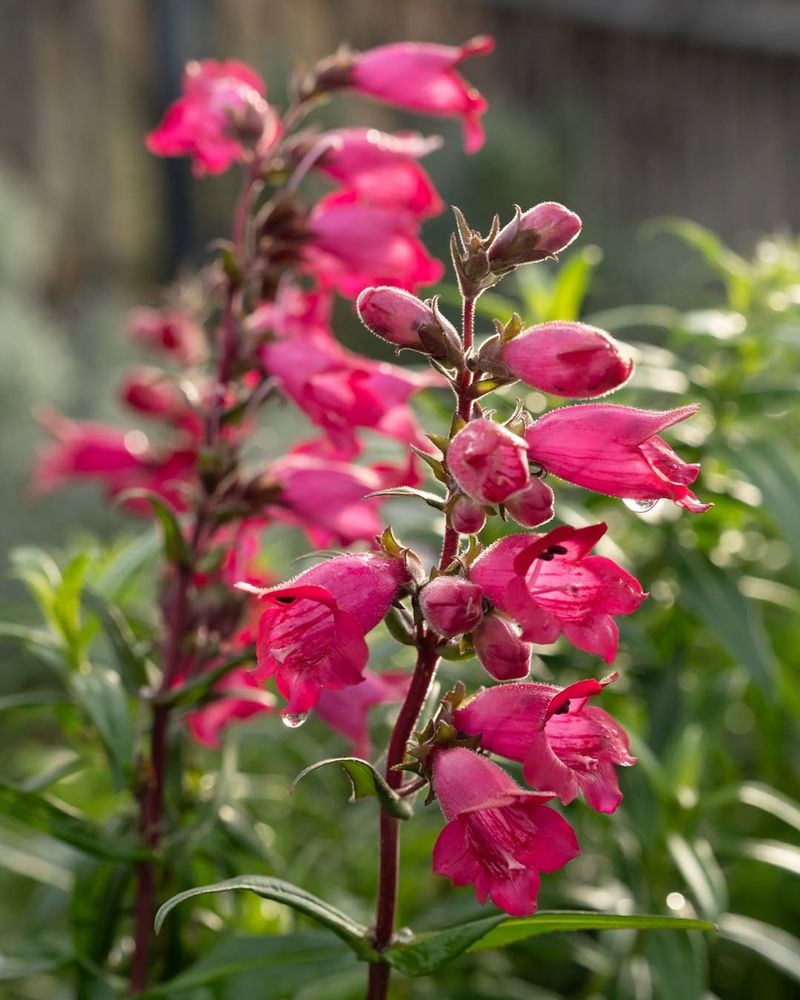
Tubular flowers in shades of red, pink, purple, or white cluster along tall stems when penstemon blooms. Native to the American Southwest, these plants understand Arizona conditions instinctively and perform reliably year after year.
Hummingbirds visit penstemon flowers constantly during bloom periods, providing entertainment along with beauty.
Bloom time varies by species, with some flowering in spring and others waiting until summer heat arrives. Foliage stays semi-evergreen through mild Arizona winters, providing structure even during dormant seasons.
Plants establish quickly from nursery containers and begin flowering often in their first season.
Water needs drop significantly after the first growing season, with established penstemon surviving on rainfall alone in many Arizona locations. The upright growth habit creates vertical interest without requiring staking or support.
Flower colors remain vibrant even under intense sun that bleaches out less adapted plants.
Firecracker penstemon produces brilliant red blooms that practically glow against desert backgrounds. Parry’s penstemon offers soft pink flowers on compact plants perfect for smaller spaces.
Arizona gardeners appreciate how penstemon resists common pests and diseases without chemical treatments.
Combine different penstemon varieties for extended bloom seasons and complementary color schemes that keep flower beds interesting from early spring through summer in Arizona landscapes.
6. Mexican Sunflower Creates a Bold, Vibrant Statement
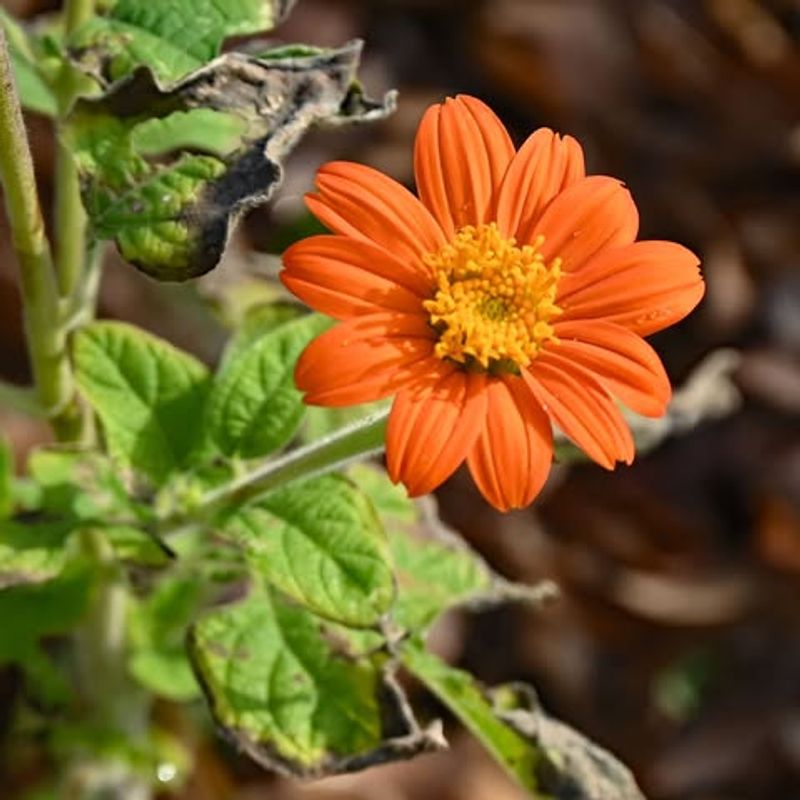
Orange-red blooms the size of your palm cover Mexican sunflower plants from summer through fall. Height reaches four to six feet quickly, creating impressive backdrops or privacy screens that flower continuously.
Butterflies mob these plants, with monarchs particularly attracted during migration periods through Arizona.
Heat that stresses other annuals makes Mexican sunflower produce even more flowers. The bold color combination of orange petals and yellow centers creates tropical effects in desert settings.
Large, velvety leaves add textural interest and substantial mass to plantings.
Starting from seed proves easy and economical, with plants growing rapidly once warm weather arrives in Arizona. Space plants two to three feet apart for full, lush displays by midsummer.
Mexican sunflower tolerates poor soil and needs only occasional deep watering once established.
Cutting flowers for indoor arrangements encourages more blooms and provides stunning bouquets. Plants self-seed in favorable locations, returning year after year without replanting effort.
Arizona gardeners use Mexican sunflower to fill large spaces quickly or create seasonal hedges.
Combine with purple salvia or blue plumbago for complementary color schemes that pop visually. The substantial size makes Mexican sunflower ideal for new landscapes where immediate impact matters.
Despite the tropical appearance, this plant handles Arizona’s dry air and intense sun better than many desert natives, proving appearances can be deceiving.
7. Gaillardia Stands Up to Arizona Heat
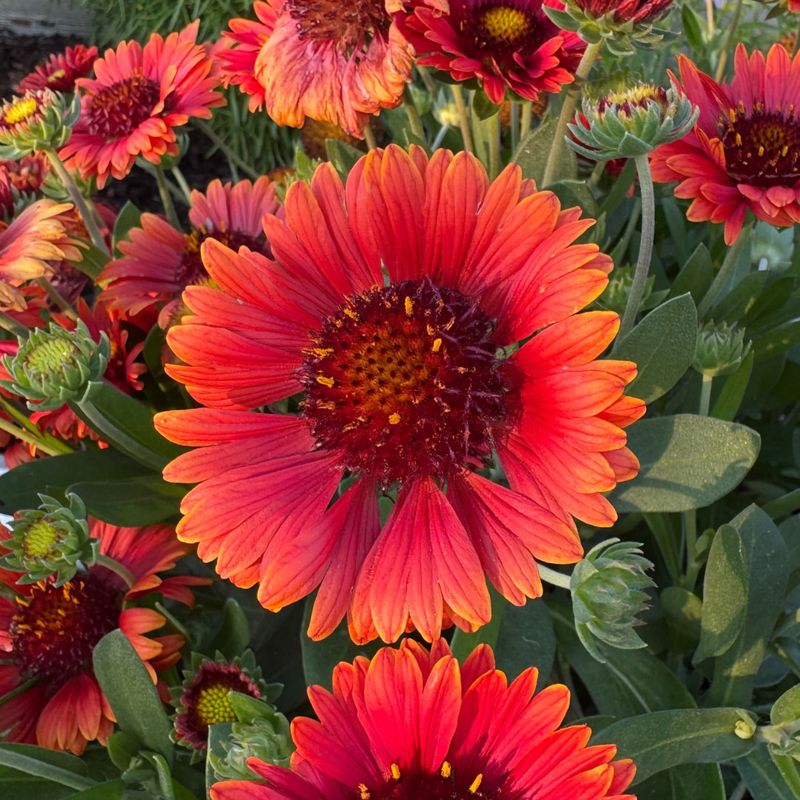
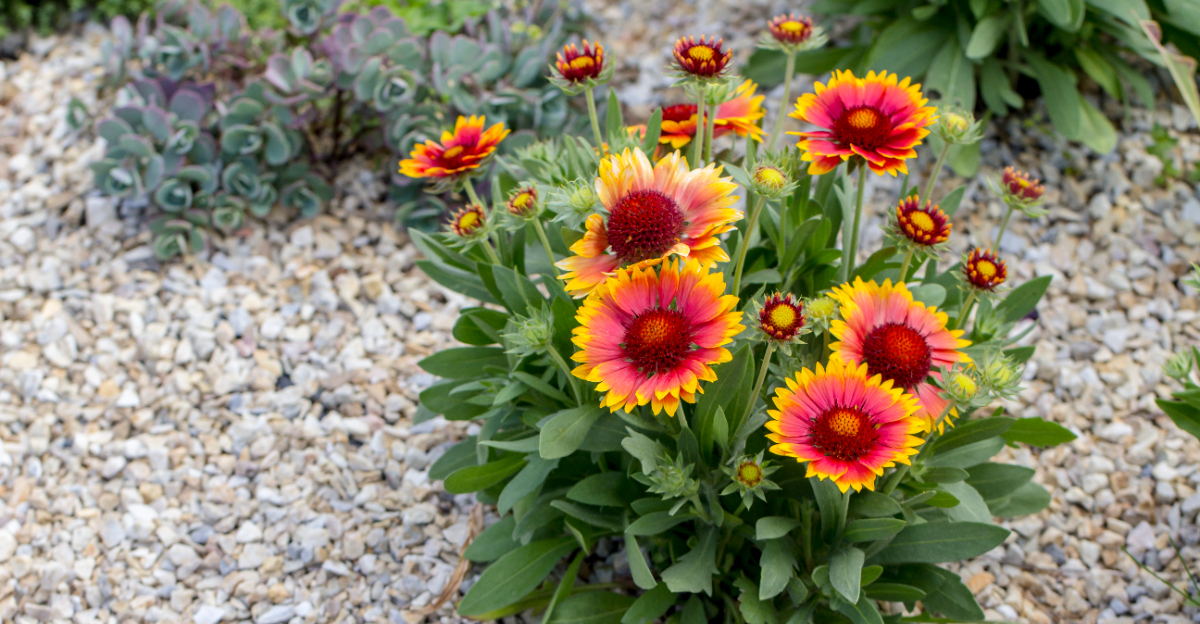
Fiery red and yellow petals radiate from dark centers in gaillardia’s cheerful daisy-like flowers. Blanket flower, as it’s commonly called, blooms relentlessly through Arizona summers when many plants take heat-induced breaks.
Native to North American prairies and plains, gaillardia brings that same toughness to desert gardens.
Flowers appear on strong stems perfect for cutting, and removing spent blooms encourages continuous flowering. Plants stay relatively compact at twelve to eighteen inches tall, working well in front borders or container combinations.
Gaillardia establishes quickly and begins blooming within weeks of planting.
Drought tolerance improves dramatically after the first season, with mature plants surviving extended dry periods. Arizona’s alkaline soil doesn’t faze gaillardia, which actually prefers lean conditions over rich, amended beds.
The bright color combination shows up beautifully against desert backgrounds of beige and brown tones.
Butterflies and native bees visit gaillardia flowers throughout the day, supporting pollinator populations. Plants often self-seed, creating natural-looking colonies that expand gradually.
Arizona gardeners value how gaillardia requires no deadheading to continue blooming, though removing spent flowers does create tidier appearances.
Pair gaillardia with purple verbena or blue salvia for patriotic color themes. The reliable performance under extreme conditions makes blanket flower a staple in Arizona flower beds where dependability matters as much as beauty.
8. Coneflower Adds Height and Desert Resilience
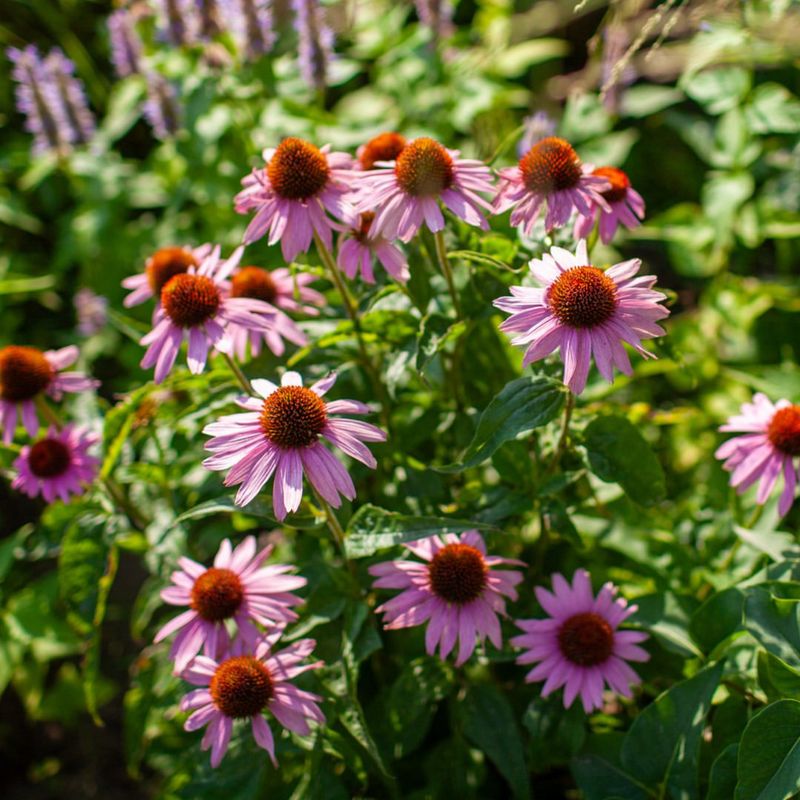
Prominent center cones surrounded by colorful petals give coneflowers their distinctive appearance and name. Purple coneflower adapts surprisingly well to Arizona conditions despite originating in wetter climates.
The trick lies in choosing desert-adapted varieties and providing afternoon shade in the hottest locations.
Flowers attract butterflies, bees, and goldfinches that feast on seed heads left standing through fall. Heights range from two to four feet depending on variety, adding vertical interest to mixed plantings.
Coneflowers bloom primarily in summer, filling the gap between spring and fall flowering plants.
Arizona gardeners should plant coneflowers where they receive morning sun and some afternoon protection from western exposures. Once established, plants tolerate heat well and need only weekly deep watering during summer.
Clumps expand slowly, never becoming invasive but gradually filling assigned spaces.
Color options extend beyond purple to include white, yellow, orange, and red selections. The sturdy stems rarely need staking even in Arizona’s occasional strong winds.
Leaving seed heads in place through winter provides food for birds and architectural interest when other plants go dormant.
Combine coneflowers with ornamental grasses or red yucca for contrasting textures. The long bloom period and wildlife value make coneflowers worthwhile additions to Arizona flower beds despite needing slightly more care than true desert natives.
Choose varieties specifically bred for heat tolerance for best results.
9. Verbena Offers Continuous Color in Small Spaces
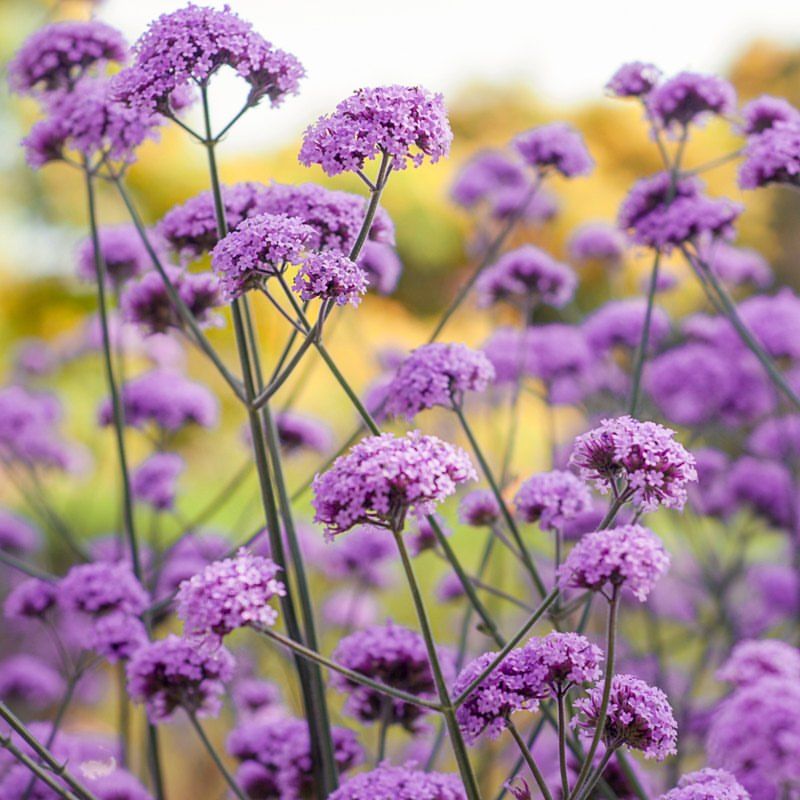
Clusters of small flowers pack together in rounded heads that cover verbena plants for months. Low-growing varieties work perfectly as ground covers or spilling from containers, while upright types add color to tight spaces.
Arizona’s heat and sun actually improve verbena’s performance, encouraging more blooms and denser growth.
Colors span the spectrum from deep purple through hot pink to pure white, with many bicolor options available. Flowers attract butterflies constantly, creating movement and life throughout the garden.
Verbena blooms from spring through fall in Arizona, taking only brief breaks during the absolute hottest weeks.
Water requirements stay moderate compared to traditional annuals, with established plants handling short dry periods. Trailing varieties cascade beautifully over walls, raised beds, or container edges.
Upright verbena creates colorful fillers between larger perennials or shrubs.
Deadheading isn’t necessary though it does encourage fuller plants and more blooms. Arizona gardeners appreciate how verbena handles reflected heat from pavement and walls without wilting.
The fine-textured foliage contrasts nicely with bold-leaved plants like Mexican sunflower or lantana.
Plant verbena in masses for impressive color impact or use single plants as accents. The reliable performance and long bloom season make verbena indispensable in Arizona flower beds where space is limited.
Combining several colors creates tapestry effects that remain interesting throughout the growing season under the intense Arizona sun.