9 Beautiful Flowering Shrubs Michigan Gardeners Are Planting Instead Of Hydrangeas
Several Michigan gardeners I know have started skipping hydrangeas in favor of other flowering shrubs that simply perform better here.
That caught my attention because hydrangeas used to be everywhere, yet these alternatives are showing up more in landscapes and blooming with less fuss.
Michigan weather throws cool nights, late frosts, and sudden heat waves into the mix, and some shrubs just shrug those off while hydrangeas can struggle.
These beautiful flowering shrubs bring vibrant color, longer bloom times, and more reliable growth without constant worry. They handle local soil and seasonal swings better, which means fewer replanting headaches and more time enjoying your yard.
If you have ever felt disappointed by a bloom that never quite popped, these options might be exactly what your garden has been missing. Get ready to meet the shrubs that are becoming new favorites across Michigan.
1. Lilac (Syringa Vulgaris)
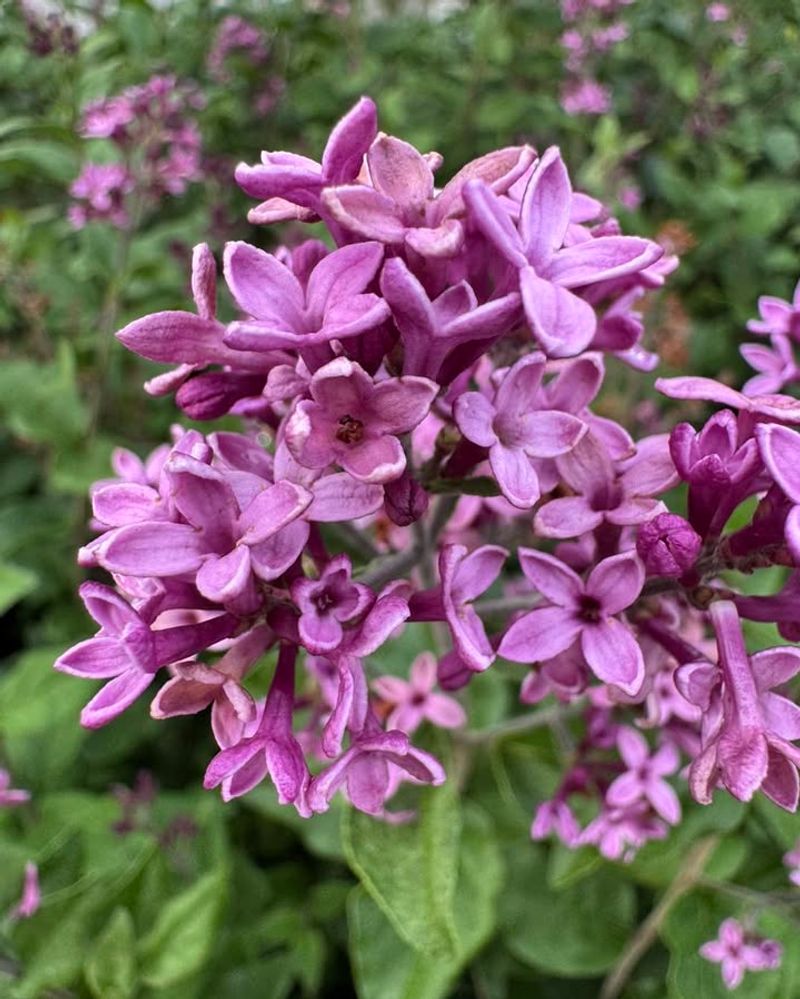
Few shrubs announce spring’s arrival quite like lilacs with their intoxicating fragrance wafting through neighborhood gardens. These cold-hardy beauties thrive in Michigan’s climate, shrugging off harsh winters that sometimes challenge hydrangeas.
Blooms appear in late spring, offering clusters of purple, white, pink, or lavender flowers that gardeners have cherished for generations.
Plant your lilac in full sun for the most abundant blooms. They prefer well-draining soil with slightly alkaline pH, unlike hydrangeas that favor acidic conditions.
Space them at least six feet apart since mature shrubs can reach eight to fifteen feet tall. Pruning should happen right after flowering since next year’s buds form on old wood.
Lilacs require minimal maintenance once established, making them perfect for busy gardeners. They resist most pests and tolerate drought better than many flowering shrubs.
The fragrant blooms make excellent cut flowers, filling your home with that quintessential spring scent. Michigan’s cold winters actually benefit lilacs since they need chilling hours to bloom properly.
Many varieties bloom for two to three weeks, providing reliable early-season color when most gardens are just waking up from winter dormancy.
2. Rose Of Sharon (Hibiscus Syriacus)
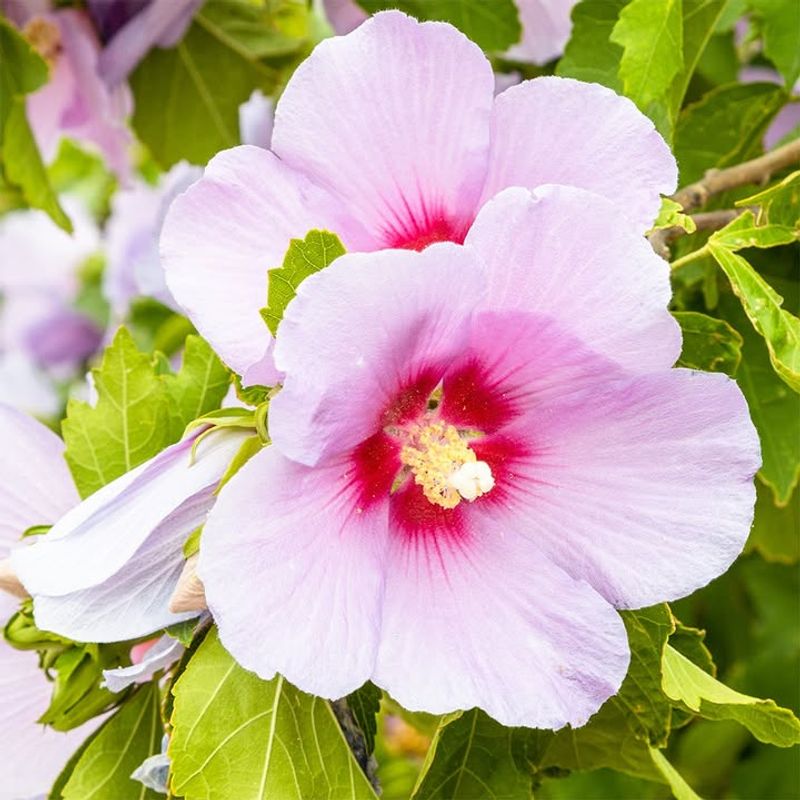
When summer heat arrives and many spring bloomers have finished their show, Rose of Sharon steps onto the stage with tropical-looking flowers. These deciduous shrubs produce large, showy blooms from July through September, filling that late-summer gap in your garden.
Flowers come in stunning shades of pink, purple, white, red, or bicolor combinations that resemble their hibiscus cousins.
Michigan gardeners appreciate how Rose of Sharon handles our variable climate with ease. The shrub tolerates both heat and cold, surviving winter temperatures well below zero.
It adapts to various soil types and handles urban conditions better than fussier flowering shrubs. Mature plants reach eight to twelve feet tall, creating excellent privacy screens or focal points.
Pruning in late winter encourages bushier growth and more flowers since blooms appear on new wood. Deadheading spent flowers prevents excessive self-seeding, though some gardeners enjoy the volunteer seedlings.
Rose of Sharon attracts hummingbirds and butterflies throughout its long blooming period. The vertical form adds architectural interest to landscapes, and the late-season flowers provide nectar when pollinators need it most before autumn arrives.
3. Spirea (Spiraea Species)
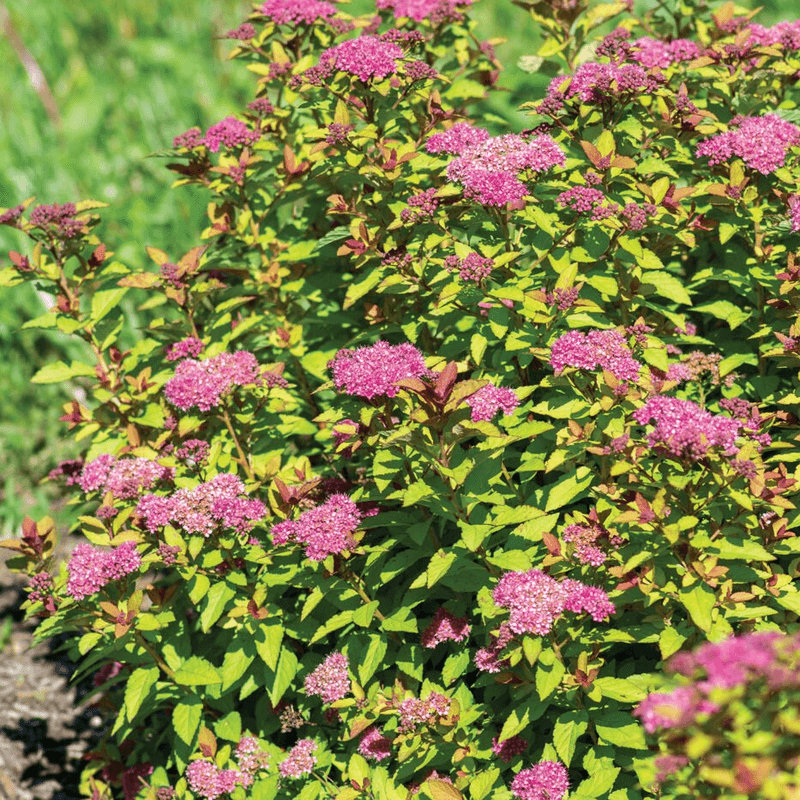
Spirea shrubs pack incredible flower power into compact, manageable sizes that fit beautifully in modern landscapes. Cascading branches become covered with clusters of tiny blooms in spring or summer, depending on the variety you choose.
Colors range from pure white to deep pink and rosy red, creating clouds of color that seem to float above the foliage.
These low-maintenance champions thrive throughout Michigan with minimal fuss or special care. They tolerate a wide range of soil conditions and handle both sun and partial shade.
Most varieties stay under five feet tall, making them perfect for foundation plantings, borders, or mass plantings. Bridal wreath spirea blooms in spring with white flowers, while summer-blooming types like Goldflame offer pink flowers and colorful foliage.
Pruning requirements vary by type, but most spireas bounce back quickly from hard pruning if needed. They resist deer browsing better than many ornamental shrubs, protecting your garden investment.
The dense branching provides excellent habitat for small birds and beneficial insects. Some varieties feature brilliant fall foliage in shades of orange, red, or burgundy, extending their seasonal interest well beyond the blooming period for multi-season appeal.
4. Ninebark (Physocarpus Opulifolius)
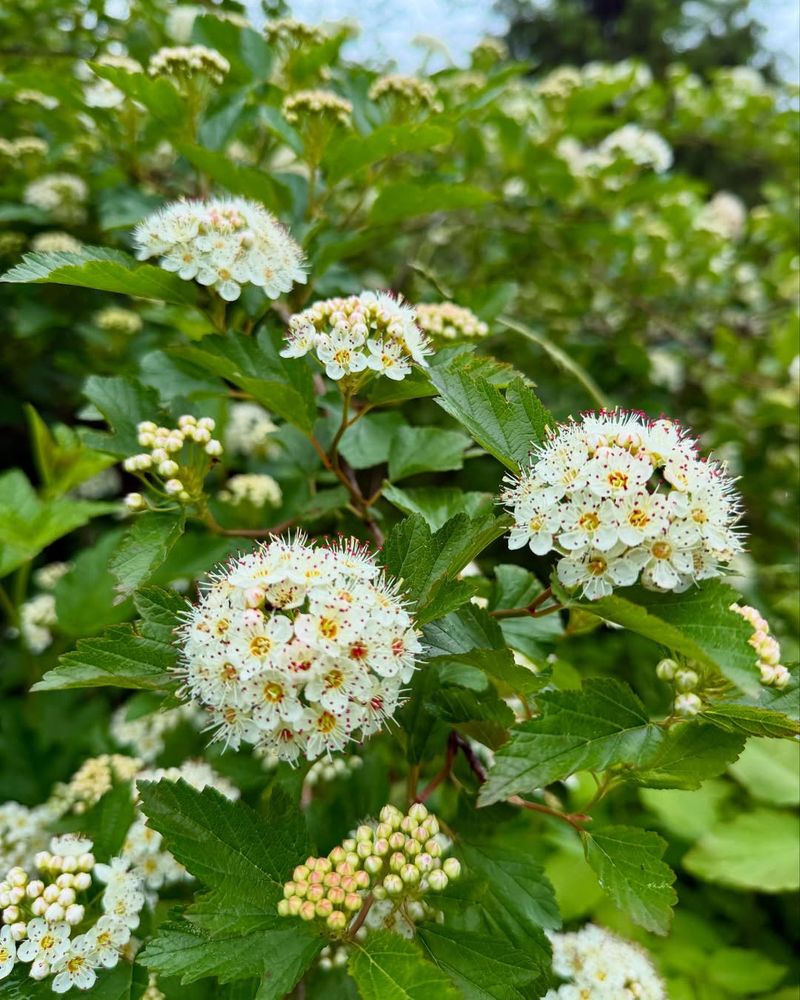
Michigan native ninebark brings year-round interest with its unique peeling bark, colorful foliage, and clusters of delicate flowers. The exfoliating bark reveals multiple layers in shades of brown and copper, creating winter interest when most shrubs look bare.
Spring brings rounded clusters of small white or pink flowers that attract pollinators by the dozens.
This tough-as-nails shrub handles conditions that would stress more delicate plants without complaint. Poor soil, clay, drought, and even road salt rarely faze established ninebark specimens.
Modern cultivars offer stunning foliage colors including deep burgundy, bright gold, or copper tones that hold their color all season. The shrub typically reaches six to eight feet tall with an upright, vase-shaped form.
Pruning can be done after flowering to maintain size or shape as needed. Ninebark supports local ecosystems since it evolved alongside Michigan’s native wildlife and beneficial insects.
The seed heads persist into winter, providing food for birds during harsh months. This shrub works beautifully in naturalized areas, rain gardens, or formal landscapes.
Its adaptability and native status make it an environmentally responsible choice that reduces maintenance while increasing biodiversity in your yard.
5. Viburnum (Viburnum Species)
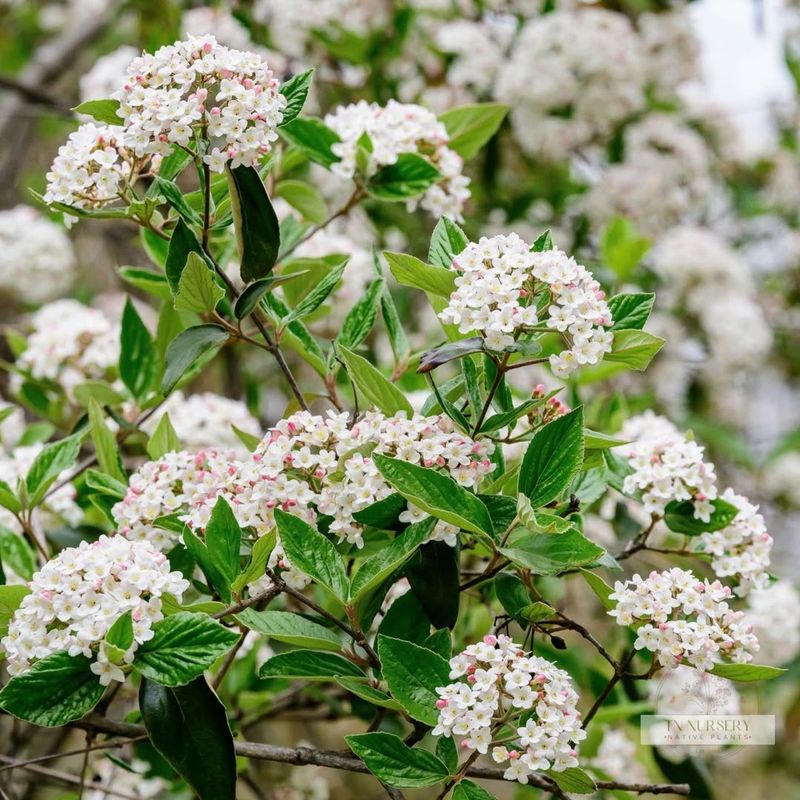
Viburnum shrubs offer Michigan gardeners an impressive range of options, from compact varieties to large specimens. Fragrant white or pink flowers appear in spring, often in showy snowball-shaped clusters or flat-topped blooms.
Many species produce colorful berries that birds relish, and some varieties deliver spectacular fall foliage in shades of red, orange, or burgundy.
Arrowwood viburnum thrives in Michigan’s climate, tolerating wet soils and providing excellent wildlife value. American cranberrybush viburnum produces bright red berries that persist through winter, adding color when landscapes look dreary.
Korean spice viburnum delivers intensely fragrant flowers that perfume entire gardens in spring. Most viburnums prefer full sun to partial shade and adapt to various soil types.
These versatile shrubs resist most pests and tolerate urban pollution better than sensitive flowering plants. Sizes range from four feet to over twelve feet tall depending on species and variety.
The berries provide critical food for migrating birds and overwintering species. Viburnums work beautifully as hedges, specimens, or mixed borders.
Their multi-season interest and ecological benefits make them invaluable in sustainable landscapes that support both beauty and biodiversity throughout the year.
6. Forsythia (Forsythia × Intermedia)
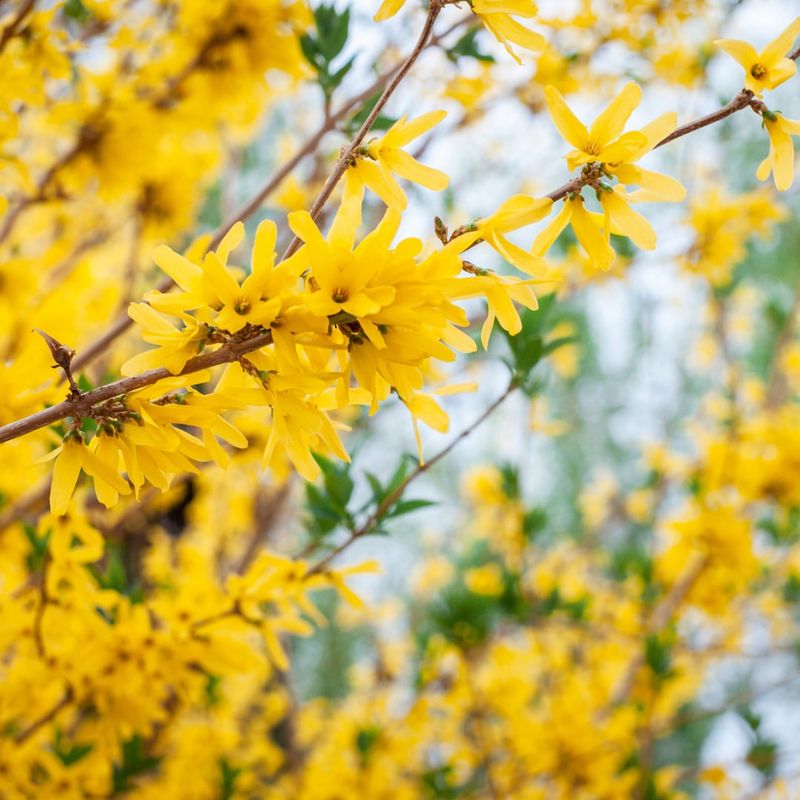
Forsythia explodes with brilliant golden-yellow flowers before most plants have even started leafing out each spring. The shocking display of sunshine-colored blooms lifts spirits after long Michigan winters, announcing that warmer weather has finally arrived.
Bare branches become completely covered in cheerful flowers, creating a luminous beacon visible from blocks away.
This vigorous shrub grows quickly, reaching six to ten feet tall with an arching, fountain-like form. It tolerates a wide range of soil conditions and thrives in full sun locations.
Forsythia handles cold Michigan winters without protection, though extremely harsh temperatures may reduce flower bud formation. The shrub leafs out after flowering, providing a dense green backdrop for later-blooming perennials and shrubs.
Prune forsythia immediately after flowering since next year’s buds form on old wood throughout summer. Cutting branches in late winter for forcing indoors brings early blooms to brighten your home.
The shrub works well as an informal hedge or mass planting for maximum visual impact. While flowers only last two to three weeks, the dramatic early-season show makes forsythia worth the garden space.
Its reliable performance and minimal care requirements appeal to both novice and experienced gardeners alike.
7. Butterfly Bush (Buddleja Davidii)
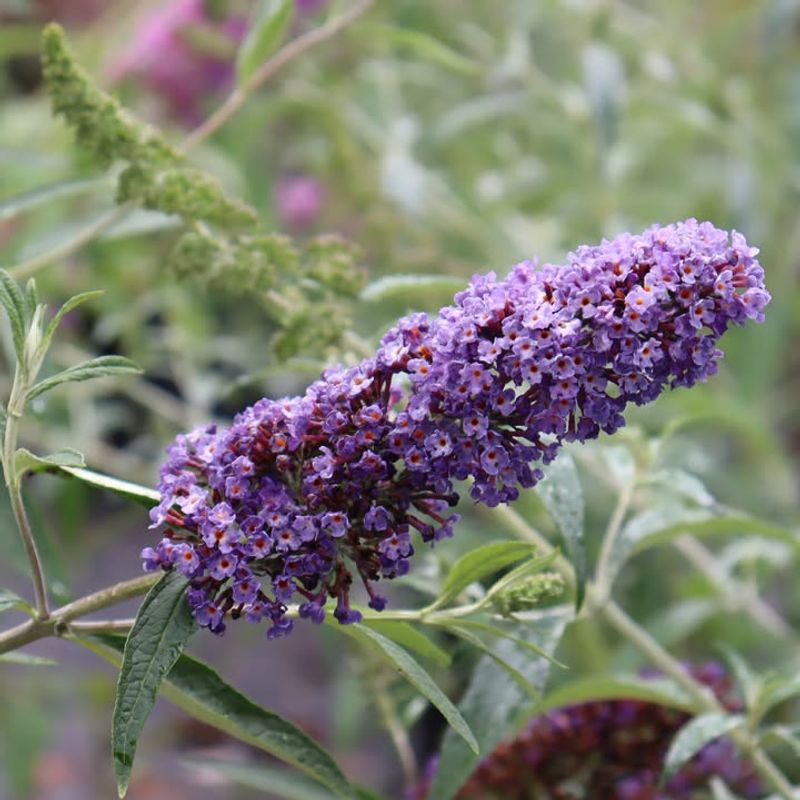
Watching butterflies and hummingbirds flock to butterfly bush creates a living garden show throughout summer and fall. Long, cone-shaped flower spikes in shades of purple, pink, white, magenta, or yellow bloom continuously from June until frost.
The nectar-rich flowers act like magnets for pollinators, transforming your yard into a wildlife sanctuary that delights visitors of all ages.
Michigan gardeners should choose newer compact varieties that reach four to six feet rather than older types. Plant in full sun with well-draining soil for the best flowering performance.
Butterfly bush tolerates heat and drought once established, making it perfect for sunny spots where other shrubs struggle. Deadheading spent flower spikes encourages continuous blooming and prevents excessive self-seeding in some regions.
Cut the entire plant back to twelve inches in late winter or early spring. New growth emerges quickly, and flowers appear on current season’s wood.
The gray-green foliage provides a soft backdrop for the vibrant blooms. Besides butterflies, the flowers attract bees, moths, and hummingbirds throughout the growing season.
This shrub works beautifully in cottage gardens, pollinator gardens, or mixed borders where its long blooming period fills gaps when early bloomers have finished their display.
8. Mock Orange (Philadelphus Species)
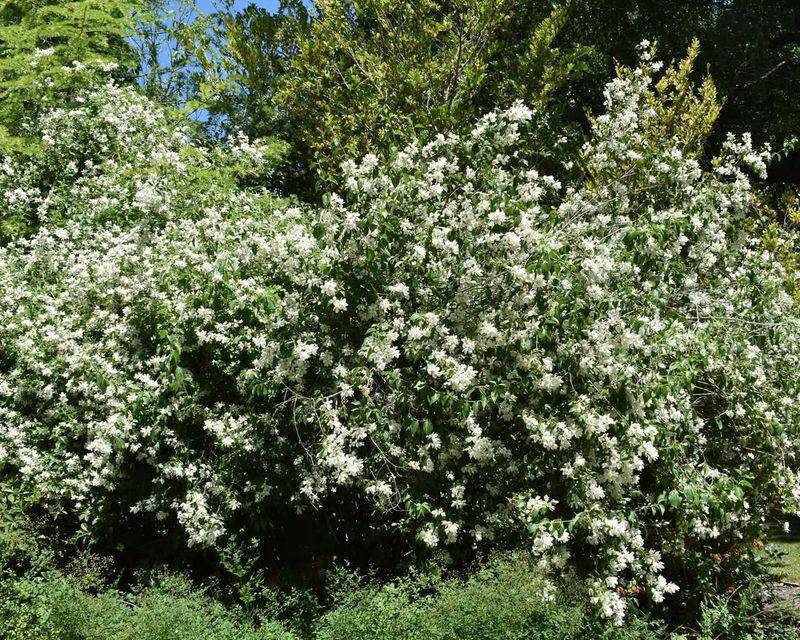
The intoxicating fragrance of mock orange blossoms rivals the most expensive perfumes, filling gardens with sweet scent. Pure white flowers with prominent yellow stamens cover branches in late spring to early summer, creating a stunning display.
The four-petaled blooms resemble orange blossoms in both appearance and fragrance, though the shrub belongs to an entirely different plant family.
Cold-hardy and low-maintenance, mock orange thrives throughout Michigan with minimal care once established. The shrub prefers full sun but tolerates partial shade, though flowering may be reduced.
Most varieties reach six to ten feet tall with an upright, somewhat irregular form that adds character. Older specimens develop attractive peeling bark that provides winter interest after leaves have fallen.
Prune mock orange right after flowering since blooms appear on previous year’s wood. Remove about one-third of the oldest stems annually to encourage vigorous new growth and abundant flowering.
The shrub tolerates various soil types and handles urban conditions reasonably well. While the flowering period lasts only two to three weeks, the memorable fragrance makes it worthwhile.
Mock orange works beautifully near patios, windows, or walkways where you can fully appreciate the delightful scent during its peak blooming period.
9. Summersweet (Clethra Alnifolia)
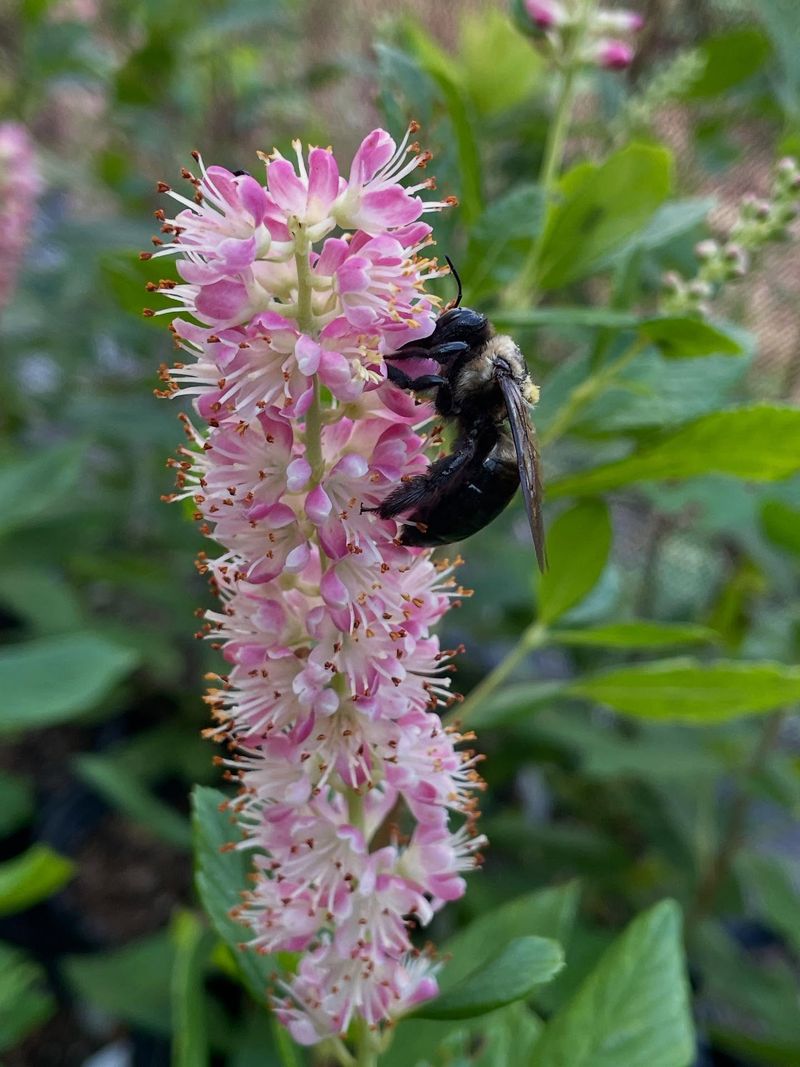
Summersweet delivers delightfully fragrant flowers during late summer when many shrubs have finished blooming for the season.
Upright spikes of small white or pink flowers appear in July and August, releasing a sweet, spicy fragrance that attracts butterflies, bees, and hummingbirds.
The bottlebrush-shaped blooms stand out against glossy green foliage that turns golden-yellow in autumn.
This adaptable shrub tolerates both wet and dry soils, making it perfect for challenging Michigan sites. It thrives in partial shade where many flowering shrubs struggle to bloom properly.
Summersweet naturally grows in woodland edges and wetland margins, so it handles moisture fluctuations better than drought-sensitive plants. The shrub typically reaches four to eight feet tall with a rounded, upright form.
Plant summersweet in acidic soil for best results, similar to azaleas and rhododendrons. It spreads slowly by underground stems, eventually forming attractive colonies that stabilize soil.
The shrub requires little pruning beyond removing old flower spikes if desired. Its late-season blooms provide critical nectar for pollinators preparing for winter migration or hibernation.
Summersweet works beautifully in rain gardens, woodland gardens, or foundation plantings where its shade tolerance and moisture adaptability solve common landscaping challenges.